
Why Should Traditional Hygiene Habits in the Wild Be Abandoned?
The shampoos, toothpastes, and shower gels we use in city life contain synthetic fragrances, sulfates, and microplastics. These substances are filtered out through sewage systems, but there is no such filtering mechanism in nature. When a soap with chemical ingredients mixes with a stream, it reduces the oxygen level of the water, destroying the habitat of aquatic creatures. Additionally, scented products can mislead the scent senses of wildlife, attracting them to your campsite or disrupting their natural behaviors. Hygiene in nature is not a beauty routine; it is the art of protecting health and minimizing environmental impact. Therefore, transitioning from traditional cosmetics to eco-friendly methods is not a choice but a necessity.
What Is the Role of Washing Away from Water Sources in Hydrological Balance?
Washing at the edge of a water source (lake, river, or stream) directly disrupts the chemical and biological balance of that water. Even soaps labeled "natural" can alter the pH level of the water, leading to the death of microorganisms. To maintain hydrological balance, one must stay at least 60 meters (approximately 70-80 steps) away from the water source. Carrying water with a bucket or canteen and washing on a hard surface where plant cover is sparse allows for the filtration of wastewater (gray water) by the soil. The soil has bacteria that break down soap molecules; however, water does not have this capacity. This distance rule serves as a critical barrier for the protection of aquatic life and keeping the water drinkable.
Do Biodegradable Soaps Really Disappear in the Soil?
Many campers think they can dump products labeled "biodegradable" anywhere. However, this is a significant misconception. Biodegradable soaps can only break down when they come into contact with bacteria in the soil and under specific temperature/moisture conditions. If these soaps mix with cold running water, their breakdown can take years, and during this time, they continue to have toxic effects. For truly waste-free hygiene, you should use these soaps in minimal amounts and ensure they are buried in the soil or spread over a large area. No soap is "innocent"; some simply degrade faster in nature. Therefore, the best cleaner is plenty of water and physical scrubbing.
How Do Toothpaste Residues Affect Wildlife When Brushing Teeth?
Traditional toothpastes contain fluoride, artificial sweeteners, and sometimes microbeads. When you brush your teeth and spit on the ground, this sweet-smelling, chemical-laden waste becomes a toxic bait for small mammals and insects. Fluoride can harm the digestive systems of wild animals. To overcome this problem, the "spraying" technique should be used. Instead of spitting the paste-laden water in one spot, you should spray it like a fine mist over a wide area to dilute the pollution. Even better, clean without toothpaste using just a brush and water or turn to natural, odorless alternatives like baking soda.
How to Make Natural Toothpaste with Baking Soda and Coconut Oil?
The best way to leave no waste in nature is to prepare your own product at home. Baking soda regulates the acid balance in the mouth and prevents bacterial growth, while coconut oil exhibits antimicrobial properties. You can mix a small amount of baking soda with a little coconut oil to achieve a paste consistency. This mixture is completely organic and does not create chemical pollution when mixed with nature. Additionally, because it is odorless, it does not attract animals like bears or wild boars. This mixture, which you will carry in a small glass jar, also eliminates the need for plastic tubes, serving your zero waste goal.
How Is Water Conservation Achieved with the "Dry Bath" Technique?
In long journeys where water sources are limited or in arid regions, the "dry bath" is a lifesaver. This technique relies on cleaning the body with natural materials that absorb dirt and oil instead of washing with water. Cornstarch or activated carbon powder can be used to absorb excess oil and sweat odor on the skin. Wiping strategic points of your body (armpits, groin) with these powders using a cloth refreshes the skin. This method saves liters of water while completely eliminating the risk of leaving wastewater in nature. Instead of using wet wipes, dampening a piece of cloth with a small amount of water and wiping also creates the same effect and does not produce waste.
How to Combat the Invisible Pollution Left by Microfiber Towels in Nature?
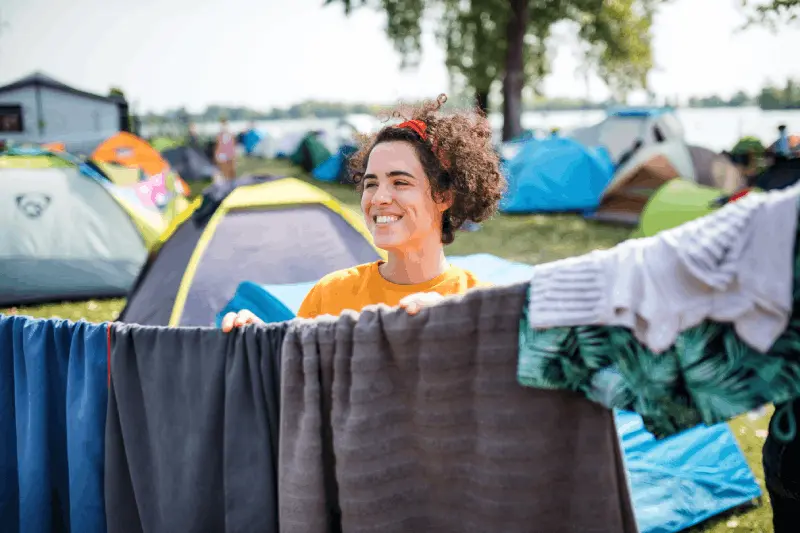
Microfiber towels, a favorite among campers, are actually made from polyester and nylon fibers, which are plastic derivatives. They release thousands of microplastic fibers into the environment with every wash. When rinsing these towels in nature, we risk contaminating water sources with microplastics. Instead, 100% cotton or linen towels should be preferred. Linen is naturally antibacterial and dries quickly. If you are using a microfiber towel, you should avoid rinsing it directly in a lake or stream. You can prevent microplastics from entering the water source by taking the water outside and washing the towel in a bucket. Remember, the waste we cannot see is just as dangerous as plastic debris.
How Can Natural Fibers and Plant Peels Be Used for Cleaning?
Instead of using synthetic sponges for washing or body cleaning in nature, we should look at the solutions nature offers. Dried gourd fiber (Luffa) is a great peeling and cleaning tool. Since it is completely plant-based, it can be buried in the soil and composted when its life is over. Additionally, when the roots of certain plants like soapwort (Saponaria officinalis) are agitated with water, they create a natural lather. These types of plant-based solutions can replace plastic sponges, which are factory waste. It transforms the hygiene process into a complete circular economy. However, it is important to check the local regulations before collecting these plants to protect the local flora.
How to Properly Dig a Waste Water Pit (Grey Water) in the Camp Area?
The waste water that arises after eating or washing should not be poured directly onto the ground. Instead, a small pit should be dug for "grey water" management. Digging a pit about 15-20 cm deep in a location away from the water source, in a sunny area, and where it is exposed to wind facilitates the absorption of water by the soil and its biological purification. After the water is absorbed, the top of the pit should be covered with soil. This method prevents food scraps and soap residues from remaining on the surface and emitting odors, which could disturb wildlife. The spreading of waste water into the soil aids in the natural cleaning process through evaporation and filtration.
Is it Possible to Mask Sweat Odor with Natural Oils?
Synthetic deodorants contain aluminum and parabens that clog sweat pores. Sweating in nature is healthy, but the resulting odor can become unpleasant after a while. Essential oils like tea tree oil or lavender oil are natural antiseptics that kill the bacteria causing the odor. Applying a drop of diluted tea tree oil to your armpits can provide freshness throughout the day. Since these oils are completely plant-based, they do not leave residues in nature. However, the dosage must be well-adjusted; spreading a very strong scent may attract surrounding insects or animals. Natural oils protect your skin and solve your hygiene problem without creating packaging waste.
What Are the Ways to Clean Dirty Clothes Without Using Chemicals?
In long-term camps, it is inevitable for clothes to get dirty. The most effective way to clean without detergent is with hot water and physical scrubbing. Placing clothes in a large dry bag and shaking it after adding hot water creates a "portable washing machine" effect. If there are very stubborn stains, a natural stain remover can be created by adding a small amount of water to wood ash obtained from the campfire (which has a caustic effect). Rinse water must always be poured away from water sources. With this method, you protect the stream water from detergent and can clean your clothes without wearing them out.
How Does Using a Menstrual Cup Protect Nature During the Menstrual Period?
When it comes to women's hygiene in nature, pads and tampons are among the largest waste items. The decomposition of these products in nature takes centuries and poses a risk to wildlife due to their odors. Menstrual cups (period cups), made from medical-grade silicone, are reusable and do not produce waste, making them a great alternative. Using a single cup throughout a camping trip can prevent tons of waste. Drinking water quality should be used for cleaning the cup, and the disposal process must be done according to the "cat hole" rule. This way, neither plastic waste nor biological waste leaves a trace in nature.
How to Use and Clean a "Pee Rag" Hygienically?
Using toilet paper after every urination in nature creates a large paper waste. Many women outdoor enthusiasts now prefer to use a "pee rag". This is typically a cloth that is waterproof on one side and absorbent and antimicrobial (due to silver ions) on the other. It is used for wiping after urination and is hung outside the backpack to be disinfected by sunlight (UV). At the end of the day, the cloth can be washed with a small amount of water and soap (away from water sources). This method completely eliminates the hassle of carrying and disposing of toilet paper.
What Are the Organic Alternatives to Toilet Paper That Can Be Used in Nature?
There are many alternatives to toilet paper in nature, also known as "mountain wipes". Materials such as smooth stones, large leaves (make sure they are not poisonous), snowballs, or corn husks have been used by people for thousands of years. These organic materials can be buried in a cat hole after use and decompose very quickly into the soil. If you must use toilet paper, you should never leave it in nature; it should be carried back in a waterproof bag. Remember, even papers called "biodegradable" can take years to decompose in dry areas or at high altitudes.
What Ethical Rules Should Be Followed When Digging a Cat Hole?
The disposal of solid waste (feces) is the most critical stage of hygiene in nature. A hole should be dug at least 70 meters away from water sources, campgrounds, and trails, approximately 15-20 cm deep. This depth ensures that the waste remains in the "organic layer" where it will decompose biologically the fastest. After the process is completed, the hole should be filled with soil and marked with a natural stone or branch. This prevents visual pollution and the spread of pathogens. The filtering power of the soil is the most important defense line protecting the ecosystem from diseases.
What Natural Remedies Are There to Prevent Athlete's Foot?
Feet sweating inside boots during long hikes create a suitable environment for fungal growth. To maintain foot hygiene without creating waste, socks should be removed and feet aired at every break. Vinegar (especially apple cider vinegar) is a natural antifungal. A small spray bottle of vinegar water that you carry can clean bacteria and fungi from your feet. Additionally, sprinkling baking soda inside shoes absorbs moisture and prevents odor formation. Keeping your feet clean not only provides comfort but also increases your resilience in nature by reducing the risk of infection.
Are Essential Oils Sufficient for Disinfecting Instead of Hand Sanitizers?
Alcohol-based disinfectants dry out the skin and leave plastic packaging waste in nature. Washing hands with water and mechanical scrubbing is the best; however, in situations where water is not available, oils with high antiseptic values like thyme or cedar oil can be used. These oils are quite effective in killing germs. You can wipe your hands by mixing a drop of thyme oil with a carrier oil (like olive oil). However, if there are open wounds on the hands, thyme oil can be irritating. Natural disinfectants respect the balance of the microbiome in nature while supporting your immune system.
What is the Importance of Dirty Water Filtration Systems in Personal Hygiene?
The water used for hygiene must also be clean. Washing your face or brushing your teeth with dirty stream water can lead to parasites (like Giardia) entering the body. Portable water filters (those with 0.1 micron pores) make your hygiene process safe by cleaning the pathogens in the water. Using filtered water reduces the need for extra chemicals (iodine or chlorine tablets) for disinfection and prevents these chemicals from mixing with the soil. Clean water is the cornerstone of a healthy camp and safe hygiene.
What Natural Substances Can Be Used Instead of Shaving Foam in Nature?
Classic shaving foams create plastic/metal waste and harm nature due to the chemicals they contain. If you need to shave in nature, the best foam is pure olive oil soap. If you don't want to use any soap, just warm water and a drop of natural oil may be sufficient to soften the skin. When cleaning your razor, you should use water in a container to avoid polluting the water source and dispose of this water in the soil. The most eco-friendly solution is to stay "unshaved" as long as you are in nature and completely skip the process.
What Plants Can Be Found in Nature to Heal Sunburns?
Personal hygiene also involves protecting skin health. Instead of chemical creams for sunburns, if available in the area, you can use St. John's wort oil or aloe vera leaf. St. John's wort oil is known for its cell-renewing properties and does not leave a mark in nature. However, instead of bringing plants from outside, wearing long-sleeved, breathable clothing and wide-brimmed hats is the most "waste-free" method of sun protection. Protecting your skin with physical barriers is the most effective way to prevent the cream from mixing with sweat and soil/water.
What is the Cleaner Used for Cleaning Camping Kitchen Utensils?
Dishes hygiene is directly related to your personal health. Using wood ash instead of detergent to clean greasy pans is an ancient technique. Ash becomes slightly basic when combined with water and breaks down the grease. Sprinkling finely sifted ash in the pot and scrubbing with a little water can remove even the most stubborn greases. The rinsed dishes will be spotless. The "ash water" that results from this process is completely natural and can even serve as fertilizer for plants (it should still be disposed of away from water sources). The smartest way to leave plastic detergent bottles at home is to use ash.
What is the Risk of Attracting Animals with Scented Cosmetics?
While "smelling clean" in the wild may be pleasant for us humans, it is a warning for wildlife. A strawberry-scented shampoo or a perfumed moisturizer can signal "food" to animals with developed senses of smell, like bears. For your safety and the natural balance of animals, completely odorless products should be used while camping. The purpose of hygiene is not to spray perfume but to be free from pathogens. Being odorless ensures that you remain invisible in nature and minimizes your risk of unwanted encounters with wildlife.
How to Prepare a Clay Mask for Skin Care in Nature?
Spending a long time in nature can clog the pores of the skin. If you are in an area with a clean clay source, the clay you mix with water is a great skin cleanser. Clay absorbs toxins from the skin and provides mineral support. When removing the clay from your skin after it dries, returning the residues to the soil is an ecological cycle. This allows you to experience the comfort offered by masks sold in plastic tubes with zero waste. However, care should be taken not to disturb the soil structure and damage plant roots while collecting clay.
What is the Miracle of Lemon and Salt for Stubborn Stains on Clothes?
Hygiene is not only limited to the body; the cleanliness of clothes is also important. For sweat stains or spilled food on clothes, a slice of lemon and a pinch of salt can replace chemical detergents. The acidity of lemon and the abrasive power of salt dissolve the stains. When combined with sunlight (UV effect), this mixture lightens the stain and disinfects. Since it does not contain chemicals, it can be safely applied in nature. After the drying process is complete, you can shake off the salt residues and mix them with the soil.
What Should Be Included in a Minimalist Hygiene Kit?
The philosophy of less is more also applies to camping hygiene kits. An ideal waste-free kit should include a small piece of natural soap, baking soda, a pee rag, a container (if needed), a small towel, nail scissors, and a sun-protective hat. By carrying all these materials in reusable cloth bags, you can eliminate the use of plastic bags. The lighter and simpler your kit is, the more your mobility in nature increases, and the easier your waste management becomes.
What Are the Psychological Effects of Gaining Waste-Free Hygiene Habits in Nature?
Getting rid of the comforts and chemicals of the modern world in nature provides a mental detox. Managing your own waste and cleaning without harming nature enhances your sense of self-efficacy. When you align with the rhythm of nature, you rediscover your body's natural oil balance and scent. This situation distances a person from the perception of