What Are the Basic Hygiene Differences Between Gray and Black Water?
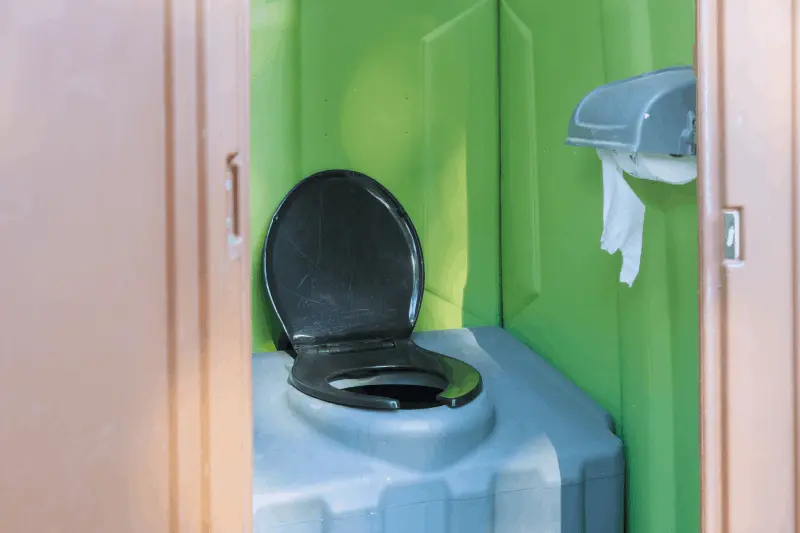
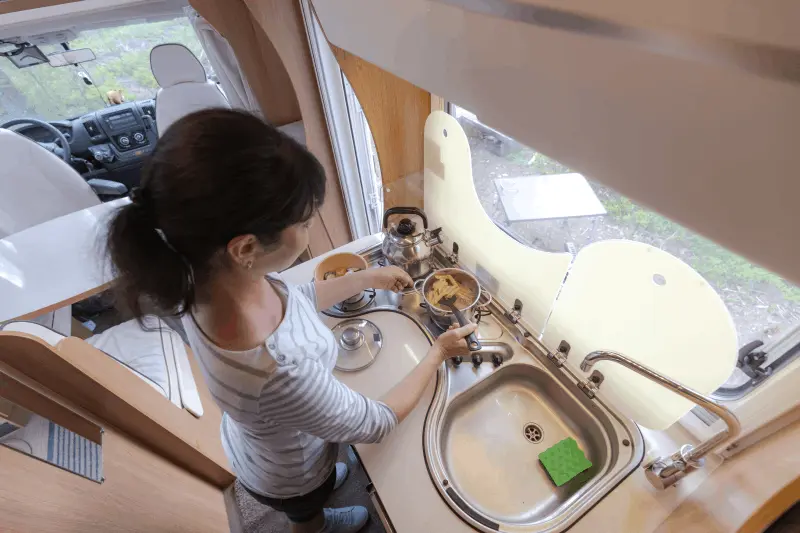
Gray water is wastewater that typically comes from kitchen sinks, showers, and baths, containing soap residues and light dirt. Black water, on the other hand, is wastewater that contains toilet waste, meaning human feces and urine, which has a very high pathogen risk. It is critical to know the characteristics of these two types of water for a hygienic disposal process. Black water should be avoided for direct contact and spills due to the serious bacterial risks it carries; while gray water appears less risky, it can lead to odor and health issues over time due to bacteria that grow within it.
What Personal Protective Equipment Should Be Prepared Before Starting the Disposal Process?
Disposing of wastewater carries the risk of contact with invisible microorganisms. To achieve the most hygienic result, durable latex or nitrile gloves that extend to the elbows should be used. Additionally, it is recommended to wear protective goggles and a face mask to protect against micro spills that may occur during the disposal of black water. Using galoshes or waterproof boots specifically designated for this job is a vital step to prevent pathogens from being transported into your living space.

Why Should the Black Water Tank Always Be Emptied Before Gray Water?
This is known as the "golden rule" among campers and boat owners. After the black water tank is emptied, the discharge hose and connection points become contaminated with a significant amount of feces and bacterial residue. Immediately afterward, emptying the gray water, which is relatively cleaner, ensures that this soapy water flows through the hose, rinsing away the black water residues and naturally rinsing the hose. This order minimizes the risk of solid waste remaining inside the hose, facilitating the next cleaning phase.
How to Check the Tightness of the Discharge Hose and the Quality of the Connection?
The biggest nightmare for hygienic disposal is leaks. Before starting the disposal process, the bayonet connections (clamping lock systems) at both ends of the discharge hose should be checked for security. It should be checked whether the seals are dried out or cracked. After attaching the hose, it should be slightly pulled to ensure it fits snugly. If there is a feeling of looseness at the connection point, the process should be stopped, and if necessary, the system should be sealed with a new seal or clamp; otherwise, the spread of germs into the environment is inevitable.
Why Is Using a Transparent Elbow Adapter Important for Hygiene Monitoring?
Many people are not fond of seeing wastewater, but using a transparent connection elbow is key to hygienic control. Thanks to the transparent section, you can observe whether the tank has been completely emptied, when the water has cleared, and whether there are any solid blockages inside. Finishing the process without seeing that the water has completely cleared can lead to residue remaining in the tank. These residues can cause odors over time and become a breeding ground for bacteria. A transparent elbow provides visual proof that the cleaning has been completed.
How Does the "Liquefaction" Method for Black Water Tanks Prevent Odor and Pollution?
The special enzymes and chemical liquefiers used before emptying the tank turn solid waste and toilet paper into liquid. When solid waste is liquefied, it flows smoothly from the discharge hose and does not adhere to the inner walls of the hose. This makes cleaning the hose much easier and more hygienic after disposal. Additionally, thanks to the liquefaction process, the sensors inside the tank do not get covered, and you do not encounter incorrect fullness level indicators. The "liquefier" effect of the chemicals also serves as a barrier that reduces the risk of pathogens spreading into the air.
How Should the Hose Be Secured to the Ground Filter at the Disposal Station?
It is not enough for the wastewater hose to simply be "inserted" into the hole at the station. The high pressure that occurs when disposal begins can cause the hose to burst out of the hole and spill waste everywhere. To prevent this disaster, a weight should be placed at the end of the hose or special toothed adapters should be used. Some caravan parks have stones or heavy covers to secure the hose. Safe securing is one of the most basic procedures for both your health and the health of the environment, reducing the risk of contact to zero.
How Does the Internal Flushing System of the Tank Prevent Bacterial Accumulation?
Simply opening the valve and emptying the water does not clean the microbes that have adhered to the inner walls of the tank. Many modern tanks have an internal flushing system called "Black Tank Flush." In this system, a clean water hose is connected from the outside, and high-pressure water is sprayed into the tank. This process removes any residues that may have remained in corners. If this system is not available, a special "flushing wand" should be extended from the toilet to perform manual flushing. This deep cleaning prevents the formation of a biofilm layer inside the tank.
What Solutions Should Be Used to Disinfect the Hose After Disposal?
After the process is completed, it is not sufficient to just rinse the hose with water. A 10% diluted bleach solution or special disinfectant sprays should be applied to the inner and outer surfaces of the hose. It is important to wait for the hose to dry completely before placing it in the storage box or to keep it in an air-permeable bag. Damp hoses are ideal environments for mold and mildew growth. A hose that has skipped the disinfection phase will carry diseases to your hands and storage area during the next use.
Why Should the Air Release Valve (Vent) Be Open During Disposal?
Is It Necessary?
Air discharge channels balance the pressure inside the tank. If the air outlet is blocked or the system creates a vacuum, "spitting" or "backflow" may occur during discharge. This situation can cause dirty air and sometimes wastewater to be ejected from the toilet. For hygienic discharge, the system must be able to breathe. Ensuring that there is no obstruction (such as a bird's nest or leaves) on top of the vent pipe before discharge prevents unwanted aerosol dispersion and bad odors from leaking into the living space.
How Does the Maintenance of the P-Trap in Gray Water Sinks Affect Hygiene?
Bad odors from the gray water tank usually do not climb up from the sink drains. During and after the discharge process, the water in the traps must not have evaporated. The water inside the trap acts as a barrier between the dirty air in the tank and the indoor environment. After the discharge is completed, flushing the traps with a small amount of clean water prevents gases from leaking in and bacterial transfer. Hygiene is maintained not only by external discharge but also by these small details inside.
How Is a Safe Distance Maintained Between the Wastewater Hose and the Clean Water Hose?
One of the biggest hygiene mistakes is placing the clean water filling hose next to the wastewater discharge equipment. Clean water should never be filled from a faucet that discharges wastewater (usually marked as dirty water faucet). The clean water hose should be kept at least 3-4 meters away from the wastewater area and should never be placed on the ground. Storing equipment in bags of different colors (for example, orange for wastewater, blue for clean water) is a professional habit that eliminates the risk of cross-contamination.
How to Prevent Faulty Fullness Measurements Caused by Grease Buildup on Sensors?
Grease, toilet paper, and lime buildup on tank sensors can cause the tank to appear full even when it is actually empty. This can lead to unnecessary discharge operations or worse, cause the tank to overflow. For hygienic use, special sensor cleaning solutions should be used at least twice a year. Some users clean the sensors by putting a small amount of dish detergent and water into the tank and agitating it. Clean sensors increase the reliability of the system.
Why Should "Formaldehyde-Free" Options Be Preferred in Chemical Products?
Formaldehyde-based chemicals, which were once common, kill bacteria but cause significant harm to nature and septic systems at discharge stations. For hygienic and environmentally friendly discharge, enzyme-based or biological degraders should be preferred. These products help neutralize odor-causing bacteria while assisting beneficial bacteria in the degradation process. Additionally, these modern chemicals reduce the chemical odor that mixes with the air during discharge, providing a more comfortable environment.
How Should Hands Be Disinfected After Wastewater Discharge?
Even if you are wearing gloves, there is always a risk of contamination when removing them. After removing the gloves using the "inside out" technique, you should wash your hands with plenty of soap and water for at least 20 seconds. If your water supply is limited, you should use a hand sanitizer that contains at least 70% alcohol. Ensuring that areas like nail beds and finger joints are cleaned is the last and most important line of defense against diseases that can be transmitted through the fecal-oral route.

Are Macerator Pumps Considered a Revolution in Hygienic Discharge?
Macerator pumps discharge waste by breaking it down into small pieces and sending it through a thin hose under pressure. The biggest hygienic advantage of this system is the use of thinner, easier-to-control hoses instead of classic 3-inch thick hoses. Thanks to the pressurized flow, the likelihood of residue remaining in the pipes decreases, and waste is transferred within a closed system. However, if the pump gets clogged, the intervention can turn into a very dirty job; therefore, using a macerator requires careful filtering and proper toilet paper selection.
What Should Be Considered When Using Common Use Faucets in the Discharge Area?
The hoses found at discharge stations are generally used by everyone, and the ends of these hoses are sometimes inserted directly into black water tanks. Therefore, you should consider those faucets and hose ends as "contaminated". Be careful that the end of these common hoses does not come into contact with your equipment while washing your tank or rinsing your hose. After the process is completed, wiping the faucet head with a disinfectant cloth is a significant act of courtesy and hygiene for the next users.
How Does Toilet Paper Selection Affect Tank Hygiene?
Thick and multi-ply toilet papers used at home can easily become non-dissolvable in caravan and boat tanks. These papers can cause a blockage in the discharge valve by creating a buildup known as a "pyramid". For hygienic flow, it is essential to use fast-dissolving, specially produced for caravans, or septic-safe thin papers. If a piece of toilet paper dissolves immediately when placed in a cup of water, it is suitable for the tank. Non-dissolvable paper is the biggest source of blockage and pollution during discharge.
How Are "P-Trap" Seals Protected to Eliminate Odors During Discharge?
Bad odors can sometimes leak in due to the drying of the rubber seal under the toilet. This seal (ball valve seal) prevents the liquid and gas inside the tank from escaping. During the discharge process, checking the cleanliness of this seal and applying special silicone-based lubricants on it preserves its sealing properties. If the seal does not close completely, even if the tank is empty, the smell of remaining residues inside can permeate.
can spread to the vehicle. A clean gasket means an airtight barrier.How to Maintain Hygiene While Draining Waste Water in Winter Months to Avoid Freezing Risks?
When the air temperature drops below zero, the water inside the drainage hose can freeze, causing the hose to burst or the valves to get stuck. Trying to force open a frozen system can lead to the hose bursting and dirty water spreading everywhere. For a hygienic winter drainage, if the tank has heating pads, they should be kept open or an appropriate dose of antifreeze (pink, non-toxic) should be added to the tank. As soon as the draining is finished, the hose should be held completely upright to ensure that all liquid inside is drained to prevent ice formation.
How Does Periodic Lubrication of Drain Valves Stop Leaks?
Black and gray water valves operate with a sliding mechanism. These sliders can calcify or solidify over time, which can prevent the valve from closing completely. A valve that does not close completely can cause dirty water to drip on you during the draining process or when the lid is opened. Every three or four drainings, pouring special solutions that lubricate the valves into the tank or applying silicone spray from the outside helps keep the mechanism soft. A non-leaking valve is the first line of defense for hygiene.
What is "Pyramiding" and How is it Cleaned Hygienically?
When there is insufficient liquid in the black water tank, solid waste and toilet paper accumulate at the very bottom of the tank, forming a tower. This tower hardens over time and can block the valve, making draining impossible. To escape this hygienic disaster, the tank should be filled with plenty of hot water and special enzymes and left for 24-48 hours. To avoid this problem altogether, after emptying the tank, it is essential to add 5-10 liters of clean water and appropriate chemicals to create a "starting liquid".
Why Should the Gray Water Tank Be Emptied Without Delay?
Many people think gray water is "clean" and keep it in the tank for weeks. However, warm shower water and food scraps create an excellent breeding ground for bacteria. Within just 24 hours, gray water can start to smell as bad as black water and produce pathogens. The most hygienic method is to regularly empty the gray water tank regardless of its fullness level. Stagnant gray water creates a sticky layer called "sludge" inside the pipes, and cleaning this layer is very difficult.
What is the Best Storage Area for the Drain Hose?
You should never store a used waste water hose in indoor cabinets or next to clean items. The most hygienic solution is special "hose tubes" or sealed plastic boxes that are mounted under the caravans or accessible from the outside. Putting caps on both ends of the hose prevents any remaining drips from leaking into the storage area. The storage area should also be cleaned with disinfectant sprays at regular intervals to prevent the colonization of microbes in this closed environment.
How to Extend the Lifespan of "O-Rings" in Hose Connection Parts?
The rubber rings (O-rings) in bayonet connections are the unsung heroes that ensure leak-proofing. These rings wear out over time due to sunlight, chemicals, and abrasion. To ensure hygienic safety, these rings should be checked every year and a thin layer of plumber's grease should be applied to them. A dried-out O-ring can suddenly tear under pressure during draining, leading to significant contamination. A little maintenance prevents a big contamination risk.

How to Protect the Health of People Nearby During the Drainage Process?
Draining waste water is not just a personal task; it is a social responsibility. During the process, attention should be paid to the direction of the wind, and if there are people sitting nearby, actions should be taken quickly to minimize odor spread. Nearby pedestrians should be warned of the risk of splashing, or the process should be carried out during calm hours. Additionally, if any waste drips onto the station floor, it should be immediately washed with plenty of water and disinfectant. Leaving a clean draining area is a sign of social hygiene awareness.
What is the Damage of Oils from the Kitchen Sink to Tank Cleaning?
Oils poured from the kitchen sink form layers inside the gray water tank by freezing. These oil layers are the main source of bad odors and cause other waste to adhere to the inner walls of the tank. For a hygienic system, you should remove the bulk oil with paper towels before washing dishes. Additionally, periodically adding "oil remover" tank cleaners to the gray water tank keeps the inner surface of the system clean and reduces areas where bacteria can cling.
Does the "Cleaning with Ice" Technique for Black Water Tanks Really Work?
The "cleaning with ice" technique, an old caravanning myth, suggests putting some water and plenty of ice cubes in the tank and hitting the road. It is believed that the ice will scrape off solid residues inside the tank while in motion. However, with modern chemicals and pressurized washing systems, this method is both labor-intensive and limited in effectiveness. From a hygiene perspective, using high-pressure flushing and a quality shredding enzyme provides much more precise and sterile results than the mess created by melting ice.
Why Should the Sterilization of Drain Valve Handles Not Be Overlooked?
One of the most touched areas in the waste water system is the valve handles. These handles, touched with gloves, collect the microbes from the gloves. Immediately after the process is finished and before removing your gloves, the valve handles and their surroundings should be wiped with a disinfectant wipe or spray. It is critical to suck. This small step prevents cross-contamination that may occur from accidentally touching with bare hands or while wearing gloves. Hygiene starts at the smallest touchpoints.
Should time be allowed for the tank to completely dry after emptying?
If the equipment will not be used for a long time, the valves should be left open for a while after completely emptying and cleaning the tanks to ventilate and ensure that the space dries. However, in this case, protective measures should be taken to prevent the valves from drying out. The recommended method is to leave a small amount of water and protective chemicals in the tank; because a completely dry tank can lead to the hardening of remaining particles and clogging of the valves. Maintaining moisture balance is a middle ground for the health and hygiene of the tank.
What is the effect of sagging in the wastewater hose on drainage?
The bends that form in a "U" shape when the hose is laid on the ground cause waste to accumulate here and slow down the flow. These accumulations can lead to bacterial growth in the hose and bad odors. For a hygienic flow, hose supports (sidewinder) should be used to create a continuous, sloped line from the tank's outlet to the station's entrance. A straight line that utilizes gravity ensures that the hose is emptied without leaving any residue, thus shortening the cleaning process.
How should a professional drainage plan be for the most hygienic result?
A comprehensive hygiene plan starts with wearing the right protective equipment, continues with adhering to the black-gray sequence, and ends with thorough disinfection. Taking time with the process, checking each connection twice, and cleaning both the equipment and yourself after the procedure is fundamental to this work. Remember that wastewater management is not just about getting rid of bad odors, but also about the art of protecting yourself and nature from invisible pathogens. By following the steps in this guide, you can complete this challenging task in the most sterile and safe way.