The caravan life symbolizes the passion for freedom and being one with nature, while the sustainability of this lifestyle largely depends on the maintenance of technical equipment. Especially the water tank is considered the heart of the system in terms of both hygiene and comfort. However, over time, bacteria that form in the tank, algae growth, or chemical changes caused by stagnant water can lead to a foul odor emanating from the tap water.
Why Does the Caravan Water Tank Start to Smell Bad Unexpectedly?
Caravan water tanks are generally made from polyethylene or similar food-grade plastics. However, even these materials cannot prevent bacterial growth if the water remains stagnant for a long time. The primary cause of bad odors is the microorganisms in the water clinging to the tank walls and forming colonies. Especially in hot weather, as the temperature inside the tank increases, bacterial activity accelerates. Additionally, if the source of the filled water is not reliable, organic matter that comes with the water can decompose over time, releasing sulfur-like odors. Insufficient ventilation of the tank also creates a suitable ground for anaerobic bacteria by cutting off fresh air flow.
How Does the Biofilm Layer in the Tank Cause a Slimy Odor?
Biofilm is a mucus-like, sticky layer that bacteria secrete to protect themselves from external factors. The slimy texture you feel when you touch the inner surface of the caravan tank is actually this biofilm, which harbors millions of bacteria. Biofilm not only causes odors but also prevents disinfectants like chlorine from reaching the bacteria. As this layer thickens, the taste of the water becomes metallic, and the odor becomes more persistent. A standard flushing process cannot remove this layer; therefore, mechanical cleaning or chemical solutions that provide strong oxidation are required to combat biofilm. Otherwise, no matter how often you fill the tank, fresh water will become contaminated upon contact with this layer within seconds.
How Should Chlorine-Based Solutions Be Used to Disinfect the Clean Water Tank?
Chlorine is the most commonly used method for water disinfection worldwide. You can use unscented and additive-free bleach to perform "shock chlorination" in your caravan. Generally, about 50-60 ml of bleach is sufficient for every 40 liters of water. After filling this mixture into the tank, you should open all taps and circulate the water in the system until you smell chlorine. Then, close the taps and let the mixture sit in the system for at least 12 hours. At the end of the waiting period, you should completely empty the tank and rinse it several times with clean water until the chlorine smell is completely gone. This method is extremely effective in killing bacteria and algae, but it should be noted that chlorine can damage metal parts (if any).
Is the Vinegar and Baking Soda Mixture Really Effective in Tank Cleaning?
For those who prefer natural cleaning methods, the combination of apple or white vinegar and baking soda is a popular option. While vinegar (acetic acid) acts as a mild disinfectant, baking soda neutralizes acidic odors and helps clean by breaking down deposits on surfaces. However, in cases of heavy bacterial contamination, vinegar may not be as powerful an eliminator as chlorine. If the odor is mild, filling a quarter of the tank with a vinegar and water mixture and letting it sit for a while to ensure the water is agitated can be an effective solution. This method is particularly successful in dissolving lime deposits and disrupting the environment that produces bad odors by regulating the pH balance of the water. It is the safest way for those who do not want to use chemicals.
How Can the Odor of Kitchen Waste in the Gray Water Tank Be Prevented?
The gray water tank can smell much worse than the clean water tank due to food scraps and soap residues from the kitchen sink. Especially in the summer months, these wastes can ferment inside the tank. To prevent this odor, the first step is to use filters that prevent food waste from escaping into the sink drain. Additionally, enzymatic cleaners specifically produced for gray water tanks that break down bacteria should be used. These products eliminate odors at the source by liquefying solid wastes. After emptying the gray water tank at the end of the trip, adding some clean water and an orange oil-based cleaner will keep the tank fresh until the next use. Cleaning the residues inside the drainage pipes will also stop odor leakage.
How Does Bacterial Accumulation in Water Hoses Trigger Odors from the Tap?
Often, the odor problem is not in the tank itself but in the flexible hoses leading from the tank to the tap. Transparent or low-quality hoses can quickly grow algae and bacteria when exposed to light. When water sits in these hoses, you will notice a strong odor within the first few seconds of opening the tap. This situation arises from the colonies formed on the inner walls of the hoses mixing with the water. As a solution, food-grade and light-blocking (opaque) hoses should always be used in caravans. If there is discoloration or contamination in the hoses, it is necessary to disinfect the entire plumbing system, not just the tank. In some cases, completely replacing old hoses is the only cost-effective way to solve the odor problem at its root.
How Can Lime and Odor in the Water System Be Cleaned Using Citric Acid?
Citric acid is an excellent substance for dissolving the lime layer that accumulates in the water system, especially in areas where hard water is used. The lime layer creates an ideal habitat for bacteria to cling to due to its porous structure, which indirectly causes odors. When you dissolve powdered citric acid in warm water and add it to the tank, it removes the lime while also providing mild disinfection. After this process, you will notice that the water flowing from the taps is lime-free and fresher. Since citric acid is a food-grade substance, it is easy to rinse away and does not leave a strong chemical odor like chlorine. Performing maintenance with citric acid at least twice a year will also extend the lifespan of the water pump.
Do Silver Ion Tablets Help Keep Water Fresh?
Silver ions are a natural antibacterial agent used since ancient times to prevent water from spoiling. In modern caravanning, silver ion tablets or nets added to the clean water tank prevent the proliferation of microorganisms in the water. This method ensures that clean water stays fresh for a long time (up to 6 months) without becoming odorous, rather than cleaning the water itself. Silver ion technology is lifesaving, especially if you do not use your caravan frequently or if the water needs to sit in the tank for a long time. These systems do not leave taste or odor and are effective against over 650 types of bacteria in the water. A single application can minimize the risk of odor throughout the season.
Can Blockages in Ventilation Pipes Lead to Gas Accumulation and Odor in the Tank?
For the proper functioning of caravan water tanks, there must be an air vent pipe that opens to the outside. If this pipe becomes blocked due to spider webs, dust, or installation errors, the pressure inside the tank cannot be balanced when water is filled or emptied. This situation can cause gases accumulating in the tank to leak directly into the caravan when the tap is opened or during drainage. Ventilation is especially crucial in gray and black water tanks. If you have a persistent "sewer smell" in your caravan but have just cleaned the tank, you should definitely check the ventilation outlets located on the ceiling or side wall. You can understand whether there is a blockage by blowing air into the pipe or using a guide wire.
How Do Activated Carbon Filters Improve Water Taste and Odor?
Activated carbon has the ability to absorb chlorine, organic compounds, and chemicals that cause bad odors in the water. An activated carbon filter installed at the main entrance of the caravan or under the tap filters out all kinds of odors that may come from the tank, improving the quality of drinking or usage water. However, it is important to ensure that the filter itself does not become a breeding ground for bacteria. Filters should be replaced regularly (usually every 6 months). Activated carbon filters are the most professional solution for eliminating issues like "plastic taste" or "chlorine odor." You will immediately notice the difference in the taste of tea and coffee made with filtered water.
How Does Drying the Tank While Winterizing the Caravan Prevent Odors?
If you are not going to use your caravan in the winter, leaving the water system as it is is the biggest mistake you can make. Even a small amount of water left in the pipes can freeze, damaging the plumbing or cause a strong musty odor by remaining stagnant. When winterizing, you should completely empty all tanks and run the water pump dry for a short time to expel the last drops of water in the pipes. If possible, leaving the tank lids open will help ensure that the moisture inside completely dries out. Bacteria cannot thrive in a dry environment, which prevents the unpleasant closed environment smell from forming when you first open the caravan in spring. If complete drying cannot be achieved, running food-grade antifreeze through the system is also an option.
Does Algae Growth in Water Tanks Under the Sun Increase Odor?
Algae (moss) need light to perform photosynthesis. If your caravan's clean water tank is in a location that allows light to penetrate or if the external filling cap does not close properly, green algae layers can form inside the tank. When algae die, they leave a very strong swampy odor in the water. To prevent this issue, water tanks must be located in the dark areas of the caravan (under seats, in protected areas under the floor). If the tank is outside, it should be covered with a light-blocking insulation material. Additionally, using UV-protected hoses that do not allow light during water filling will prevent the transport of algae spores into the tank. Cleaning a tank that has developed algae growth inevitably requires a chlorine shock treatment.
Are Ozone Generators Suitable for Sterilizing Caravan Water Systems?
Ozone (O3) is one of the most powerful oxidation agents known and destroys bacteria, viruses, and odor molecules much faster than chlorine. Portable ozone generators are used in some luxury caravans or professional maintenance services. When ozone gas is introduced into the water, it breaks down all organic compounds that cause odors and quickly reverts back to oxygen (O2), leaving no chemical residue behind. However, high concentrations of ozone can damage plastic and rubber seals over time. Therefore, the ozonation process should be performed at specific intervals and controlled durations. This method is especially the last resort for stubborn "non-evaporating" odors and is the most effective technological solution.
Is the Sewer Smell from the Kitchen Sink a P-Trap Issue?
The "S" or "P" type siphon traps used in homes hold a small amount of water in the pipe to prevent sewer gases from entering the house. In caravans, due to space constraints, these traps are sometimes not used or can be emptied due to vibrations during travel. If you smell a bad odor from the kitchen drain while your caravan is stationary, it is most likely due to gases from the gray water tank leaking into the open drain. As a solution, specially designed dry membrane check valves (like Hepvo valves) can be used for caravans. These valves allow water to pass while mechanically preventing gases from returning. This simple part replacement will instantly change the air quality inside the living space.
Can Essential Oils Mask the Odor of the Gray Water Tank?
Essential oils (lemon, mint, eucalyptus, or tea tree oil) not only mask odors but also have natural antibacterial properties. Adding a few drops of tea tree oil to the gray water tank can slow the growth of bacteria that cause odors. However, this method should not be considered a standalone cleaning solution; it should be thought of more as a supportive "freshener." Especially orange oil is ideal for kitchen drains due to its ability to dissolve oily waste. Using these natural oils instead of chemical fragrances beautifies the air inside the caravan and does not harm the environment. Remember, essential oils should only be added to wastewater tanks, not to clean water.
How Do Residues Inside the Water Pump Affect the Overall Odor of the System?
Water pumps are one of the most complex parts of the caravan plumbing system and contain small diaphragms, valves, and filters. If there is no strainer at the pump inlet, sediments from the tank can settle inside the pump and begin to decompose. These small clumps of dirt left inside the pump give odor and taste to the water every time you open a tap. To prevent this situation, a transparent filter that is easy to clean should be installed at the pump inlet. Additionally, during disinfection processes, the pump should be operated to ensure that all channels come into contact with chlorinated or vinegar water. If there is a change in the sound of your pump or if the water pressure drops, the residues inside may be a sign of an odor problem.
What Are the Advantages of Using Industrial Enzyme-Based Cleaners in Tank Cleaning?
In modern caravanning, chemical cleaners are rapidly being replaced by enzyme-based products. These cleaners are made from biologically degradable proteins and "eat" organic wastes (hair, grease, food scraps) that cause odors. The biggest advantage of enzymes is that they do not harm plastic, metal, or rubber parts. Additionally, because they are environmentally friendly, they do not harm disposal points in camping areas. Regular use of enzymes in gray and black water tanks ensures that the inner walls of the tank remain clean and prevents the formation of sludge. These products are usually in concentrated form, and even a small amount of use provides long-lasting freshness.
How Can "Stagnant Water Syndrome" Be Overcome in Caravans That Are Not Used for Long Periods?
If you only use your caravan a few times a year, you will encounter "stagnant water syndrome" before each trip. Stagnant water loses its dissolved oxygen and becomes a paradise for bacteria that produce hydrogen sulfide. To overcome this situation, you should completely empty the old water from the tank at least one day before your trip. It is not enough to just empty it; you need to fill the tank with fresh water and then empty it again to perform a "rinse." If the taste of the water still seems odd, you can apply the mild vinegar water method mentioned above. The best prevention is to keep the tank empty and dry when you are not using the caravan and fill it with fresh water when you are going to use it.
How Can the Risk of Chemical Residues Be Reduced with Food-Grade Tank Cleaners?
While household chemicals like bleach can be effective, they can pose health risks if used in the wrong dosage or not rinsed well. To avoid this risk, "food-grade water system cleaners" sold in caravan stores should be preferred. These products disinfect and are much easier to rinse. They are generally colorless and odorless, ensuring that no foreign taste remains in the water after cleaning. These certified products are the safest option for families with babies or those with sensitive bodies. Following the instructions on the packaging of these cleaners precisely guarantees that the system remains both hygienic and safe.
Do Ultraviolet (UV-C) Light Systems Kill Odor-Causing Bacteria?
UV-C lights are the most modern water purification method that inactivate microorganisms by damaging their DNA structure. Small UV-C units integrated into the main water line of the caravan kill 99.9% of the bacteria in the water as it passes through the pump. The biggest advantage of this system is that it does not add any chemicals to the water and does not alter its taste. If the source of the odor in your water is biological (bacterial), the UV lamp will instantly solve this problem. However, UV light only cleans the water passing through it; it does not affect the biofilm layer on the tank walls. Therefore, UV systems should be used in conjunction with a clean tank and regular maintenance to ensure that you achieve the "drinking water" standard in your caravan.
Does the Magnesium Anode Rod in Hot Water Heaters Cause a Rotten Egg Smell?
If the bad odor only occurs when you turn on the hot water, the problem is not in the water tank but in the hot water heater (Truma, Whale, etc.). Most heaters contain a "magnesium anode rod" to protect the tank from corrosion. As this rod wears down over time, it can react with the water to produce sulfur gas, which causes a typical "rotten egg" smell. If the anode rod is completely burnt out or if your water is very mineral-rich, this odor can become unbearable. The solution is to check and replace the anode rod if necessary. Additionally, when you have not used the heater for a long time, you should always drain the water from the drain valve. Periodically descaling the hot water tank will also prevent this odor.
Is There a Connection Between the Humidity Level Inside the Caravan and the Water Tank Odor?
High humidity inside the caravan can lead to mold formation around the tank lids or ventilation outlets. If the air inside your caravan is very humid and not well-ventilated, condensation can occur on the outer surface of your water tank. This damp outer surface can combine with dust and dirt to create a layer that smells bad. Therefore, it is very important to ventilate the area where the tank is located (usually under the bed or sofa). If the tank compartment is completely sealed and lacks airflow, the mold smell that develops there can eventually permeate the taste and odor of the water (through diffusion via plastic). Opening small ventilation openings in the compartment will allow the system to "breathe."
How Can Wastewater Tank Seals Prevent Odor Leakage?
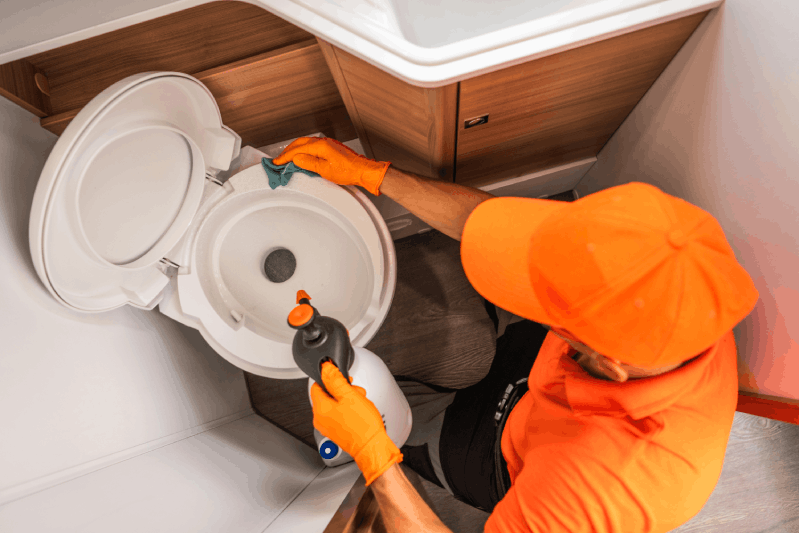
Caravan toilets and wastewater tanks are separated from the interior with leak-proof seals. Especially in cassette-type toilets, the main seal can dry out over time, crack, or lose its flexibility. In this case, the heavy gases inside the tank can leak directly into the caravan. To extend the lifespan of the seals and prevent odor leakage, they should be regularly lubricated with "silicone-based" grease or special seal sprays. Never use petroleum-based (like WD-40) oils, as they will degrade the rubber. If you still have a "toilet odor" that persists despite cleaning, the first place to check is the seals of the tank lids and connection points.
How Much Does Rinsing the Tank Before Each Filling Slow Down Bacterial Growth?
Many caravan owners fall into the mistake of adding water when the tank is low. However, the "old" water left at the bottom of the tank quickly contaminates the newly added fresh water. The best practice is to completely drain the small amount of remaining water in the tank before each filling (if possible) and perform a short rinse with fresh water. This process ensures the removal of sediments that have settled at the bottom and free-floating bacteria from the system. Additionally, you should avoid placing the end of the hose used for filling on the ground and always keep the filling mouth clean. This seemingly simple "fresh water discipline" will reduce your need for disinfection processes by 70% and ensure that your water remains drinkable at all times.