Owning a caravan may seem like a gateway to freedom, but making the wrong choice can turn this dream into a nightmare. The biggest enemy of a caravan is not rust, but rather the insidious water leaks and humidity. In this content, we will examine in detail what to pay attention to before purchasing a caravan, how to detect hidden dangers, and how to conduct a professional inspection.
The Importance of Humidity Control When Buying a Caravan
Caravans are generally constructed with sandwich panels made from a combination of wood, composite, and metal materials. While this structure provides lightness, if water gets inside, it can cause the structure to deteriorate from the inside out. When humidity reaches the skeleton of the caravan, it initiates a damage process that is very difficult and costly to reverse. Most of the time, leaks go unnoticed from the outside; water accumulates behind wall panels or between floor layers, leading to mold and mildew formation. This not only reduces the material value of the caravan but also poses a serious threat to your health by opening the door to respiratory diseases. Therefore, ensuring that the vehicle you are going to buy is leak-proof is the most important investment you can make.
How Do Hidden Water Leaks Affect the Structural Integrity of the Caravan?
When water leaks from the joints or screw holes of the caravan, it penetrates the fibers of the wooden frame. When wood gets wet, it expands and shrinks when drying; this continuous cycle leads to a loss of material strength and causes what we call "soft rot". When structural integrity is compromised, the caravan flexes while in motion, and this flexing further exacerbates existing leaks. Damage at the junctions of the roof and walls, in particular, can lead to the caravan breaking apart like paper in the event of an accident or strong winds. Additionally, if leaking water comes into contact with the electrical system, it can also create short circuits and fire risks. Early detection of hidden leaks is the only way to extend the life of the vehicle.
How Can We Distinguish the Smell of Dampness in a Caravan?
The smell that hits your nose when you first enter the caravan tells you a lot about the vehicle's past. If there is a heavy, earthy smell or a sharp moldy odor inside, this is definitely a sign of a humidity problem. Sellers may sometimes use strong room fragrances or detergents that give off a freshly cleaned air to mask this smell. Therefore, make sure that the caravan has not been ventilated for at least an hour before inspection and that the windows are closed. Take a deep breath by bringing your nose close to closed cabinet interiors, under beds, and especially in corner areas. If you smell something that burns your throat or a damp cellar smell, it is advisable to stay away from that vehicle; because this smell is often an indication of a deep rot.
How to Use Moisture Meters in Caravan Inspections?
Moisture meters are the most critical tool you should have when buying a caravan. There are needle and non-needle (inductive) models available. Non-needle models are generally preferred as they do not damage the surface. By holding the device against different points of the wall, you can numerically see the moisture level beneath the surface. The moisture level in a normal caravan should be below 15%; between 15%-20% is "caution required", between 20%-25% is "potential source of leakage", and above 25% means "active leakage and serious damage". When measuring, you should especially focus on window frames, door fittings, roof vents (ventilations), and corner junctions. Taking several measurements from each corner and comparing the results will help you pinpoint the source of the leak.
Why Should the Mastics and Silicones on the Caravan's Exterior Be Inspected?
The sealing elements on the outside of the caravan are the first line of defense against water ingress. Over time, UV rays from the sun, temperature changes, and road vibrations can cause these materials to dry out, crack, or separate from the surface. If the color of the mastics has faded, feels hardened when touched, or has formed gaps, water leakage from that point is inevitable. Especially check the sealing materials around the roof rails, corner trims, and service hatches by gently probing with your finger. If the mastic easily separates from the surface, this indicates that the vehicle has not been regularly maintained and that water may have leaked between the panels. These small cracks can be the starting point for thousands of lira in damages.
Do Roof Vents and Ventilation Windows Leak?
The ventilation units on the caravan roof are one of the most common places for leaks. These units require a large hole to be made in the roof panel during installation, and if the sealing is not done correctly, water can flow in directly. Carefully inspect the inner frame of the roof vent; check for yellowing, water stains, or rippling in the wallpaper around the frame. If there is a softness felt when touched on the inner part of the roof, it means that the leak has spread to the roof panel. Also, check if there are any sun-induced cracks on the outer part of the vent (if applicable). These cracks may start at a microscopic level but can absorb water like capillaries during rain, transferring it to the inner layers.
What Do Soft Spots on the Caravan's Floorboard Mean?
The floor of the caravan is usually made of marine plywood and insulation material. If you feel flexing or a "spongy" sensation in certain areas while walking on the floor, this indicates that the floorboard has absorbed water and is delaminating. Water can reach the floor from underneath the caravan (due to the wheels' rotation) or seep down through the walls. It is very important to get under the caravan and inspect the floor with a flashlight. Especially check the hardness of the wood behind the wheel arches and the corners with a screwdriver (without causing damage). If the wood crumbles or sinks when pressed with your finger, this may require a complete replacement of the caravan's floor, which is one of the most expensive repairs.
Are Bubbles and Color Changes in Wallpaper Signs of Leakage?
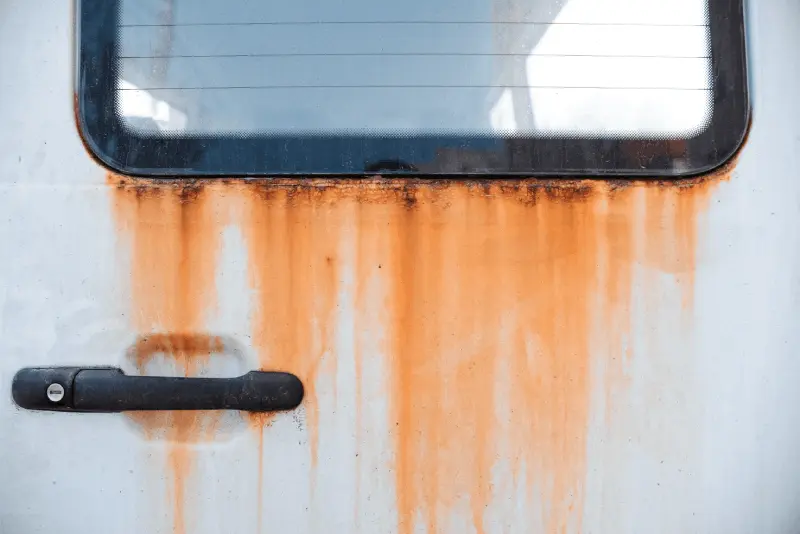
The wall panels inside the caravan are usually vinyl-coated. When a water leak begins, water enters between the wooden part of the wall panel and the vinyl coating. This causes bubbles, cracks, or a "puffy" appearance in the wallpaper. Look for such abnormalities especially in the lower corners of the windows, at furniture joints, and in areas close to the ceiling line. Sometimes water leaves black spots (mold) or rust-colored stains on the wall. Even if the seller says, "it's just an old stain, it has been repaired", definitely verify the current condition of that area with a moisture meter. Because even if the surface looks dry, the insulation material inside the panel may still be wet and continue to rot.
Can Window Frames and Seals Leak Water?
Caravan windows are quite prone to water ingress due to both the structure of the seals and the installation shape. Over time, seals can lose their flexibility and "compress", allowing rainwater to seep inside. Open the windows one by one and check for water pooling, moss growth, or dirt accumulation in the inner parts of the seals. Also, observe whether the seals are compressing enough when you close the window. Test the inner panel just below the window with a moisture meter. If water is entering through the seals, this usually leads to the rotting of the wooden frame beneath the window. Even small cracks on the seals can provide a sufficient pathway for liters of water to enter during heavy storms.
Why Are the Kitchen and Bathroom Areas of the Caravan Risky?
The water systems in the caravan are just as dangerous as external leaks. Leaks around the kitchen sink, shower tray, and toilet usually start from the inside. Check the hose connections under the sink with your hand; look for any moisture or water droplets. Especially inspect the integrity of the silicones around the edges of the shower tray on the bathroom floor. Since the caravan flexes while in motion, these silicones can easily separate, allowing water to flow directly onto the floorboard when you take a shower. Also, definitely check the inside of the service hatch where the toilet cassette is located; water accumulating here can quickly lead to the rotting of the subfloor and the base. "Clean" water leaks in these areas can cause damage faster than rainwater from outside.
Are the Caravan's External Lighting and Accessory Mounting Areas Safe?
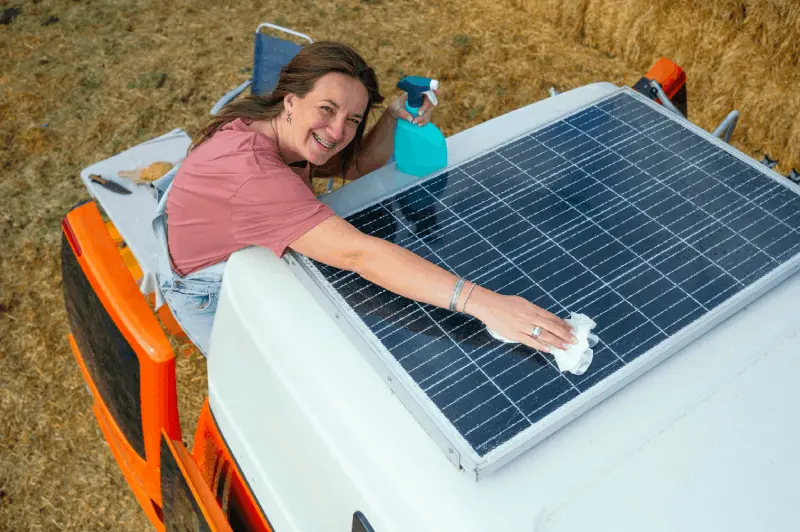
Solar panels, awnings, external lights, or bike racks added to the caravan later can be potential invitations for leaks. During the installation of these accessories, the caravan's body is drilled. If these screw holes are not properly sealed, water can seep through the screws into the heart of the panel during any rain. Check the mastic fillings around the accessories. If the screw heads are rusty or there are dirty water traces around the accessory, the likelihood of a leak there is very high. Inside the caravan, measure the moisture level on the wall section directly aligned with the external accessory. A small screw that is often said to "not be a problem" can lead to a deterioration of the entire wall over time.
How Do Wheel Arches and Fenders Lead to Leaks?
While driving, the water splashed by the wheels hits the underside of the caravan with high pressure. If the plastic parts of the wheel arches (fenders) are cracked or if the insulation at the point where they join the body is damaged, this water can enter through the junction of the side walls and the floor. Such leaks are usually difficult to detect because they come from "below" rather than "above". Check the bottoms of the overhead cabinets inside the caravan and the walls. Hold your moisture meter close to the ground in these areas. If there is dampness in this area, it indicates that the caravan's insulation is defenseless against water accumulation on the roads and that the floor is beginning to rot from the inside out.
Why Is the Front Storage Compartment and Luggage Area of the Caravan Sensitive?
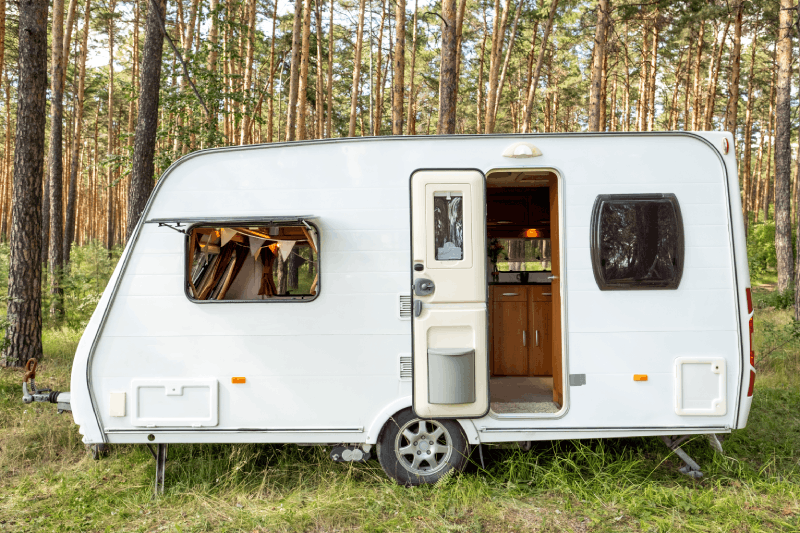
The front part of caravans usually contains a storage compartment (tube) used for storing pipes and materials. The lid and seals of this compartment are the most exposed to the harshest winds and rains. If the front storage compartment is taking in water, this water usually seeps through the junction of the caravan's main body and the front panel. Empty the inside of the front storage and carefully inspect the corners. Check for water pooling on the floor or darkening of the wood. Also, press down on the inner panel just below the front window; if you feel a softness, it means that the leak has seeped from the front storage into the interior, under the bed or seating area. This area is always at high risk of leakage as it is the most exposed to the aerodynamic pressure of the caravan.
How to Detect Hidden Leaks Under Corner Trims (Awning Rails)?
The aluminum corner trims that connect the roof of the caravan to the side walls are the key to the caravan's leak-proofing. Under these trims, there is usually a sealing material called "butyl tape". If this material has dried out, it will start to allow water to seep in along the trim. The leak usually starts from the roof and descends through the wall panels, so you may not see any wetness on the surface. However, if you measure along the line where the roof meets the side wall with a moisture meter, you may encounter values above normal. There is a plastic strip over the screws of the corner trims; gently lift this strip to check if the screws are rusty, which will give you a clear idea of whether the insulation beneath the trim has deteriorated.
Is It Necessary to Conduct Caravan Inspections with a Thermal Camera?
Some details that traditional moisture meters cannot detect can be captured by thermal cameras. A thermal camera shows the temperature differences on the surface. Water retains heat differently than other materials, so damp areas behind the wall appear as "cold spots" (usually dark blue or purple) on the camera screen. This method is especially useful for seeing moisture lines that have not yet reached the surface but are still spreading beneath the wallpaper. If you are having a professional caravan inspection done, be sure to ask whether the expert is using a thermal camera. This device allows you to visualize deficiencies in the caravan's insulation and hidden water pathways, enabling an analysis that is impossible to achieve with the naked eye and can save you from significant expenses.
Can Paint or New Wallpaper Cover Up Hidden Damage?
If the caravan you are inspecting has only one wall that has been newly painted or a specific area that has been covered with different wallpaper/decorative panel, this is a cause for "alarm". Sellers sometimes make superficial repairs to hide the stain or mold left by water leakage. Always hold a moisture meter to such suspicious areas and compare the hardness of the wall with healthy areas. If the panel beneath the new covering is still soft or if the device shows high moisture, it means that only a visual makeover has been done without drying the source of the leak. Any point in the caravan where originality has been compromised could indicate a structural problem beneath; therefore, do not hesitate to question the reasons for aesthetic changes.
What Do the Caravan's Service Records Indicate for Moisture Control?
A corporate and well-maintained caravan should have undergone a regular "Leak Test" (Damp Test) every year. Request the reports of these tests from the seller. If the moisture reports in the caravan's history are clean and have been conducted regularly every year, this is an indicator that the vehicle has been well-maintained. However, if there are areas with high moisture in the reports from previous years, ask how these areas were repaired. A poorly executed patch may only have postponed the problem. If the vehicle has no service records at all and the seller claims "it has never leaked", you should be twice as meticulous in your inspection. Remember that the likelihood of leaks in a caravan that has not been regularly maintained is 80% higher than in a well-maintained vehicle.
Is It Advantageous to Inspect the Caravan on a Rainy Day?
If possible, inspecting the caravan while it is raining heavily or immediately after rain can provide you with a significant advantage. You can visually see active leaks while it is raining. You can check whether water is dripping from the roof vents or if moisture is accumulating at the bottom of the windows. You also have the opportunity to observe how the water outside is draining and whether water is accumulating in the roof rails. If the weather is sunny, you can perform a similar test by applying "artificial rain" to the caravan with a garden hose. Direct the water with the hose especially at the glass seals, door edges, and roof junctions, then enter and wait for 15-20 minutes to check for any leaks.
Why Should You Check Under the Interior Furniture of the Caravan?
Water leaks in caravans often hide behind or beneath the furniture. Lift the sofa cushions and inspect the wooden base underneath. Shine a flashlight into the gaps under the kitchen cabinets. Water leaks flow down due to gravity and accumulate in the corners where the furniture meets the wall. If the furniture particle board has absorbed water and swelled, this is evidence of chronic leakage in that wall. Also, check the walls in the corners of the storage compartments under the bed with a moisture meter. These areas tend to have less air circulation, so moisture accumulates here, and mold formation begins most rapidly in these spots. Just because the furniture looks "clean" does not mean the wall is healthy; always check the bottoms.
What Critical Questions Should You Ask the Seller When Buying a Second-Hand Caravan?
Asking the right questions helps you understand the seller's honesty and the actual condition of the caravan. Questions like "When was the last moisture test conducted on the caravan?", "Has it ever undergone repairs for water leakage?", "When was the last time the mastics were renewed?", and "Where was it stored in winter?" are of vital importance. If the caravan has been stored outdoors in winter without being covered, the risk of leakage increases due to freezing and thawing cycles. Do not be fooled by the seller's claims like "there was a small stain, we fixed it"; ask for details like "how did you fix it, what materials did you use?" Repairs done with household silicone instead of professional service can mean a long-term disaster for the caravan.
What Is the Relationship Between the Caravan's Electrical System and Water Leakage?
Water leaks not only rot the wood but also jeopardize the caravan's 12V and 220V electrical systems. The cable channels running through the walls create an ideal pathway for leaking water. Check for moisture around the electrical control panel or at the base of the outlets. If you see darkening around an outlet or oxidation on the plastic parts, this indicates that water is leaking from inside the wall and that the cables are corroding. Wet electrical systems can lead to fire risks as well as damage to your electronic devices. Therefore, when conducting moisture control, you should also evaluate electrical outlets and light switches as potential indicators of moisture.
What Is Delamination and How Does It Affect the Value of the Caravan?
Delamination is the separation of the layers that make up the caravan's wall or floor (outer fiber/aluminum, insulation foam, and inner panel). This usually occurs as a result of water infiltrating the structure. If you lightly tap the wall from the outside and hear a "hollow" or "thud" sound instead of a "solid" sound, it means that the outer layer has separated from the insulation inside. If the panel flexes when pressed from the inside, this is also delamination. A caravan with delamination has structurally weakened and is very difficult to repair; the panel may need to be completely stripped and rebuilt. The market value of a caravan with this problem should be at least 30-40% lower than that of a sound one.
How Do Hidden Leaks Affect Your Health?
The most insidious consequence of hidden leaks is the growth of black mold, such as "Stachybotrys", inside the walls. Since caravans are small and enclosed spaces, the spores released by these molds mix with the air and can directly enter your lungs while you sleep. If you experience itching in your eyes, coughing, or shortness of breath after staying in the caravan, there may be a serious mold problem in that vehicle. Mold is not just a cleaning issue; it is a sign of a structural illness. Living in a damp caravan can invite long-term chronic health problems, especially for children and those with allergies. Therefore, you should view moisture control not just as a "material check" but as a "health examination".
Should You Get Professional Inspection Support When Buying a Caravan?
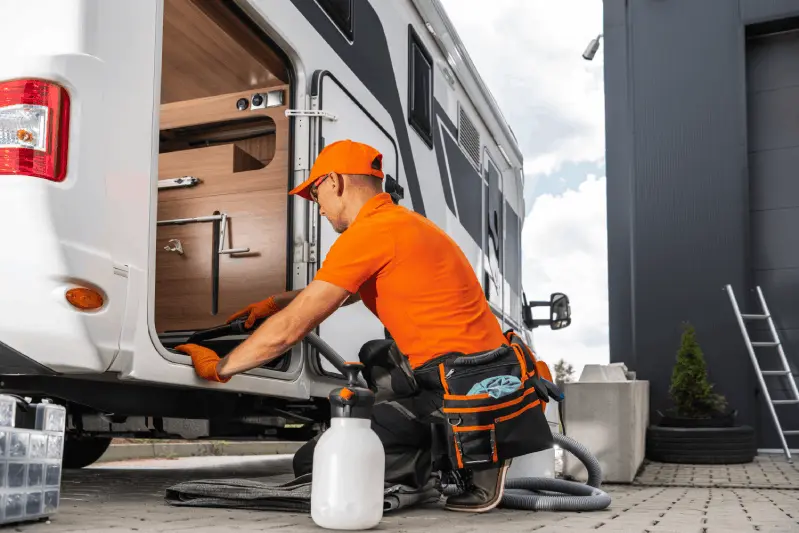
If you are buying a caravan for the first time or do not feel completely confident in technical matters, obtaining professional caravan inspection services can be lifesaving. Experts can detect microscopic cracks, structural irregularities, and hidden moisture sources that you might overlook. The cost of the inspection fee is a small price compared to the thousands of lira in repair costs that may arise later. Although caravan inspections are not yet very common in Turkey, taking the vehicle to an experienced caravan manufacturer or authorized service for a comprehensive moisture test would be the most logical move. An "acceptable" approval from an expert eye guarantees you a peaceful night's sleep in your caravan.
Is It Logical to Repair a Damp Caravan?
If you find moisture in a caravan you like and the price is very reasonable, you might think, "I can fix it myself". However, repairing a caravan is not like home renovation. When you open the wall panel, there is a 90% chance you will encounter a much larger rot than you expected. The repair process involves removing the outer covering, replacing the rotted wooden frame, renewing the insulation, and covering the inner panel, which can take months and require special equipment. If you are not a professional caravan technician or do not have a large budget and patience to dedicate to this work, it is best to stay away from a damp caravan. Often, a "cheap" damp caravan can end up costing you more than a sound one in total expenses.
How Does Winter Storage Affect the Moisture Condition of the Caravan?
How the caravan is stored during the winter months determines the moisture balance inside. Caravans that are not used in winter but have no airflow inside can develop moisture through "condensation". Human breath, cooking steam, and the difference in outside temperature create water droplets on the windows and walls. If this water is not dried, it can lead to mold growth behind the furniture. Learn whether the vehicle you are going to buy has been ventilated during winter and whether dehumidifiers have been used. In a well-maintained caravan, the ventilation vents are kept open even during winter sleep. If the caravan has been completely sealed and left in a damp area during winter, it may have sustained significant moisture damage even without any leaks.
What Is the Best Time Frame for Moisture Control?
The ideal time for caravan inspection is immediately after a rainy period or early in the morning. In the morning hours, since the humidity in the air has not yet dispersed, you can more easily see cold spots and condensation traces on the walls. Additionally, as the caravan heats up in the sun, the smell of vapor from the damp areas inside becomes more pronounced. When it is hot outside, the inside of the caravan heats up quickly, causing the moisture on the surface to dry rapidly, and moisture meters may give misleading results. If possible, inspect the vehicle after keeping the heater (webasto or truma) running for a while in addition to the cool outdoor air; the heat will reveal the smell and effects of hidden moisture.
Is the Risk of Leakage Lower in New Generation Fiber (Monoblock) Caravans?
Monoblock or single-piece fiber-bodied caravans are much more resistant to leaks compared to traditional caravans because they have no joints. However, this does not mean they are "completely leak-proof". Water can still enter through windows, doors, service hatches, or roof vents. You should conduct moisture control with the same diligence when buying a monoblock caravan. In fact, if there is a leak in these vehicles, water can remain trapped inside the body for a longer time, making it harder for you to notice the damage. A single-piece body is an advantage, but a poorly insulated window can completely negate this advantage. Therefore, regardless of the body structure, you should never compromise on your inspection discipline.
How to Prepare a Moisture Control Checklist for the Caravan?
It is very easy to get excited while inspecting a caravan and forget some points. Therefore, always have a written checklist with you. At the top of the list should be; roof corners, under window sills, door fittings, under beds, under kitchen sinks, bathroom floor silicones, and external accessory mounting points. After checking each point, mark it and note the moisture meter values. These notes will help you compare different caravans and make a logical decision. Acting with data rather than emotions will save you from a "money trap". Remember, a caravan that shines on the outside may be rotten inside; your checklist will be your greatest guide.
How Should the Sale Price of a Caravan with a Moisture Problem Be Negotiated?
If you really like a caravan but have detected a small moisture problem, you can use this situation as a strong bargaining chip at the negotiation table. Ask a professional service for the repair cost of the detected damp area and request to deduct this amount from the sale price. However, you should be honest here: If the moisture has spread to the skeleton of the caravan, no discount is worth taking that risk. Only negotiate if there is a localized and newly started leak (for example, only from a window seal) and the repair is easy. Otherwise, the significant discounts offered by the seller may actually be an attempt to cover up a major problem. When you say "I bought it cheap", you may actually be purchasing an endless repair process.
How Should You Maintain Moisture Control After Owning a Caravan?
Buying a caravan in a sound and dry condition does not mean the job is done. The caravan needs maintenance during the time it is lived in. Make it a habit to conduct a comprehensive moisture test at the beginning and end of each year. Check the external mastics every two years and renew them with professional materials (Sika or equivalent butyl mastics) if necessary. When you are not using your caravan, leave the windows in "micro ventilation" mode and use dehumidifying devices. Preventing or catching leaks at the beginning will extend the life of your caravan for decades. Remember, caravanning is not just about traveling; it is also the art of protecting your vehicle against nature's harsh conditions.
Why Is It Vital Not to Neglect Precautions When Buying a Caravan?
Ultimately, it is difficult to find a "perfect vehicle" in the caravan world, but it is possible to find a "healthy vehicle". Hidden water leaks and humidity are the most insidious disasters that can happen to a caravan. Being patient, using the right equipment, and meticulously examining the critical points outlined in this guide will protect you from disappointment. The extra few hours of inspection you dedicate when buying a caravan will return to you as years of trouble-free and enjoyable moments. Remember, the road to freedom is not through a wet and rotten floor, but through a sound and dry caravan. To avoid sinking your dreams, keep that water away from your caravan.