Why Does the "Leave No Trace" Principle Start with Toilet Habits in Nature?
The philosophy of "Leave No Trace" in the world of outdoor sports and camping aims to minimize human presence in nature. One of the most critical and often least discussed aspects of this philosophy is biological waste management. Unlike human waste, pet waste is not always compatible with the naturally occurring bacteria in nature due to the processed foods and medications we consume. Waste left in the wrong place can lead to pathogens leaching into the soil and the collapse of the local micro-ecosystem. Therefore, for an ethical nature enthusiast, disciplining toilet habits is the first and most important step in protecting the environment.
Do You Know How Many Meters You Should Be Away from Water Sources?
The most basic rule when choosing a toilet area in nature is the "200 feet" or approximately 70 meters rule. Regardless of whether it is rivers, lakes, springs, or dried-up stream beds, you should stay at least this distance away from any point that water can reach or may reach. The main reason for this is to prevent pathogens from entering water sources through surface runoff and filtration. Dangerous parasites like Giardia can contaminate drinking water due to poor site selection, posing serious health risks not only for you but also for other living beings and campers in the area. When determining the distance, taking approximately 70-80 large steps will create a safe boundary.
What Are the Geometric Limits for Digging an Ideal "Cat Hole"?
A "cat hole" is the gold standard for waste management in nature. However, the depth and width of this hole should not be chosen randomly. An ideal cat hole should be 15 to 20 centimeters deep and approximately 10-15 centimeters wide. Why this depth? Because this is where the soil is "biologically most active." The organic matter and microorganisms at this depth ensure that your waste decomposes as quickly as possible. Digging deeper traps the waste in an oxygen-deprived environment, leading to odor and slow decomposition, while a shallower hole can be easily dug up and exposed by animals. Using a small hand trowel for the digging process provides practicality and minimizes damage to the soil.
What Are the Most Hygienic Natural Materials That Can Be Used Instead of Toilet Paper?
Although modern toilet papers are marketed as "biodegradable," their complete decomposition in nature can take months or even years. If you want to adopt an ethical approach, the best method is not to use toilet paper or to carry used paper back in a sealed bag (Ziploc). Natural alternatives include soft-leaved plants like lamb's ear, smooth stones, snowballs, or dried corn cobs (if available). Since these materials are entirely natural, they do not harm the ecosystem when they mix with the soil. If you must use toilet paper, you should prefer unscented and unbleached ones and never attempt to burn the paper; this is one of the most common hidden causes of forest fires.
What Are the Risks of Using the Toilet on Snow While Winter Camping?
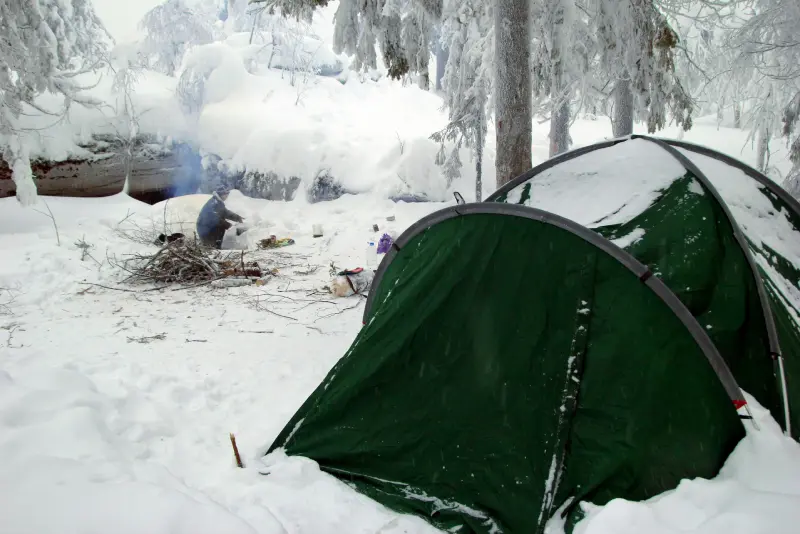
The biggest misconception when camping on snow in winter is assuming that waste buried under the snow has disappeared. Snow preserves waste by freezing it; that is, waste does not decompose, it is merely hidden. When the snow melts in the spring, these pollutants left months earlier can flow directly into water sources or appear as "surprises" in the middle of the campsite. The most appropriate method in winter is to carry your waste with you. If this is not possible, you should try to dig down to the frozen ground or perform the task in sunny areas, where the snow melts the fastest (away from water sources). However, in professional backcountry practices, all types of solid waste should be managed using the "pack-it-out" method.
Why Is Waste Management More Critical in Desert Ecosystems?
In dry ecosystems like deserts, the moisture content in the soil is very low, so biological decomposition is almost at a standstill. Even if you dig a cat hole, there is a chance that your waste will remain there for years without decomposing. In such sensitive areas, leaving waste close to the surface, in sunny spots (but still buried), may help the sun's UV rays kill pathogens. However, many desert trails and canyons today require visitors to carry their waste in special leak-proof bags (WAG bags). In places where the soil's self-cleaning capacity is so low, physically removing waste from the area is the most honorable behavior.
In What Situations Is the Use of a "WAG Bag" Mandatory?
A "WAG Bag" (Waste Alleviation and Gelling) is a leak-proof double-layer bag system that contains powders that solidify the waste and trap odors. The use of WAG bags is unavoidable in high-altitude backcountry, deep canyon crossings, popular and heavily used campsites, and sensitive coastal areas. It is impossible to dig a cat hole in rocky terrains where there is no soil or in places where water is very close. In these situations, instead of leaving your waste in nature, you must use these bags and either hang them outside your backpack or carry them in a special compartment. While this may initially seem uncomfortable, it is the most civilized method to ensure that an area remains clean for thousands of years.
How Is Waste Control Managed in Nature During Menstruation?
Managing menstruation in nature requires attention both for hygiene and wildlife safety. Used pads, tampons, and applicators should never be left in nature or buried. The plastic contents and chemicals of these products do not decompose in nature. The best method is to store waste in opaque, odor-proof sealed bags. Menstrual or wildlife waste should be treated with the same respect as any other waste.
In areas where animals sensitive to smells like that of bananas are found, putting a little baking soda or a dry tea bag inside these bags facilitates odor management. Menstrual cups are the most environmentally friendly solution in nature; however, it is essential that the water used to clean these cups is poured into a cat hole and that water sources are avoided.How Can We Protect Hand Hygiene Without Polluting Rivers?
Post-toilet cleaning is critically important, but using soap by the riverbank while doing this is a major mistake. Even biodegradable soaps can be toxic to aquatic life (especially aquatic insects and fish). The best method is to wash your hands with water poured from a bottle at least 70 meters away from the water source. Alcohol-based disinfectants or wet wipes are practical solutions. However, remember that used wet wipes should never be buried; because most of these wipes are made from synthetic fibers and do not decompose in nature. You should also include your wipes in your "trash bag" to reach the waste system in the city.
What Are the Unexpected Effects of Human Waste on Wildlife?
Wild animals may have an excessive interest in the salts and minerals in human waste. Especially mountain goats and rodents may destroy vegetation to lick the salt in urine or may dig up cat holes to access the surface. This disrupts the natural feeding habits of animals and exposes them to human-related diseases (parasites, bacterial infections). Burying your waste at the correct depth and urinating on durable rocks or bare soil instead of vegetation is a critical measure to prevent wildlife from adopting these harmful habits.
What Ethical Details Should Be Considered When Urinating?
Urine (liquid waste), while not containing pathogens like solid waste, has a significant impact on the ecosystem. Urinating on sensitive plant communities can cause plants to "burn" due to high nitrogen and salt concentration. Ideally, urine should be deposited on barren soil, rocky areas, or durable rock surfaces. In high-altitude areas where mountain goats are found, urine should be deposited between rocks so that animals do not dig up the soil and plants to lick the salt. Additionally, in group camps, it is important for everyone to urinate in different spots (the "dispersal principle") to prevent excessive pollution and odor formation in a single location.
Why Should We Be More Careful in High Altitude and Alpine Areas?
Alpine areas are very sensitive regions where the tree line is exceeded, the soil is very thin, and the growing season lasts only a few weeks. Waste left here can remain intact for decades due to cold and lack of oxygen. Digging a cat hole in alpine meadows can cause permanent damage to rare plant species there. Therefore, the basic rule at high altitudes like 3000-4000 meters is "pack-it-out," meaning to bring everything back. If you are on a climbing route and there is no other option, leaving your waste on a rock that receives sunlight and lightly covering it (without burying it deep) can provide sterilization from UV rays; however, this should never be the first choice.
Should a "Common Toilet" Area Be Designated in Group Camps?
If a large group (more than 8-10 people) will stay in the same area for several days, it may be more logical to create a single "trench toilet" (latrine) instead of everyone randomly digging cat holes. This trench is dug in the form of a deep channel, and a small amount of soil is thrown over it after each use. When the camp is over, the trench is completely closed and hidden with the original vegetation. This method prevents pollution from spreading to the environment by concentrating it in a single narrow area. However, when choosing the location of the trench, factors such as distance from water sources and terrain slope must be calculated in detail.
Which Types of Camps Are Portable Toilets Suitable For?
Portable chemical toilets are the most comfortable and environmentally friendly solution for those traveling with a vehicle-mounted tent or caravan campers. These systems collect waste in a tank and prevent odor formation by breaking it down with chemicals. The important point is that these tanks should never be emptied into nature; they must be disposed of at caravan disposal stations in cities or through home sewage systems. The philosophy of "taking your own toilet with you" is the most professional approach that minimizes soil pollution, especially in popular national parks and campgrounds. For lightweight hikers, collapsible, cardboard, or plastic-based micro-toilets are alternative solutions.
Why Are Pet Wastes As Dangerous As Human Wastes?
If you are going out with your dog in nature, do not fall for the misconception that its waste is "natural." Pet foods contain a high level of protein and nutrients, which can lead to their waste carrying foreign bacteria and parasites for wildlife. The risk of transmitting diseases to wild canids such as wolves and foxes is very high. Therefore, you should either include your dog's waste in the cat hole method or remove it with a bag (preferably a biodegradable bag but still taking it back). Not letting your dog roam freely in conservation areas will also make it easier for you to control its waste management.
Is Using a Natural "Bidet" Practically Possible?
Many experienced campers prefer to clean themselves with water instead of carrying toilet paper (nature... l bide method) is preferred. The only thing you need for this method is a sports water bottle with a spout feature or a simple peri-sheep. After pouring the water with one hand and cleaning with the other, you should thoroughly disinfect your hands with soap. This method completely eliminates paper waste and prevents skin irritations. However, what is critical here is that the cleaning process is done far away from the water source and that the used dirty water is absorbed by the ground. This is considered the highest level toilet management technique in terms of both hygiene and ecology.
How Much Do You Know About the Decomposing Timeline?
Knowing how long it takes for something you leave in nature to decompose can change your behaviors. While human waste can break down in 2 to 4 weeks under suitable conditions (moist and warm soil), toilet paper can last from 6 months to 1 year. However, synthetic wet wipes and sanitary pads can take hundreds of years to decompose in nature, and they continue to persist in the system as microplastics. Even an apple core should not be dismissed as "natural" since it disrupts the feeding patterns of wild animals. Considering these timelines, burying our waste is not just a storage solution but a responsibility to initiate a biological recycling process.
What Do Regional Regulations and National Park Rules Include?
Many national parks around the world are implementing strict rules due to the increasing number of visitors. In some areas, even "cat holes" have been banned, and it is legally required to remove all waste with a WAG bag. Before going to the area where you will camp, you should definitely check the websites of local authorities or park rangers. On some popular climbing routes (for example, Mount Whitney or Kilimanjaro), you will be given a waste bag when obtaining a climbing permit, and you are required to return this bag full on your descent. Not following the rules can result not only in high fines but also in the complete closure of those areas to campers.
Are "Biodegradable" Plastic Bags Really Biodegradable in Nature?
Most of the bags sold in markets and labeled as "biodegradable" are actually designed to decompose in industrial compost facilities with high heat and special bacteria. Burying these bags in a cat hole can cause them to remain there for years. In fact, some of them only have the property of being "oxo-degradable," meaning they break down into small plastic pieces, polluting the soil with microplastics. If you are going to use a bag to carry your waste, the safest way is to dispose of it in the city trash. No bag, no matter how eco-friendly it claims to be, should be buried in nature.
Toilet Psychology in Nature: How Can We Overcome Discomfort?
For many people, the need to use the toilet in nature is a source of taboo or phobia (coprophobia). Transitioning from a closed, sterile environment to open air can create a psychological barrier. However, viewing this process as a "natural ritual" can deepen the connection with nature. When you know the correct techniques and choose a beautiful spot that provides privacy, this experience can cease to be frightening. Being honest about this, discussing "toilet protocols" with your camping friends in advance can prevent potential accidents and reduce tension within the group. Remember, this is a biological reality and, when done correctly, is a respectful act.
How to Prepare a "Poop Kit" in Your Equipment Backpack?
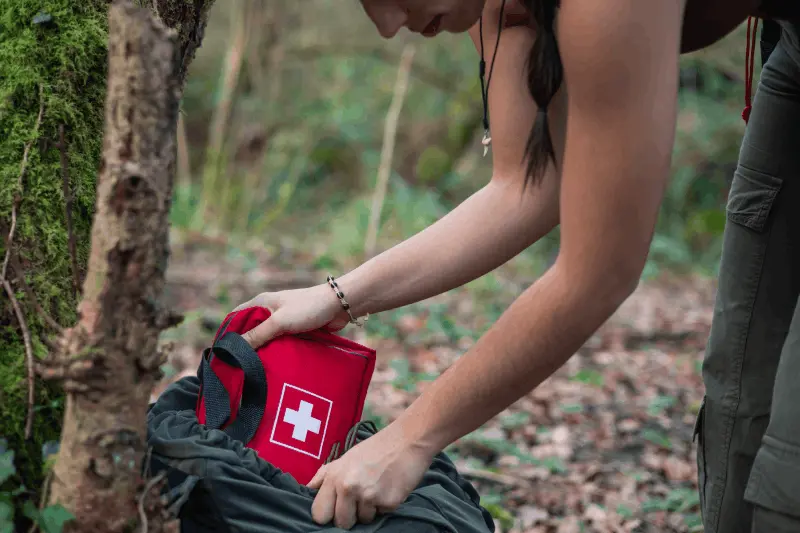
A professional camper always has a ready "toilet kit" in their backpack. This kit should include; a lightweight hand shovel (aluminum or titanium), a roll of toilet paper (reduced roll), hand sanitizer, sealed bags for dirty paper (which can be covered with tape to hide the contents), and if necessary, a few WAG bags. Keeping all these materials in a brightly colored bag ensures you can quickly find them when needed. Preparing this kit makes toilet management an organized task and eliminates the panic of "where did I put it?" Being prepared is the first step to ethical behavior.
What Methods Should Be Followed When Teaching Children Toilet Use in Nature?
Children should learn about nature conservation awareness at the earliest age. They should be taught that digging a cat hole is not a "treasure burying" but a duty to protect the soil. To visualize the 200 feet rule for small children, counting steps together or teaching them through play to stay away from water edges can be effective. Additionally, since children's muscle control is not as strong as adults, it may be necessary to use appropriate portable toilets and later dispose of the contents in a cat hole (or bag it). Children who are introduced to these ethical values at an early age will become the conscious nature protectors of the future.
How to Prevent the "Visual Pollution" of Social Media and Popular Trails?
Due to the influence of platforms like Instagram, some natural areas are experiencing an excessive influx of visitors. The biggest problem in these areas is the toilet paper that has been thrown everywhere, referred to as "white flowers." This not only harms nature but also completely destroys the aesthetic value of that area. As an ethical nature lover, you should not only manage your own waste but also collect the discarded papers you see (of course with gloves or a grabber) and put them in a trash bag. Leaving an area cleaner than you found it is the highest level of the "Leave No Trace" principle.
A Technical Detail: What Factors Accelerate Waste Decomposition?
The biological decomposition process is directly proportional to heat, moisture, and oxygen. If the soil where you dig a cat hole is very dry, pouring a little water into the hole can activate microorganisms. Additionally, lightly mixing the waste with a piece of branch can help with decomposition. (comparison method), increases oxygen intake and accelerates separation in an incredible way (this branch is later buried in the ground). Solar areas on southern slopes always provide faster fragmentation compared to shaded and cold northern slopes. These types of small scientific details can make a big difference in shortening the time you dedicate to nature.
Nature Ethics: Is it possible to leave a clean planet for future generations?
As a result, addressing toilet needs in nature is much more than a simple physical action; it is a sign of the respect you have for the earth, water, and all other living beings. Each cat hole, each discarded waste bag ensures that the next camper finds nature in the same purity. Ethical behavior is about doing what is right, even when no one is watching. By making the principles in this guide a part of your life, you can be more than just a "visitor"; you can be a true protector of nature. Remember, you should only leave your footprints in nature and only take your photos with you.