Spending time in nature is a wonderful way to escape the stresses of modern life; however, it is our greatest responsibility to experience this without harming the ecosystem and to protect our own health. Relieving oneself in the wilderness is not just a physical relief, but also an environmental ethical issue. Improper practices can lead to the contamination of water sources, disruption of wildlife feeding habits, and the spread of pathogens. In this guide, we will detail how to act hygienically in all types of terrain, from the deepest forests to high-altitude peaks.
What Ethical Rules Should Be Followed to Reduce Your Ecological Footprint in Nature?
The fundamental rule of being in nature is to leave no trace as if you were never there when you leave. This is not limited to just picking up your trash; managing your biological waste is also a critical part of this process. The "Leave No Trace" principles mandate that human waste be disposed of at least 70 steps (approximately 60-70 meters) away from water sources, campsites, and hiking trails. This distance is a scientifically determined safety limit to prevent pathogens from mixing with rainwater and entering streams. Additionally, the chosen area should be a less-used location where the vegetation will not be damaged. Respecting nature means not only enjoying the view but also diligently following these procedures to protect the purity of that view for future generations and wildlife.
How Should the Depth and Location of a Cat Hole Be Determined?
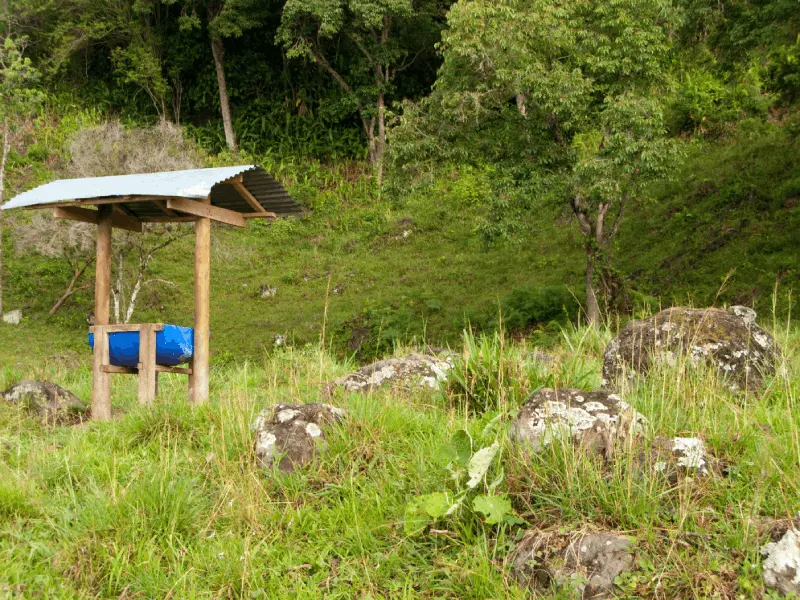
The cat hole method is the most common and effective way to dispose of waste in nature. A proper cat hole should generally be 15 to 20 centimeters deep and 10-15 centimeters wide. This depth is not chosen randomly; it is the "biologically most active" layer of soil and is rich in microorganisms that facilitate the rapid decomposition of waste. If the hole is dug too deep, decomposition slows down due to the lack of oxygen; if it is dug too shallow, it may surface with rainwater or be disturbed by animals. When choosing a location, priority should be given to sunny areas and soils rich in organic matter. Sunlight warms the soil, accelerating microbial activity. After the digging process is complete, covering the hole with natural materials and restoring the area to its original state is essential to prevent visual pollution.
Is It Possible to Maintain Hygiene Without Contaminating Water Sources?
Protecting water sources ranks highest in the survival hierarchy of life in nature. Pathogens such as Giardia, Cryptosporidium, and E. coli found in human waste can spread to very large areas through water and can cause serious harm to both humans and wildlife. Therefore, when selecting a toilet area, it is vital to stay at least 60 meters away not only from streams but also from seasonally dry creek beds and lake shores. Instead of washing hands by the water source, it is recommended to take water to a container and clean at a point away from the water source. Filtering the used water into the soil allows microorganisms to naturally filter it. Soap or disinfectant should never be mixed directly into the water; even biodegradable soaps can be toxic to aquatic ecosystems.
How Can the Environmental Impact of Used Toilet Paper Be Minimized?
Many campers think that toilet paper will quickly decompose in nature, but in reality, this process can take years in dry climates. Bleached papers can harm the soil due to the chemicals they contain and can be incorporated into the ecosystem as nesting material by wildlife. The most ethical and hygienic method is to carry used paper in sealed bags (Ziploc). If this is not possible, the paper should be placed at the bottom of the cat hole and thoroughly mixed in, or specially produced rapid-decomposing camping papers that do not contain perfume should be preferred. However, modern outdoor ethics always emphasize the "Pack It Out" rule as the safest option. This prevents visual pollution and reduces the accumulation of foreign substances in nature to zero.
In What Situations Should Portable Toilet Kits (Wag Bags) Be Used?
Waste bags known as Wag Bags become mandatory in places where digging into the soil is not possible or where the ecosystem is extremely sensitive. Especially at high altitudes, it may not be possible to dig a cat hole in glaciers, canyons, and areas where vegetation is very rare; in these environments, waste can remain intact for thousands of years. Wag Bags safely contain waste due to the gelling and odor-absorbing powders inside and ensure leak-proofing. Using these kits may feel uncomfortable at first, but it is the only way to prevent human pollution on popular trails. In many national parks, it is a legal requirement to prove that you have these kits before entering certain trails. After these kits are used, they must be brought back to the city and disposed of in appropriate trash containers.
How Should Women Manage Their Menstrual Periods in Nature?
Managing menstrual periods in nature requires extra planning in terms of both hygiene and logistics. One of the most sustainable and clean methods is using a menstrual cup; as these cups do not produce waste and provide long-term protection. However, when emptying the cup, hands must be very clean, and the waste must be buried in a cat hole. If pads or tampons are used, these products should never be left in nature or buried. Cotton products can be very problematic in nature. The plastic layers in their composition create persistent pollution. Using sealed bags (hygiene bags) that are covered with aluminum foil or wrapped with opaque tape to store used products provides comfort in terms of both odor and appearance. Placing a piece of baking soda or a dry tea bag inside the bag is an effective way to prevent odor formation.
What is the Importance of Soil Structure When Urinating?
Although urine contains significantly fewer pathogens compared to feces, it has a high concentration of salt and nitrogen. This chemical content can be corrosive to some plant species, while for others, it can create excessive fertilization effects, disrupting ecological balance. Wild animals, especially mountain goats, may eagerly graze on plants and soil in areas where urine has been deposited to meet their salt needs; this can lead to severe erosion and loss of vegetation cover. To reduce this risk, it is recommended to urinate on bare rocks or gravel surfaces rather than on soil areas with high absorbency. If you are in an area with dense vegetation, spreading the urine over a wide area or diluting it by pouring some water over it afterward will prevent damage to the local flora.
What are Water-Saving Methods for Hand Hygiene?
Keeping hands clean in nature is the first rule for preventing stomach and intestinal diseases. However, in situations where water is limited, traditional soapy washing can be difficult. At this point, hand sanitizers containing at least 60% alcohol are lifesavers. Cleaning off dirt and mud from hands before using sanitizer enhances the effectiveness of the alcohol. Alternatively, biodegradable wet wipes can also be used; however, it should be remembered that these wipes also have a "trash" status and must be carried back. If you have water, you can effectively wash your hands with a simple device called "tip-tap" (a punctured water bottle) with little water, away from the campsite. Hands should never touch food and should not come into contact with kitchen utensils before being cleaned.
What are the Risks of Urinating on Snow During Winter Camping?
Relieving oneself on snow-covered ground in winter is one of the most challenging scenarios. Many people think that burying feces in the snow will be sufficient, but when spring comes and the snow melts, these wastes can directly contaminate water sources or appear in the middle of the campsite. Snow stops the decomposition of the waste by freezing it and ensures that pathogens remain alive. The best method in winter conditions is either to dig a cat hole until reaching the soil or to use a Wag Bag. If there is a very deep snow cover and the soil cannot be reached, the waste must be packed and carried back. Areas referred to as "yellow snow" should also be located far from campsites and water supply snow melting areas.
How Does Waste Decomposition Work in Desert Ecosystems?
Deserts are sensitive ecosystems where humidity levels are very low and biological activity progresses slowly. Waste buried in a desert environment can remain intact for decades due to the lack of moisture; this creates archaeological pollution. When using the cat hole method in deserts, it is recommended that the hole be dug in a sunny spot (approximately 10 cm deep); this way, the sun's UV rays and high temperatures can "cook" and sterilize the waste. However, the best approach is to leave nothing under the desert sands. It is also very important not to step on the black, crusty living layer on the surface of the desert, known as cryptobiotic soil; because this layer forms over thousands of years and is fundamental to the ecosystem. Toilet management in these areas requires maximum care to protect the soil's liveliness.
How is a Common Toilet Area Established in Group Camps?
In camps with large groups, having everyone go randomly can turn the campsite into a "minefield." In such cases, the "trench toilet" (latrine) method may be preferred. A long and deep trench is dug away from a centrally designated point for the group. After each use, a small amount of soil and, if available, lime is sprinkled over the waste to prevent odor and insects from coming. When the trench is nearing full (leaving 15 cm of space from the top), it is completely covered with soil and camouflaged naturally. This method ensures that the waste is collected in a single point, preventing the spread of environmental impact. However, when choosing the trench location, drainage conditions and groundwater levels must always be kept in mind; otherwise, there is a significant risk of pollution.
How Should Hygiene Education be Provided to Children in Nature?
Teaching children toilet habits in nature is a great opportunity to instill environmental awareness in them. The educational process should start by answering the question "Why?"; explaining in simple terms why feces should be buried and why animals can be harmed leads to lasting learning. Providing children with special, lightweight, and colorful digging tools (shovels) can gamify the process. Practicing walking together to teach them the distance rule (70 steps) is an effective practice. In terms of hygiene, it should be emphasized that hand washing is a necessity rather than a ceremony. Alcohol-free but effective sanitizers can be preferred for children's sensitive skin. These practices in nature lay the foundation for the child to become a responsible adult and a nature-friendly individual in the future.
Why Should Pet Waste be Kept Away from Natural Areas?
Many dog owners believe that their dog's feces are the same as those of wild animals and can remain in nature; however, this is a significant misconception. The diets of domestic dogs are processed... It contains food and medications (such as parasite pills, etc.). In addition to the excess nitrogen and phosphorus that can contaminate local wildlife, dog feces also spread remnants of deworming medications into the ecosystem. Additionally, the scent of dogs is a threat signal for wild animals and can cause them to abandon their feeding areas. Therefore, just as in city parks, dog feces in nature should be collected in bags and removed from the campsite. In some sensitive protected areas, even burying dog feces is prohibited; adhering to this rule is essential for preserving local biodiversity.
What Personal Protective Equipment Should Be Carried to Prevent Infection Risk?
To have a hygienic toilet experience in nature, it is essential to keep a small "toilet kit" (ditty bag) in your backpack. This kit should include; a lightweight trowel, unscented toilet paper, sealed bags for storing used paper, hand sanitizer, and preferably disposable gloves. Gloves significantly reduce the risk of diseases that can be transmitted fecal-orally, especially when digging a cat hole or packing waste. Additionally, a small biodegradable soap and a small brush for cleaning under the nails can also be added to your kit. Keeping all these materials in a single waterproof bag allows you to act quickly in case of need and ensures that the materials do not come into contact with your other belongings (especially food).
What Are the Advantages of Using a Portable Bidet?
Portable bidets, which have become popular among nature enthusiasts in recent years, are revolutionary in terms of both hygiene and environmental sustainability. These devices, which attach to the mouth of a water bottle, reduce the need for toilet paper by 90%. Cleaning with water prevents irritation and infection risks that toilet paper can cause, and also provides a more thorough cleaning. Allowing the used water to filter into the soil is much more environmentally friendly compared to burying or carrying paper. Using a bidet is one of the most professional solutions to reduce backpack weight and prevent skin issues like "chafing" during long hikes (Thru-hiking). This cleaning, provided with just a cup of water, maximizes your comfort in nature.
How Should Digging Equipment Be Cleaned to Prevent the Spread of Microorganisms?
Hand tools used to dig a cat hole come into direct contact with soil and consequently with waste. If this equipment is not cleaned properly, it can turn into a breeding ground for bacteria inside your backpack. After each use, the soil residues on the trowel should be removed with water and disinfectant in a location away from the campsite. Instead of placing the trowel directly into the backpack, storing it in a dedicated small cloth or plastic bag prevents cross-contamination. Additionally, you should never use the trowel for cooking or mixing fire; no matter how clean it looks, microscopic pathogens may remain on its surface. Periodically disinfecting this equipment with a mixture of water and bleach at home during camping trips ensures complete hygiene for your next adventure.
How Is Toilet Needs Addressed in Cave-Like Closed Ecosystems?
Caves are among the most sensitive and isolated ecosystems in the world; since there is no sunlight, wind, or active soil layer, the decomposition of waste is nearly impossible. Leaving feces or urine inside a cave can destroy the rare microorganisms there, poison water systems, and disrupt cave air. In the ethics of caving (speleology), the rule of "everything in, everything out" is an absolute law. In these environments, impermeable tubes or special waste bags must be used for toilet needs. Even urine can leave residual stains and chemical degradation on the cave's delicate minerals and formations (stalactites-stalagmites). Preparing this logistical arrangement before going on cave explorations is a sign of respect for the millions of years of heritage of the underground world.
Why Is Waste Management Critical at High Altitudes?
At high altitudes, temperatures are often below zero, which completely halts biological decomposition. At popular peaks like Everest, tons of human waste accumulated over the years have turned into a serious environmental disaster; this waste remains frozen and can lead to outbreaks of diseases when mixed with the snow that climbers melt for water. Nowadays, the use of "blue bags" or hard plastic waste containers is mandatory in high-altitude climbs. Climbers are responsible for bringing their waste back down to base camp. This is not just a rule, but also the only way to ensure water safety on the mountain. When dreaming of reaching the summit, one should act considering the damage that the pollution left behind does to the spirit of those sacred peaks and the ecosystem there.
Are There Natural Deodorizing Methods Available for Odor Management?
Managing the odor of waste in nature is important for both personal comfort and to avoid attracting wildlife. Adding a bit of dry soil, pine needles, or dry leaves to the cat hole can help mask the odor. However, perfumed chemicals or room sprays should never be used; these artificial scents can attract wildlife and draw them to the toilet area. A small amount of activated charcoal can be placed inside the bags that contain used paper or hygiene products. Placing charcoal that is either burned or crushed is one of the most effective ways to trap the smell without using chemicals. Remember that the best odor management is to quickly cut off the contact of the waste with the air and bury it at an appropriate depth; an oxygenated environment helps to initiate aerobic decomposition rather than reduce the odor.
How Should Wildlife Movement Be Observed When Choosing a Toilet Area?
When choosing a spot in nature, you should pay attention not only to the view or privacy but also to the trails of wildlife. Toileting on or near the paths that animals use to drink water (game trails) can disturb them and pose a safety risk for you. Animals like bears or wild boars can be aggressive or overly curious about unfamiliar smells. You should identify areas where animals are active by checking for fresh tracks, footprints, and scratching signs on trees, and avoid these areas. Additionally, choosing your toilet area downwind from your campsite will help prevent odors from being carried to the campsite, enhancing the comfort for both you and the surrounding wildlife.
What Are the Hidden Environmental Damages Caused by Wet Wipes?
Although wet wipes are marketed as "biodegradable," they actually contain synthetic fibers and plastic polymers. When these wipes are buried in the soil, they break down into microplastics, permanently contaminating the soil and groundwater. Additionally, the perfumes and preservatives they contain can kill beneficial microorganisms in the soil. It can take decades for a wet wipe to completely decompose in nature. Therefore, if you are using wet wipes, you should never bury them; always carry them back in a sealed bag. Instead of wipes, using cloths made from natural cotton that are only moistened with water and can be washed and reused is a much more sustainable alternative. Every synthetic material you leave in nature returns to the food chain of the ecosystem.
How Does Soap Use in Nature Affect Aquatic Life?
Even soaps labeled as "biodegradable" can only be broken down by bacteria in the soil; they do not break down directly in water. When these soaps mix with lakes or streams, they alter the surface tension of the water, preventing insects and small creatures from staying on the surface. They can also harm fish gills and cause algal blooms that reduce oxygen levels in the water. When cleaning in nature, it is essential to pour soapy water at least 60 meters away from the water source. The soil filters the chemicals in the soap, neutralizing them before they reach water sources. Using only water for cleaning is always the safest option; the natural oils and bacteria on your body actually serve as a protective barrier for your skin.
How Can the Digging Up of Buried Waste by Wildlife Be Prevented?
Wild animals are particularly curious about human waste that contains salt and undigested food scraps. The digging up and exposure of waste is not only a hygienic disaster but also invites the spread of diseases. To prevent this, placing a heavy stone over the cat hole or covering the area with thorny bushes can be deterrents. However, the most reliable method is to thoroughly mix the waste with soil; this process disperses the odor and accelerates decomposition. Some campers think that urinating on the waste will deter animals, but in fact, the salt in urine attracts them even more. If the wildlife pressure in the area is very high (for example, in popular bear regions), carrying waste out with a Wag Bag instead of burying it will be the most ethical and safe solution.
How Should a Hygiene Routine Be Established for Long-Distance Hikes (Thru-Hiking)?
In long-distance hikes lasting months, hygiene is not just a preference but a necessity to complete the trail. During this process, a "toilet kit" should always be accessible, and hand hygiene should be prioritized at every opportunity. To prevent yeast and fungal infections during long hikes, cleaning with water and mild soap (away from water sources) should be done every evening at the campsite. Your clothes should also be washed with the same care, avoiding contamination of water sources, and dried in the sun to benefit from the sterilizing effects of UV rays. Once "hygiene discipline" is broken in such adventures, you may find yourself unable to hike for days due to stomach infections. Listening to your body's signals and always setting aside 10 minutes for cleaning will save you time and energy in the long run.
What Is the Connection Between Local Regulations and "Leave No Trace" Principles?
National parks and nature reserves around the world establish their own toilet rules specific to their ecosystems. In some areas, cat holes are allowed, while in others, it is mandatory to completely remove waste. The "Leave No Trace" principles form the basis of these rules, but local laws always take precedence. For example, in some coastal areas, it is illegal to toilet in tidal zones, while in some open sea routes, urinating directly into the water may be recommended (due to dilution). Researching the rules of the area you will visit before heading out ensures that you protect nature and helps you avoid hefty fines. Being informed is one of the most important parts of being a nature enthusiast and the first step towards responsible camping.
How Is the Balance Between Privacy and Safety Maintained in Nature?
When addressing the need to toilet, seeking privacy and being safe can sometimes conflict. Hiding in a very secluded place may bring you face to face with predators or lead to getting lost. It can cause problems. To establish a safe balance, you should inform your camping friends about where you are going or take a whistle with you. It is ideal to stay far enough away to be out of sight but within hearing distance. If you are in a remote area, making noise or saying something while going to the toilet will alert animals to unexpected encounters. When addressing this need at night, a strong headlamp should definitely be used, and shoes should be worn; because stepping on a snake or scorpion with bare feet in the dark will create a much bigger problem than the need to use the toilet.
What is the Impact of Incorrectly Applied Toilet Methods on Soil Flora?
Waste buried at the wrong depth or left on the surface can alter the chemical composition of the soil, leading to the death of local plant cover. Human waste contains high levels of ammonia and nitrates that are foreign to wildlife. The excessive accumulation of these elements at some point can change the acidity of the soil, paving the way for the extinction of sensitive orchids, lichens, and mosses. Additionally, residues of spilled medications (antibiotics, etc.) can disrupt the beneficial fungal and bacterial networks (mycelium) in the soil, hindering trees' nutrient uptake. Every action we take in nature triggers a chain reaction; therefore, disposing of our biological waste in a way and amount that "the soil can digest" is a silent heroism for the health of the forest.
How Do Waste Bags (Blue Bag) Progress in the City Network?
After using a Wag Bag or Blue Bag, it can sometimes be confusing to throw this waste into regular trash when you bring it back to the city. In fact, these bags do not fall under the category of medical waste or hazardous waste; however, modern waste collection systems are designed to manage this type of biological waste. Some kits contain enzymes that make the contents break down in the trash. If you have the opportunity, it is a more professional approach to leave these bags at special waste collection points or at dump stations used by RVs. When you return to city life, getting rid of this "dirty package" is the last and most important step in keeping nature clean. Your responsibility continues until the packaged waste enters the trash container, and this cleanliness is the true measure of love for nature.
Staying hygienic in nature is not only about feeling clean yourself but also ensuring that an entire ecosystem can breathe cleanly. By applying these rules, you will leave only peace and moments on every path you step on, contributing the most to the silent and clean order of wildlife.