Why is Waste Management a Vital Task as the First Step to Erasing Our Footprint in Nature?
Waste management in nature not only prevents visual pollution but also takes on a critical role in preserving the biological functioning of the ecosystem. Any type of waste left by human hands can disrupt soil chemistry, poison water sources, and interfere with the natural food chain of wildlife. The mixing of microplastics into the soil negatively affects the development of plant cover in the long term, while improperly discarded food waste attracts wild animals to campsites, creating dangerous encounters for both animals and humans. Therefore, waste management is not an option but the most fundamental indicator of respect for nature and a sustainable future. Ensuring that every moment we spend in nature is not a burden for the living beings that come after us is at the heart of an ethical camping philosophy.
Is Zero Waste Camping Philosophy Really an Achievable Dream?
Zero waste camping may seem impossible or very challenging at first glance. However, it is actually a journey and a discipline of awareness rather than a destination. The "zero waste" philosophy begins with rejecting the consumption habits of the modern world that squeeze into the camping backpack. By choosing the right equipment, meticulous pre-preparation, and opting for unpackaged products, waste can be reduced by up to 90%. While achieving complete zero waste may be difficult, acting with the principle of "the least waste possible" creates a massive positive impact on nature. The important thing is not perfectionism but for each camper to take conscious steps within their own capacity. This philosophy deepens our connection with nature while also bringing the peace that minimalism offers.
How Can You Prevent Waste Production During the Pre-Camping Preparation Process?
Waste management begins not when you arrive at the campsite, but in your kitchen and shopping basket. During the pre-camping preparation phase, the most effective method is to leave the packaging of the foods you will take at home. For example, instead of carrying a pack of pasta in its cardboard box, transferring it to a glass or cloth storage container at home will instantly lighten your waste load at the campsite. Using homemade dried fruit mixes or sandwiches instead of ready-packaged snacks minimizes plastic use. Another critical step in this process is to list everything you need to prevent unnecessary consumption. Remember that every piece of waste you do not bring into the campsite is a load you will not have to carry back, and the easiest way to protect nature is to prevent pollution before it occurs.
How Should You Change Your Shopping Habits to Avoid Packaged Products?
Our shopping habits are the biggest determinant of the amount of waste we produce. When shopping for camping, choosing local markets and bulk stores instead of supermarket aisles with plastic packaging makes a significant difference. Using your own cloth bags instead of single-use plastic bags for fruits and vegetables is a simple yet revolutionary step. Additionally, buying larger packages instead of single-serving packaged products and dividing them into your own storage containers significantly reduces packaging waste. In beverage choices, using a water bottle with a filtration system or large-volume reusable jugs instead of PET bottles is key to combating plastic pollution. Every choice you make as a conscious consumer sends a message to producers about sustainable packaging.
Did You Know That Personal Hygiene Products Are a Hidden Source of Pollution in Nature?
Although personal hygiene products are often equated with "cleanliness," some of them are among the longest-lasting and most harmful types of waste in nature. Wet wipes, pads, and plastic-containing toothbrushes are materials that take centuries to decompose in nature. Many campers mistakenly believe that wet wipes are paper and leave them in nature, but most of these products contain synthetic fibers and contribute to microplastic pollution. To eliminate this hidden source of pollution, one should turn to bamboo toothbrushes, washable cloths, and organic cleaners. While maintaining personal hygiene in nature, we must not forget that the products we use will mix with the soil and water. Redefining our understanding of hygiene in a way that does not harm nature is essential for both our health and the health of the planet.
Are Biodegradable Soaps and Shampoos Really Safe?
Products labeled "biodegradable" are among the most trusted items for environmentally conscious campers. However, the "safety" of these products does not mean they can be dumped directly into water sources. These soaps need bacteria in the soil and time to decompose. If these soaps mix directly with a stream or lake, they can disrupt the surface tension of the water, making it difficult for aquatic life to breathe and threatening the ecosystem. Therefore, even when using biodegradable shampoos and soaps, you should wash at least 60-70 meters away from any water source and bury the dirty water in the soil. The soil has the capacity to neutralize these substances before they reach water sources. It is good to trust labels, but knowing the correct application methods is much more important.
What Are the Critical Points to Consider in Grey Water Management?
Water containing detergent and food residues that emerges after kitchen cleaning or personal hygiene is called "grey water." Grey water management is vital for hygiene and ecological balance in the campsite. Pouring the water used for washing dishes directly onto the ground or into water can lead to ants, flies, and wild animals flooding the campsite due to food residues. The best method is to filter the dishwater through a strainer to separate solid food particles and place these particles in a trash bag. The remaining water should be poured over a wide area away from water sources. This way, the chemicals in the water are absorbed by the soil over a large surface area, preventing local concentration. Managing grey water not only prevents pollution but also prevents the campsite from smelling and being invaded by pests.
How Should Ecological Balance Be Maintained When Addressing Toilet Needs?
Addressing toilet needs in nature is one of the biggest environmental issues, often avoided by many campers. If there is no toilet facility at the campsite, the "cat hole" method should be applied. A hole should be dug at least 70 meters away from water sources, trails, and the campsite, 15-20 centimeters deep. After the need is addressed, the top of the hole should be covered with natural soil, and the area should be restored to its original appearance. Used toilet paper should never be left in nature; animals can dig up this paper and expose it to the surface. The best practice is to collect used toilet paper in a sealed bag and take it back with you at the end of the camp. Using water for cleaning is one of the most environmentally friendly methods that reduces paper use and thus waste.
Why is Classifying Solid Waste More Difficult in Campsites?
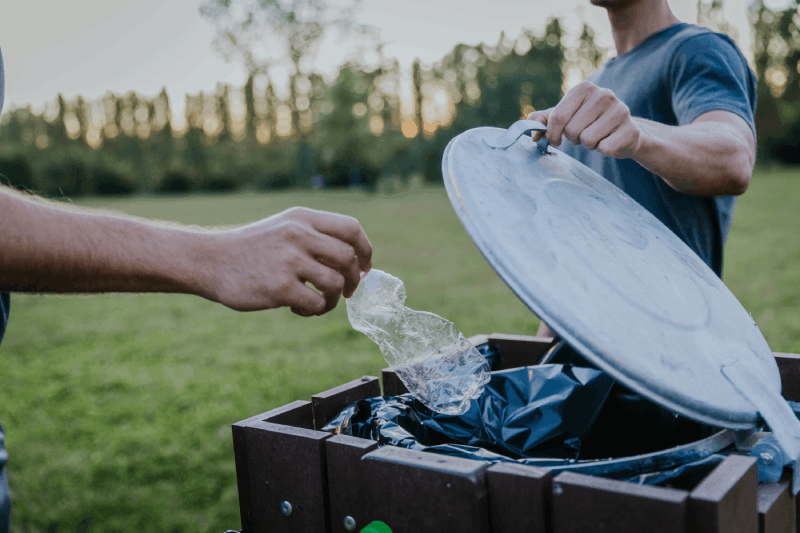
While it may be easy to access recycling bins in city life, classifying waste in wild nature or remote campsites requires physical effort. Most of the time, it seems easier to throw all the trash into a single bag, but this leads to contamination and makes recyclable materials become waste. Separating your waste into metal, plastic, paper, and general trash from the beginning at the campsite makes it easier to dispose of these materials in the correct containers when you return home. You can make this classification practical by using small and lightweight storage containers or colored bags. The difficulty arises not from physical impossibilities but from the inability of habits to adapt to nature. Disciplined separation is the only way to return everything you take from nature to its rightful cycle.
What Methods Are Used to Keep Food Waste Away from Wildlife?
Food waste is often underestimated in nature because it is considered "organic," but this is a significant mistake. An apple core or food scraps disrupt the natural feeding habits of local wildlife and make them dependent on humans. To prevent animals from accessing food in the campsite, "bear canisters" or special odor-proof bags should be used. There should be a distance between the area where food is prepared and eaten and the sleeping area to prevent scent-tracking animals from approaching the tents. All food waste should be tightly sealed in containers or trash bags immediately after cooking. Every morsel left in nature can cause an animal to become ill or endanger human safety; therefore, we must urgently rid ourselves of the misconception that "nature digests everything."
How Should Compostable Waste Be Evaluated in Camping Conditions?
Instead of leaving compostable waste such as fruit peels, vegetable scraps, and coffee grounds directly in nature during camping, the ideal way is to take them to your home compost system. In short-term camps, it is quite easy to collect these wastes in an airtight small container and take them home. However, in long-term and remote camps, if the area is suitable for it and the risk of wildlife is low, it may be an option to separate the waste into very small pieces and bury it in a deep hole. Still, the safest rule is to leave nothing in nature that did not come with you. Acidic wastes like coffee grounds can locally alter soil composition, so even these types of waste should be managed carefully. These wastes, which will be evaluated in your own garden or compost facilities in your city, are actually valuable soil nutrients rather than waste.
What Are the Invisible Damages of Burning Waste in Campfires to the Ecosystem?
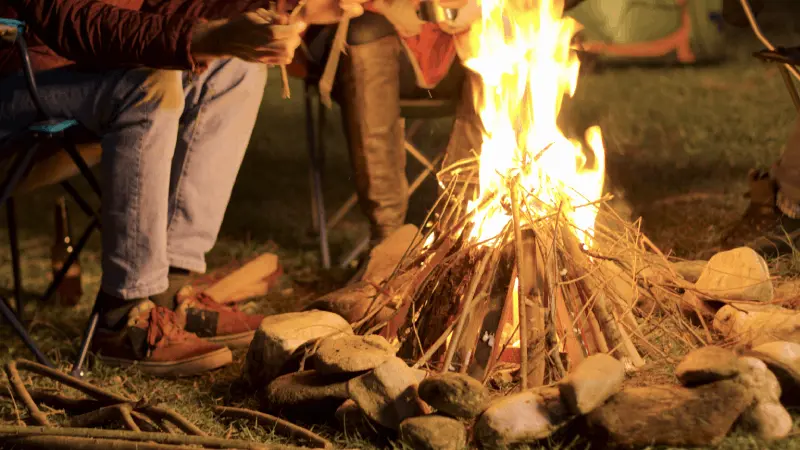
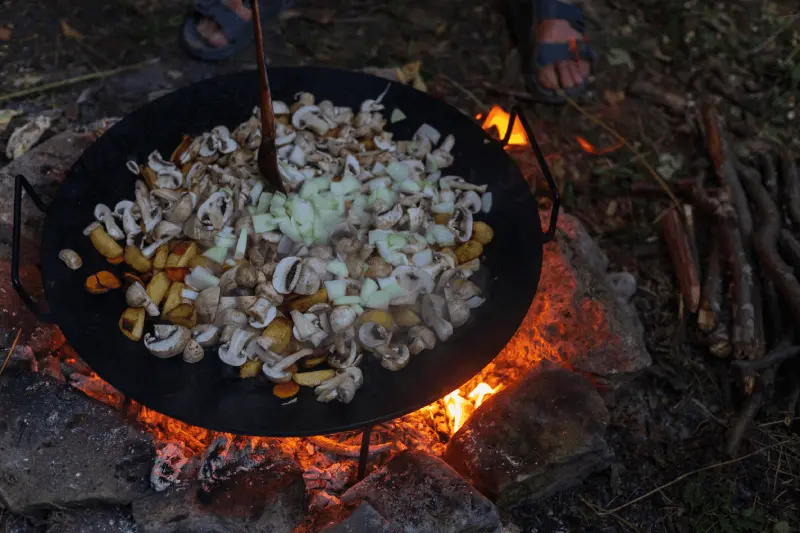
Many campers think they "destroy" plastic packaging or papers by burning them in the campfire. However, this action causes extremely toxic chemicals to mix with the air, soil, and directly into the lungs of campers. Substances like dioxins and furans that are released when plastic burns are carcinogenic and spread to wide areas through smoke. Additionally, unburned plastic residues and melted remnants poison the soil and kill the microorganisms there. A fire pit is only for burning wood; it is not a waste disposal facility. When you extinguish your fire, only white ash should remain, and there should be no foreign material left behind. Polluting the pure air of nature with synthetic smoke is a behavior that is diametrically opposed to the spirit of camping.
How Can the Damage of Cigarette Butts on Soil and Water Sources Be Prevented?
Cigarette butts are the most commonly encountered type of waste worldwide and in campsites. Most butts contain plastic filters made from cellulose acetate, and their decomposition in nature can take decades. Moreover, a single butt has the capacity to poison liters of water due to the toxic substances it contains. The best solution for smoking campers is to always carry a portable ashtray or a sealed metal container. Ashes and butts should never be thrown on the ground; they should always be collected in these containers and disposed of in city center trash. Burying a butt in the ground or throwing it in the fire does not eliminate pollution; it merely hides it. This behavior, which may seem like a small negligence, can lead to disasters ranging from forest fires to water poisoning.
How Should Pet Waste Be Managed in Natural Areas?
Dog or other pet waste accompanying camping life can pose a serious threat to wildlife. Pet waste can contain parasites and pathogens that can infect wild species. Additionally, excess nitrogen and phosphorus from pet food can disrupt the balance of local plant cover. Therefore, pet waste should be collected in bags just like in the city and removed from the campsite. If bagging is not possible, it should be buried in a deep hole far from water sources. However, the most environmentally friendly approach is to follow the "pack it out" principle for these wastes. The idea that it is normal for waste to remain in a natural environment is a misconception that does not align with ecological realities.
How Does Equipment Selection Affect Sustainability and Long-Term Waste Amount?
In the camping world, waste is not just about packaging; short-lived and low-quality equipment also creates a massive waste burden. Cheap tents used for a single season, chairs that break immediately, or low-quality mats quickly become trash. Sustainable camping requires adopting the "less but better" equipment philosophy. Investing in equipment made from durable materials that offer lifetime guarantees and are repairable is both economically and environmentally beneficial in the long run. Using second-hand equipment or repairing existing ones prevents the carbon footprint and waste that a new production process would create. Regular maintenance of your equipment to extend its life is one of the quietest yet most effective ways to protect nature.
Why Should Rechargeable Solutions Be Preferred Over Disposable Batteries?
Batteries used in electronic equipment such as flashlights, GPS devices, and radios are at the top of the list of the most dangerous wastes for nature. When disposable alkaline batteries run out, they pose a significant environmental threat due to the risk of leaking heavy metals they contain. To solve this problem at its root, rechargeable batteries or devices that charge directly via USB should be preferred. Nowadays, it has become quite easy to meet energy needs in nature thanks to solar panels or high-capacity power banks. Rechargeable solutions not only reduce waste but also save you from the hassle and cost of constantly buying new batteries. Electronic waste is difficult to recycle, so minimizing consumption from the start is the smartest approach.
What Are Safe Disposal Methods for Medical Waste and First Aid Supplies?
First aid kits, which are essential in a camping backpack, bring along waste such as bandages, plasters, and medication packaging. Especially used bandages and medical waste should be managed very carefully as they can carry hygienic risks. These types of waste should be separated from other trash and collected in a puncture-resistant and leak-proof bag. Expired or unused medications should never be thrown into the soil or water; these substances can disrupt the hormonal balance and health of organisms in the ecosystem. The safest way to dispose of your medical waste at the end of your camping trip is to take them to medical waste collection points or pharmacies. Even a bandage used for a small cut should not be allowed to remain in nature.
Is It Practical to Use Cloth Bags and Glass Jars in the Camping Kitchen?
In modern camping, lightness is often prioritized, which is why glass jars and heavy cloth bags may be seen as "bulky." However, the advantages these materials offer for a zero waste camping kitchen cannot be denied. Glass jars, thanks to their odor-proof properties, protect food from wildlife, keep contents fresh, and never produce plastic waste. They can be transported wrapped in towels or clothes to prevent breakage. Cloth bags are perfect for dry foods and bread. If weight is indeed a significant concern, sustainable alternatives like silicone storage bags or lightweight stainless steel containers can be preferred. The important thing is to break free from the vicious cycle created by single-use plastic zip bags (ziploc) and to establish kitchen organization based on reusable materials.
How Does Microplastic Pollution Leak from Our Camping Clothes into Nature?
Most technical camping clothing (fleece, synthetic outdoor jackets, etc.) is made from plastic-derived fibers like polyester and nylon. When these clothes are washed or worn in nature, thousands of microplastic particles are released into the environment. Especially during clean-ups near water bodies, these particles mix directly with lakes and rivers. To reduce microplastic pollution, natural fiber clothing like merino wool should be preferred whenever possible. If synthetic clothing is used, avoid washing them in nature and use microplastic-catching bags when washing at home. Knowing that our clothes can leave traces in nature not only when they are thrown away but also while being used helps us make more conscious choices. Protecting nature starts with the fabric of the shirt on our back.
What Are the Long-Term Consequences of Leaving Electronic Waste in Nature?
Electronic devices forgotten or left behind in nature are like ticking time bombs. Circuit boards, screens, and plastic components contain heavy metals like lead, mercury, and cadmium. As these devices corrode over time, these toxic substances leak directly into the soil and groundwater, creating pollution that can last for centuries. A flashlight battery or an old radio can end the life of the surrounding ecosystem just by sitting there. You should keep an inventory of every type of electronic device you bring while camping and ensure that no part is left in nature, even if it is broken. Electronic waste is not only pollution but also a waste of raw materials; therefore, they must be included in professional recycling systems.
How Should Waste Management Be During Fishing and Water Sports?
Activities conducted along the water's edge carry the risk of waste directly contaminating the water ecosystem. Especially during fishing, broken lines, forgotten hooks, and lead weights become deadly traps for underwater life. Birds and fish can get entangled in these lines and lose their lives. Therefore, every centimeter of line used should be accounted for, and broken pieces must be removed from the water. The packaging of energy bars used during water sports can easily end up in the water with the wind; therefore, all trash should be kept in secure pockets of clothing or bags. The aquatic world is much more sensitive than the terrestrial ecosystem, and even a small piece of plastic left there can travel all the way to the oceans.
What Are the Ways to Encourage Other People in the Campsite to Adopt a Zero Waste Lifestyle?
A zero waste lifestyle begins with individual effort but grows with collective awareness. Encouraging other people in the campsite without judgment expands the movement to protect nature. The best way to do this is to "lead by example." You can make a difference with your reusable water bottles, cloth bags, and clean campsite. Talking about the practical solutions you use while chatting with someone or gifting them an extra cloth bag can prompt them to question their own habits. Additionally, allowing others to join you while picking up trash in the environment fosters a sense of collective responsibility. Using inspiring and constructive language instead of harsh criticism will make people much more willing to protect nature.
Why is the Principle of "Leave It Cleaner Than You Found It" the Duty of Every Camper?
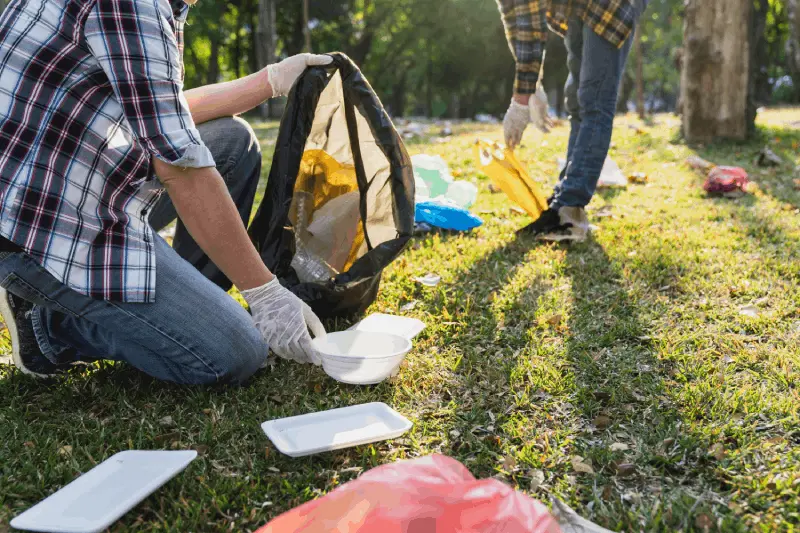
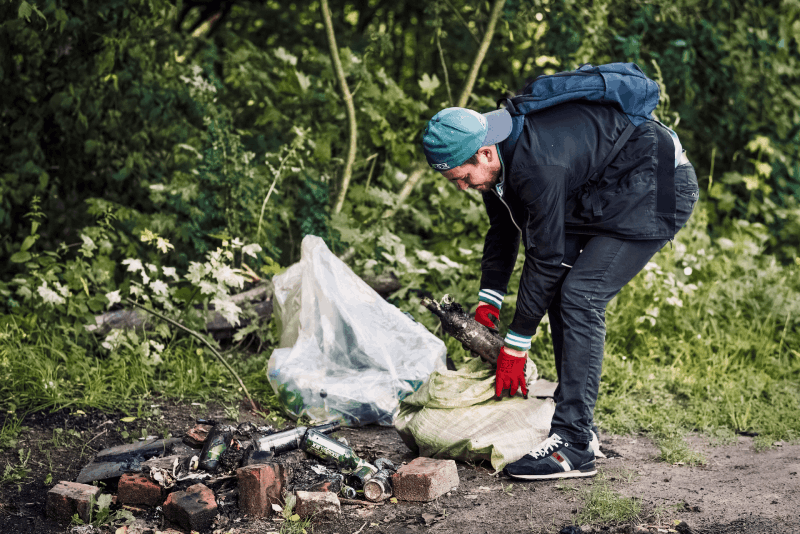
The philosophy of "leave it cleaner than you found it," which goes beyond the principles of "Leave No Trace," is the signature of true nature lovers. When you arrive at a campsite, picking up the trash left by others before you is not just a kindness but a way to pay our debt to nature. While it is technically correct to think you are only responsible for your own trash, it is not sufficient for the protection of nature. Keeping an extra trash bag with you and scanning the area at the end of each camp (sweep) takes only a few minutes but provides ecological health for that area for months. As this tradition spreads among campers, even the most popular routes can continue to preserve their pristine beauty.
How Should You Transport Waste in Areas Without Recycling Bins?
Many wild campsites or national parks do not have trash bins; this is the most fundamental situation of the "Pack in, Pack out" rule. When transporting your waste, you should use double-layered bag systems or sealed, odor-proof bags to solve both hygiene and odor issues. To prevent liquid waste from leaking, the lids of containers should be tightly closed, and food waste should be packaged in a way that does not emit odors. Instead of carrying trash outside your backpack, it is safest to store it inside in a way that does not disturb the balance or in special external compartments. When you reach the city, instead of throwing this trash into a random container, if possible, separate it by type and leave it at recycling points; this will crown this tiring but rewarding process.
What Are the Odor-Proof and Leak-Proof Waste Storage Solutions?
The accumulation of waste in the campsite can spoil your comfort and attract unwanted wild guests. To prevent this issue, dry and wet wastes should be separated from the beginning. Stuffing food scraps into an empty can and sealing the lid or using special odor-proof bags (like OPSAK) is very effective. Additionally, sprinkling natural odor absorbers like coffee grounds or baking soda inside the trash bag is a practical solution. For leak-proofing, heavy-duty polyethylene bags or collapsible silicone buckets can be preferred. The more professional your waste storage solutions are, the more professional and hassle-free your camping experience will be.
What Is the Role of Women’s Hygiene and Sustainable Alternatives in Nature?
For women campers, managing hygiene in nature can become much more sustainable with the right equipment. Disposable pads and tampons are among the hardest types of waste to dispose of in nature. At this point, "menstrual cups" or "washable sanitary pads" can be revolutionary. Menstrual cups produce no waste and can be reused simply by cleaning with water. If disposable products are preferred, they should never be buried in nature and must be transported back in a sealed, opaque bag (ziploc). Sustainable women’s hygiene reduces the load in your bag and completely eliminates the chemical and plastic traces left in nature.
Is It Possible to Use Washable Cloths for Campers with Babies?
Camping with a baby can bring a significant amount of diaper waste. Classic disposable diapers do not decompose in nature due to their high plastic content and are quite heavy to carry (after use). Washable diapers are a great alternative if there is water available at the campsite. You can store dirty diapers in a leak-proof "wet bag" and take them home at the end of the camp to wash. If this method seems too difficult, at least "bio-degradable" diapers that are marketed as such but still need to be transported back should be preferred. While waste management with a baby may require a bit more planning, instilling a love for nature in your child from the very beginning with this awareness is an invaluable gain.
What Is the Connection Between Local Flora and Fauna and Waste Management?
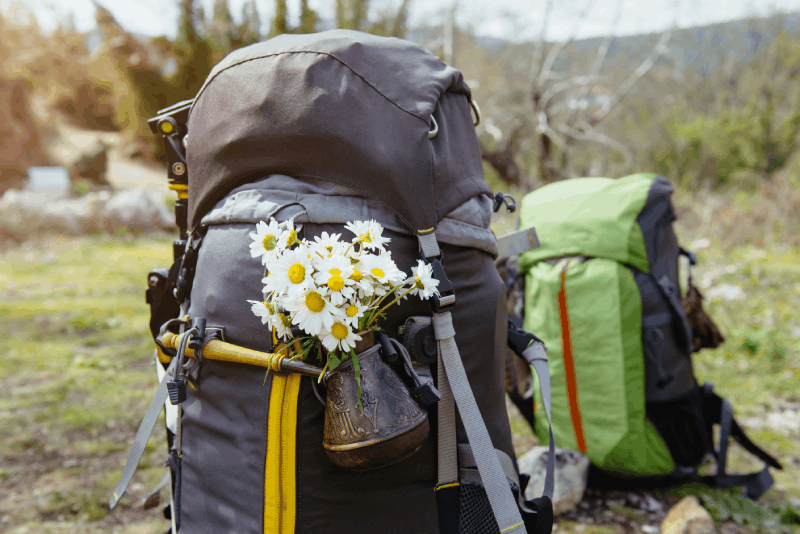
The plant cover (flora) and animal life (fauna) of a region are directly related to the success of waste management in that area. Poorly managed waste can alter the pH balance of the soil, leading to the death of local plants and the spread of invasive species. Similarly, animals that feed on food waste (such as foxes or bears) can lose their hunting instincts and become unable to control the populations of other species in the ecosystem. This creates a domino effect that can lead to a decrease in biodiversity and the collapse of the ecosystem. When you see nature not just as a landscape but as a living organism, you can better understand that every small piece of waste thrown on the ground is a toxin that clogs the veins of that organism.
What Is the Relationship Between Climate Change and Individual Camping Habits?
Waste management and sustainable camping are actually a micro model of the global climate crisis. The plastics we consume, the fossil-fuel-powered camping stoves we use, and the waste we produce all contribute to carbon emissions in the atmosphere. Choosing zero waste camping individually means reducing the demand for petroleum-based plastic production and preventing the methane emissions created by waste facilities. Calculating the carbon footprint of the time we spend in nature and working to minimize it is one of the biggest responsibilities of a true nature lover. The imperfect but sincere efforts of a small group create a much larger collective impact than one person's perfect effort.
How Can Zero Waste Practices Be Applied in Micro-Adventures?
Weekend getaways or short micro-adventures are perfect laboratories to try out a zero waste lifestyle. In these short camps, you can prepare all your meals at home and bring them in storage containers, aiming to return with almost no waste. Since you will only be staying for one night, minimizing hygiene supplies and only carrying the water you need is much easier. The zero waste practices you gain in micro-adventures can be reflected in longer and more challenging expeditions over time. Every short trip is an opportunity to deepen your relationship with nature in a cleaner and more meaningful way.
Why Does Waste Management Require More Discipline in Winter Camps?
In winter conditions, the ability of snow and ice to cover everything creates an illusion for hiding waste. However, every piece of trash left under the snow will emerge when spring comes and the snow melts, polluting nature. Additionally, the decomposition of organic waste (including pet waste) is much slower in freezing temperatures, sometimes even halting. Therefore, the "pack it out" rule should be applied much more strictly in winter camps. More durable storage solutions are needed to prevent waste from freezing to bags and to maintain hygiene. Not disturbing the pure whiteness of nature in winter is one of the noblest stances a camper can take against nature.
Is Waste Management a Burden or an Opportunity for Solo Campers?
For solo campers, waste management may seem like a burden due to the sole responsibility resting on one person. However, solo camping is an opportunity to observe your own habits in the most transparent way. You can see much more clearly how much waste you produce, which items are unnecessary, and where you made mistakes in the preparation phase. Since lightness is critical in solo camps, a zero waste lifestyle (getting rid of packaging) actually becomes an advantage that lightens your load. When you establish your own discipline, your solo camps will become your cleanest experiences both mentally and ecologically.
Why Is Repairing Camping Gear More Ecological Than Buying New?
A torn tent fly or a broken camping chair should not be immediately seen as trash. Repairing an item means conserving the energy, raw materials, and emissions created during its production. Nowadays, many outdoor brands offer repair kits and are moving towards "repairable" designs for sustainability. Repairing also strengthens your bond with the equipment and gives you new skills. A patched jacket or a sewn sleeping bag reminds you of a camping moment with every mark on it. Choosing to protect rather than consume is the strongest expression of your stance towards nature.
How Is Waste Control Ensured in Crowded Camping Areas with a Festival Atmosphere?
Festival areas or popular camping businesses where many people gather often turn into "waste dumps." To ensure waste control in crowded areas, taking ownership of shared spaces and initiating collective cleaning movements can be effective. Asking business owners about recycling opportunities or organizing a "cleaning competition" with your group of friends can positively change the atmosphere. Not hiding your own waste among the crowd and even picking up small pieces left by others is the biggest barrier to turning that area into a dump. While crowds can be destructive, they can also turn into a constructive force when directed correctly.
What Is the Spiritual Satisfaction of Leaving an Untainted Nature for Future Generations?
The deepest reward for managing waste in nature and living a zero waste lifestyle is the cleanliness of the legacy you leave behind. When you look back as you leave a campsite and see no trace, it is not just a physical cleanliness but a spiritual peace. Ensuring that a child who comes after you discovers a flower in the soil rather than a plastic bottle is an invaluable contribution. Protecting nature serves something greater than ourselves. This spiritual satisfaction is much more lasting and meaningful than the consumption-focused happiness of the modern world.
How to Prepare a Checklist for a Sustainable Camping Backpack?
Creating a step-by-step checklist to prepare a zero waste camping backpack minimizes mistakes. At the top of the list, there should definitely be a reusable water bottle and a water purification tablet/filter. Then, metal or silicone containers for meals, cloth bags, and a bamboo fork-spoon set should be added. For personal hygiene, solid soap, solid shampoo, and a bamboo toothbrush should not be forgotten. For transporting waste, leak-proof "wet bags" and sealed storage bags should be included in the list. Reviewing this list before each camp and asking yourself, "What can I use instead that produces less waste?" will make you a more skilled zero waste camper every day.