Why Are Leave No Trace Principles a Fundamental Rule in Camping Areas?
"Leave No Trace" principles form the ethical constitution of modern camping. At the core of these principles lies the idea that every individual entering nature should leave no trace behind as if they had never been there when they depart. Waste management is the most concrete aspect of this process. Leaving waste in camping areas not only causes visual pollution but also disrupts the pH balance of the soil and hinders microbial activities. When campers adopt these rules, the natural cycle of wildlife is preserved, and an unspoiled natural heritage is left for future generations.
Why Is Leaving Food Waste in Forested Areas Dangerous?
Many campers mistakenly believe that organic waste, such as apple cores or banana peels, will decompose naturally in the wild and throw them among the bushes. However, this is a significant mistake. Non-native fruit and vegetable remnants can introduce bacteria and parasites that do not belong to that ecosystem into the soil. Additionally, the decomposition time of these foods is much longer than assumed in temperate and cold climates. The most critical issue is that these odors can attract wild animals to the campsite. Animals like bears, wolves, or boars becoming accustomed to human food pose a safety risk for campers and can lead to their deaths by dulling their hunting instincts.
How Can Waste Production Be Minimized During Pre-Camping Preparations?
Waste management begins not at the campsite but in the kitchen at home. Instead of bringing the packaging of the products you buy for camping to the campsite, the most effective method is to dispose of these packages at home. For example, transferring foods from cardboard boxes to reusable silicone bags or glass jars can save space and reduce the plastic/paper waste generated in nature to zero. Opting for bulk items instead of single-serving packages prevents unnecessary plastic use. A planned preparation process can reduce the amount of waste you need to take back by 80% at the end of the camp.
How Do Grey Water and Detergent Use Threaten Freshwater Resources?
Water used for washing dishes or personal hygiene is referred to as "grey water." Disposing of this water directly into lakes or streams alters the chemical composition of the water. Even soaps labeled "biodegradable" can have toxic effects on sensitive organisms in the aquatic ecosystem. Grey water should be disposed of at least 60-70 meters away from the water source, in an area where the soil can absorb it. The soil acts as a natural filter, filtering out these chemicals. However, the best practice is to adopt chemical-free cleaning methods and minimize water use.
What Scientific Methods Should Be Used for the Disposal of Human Waste?
Toilet needs are one of the most overlooked yet most polluting aspects of camping. If there is no toilet facility at the campsite, the "cat hole" method should be applied. A hole about 15-20 cm deep should be dug at a location away from water sources and trails, and after use, it should be covered with natural materials. Used toilet paper should never be buried; it must be carried out in leak-proof sealed bags (Ziploc). In high-altitude or very dry areas, the use of portable waste bags like "WAG bags" becomes mandatory due to the slow biological decomposition.
How Can Microplastics from Camping Equipment Be Prevented from Entering Nature?
Tents, sleeping bags, and technical clothing made from synthetic fabrics shed microplastic fibers into the environment during use. Washing operations done outdoors or abrasion of equipment particularly increase this pollution. Choosing high-quality and durable equipment means less abrasion and thus less microplastic release. Additionally, instead of harshly scrubbing your clothes by the river, wiping them with a damp cloth or simply airing them out is an environmentally friendly approach. Closed waste bins should be used to prevent small plastic waste (packaging scraps, nylon strings) from being blown away by the wind.
How Does the Accumulation of Human Food Waste Disrupt the Ecosystem?
Wild animals tend to seek food easily without expending energy. The food scraps left by campers disrupt the natural feeding habits of animals. When a fox or bear becomes accustomed to feeding from a human campsite, it becomes a "problematic animal" and can become aggressive. This situation often results in these animals being culled by conservation officers. The principle of "a fed animal is a dead animal" should not be forgotten. Waste management at this point is not just about cleanliness; it is also a wildlife conservation activity. Bear canisters or odor-proof bags that trap food odors are therefore of vital importance.
How Do Waste Residues in Campfire Pits Poison the Soil?
Many people view campfires as waste disposal facilities and throw plastics, aluminum foils, or cans into the fire. The toxic gases released from burning plastics are inhaled at that moment and mix with the soil along with the ash. Aluminum and metal pieces do not disappear in the fire; they only break down and are buried in the soil, hindering the growth of the plant cover there. Additionally, food scraps that have not completely burned remain among the ashes, attracting animals again. Fire should only be used for burning wood; all types of packaging and solid waste should be kept away from the fire and taken out of the camp.
How Should Recyclable Materials Be Classified at Camp?
Waste generated at the campsite should be categorized just like in the city. Creating separate compartments in your backpack or vehicle for metal, plastic, and paper makes it easier to throw these wastes into recycling bins at the campsite. Cans and plastic items should be rinsed and crushed to reduce volume. Leak-proof bags should be used to prevent wet and dirty waste from contaminating recyclable materials. This discipline prevents unnecessary filling of waste containers at the campsite and supports the waste management process of local municipalities or businesses.
Why Are Portable Toilet Systems Essential for Long-Term Camps?
Especially during long stays in vehicles or tents, the natural self-cleaning capacity of nature can be exceeded. In these cases, chemical or composting portable toilets should be used. These systems collect human waste in a leak-proof chamber and trap odors. The collected waste should only be disposed of at authorized dumping stations at the end of the camp. Leaving septic waste uncontrolled in nature can lead to the spread of epidemic diseases like typhoid and cholera among wildlife and humans by contaminating groundwater.
How Can the Persistence of Wet Wipes and Hygiene Products in Nature Be Prevented?
Wet wipes, although they appear to be "cotton-like," actually contain plastic fibers and take centuries to decompose in nature. One of the biggest mistakes campers make is burying these wipes or leaving them among the bushes. The same applies to women's hygiene products and baby diapers. These types of waste should never be left in nature. As a solution, special bags like "OP Sack" that do not emit odors should be obtained, and these wastes should be taken to the trash bins in the city. Alternatively, reusable fabric wipes and biodegradable hygiene kits can be preferred.
How Does Repairing Camping Equipment Contribute to Waste Management?
One of the most important aspects of sustainable waste management is preventing equipment waste. Instead of immediately throwing away a torn tent or a broken camping chair, repairing it prevents large-scale solid waste formation. Keeping a small repair kit (patch, adhesive, sewing kit, duct tape) in your camping backpack extends the life of your equipment. Waste management is not just about picking up small trash; it also means not creating textile and metal waste. Equipment that cannot be repaired should not be left in nature but should be taken to appropriate recycling facilities.
What Are the Fire and Chemical Risks of Cigarette Butts in Natural Areas?
Cigarette butts are the most common type of waste in the world and pose a significant danger for camping areas. The plastic fibers in their filters and the toxic chemicals they contain (arsenic, lead, etc.) leach into the soil and water with rain. A single butt can contaminate liters of water. Additionally, butts thrown away without being extinguished in areas with dry grass are the main cause of massive forest fires. Campers should always carry a portable ashtray (a small metal container) and collect their butts here to dispose of them in the trash at the end of the camp. Butts should never be thrown into the campfire because their filters do not burn completely.
What Storage Solutions Should Be Preferred to Reduce Packaging Waste?
Instead of plastic bags and disposable containers, stainless steel lunch boxes, enamel plates, and cloth bags should be used. For water needs, high-capacity water bottles or hydration bladders should be preferred instead of plastic bottles. Vacuum storage containers keep food fresh while their odor-proof features prevent attracting wild animals. Investing in such quality equipment can be used for years and prevents the formation of dozens of plastic waste in each camping session. Breaking the "take, use, throw" cycle should be a priority for a conscious camper.
How Should Waste Management Planning Be Done in Group Camping Events?
In festivals or group camps, waste management is a logistical operation. Organizers should set up clearly marked waste stations at the entrance and strategic points of the area. Providing participants with a brief information session about waste management at the beginning of the camp or distributing waste bags increases awareness. At the end of the event, a cleaning session called "super sweeping" should be conducted, where the entire team scans the area and picks up even the smallest piece of paper. The pressure created by large groups can leave lasting damage on nature; therefore, collective responsibility is paramount.
Are Local Governments' Trash Collection Policies in Camping Areas Sufficient?
Unfortunately, in many pristine camping areas, municipal services are limited or nonexistent. The presence of local trash bins often means those bins overflow, and trash spreads around due to the wind. Therefore, the basic rule is: "Take back what you brought." Instead of relying on the local government's trash bin, it is safest to carry your waste to the main collection points in the city center. Leaving a bag next to a full trash bin is like offering wild animals an "open buffet." Acting with this awareness is the most effective way to protect the local ecosystem.
How Do Misleading Labels on Biodegradable Products Affect Campers?
Many products sold on the market are labeled as "biodegradable" or "compostable," but these processes usually occur under high temperatures in industrial facilities. Decomposition of these products in a natural forest floor or a cold stream can take years. Campers should not leave these products in the forest, thinking "it will disappear in nature anyway." Biodegradable bags or cutlery sets should still be removed from the campsite along with regular trash. The main advantage of these products is their low carbon footprint during the production phase, but they do not grant permission to leave them as waste in nature.
How Does Odor Management in Camping Areas Prevent Wild Animal Attacks?
Waste management is not only about solid materials but also involves odors in gas form. The area where food is cooked should be at least 50-100 meters away from the tent where you sleep (the triangle rule). Clothes that have absorbed food odors and all food waste should be stored in odor-proof containers. Aromatic products like toothpaste, deodorant, and sunscreen can also signal "food" to animals. The waste of these types of personal care products should be managed with the same sensitivity as food waste. Proper odor management minimizes your risk of encountering an uninvited guest at midnight.
Why Is the Durability and Portability of Trash Bags Critically Important?
When carrying trash in nature, a bag tearing or puncturing can lead to all waste spreading in your backpack or vehicle. Therefore, instead of thin household trash bags, thick "heavy-duty" industrial bags or waterproof "dry bags" should be preferred. Hanging your trash bag outside your backpack can lead to it getting caught on branches and tearing or being blown away by the wind. The safest method is to carry the trash bag in a fixed compartment inside the backpack. If liquid waste is to be generated, the double bagging method should be applied to ensure leak-proofing.
What Is the Impact of Small Waste Lost in Nature on Bird Populations?
Micro-waste (bread crumbs, plastic packaging scraps, fishing line pieces) can be lethal, especially for birds. Birds often mistake colorful plastic pieces for food and ingest them, leading to blockages in their digestive systems and death from starvation. Fishing lines left in camping areas can entangle birds' feet, resulting in gangrene or loss of flight ability. Waste management should focus not only on large trash but also on small pieces that are hard to see. Before leaving the campsite, bending down to scan the area (micro-trash scan) prevents these silent deaths.
What Cooking Techniques Can Be Used in the Camp Kitchen to Avoid Waste?
One-pot meals reduce both water use and dish waste. Using pre-dehydrated foods saves weight and minimizes packaging waste. Instead of bringing fresh vegetable peels to the camp, you can chop and prepare them at home, taking only the parts you will consume. Leftover food in the pot after cooking should be scraped clean with a piece of bread (the "lick the plate" technique) to minimize organic waste that will mix with washing water. This way, your grey water will be less polluted, and your environmental impact will decrease.
How Should Waste Management Curriculum Be Structured in Camping Education?
Nature sports training should include not only knot tying or tent pitching but also in-depth ecological knowledge. New campers should not only be theoretically informed about how many years it takes for a plastic item to decompose in nature but should also see it demonstrated through field applications. Waste management should be treated not as a "burden" but as an expression of respect for nature. In youth camps, instead of waste collection competitions, awards for "the least waste-producing camper" should be given to encourage reduction at the source. Education should be based on cause-and-effect relationships rather than prohibitions.
What Should Sustainable Camping Area Certification Include?
A certification program to be created for commercial camping operations should standardize waste management. This certification should include criteria such as the presence of grey water treatment systems, regular emptying of waste separation units, use of renewable energy, and prohibition of chemical cleaners. Operators may be required to provide campers with recyclable bags upon entry and brochures about waste policies. Such a "green star" system facilitates conscious campers' choices and encourages businesses to invest in environmentally friendly practices.
Why Is the Life Cycle of Aluminum and Glass Waste Problematic in Nature?
Glass and aluminum never completely disappear in nature; they only physically reduce in size. Broken glass pieces can harm underground organisms and create a lens effect that ignites dry leaves, potentially causing forest fires. Aluminum can oxidize and disrupt the metal balance of the soil. Additionally, the energy expended in the production of these materials is very high; therefore, leaving them in nature is a significant waste of resources. Carrying all glass items and metal cans back with you at the end of the camp is not only a cleaning action but also an energy-saving measure.
Why Is Waste Management More Challenging in Winter Camps Compared to Summer Camps?
Waste management while camping on snow is much more difficult. Waste left on or buried in the snow becomes visible when spring arrives and the snow melts, polluting the environment. Additionally, biological decomposition completely halts in freezing temperatures. Human waste does not decompose in the snow; therefore, using WAG bags in winter camps is a vital necessity. Grey water freezes in the snow, forming ice blocks that can remain there for a long time. A winter camper should act with the awareness of how every step they take will look when the snow melts and should carry all waste without exception.
How Can Waste in Coastal Camping Areas Be Prevented from Entering Oceans?
In coastal areas, wind and tidal events can quickly carry waste into the sea. Plastic pollution in the ocean threatens all living beings, from sea turtles to fish. Waste bins in coastal camps should always be covered and heavy to prevent them from being overturned by the wind. Additionally, in beach camping, microplastics can easily mix with the sand; therefore, extra care should be taken not to leave small pieces on the sand. "Beach trash" collected from the sea should also be disposed of along with your own waste, thus actively contributing to the ecosystem.
What Social Strategies Should Be Followed to Increase Campers' Motivation for Waste Collection?
Collecting waste can sometimes be perceived as a tedious task. To change this perception, social media campaigns like "pick up 3" (pick up at least 3 pieces of trash at every camp) should be supported. Camping communities can make cleaning events fun by turning them into "social events." Showing people the dramatic effects of trash on nature (for example, a photo of an animal eating plastic) triggers a sense of responsibility by creating an emotional connection. A culture of appreciation and gratitude can solidify the motivation of environmentally conscious campers.
How Is the Disposal of Batteries and Electronic Waste Managed in Camping Areas?
Headlamps, GPS devices, and other electronic gadgets contain heavy metals. Leaving a used or dead battery in the ground can poison a large area. Campers should store batteries in storage boxes and never throw them in general trash bins. Battery collection points in city centers are the only correct address for these wastes. Whenever possible, rechargeable batteries or solar-powered energy sources should be preferred to prevent battery waste from being generated in the first place. Electronic waste is the "technological alien" that nature finds hardest to digest.
How Should the Safe Waste Process of Fuel Canisters and Gas Cylinders Work?
Empty gas canisters fall under the category of pressurized containers, posing an explosion risk and should not be thrown in regular trash. Before disposing of a canister, it should be ensured that the remaining gas is completely emptied using tools like "Jetboil CrunchIt" and that the canister is punctured. After this process, the canister can be included in metal recycling. Pressing canisters that have not been completely emptied in the trash poses a fire risk. For sustainability, refillable large cylinders or multi-fuel stoves should be preferred to reduce small canister waste.
What Can Be Done to Ensure Personal Care Products Do Not Harm Nature?
Sunscreens, insect repellents, and perfumes are toxic to aquatic organisms. These products should be removed from the skin before entering the stream. In terms of waste management, the empty packaging of these products and used cotton/paper towels should be treated as "hazardous waste" and carried in leak-proof bags. Choosing natural, reef-safe products can reduce chemical loads. Remember, every scent you emit and every chemical layer you leave behind disrupts your harmony with nature.
Who Is Responsible for Cleaning Common Areas in Camping Areas?
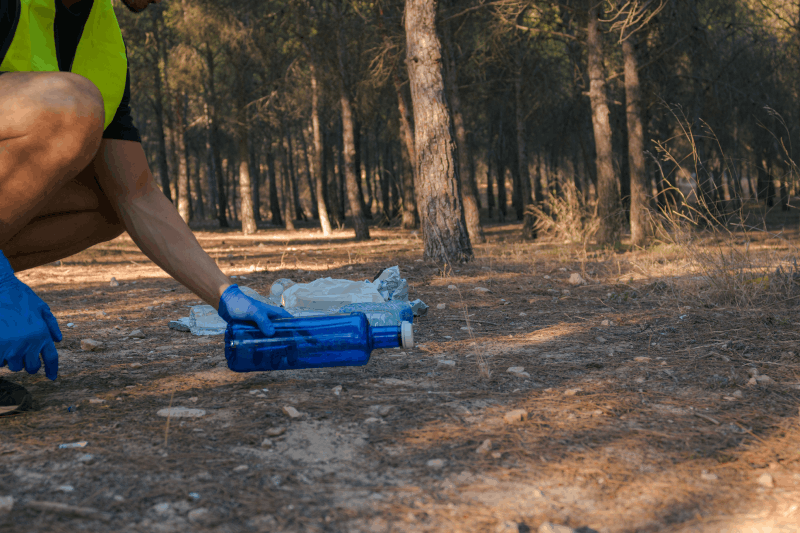
Responsibility in a campsite belongs not just to the last person who used the area but to everyone present at that moment. The mindset of "it's not my trash" turns a blind eye to the pollution of nature. Any type of waste seen in common areas (kitchen counters, seating areas, drinking stations) should be collected regardless of whose it is. This is a kind of "social contract" among campers. A clean environment is as much a common right as it is a common duty for everyone. Leaving the area cleaner than you found it is the noblest rule of camping.
How Can Technological Solutions for Waste Management Be Used in Camping Areas?
Solar-powered compost units or smart trash bins have started to be used in popular camping areas. Some mobile applications allow campers to find waste collection stations or report dirty areas. Additionally, GPS-based "geocaching" games can be combined with cleaning-themed (CITO - Cache In Trash Out) events. Technology provides campers with speed and coordination in tracking and managing waste. However advanced technology becomes, the fundamental solution will always be the individual's will to dispose of their own trash in the right place.
Why Is Burning Trash in Nature the Worst Waste Disposal Method?
Many people believe they "destroy" their trash by burning it, but matter does not disappear; it changes form. The burning of plastics, nylons, and synthetic materials releases highly carcinogenic substances like dioxins and furans. These gases poison campers and infiltrate the plant cover. Additionally, metal and glass residues that do not burn remain in the ashes and disrupt the soil structure. Burning trash makes pollution invisible but increases its impact a hundredfold. Therefore, fire should only be used for controlled wood burning for heating and cooking purposes.
What Are the Individual Responsibilities to Achieve Zero Waste Goals in Camping Areas?
Zero waste is a journey, not a destination. Each step taken individually starts with not using straws, rejecting single-use plastics, and always carrying a "trash bag". Campers can also influence the industry by choosing eco-friendly brands for their purchasing preferences. Taking 100% responsibility for your own waste also requires sensitivity towards the trash of others. A small effort can create a massive difference in protecting nature through collective impact.
What Should Be Done to Leave a Clean Camping Culture for Future Generations?
Camps with children are the best opportunity to instill a love for nature and waste management. They should be taught that collecting trash is not a "punishment" but a "gift" to nature. Being a role model is more effective than thousands of words. Taking notes about waste management during camping days or sharing photos of clean-ups makes this culture lasting. Nature is a gift given to us; returning it in better condition than we received it is a universal human duty.
What Should Be the Strategy for Positioning Waste Containers by Camping Area Operators?
Containers should be placed in locations that are easily accessible to people but inaccessible to wildlife. Boxes with "bear-proof" mechanisms prevent wild animals from accessing the trash. Additionally, regular emptying and disinfecting of the containers prevents odor formation. Color coding of recycling units and having visual icons on them ensures that campers who speak different languages can also sort correctly. A good physical infrastructure significantly facilitates campers' compliance with the rules.
How Can Rainwater Mixing with Waste Contaminate Groundwater Be Prevented?
Leaving waste in the open leads to the chemicals in the trash being filtered and seeping into the depths of the soil and groundwater when it rains (leachate). This situation can even affect the drinking water of villages kilometers away from the campsite. Therefore, waste should always be stored in waterproof containers or elevated off the ground. The drainage structure of the campsite should be designed to be away from waste areas. Clean groundwater is the lifeblood of the forest ecosystem, and protecting this lifeblood is directly related to waste management.
How Should the Arrangement of the Waste Section in a Camping Backpack Be?
A camper's backpack should have a distinction between a "dirty area" and a "clean area". The waste section can generally use the mesh pocket or lower compartment on the outside of your backpack; however, to prevent leakage risk, this waste must be inside a leak-proof main bag. The waste bag should be easily accessible throughout the camp so that small trash generated while on the move (like energy bar wrappers) can be immediately thrown inside. To maintain the balance of the backpack, heavier waste (like cans) should be placed closer to the center. This arrangement turns waste management into a routine process without disrupting the camper's comfort.
How Can Waste Chaos Be Managed in Large Festival-Type Camping Organizations?
In large events, "waste volunteers" teams can be established to ensure the area remains clean. Transitioning from single-use cups to a deposit cup system can reduce plastic waste by 90%. At the end of the organization, encouraging participants to bring a full trash bag in exchange for small gifts or discounts for the next event is an example of "incentivized waste management." The chaos created by crowds can only be turned into a sustainable nature event through systematic planning and a strong communication strategy.
How Should Waste Encountered During Nature Expeditions Be Reported?
Sometimes you may encounter large or hazardous waste (old refrigerators, chemical barrels, construction debris) that you cannot collect individually. In this case, you should take the GPS coordinates of the waste and photograph it to report it to the relevant national park authorities or local municipalities. In some countries, applications like "Litterati" help map this data. Reporting is also an act of waste management. This way, professional teams can intervene with the right equipment and prevent the spread of pollution.