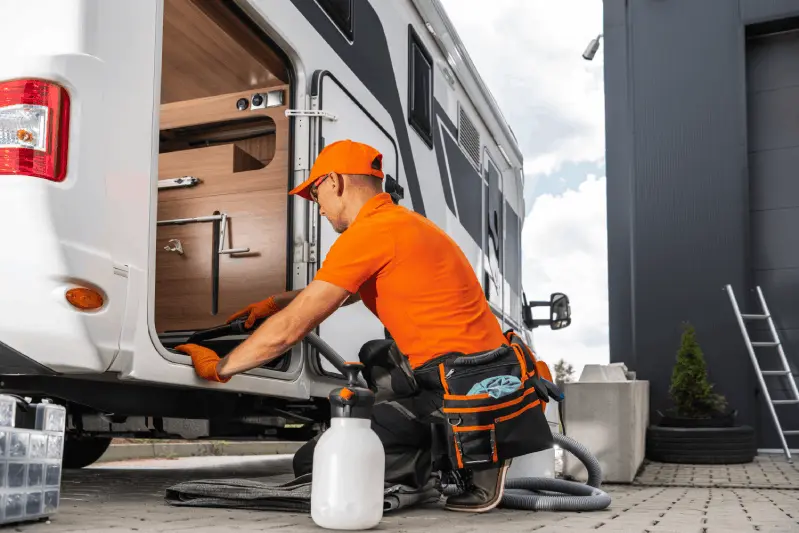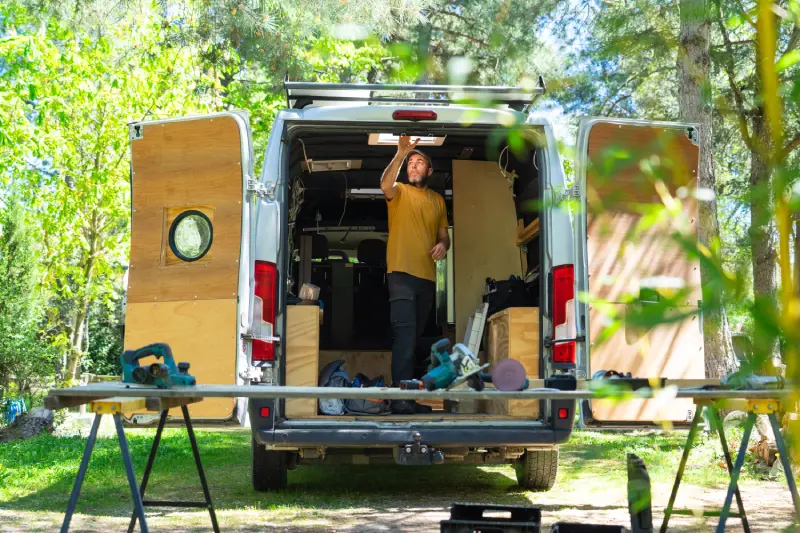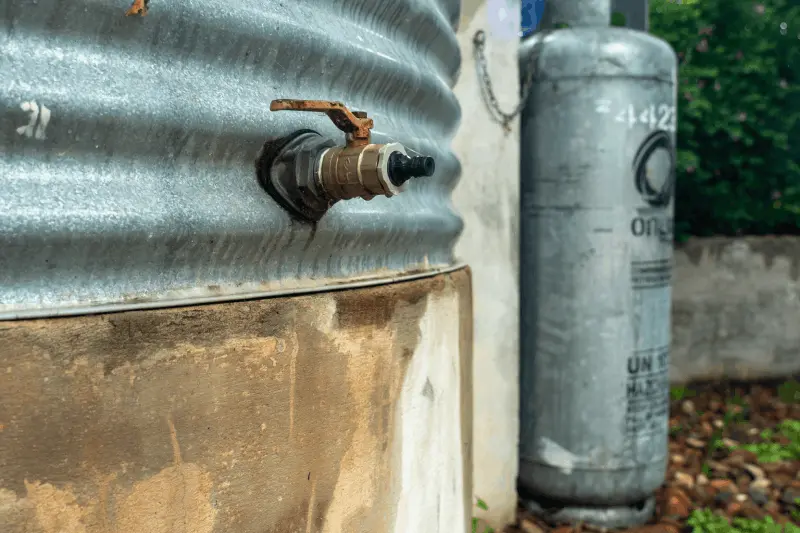
Why is Caravan Water Tank Cleaning Essential?
The water tanks used in caravans are often located in closed and generally dark areas, creating a suitable environment for the proliferation of microorganisms. As water sits in the tank, it stagnates, leading to the formation of a sticky layer of bacteria known as biofilm. If cleaning is neglected, this layer can spoil the taste, smell, and most importantly, the safety of the water. A clean water tank is necessary not only for drinking water but also for showering, washing dishes, and maintaining personal hygiene. An unsanitary water tank can turn your holiday into a health nightmare.
What Factors Determine the Frequency of Cleaning?
The frequency of cleaning the water tank depends directly on your usage habits of the caravan. If you use your caravan every day of the year, the rate of contamination may be lower due to continuous circulation of water. However, if your caravan remains parked for a long time, it is impossible for the water inside to stay fresh. Additionally, the quality of the water you fill also affects this frequency. Chlorinated water from city mains spoils faster, while well water or spring water can produce bacteria much more quickly. Therefore, your usage frequency and water source are the main factors determining your cleaning schedule.
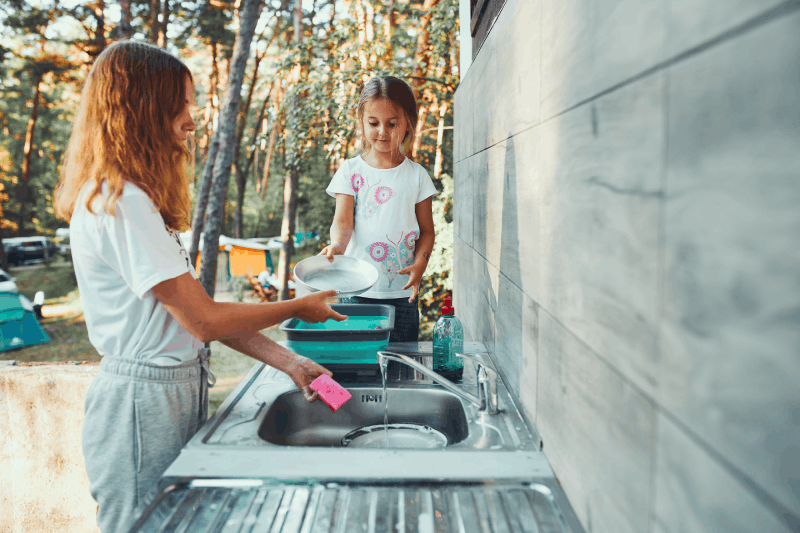
How Often Should the Water Tank Be Disinfected?
As a general rule, caravan water tanks should be thoroughly disinfected at least twice a year. Ideally, this should be done at the beginning and end of the camping season. However, if you use your caravan frequently, it is recommended to perform a light cleaning every three months and a complete disinfection every six months. If you notice even the slightest change in the taste or smell of the water, you should start the cleaning process regardless of the schedule. Maintaining hygiene standards is the most effective way to prevent potential stomach and intestinal infections.
How to Clean the Water Tank in a Newly Purchased Caravan?
When you buy a new caravan, the tank must be cleaned even if it has never been used before. Residual plastic remnants from the manufacturing process, dust, or leftover test water from the factory may remain in the tank. To clean your new tank, you should first rinse it thoroughly with plenty of water. Then, fill the tank with a food-grade disinfectant or a mild vinegar solution and let it sit for a few hours. This process ensures that the factory smell is eliminated and that it is completely hygienic for the first use. A safe start is essential for long-term comfort of use.
What Precautions Should Be Taken for Tanks Not Used for a Long Time?
If you will not be using your caravan for more than a month, the most logical action is to completely empty the water tank. A tank with remaining water can quickly produce bacteria due to the effects of heat, even if it does not receive sunlight. If you cannot empty the tank, it may be beneficial to drain some water weekly and replace it with fresh water. However, before hitting the road again after a long parking period, you should completely empty the tank, rinse it with fresh water, and definitely disinfect it with chlorine or a similar substance. Stagnant water can turn into a biological bomb harboring invisible dangers.
What Diseases Can a Dirty Water Tank Cause?
The most dangerous bacteria that thrive in dirty water tanks include Legionella and E. coli. The Legionella bacteria, which can be inhaled through steam while showering, can lead to serious lung infections. Additionally, microbes entering the body through fruits and vegetables washed with dirty water can cause gastrointestinal issues such as diarrhea, vomiting, and stomach cramps. Cleaning the water tank is not just a matter of comfort but directly a public health issue. You must ensure the microbiological cleanliness of your water to protect yourself and your family from these risks.
How to Prevent Algae Formation in the Tank?
Algae require light and nutrients to survive. Caravan water tanks are generally made of opaque (light-blocking) polyethylene material to prevent algae formation. However, if the tank lid does not close completely or if there is light leakage around the tank, algae growth can begin. The best way to prevent algae formation is to keep the tank completely dark and ensure that the water entering it is filtered from sediments. Additionally, adding silver ion tablets to the water can help keep the tank cleaner for a longer time by preventing the proliferation of microorganisms and algae spores.
What Materials Should Be Used for Water Tank Cleaning?
The basic materials you need for the cleaning process include a suitable hose, a drain valve key, a cleaning brush (if the tank opening is wide), and disinfectant substances. You can use special solutions sold in caravan markets as disinfectants, sodium hypochlorite-based bleach (unscented and additive-free), or natural substances like citric acid and vinegar. Additionally, a vacuum device or a pressurized water gun can facilitate the removal of sediments inside the tank. When selecting materials, it is important to choose products that will not damage the tank material of your caravan for long-lasting use.
Is It Possible to Clean with Natural Methods?
Yes, natural methods are quite effective for caravan users who do not want to use chemicals. Especially white vinegar and apple cider vinegar are known for their mild lime dissolving and disinfectant properties. However, it should be noted that natural methods are not as powerful as chemicals and may be insufficient in very dirty tanks. Natural cleaning is a great alternative for maintaining hygiene levels in regularly maintained tanks. Vinegar, citric acid, and baking soda are among the most preferred eco-friendly solutions for odor removal and light bacteria cleaning among caravan users.
Are Vinegar and Baking Soda Effective?
Vinegar and baking soda can work wonders in caravan tanks just as they do in home cleaning. Baking soda is effective in trapping bad odors from the inner walls of the tank and removing light stains. Vinegar, with its acidic nature, prevents limescale and kills some types of bacteria. When using this mixture, you should first fill the tank with a little water and add the baking soda, then add the vinegar. The resulting foaming reaction helps loosen dirt in hard-to-reach areas. However, after this process, the tank should be rinsed very well; otherwise, your water may retain a vinegar taste for a while.
What Should Be Considered When Using Chemical Cleaners?
The most important rule when using chemical cleaners is dosage. Especially heavy chemicals like bleach can harm your health and damage the plastic and rubber components (seals) in your caravan's plumbing if used in the wrong proportions. Always read the instructions on the product and ensure proper ventilation by opening the caravan windows during application. Additionally, after the chemical process is completed, clean water should be run through the system to ensure that all residues are flushed out. Residual chemicals in the water system can make drinking water toxic; therefore, the rinsing phase is as critical as the cleaning itself.
How is Disinfection with Chlorine Performed?
Cleaning with chlorine provides professional-level disinfection. It is generally recommended to use about 50-100 ml of unscented bleach for 100 liters of water. After filling the tank with this mixture, you should open all taps to allow the water to flow through the pipes. Chlorinated water should remain in the system for at least 4 hours, preferably overnight. After the waiting period, the tank should be completely emptied and rinsed several times with fresh water until the chlorine smell is completely gone. This method is the most guaranteed way to kill all pathogens in the tank and pipes.
Should the Plumbing Pipes Also Be Cleaned During Tank Cleaning?
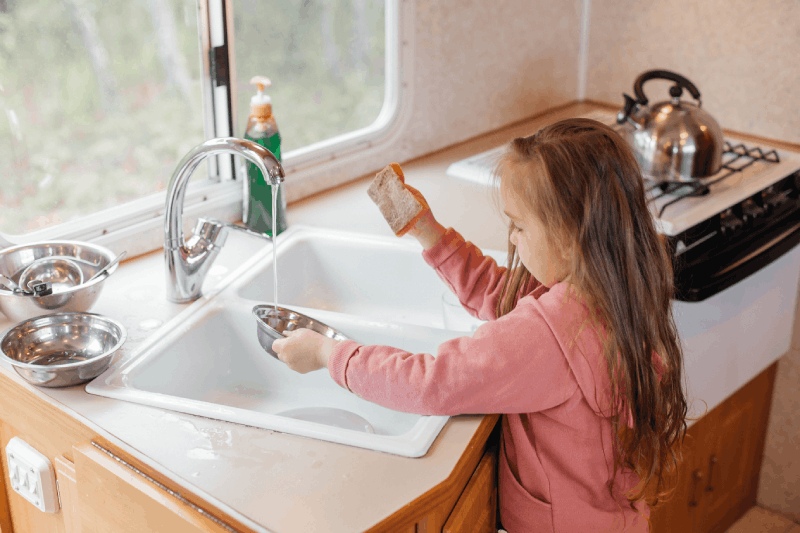
Absolutely yes! No matter how clean the water tank is, if the hoses and pipes leading from the tank to the taps are dirty, your water will still become contaminated. The insides of the pipes are usually narrow, and water can remain stagnant there for longer, leading to faster biofilm formation. During the cleaning process, it is necessary to run disinfectant water through all taps and operate the system to include the hot water line and any external shower connections if available. Remember that hygiene is a whole, and contamination at a single point in the system can affect all the water.
How to Maintain and Clean the Water Pump?
The caravan water pump is the heart of the system and is often neglected during cleaning. The small filter (strainer) located at the pump's inlet traps sediments coming from the tank and can become clogged over time. During cleaning, you should remove this strainer, clean it, and disinfect it. Additionally, the limescale that accumulates in the diaphragm part of the pump can cause the pump to operate noisily or reduce pressure. Running disinfectant water through the pump reduces this limescale buildup. To extend the life of your pump, it is very important to check this strainer once a year and replace it if necessary.
How to Empty the Water Tank Before Winter Maintenance?
If you will not be using your caravan during winter, you must completely empty the water to avoid the risk of freezing. Frozen water expands and can cause the tank to burst, the water pump to break, or the pipes to come loose. To empty the tank, you should open the drain valve and leave all taps open to allow air to escape from the system. It is also a good idea to run the water pump dry for a short time to expel any remaining water droplets inside. After the tank is emptied, leaving the lid slightly ajar prevents the formation of mold and unpleasant odors due to moisture inside.
What Should the Initial Cleaning Be Like When Preparing for the Spring Season?
When you wake your caravan from its winter slumber, its water system needs a thorough check in the spring. Dust may accumulate in the tank that has been empty during winter, or remaining moisture may breed bacteria. In the spring cleaning, you should first rinse the tank with fresh water and drain it. Then, you should fill it completely with a strong disinfectant (chlorine or special solutions) and disinfect the entire system. At this stage, especially checking the smell and color of the water helps you understand if any damage occurred during winter. Before your first trip, you should ensure that your water is crystal clear and safe.
How to Eliminate Bad Odors in the Water Tank?
Bad odors in the tank usually arise from sulfur-producing bacteria or the reaction of the plastic material with water. The best solution to eliminate odors is water with baking soda. You can fill the tank with water and add 2-3 packets of baking soda for every 100 liters. If the odor is very strong, activated carbon filters or special odor-removing caravan chemicals can be used. Additionally, the source of the odor may not only be the tank but also the gray water tank that may be causing backflow. Therefore, while cleaning your fresh water tank, do not forget to check your waste water tanks as well and apply odor removers if necessary.
How to Clean Sediment and Limescale Inside the Tank?
If the sources from which you draw water have a high lime content, a white layer and sand-like sediments may form at the bottom of your tank over time. Citric acid (lemon salt) is quite effective for cleaning these sediments. By pouring dissolved lemon salt in hot water into the tank and letting it sit for a while, you will see the limescale dissolve. For heavy sediments, it may be necessary to physically clean by reaching inside the tank through the lid. After cleaning, rinsing the tank with high-pressure water is a critical step to ensure that sediments are expelled from the drain hole, preventing future blockages in the system.
Is Cleaning Portable Water Tanks Different from Fixed Tanks?
Cleaning portable tanks (wheeled water containers) is much easier than fixed tanks because they can be removed and turned upside down to dry in the sun. However, the basic cleaning principles remain the same; disinfection and rinsing are essential. The biggest problem with portable tanks is that the tank opening is narrow, making it difficult to physically clean the inner parts. In this case, adding small cleaning balls or a bit of rice with soapy water into the tank and shaking it can help dislodge dirt on the inner surface. In fixed tanks, this process is usually solved with chemicals and flushing systems inside the tank.
Why Should the Gray Water Tank Not Be Neglected?
The gray water tank is where soapy, oily, and dirty water from the kitchen sink and shower collects. Although this tank does not have to be as "hygienic" as the clean water tank, neglecting it can lead to terrible odors and blockages in the pipes. Food scraps poured from sinks can decompose in the tank, producing odors similar to methane gas. You can clean the gray water tank using special tank cleaners or strong dishwashing detergent while on the road (to ensure it sloshes around). A clean gray water tank will directly improve the overall air quality inside the caravan.
What Cleaning Periods Are Suitable for the Black Water (Toilet) Tank?
The black water tank or cassette is the most critical waste management point in the caravan. This tank must be rinsed with water every time it is emptied, and appropriate shredding chemicals (blue or green liquids) should be added. Once a month, the seals of the cassette should be lubricated and cleaned of limescale. Toilet cassettes can start to leak odors if cleaned incorrectly. Therefore, it is not enough to just empty it; regular interior cleaning and maintenance of the mechanical parts should also be performed. Keeping the cassette clean and maintained is essential for a hygienic bathroom experience.
What Should Be Considered When Filling the Tank?
The first step to having a clean tank is ensuring that the water entering it is clean. When filling the tank, you should always use your own hose; common hoses in campgrounds often touch the ground and harbor germs. Running the tap for a few seconds before filling helps to flush out any old water waiting in the pipe. Additionally, portable inline filters attached to the end of the filling hose can prevent sand and large particles from entering the tank, delaying the need for cleaning. Ensuring that the source from which you draw water is "drinkable" is the starting point of your travel safety.
Does Using a Filter Reduce the Need for Tank Cleaning?
Absolutely yes! Filters included in the water system minimize the amount of contaminants entering the tank. Especially sediment filters attached to the filling hose and activated carbon filters at the main water inlet of the caravan significantly reduce chlorine odors, heavy metals, and bacteria in the water. Caravans with filters have much less sediment accumulation at the bottom of the tank, allowing for longer intervals between deep cleaning periods. However, it should be noted that filters also have a lifespan and can reduce water quality when saturated, so they should be replaced regularly.
What Type of Water Filters Should Be Preferred?
The most popular filters for caravans are sediment filters, activated carbon filters, and ceramic filters. Sediment filters trap large particles like mud and rust, while activated carbon filters improve the taste and smell of the water. If you are concerned about the microbiological safety of your water, high-performance filters that can filter down to 0.2 microns or UV filters can be preferred. "Dual" or "triple" filtration systems are the best investment for those who want to drink water in their caravan with the comfort of home. The choice of filter is a decision that directly affects both your health and the cleaning lifespan of your tank.
Do Silver Ion Protectors Really Work?
Silver ion protectors (silver rods or tablets) are a scientific method used to stop bacterial growth in water tanks. Silver ions prevent the proliferation of microorganisms by damaging their cell membranes. These products extend the "clean duration" of already clean water rather than "cleaning" the tank. Especially in situations where water will remain in the tank for a long time, using silver ion products can help keep the water fresh up to the bottom. However, you should ensure that the tank is already clean before using these products; it is difficult for them to create miracles in a dirty tank.
What Conditions Trigger Bacterial Growth in the Water Tank?
Bacteria need three main conditions to proliferate: warmth, stagnation, and a food source. Caravan water tanks can turn into a breeding ground for bacteria as temperatures rise in the summer. The longer water sits in the tank, the stronger the biofilm layer becomes. Additionally, dust, leaves, or microbes from a dirty hose entering the water provide nutrients for bacteria. To prevent these conditions, you should frequently refresh the water, avoid heating the tank in direct sunlight (if possible), and adhere to hygiene rules during filling. Controlling these conditions will reduce the frequency of cleaning.
Are Ultraviolet (UV) Light Systems Beneficial?
UV light systems are one of the most effective methods in water purification technology. When water passes through a UV lamp just before reaching the tap, the DNA of the bacteria and viruses inside is broken down and rendered ineffective. Compact UV systems designed for caravans are lifesavers, especially in places where the safety of mains water is uncertain. These systems do not clean the tank but ensure that the water flowing from the tap is microbiologically safe at a rate of 99.9%. If you plan to drink water continuously in your caravan, installing a UV system will provide the highest level of protection.
How Long Should the Rinsing Process After Cleaning Last?
Rinsing is an essential part of the cleaning process, as important as disinfection. To completely eliminate any chemical or natural cleaning agent residues in the tank, it should be filled to capacity and emptied at least twice, preferably three times. Each time, all taps should be opened to ensure that the water in the pipes is also renewed. Before tasting the water, you should check for any abnormalities in its smell (chlorine or vinegar odor). Rushing the rinsing process can lead to nausea or spoil the taste of the water you drink later.
Why is the Hygiene of the Tank Lid Important?
The tank lid and filling opening are among the points that come into contact with the outside world the most. Dust accumulating around the lid or bacteria transferred from your hands when opening and closing the lid can directly contaminate the water. When cleaning, you should also clean the lid seal and its edges with a brush. Additionally, the air vent of the tank lid should not be blocked; otherwise, the vacuum created while drawing water can damage the tank or slow down the flow of water. Lid hygiene is the first line of defense against contaminants entering the tank and should never be neglected.
How to Clean the Water Level Sensors?
The sensors that indicate the amount of water in caravan panels can start to give incorrect readings over time due to limescale and sediment in the water. The tank may show full even when empty, or half full even when empty. To clean these sensors, special "sensor cleaning" chemicals or a vinegar-baking soda mixture can be used. Filling the tank with soapy water up to the level of the sensors and letting it sit for a while will dissolve the limescale buildup on the sensor tips. Ensuring that the sensors work properly is technically very important to avoid running out of water on the road or preventing the tank from overflowing.
Why Should the Recommendations of Caravan Manufacturers Be Followed?
Each caravan's water system is unique in terms of the materials used and the placement of the tank. Some manufacturers may prohibit the use of certain chemicals (for example, due to the effect of chlorine on certain types of plastic). Reading your caravan's user manual should be the first step to avoid voiding the warranty and damaging the system. Manufacturers usually specify the most suitable cleaning periods and methods for the design of the system. Following these recommendations ensures the long lifespan and efficient operation of both your caravan's water system and other technical components.
What Safety Precautions Should Be Taken During Cleaning?
When cleaning the water tank, you should also protect your personal safety. Especially when using chlorine or acidic cleaners, wearing gloves and possibly goggles protects you from chemical splashes. Additionally, if you are using chemicals in a closed area (like inside the caravan), you must ventilate the area to avoid inhaling the escaping vapors. Care should be taken to prevent water from leaking into the caravan's electrical system during the draining process. Safety should be a priority at every stage of cleaning; rushing can lead to unwanted household accidents or plumbing damage.
How to Check for Cracks or Leaks in the Tank?
The cleaning process is a great opportunity to check the physical condition of your tank. When you fill the tank completely, you should visually inspect its surroundings and connection points. Even a small dampness can lead to a significant leak later and cause rotting in the caravan's wooden floor. To check for leaks, you can sometimes add harmless food coloring to the water to see where it is escaping. If a crack is detected, it should be repaired with polyethylene welding or suitable sealant; if the risk is significant, the tank should be completely replaced.
How to Maintain Water Quality While Traveling?
To maintain water quality while on the road, it is essential to keep the water fresh. If you are using the water from the tank for drinking, be careful not to let the water sit for more than a few days. In very hot weather, adding a shade layer over the tank (if outside) reduces heating. Additionally, regularly running water from the taps during travel prevents stagnation in the pipes. Choosing only reliable sources when filling water and paying attention to hose hygiene at each filling ensures clean water throughout your journey.
Should Water Sources in Caravan Parks Be Trusted?
Although most caravan parks provide mains water, some facilities in rural areas may use well water or untreated water. While these waters may be rich in minerals, they may not always be microbiologically safe. Therefore, when drawing water from an unknown source, you should always filter it or pass it through a purification system before drinking. Additionally, if you are unsure about the hygiene of the facility's water hose, be sure to use your own hose. Never fill your drinking water tank from any source that does not display a "safe water" sign.
What Are the Differences Between Home Water and Caravan Water?
The home water system is under constant pressure and water flows continuously, making bacterial growth difficult. In a caravan, however, water usually sits in a plastic container that is not sensitive to heat but is open to it. While home plumbing is generally made of metal or rigid plastic (PPRC), caravan plumbing consists of more flexible, vibration-resistant hoses. These differences mean that caravan water can spoil much more quickly. While you never think about the freshness of water at home, you should always ask yourself, "How many days has this water been sitting here?" in your caravan.
Should Professional Help Be Sought for Tank Cleaning?
If you have just purchased your caravan or if there is a strong odor/contamination in the system that you cannot resolve, it may be wise to consult a professional caravan service. Professionals use special pressure machines and industrial-grade but food-safe disinfectants to remove the biofilm layer inside the tank. However, in a regularly maintained caravan, doing your own cleaning by following the steps in this guide is both more economical and educational. Knowing your caravan's system will also enhance your ability to intervene in any issues that may arise on the road.
What Tips Can Facilitate the Cleaning Process?
To make cleaning easier, create a "cleaning kit". This kit should include hoses of different lengths, various tap fitting adapters, and your favorite disinfectants. When emptying the tank, parking the caravan slightly tilted towards the drain valve (with the help of a jack or chock) ensures that the water is completely emptied. Additionally, leaving the system running while cleaning for a while (sloshing effect) facilitates contact between the disinfectant and all surfaces. A planned cleaning process reduces hassle and yields better results.
What Common Cleaning Mistakes Are Made?
The biggest mistake is skipping disinfection by saying "it looks clean"; bacteria are not visible to the eye. Another mistake is using excessive chlorine, which can shorten the lifespan of plastic components, or insufficient rinsing, which can lead to having to deal with a chemical taste. Additionally, forgetting to clean the gray water tank while cleaning the clean water tank or vice versa is a common occurrence. Filling water with a dirty hose can also ruin all your cleaning efforts in seconds. Avoiding these mistakes will help you achieve a sustainable hygiene standard in your caravan.
Conclusion: How to Plan a Safe Caravan Holiday with Clean Water?
While cleaning the caravan water tank may seem laborious at first, it becomes a routine task that takes only a few hours once it becomes a habit. Clean water is the foundation of comfort, health, and peace on the road. By periodically checking your water system with the information learned in this guide, you can always access fresh and safe water. Remember, traveling with a caravan brings you closer to nature, but it is up to you not to invite the microbes in nature into your living space. With a sparkling clean water system, you can enjoy many healthy and pleasant routes!