How Does Sustainable Camping Tourism Shape the Future of the Local Economy?
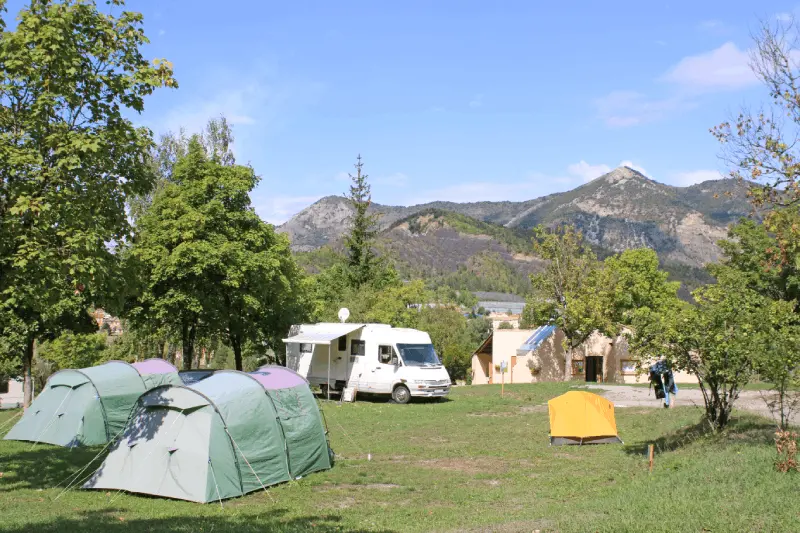
Sustainable camping tourism not only allows you to spend time in nature but also positively impacts the economic fabric of the region visited. Unlike traditional mass tourism, camping activities have the potential to directly connect with local suppliers. A camper shopping at a village grocery store instead of supermarket chains, setting off with a local guide, or using equipment produced by the local community ensures that money stays within that community. This situation can trigger rural development and reduce the migration of young people to cities. In a sustainable model, each campsite is aimed to return as a source of income rather than a financial burden to the region. This also increases the motivation of the local people to protect nature; because preserved nature means tourists and income.
How Does Sourcing Food from Local Producers Reduce Your Carbon Footprint?
The packaged foods you buy from the city while preparing your camping backpack are part of a logistics chain spanning thousands of kilometers and contribute to plastic waste. However, sourcing food directly from local markets, dairies, or farmers when you arrive at your camping area eliminates transportation costs and emissions. Choosing seasonal products is critical not only for your health but also for the sustainability of local agriculture. Fresh milk, cheese, eggs, or vegetables sourced from locals invigorate the regional economy while providing you with an authentic taste experience. This shopping method reduces dependence on global industrial food chains and ensures that the camper fairly compensates the labor of the local people while minimizing their ecological footprint.
Why Should Local Businesses Be Prioritized When Choosing a Campsite?
While wild camping may seem liberating, choosing controlled campsites operated by locals is more valuable in terms of social benefit. Local businesses are the structures that best understand the ecological sensitivities of the region. Staying in these areas ensures the livelihood of that family or village cooperative. Additionally, these businesses often produce local solutions based on local knowledge regarding environmental planning, waste management, and water conservation. Instead of going to large holiday resorts, staying in a village's garden or in areas designated by local authorities for a fee ensures the spread of tourism to the grassroots. This way, campers are hosted as part of the region, while hosts find opportunities to value their lands through tourism instead of selling them.
What Does Working with Local Guides Add to Your Camping Experience?
There is a vast difference between getting to know a region through maps or apps and exploring it with a local guide who has dusted the land. Local guides not only show you the trails but also share the stories of the region, the hidden secrets of its flora, and the habits of its wildlife. In sustainable camping, hiring the guidance of a local villager or nature enthusiast enhances your safety and shows respect for that person's expertise. This professional relationship means being "introduced" to the region by the locals rather than a foreigner "discovering" it. Economically, local guiding services ensure that the qualified workforce in the area benefits from tourism, promoting the transfer of cultural knowledge.
How Can You Contribute to Local Recycling Systems While Managing Camping Waste?
"Carry out your waste" principle is fundamental to camping, but in a sustainable model, one must go a step further. Understanding the waste management capacity of the area visited and supporting this system instead of burdening it is essential. If recycling opportunities are limited in the area, it is a responsibility to transport your waste to the nearest large city. However, if the local community has established a composting or recycling network, it is important to consult them and support the process. When you notice a lack of waste separation bins at a local campsite, kindly providing feedback to the owner and perhaps sponsoring the first bin can lead to the development of environmental awareness in that community. Remember, every waste you leave behind is a cost that the local people have to clean up.
How Does Purchasing Traditional Handicrafts Protect Cultural Heritage?
The handmade products you will see in the villages along your camping route are not just souvenirs; they are the accumulation of centuries. Crafts such as basket weaving, handwoven carpets, or local woodwork are doomed to disappear without the support of tourism. As a camper, purchasing these products directly from the producer eliminates intermediaries and ensures that the artisan receives full compensation for their labor. This economic support is the greatest motivation for younger generations to continue learning these arts. Additionally, incorporating these local touches into your camping gear (for example, a knife sheath or a cooking pot) adds depth to your camping style. Protecting cultural heritage proves that camping is an activity that touches not only nature but also humanity.
How Does Camping in the Low Season Provide Assurance to the Local Community?
The concentration of tourism only in the summer months poses a significant risk for local businesses; their income sources close for the rest of the year. Sustainable campers can break this cycle by adopting the "four-season camping" philosophy. A camping visit in the fall or early winter ensures that local tradespeople have cash flow even in the off-season. This situation increases the local community's confidence in tourism and helps maintain service quality throughout the year. Additionally, visiting the region during periods when crowds have thinned allows for deeper and more sincere connections with the locals. Reducing seasonal imbalance gives nature the opportunity to renew itself over time by spreading the damage caused by tourism.
How Can Camping Investments Improve Village Infrastructure?
Popular camping tourism in a region can serve as a lever for improving local infrastructure if managed correctly. Adjusting roads according to the needs of incoming tourists, increasing internet access, or modernizing water systems also elevates the quality of life for those living in that village. The role of campers in this process is to express their demands consciously and promote ecological solutions. For example, saying, "If there were a solar panel here, more people would prefer it" can direct the operator towards sustainable energy. Such interactions lay the groundwork for a portion of the revenue generated from tourism to be allocated to common areas and public services.
Why Should Public Transport and Local Transportation Options Be Preferred?
While camping with large and powerful vehicles may seem like a popular image, using local transportation networks can be much more sustainable. Reaching the area by public transport or using a local tractor, horse-drawn carriage, or cooperative minibus upon arrival significantly reduces carbon emissions. This choice not only puts money in the pockets of local transport tradespeople but also reduces traffic congestion and noise pollution in the area. Even if you need to go with your own vehicle, sharing empty seats in your car with locals or other campers is an example of solidarity. The erosion and dust caused by large vehicles on less-used roads can harm local agriculture; therefore, smaller and collective solutions are always more community-friendly.
Why Should Regional Hunting Bans and Seasonal Restrictions Be Respected?
Campers are guests of nature and must adhere to the rules set by the host. Hunting bans, mushroom picking times, or forest entry restrictions determined by local authorities or the village council are designed to protect the biological balance of the region. Violating these rules not only harms nature but also escalates tensions between campers and locals. Setting up a campsite in a pasture area that is a source of livelihood for the local community or polluting a spring they drink from is unethical. Showing respect for the rules ensures that campers are perceived as a "responsible and educated group." This positive perception helps open more doors to campers in the future and fosters friendly relationships.
How Are the Rights of Villagers Protected While Sharing Water Resources?
In rural areas, water is more valuable than gold and is often vital for agriculture and livestock. When using a stream or spring while camping, it is essential to remember that this resource is the primary source for the local people. Using chemicals while washing dishes or altering the flow of water while showering can harm the efforts of a farmer in lower villages. A sustainable camper minimizes water consumption and preserves the originality of the source. If you are filling water from a village spring, prioritizing the right of local animals to drink and leaving the area clean is the most basic rule of courtesy. Water sharing is the most evident area of justice and mutual respect in rural communities.
Where Do Ethical Boundaries Begin When Taking Photos of Local People?
Using the local people as mere "decor" while creating content for social media is one of the biggest mistakes. Photographing a woman with bread in her hand or a shepherd with his sheep without permission is an invasion of privacy. In sustainable and respectful camping, greetings are exchanged, conversations are held, and only after obtaining consent is a photo taken. This approach reflects the human connection that the camper establishes with that region. Additionally, finding a way to share the photos you take with them (by printing and sending them or sharing digitally) is a small but effective gesture of courtesy. Instead of objectifying people, moving with the awareness that you are a guest in their living spaces strengthens the human dimension of tourism.
How Do Volunteer Work Models in Camping Accelerate Local Development?
Sustainable camping is not just about "consuming" but is built on "contributing." Some campers spend a few hours helping local people with their work in the areas they stay. Helping with olive harvesting, painting a school wall, or teaching children a skill takes the camping experience to a whole new level. These types of volunteer activities elevate the relationship between the camper and the local people from a "customer-service provider" dynamic to a "partnership" level. Beyond paying an economic price, giving your time and effort to that land is greatly appreciated by the locals. This truly ensures social integration and proves that camping is not just a hobby but a tool for social benefit.
How Do Digital Nomads Create a Transformation in Rural Areas?
With the internet reaching everywhere, the number of digital nomads working from camping sites is increasing. This group provides a continuous influx of foreign currency and cash to the local economy by staying long-term in the region. A digital nomad using a local café as an office or staying long-term in a local guesthouse can trigger the emergence of a new service sector for that village. However, to prevent this transformation from causing "gentrification," campers must respect local price balances and avoid demanding luxury enclaves disconnected from the community. Digital nomads can also create a digital leverage effect in the region by sharing their technological knowledge with locals (for example, helping a village sell its products online).
Why Are Local Workshops Essential for Campers?
Sustainable camping tourism is a learning process. Participating in workshops on bread making, cheese fermentation, or plant identification organized in the area visited provides invaluable knowledge to the camper. For locals, these workshops represent a new business model where they can convert their traditional knowledge into cash. The demand for such education from campers ensures that the cultural heritage in the region is perceived as an economic value. If a camper learns to ferment their yogurt using techniques learned in a local workshop instead of buying industrial yogurt from the supermarket, they fully enter the sustainable living cycle. This interaction ensures that tourism becomes not just a spectator activity but a participatory one.
What Risks and Opportunities Does Promoting the Region as a Micro-Influencer Hold?
Today, every camper is essentially a content creator. Sharing a location on social media can lead to that area being invaded by thousands of people at once. In sustainable camping, care must be taken when sharing hidden paradises. Does the region have the infrastructure to handle such intense demand? Are the locals happy with this crowd? Sharing without asking these questions can harm nature and society. However, tagging a local business or artisan to support their growth is a fantastic opportunity. Promoting the region through "experience and local values" rather than "place and space" will attract qualified tourists to the area.
How Can the Slow Travel Philosophy Be Integrated into Camping Tourism?
Instead of quickly visiting many places and taking photos, staying in one area for an extended period to truly get to know it is the essence of "slow travel." Camping is inherently very suitable for this philosophy. When you spend a week near a village, you learn the names of the people there, understand their habits, and establish a real connection. This prolonged stay ensures that local tradespeople treat you as a "neighbor" rather than a "foreigner." Economically, spending a hundred lira in one place is more critical for the survival of that local business than spending ten lira in ten different places. Slow travel reduces the stress of the camper while minimizing the "boom-bust" fatigue experienced by the local community due to tourism.
How Does the Use of Renewable Energy in Campsites Relieve the Local Grid?
In rural areas, the electricity grid is often fragile and has limited capacity. The simultaneous use of high-energy-consuming devices by many campers can lead to power outages in villages. In sustainable camping, using solar-powered portable chargers or energy-efficient lighting reduces the burden on local infrastructure. Encouraging camping businesses to switch to solar or wind energy contributes to the region's energy independence. This is not only an environmentally friendly approach but also a movement that reduces energy costs for locals and increases system security. A camper who produces their own energy is a conscious individual who minimizes their footprint on nature.
Why Is Supporting Women’s Cooperatives Important in Camping Tourism?
The key to rural development is the economic empowerment of women. Many cooperatives established by women along various camping routes offer local flavors and handicrafts. Prioritizing these cooperatives in your purchases as a camper contributes directly to gender equality and family economies. Women benefiting from tourism income creates positive effects across a wide range, from children's education to health expenses. Additionally, women’s cooperatives often prefer more sustainable and nature-friendly production methods. This support ensures the resilience of the local community and helps the prosperity brought by tourism reach every corner of the home. Sustainable tourism falls short without considering social justice.
How Does Protecting Biodiversity Affect Future Camping Potential?
The greatest capital for campers is an unspoiled nature and rich biodiversity. If we are trampling on rare plant species or scaring wildlife in the area we are camping today, we are essentially destroying our future vacations. Supporting the local community's efforts to protect biodiversity (for example, establishing a birdwatching area) is a long-term investment. A region with a damaged ecosystem gradually loses its appeal, and the local community is deprived of tourism income. Therefore, during camping activities, not harming the ecosystem is not only an ethical duty but also an economic necessity. A healthy ecosystem is the strongest insurance for sustainable tourism.
What Is the Burden of Illegal Camping on Local Authorities?
Camping secretly in unauthorized areas is often presented as a "cool" adventure, but it poses a significant problem for local authorities. Illegal campers do not pay taxes, are not registered, and often pose security risks. When a fire breaks out or an accident occurs, local gendarmerie or municipal teams spend limited resources to resolve these issues. This situation leads to the inefficiency of services financed by local people's taxes. Camping in legal and designated areas shows respect for the order of the region and shares the costs of the services provided. Sustainable tourism is a discipline that adheres to rules and minimizes social costs.
How Should the Future Sustainable Camping Villages Be Designed?
The future of camping tourism lies in "camp villages" that integrate with local life rather than luxury pursuits like "glamping." In this model, campers stay in areas that are part of the village, convert their waste into compost, source their energy from shared resources, and are in constant interaction with the local community. These villages, where there is no concrete and tents or prefabricated structures harmonize with nature, can be the most refined form of rural tourism. Campers can contribute to this design process by shaping their expectations towards sustainability. Demanding "more local contact and nature" instead of "more comfort" will determine the direction of the sector. The future will belong to those who want to serve nature, not those who want to dominate it and live in harmony with it and its people.
How Is the Delicate Balance Between Camping and Local Livestock Maintained?
Campsites are often located near pastures and grazing lands. Allowing campers' dogs to roam freely or erecting fences around the campsite can negatively affect local livestock. Not blocking the animals' water routes and respecting grazing hours are key to living harmoniously with the local community. A sustainable camper accepts that the sound of a flock of sheep passing by in the early morning is the natural rhythm of that area rather than complaining about it. By purchasing milk and meat directly from local livestock farmers, they also contribute to the continuation of this traditional production. If livestock dies out, the spirit of those villages also dies, and there will be no "rural atmosphere" left to camp in.
What Is the Role of Campers in Combating Inflation Caused by Tourism?
In popular camping areas, prices can sometimes rise to levels that the local people cannot reach. As a camper, accepting to pay "tourist prices" may seem well-intentioned, but in the long run, it can prevent locals from shopping in their own region (inflation). To maintain this balance, it is essential to support fair trade while also being consciously aware of excessive pricing. Preferring the markets and shops used by locals can help keep prices at reasonable levels. Additionally, adapting to local conditions instead of coming with luxury demands reduces the costs for tradespeople. A camper should not be a disruptor of the economic balances in the region but rather a stakeholder that supports those balances.
Why Should Local Materials Be Encouraged in Camping Equipment?
Instead of expensive equipment from global brands, sometimes the solutions produced by local artisans can be much more functional and sustainable. For example, a wool blanket made in a mountain village can keep you as warm as the most modern synthetic sleeping bag and does not harm nature when it reaches the end of its life. Camping knives made by local blacksmiths or wooden kitchen utensils are both more durable and carry the spirit of that region. Supporting such local productions reduces the carbon footprint of global industrial production and prevents the loss of traditional techniques. Enriching your camping style with local elements makes you not just a "visitor" but a "conscious traveler" who values local culture.
What Is the Role of Educated Campers on Local Youth?
A conscious and nature-friendly camper serves as a living example for the youth in the region. Seeing a camper who keeps nature clean, respects local culture, and lives sustainably helps village youth better understand the value of their land and nature. This interaction encourages young people to see nature not just as a "workspace" but as a "heritage" that needs to be protected. Small dialogues that campers establish with local schools or youth groups can inspire them towards new career paths like ecotourism. Sharing knowledge is as valuable as economic support; because awareness is the most powerful force that transforms a community from within.
How Does Responsible Camping Certification Increase Local Trust?
In the future, certifying campers and campsites that meet certain sustainability criteria can play a significant role in gaining the trust of the local people. Badges like "Nature-Friendly Camper" or "Local Community Supporter" symbolize the intentions and education of the person coming to the region. Local governments can promote qualified tourism by granting specific privileges to those with such certifications (for example, allowing accommodation in more exclusive areas). This system transitions from an uncontrolled structure where "everyone can go anywhere" to a conscious structure where "responsibility areas are accepted." The local community wants to be assured that the person setting up a tent in front of their home will respect nature and themselves.
Is Sustainability in Camping Tourism a Choice or a Necessity?
Sustainable camping tourism has evolved from being a luxury or hobby choice to a necessity for the future of our planet and rural communities. The tourism understanding that uses nature merely as a backdrop exploits both nature and the people who are the true owners of that nature. However, a camping model that centers on the local people, respects their economy, culture, and rights offers a win-win scenario for both sides. Taking responsibility in every step you take as a camper, in every purchase you make, and in every footprint you leave behind is the only way to be a true nature lover. Remember; nature may be our home, but that land is someone's livelihood. Respect and solidarity are the purest forms of sustainability.