Why Is Recognizing Edible Herbs in Forest Camps a Vital Skill?
Recognizing the food sources that nature offers while camping in the forest is not just a hobby; it is also a critical skill that will ensure your survival in possible emergencies. Although we have become dependent on supermarket shelves in the modern world, our ancestors have fed on nature for thousands of years. Recognizing edible herbs enriches your camp kitchen and ensures a high intake of antioxidants and minerals for your body. However, this process is not a random gathering act; it requires deep botanical observation and patience. The ability to identify plants is your most important piece of safety equipment, as consuming the wrong plant can lead to serious poisoning. Finding the right plant in nature increases your awareness of the environment while making your camping experience much more educational and fulfilling.
How Can We Understand If a Plant Is Edible Without Botanical Knowledge?
Even if you have not received botanical education, you can minimize risks by studying plants systematically. The first way to understand whether a plant is edible is to analyze its morphological characteristics, that is, its external appearance in detail. Leaf arrangement, stem structure, flower color, and root formation provide important clues about the plant's identity. However, you should never rely on a single characteristic. Utilizing the knowledge of local people who recognize the plants around you or using reliable mobile applications and guidebooks is the safest way to start. The basic rule is this: If you are not 100% sure about what a plant is, that plant is poisonous for you. Smelling the plants, examining their tissues, and observing their relationship with other plants around them will gradually give you an expert eye.
What Stages Does the Universal Edibility Test Include?
If you are stranded in nature and there are no plants you recognize, the "Universal Edibility Test" is a viable method; however, this test is very risky and should only be preferred in extreme situations. The first stage of the test is to check the plant's smell; plants with a sharp or unpleasant odor should be avoided. The second stage is to rub a piece of the plant on the inner part of your elbow to measure your skin's reaction. If there is no redness or itching within 15 minutes, a small piece is touched to the lips and tip of the tongue. After that, a small amount is chewed and held in the mouth for 15 minutes without swallowing. If there is no burning or numbness sensation, a small piece is swallowed, and the body's reaction is monitored for 8 hours without eating anything. This process is quite slow because rushing in nature can lead to fatal mistakes.
What Are the Key Features That Distinguish Nettle from Other Stinging Herbs?
Nettle (Urtica dioica) is one of the most nutritious treasures of forest camps, but it requires caution when harvesting. The most distinctive feature that separates it from other plants is the "trichomes" on its leaves and stem, which are hollow, silica-based hairs. These hairs release formic acid upon contact with the skin, creating a characteristic burning and itching sensation. Its leaves are usually dark green, arranged alternately, and have serrated edges. The stem of the nettle has a square (quadrangular) structure, which is an important criterion for identification. Collecting fresh shoots in the spring is best for flavor. When cooked or dried, the stinging hairs become ineffective, making it safe to consume. Using gloves while harvesting nettle and only choosing the young leaves on top is important for both the plant's sustainability and your comfort.
What Types Should We Avoid When Making Tea from Pine Needles?
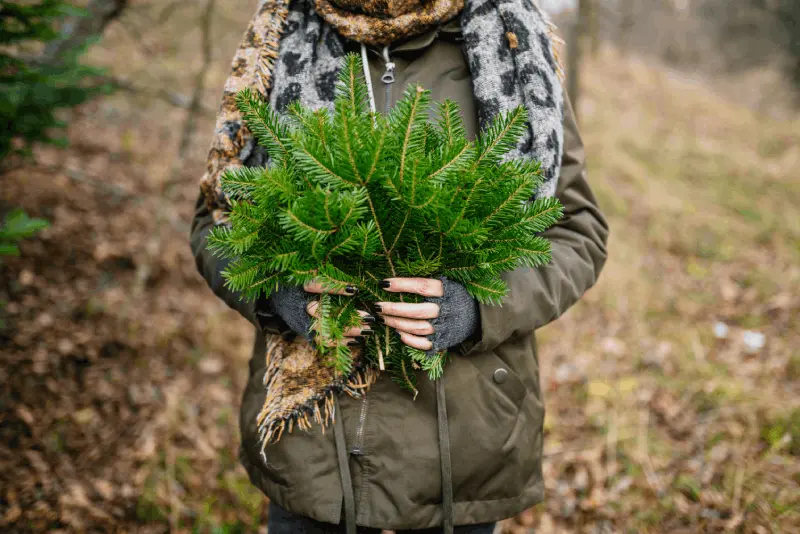
Pine needles are much richer in vitamin C than oranges and are a great energizing drink in a camping environment. However, not every needle-leaved tree is safe. Especially, pine trees should not be mixed with highly toxic species like "Yew Tree" (Taxus baccata). The needles of the yew tree are flatter, and its fruits are bright red, with the inside being lethally poisonous. Additionally, some studies suggest that pregnant women consuming pine needle tea may be at risk. For a safe tea, you should prefer the fresh green needles of well-known species like yellow pine or fir. Instead of throwing the needles into boiling water, it is better to boil the water and steep the needles after removing it from the heat to prevent the loss of vitamin C due to heat. This drink helps maintain body warmth during winter camps and offers a refreshing pine aroma.
How Can We Confirm That All Parts of the Dandelion Plant Are Edible?
Dandelion (Taraxacum officinale) is one of the most generous plants that nature offers us, as every part of it, from its root to its flower, is edible. To confirm its edibility, you should look at the structure of its leaves; the leaves emerge directly from the ground in a rosette shape and have a deeply serrated, lanceolate form. Its name comes from the French "dent-de-lion," meaning "lion's tooth," due to this serrated structure. When the stem is broken, a milky white liquid resembling latex comes out; this liquid is bitter but not poisonous. Its flowers are bright yellow and found on a single stem. The roots of dandelion can be dried and roasted to be used as a caffeine-free coffee alternative. Its leaves provide a slightly bitter, appetite-stimulating flavor in salads. The most distinct difference that separates dandelion from similar flowering plants is that it has no leaves on its stem and carries only a single flower head.
What Are the Critical Details That Differentiate Poison Hemlock from Wild Carrot?
The most dangerous mistake in wild foraging is confusing the poisonous hemlock (Conium maculatum) with the edible wild carrot (Daucus carota). Both have similar umbrella-shaped white flowers and feathery leaves. However, the biggest difference is hidden in the stem. The stem of hemlock is completely smooth and has irregular purple-red spots on it. Additionally, when crushed, hemlock emits a very unpleasant odor reminiscent of mouse urine. On the other hand, the stem of wild carrot is covered with hairs and never has purple spots. In the center of the umbrella-shaped flower of wild carrot, there is usually a single dark red or purple spot; this is a distinctive sign known as "Queen Anne's Lace." Hemlock is the poison used in the execution of Socrates, and even a small amount can lead to respiratory failure. Therefore, knowing the difference between these two plants is of vital importance.
Why Is It Dangerous to Consume Plants Found Along Roadsides?
When camping, you should avoid appetite-stimulating plants that you see near roadsides or industrial areas. Roadsides are areas where heavy metals (lead, cadmium, nickel) emitted from vehicle exhaust fumes are absorbed by plants. Additionally, herbicides used by municipalities or agricultural businesses may have contaminated these plants. These chemicals cannot be completely cleaned by washing, as they penetrate the plant's tissue. Heavy metals accumulate in the body and can cause serious neurological and organ damage in the long term. For safe foraging, you should go at least 100-200 meters away from main roads, into the depths of the forest, or to areas near clean water sources with minimal human activity. A plant growing in clean soil is a remedy; one growing in dirty soil is a hidden poison.
What Are the Foraging Differences Between Spring and Autumn?
Foraging shows significant variations according to the seasons, and each season offers a different menu from nature. Spring is generally known as the "leaf and shoot" season. When the soil starts to warm up, the first greens that emerge (nettle, wild asparagus, chickweed) are at their softest and most delicious. During this period, plants devote all their energy to growth, so their vitamin values are at their peak. Autumn, on the other hand, is more of the "root, fruit, and seed" season. As plants prepare for winter, they transfer their energy to the roots beneath the soil or to the seeds and fruits that will continue their generations (acorns, rose hips, wild apples). For example, while dandelion leaves are sweet in spring, they become bitter in autumn; however, their roots reach the highest starch and sugar content in autumn. Knowing which part of which plant to collect in which season is an indicator of professionalism in terms of both flavor and efficiency.
What Are the Identification Challenges Between Mushrooms and Herbs?
When foraging for edible products in nature, there is a significant risk difference between mushrooms and green herbs. Poisoning from green herbs can usually be overcome with nausea or vomiting (except for exceptions like hemlock), while the situation with mushrooms is much more serious. The world of mushrooms is filled with thousands of species that look very similar to each other, but one is delicious while the other is deadly. Identifying mushrooms requires more than just visual recognition; it involves many technical details such as spore print tests, smell, the type of tree they grow on, and the structure of the gills underneath. In contrast, green plants have more stable morphological characteristics such as photosynthesis and leaf structure. Therefore, it is generally recommended for novice foragers to learn green herbs first and leave the mushroom topic for much later stages with the guidance of an expert. The saying "Every mushroom is edible, but some only once" summarizes the seriousness of this risk.
Why Is Identifying Mushrooms a Riskier Gamble Than Identifying Herbs?
Mushrooms belong to a completely different kingdom (Fungi) biologically than plants, and their chemical structures are much more complex. The poison of a mushroom can directly destroy liver and kidney cells, and symptoms often appear hours or even days after consumption. This can make intervention impossible. In green herbs, the taste's bitterness or the burning sensation in the mouth usually stops you. There are "delicious but deadly" types of mushrooms; for example, the Village Death Cap mushroom has been reported to have a very good taste but contains toxins that can cause liver failure. While plant families have specific characteristics, in mushrooms, a very small color difference or the presence of a ring can determine the difference between life and death. Therefore, foraging mushrooms in a camping environment without full expertise is a highly risky gamble that is never recommended.
How Should We Protect Our Hands and Mouth While Harvesting Nettle?
Nettle is a great food, but its defense mechanism can be painful. The safest method during harvesting is to use thick gardening gloves. If you do not have gloves, grasping the leaves tightly from the underside upwards, in the direction of the hairs, can reduce the risk of burning (but this is an advanced skill). After harvesting the plant, it is essential to "neutralize" it before consumption. The most practical way to do this is to dip the nettle in boiling water for a few minutes. If you want to eat it raw, you should crush the stinging hairs by rolling a rolling pin over it or rubbing it well with your hand (with gloves). The drying process also removes the stinging acid in the hairs. The mucous membrane inside the mouth is very sensitive; therefore, an untreated nettle leaf can cause irritation in the throat. With careful preparation, you can safely benefit from this miraculous plant.
What Are the Most Commonly Confused Toxic Species with Wild Asparagus?
Wild asparagus (Asparagus acutifolius) is a highly valuable gourmet product that grows in forest edges and thickets. It is usually seen as thin, dark green shoots sprouting from thorny bushes after spring rains. However, novice foragers may sometimes confuse it with toxic "Bindweed" species or "Döğülmüş Avrat Otu" (Tamus communis) shoots. The shoots of the döğülmüş avrat otu are very similar to asparagus but are brighter, fleshy, and have a rounder tip; consuming this plant can lead to severe vomiting and diarrhea. The most obvious difference of wild asparagus is that its shoots are duller and usually emerge from a very tough, fibrous main stem. Additionally, asparagus has small scale-like leaves at the tip. To correctly identify it, examining the main plant from which the shoot emerges and the surrounding old dried stems will eliminate the margin of error.
How Can We Benefit from the Healing Power of Mallow in Camping Conditions?
Mallow (Malva sylvestris) serves as both food and a natural pharmacy in forest camps. Its leaves are kidney-shaped, characteristic of the mallow family, and its veins are very pronounced. Thanks to its high mucilage content, it is a great soothing agent for sore throats and coughs. Drinking tea made by steeping its leaves in campfire water relaxes the stomach and intestines. Additionally, crushed fresh leaves applied as a paste on small cuts or insect bites show anti-inflammatory and cooling effects. From a culinary perspective, its leaves can be cooked with rice or bulgur, or added to soups as a thickening agent. Its flowers are also completely edible and add an aesthetic purple color to camp salads. Finding such a versatile friend in nature significantly enhances the comfort of the camper.
What Do the Heart-Shaped Fruits of Shepherd's Purse Mean?
Shepherd's purse (Capsella bursa-pastoris) is one of the easiest and safest plants to identify. Its name comes from the small heart or triangular-shaped fruit capsules arranged along its stem; these capsules resemble the bags used by ancient shepherds. This plant is rich in vitamin C and potassium. When you see its heart-shaped fruits, you can immediately understand that the plant is edible. Although its leaves resemble dandelion, its unique fruit capsules are an unmistakable identity card. Its taste is slightly mustardy and radish-like. Shepherd's purse is also known for its blood-stopping properties; it is known that the juice of the fresh plant is used for light nosebleeds or small wounds. You can use its fresh leaves in salads and the seed parts in dishes as a spice. This "invasive" but beneficial plant, which can grow everywhere, is an easily accessible food source for campers.
What Is the Relationship Between the Healing of Plantago and Its Nutritional Value?
Plantago (Plantago major or lanceolata) is the "natural band-aid" that every camper should know. The parallel veins in its leaves give the plant a sturdy structure (it gets its name from this "veined" structure). It is a reservoir of vitamins A and C and calcium. Young leaves can be eaten raw or cooked like spinach; however, as they age, they become fibrous and difficult to chew. Its most miraculous feature is the "allantoin" substance it contains. If you get a blister on your foot or get stung by a bee while camping, chew a leaf of plantago in your mouth and apply it to the wound; you will see that the pain subsides and healing accelerates. Both narrow-leaved and broad-leaved types have the same properties. This humble plant, which grows on footpaths and trails, is your most loyal helper in nature.
How Should We Harvest Chickweed While Protecting Its Delicate Structure?
Chickweed or starwort (Stellaria media) is one of the most delicate and delicious greens in the forest. It spreads like a carpet in moist, shady areas with its thin stems and tiny white flowers. When harvesting it, you should be very careful because it is very delicate; instead of pulling it out by the root with your hand, using scissors to cut only the upper parts will ensure the plant can grow back. This herb, which tastes like fresh corn, is wonderful in salads. There is a "microscopic" way to identify it: Along its stem, there are very fine hairs arranged in a single row. If you turn the plant over, you will see that this hair row changes position at every joint; this is a characteristic unique to chickweed. It contains a high amount of potassium and magnesium. In short camping meals, it is a great refreshing snack that provides energy without the need for cooking.
How Should You Monitor Ecological Balance While Foraging from Nature?
Feeding on nature is a privilege, and this privilege brings great responsibility. The golden rule of foraging is the "One-Third Rule": Take one-third of the plant population you find for yourself, leave one-third for wildlife (birds, insects), and allow the remaining one-third for the plant to seed and multiply. Never uproot all the plants in an area. If you are not going to use the root of the plant, only cut its leaves without damaging the root. Avoid collecting rare or protected species. You should only leave your footprints in nature and take only what you need. Sustainable foraging ensures that the forest will show you the same generosity next year. Remember, we are not the masters of nature; we are a part of it, and it is our fundamental duty to protect this cycle.
What Are the Healthiest Ways to Cook Collected Herbs Over a Campfire?
When cooking the herbs you have collected from nature, you want to minimize the loss of vitamins and minerals. The best method over a campfire is "quick sautéing" or "light steaming." In a cast-iron pan, turning the herbs with just a little olive oil or butter until their colors darken preserves their flavors. Never throw away the water you used to steam nettle; that water contains the vitamins that have leached into it and makes a great soup base or can be consumed as tea. If possible, steaming the herbs with a steamer is the healthiest method. Additionally, cooking the herbs whole without cutting them reduces oxidation. By combining the herbs you collected in the camping environment with basic ingredients like onion, garlic, and bulgur, you can create both filling and 100% natural gourmet dishes.
What Should First Aid Be Like When We Realize We Have Been Poisoned by a Plant?
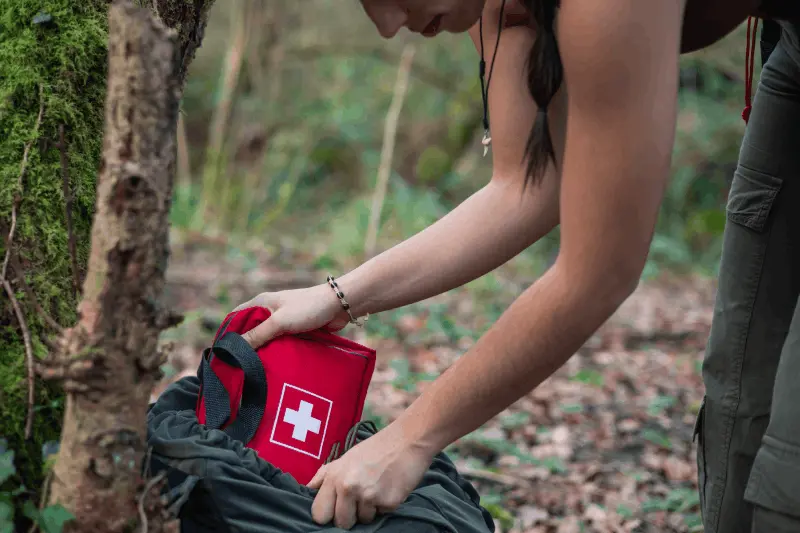
If symptoms such as nausea, dizziness, abdominal pain, or blurred vision start after consuming a wrong plant, action should be taken without delay. The first step, if you are conscious, is to try to induce vomiting to empty the stomach. Drinking plenty of water can help dilute the toxins, but the most critical step is to seek medical help. Keeping activated charcoal with you in the camping area can prevent some of the poison from being absorbed in the intestines. If possible, keep a sample of the plant you ate or take a photo; this is vital for doctors to determine which antidote to use. Do not attempt to treat yourself with "healing herbs." In case of poisoning, without panicking, you should push all communication channels to reach the nearest health facility.
How Reliable Are Digital Applications in Identifying Plants in Nature?
Today, applications like "PictureThis" or "PlantNet" offer success rates of up to 90% in plant identification, but you should never rely on them blindly. Artificial intelligence can make mistakes due to lighting conditions or a spot on the leaf. When an application says a plant is "edible," it is merely a suggestion, not a confirmation. Use applications as a "diagnostic tool" rather than a "research starting point." Always compare the name given by the application with a physical guidebook and the current living characteristics of the plant. Additionally, the internet may not work deep in the forest; therefore, it is important to have offline guides or previously downloaded data. The safest "application" is an experienced eye and solid botanical knowledge; technology is merely a supportive tool for this knowledge.
What Is the Best Season for Harvesting and Consuming Plant Roots?
The ideal times for harvesting plant roots (such as wild garlic, dandelion root, and burdock root) are late autumn and early spring. In late autumn, the plant dries its above-ground parts and stores all its nutrients (sugars and starch) in its roots to prepare for winter; during this period, the roots are at their fullest and most nutritious. In early spring, just before the plant opens its leaves, the energy in the roots is still high. When the plant starts to flower, the energy in the roots is transported upwards to the flowers and seeds, and the roots become woody and tasteless. When harvesting roots, carefully dig the soil and take the side shoots without damaging the main root (if possible) to ensure the plant's survival. Roots cooked in the embers of a campfire are among the most nourishing carbohydrate sources that nature offers.
How Do the Colors of Fruits in the Forest Affect Their Edibility Rates?
In nature, fruits signal "eat me" or "stay away." Statistically, about 90% of black, blue, and purple fruits in nature are edible (such as blackberries, blueberries, etc.). The situation with red fruits is risky; about 50% are edible, while 50% are poisonous (while rose hips are safe, some wild strawberries can be risky). White, yellow, and green fruits are the most dangerous group in nature; about 90% of fruits in these colors are poisonous (for example, the seed of the yew tree or the fruit of the deadly nightshade). Of course, these rates are general rules and are never sufficient on their own. There is always a need for species-specific information. Not every fruit that looks bright and attractive may be sweet; in nature, "beauty" can sometimes be a deadly trap.
Are the Fruits and Leaves of Thorny Plants Always Safe?
As a general rule of nature, most thorny plants (such as blackberries, rose hips, wild raspberries) are not poisonous. Thorns are a physical defense mechanism developed by the plant to protect its fruits from animals; therefore, they usually do not contain chemical poisons. However, this is not a "guarantee." For example, while the fruits of some thorny plants may be safe, their leaves can irritate the digestive system. Or the opposite situations may occur. If you see a thorny bush, it likely means you are close to a safe food source, but you should still assess the form of the fruit (whether it is a compound fruit or a single-seeded one). Additionally, the scratches that thorns can cause on your skin may carry a risk of infection; therefore, wearing long-sleeved clothing while foraging is a sensible camping strategy.
What Methods Are Used to Store Collected Herbs for a Long Time?
If you have collected more herbs than you need while camping, you can store them instead of wasting them. The most common method is "drying in the shade." By tying the herbs in small bundles and hanging them in a well-ventilated, indirect sunlight area, you can preserve their aromas and flavors. Drying in direct sunlight can destroy chlorophyll and volatile oils. Another method is "salting"; especially rubbing fleshy leaves with salt and storing them in small jars prevents them from spoiling. If there is a stream near your camp, you can keep the herbs fresh for a few days by wrapping them in a clean cloth and placing them in cold water (in a container that does not touch the water but keeps them cool). Dried herbs can be used at home as winter tea or spices; this allows you to bring the spirit of camping into your home.
How to Avoid Confusing Wild Garlic with Lily of the Valley?
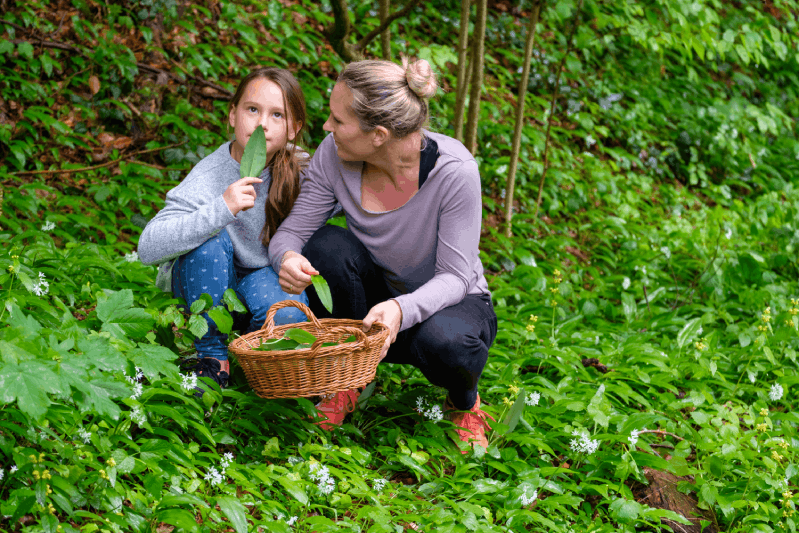
Wild garlic (Allium ursinum), also known as Ramsons, is one of the most delicious heralds of spring. However, its leaves bear an incredible resemblance to the highly toxic Lily of the Valley (Convallaria majalis) and Autumn Crocus (Colchicum autumnale). The most definitive way to distinguish them is by smell; when you crush a wild garlic leaf between your fingers, a very sharp, distinct garlic odor is released. The toxic lookalikes do not have this smell; they smell more like "greenery" or "earth." Additionally, each leaf of wild garlic comes out individually from the ground with its stem; in the lily of the valley, two leaves emerge from the same stem, wrapping around each other. Mistakenly eating lily of the valley can disrupt heart rhythm and lead to death. Therefore, the "smell and identify" rule is a vital necessity for this plant.
How to Balance the Sour Taste and Oxalic Acid Content of Sour Clover?
Sour clover (Oxalis) is a beloved camping snack with its heart-shaped trifoliate leaves and refreshing sour taste. The oxalic acid inside gives this taste. However, when consumed in high amounts, oxalic acid can inhibit calcium absorption and may pose problems for those at risk of kidney stones. The way to safely consume this plant is to "leave it in moderation." A handful of sour clover adds a wonderful aroma to your salad and provides vitamin C, but it is not recommended to eat a whole plate as a main dish. Cooking reduces the amount of oxalic acid somewhat. Additionally, consuming it with calcium-rich foods like yogurt can help balance the effects of oxalic acid in the body. This "natural lemon" in nature can also be used in small amounts chewed to quench thirst.
How to Identify the Wild Purslane Species That Grow Spontaneously in Nature?
Wild purslane (Portulaca oleracea) is a superfood that often pops up in gardens and open areas along forest edges. It is easy to recognize: it has fleshy (succulent), bright green leaves and usually reddish, sprawling, smooth stems. Its leaves are oval and widen towards the tip. Wild purslane is the richest plant in the world in terms of plant-based omega-3 fatty acids. However, you should be careful of "Spurge" (Euphorbia) species while harvesting; spurge can sometimes grow in the same area as purslane and have a similar structure. The difference is that when spurge is pulled, a sticky, white latex comes out, which is poisonous. Purslane never has latex; it only has clear plant sap. Once you find the right purslane, you can have a wonderful feast by cooking it with an egg over the campfire.
What Should Be Considered to Preserve the Nutritional Value of Collected Herbs?
Preserving the nutritional value of the herbs you have collected is important to maximize the benefits you get from them. Vitamin loss begins the moment you pick the plant; therefore, the "pick and consume immediately" principle is the best. If you need to store them, keep them away from direct sunlight and in a cool place. Do not let the plants soak in water for too long while washing, as the vitamins (C and B vitamins) that dissolve in water can leach into it. Instead of using a knife to cut, tearing the plant by hand reduces the contact of metal with the plant tissue and oxidation. If you are making soup, add the herbs to the pot a few minutes before taking it off the heat. This way, you preserve the plant's vibrant color and do not kill the heat-sensitive nutrients.
What Essential Equipment Should Be in a Professional Forager's Backpack?
Foraging for herbs in nature can be greatly facilitated by a few simple but effective tools. First of all, a sharp and foldable knife or a small pruning shear will allow you to harvest without damaging the plants. Instead of plastic bags, use "cloth bags" or "wicker baskets" to allow the herbs you collect to breathe and avoid crushing them. A reliable field guide (preferably specific to the region) for plant identification and a small magnifying glass (loupe) for examining details should be in your backpack. Small labels that you can write notes on to avoid mixing up plants and a pen will also be useful. A pair of sturdy gloves to protect your hands from nettles and thorns is essential. This small set will transform you from a random forager into a knowledgeable nature explorer.
What Bacterial Risks Are Associated with Consuming Plants Growing Near Water?
Plants like watercress that grow in or near water are very delicious but carry serious risks: the "Liver Fluke" (Fasciola hepatica) parasite. Especially in water sources where grazing animals are present, the larvae of this parasite may have attached to the plant leaves. Eating these plants raw can lead to serious infections in the liver. Therefore, you should never consume plants collected from the water's edge without thoroughly cooking them. Simply washing may not be enough to eliminate these parasites. Soaking in vinegar water may help somewhat, but the safest method is to apply heat treatment. Additionally, since water edges are places where chemical waste accumulates, you should not collect from any area where you are not sure of the water's cleanliness. The clarity of the water provided by nature does not always mean it is hygienic.
How Can We Sustainably Maintain the Foraging Culture to Connect with Nature?
Foraging is not just about filling the stomach; it is also about nurturing the spirit in rhythm with nature. To sustain this culture, we must share knowledge but not exploit nature. While teaching plants to younger generations, we should promote the philosophy of "recognition" rather than "harvesting." Every camper should remember that they are a guest in the forest they visit. When we notice that a plant is rare, we should stop harvesting and, if necessary, volunteer to protect the area. Foraging makes us experts in the functioning of the ecosystem; seeing which insect loves which plant and which rain nourishes which herb is a conversation with nature. By combining this ancient knowledge with ethical values, we can carry both ourselves and our forests into the future in a healthier way.