Why is Oatmeal the Most Strategic Choice for Camp Breakfast?
For those engaged in outdoor sports and camping, breakfast is not just a meal but a fundamental determinant of performance for the rest of the day. Oatmeal releases energy into the bloodstream slowly and steadily thanks to its complex carbohydrates. This prevents sudden energy drops, especially when climbing a steep slope or starting a long running trail. Additionally, the high fiber content of oats regulates the digestive system, helping to prevent potential stomach discomforts that may occur in nature. Its lightweight nature and minimal space requirement in a backpack make it an indispensable item for any adventure.
How Does Fruity Oatmeal Support Glycogen Stores During Mountain Hiking?
During high-effort activities, our body primarily uses glycogen as fuel. The body, which rests overnight, consumes a significant portion of these stores by the time it wakes up in the morning. Fruity oatmeal quickly replenishes glycogen stores by combining complex sugars from oats and rapidly absorbed natural sugars (fructose) from fruits. While fruits provide immediate vitality, oats help sustain that vitality for hours. This synergy ensures that in extreme situations like peak climbs, the accumulation of lactic acid in the muscles is delayed, making you more resilient.
What Dried Alternatives Should Be Used When Fresh Fruits Are Not Available in Nature?
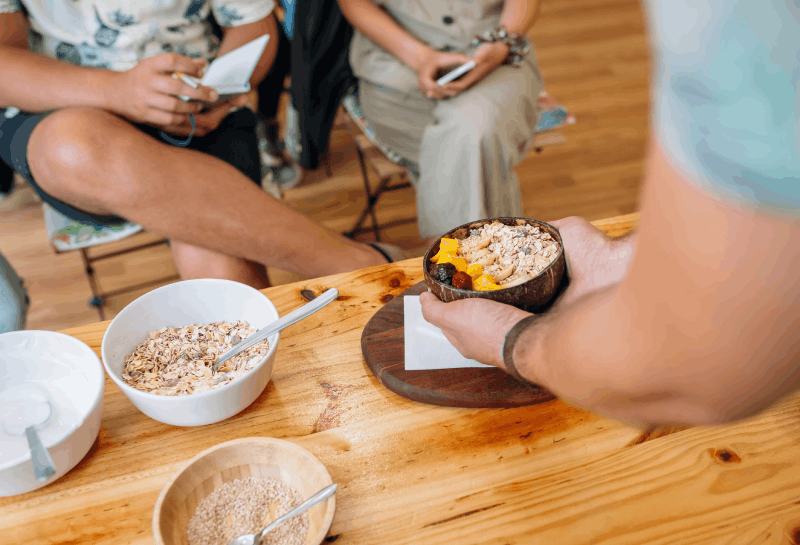
It is difficult to preserve fresh fruits during long-term camping; they can be crushed or spoiled. In such cases, freeze-dried fruits or traditionally dried fruits are lifesavers. Alternatives like dried apricots, blueberries, figs, or crane food have a more concentrated nutritional value compared to their fresh counterparts. Especially freeze-dried strawberry or banana slices, when added to milk or water, regain a texture close to their original form, enriching your breakfast. These fruits are also quite rich in minerals that help maintain electrolyte balance, such as magnesium and potassium.
How Do Chia Seeds Added to Oatmeal Extend Satiety?
Chia seeds are superfoods with the capacity to absorb up to ten times their weight in water. When added to oatmeal, they create a gel-like consistency that delays stomach emptying, ensuring a much longer feeling of fullness. Adding a spoonful of chia seeds to your camp breakfast not only increases the fiber content but also supports brain functions and concentration thanks to omega-3 fatty acids. Mental clarity is as important as physical strength when determining your route in nature or making decisions in challenging terrains.
What Are the Tips to Prevent Oats from Burning While Cooking on a Campfire?
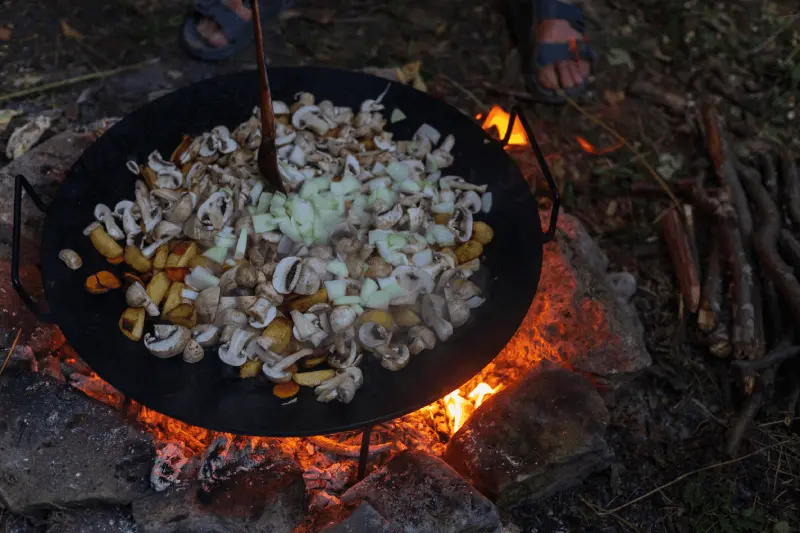
The uncontrolled heat of a campfire can cause oats to stick quickly to the bottom of thin-bottomed pots. The first rule to prevent this is to place the oats not directly over high heat but in a smoldering area or at the edge of the fire. Constant stirring ensures even heat distribution and helps the oats fully absorb the milk or water. If you are using milk, you can dilute the mixture by adding a little water since the protein structure of milk is more prone to burning. If the consistency of the oats becomes too thick, you can add a bit more liquid just before removing it from the heat to keep it soft.
What Are the Best Plant-Based Milk Alternatives for Vegan Campers?
While carrying milk powder in nature is practical, for those on a plant-based diet, almond milk powder or coconut milk powder are great alternatives. Coconut milk provides a quick energy source to the body thanks to its medium-chain triglycerides (MCT). Almond milk adds a light flavor to the oatmeal, enhancing the taste balance. If you can't find it in powder form, concentrated plant milks can also be preferred. The light structure of plant milks does not burden the stomach, especially in hot weather, providing a much easier breakfast experience.
How to Integrate Pumpkin Seeds as a Source of Magnesium into Oatmeal?
Magnesium is a critical mineral for muscle functions and protein synthesis. On days when physical activity is intense, such as camping, the need for magnesium increases. Pumpkin seeds are among the highest sources of magnesium among plant-based options. Sprinkling a handful of pumpkin seeds on top of the prepared oatmeal adds a crunchy texture and helps prevent muscle cramps. If you lightly crush the seeds before adding them, the absorption of their oils and minerals becomes easier. Additionally, the zinc contained in pumpkin seeds strengthens your immune system against external conditions.
How Do Antioxidant-Rich Blackberries Contribute to Morning Energy?
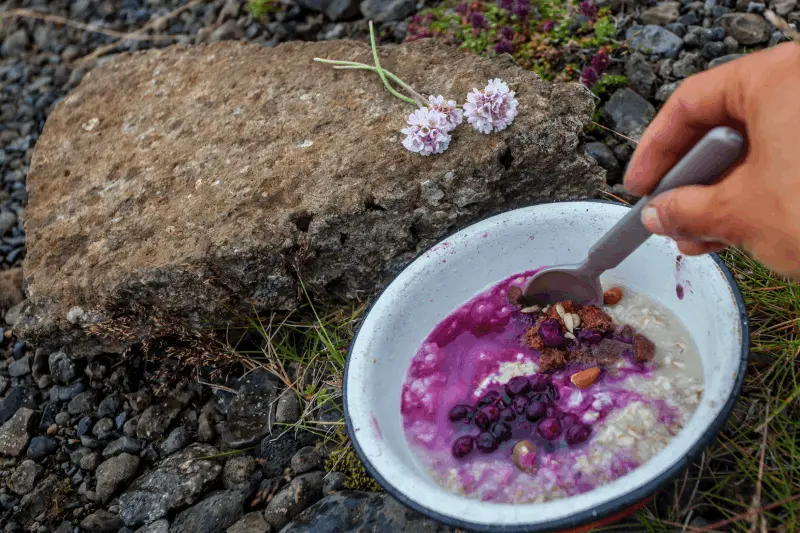
Wild berries are among the most valuable food sources available in nature. If you are in season and in a safe area, adding freshly picked blackberries to your oatmeal is a great idea. Blackberries contain powerful antioxidants called anthocyanins. These compounds reduce oxidative stress in the body, minimizing inflammation in the muscles after intense workouts. An oatmeal bowl with blackberries consumed at breakfast not only satisfies your sweet cravings but also kickstarts the body's renewal process. The color and aroma of the fruit help you start the day positively.
How Does Hot Oatmeal Preserve Body Heat During Cold Winter Camps?
Maintaining body heat during winter camping is vital. A warm bowl of oatmeal consumed in the freezing cold of the morning triggers thermogenesis (the body's heat production). The slow digestion of oats keeps the metabolism active for a long time and helps maintain internal warmth. Adding a pinch of hot pepper (yes, you heard that right) or plenty of cinnamon can help warm your fingers and toes by boosting circulation. This complex carbohydrate combined with hot liquid is the most reliable fuel to balance the calorie expenditure in cold weather.
What Is the Effect of Spices Like Cinnamon and Ginger on the Digestive System?
Spices are not only flavor enhancers in camp cooking but also medicinal supporters. Cinnamon helps stabilize blood sugar levels, ensuring a more stable release of energy from the oats. Ginger is a natural remedy for nausea or digestive difficulties, especially those caused by altitude changes. Adding fresh grated or powdered ginger to oatmeal balances stomach acid, alleviating morning bloating. The combination of these two spices adds an exotic aroma and deep flavor to the oatmeal while helping the body maximize nutrient absorption.
Why Should Superfoods Like Flaxseed and Hemp Seed Be Added?
Flaxseeds and hemp seeds can turn your camp breakfast into a "superfood" bomb. Flaxseed is rich in lignans and high fiber, essential for the digestive system, while hemp seed is a complete protein source (containing all essential amino acids). Especially during long-term camping, protein intake is critical to prevent muscle loss. Hemp seeds blend well into oatmeal with their soft texture and nutty flavor. These seeds also allow you to maximize the calorie and nutrient quality you consume without increasing portion sizes, as they are energy-dense foods.
Should Honey or Maple Syrup Be Preferred as a Sweetener?
The choice of sweetener depends on personal taste and logistical possibilities. Honey is a great option due to its antibacterial properties and natural availability. It soothes the throat and provides an instant energy boost. Maple syrup is known for its lower glycemic index and contains valuable minerals like manganese. If you have a leak-proof container in your backpack, honey may be more advantageous in terms of energy density. However, the liquid consistency of maple syrup blends better in cold oats (overnight oats) recipes. Both options are much healthier than refined sugars.
How to Apply the Over-night Oats Method While Camping?
If you want to hit the road without wasting time in the morning, the "overnight oats" method is ideal for you. Place oats, milk powder, water, and any seeds you desire in a sealed bag or container the night before. Overnight, the oats absorb the liquid and become soft and ready to eat by morning. You can add fresh fruits in the morning or include them in the mixture the night before to let their juices seep into the oatmeal. This method saves fuel and spares you the hassle of starting a fire in the morning. It becomes a refreshing option, especially during summer months.
How to Portion Light and Practical for Backpackers?
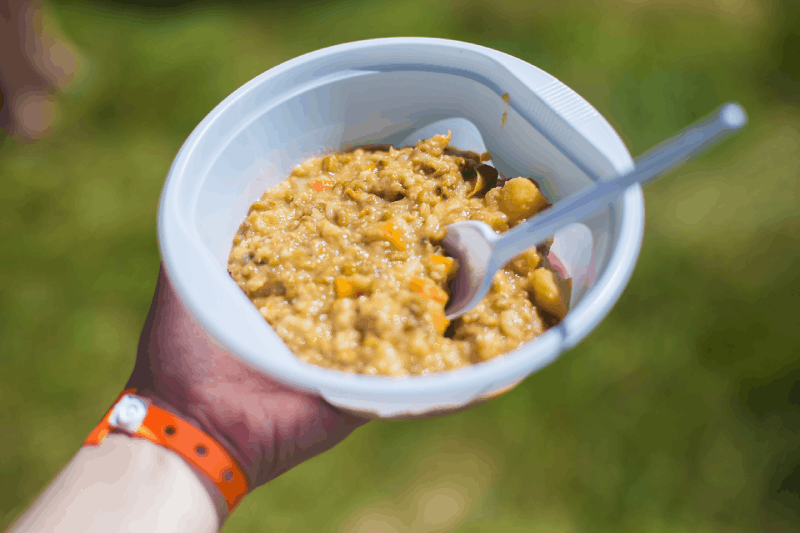
Lightness is everything for long-distance hikers. The most logical step is to portion the oatmeal at home and place it in sealed bags. You can create your own "ready packs" by adding oatmeal, milk powder, nuts, seeds, and spices into each bag. This way, you won't have to take out each ingredient separately while camping. You can prepare your breakfast in seconds by just adding hot or cold water. If you write how much ml of water you need to add on the bag, you will achieve the perfect consistency every time.
How Does Heat Control on Camp Stoves Affect the Consistency of Oats?
Camp stoves usually provide intense heat in a very narrow area. If the heat setting of your stove is not precise, you should constantly stir the oats and, if necessary, move the pot away from the fire occasionally. Cooking oats too quickly can leave the outside soft while the inside remains hard. Oats cooked slowly over low heat become creamy and smooth. Adding liquid slowly ensures a more delicious result by preventing the starch from clumping. If you are short on time, you can reduce the cooking time by choosing smaller pieces (quick oats).
How Does the Potassium Content of Bananas Prevent Cramps During Camping?
Bananas are one of the best friends of campers. The high potassium content directly affects nerve transmission and muscle contractions. A deficiency of potassium, which is lost through sweating, can lead to painful cramps during sleep or while hiking. Slicing a banana into your oatmeal or adding dried banana minimizes this risk. Additionally, the natural sugars in bananas combine with the fiber structure of oats to provide a balanced energy release. The soft texture of bananas adds a natural creaminess to the oatmeal, reducing the need for additional fat.
How Do Apples and Walnuts Optimize Energy Release?
Apples and walnuts are a perfect match nutritionally as well as classically. While apples slow digestion with a type of fiber called pectin, walnuts stay in the stomach longer due to their healthy fats and protein. When this duo is added to oatmeal, they balance a situation known as "glycemic spike." This means your blood sugar does not rise sharply and then drop quickly. The omega-3 fatty acids in walnuts also support your joint health, which is invaluable for someone hiking for hours in rugged terrain. An oatmeal bowl flavored with cinnamon and topped with apples and walnuts is one of the most filling meals for camp mornings.
How Does Adding Coconut Oil Meet Caloric Needs?
In cold weather or during strenuous climbs, the body's caloric needs can rise to two or three times the normal. Eating just oatmeal may sometimes not provide enough calories. This is where coconut oil comes in. A tablespoon of coconut oil adds about 120-130 calories to the oatmeal, and since these calories come from MCT fatty acids, they are quickly converted into fuel by the body. Additionally, it gives the oatmeal a wonderful tropical aroma and creamy texture. Since fats are digested more slowly in the stomach, they also delay your hunger until the next meal.
What Is the Effect of Choosing Gluten-Free Oats on Camping Comfort?
Although many people may not realize it, they may have a mild sensitivity to gluten, which can manifest as bloating or fatigue in nature. To avoid putting your body under extra stress while camping, it may be wise to choose "gluten-free certified" oats. Gluten-free oats are oats that have not been exposed to cross-contamination with other grains in fields or factories. A comfortable digestive system positively affects everything from sleep quality to hiking speed. If you want to feel lighter and more energetic, you should try this small change.
What Are the Psychological Effects of Starting the Day with a Strawberry and Almond Oatmeal?
Nutrition is not just a biological process; it is also a source of psychological motivation. Making a visually appealing and delicious breakfast in the middle of nature boosts your morale. The vibrant red color of strawberries and the crunchy texture of almonds provide a sensory feast. If you had a rough night or the weather is bad, a warm and fruity oatmeal can remind you of the comforts of home and refresh your motivation. Our brains activate the reward mechanism with delicious foods; this helps you develop a more resilient mindset against the challenges of the day.
How Should Fruit Peels and Packages Be Evaluated?
The "Leave No Trace" principle is always a priority in camp cooking. You should definitely collect the packages of the ingredients you used while preparing oatmeal in a trash bag. While fruit peels are biodegradable, each ecosystem has a different capacity to decompose these materials, which can disrupt the feeding habits of wildlife. Therefore, it is best to carry waste like banana peels or apple cores back with you. You can reduce your waste by reusing sealed bags. Protecting nature is the only guarantee that you will find the same beauty on your next camping trip.
How Does the Cooking Time of Oats Affect Starch Release?
The longer you cook oats, the more starch molecules are released, and the mixture becomes more "gummy" or "gel-like." While some people love this texture, others prefer oats that remain more separate. If you keep a short cooking time, the glycemic index of the oats remains slightly lower, meaning energy is released more slowly. However, longer cooking can increase the bioavailability of the nutrients in the oats. You can adjust this time between 3 to 10 minutes according to your taste and digestion speed.
How Can Antioxidant and Magnesium Support Be Obtained by Adding Cocoa Powder?
The healthiest way to turn oatmeal into a dessert is to add raw cocoa powder. Cocoa is one of the richest foods in the world in terms of flavonoids and supports heart health. It also creates a mild stimulant effect thanks to the theobromine it contains, providing a softer alertness compared to caffeine. A chocolate oatmeal, when combined with fruits (especially cherries or strawberries), achieves a perfect harmony. This option, which is both delicious and helps dilate blood vessels, can elevate your performance to a higher level on camp mornings.
How Do Nut Butters Complement the Nutritional Profile of Oatmeal?
Pistachio butter, almond butter, or hazelnut butter are among the best complements for oatmeal. These butters are rich sources of protein and healthy fats. A spoonful of pistachio butter adds both satiety and a rich texture to the oatmeal. Especially at high-altitude camps, the body needs more fat. Eating the butter placed in the middle of the oatmeal without mixing it provides a different flavor experience in each spoonful. However, you should ensure that these butters are sugar-free and natural; otherwise, you may experience unnecessary insulin spikes.
How to Prepare a Refreshing Summer Oatmeal with Fresh Mint and Lemon Zest?
On hot summer mornings, you may not want to have a heavy breakfast. In this case, adding grated lemon zest and finely chopped fresh mint while preparing oatmeal provides a wonderful freshness. This aromatic touch helps you shake off morning grogginess and stimulates your appetite. When combined with blueberries or pineapple pieces, you might feel like you are having breakfast on a tropical island. Mint also aids digestion and freshens your breath, helping you start your morning hikes energetically.
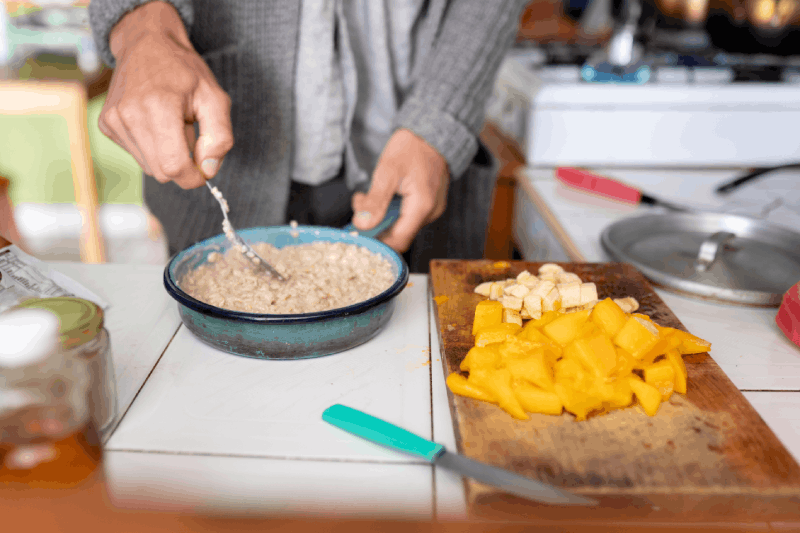
What Are the Differences Between Different Types of Oats (Rolled, Instant, Steel-Cut)?
For campers, the choice of oats is entirely a matter of time and equipment. "Instant" oats are ready in just 1 minute with hot water, but their nutritional value is slightly lower due to processing. "Rolled" oats are the most popular; they cook in about 5 minutes and have a satisfying texture. "Steel-cut" oats are among the least processed but take 20-30 minutes to cook, which means a lot of fuel consumption on camp stoves. If you want the flavor of steel-cut oats, you should soak them in water overnight. The most balanced choice is usually "Rolled" oats.
What Other Protein Sources Can Be Used Instead of Milk Powder?
If you do not want to use milk powder, there are other creative ways to add protein to your oatmeal. Collagen peptides in powder form do not alter the taste but provide significant benefits for joint and muscle health. Additionally, protein powders (vanilla or chocolate) serve both as sweeteners and protein sources. Egg white powder can also be added during cooking to make the oatmeal fluffier. Increasing the protein content is key to preventing muscle loss and ensuring faster recovery during long-duration outdoor activities.
What Are the Benefits of Super Fruits Like Goji Berries and Inca Berries?
Exotic dried fruits add both color and health to your camp kitchen. Goji berries are a rich source of vitamin C and beta-carotene, supporting the immune system. Inca berries provide a pleasant contrast to the oatmeal with their tart flavor and are high in fiber. Despite their small size, these fruits are very nutrient-dense, allowing you to gain significant benefits without adding weight to your backpack. Sprinkling a handful on your oatmeal in the morning helps protect your body against environmental stressors throughout the day.
How Should the Water and Milk Ratio Be Adjusted When Making Oatmeal?
For a perfect oatmeal, the general rule is to use 1 part oats to 2 parts liquid (water or milk). However, this ratio can vary based on personal preference in camping conditions. If you want a more soupy and porridge-like breakfast, you can increase the liquid amount. If you want a thicker and more filling bowl, you can reduce the liquid amount and cook it longer over low heat. Using milk (or a milk powder mixture) makes the oatmeal creamier, while using only water results in a lighter but less flavorful outcome. Mixing both in equal parts is usually the best compromise.
Camping Gear: What Pot and Spoon Are Suitable for Oats?
Since oats are sticky, non-stick or hard anodized aluminum pots are more practical for cleaning than titanium pots. If you are cooking in titanium pots, you need to be very careful and keep the heat at the lowest level. For spoons, silicone or wooden spoons are safer than metal spoons for scraping the bottom of the pot and preventing burning. Additionally, rinsing the pot with a little water immediately after cooking will make the subsequent cleaning process much easier.
What Should Be Consumed After Oatmeal to Maintain Energy Levels Throughout the Day?
Fruity oatmeal is a great start, but to sustain energy throughout the day, you should plan for a small snack about 2-3 hours after breakfast. The complex carbohydrates provided by oats will carry you part of the way; afterward, it would be wise to consume a few nuts or a piece of dried fruit to stabilize blood sugar. Don't forget to drink plenty of water right after breakfast, as fiber-rich foods (like oats) require water to function properly in your body. Water consumption prevents oats from causing a blockage in your digestive system.
What Is the Golden Rule of Eating in Nature?
The key to success in camp cooking is preparation, flexibility, and balance. Fruity oatmeal is one of the rare foods that successfully meets these three criteria. The pre-preparations you make at home (portioning and mixing) will help you use your time in nature more efficiently. Flexibility is about creating creative recipes with the available ingredients; sometimes a handful of wild fruits or a spoonful of extra fat can change the entire experience. Balance is about consuming carbohydrates, fats, and proteins in the right proportions. By following the tips in this guide, you can turn every camp morning into a feast and enjoy nature's flavors with maximum energy.