Spending time in nature is a wonderful way to escape the stresses of modern life. However, one of the most challenging aspects of camping is undoubtedly nutrition. Cooking meals at the campsite using traditional methods is both time-consuming and requires serious logistical preparation. This is where the meals you prepare and freeze at home come into play. So, is this method as practical as it seems?
Do Frozen Meals Revolutionize Camping Cuisine?
Preparing meals while camping is often an activity carried out under limited equipment and challenging weather conditions. Meals that are pre-cooked and frozen at home can completely change this process. When you arrive at the campsite, instead of spending hours chopping vegetables or waiting for meat to cook, you can enjoy a gourmet dinner with just a heating process. This method is particularly energy-saving for winter camps or trips with a busy itinerary. For modern campers, frozen meals are not just a convenience but also a strategic decision that enhances the quality of time spent outdoors.
How Do Vacuum Bags Save Space in Your Cooler?
The packaging method used for storing frozen meals directly affects the efficiency of your cooler. Classic storage containers (Tupperware) take up too much space and create air pockets inside the bag, while vacuum bags minimize voids by conforming to the shape of the food. This way, you can fit twice as much food into the same volume of freezer. Additionally, since the vacuum sealing process cuts off the food's exposure to air, it prevents freezer burn and preserves flavor. Managing space while camping is crucial, and flat vacuum-sealed packages help you create a sort of library organization in your cooler.
How Can You Reduce the Risk of Food Poisoning While Camping with Frozen Foods?
Storing sensitive foods like meat, chicken, or dairy products in natural conditions poses a significant risk. Especially in the summer months, heat can cause bacteria to multiply rapidly. Bringing meals that you have cooked and frozen at home to the campsite essentially means creating your own "ice packs." Frozen meal packages help keep other foods in the cooler cold, creating a general safe zone. The center temperature of the meals being frozen slows down the decomposition process and minimizes the risk of food spoilage (the dangerous temperature range of 4-60 degrees). This is an invaluable advantage from a health perspective.
Is Menu Planning Easier with Frozen Foods for Long-Term Camps?
Planning what to eat each day for a week-long camping trip can be complicated. Frozen meals help you fit this planning into a schedule. For example, you can save the meat dishes that will spoil the fastest for the third or fourth day of the camp, while consuming quicker-to-eat vegetable dishes on the first day. This arrangement eliminates the chaos of "what are we cooking today?" at the campsite. With portioned packages for each meal, you avoid the hassle of carrying more food than you need and lighten your logistical load. A planned camping trip always offers a more relaxing experience.
Does Cooking and Freezing Meat Save Time at the Campfire?
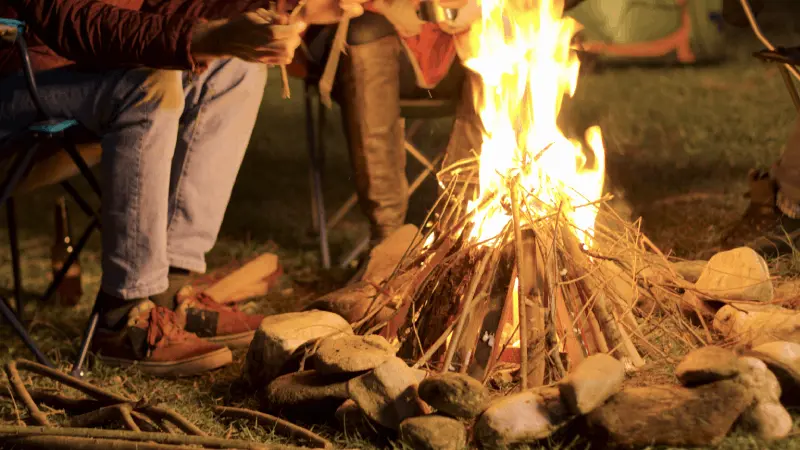
Cooking meat over a campfire or on a small stove can take a long time, especially when it comes to thick cuts. Additionally, handling raw meat at the campsite brings the risk of cross-contamination (the raw meat juice touching other foods). When you cook and freeze meat dishes (like Bolognese sauce, sauté, meatballs, etc.) at home, you only need 10-15 minutes of heating time at the campsite. This means you can eat your meal before the evening darkness falls and spend the remaining time relaxing by the fire. Time is your most valuable resource in nature, and frozen foods give you that time back.
What Are the Priorities for Preparing Frozen Vegetable Stir-Fry for Vegan Campers?
Finding or storing fresh vegetables at the campsite can sometimes be challenging for vegans. Vegetables can lose water when frozen and may become mushy when thawed. To prevent this, it's best to prepare and freeze vegetables using the "blanching" method. If you briefly blanch vegetables like broccoli, carrots, and beans and then freeze them, they will retain their color and crunch when heated at the campsite. Additionally, with the frozen sauce cubes you add on top (like pesto or coconut milk curry), you can elevate your camp kitchen to a restaurant level.
Are Frozen Soups the Most Practical Way to Stay Warm During Winter Camps?
Maintaining body heat is the top priority in winter camping. Drinking a warm bowl of soup on a cold evening warms not just the stomach but also the soul. However, making soup from scratch requires peeling vegetables with frozen hands and boiling water for a long time. You can simply throw the frozen lentil or tomato soup packets you prepared and froze at home directly into a pot with a little water to heat them up. Soups are among the most suitable meals for freezing because they do not lose flavor due to their liquid structure. Practicality increases the comfort of survival in winter camps.
Are Ready Frozen Snacks a Lifesaver for Camping Holidays with Kids?
Camping with kids is both fun and exhausting. Children's hunger cycles are often unpredictable, and their patience is limited. Bringing frozen mini pancakes, homemade nuggets, or fruit purees can be a great convenience for them. A fruit puree that starts to thaw can be a healthy ice cream alternative in hot weather. Additionally, having their favorite meals ready helps them adjust to the camping environment and allows parents to spend more time with their children by reducing the hassle of meal preparation.
Can Frozen Water Bottles Replace Ice Packs in Your Cooler?
In addition to frozen meals, freezing your drinking water in bottles and placing them in the cooler is also a method. Commercial ice packs turn into just space-consuming plastic containers, while frozen water bottles provide you with cold drinking water. This is based on the "dual-purpose use" principle and is very valuable in camping. By strategically placing the bottles between food packages, you can maintain the cold chain. While the weight in your bag does not decrease, the utility value increases; this provides efficiency in camping logistics.
Are Frozen Meals Essential to Reduce Dishwashing Load at the Campsite?
One of the least liked aspects of camping is often washing dishes, especially if the water source is limited. If you freeze your meals in vacuum bags or zip-lock bags, you can heat these bags in boiling water (using BPA-free suitable bags). With this method, even your pot won't get dirty, as it only comes into contact with hot water. Serving the meal directly from the bag to the plate (or ideally from the bag itself) eliminates the need to deal with greasy pans and dried food leftovers. Less dishwashing means more peace in nature.
How to Use the Freezer Compartment in Caravans Most Efficiently?
Caravan refrigerators are generally much smaller than home ones, and the freezer volume is limited. To use this limited space efficiently, meals should be frozen in a "brick" shape. If you fill bags with food and freeze them on a flat surface, you can stack them in the freezer. Additionally, using bags instead of square or rectangular containers allows you to utilize even the corners of the freezer. To save energy in the caravan, keeping the freezer full helps maintain the cold air inside, so it makes sense to fill voids with frozen fruits or sauces.
How to Create a Daily Meal Plan by Adjusting Thawing Processes?
The biggest drawback of frozen meals is that they can still be rock solid when it's time to eat. Therefore, you need to follow a "thawing strategy." You should take your evening meal out of the freezer in the morning and place it in the less cold upper parts of the cooler or in a shaded area. Avoiding direct sunlight to ensure a slow thaw helps maintain food quality. If you're in a hurry, you can speed up the process by placing the meal in its bag in a bowl of warm water. Planned thawing is one of the most important technical skills in camp cooking.
Do Frozen Fruits Provide Smoothie Enjoyment at Breakfasts?
Breakfast while camping is often limited to eggs or bread-based products. However, if you bring frozen berries (strawberries, blueberries, blackberries) with you, you can add a great touch to your oatmeal or yogurt. If you have a small battery-operated blender, a cold smoothie made with frozen fruits can be a fantastic energy source on hot summer mornings. When fruits are frozen, they retain their natural sugars, making them the healthiest way to satisfy your sweet cravings while camping. Additionally, the juice from thawed fruits can also be used to flavor your drinking water.
Does Heating Frozen Meals Over a Campfire Cause Nutritional Value Loss?
A common misconception is that frozen foods lose their nutritional value. In fact, when foods are cooked while fresh and quickly frozen, vitamins and minerals are largely preserved. The only thing you need to be careful about while heating over a campfire or stove is not to burn the food at excessively high temperatures. Heating it over low heat and adding a little water if necessary preserves the nutritional value and texture. Compared to canned foods, home-prepared frozen meals contain much more nutrients and less sodium/preservatives. Eating healthily is also possible in nature.
Are Canned Foods or Home-Prepared Frozen Meals More Economical?
From an economic perspective, freezing the meals you cook in bulk at home is much cheaper than buying ready-made canned or "ready-to-eat" packages from the store. Canned foods are often expensive based on their ingredients, and metal cans create a significant waste burden during camping. In contrast, with home-prepared frozen meals, you can buy ingredients on sale, adjust them to your taste, and keep your budget in check. For both your health and your wallet, homemade frozen foods are always a step ahead.
Why Are Portion-Controlled Frozen Meals Important for Solo Campers?
The biggest problem when camping alone is often that the prepared meal is too much. Storing leftovers from a pot of food is impossible in an environment without a refrigerator. Preparing frozen meals in single-serving portions completely prevents waste. You can take out and heat only the package that meets your exact needs for each meal. This method reduces kitchen load for solo travelers and offers a different menu option every day. Individualized portions are one of the most important factors that increase the comfort level of solo camping.
Is It Possible to Freeze and Store Fish Dishes While Camping by the Sea?
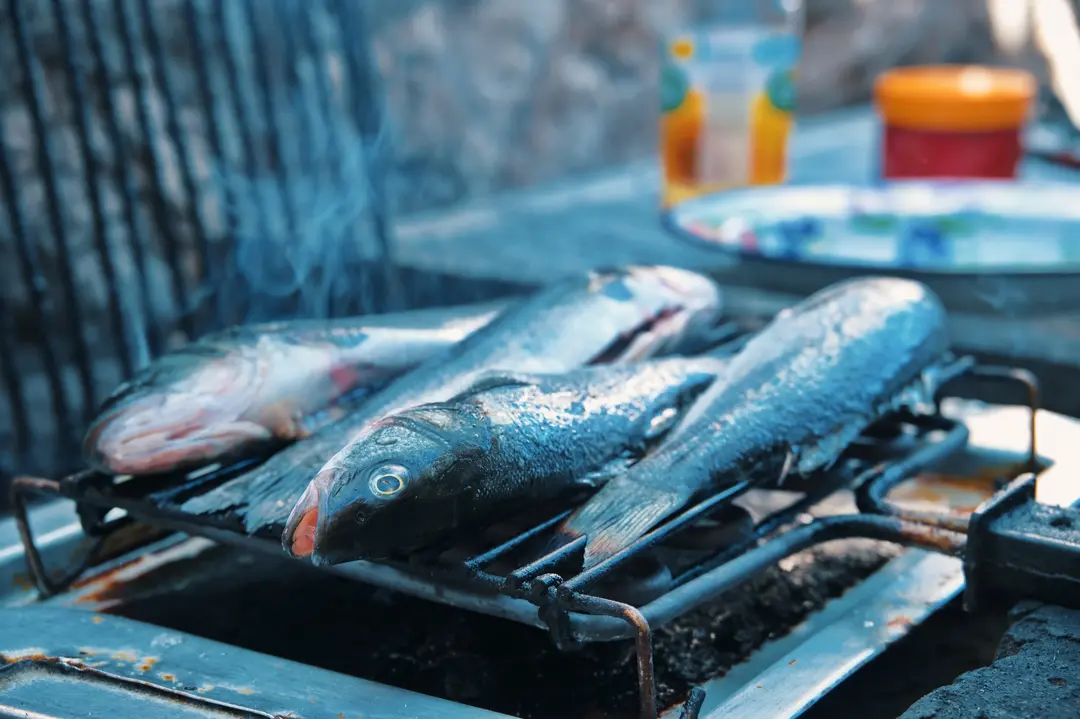
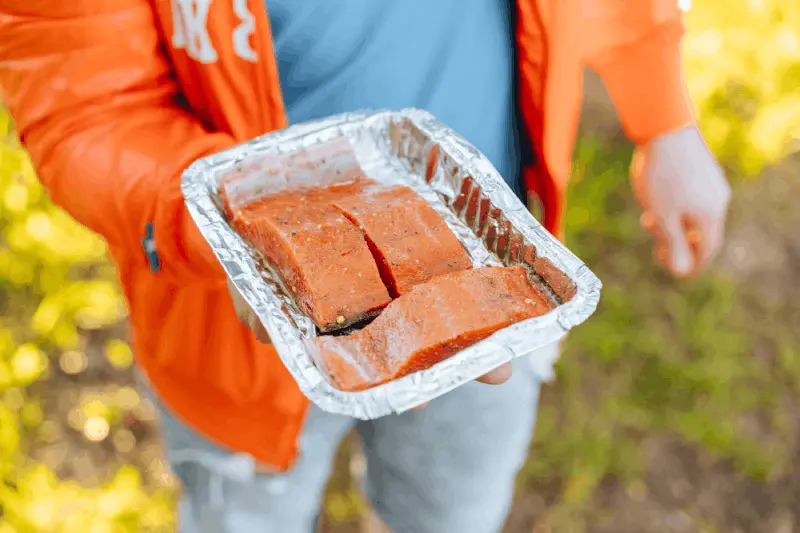
Fish is one of the fastest spoiling foods. While finding fresh fish while camping by the sea is great, bringing pre-prepared fish dishes can be risky. However, you can transport fish dishes (like baked salmon or fish cakes) very well in a well-insulated cooler by cooking and freezing them at home. Since fish dishes tend to lose texture when thawed, it's more logical to use this method in the early days of the camp. Alternatively, frozen shrimp and other seafood cook very quickly and are ideal protein sources for camping.
How Can We Optimize the Use of Spices in Camping Cooking with Frozen Sauces?
Bringing spice jars to camp takes up space and carries the risk of spilling. Instead, you can prepare and freeze spiced sauces (marinades, garlic butter, curry sauce) at home in ice cube trays. Adding one or two of these sauce cubes to your pasta or meat at the campsite adds depth to the meal instantly. Sauce cubes are the "secret weapon" of the frozen meal strategy. These small details can transform a simple camp meal into a feast. The flavor of the spices is much better preserved in frozen sauces.
Do Frozen Caloric Meals Meet Energy Needs in Challenging Natural Conditions?
In camps involving hiking or long-distance trekking, the calorie requirement is much higher than normal. The body needs intense energy to cope with cold and physical exertion. Frozen lasagna, rich pasta dishes, or hearty stews are excellent for meeting this energy requirement. These meals are rich in both carbohydrates and protein and do not lose their structure when frozen. Instead of struggling with cooking under difficult conditions, quickly consuming these energy stores helps you maintain your performance and focus on nature.
Can Leftover Frozen Meals from Camping Be Refrozen?
This is a critical question from a food safety perspective. If a meal has completely thawed and has been above 4 degrees for several hours, it is definitely not recommended to refreeze it. Refreezing increases the risk of bacteria and alters the food's cellular structure, ruining its flavor. It is best to consume meals that are still icy cold or partially frozen as soon as you arrive home. Therefore, you should be realistic about the amount you bring to camp and avoid taking more than you can consume.
How Does Cooler Selection Determine the Lifespan of Frozen Foods?
The duration that your frozen meals will remain frozen depends directly on the quality of your cooler. A simple fabric thermal bag can keep food frozen for a few hours, while high-quality rotomolded (hard plastic) coolers can keep food frozen for 5-7 days with proper ice supplementation. If you are planning a long-term camp, investing in a cooler with high insulation performance is essential for the success of your frozen meal strategy. Keeping the cooler's lid closed as much as possible and keeping it in the shade are also critical factors that extend the duration.
Why Should You Write the Date and Contents on Frozen Meal Packages?
Every bag that goes into the freezer starts to look alike after a while. You don't want to guess "is this tomato sauce or spicy casserole?" in the evening darkness at the campsite. Writing the name of the meal, the date it was prepared, and any heating instructions on the packages with a permanent marker provides great convenience. Additionally, the date is important for applying the "first in, first out" rule. A regular labeling system prevents confusion in the camp kitchen and provides you with a clear roadmap on which meal should be consumed first.
Is Using Dry Ice Safe for Frozen Camping Meals?
Dry ice (solid carbon dioxide) is much colder than regular ice and can keep food at freezer temperatures. However, it requires caution in its use. Direct contact of dry ice with food can cause "cold burns" and create gas pressure in closed containers, posing an explosion risk. If you are taking your frozen meals on a long journey, you can place the dry ice at the bottom and layer a cardboard layer on top before stacking the meals above. Still, for amateur campers, frozen water bottles and standard ice are much safer and more practical alternatives.
Do Frozen Bread and Pastries Retain Freshness While Camping?
By the third day of camping, bread often becomes stale or moldy. Freezing bread, bagels, or lavash to take to camp solves this problem at its root. By taking out only what you need from the freezer and briefly heating it over the fire, it becomes fresh and soft as if it just came out of the oven. Even frozen sandwiches you prepared at home can be ready to eat as the first meal when you arrive at the campsite. Baked goods are among the foods that respond best to freezing and are a great asset while camping.
Which Equipment Is Compatible with Heating Frozen Foods Over a Campfire?
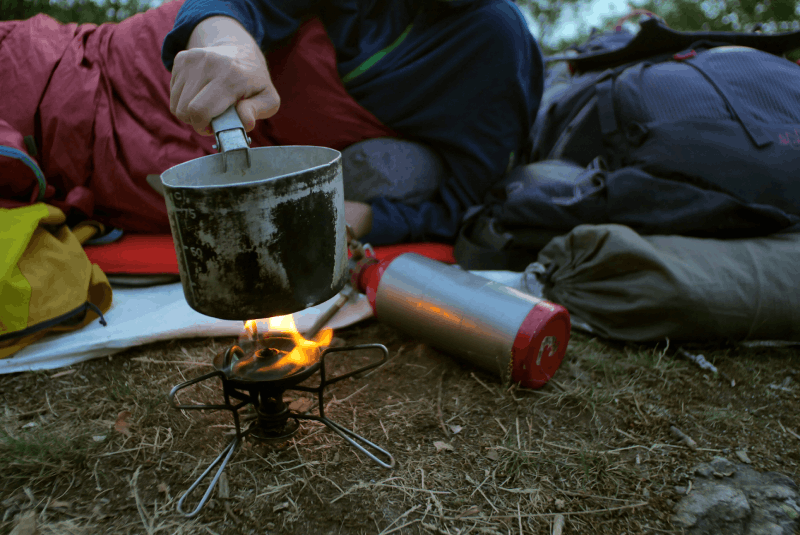
The choice of pot or pan you use to heat frozen food is important. Thin-bottomed aluminum camping pots conduct heat quickly but can cause the food to burn on the bottom. Cast iron pans or thick-bottomed stainless steel pots distribute heat more evenly, ensuring the frozen food heats through to the center. If you are heating the food in its bag, a deep pot and sufficient water are required. Having precise flame control on your camp stove is also an advantage for slow heating (simmering); because quickly "shocking" frozen food can ruin its texture.
How Does the Liquid Ratio of Frozen Meals Affect Thawing Quality?
Very dry meals (like just blanched chicken breast) can take on a straw-like texture when thawed and heated. However, saucy, moist, or oily meals (casseroles, sauced pastas, olive oils) retain their moisture and are much closer to their original flavor when heated. Therefore, it is wise to leave your camping meals a bit saucier or moister than usual before freezing. Considering that some water will evaporate during heating, storing moist meals is the most efficient way for camp cooking.
What Are the Advantages of Using Frozen Food at High Altitudes?
At high altitudes, the boiling point of water decreases, and cooking times for meals can significantly increase. Cooking a pot of beans from scratch at 3000 meters or above can take hours and consume a lot of fuel. Pre-cooked and frozen meals eliminate this altitude disadvantage. Simply bringing the food to a temperature close to boiling is sufficient for it to be edible. Additionally, loss of appetite is common at high altitudes; therefore, a familiar and delicious meal you brought from home makes it easier to satisfy your energy needs.
What Precautions Should Be Taken to Prevent Frozen Meals from Leaking During Transport?
A frozen bag is rigid and resistant to puncturing, but once it starts to thaw, the liquid inside can leak out. This can lead to contamination of your cooler and other foods. To prevent this risk, you should use the "double bagging" method. Place the zip-lock bag containing the food inside a second bag. Additionally, be careful not to place sharp objects inside the cooler. Placing paper towels between the bags absorbs any potential condensation, keeping your cooler dry.
Can Natural Cooling Methods at the Campsite Be Combined with Frozen Foods?
If there is a cold stream near your campsite, you can use this natural source to extend the life of your frozen meals. However, instead of placing the food directly in the water, you can secure it in a waterproof container in the coldest part of the stream. This can serve as an "emergency" cooling strategy in case the ice in your cooler runs out. If your frozen meals are still frozen, the river water will slow down their thawing rate. Still, remember that wild animals can smell food, and you should always keep your food safe.
Is There a Risk That the Smell of Frozen Foods Attracts Wild Animals?
The smell of raw meat or freshly cooked food can attract wild animals like bears, wolves, or foxes to the campsite. Since frozen meals are trapped in vacuum-sealed or zip-lock bags, the smell is minimized. This is an additional advantage from a camping safety perspective. However, once you start heating the food, it will emit an odor. Therefore, you should prepare and eat your meals away from your sleeping area and store your leftovers in odor-proof bags, preferably elevated off the ground. Frozen foods help you control odors but do not eliminate them completely.
How Do Frozen Desserts Enhance Camping Evenings?
Sweet dishes by the fire are a classic during camping evenings. However, making pastry desserts can be a hassle. Brownie pieces, cookies, or fruit crumble packets that you baked and froze at home provide incredible flavor when warmed slightly by the fire. Even slices of frozen cheesecake can be the highlight of your camping experience on a hot summer day. Desserts are important elements that boost camping morale. Healthy snacks made by mixing frozen fruit purees with yogurt also offer a light and refreshing option.
Are Frozen Meals the Final Decision for a Professional Setup in the Camp Kitchen?
Frozen meals are the most effective method that provides a balance of practicality, safety, economy, and flavor in the camp kitchen. When combined with proper packaging, a quality cooler, and good thawing planning, camping transforms from a "survival struggle" into a "gastronomic holiday." If you want to spend your time not on meal preparation but on stargazing, hiking, and enjoying nature, the frozen meal strategy is definitely the right decision for you. The key to modern camping is turning the preparation done at home into comfort in nature.
This comprehensive guide will show campers of all levels how to integrate frozen foods into their camping life. Wishing you a delicious and safe camping experience!