How to Perfect the Classic S'mores Experience by the Fire Pit?
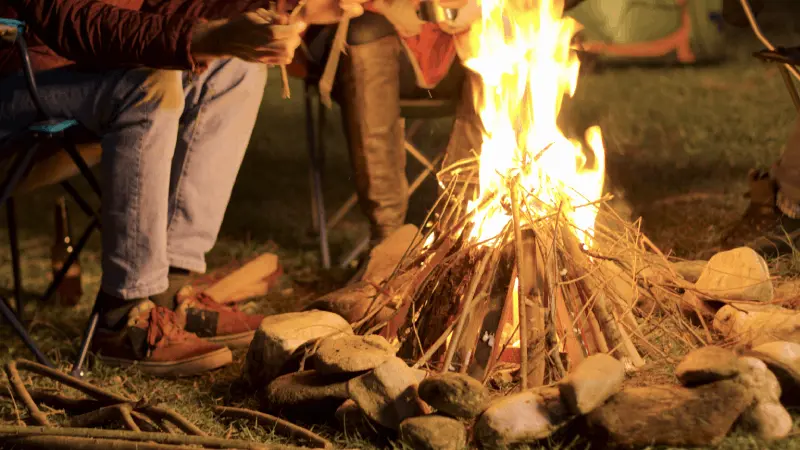
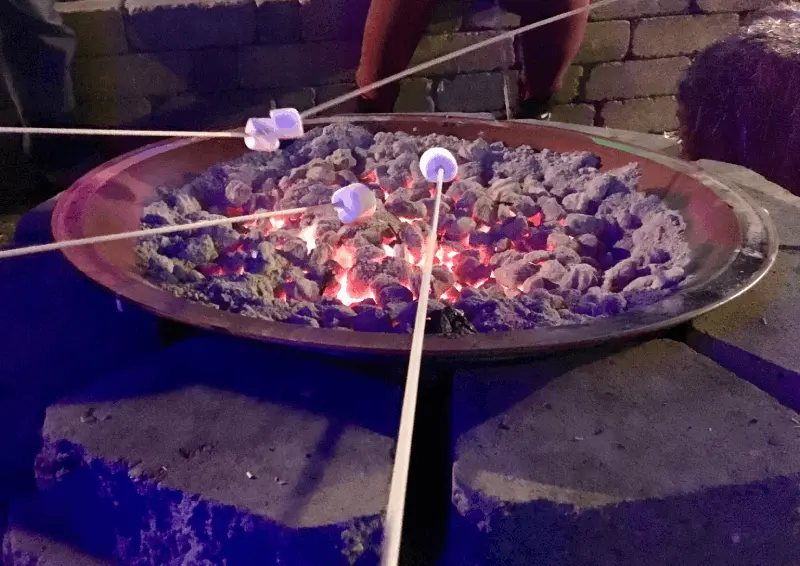
Perfecting a classic s'mores experience by the fire pit requires much more than just bringing the ingredients together. The first step is finding the right heat source; glowing coals, rather than an open flame, are ideal for melting the inside of the marshmallow without burning the outside. The freshness of the cookies and the chocolate being at room temperature ensures that they meld perfectly with the warmth of the marshmallow. Once you establish this balance, you'll feel the heat evenly with every bite. Patience is the most important ingredient in this process; a marshmallow rushed to the fire often ends up charred on the outside and gooey on the inside.
What Types of Wood Should Be Preferred When Roasting Marshmallows?
The type of wood used for roasting marshmallows is a hidden factor that directly affects the flavor. Hardwoods like oak, beech, and hickory create coals that last longer and provide stable heat, which is great for controlled cooking. Additionally, wood from fruit trees (like apple or cherry) adds a light, sweet smoke flavor that enhances the taste by caramelizing the sugars. It is advisable to avoid resinous woods like pine, as these can impart a bitter smoke and soot that can ruin the flavor of the marshmallow. Choosing quality wood ensures that your sandwich reaches a gourmet level.
How Does Cookie Selection Change the Flavor Profile?
The cookie forms the skeleton of the sandwich and the type chosen can redefine the entire experience. Traditionally used graham crackers are a standard choice with their light whole wheat flavor and crisp texture. However, buttery petit-beurre cookies offer a softer and creamier mouthfeel, while oat cookies add a more hearty and rustic flavor. Using chocolate-covered cookies provides a practical solution by eliminating the hassle of adding extra chocolate. Even using salty crackers creates a sophisticated contrast for those looking to balance the rich sweetness of the marshmallow, deepening the flavor profile.
How to Solve the Problem of Chocolate Not Melting?
One of the biggest disappointments encountered when making s'mores is when the chocolate remains hard despite the marshmallow being hot. To overcome this issue, you can place chocolate pieces on top of the cookie and preheat them by the edge of the fire pit, ensuring they are not directly exposed to the flames. Another technique is to combine the cookie and chocolate just before pulling the marshmallow off the stick, creating a "sandwich press" for a few seconds. Milk chocolate has a lower melting point than dark chocolate, making it more advantageous in this process. Using pre-sliced chocolate also helps the heat reach the center more quickly.
What is the Secret to Caramelizing Marshmallows Without Burning Them?
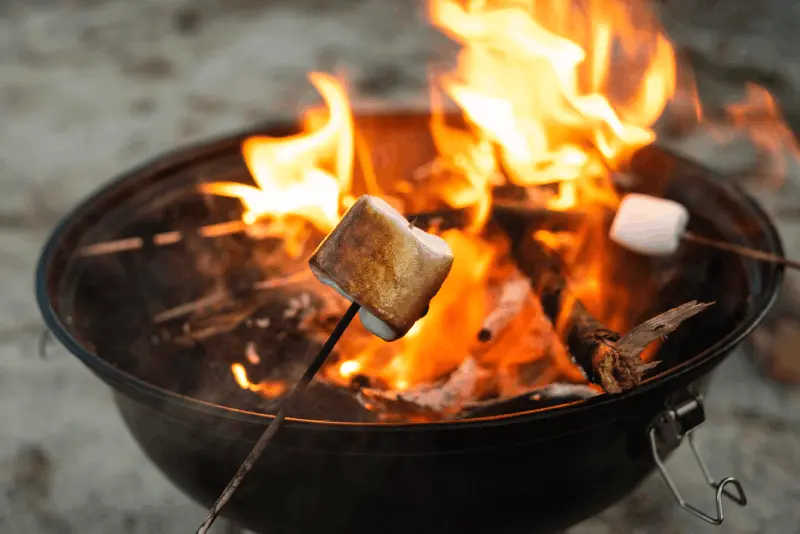
A perfectly caramelized marshmallow should be golden brown and slightly crisp. The secret lies in the "turn and wait" method; you should hold the marshmallow about 15-20 centimeters above the coals and continuously rotate it around its axis. Direct contact with the flames causes the sugars to burn quickly, resulting in a charred, bitter taste. By allowing the heat to slowly penetrate, you can achieve a crispy outer layer and a gooey inner consistency. A patient rotation is essential for a professional result.
What is Needed for a Safe Marshmallow Roasting Experience?
Having fun by the fire is great, but it can only be sustained when safety is ensured. First, long metal skewers that do not conduct heat or sharpened fresh tree branches should be used. Panicking and shaking the skewer when the marshmallow catches fire can cause burning sugar to splatter and lead to serious burns; in such a case, it is best to keep the skewer steady and gently blow to extinguish the flame. A safe distance should be maintained around the fire pit, and children should be supervised. Additionally, having a damp cloth nearby for cleaning up sugar residues helps prevent sticky hands and accidents that may occur due to carelessness.
Are Gluten-Free or Vegan Options Possible?
Dietary restrictions today do not hinder the enjoyment of a fire pit. Plant-based marshmallows available on the market do not contain animal gelatin and perform quite similarly to traditional ones; however, they should be cooked more carefully as they tend to melt faster. On the cookie side, crispy crackers made from gluten-free flours are a great alternative for those with wheat sensitivities. By using dairy-free dark chocolates or spreadable products like hazelnut cream, a completely vegan and gluten-free s'mores menu can be created. These alternatives ensure that everyone can partake in this social ritual.
How Does Adding Fruit Enrich the S'mores Experience?
Adding fruit to the marshmallow and cookie duo lightens the sweetness and adds a refreshing dimension. Sliced strawberries, with their acidic structure, perfectly balance the richness of the chocolate and marshmallow. Banana slices soften slightly with the heat of the fire, enhancing the creamy texture of the sandwich. For those seeking a more exotic flavor, roasted pineapple or fresh raspberry pieces add a modern gourmet touch to the sandwich. Fruits not only add flavor but also provide a visual feast, elevating the s'mores experience to a dessert plate level.
Can Different Sauces and Spices Be Used?
For those looking to step outside the classic recipe, sauces and spices offer limitless possibilities. Drizzling caramel sauce or nut butter on the cookie enhances the stickiness and depth of flavor of the sandwich. A sprinkle of sea salt brings out the sweet notes, while adding powdered cinnamon evokes the essence of autumn evenings. adds a warm aroma suitable for the palate. For those who love spice, a combination of a small amount of chili powder and dark chocolate can leave an unforgettable mark on the palate. When using sauces, it is important to keep the portions small to prevent the sandwich from becoming too liquid and spilling.
How to Cook Safely with Children?
Roasting marshmallows is a great activity for children that develops their motor skills and teaches patience. For safety, children should be given special skewers that are not too short and have insulated handles. They should be encouraged to work in a calmer corner, away from the hottest part of the fire. During the roasting process, remind them of the "golden rule": the skewer should never be pointed at another person. After the marshmallow is roasted, it is safer for them to assemble the sandwich with the help of an adult to avoid touching the hot metal tip of the skewer. This turns into a fun and educational family activity.
What is the Difference Between Enclosed Fire Pits and Open Areas?
Open area fire pits have a variable heat distribution due to the wind's effect, making roasting marshmallows a more adrenaline-filled experience. It may be necessary to change position according to the direction of the wind. In contrast, enclosed or more sheltered fire pits (such as garden-type metal pits) provide a more stable and predictable heat. While smoke disperses more quickly in open areas, the direction of the smoke in enclosed areas can irritate the eyes of those making sandwiches. What is important in both environments is to accurately identify the center of the heat and dance the marshmallow around that area.
What Else Can Be Made with Leftover Ingredients?
If you still have cookies and marshmallows left at the end of the night, you can utilize them in different ways without wasting them. You can break the marshmallows into small pieces and throw them into hot chocolate or crumble the cookies to sprinkle on yogurt for breakfast the next day. Additionally, you can layer these ingredients in a baking dish and bake them for a short time to create a dip called "s'mores dip" that is eaten by dipping cookies. Leftover chocolates can also be melted and used for dipping fruits, providing a practical snack for the next day. The versatility of the ingredients gives you the opportunity to use your creativity.
Is It Logical to Use Gourmet Cheese for Gourmet S'mores?
For gastronomy enthusiasts who love the harmony of sweet and salty, adding cheese to s'mores is an unusual yet delightful experience. Especially soft and melting cheeses like brie create a rich layer of aroma when combined with the sweetness of the marshmallow. A thin slice of aged cheddar or parmesan creates an interesting contrast with caramelized sugar, leaving complex flavors on the palate. These types of gourmet experiments can transform a standard camping snack into a sophisticated dessert. The important thing is that the flavor of the cheese should be balanced enough not to overpower the marshmallow.
Should the Skewers Be Metal or Wood?
Your roasting tool is a technical detail that determines how the marshmallow will be cooked. Metal skewers help the marshmallow cook from the inside by conducting heat and are generally more durable. However, care should be taken when assembling the sandwich as the metal can get very hot. Natural wooden skewers (or sticks) do not conduct heat and offer an eco-friendly option. If you are using a stick, make sure you choose non-toxic tree types and that you have stripped the bark. Metal skewers are more practical in terms of cleaning because the burnt sugar on them can be easily scraped off, whereas wooden skewers are usually single-use.
How Should Ingredient Preferences Change with the Seasons?
The s'mores experience can be adapted to the seasons. In the summer, you can approach the concept of ice cream sandwiches by opting for cold fruits and light cookies. In the fall, pumpkin puree, spiced cookies, and maple-flavored marshmallows resonate with the spirit of the season. In winter, using richer dark chocolates and gingerbread cookies while warming by the fire creates an explosion of flavors. In spring, fresh flower honey or light lemon cookies provide a lightness that aligns with nature's awakening. Each season tells a new story for your sandwich.
How Does the Environment Affect Flavor from Camping to Home Garden?
In the wild, s'mores made around a campfire offer a more primal and satisfying flavor, combining the survival instinct with a sense of connection to nature. The smell of wood smoke and the silence of the forest are psychological elements that enhance the taste. In a fire pit in your backyard, comfort is prioritized; access to ingredients is easy, and you can experiment with a wider range of ingredients. S'mores made in the garden provide a more controlled and luxurious experience, while campfire s'mores carry a spirit of adventure that is more spontaneous and unforgettable. Both environments offer their own unique enjoyment.
What Salty Ingredients Can Be Added to Balance the Sugar Ratio?
Too much sugar can sometimes cause a sickly sweetness on the palate, so adding salty elements as a counterbalance is a clever touch. Pieces of pretzel provide both crunch and necessary saltiness to the s'mores. Bacon slices, with their smoky flavor and salty texture, complement the caramelized notes of the marshmallow incredibly well; this is a combination often favored in modern cuisine. Additionally, a small amount of sea salt caramel spread on the cookie or just a pinch of quality rock salt elevates the overall flavor of the sandwich to a higher level. Salt brings out the hidden flavors of the sugar.
What is the Best Toasting Degree: Golden Brown or Charcoal Black?
Marshmall In the world, there are two main schools: the patient "Golden Yellow" supporters and the impatient "Coal Black" (burning and extinguishing) enthusiasts. Golden Yellow is the gourmet standard where sugar is perfectly caramelized, with a crunchy exterior and a chewy interior. Coal Black, on the other hand, aims to achieve a smoky flavor by deliberately exposing the marshmallow to fire and burning its exterior; although this method slightly compromises the sugary taste, it is not recommended from a health perspective. The ideal point for most people is when it reaches a deep amber color and begins to sag slightly under its own weight. At this stage, the flavor reaches its peak.
Is the Design of the Fire Pit Important for Heat Distribution?
The depth and width of the fire pit affect your marshmallow roasting speed. In deep pits, heat rises with a narrower opening, creating a very intense heat point. In shallow pits, heat spreads over a wider area, allowing multiple people to comfortably roast at the same time. Pits surrounded by stone or brick trap heat, providing long-lasting and stable warmth. If the design is appropriate, the stones at the edge of the pit can serve as a natural oven to heat the biscuits. Designs that ensure good air circulation enhance your enjoyment by preventing smoke from choking you.
Cleaning and Maintenance: Do Sugar Residues Damage the Fire Pit?
Melted sugar dripping from the marshmallow can create hard-to-clean stains on the stones or metal parts of the fire pit. Sugar caramelizes at high heat and can emit a bad smell over time. To prevent this, spreading a thin layer of ash under the cooking area prevents dripping sugars from coming into direct contact with the surface. After the cooking session, if you are using a metal pit, scraping the sugar residues with a spatula while it is still warm is the easiest way. In stone pits, these residues will usually burn and turn to ash at the next high heat, but keeping your stick clean should always be your priority for hygiene.
What Are Similar Marshmallow Traditions Around the World?
Although the tradition of consuming marshmallows over a fire originates from North America, similar sweet rituals exist in different parts of the world. For example, in England, the tradition of roasting chestnuts over a fire on Guy Fawkes Night is very close to the spirit of s'mores. In Japan, "Mochi" is grilled over fire and served with sweet sauces, which can be seen as a textural alternative to marshmallows. In the Middle East, some types of halva are lightly heated to provide a similar warm sweet experience. The common point of these traditions is that they bring together a sweet ending with the unifying power of fire. Each culture has its own unique "fire-side flavor".
What Are the Techniques for Roasting Marshmallows?
How you skewer the marshmallow determines its fate over the fire. The most common mistake is to pierce the marshmallow through the center and pull it out from the other end; this causes the marshmallow to rotate as it melts and fall into the fire. Instead, it is more professional to insert the skewer into two of the three ends and leave it, or to use a "double skewer" (if your skewer is forked) to keep it stable. You should ensure that the marshmallow can rotate comfortably over the skewer, allowing every surface to heat evenly. Keeping the end of the skewer clean and free of debris prevents it from sticking when transferring the marshmallow to the biscuit after roasting.
Is It Necessary to Heat the Biscuits?
While not mandatory, heating the biscuits elevates the entire s'mores experience to the next level. A cold biscuit quickly absorbs heat when it comes into contact with the warm marshmallow, causing the marshmallow to cool down faster. Placing the biscuits on a warm stone away from the fire pit or on the edge of a grill for a minute makes them both crunchier and allows the chocolate to melt faster. A warmed biscuit provides a more harmonious whole with the soft texture of the marshmallow. This small detail is what distinguishes a "good" sandwich from a "legendary" sandwich.
How Do the Air Bubbles Inside the Marshmallow Affect Roasting?
Marshmallow is actually a type of candy that has been aerated with air. When held over the fire, these air bubbles expand as they heat up, causing the marshmallow to increase in volume, i.e., to puff up. This expansion process ensures that heat is transmitted towards the center. A quality marshmallow has homogeneous air pockets, allowing it to melt evenly all over. If the marshmallow is stale, it means the air inside has diminished and hardened; in this case, the inside will burn without melting. Using fresh marshmallows is critical for the flawless realization of this physical reaction and to achieve that famous "cloud-like" inner texture.
Is the Flame or the Ember More Suitable for Roasting?
Beginners often get captivated by the brightness of the flame and hold the marshmallow directly over the fire, but experienced s'mores makers always prefer the embers. The flame provides uncontrolled high heat and burns the outer layer in seconds while leaving the inside raw. Additionally, the smoke can spoil the taste by settling on the marshmallow. On the other hand, the glowing red embers emit a steady and gentle radiant heat. This heat gently melts the marshmallow from the inside. For the best results, cooking should begin after the flame has calmed down a bit and the logs have turned into a bright orange ember.
Can Alternative Cooking Tools Be Used?
Besides classic skewers, creative cooking tools can be used. You can achieve different experiences by experimenting. For example, you can make "S'mores Dip" over the fire pit using a cast iron skillet; layering all the ingredients in the pan and waiting until the marshmallows are toasted eliminates the hassle of reaching for treats for large groups. Additionally, waffle makers or closed sandwich presses can also be used to press cookies over the fire. Some people prefer to place marshmallows between cookies and wrap them in foil, leaving them directly at the edge of the coals; this method ensures that the ingredients melt completely together and the chocolate spreads everywhere.
How to Establish Caloric Balance in Marshmallow and Cookie Combinations?
S'mores are inherently high in calories, but it is possible to make this treat more balanced. Choosing whole grain or low-sugar cookies increases the quality of carbohydrates. Using high cocoa content (70% and above) dark chocolate instead of milk chocolate reduces sugar intake while providing antioxidants. Additionally, adding plenty of fresh fruit to the sandwich reduces the overall density while serving. Limiting the number of marshmallows to one per sandwich and adding a cup of unsweetened herbal tea makes this sweet experience a more sustainable pleasure. The important thing is to enjoy the taste and maintain portion control.
What Should Be Considered for Those with Allergen Sensitivities?
Allergen sensitivity should always be kept in mind at group events. Some marshmallow brands may contain trace amounts of egg or corn starch. Cookies often contain gluten and sometimes dairy products. Chocolates may contain hazelnuts, pistachios, or soy lecithin. If you are preparing s'mores for a group, it is important to keep the packaging of the ingredients and check the contents. To prevent cross-contamination, it may be necessary to separate those using hazelnut chocolate from those using plain chocolate. Having alternatives (fruit-based or allergen-free products) that everyone can safely enjoy on the table is the kindest gesture of hosting.
How to Set Up a S'mores Bar for Group Gatherings?
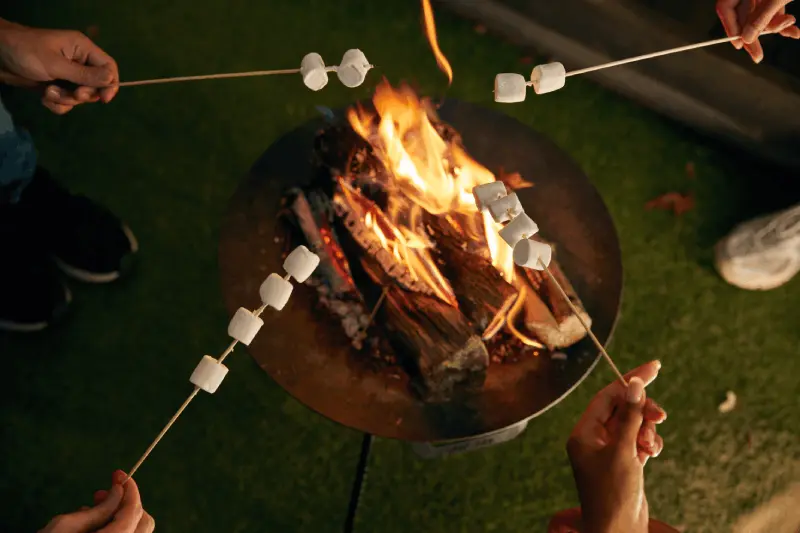
When hosting a large group of friends, setting up a "S'mores Bar" where everyone can design their own sandwich is a great idea. Place a variety of cookies, chocolates in different flavors, colorful marshmallows, and additional toppings (fruits, sauces, peanut butter) in the center of the table. Stick long roasting sticks in a jar and place them where everyone can reach. Wet wipes and napkins should always be on hand for sticky fingers. This setup not only allows for eating but also encourages people to interact and showcase their creativity. This bar, where everyone creates their own "signature sandwich," will be the most memorable corner of the night.
How to Keep Ingredients Fresh?
Keeping s'mores ingredients fresh is critical for preserving flavor. Marshmallows dry out and harden quickly when exposed to air; therefore, they should be stored in airtight ziplock bags after opening. Cookies should be protected from moisture; otherwise, they will lose their crispy texture and become soft; it is best to keep them in a cool, dry place in sealed containers. Chocolate should be kept away from direct sunlight and excessive heat, or it may develop a white coating known as "fat bloom" (although the taste does not change, its appearance is affected). Properly storing the ingredients ensures that your next fire pit enjoyment will be of the same quality.
What Are the Psychological and Social Effects of a Night Fire?
Roasting marshmallows over a fire pit is a powerful tool for escaping the stresses of the modern world. The rhythmic crackling of the fire and watching the marshmallow slowly change color creates a meditative effect and relaxes the mind. Socially, cooking and sharing food strengthens bonds between people; this is an instinct to "gather around the fire" that comes from ancient times. It is an opportunity for children to learn to share and wait their turn. This experience is more than just eating a sweet; it is a deep social ritual filled with shared stories and laughter that nourishes the soul.
Marshmallow and cookie sandwiches made over the fire pit are much more than simple snacks. They represent the smoky scent of campfires, the warmth of friendship, and the sweetness of childhood memories. That moment when you squeeze the perfectly caramelized marshmallow you prepared with your own hands between the cookies provides a satisfaction that you won't find even in the most sophisticated restaurants in the world. By applying the techniques shared in this guide, you can turn every fire pit gathering into an unforgettable flavor feast. Remember, the best s'mores are the ones shared with the best stories. Enjoy!