What Are the Key Points for Cooking Pastirma Eggs on Campfire?
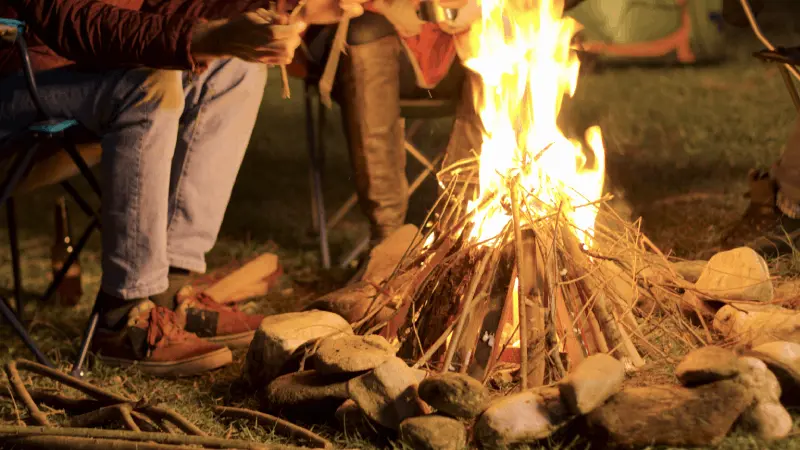
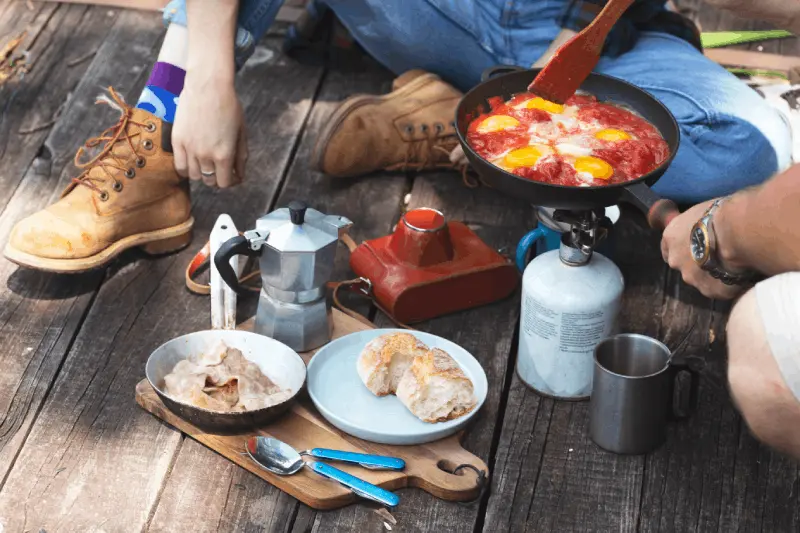
One of the most delicious ways to start your day in the heart of nature is undoubtedly with a pastirma egg that is smoking hot. The most important point while applying this recipe is to ensure that the pastirma releases its unique aromatic flavor without burning. By using a cast iron pan, you can distribute the heat evenly and ensure that the egg whites are fully cooked while the yolks remain runny. Adding a slice of village bread alongside will turn this simple yet effective breakfast into a feast. To balance the saltiness of the pastirma, adding a pinch of fresh thyme will elevate the flavors that nature offers to your plate. Additionally, waiting for the fire to reach glowing embers allows your food to cook more evenly while preventing the bottom of your pan from burning.
How to Gather Morning Energy with a Practical Tortilla Wrap?
For those who don’t want to deal with dishes while camping, a tortilla wrap is a lifesaver. You can quickly prepare it by adding pre-scrambled eggs, some feta cheese, a few slices of tomato, and fresh arugula into a tortilla. If you have time, lightly warming the tortilla on the camp stove will melt the cheese and allow all the flavors to blend together. The biggest advantage of this recipe is that you can easily eat it while hiking. Thanks to its high protein content, it provides a long-lasting feeling of fullness and stores the energy needed for the active hours you will spend in nature. You can elevate the flavor by adding a bit of avocado or acuka.
Does Overnight Oats Prepared in a Jar Save Lives While Camping?
For campers who will climb to the summit early in the morning or hit the road, "Overnight Oats" is the most practical solution. The oats, milk (or plant-based milk), and chia seeds you put in a jar the night before will become soft by the time you wake up in the morning. You can enrich your meal with the blackberries you collected from the campsite or the dried fruits you brought along. This method saves you from the hassle of starting a fire or setting up a stove in the morning. This cold breakfast is especially refreshing and quite nutritious during summer camps. Moreover, you can use the jar in a reusable way, completing your meal without leaving any waste behind.
How to Make Delicious Toasts with Grilled Peppers and Cheese?
If the embers of the fire you lit in the evening have not yet gone out, it might be a great idea to utilize them in the morning. Throw bell peppers directly onto the embers and cook them until their skins turn black. Then, slice the cleaned peppers and place them on lightly toasted bread. The feta cheese or ricotta you add on top will create a wonderful harmony with the smoky flavor of the peppers. With a drizzle of olive oil and chili flakes, you can turn this simple meal into a gourmet breakfast. This method combines the primitive cooking techniques offered by nature with modern taste preferences. The crunchiness of the bread and the soft texture of the grilled peppers provide a sensory experience that makes camping mornings unforgettable.
Is Making Mini Pancakes on a Camp Stove Easier Than You Think?
Mini pancakes are indispensable for families with children or campers who love sweets. Pour the pancake mix you brought along (or the liquid mixture you prepared at home and put in a bottle) into a lightly greased pan in small portions. Keeping the heat of the camp stove low prevents the insides of the pancakes from remaining raw. A drizzle of honey or jam on top will satisfy your morning sugar cravings. The best part of pancakes is that they can be personalized by adding blueberries or chocolate chips. Thanks to the mixture you shook in a bottle, you can complete the cooking process without making a mess. This method allows you to maintain hygiene in camp cooking while showcasing your creativity.
What Alternatives Are Available for Vegan Camping Breakfast?
Preparing breakfast in nature for those who follow a vegan diet is much more enjoyable than it seems. The "chickpea wrap" made with mashed chickpeas, turmeric, and black pepper is a protein-rich option that does not fall short of the taste of eggs. Additionally, whole wheat bread dipped in a mixture of tahini and molasses offers both a traditional and high-energy start. Toasts prepared with the pistachio butter and banana slices you carry along are both practical and filling. Utilizing plant-based resources in nature also appeals to the sustainable spirit of camping. A vegan platter supported by dried fruits and nuts provides all the micronutrients necessary for physical activities that will last throughout the day.
What Is the Allure of Sausage Bread by the Fire?
Sucuk, an essential part of Turkish camping culture, takes on a completely different aroma when combined with fire. You can slice the sucuk and layer it between fresh bread, then lightly toast these breads over the fire using a grill. When the fat of the sucuk seeps into the bread, you won’t need any additional ingredients. This recipe is both very filling and takes only a few minutes to prepare. The aroma of sucuk spreading at the fire is the gentlest and most effective way to wake up your camping friends. A cup of brewed tea alongside is the most important element that complements this classic flavor. The light smoky scent given by the wood fire deepens the spicy taste of the sucuk.
How to Add a Gourmet Touch to Fruit Salad in Camping Conditions?
For those who want a light start, fruit salad is ideal. However, to make it stand out while camping, you can try lightly grilling the fruits. For example, sliced peaches or pineapples can be grilled on the camp stove or over the fire.
Heating for a short time ensures the sugars in the fruits caramelize. You can create a texture difference by adding a bit of fresh mint or crushed hazelnuts on top. The fruit salad prepared with this method not only serves as a breakfast but also presents a visual feast. The rich taste of the caramelized fruits, combined with the morning chill, leaves a refreshing impression on the palate. When served with a spoonful of strained yogurt, the protein balance is achieved.Are Soups Suitable for Breakfasts That Will Warm You Up in Cold Winter Camps?
Although drinking soup for breakfast may not be common for many, it is a necessity and a great luxury in freezing winter camps. Especially nutritious soups like tarhana or lentil quickly raise body temperature and invigorate metabolism. Thanks to powdered mixtures that you can carry with you, you can quickly prepare them by just adding water. Adding stale bread crumbs to the soup will increase its filling quality. Holding a warm bowl of soup in your hands in the cold morning frost warms your hands and soothes your soul. For those who are camping or hiking in winter, soup emerges as the most strategic breakfast option to maintain fluid and electrolyte balance.
What Is the Secret of Cooking Delicious Meals with Minimal Equipment in a Cast Iron Pan?
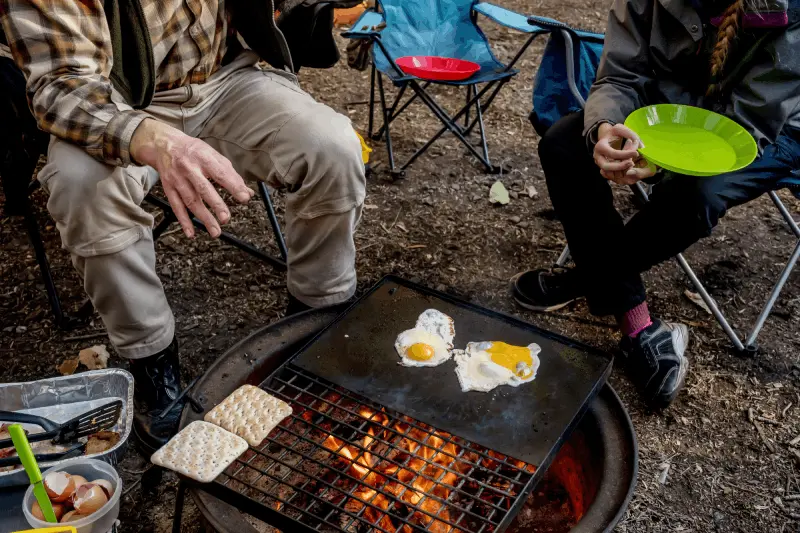
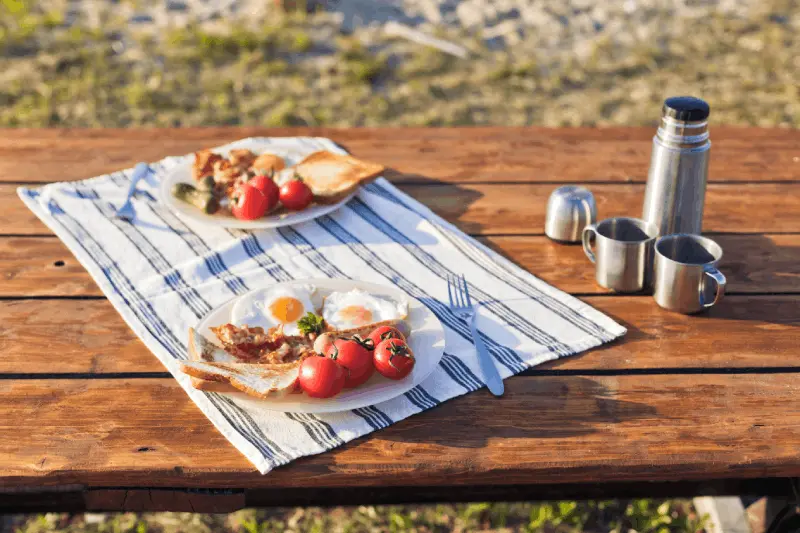
Among camping equipment, the heaviest but most functional is the cast iron pan. Its ability to retain heat for a long time and be used on any heat source makes it unique. In a cast iron pan, you can simultaneously fry eggs, toast bread, and serve everything on a single surface by adding a few slices of tomatoes and peppers. This "one pan" method not only reduces cleaning time but also ensures that the flavors of the ingredients blend together. The professional searing effect of the cast iron pan transforms even a simple slice of cheese into a soft gourmet product. With proper care, this equipment can be used for generations and is the heart of the camp kitchen.
How to Manage Time While Preparing Breakfast at Camp?
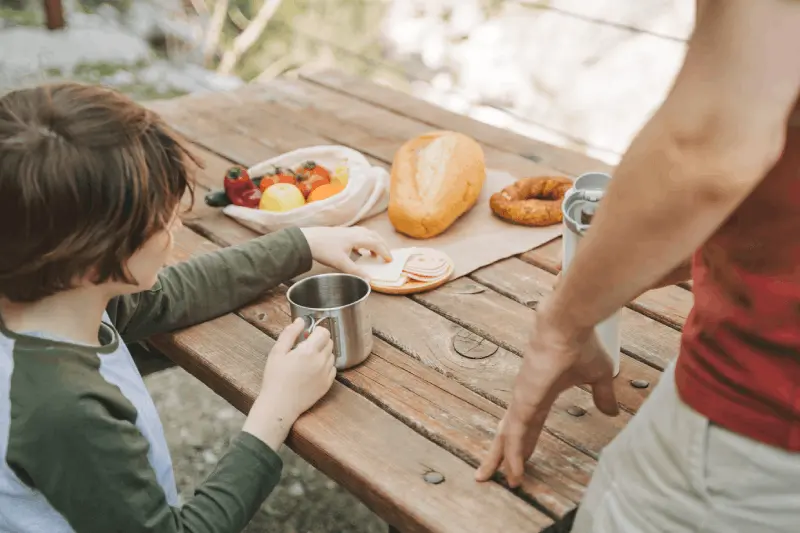
Time is valuable in nature, and preparing breakfast should not take hours. The best way to save time is to prepare the ingredients at home in advance. Chopping vegetables and putting them in ziplock bags, transferring eggs into a bottle to avoid breakage, or filling small containers with spice mixtures can save you at least half an hour. Additionally, while waiting for the fire to burn, setting the ingredients that can be served cold (cheese, olives, honey) on the table speeds up the process. A quick camp breakfast leaves you with more time to explore the surroundings, fish, or take photos. Moving with a plan ensures that camping remains a relaxing activity rather than a stressful one.
Which Herbs Should Be Used to Add a Touch of Flavor to Scrambled Eggs?
Recognizing edible herbs growing around you while having breakfast in nature is a great advantage. If you have knowledge, the fresh wild thyme, wild mint, or lamb's ear you gather according to the season will add an incredible aroma to your scrambled eggs. The fresh scent of these herbs cannot even be compared to dried spices bought from the market. Chop these greens finely and add them to the mixture just before putting the eggs in the pan. This not only enhances the flavor but also improves the aesthetics of your dish. However, remember that you should never consume herbs you do not know. If you carry your own spice set, adding a bit of smoked paprika will also give the eggs the smoky spirit of campfire cooking.
Why Is Protein and Carbohydrate Balance Important in Breakfast While Camping?
Camping life is physically quite demanding. Setting up a tent, hiking, or gathering firewood expends a significant amount of energy. Therefore, your breakfast needs to be not only filling but also balanced. Proteins from eggs, cheese, or sausage help maintain your muscles, while complex carbohydrates from whole grain bread or oats provide energy that lasts throughout the day. A breakfast made solely of sugary foods can cause your blood sugar to spike and crash, leaving you feeling sluggish during the day. Adding healthy fats (olive oil or nuts) facilitates the absorption of vitamins. When you establish this balance, the enjoyment you derive from your outdoor activities is maximized.
What Are the Most Practical Breakfast Essentials Among Camping Gear?
If you are a minimalist camper, multi-purpose tools are your best friends. A foldable grill rack is ideal for both toasting bread and cooking sausage. A lightweight titanium pot set can be used for brewing tea and heating soup. Additionally, ziplock bags can be used not only for carrying ingredients but also for making "bagged poached eggs" by mixing eggs and ingredients inside. A wooden spoon used instead of a spatula extends the life of your cast iron pans. These small but effective tools take up very little space in your camping backpack while greatly simplifying and enhancing your breakfast preparation process.
How to Organize a Quick Breakfast in Fire-Free Camping Areas?
In some national parks or arid regions, lighting a fire may be prohibited. In these cases, you should base your breakfast strategy on "no-cook" models. Sandwiches made with canned tuna and corn, peanut butter and honey crackers, or a charcuterie board containing dried meat (beef jerky) are excellent alternatives. Additionally, a thermos filled with hot water from the night before allows you to prepare instant oatmeal or ready-made coffees in the morning. Camping without a fire means less interference with nature and sometimes reminds us how satisfying even the simplest meals can be.
How to Ensure Hygiene and Cleanliness in Camping Breakfasts with Minimum Effort?
Water Restrictions in the Camp Area
Water may be limited in the camp area, which is why a cleaning strategy is very important. While opting for single-use (but biodegradable) products at breakfast is an option, the best practice is to implement the "one cup" rule. A system where everyone eats from their own cup or bowl reduces contamination. To clean the pan, putting a little water in it and boiling it right after the meal helps soften the leftovers. Then, wiping it with a piece of paper towel is usually sufficient. Using ash as a natural disinfectant is also an old but effective method. Viewing cleaning not as a burden but as part of the camping ritual makes the process more bearable.
How Can You Enhance the Enjoyment of Hot Coffee on Camping Mornings?
A nice camping breakfast is not complete without a well-brewed coffee. One of the best methods for achieving great results in camping conditions is using mugs with "French Press" features or a classic "Moka Pot." If you prefer a lighter load, you can make pour-over coffee with a paper filter and a device. Bringing freshly ground coffee beans with you ensures that the delightful aroma spreads throughout the campsite in the morning. Adding a pinch of salt or a piece of butter (bulletproof coffee) to your coffee can double your morning energy. Sipping that first coffee against the backdrop of a misty forest view in nature is the most meditative moment of camping.
What Creative Camping Alternatives Can Be Used Instead of Bread?
Bread can take up a lot of space in your camping bag and can easily get crushed. Instead, you can opt for more durable and practical alternatives. For example, rice cakes are both light and suitable for spreading anything on top. Lavash or tortillas take up very little space when rolled up and have a long shelf life. If you are confident, you can make "stick bread" over the campfire; wrapping the dough around a stick and rotating it over the fire is both fun and delicious. Additionally, pre-cooked and frozen pancakes, when warmed up in the morning, taste as if they were freshly made. These alternatives add variety and flexibility to your camping kitchen.
How Can You Involve Children in Preparing Camping Breakfast?
Camping is a great adventure for children, and preparing breakfast should be a part of that adventure. By giving them safe tasks, such as setting the table, washing fruits, or (under supervision) mixing pancake batter, you can involve them in the process. The pride of eating the meal they prepared themselves in nature helps them adapt to camping life more easily. Teaching them to toast bread over the fire will be an unforgettable experience. This interaction not only fills their stomachs but also strengthens family bonds and instills a sense of nature awareness in children. Let them express their creativity; they might come up with a brand new "camp specialty."
How Should Waste Management and Eco-Friendly Breakfast Be in the Camp Area?
A true nature lover leaves only footprints behind. You must separate and take away any type of waste generated after breakfast (egg shells, fruit peels, packaging). Even organic waste can sometimes disrupt the balance of wildlife, so the "leave no trace" rule is essential. Avoid over-preparing food and only cook as much as you need to prevent waste. If you need to use soap, always choose 100% biodegradable camp soaps and clean at least 50 meters away from water sources. Acting with this sense of responsibility ensures that the areas you camp in remain beautiful for future generations.
How Do Ingredients Sourced from Local Producers Change Camping Breakfast?
Shopping from villages or local markets along the way to your camping area elevates your breakfast to a higher level. A breakfast made with fresh milk, real village eggs, local cheeses, and seasonal fresh vegetables has no comparison to any supermarket product. This not only supports the local economy but also gives you the opportunity to experience the culture of that region. For example, if you are camping in the Aegean, fresh olive oil and ricotta will be the stars of your breakfast; if you are in Eastern Anatolia, real flower honey will be the highlight. Local flavors transform your camping experience into not just a stay but also a gastronomic journey.
How Can Leftover Vegetable Dishes Be Utilized in Breakfast?
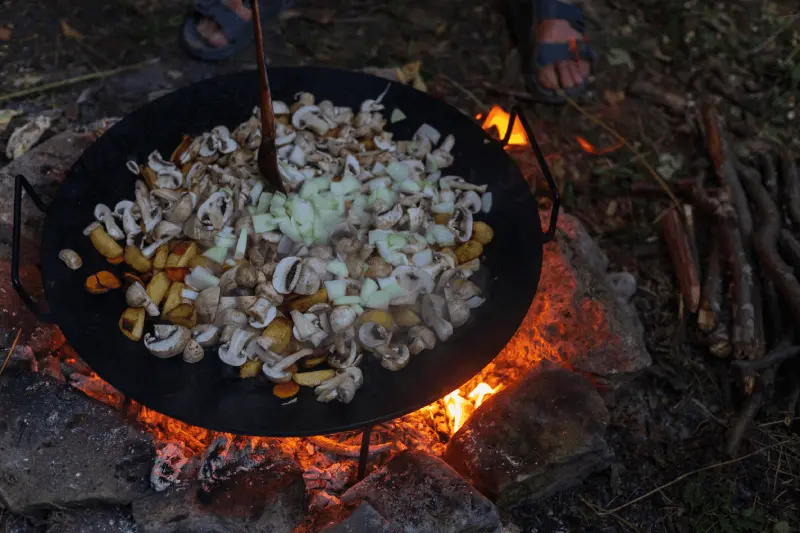
Leftover vegetable dishes from dinner can create a great base for breakfast. For example, you can quickly make a "shakshuka" by heating some leftover ratatouille or sautéed vegetables in a pan and cracking two eggs on top. This method prevents food waste and saves you from the hassle of chopping vegetables early in the morning. Eggs cooked in the spiced vegetable broth create a flavor that you will be eager to dip bread into. Sprinkling a bit of feta cheese or parsley on top will add freshness to the plate. This "advanced transformation" technique is one of the best examples of creativity and efficiency in camping cuisine.
What Is the Strategic Role of Dried Fruits and Nuts in Camping Breakfast?
For campers seeking lightness and high energy density, nuts are worth their weight in gold. Nuts like walnuts, almonds, and hazelnuts provide a feeling of fullness and enhance mental focus.
Dried apricots, figs, or raisins provide a natural source of sugar that gives a quick energy boost. Instead of eating them alone, you can mix them into your oatmeal, add them to your yogurt, or pour them into your honey for consumption. You can also create your own trail mix and take it along as a snack during your post-breakfast hikes. Since these foods do not carry a risk of spoilage, they are a reliable source of nutrition even in the toughest camping conditions.
How Do Different Types of Camp Stoves Affect Cooking Techniques?
The type of stove you use directly determines what you can cook for breakfast. Single-burner small camping stoves heat up quickly but may struggle to carry heavy cast iron pans. These stoves are better suited for pot meals or lighter pans. Gas or multi-fuel stoves perform well even in freezing temperatures and are suitable for large portions. If you are using a bushcraft stove, controlling the heat of a wood fire is more challenging, so you should cook more carefully and continuously stir. Knowing your stove's capacity is the most basic technical knowledge that prevents your food from burning or remaining raw.
How Should Practical Breakfast Sauces and Spreads Be Stored While Camping?
Thick foods like acuka, hummus, or peanut butter enhance the flavor of camp breakfasts. However, carrying them in large glass jars is both heavy and risky. Instead, it is more practical to transfer these sauces into small plastic containers or zip-lock bags. You can cut a small hole in the end of the bag to squeeze the sauce directly onto your bread like a piping bag. This method is both hygienic and does not create mess. Also, remember that these sauces need to be stored in a cooler to prevent spoilage. Homemade sauces you prepare offer a much more nutritious and delicious alternative compared to store-bought products.
Why Should Liquid Intake Not Be Neglected During Camp Breakfast?
While spending time outdoors, water loss (dehydration) can occur unnoticed. Just drinking coffee or tea at breakfast is not sufficient, as caffeine can speed up water loss from the body. Therefore, you should definitely drink at least one large glass of water right before or during breakfast. If you do not like the taste of water, you can flavor it by adding a slice of lemon or a piece of fresh mint. Staying hydrated helps you maintain your performance during physical activities throughout the day and prevents issues like headaches. Especially at high-altitude camps, liquid intake is of vital importance.
How Should Breakfast Be Planned for Those with Gluten Sensitivity?
Planning for gluten-free campers starts at home. Ready-made gluten-free breads sold in stores can dry out quickly in the outdoors, so you should definitely consume them lightly moistened or steamed. Quick pancakes made from corn flour or a potato-based omelet (Spanish tortilla) cooked in a pan are excellent gluten-free options. Additionally, buckwheat porridge can be a filling and healthy source of carbohydrates for breakfast. To avoid cross-contamination, you should be careful to use your own cooking pots and utensils. With the right ingredients, it is possible to enjoy the outdoors without feeling restricted.
What Are the Social and Psychological Effects of Camp Breakfast?
Camp breakfast is not just a physical necessity; it is also a moment of social bonding. Gathering around a fire or a table to plan the day and share evening stories connects people. A shared table strengthens team spirit. Psychologically, a calm breakfast in nature helps you escape the stress of city life and stay present in the moment. The aroma of food, the sound of the wind, and the beauty of the scenery combine to release endorphins in your brain. This holistic experience is the clearest answer to why camping can be so addictive and healing.
What Is the Breakfast Experience Like with a "Dutch Oven" for Advanced Campers?
If you are driving to your campsite and weight is not an issue, you can create wonders with a cast iron "Dutch Oven." You can bury potatoes, sausages, peppers, and eggs in the coals of the fire to cook them in their own steam. It is even possible to make fresh "Dutch Oven" bread or cinnamon rolls in the mornings. This method elevates your camp cooking to an oven performance. Ensuring even heating from all sides enhances the flavor depth of the ingredients. Although this technique requires some patience and fire management skills, the results are always worth the effort and impress everyone at the camp.
What Is the Importance of Using Spices in Camp Breakfast and What Are the Storage Tips?
Spices are the cheapest and most effective way to create wonders with limited ingredients. A simple scrambled egg can turn into a feast with the addition of cumin, black pepper, and chili flakes. The most practical way to store your spices for camping is in empty medicine containers or small laboratory tubes. Additionally, pre-mixing salt, sugar, and black pepper and carrying them in a single container is also practical. To protect your spices from moisture, you can add a few grains of rice inside the containers. Special flavors like mountain thyme or smoked salt help you taste the essence of the campfire in every bite and define the character of your meal.
What Should Be Done to Prevent Energy Drops After Camp Breakfast?
To prevent that infamous feeling of heaviness after breakfast, portion control and ingredient selection are critical. Very heavy and fatty foods can tire your digestive system and make you sleepy. Instead, divide your breakfast into small portions and eat slowly. Engaging in light activities like a short walk right after the meal or cleaning up the area can boost your circulation and metabolism.
revives your lifestyle. Additionally, it is important to avoid excessive simple sugar consumption (honey, jam, white bread) at breakfast and focus on complex carbohydrates, which prevents insulin spikes and ensures a stable energy level throughout the day.What are the final recommendations that will take breakfast in nature to the next level?
The details are what make camping breakfast unforgettable. A beautiful table setting (or a clean tablecloth), a bouquet of flowers picked from nature, or serving with your favorite mug completely changes the atmosphere. Stay away from technology; listen to the sounds around you instead of looking at your phone. Savor the taste of each bite and do not rush. If you have the opportunity, make your breakfast with a different view every day; one day by the lake, one day in the forest, and one day at the rocky peaks. Remember that camping is not a destination, but a journey, and the most beautiful stop on this journey is that breakfast enjoyed in peace.