Is Caravan Holiday Possible in Bozcaada and Gökçeada?
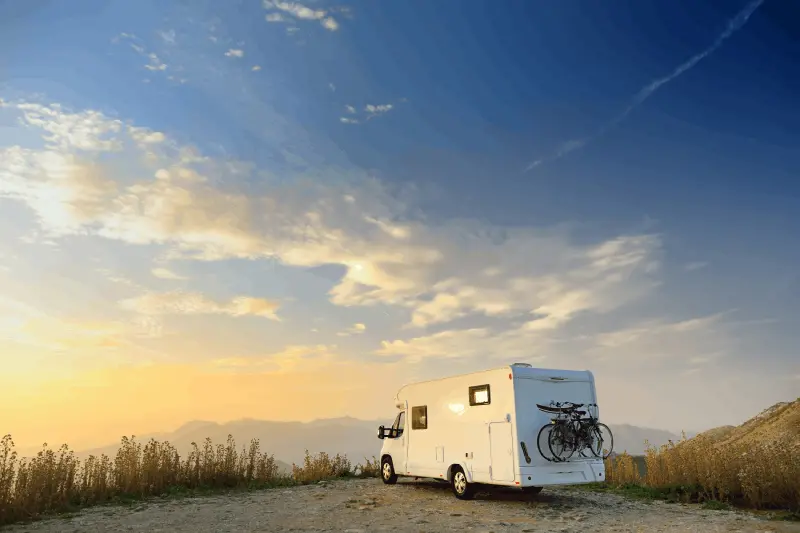
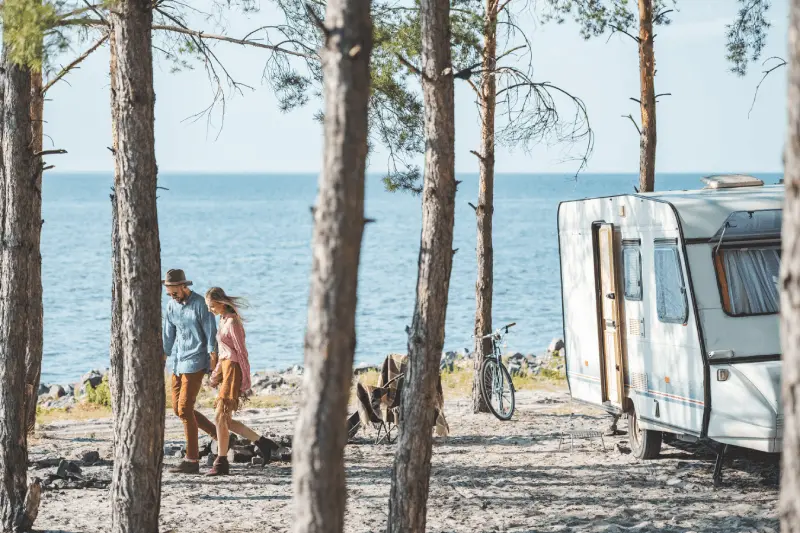
Technically, it is possible to have a caravan holiday in Bozcaada and Gökçeada, but this situation is subject to very strict rules and is limited to certain areas. Both islands are closed to uncontrolled accommodation due to their unique ecosystems, protected areas, and narrow roads. Since Bozcaada is smaller in size, it takes stricter measures to manage caravan traffic, while Gökçeada restricts caravan entry in certain areas due to forest fires and national park status, despite its larger geography. The most fundamental rule that caravan enthusiasts should know before going to these islands is that the understanding of "I can park wherever I want and spend the night there" is not legally valid on either island. Therefore, when planning your holiday, it is essential to base your plans on designated facilities or permitted parking areas to avoid potential penalties.
Is Caravan Accommodation Completely Prohibited in Bozcaada?
Although caravan accommodation is not completely banned in Bozcaada, uncontrolled accommodation, referred to as "wild camping," is strictly prohibited due to the fact that almost the entire island is a natural and archaeological protected area. According to the recent decisions made by the municipal council, it is prohibited for caravans to spend the night on streets, roads, or near uninhabited bays. The only legal place where you can stay overnight with a caravan on the island is the official camping facility located in the south of the island. In other areas, especially in tourist spots like Polente lighthouse or Ayazma beach, caravans are not allowed to spend the night. Gendarmerie teams regularly patrol and impose administrative fines on those who violate this rule. Bozcaada Municipality requires that caravans be seen only as vehicles in motion to maintain the island's carrying capacity, and that licensed areas be used for accommodation.
Which Beaches in Gökçeada Are Prohibited for Caravan Camping?
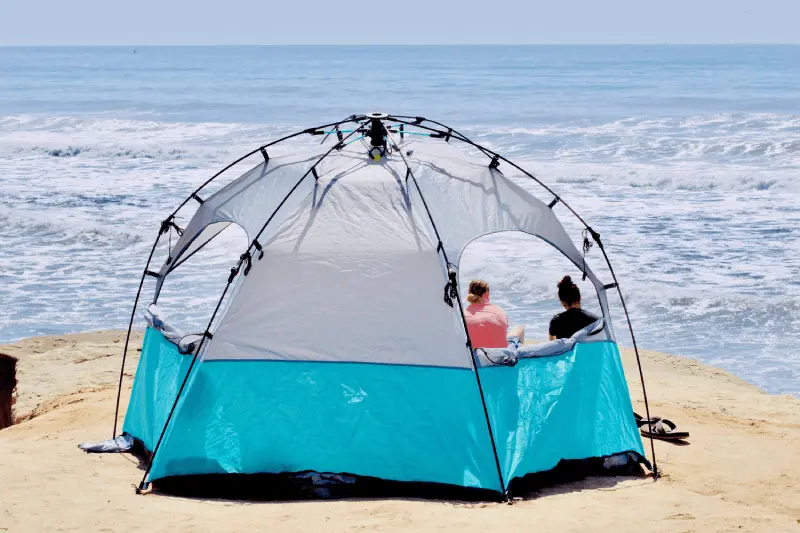
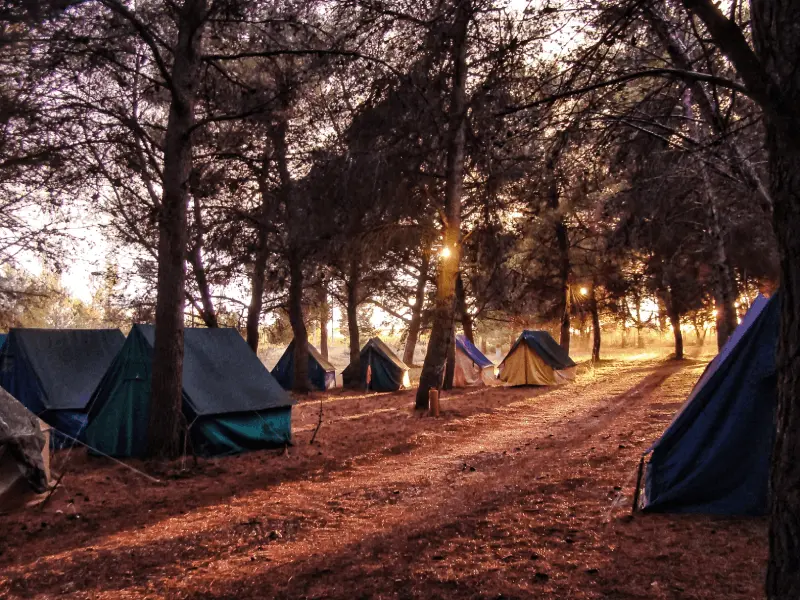
Despite being the largest island in Turkey, Gökçeada has many beaches under protection and is closed to caravan camping. Particularly popular spots like Laz Bay, Yıldızkoy, and Gizli Liman are prohibited for overnight stays to protect both ecological balance and prevent uncontrolled fires. Yıldızkoy is subject to heavy penalties for camping or staying overnight because it is within the boundaries of Turkey's only underwater national park. Uğurlu village and the surrounding pristine beaches are also under gendarmerie control, allowing caravan enthusiasts to spend only daytime hours in these areas. The areas where you can legally stay with a caravan in Gökçeada are generally the camping facilities around Aydıncık beach or designated private facilities near Uğurlu. Staying overnight on the coastline outside these areas is prohibited due to the potential harm to nature.
What Are the Penalties for Staying with a Caravan in Protected Areas?
All of Bozcaada and a large part of Gökçeada have been registered as protected areas at different levels. According to the Law on the Protection of Cultural and Natural Assets numbered 2863, unauthorized construction or settlement in these areas is considered a serious offense. Although the fact that caravans are wheeled may exempt them from being classified as a "structure," staying for long periods in protected areas and leaving waste can still be considered as "damaging natural structures." Caravanners who act contrary to municipal and governorship decisions face significant administrative fines under the Misdemeanor Law. With updates in 2024 and 2025, these fines can reach thousands of lira per person or per vehicle. Additionally, if it is determined that environmental pollution has occurred, legal action may be initiated under Article 181/1 of the Turkish Penal Code. If you are detected by the gendarmerie in a prohibited area, you will be asked to vacate your vehicle immediately, and legal action will be initiated.
What Does the Bozcaada Municipality's Mobile Home Decision Cover?
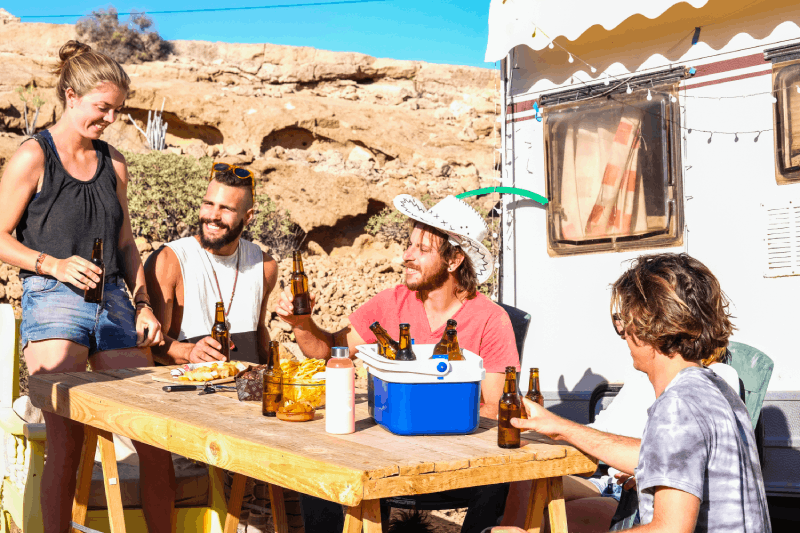
In response to the increasing uncontrolled construction on the island, Bozcaada Municipality has made a very strict decision regarding "Tiny Houses" (small mobile homes) and fixed caravans as of 2025. According to this decision, all wheeled or movable structures that provide accommodation on unlicensed lands must be removed from the island by September 1, 2025. Although this regulation does not directly prohibit caravaners traveling for tourism purposes, it targets those who wish to place their caravans on a plot of land on the island for seasonal use. The municipality has the authority to cut off electricity and water services to such structures and to file criminal complaints against their owners. For traveling caravaners, this means that even if you own land on the island, you cannot use your caravan as a permanent residence; you can only park for short periods in the areas designated by the municipality or stay in an official camping area.
Can You Camp in Gökçeada National Park Areas?
The northern shores of Gökçeada and the area around Yıldızkoy are among Turkey's important marine parks, and the terrestrial areas in these regions are also under protection. According to the regulations of the General Directorate of National Parks, camping, staying overnight with a caravan, or lighting fires is strictly prohibited outside designated areas within declared national park or nature park boundaries. Those wishing to stay with a caravan within the boundaries of Gökçeada Underwater National Park are known to be removed from the area due to the risk of harming the ecosystem. Since these areas are critically important in terms of biological diversity, the goal is to minimize human activities. Those who do not comply with this prohibition are monitored by the Nature Conservation and National Parks (DKMP) teams and may face high fines. If you wish to camp within national park boundaries, you should only choose limited facilities authorized by the administration.
Is There a Free Caravan Area in Bozcaada?
The question of "free accommodation areas," which many caravan users are curious about, unfortunately has a negative answer for Bozcaada. There is no legal and free parking or camping area within the borders of Bozcaada where caravans can spend the night. The municipality does not allow caravans to stay overnight in parking lots in the city center and applies a parking ban on bay roads along the coast for security reasons. The only legal stop for those traveling with a caravan on the island is the private camping area, which charges a fee. Although some travelers may try their luck on uninhabited back roads, due to the sensitivity of the island's residents and the strict control of the gendarmerie, this situation usually results in being removed from the area by midnight. Therefore, when planning your Bozcaada trip, it would be most logical to include camping fees in your accommodation budget or to spend the night by returning to the mainland by ferry.
Can You Take a Ferry to Bozcaada and Gökçeada with a Caravan?
To cross to the islands with a caravan, you need to use the ferries of the Gestaş Maritime Transport Company, but there are some important restrictions and price differences regarding this. The Bozcaada line (Geyikli-Bozcaada) is particularly crowded during the summer months, and it may be difficult to find a place on the ferry for larger caravans; therefore, it is highly recommended to make an online reservation. On the Gökçeada line (Kabatepe-Gökçeada), finding a place is relatively less problematic due to larger ships operating. However, for both lines, high fees similar to "truck" or "bus" tariffs are charged based on the length and width of the caravans. Additionally, during certain busy holiday periods, Bozcaada Municipality may temporarily prohibit vehicles over a certain tonnage from entering the island to reduce traffic congestion. Therefore, it is crucial to check Gestaş's current announcements and vehicle type restrictions before hitting the road.
Which Areas in Gökçeada Are at Risk of Forest Fires?
Gökçeada carries a high risk of fire due to its extremely windy conditions, especially in the summer months, and areas covered with pine forests. The Çanakkale Governorship imposes a ban on entering forests throughout the summer season every year, and this ban also applies to caravan users. Particularly, the wooded areas in the inner parts of the island, the areas around Dereköy, and the forest roads leading to Şirinköy are the most risky and prohibited areas for entering or staying with a caravan. Due to the wind speed, a small campfire or a spark that may come from the caravan kitchen can lead to disasters that cannot be remedied. In inspections conducted by the gendarmerie and forest guards in these areas, heavy fines are imposed on vehicles parked in prohibited forest areas. It is mandatory for caravaners to stay only in beach areas or facilities in open areas for their own safety and the future of the island.
How Do the Tiny House Bans in Bozcaada Affect Caravaners?
The ban on tiny houses (wheeled small homes) and fixed caravans in Bozcaada actually creates a regulatory effect for professional caravaners. Although the municipality has taken this ban to "prevent unauthorized construction," this situation has also complicated the general perception of camping on the island. Caravan users are now treated as "illegal housing" if they leave their vehicles on a plot of land for an extended period. For traveling caravaners, this means that the places where they can park on the island are further reduced. Since inspections have become stricter, security forces are closely monitoring even moving caravans. If your caravan is a trailer and you detach it from your vehicle and leave it somewhere, this may lead to direct intervention by the municipal police. The safest method during this process is not to leave your vehicle overnight in any public area throughout your trip.
Do You Need to Get Permission to Stay Overnight in Gökçeada?
If you are staying in an official camping area in Gökçeada, you do not need to obtain any additional permission; the facility already submits your registration to the gendarmerie by making an identity notification (KBS). However, if you are going to stay with a caravan in someone's garden on private property or in a village settlement, you may need to get approval from the village head or the property owner. There is no procedure like "getting permission" for staying overnight in public areas, beaches, or roadside areas because staying overnight in these areas is generally prohibited. In other words, no public institution will issue you a permission document stating, "You can stay here for one night." Some caravaners prefer to inform gendarmerie stations, but security forces will generally warn you not to stay in illegal areas. In short, instead of chasing after permission to have a peaceful sleep on the island, it is most logical to use licensed and inspected camping areas.
Is It Allowed to Park a Caravan in the Famous Bays of Bozcaada?
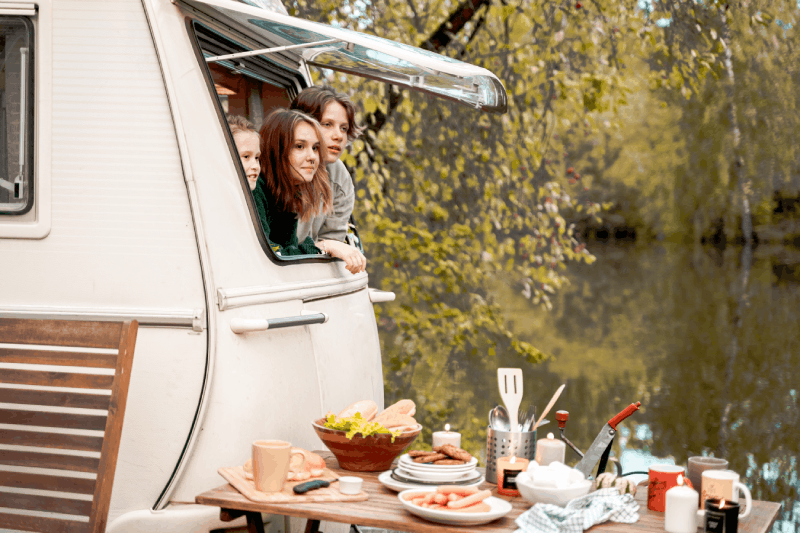
The most famous bays of Bozcaada, such as Ayazma, Habbele, Akvaryum, and Sulubahçe, are suitable for parking caravans during the day, but overnight stays are completely prohibited. There is no problem in coming to the beach during the day, laying down your sunbed, and swimming; however, it is illegal to stay in these areas after sunset. Especially in crowded areas like Ayazma Beach, municipal teams clear the parking lots in the evening. In more pristine spots like Akvaryum Bay, the narrowness of the road may lead to intervention by the gendarmerie as parking caravans can block traffic. While spending time in the bays with a caravan in Bozcaada, you must ensure that your vehicle does not obstruct other vehicles passing on the road. When night falls, it is necessary to leave the bays and move towards a nearby camping area or ferry terminal to avoid penalties.
Can You Go to Hidden and Pristine Bays in Gökçeada with a Caravan?
The roads leading to some hidden and pristine bays in Gökçeada can be quite rough, unpaved, and narrow. These roads pose serious risks, especially for large motorhomes or heavy trailers. For example, the roads around Peynir Kayalıkları or some remote northern bays are only suitable for off-road vehicles. Attempting to enter such areas with a caravan can damage your vehicle and make evacuation impossible in emergencies (fire, health issues, etc.). Additionally, since many of these pristine bays are in protected areas, the sighting of a caravan there may lead to a report to the gendarmerie. While exploring the remote corners of Gökçeada may be tempting for nature enthusiasts, it is a more respectful approach to leave your vehicle in a safe spot and walk or ride a motorcycle to these areas, both for nature's sake and vehicle safety.
Where Are the Caravan Parking Areas Designated by the Municipality?
The municipalities of Bozcaada and Gökçeada have imposed certain restrictions on caravans to manage traffic congestion in city centers. No special municipal parking has been designated for caravans in Bozcaada; existing parking lots are generally arranged for passenger vehicles, making it difficult for caravans to maneuver. Caravan owners usually use the wider plains just outside the center, but overnight stays are still prohibited here. In Gökçeada, large squares or areas around the stadium in the district center are suitable for parking during the day. It is very important for caravan users to understand the difference between a "parking area" and a "camping area"; the parking lots permitted by the municipality are only for leaving your vehicle and exploring the center, and it is prohibited to set up a kitchen, put up a tent, or spend the night in these areas. Attempting to enter the narrow streets of the islands with a caravan will cause significant harm to both you and the island traffic.
What Special Decisions Has the Çanakkale Governorship Made for the Islands?
The Çanakkale Governorship publishes special security and law enforcement decisions for the islands and coastal areas, especially from May when the tourism season begins. The primary decision is the "ban on unauthorized accommodation in forested areas and along the coastline." The governorship has granted extensive powers to gendarmerie and police units to protect the sensitive ecosystem of the islands, increasing the frequency of inspections. The ban on lighting fires is enforced at the highest level every year through published circulars; lighting barbecues or using fire kettles outside of caravans is subject to heavy penalties. Additionally, to prevent noise pollution, operating generators near settlement areas may also be prohibited. It is recommended to check the announcements section of the official website of the Çanakkale Governorship before your trip to confirm whether there are any special prohibitions in effect during your intended travel period.
Are There Facilities for Disposing of Caravan Waste Water in the Islands?
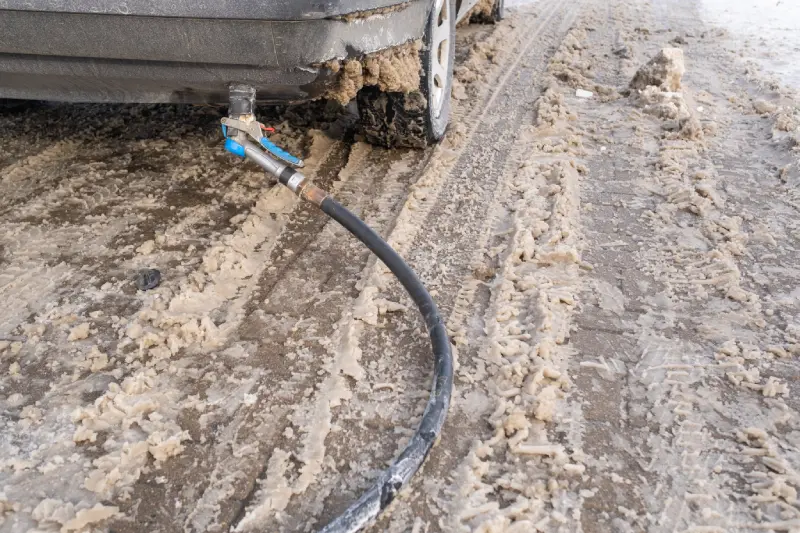
Managing gray and black water waste, which is the most critical aspect of caravan travel, is a significant issue in places like Bozcaada and Gökçeada, where infrastructure is limited. There is no public "caravan waste disposal station" on either island. This situation leads caravaners to secretly dispose of their waste into nature or sewer grates, causing the local population and municipalities to develop negative attitudes towards caravaners. The only legal places where you can dispose of your waste are again private camping facilities. Bozcaada Camping or camping facilities in Gökçeada provide this service for their guests. If you are not staying at a facility, it is impossible to dispose of your waste on the island. As an environmentally conscious caravaner, it is best to dispose of your tanks at facilities on the mainland before crossing to the islands and to minimize waste production during your stay on the islands. Every liter of waste water left in nature causes lasting damage to the islands' underground resources and sea.
Is Camping with a Caravan Prohibited in Bozcaada During Winter?
Camping in Bozcaada during the winter months is subject to the same rules as the summer season, but there are differences in terms of inspections and facilities. The only camping area on the island is usually closed during winter; this means there are no legal accommodation options for caravaners. Although gendarmerie inspections are less frequent in winter, the ban still applies. The island's exposure to very strong north winds during winter also physically makes it difficult to stay in open areas with a caravan. Additionally, there is a risk that ferry services may be canceled for days due to storms; you could get stranded on the island with your caravan. Although Bozcaada is calmer and more peaceful in winter, those wishing to come with a caravan need to solve heating and energy issues on their own and obtain updated information from the municipality regarding accommodation. However, the general practice is that overnight stays in the bays are not permitted even in winter.
Do Hunting Seasons Change Camping Rules in Gökçeada?
The opening of the hunting season at certain times in Gökçeada increases activity in the inner parts of the island and some rural areas. Although the areas where hunting takes place are generally not places where caravans can enter, security inspections are heightened during these periods. The areas used by hunters may sometimes overlap with the areas of interest for campers, posing a security risk. Additionally, during the hunting season, restrictions in forested areas are monitored more strictly. The biggest impact of the hunting season on caravaners is the sound of gunfire in uninhabited areas of the island and the increased frequency of identity checks by the gendarmerie. If you are on the island during this period, you should definitely avoid entering marked hunting grounds and park your vehicle far from main roads. For those who want to stay in harmony with the nature of Gökçeada, the hunting season is a period when some routes may be restricted for security reasons.
What Is the Local Population's Perspective on Caravan Tourism?
Both the people of Bozcaada and Gökçeada have been quite distant and sometimes reactive to the increasing "caravan invasion" in recent years. The main reason for this is that some caravan users leave their waste on the roadside, light uncontrolled fires, and occupy parking lots for extended periods. The islanders believe that caravaners contribute very little to local businesses but consume the island's limited resources (water, sanitation, parking). The main force behind the bans on tiny houses and caravans in Bozcaada is the demand from the local population and civil society organizations to protect the island. The only way for caravaners to break this negative perception is to shop from local businesses, never leave trash behind, and strictly adhere to all prohibitions. Avoiding noise and visual pollution that disturbs the peace of the locals is key to maintaining the island's hospitality.
What Hygiene Rules Should Be Followed When Traveling to the Islands with a Caravan?
When traveling by caravan in the islands, hygiene is critical for both your personal health and environmental health. The water resources of the islands are limited, so you should avoid waste when filling your caravan tanks and only take water from permitted points. Toilet waste (black water) must be kept in sealed tanks and only transferred to licensed disposal points; it must never be disposed of under a tree or in the sea. Kitchen waste water (gray water) should also be managed with the same care. When using trash containers on the island, you should pack your trash well and leave it in a way that does not create odor. Especially since waste collection services are limited in some pristine areas of Gökçeada, it is an ethical rule to carry all your waste with you and leave it at the main collection points in the city center. Using biodegradable products as cleaning materials will help protect the island's sensitive soil structure.
Why Are Archaeological Protected Areas in Bozcaada Being Preserved?
Bozcaada is a historical island known as Tenedos, which has been inhabited since ancient times. There are ancient remains, necropolises, or historical agricultural terraces found beneath or on the surface of the soil almost everywhere on the island. The heavy tonnage of caravans can exert pressure on these sensitive grounds, damaging the archaeological layers below. Additionally, uncontrolled excavations or lighting fires can cause irreversible damage to the historical fabric. The Board for the Protection of Cultural Assets sees these risks as threats to the island's movable structures and uncontrolled accommodation. When staying in a bay in Bozcaada, you should remember that you might actually be on top of an ancient city or in the middle of a historical vineyard. The historical responsibility underlying these prohibitions relates to the fact that the island is not just a holiday resort but a living museum.
Is Caravan Accommodation Prohibited in Ecological Farming Areas in Gökçeada?
Gökçeada is one of Turkey's most important ecological farming centers, and many of its areas are certified organic farming. Entering or parking a caravan in or near these lands can lead to contamination or compaction of the cultivated soil. Farmers practicing ecological agriculture are very sensitive to the risks of exhaust fumes, wastewater leakage, or littering from outside vehicles. Many olive groves and vineyard areas are privately owned, and unauthorized towing a caravan here can be legally considered as "violating property inviolability" or "trespassing." To avoid disrupting the ecological balance of Gökçeada, you should stay away from agricultural lands and only use vehicle paths. If the famous organic products of the island are harmed due to the negligence of caravaners, the local agricultural economy will also be negatively affected.
How Are Security Inspections Conducted for Caravan Travelers?
Security inspections in Bozcaada and Gökçeada are primarily conducted by the Gendarmerie Command and the Municipal Police. Gendarmerie patrols, reinforced with additional teams during the summer season, intensify their inspections, especially after 10:00 PM in bays and uninhabited roads. It is routine to knock on the windows of caravans for identity checks and to verify whether overnight stays are taking place. If it is determined that you are sleeping in your vehicle, you will be asked to leave the area immediately, and an administrative penalty report will be prepared against you. In some cases, drone-assisted inspections are also conducted to detect illegal campers in inaccessible bays. Exhibiting aggressive behavior during inspections or continuing to violate the law can lead to serious consequences, including the towing of your vehicle. Being polite to security forces and promptly following their warnings is essential to ensure your holiday does not end unpleasantly.
Where to Go for Star Gazing in Gökçeada with a Caravan?
Thanks to its low light pollution, Gökçeada is a great place for sky enthusiasts and those who want to stargaze. However, going to uninhabited hills with a caravan to spend the night there is subject to legal restrictions. If you want to stargaze, the best method is to go to your observation point after dinner, enjoy the stars until midnight, and return to your legal camping area to sleep. The Çınaraltı area above Tepeköy or the high points of the island are ideal for observation, but overnight stays are prohibited there. The most common mistake caravaners make is to say, "We are just looking at the stars" and retreat to their beds; for the gendarmerie teams, this is the same as staying overnight. If you plan to photograph the night sky, it is safest to set up your equipment and leave the area after taking your shots.
Can You Stay with a Caravan in Places Where the Sunset is Watched in Bozcaada?
When it comes to watching the sunset in Bozcaada, the first place that comes to mind is Polente Lighthouse and the windmills. This is the most iconic spot on the island, where hundreds of vehicles and people gather every evening. However, shortly after sunset, gendarmerie and municipal teams completely clear the area. Staying overnight with a caravan in the Polente area is strictly prohibited, and this rule is enforced very strictly here. The area's cliff edge and the intensity of the wind also bring security risks. After watching the sunset and sipping your drink, you must leave the area with the crowd. While some caravaners may try to hide in the back roads behind the windmills, these areas are also regularly monitored. Although waking up to this unique view of Bozcaada may seem like a dream, it is not possible within the framework of existing laws.
How Should the Equipment of the Caravan Be According to the Island's Prohibitions?
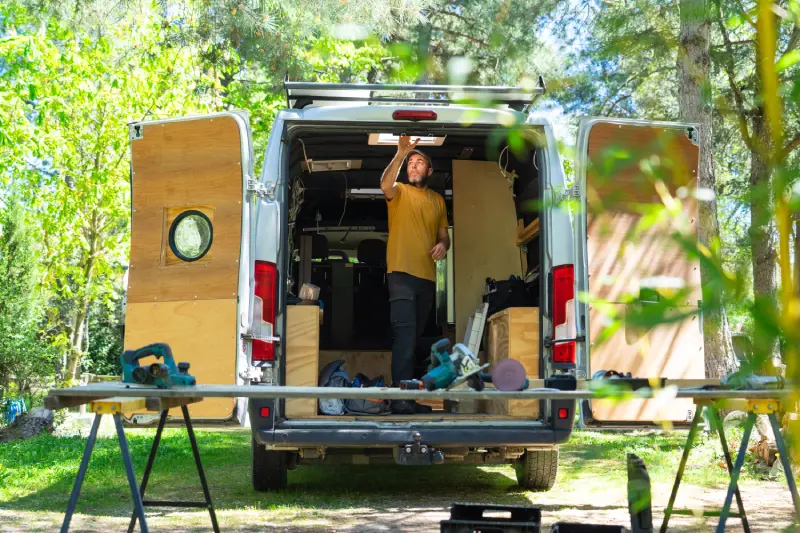
The prohibitions and limited facilities on the islands require that your caravan be "self-contained." Actions such as taking out tables and chairs or opening awnings are considered signs of "camping" and can expedite your inclusion in the prohibitions. Therefore, your caravan should have a setup that allows you to meet all your needs without taking anything outside. Solar panels and sufficient battery capacity should meet your energy needs without the need to operate a generator (as this would alert the gendarmerie during noise complaints). Large waste water tanks should be of sufficient size to last until you find a disposal site on the island. If you have a trailer, you should have equipment suitable for parking without detaching it from your vehicle (stabilizers, locks, etc.). Being an "invisible" caravaner on the islands, meaning appearing as just a parked vehicle from the outside, can sometimes help you avoid problems during short breaks.
Is Long-Term Accommodation with a Caravan Legal on the Islands?
Long-term accommodation with a caravan on the islands is only possible in an official camping facility. Staying for days on a beach or roadside is not only prohibited but has also been made physically impossible. The municipality can define caravans that exceed a certain duration and do not move as "abandoned vehicles" or "unauthorized accommodation units" and remove them to a storage parking lot with the help of a tow truck. Especially the "mobile structure evacuation" decision of Bozcaada in 2025 aims to completely end long-term accommodations. If you want to stay on the island throughout the summer, it is most legal and peaceful to make a seasonal agreement with a camping area. Even if you own land, you cannot use your caravan there as a permanent home, and you should remember that the municipality will not provide infrastructure services and may initiate legal action.
Where Are the Most Difficult Areas to Access with a Caravan in Gökçeada?
Some bay roads in the western and northwestern regions of Gökçeada are a complete nightmare for caravans. Especially some dirt roads and steep slopes after Uğurlu village can damage the chassis or engine of the caravan. Additionally, the streets of the old Greek villages in the inner parts of the island (Zeytinli, Dereköy, Tepeköy) are very narrow and paved with stones; attempting to enter these areas with a caravan can damage the vehicle and completely block traffic within the village. The safest routes for caravaners are the coastal areas with asphalt roads and main connecting roads. Before determining a route in Gökçeada, examining satellite images and checking the road's slope/width can be life-saving. It is more prudent to follow signs rather than relying on navigation devices that sometimes indicate "path" roads as the shortest route, which may not be suitable for caravans.
Does the Traffic Regulation in Bozcaada Cover Caravans?
Bozcaada Municipality closes certain streets to traffic and restricts vehicle entries to reduce traffic congestion in the island center during the summer months. Due to their size, caravans are the most affected vehicles by these traffic regulations. Generally, caravan entry into the narrow streets of the city center is not allowed, and vehicles are directed to parking lots outside the center. Additionally, due to the congestion caused by vehicles waiting in line for the ferry, there is no separate lane or waiting area for caravans, so you need to be patient. Stopping caravans in some areas of the island (for example, around the castle or the ferry square) is also prohibited as it disrupts traffic flow. It is essential to strictly adhere to traffic signs and police directions while moving in Bozcaada for your safety and the comfort of other drivers.
What Responsibilities Fall on Caravaners for Sustainable Island Tourism?
While caravaning is the closest form of tourism to nature, it also brings significant responsibility on the islands. For sustainable tourism, caravaners should operate under the "zero waste" principle. Instead of demanding the island's limited water and electricity resources, they should adopt a model that generates its own energy and conserves water. Instead of violating prohibitions, it is necessary to understand why these prohibitions are in place (to protect the ecosystem, reduce fire risk) and act accordingly. Instead of clashing with the local population, showing them respect, avoiding noise, and preserving the island's natural silence is the duty of every caravaner. If we as caravaners show this sensitivity, perhaps in the future, municipalities may take steps to create more legal caravan parking areas. Remember that every rule violation leads to stricter prohibitions the following year.
What Are the Final Recommendations for Those Planning to Travel to the Islands with a Caravan?
If you plan to go to Bozcaada and Gökçeada with a caravan, you should make all your reservations (ferry and camping) weeks in advance. When you arrive on the islands, the thought of "I'll find a place anyway" may lead to disappointment. It is advisable to carry a sufficient amount of clean water and food supplies with you to minimize the use of the island's limited resources. Review current maps showing prohibited areas and never ignore the warnings of the gendarmerie. Considering the island's winds and sunlight, check your caravan equipment. Most importantly, view this trip not just as "accommodation" but as an "experience"; not being able to sleep in a bay due to prohibitions does not prevent you from enjoying the beauty of that bay during the day. As long as you respect nature and comply with the rules, these two islands will continue to offer you some of the most beautiful views of your life.