
Why is a Gas Leak Detector in a Caravan of Vital Importance?
Caravans have a naturally limited living space. This confined area can lead to the rapid depletion of oxygen in the environment in the event of a gas leak, causing gas concentrations to reach lethal levels within seconds. A gas leak detector acts like a sentinel that detects dangers that a person may not always perceive with their five senses. Especially during sleep, when our sense of smell is weakened, the loud alarm of the detector can be the only life-saving element. Gas leaks can lead not only to poisoning but also to disasters such as explosions and fires. Therefore, a caravan's gas safety system must be as complete and functional as its electrical installation. This technological layer of protection is indispensable for safe travel.
What is the Role of LPG and Propane Gases in Caravan Life?
The most practical and efficient way to meet energy needs in caravanning is the use of LPG or propane gas. Many functions, from cooking to heating water, from warming the environment to operating the refrigerator, are realized thanks to these gases. However, since these gases are heavier than air, they sink to the ground instead of rising quickly at the moment of a leak. This situation makes it difficult to detect the leak while causing an explosive layer to form at the bottom of the caravan. Although the chemical structure of the gas is excellent in terms of energy efficiency, it becomes a significant threat when uncontrolled. For caravanners, the use of these gases is a standard of comfort, but as a price for this comfort, safe storage and leak detection systems must be established. How and where the gas is stored, as well as how leaks will be detected at the moment of occurrence, should be a part of caravan design.
How Does the Volume Risk of a Caravan Increase During a Leak?
A small gas leak in a house's living room can disperse due to the large volume and high ceilings, while the situation is entirely different in a caravan. The average internal volume of a caravan may not even be one-tenth of a standard room. This small volume dramatically increases the rate at which gas mixes with air. Due to the very short time it takes to reach the lower explosive limit (LEL), even a small spark can cause the caravan to explode completely. Additionally, gases that quickly replace oxygen can lead to asphyxiation, making breathing impossible. Since escape options are also limited in this confined space, receiving a warning in the first seconds of a leak is the only way to avoid disaster. For this reason, as the volume decreases, the sensitivity and necessity of safety measures increase proportionally.
Why is Carbon Monoxide Poisoning a Silent Threat?
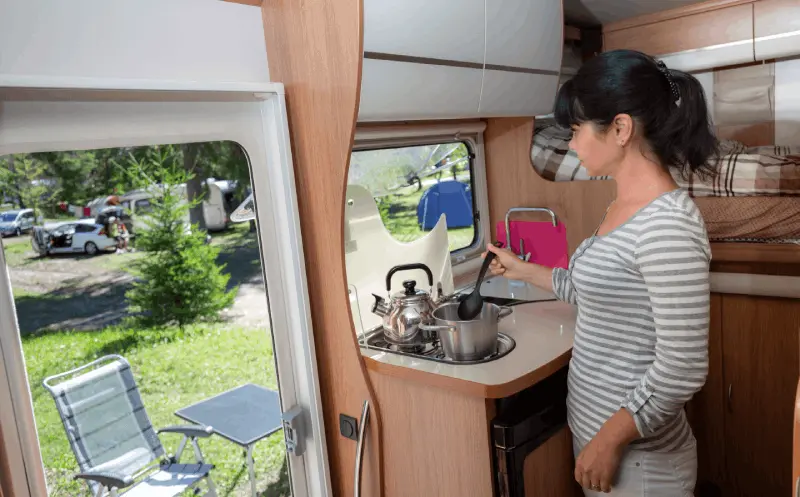
When gas leaks are mentioned, only combustible gas leaks come to mind, but carbon monoxide (CO), one of the combustion products, is a much more insidious danger. Carbon monoxide is colorless, odorless, and tasteless; for this reason, it is called the "silent killer." It arises from the incomplete combustion of heaters or stoves in the caravan. The human body cannot detect this gas, and when inhaled, it binds to hemoglobin in the blood faster than oxygen, preventing oxygen from reaching the tissues. Since the initial symptoms are mild headaches or fatigue, people often want to fall asleep, which can lead to fatal outcomes. It is impossible to detect this gas without a special carbon monoxide detector or a multi-functional gas detector. A device that monitors the combustion processes inside the caravan ensures your safety by tracking even the slightest increase in CO in the air while you sleep.
Why is it Impossible to Detect a Gas Leak While Sleeping?
Although the human brain reacts to external stimuli at a certain level during sleep, the sense of smell is almost entirely out of function during this process. Research shows that a person in deep sleep may not wake up despite the strong smell of gas. The sedative effect of the gas combined with deep sleep can cause a person to fall into a coma without realizing the danger. A heater running throughout the night in the caravan or a leaking connection point can lead to the morning never coming if there is no detector. The most critical task of a gas leak detector is to "smell" and analyze the air in your place while you sleep. The high-pitched and loud sound of the alarm directly stimulates the central nervous system, ensuring that you wake up even from the deepest sleep. These devices are the most loyal security guards that prevent your holiday with loved ones from ending in tragedy.
How Many Different Types of Caravan Gas Detectors Are There?
Detectors used in caravans are generally divided into three main categories according to the type of gas they detect. The first is LPG detectors that are mounted close to the ground and detect explosive gases like butane/propane. The second is Carbon Monoxide (CO) detectors that track the toxic gas produced as a result of combustion. The third is detectors that specifically detect narcotic gases commonly used for theft purposes in Europe. Nowadays, the ideal solution for caravanners is "3-in-1" or "Combo" type detectors that combine these three functions in a single device. Since the physical properties of each gas are different, the sensor technology of the detector is also developed accordingly. Instead of choosing a single type of detector, creating a comprehensive protection network based on the travel route and the list of devices in the caravan is the most accurate approach.
What Should Be Considered When Choosing the Installation Location of the Detector?
The performance of a gas detector depends on... It is directly related to where it is mounted. Incorrect placement can cause the detector to either detect leaks very late or not detect them at all. Since LPG and propane gases are heavier than air, sensors that detect these gases should be installed approximately 15-30 centimeters above the ground, close to the gas installation or devices. If a carbon monoxide detector is installed, since CO gas has a similar weight to air and rises with heated air, these detectors are usually placed at eye level or closer to the ceiling. It is important that detectors are not placed right next to doors or windows where air circulation is very intense; because clean air can mislead the sensor. Additionally, a location should be chosen that prevents dust from accumulating on the sensor or physically blocking it, and can be easily checked.
What Potential Risks Do Kitchen Stoves and Heaters Pose?
Stoves in the caravan kitchen and heaters in the interior (webasto, truma, etc.) are the most actively used points of the gas installation. The connection fittings of these devices can loosen over time due to vibrations or create micro-cracks in flexible hoses. Especially in a moving vehicle, these vibrations are unavoidable. If the flame of the stove is extinguished by the wind and the safety valve does not work, there can be a continuous flow of gas into the interior. Similarly, a deformation in the exhaust pipes of the heaters can cause toxic smoke to leak into the interior. Even if periodic maintenance is performed on these devices, unexpected malfunctions can occur at any time. The detector catches the consequences of such technical faults from the very beginning, preventing a major disaster. A detector located near the devices is the safety barrier that responds the fastest to the source of the leak.
What is the Lifespan of the Gas Installation Used in Caravans?
The gas installation components in caravans are exposed to constantly changing temperatures, humid environments, and road shocks. This leads to a much faster wear of materials compared to normal home installations. Generally, it is recommended to replace gas hoses every 2 to 5 years, and regulators (detectors) at least every 10 years. The sealing pastes or washers at the joints of metal pipes can also dry out and lose their properties over time. Whether the installation is full or not, unseen corrosion or manufacturing defects always pose a risk. The installation of a detector is the most effective proactive measure against the aging of the installation. A detector is an early warning system that tells you "the installation is no longer safe." Using an aging installation without a detector is like traveling with a pulled pin hand grenade.
Is Protecting Against Narcotic Gases a Preference or a Necessity?
For caravaners staying on European highways or in isolated campsites, "knocking out with narcotic gas" is a serious source of concern. Thieves can spray narcotic spray or gas into the caravan through ventilation gaps or door seals, incapacitating those inside and then carrying out the robbery. Standard LPG detectors may not always detect these types of light and volatile narcotic gases. Therefore, devices that include narcotic gas sensors are not just a luxury for security-conscious caravaners, but a necessity for peace of mind while traveling. Even if the amount of gas in such attacks is very small, the sensitivity of the detector will trigger an alarm, waking you up and scaring off the thief. You need to protect your safety not only against installation leaks but also against malicious external interventions.
Why is the Alarm Sound Level of the Detector a Critical Parameter?
No matter how sensitive a gas leak detector is, if the alarm sound is not loud enough to wake you from sleep, it cannot fully perform its duty. Caravans are generally well-insulated vehicles, and the sound of wind or rain outside can create noise inside. Additionally, the sound threshold for someone sleeping under a sleeping bag or thick blankets increases. A quality caravan detector should typically have a piercing siren sound at a level of 85 decibels (dB) or higher. This sound level is designed to alert those inside and attract the attention of nearby campers. You should personally test the sound level by pressing the "Test" button on the device you are going to purchase and ensure that this sound will truly startle you awake. The strength of the alarm is your greatest ally in the last seconds before the leak becomes fatal.
How Do Calibration and Maintenance Processes of Devices Work?
Gas detectors continuously analyze the air through sensitive chemical or semi-conductor sensors inside. The accuracy of these sensors can decrease over time or become contaminated by factors such as dust, cooking vapor, and humidity. Therefore, detectors must be periodically maintained and tested. At least once a month, the test button on the device should be pressed to confirm that both the electronic circuit and the siren are functioning. Additionally, when the "service life" specified in the device's user manual expires (usually 5-7 years), the device should be completely replaced even if the sensors appear to be in good condition. Some professional models have intelligent systems that automatically check the calibration of the sensor. Cleaning the dust accumulated on your detector with a light brush or by blowing air improves the sensor's response time. A neglected detector can give you a false sense of security, remaining silent in the face of real danger. webp">
What Are the Differences Between Gas Detectors That Work with Batteries and Fixed-Wired Detectors?
There are two main types of detectors available on the market for caravans: independent models that operate with a 9V or AA battery and fixed-wired models connected to the caravan's 12V life battery. The installation of battery-operated models is very easy and does not require any wiring; however, the risk of the battery running out is always a weak point. Fixed-wired 12V models continue to operate as long as the caravan's energy system is functional and generally use more sensitive industrial sensors. Since gas detectors require a certain heating energy to analyze the air, those connected to the 12V system usually offer more stable performance. However, in both types, it is crucial to ensure that the power is not cut off. In an ideal setup, having a detector connected to the 12V main system alongside a battery-operated carbon monoxide detector minimizes risk by providing "dual-layer protection" for backup.
What Installations Should Be Avoided to Minimize False Alarms?
The biggest problem with gas detectors is that they sometimes give "false alarms." Cooking steam in the kitchen, perfumes used in excessive doses, deodorants, or cleaning products can mislead the sensor and cause the alarm to go off. Such situations can lead the user to turn off the detector after a while, which is the biggest danger. To prevent false alarms, the detector should not be placed directly above the stove but at least 1-2 meters away. Additionally, it should be mounted away from pet toilet areas or direct ventilation outlets. Placing the device near the bathroom door, where humidity is very high, can also shorten the sensor's lifespan. Proper placement ensures that the device only activates in real dangers, maintaining your confidence. Finding the balance between the detector's sensitivity and your lifestyle is the key to a peaceful camping experience.
What Steps Should Be Taken Without Panic in Case of a Gas Leak?
The first thing to do when the detector alarm goes off is to never touch electrical switches or strike a match. A small spark from an electrical switch can cause the leaking gas to explode. The first step is to quickly open all doors and windows while holding your breath to ventilate the caravan. Then, you should immediately close the gas valve outside to stop the gas flow. If there is a strong smell inside or if you feel weak, you should immediately exit to fresh air and evacuate other passengers. You should not reopen the gas system until the caravan is fully ventilated and the source of the leak has been detected and repaired by a professional service. Staying calm helps you make the right decision in such emergencies. Having a pre-prepared "emergency plan" and the detector's warning can turn the worst-case scenario into a simple technical malfunction.
How Are Leak Tests Conducted in Caravan Installations?
It is not enough to rely solely on the detector to detect gas leaks; regular manual checks should also be performed. The simplest method is to apply soapy water or special leak detection sprays to the joints and hoses of the gas installation. If bubbles form at any point, it indicates a gas leak. Additionally, with "pressure gauge regulators" that can be integrated into the caravan's gas system, you can close the valve and observe whether there is a pressure drop after waiting for a while. If the pressure drops, it indicates an unseen leak in the system. It is recommended to perform these tests at least twice a year, especially before winter camping and after long stays. Professional caravan services conduct pressure leak tests, which are the most reliable method. Performing these checks without waiting for your detector to alarm will take your safety a step further.
How Does the Replacement of Regulators and Hoses Affect Safety?
The regulator (detantör) that reduces the gas pressure in the caravan and the hoses that carry the gas are the most critical parts of the system. When the regulator malfunctions, it can send gas at very high pressure, which can damage devices and lead to significant leaks. A hardened or ruptured hose can burst at any moment on bumpy roads. These parts usually have production dates written on them; these dates should be checked regularly. Using quality, standard-compliant (like EN 1949) parts makes the detector's job easier and cuts risks at the source. Using cheap or low-quality materials puts your valuable caravan and life at risk. Remember that the detector is just a warning device; true safety begins with a properly functioning, quality, and well-maintained installation. Checking connections with leak detection spray after every replacement is a golden rule.
What Is the Role of Ventilation Vents in Gas Safety?
Many caravan owners make the mistake of closing the ventilation vents on the floor or door to prevent the interior from getting cold in winter. However, these vents are vital discharge points for gas safety. Since LPG is heavier than air, the only place where the gas can be discharged outside is these lower vents. Additionally, a continuous airflow is essential for refreshing the oxygen inside and preventing carbon monoxide buildup. Covering the vents with carpets or blocking them with insulation materials can cause gas to be trapped inside in the event of a leak, accelerating poisoning despite the detector's alarm. A safe caravan design is based on the harmony of "natural ventilation" and "active detector." Keeping ventilation vents always open and clean provides passive protection, giving the detector more time to react.
Why Is Gas Safety More Sensitive for Children and Pets?
Gas poisoning When it comes to children and pets, they are much more vulnerable than adults. Their metabolisms are faster and their body masses are smaller, so they are affected by toxic gases in a much shorter time. Additionally, in a scenario where the gas is released to the ground, babies and pets (cats, dogs) that are closer to the ground will be the first to inhale the gas. While an adult may feel a headache, a pet on the ground may have already lost consciousness. This situation highlights the importance of mounting the detector close to the ground. During family vacations, it is essential that the detector is always in working condition to protect the smallest individuals. Their health is your responsibility, and a gas detector is the most important tool that helps you fulfill this responsibility.
How Should We Check the Gas System When Buying a Used Caravan?
Buying a used caravan can be exciting, but the technical details behind the visual beauty can pose vital risks. Amateur modifications made by the previous owner, the use of incorrect type hoses, or the detector being expired are common issues. Before taking delivery of the vehicle, a gas leak report should be requested or it should be tested at a professional service. The brand of the detector, its production date, and functionality should be checked one by one. If there is no detector in the caravan, this should not be a bargaining point but rather seen as a deficiency that needs to be addressed immediately. Neglecting the gas system can later become very costly. Setting off with a gas system you are not sure of its safety can turn your vacation into a nightmare. As a first step, installing a new and quality detector set should be your initial investment in your new caravan.
What Are the Heating Source Risks in Winter Camps?
Winter camping is the period when most time is spent inside the caravan and heaters operate continuously for 24 hours. Due to the freezing cold outside, windows are tightly closed and ventilation is minimized. This situation prepares the ground for both a decrease in oxygen and the accumulation of gas leaks that may occur as a result of combustion inside. Especially if catalytic stoves or old heaters without an external chimney are used, the risk of carbon monoxide skyrockets. The humidity and sweating that occur inside the caravan during winter can also affect the sensors of electronic detectors. Therefore, before going to winter camps, the detector's batteries should be refreshed and its sensors checked. In cold weather, the pressure of the gas may decrease, causing the system connections to be strained more. The secret to a warm and safe environment in winter is not only a good heater but also a sensitive detector that monitors that heater.
What Do Gas Safety Certificates Mean for Caravanners?
In many countries, it is mandatory for caravans to periodically undergo a "Gas Safety Inspection" (such as standards like G607). In these inspections, the pressure of the system, the combustion quality of the devices, and the adequacy of ventilation are checked. Having this certificate is proof that your vehicle is technically safe. However, the certificate only reflects the condition at the time of inspection; bumps on the road can create a new leak at any moment. At this point, the detector acts as a device that performs "instant and continuous inspection." A combination of a certified system and a quality detector represents the highest safety standards. Some camping areas and insurance companies may require such documents or the presence of a detector. Keeping track of safety certificates ensures that you fulfill your legal responsibilities and helps you feel at ease throughout your journey.
How Have Technological Developments Changed Gas Detectors?
In the past, gas detectors were simple devices that only made noise; however, today they have been integrated with smart technology. New generation detectors not only make noise when they detect a leak but also send notifications to your phone. If your caravan has a smart system, the detector can trigger a solenoid valve that automatically shuts off the gas valve as soon as it detects a leak. Additionally, some models provide a comprehensive report by monitoring the air quality, humidity, and temperature of the indoor environment. With these Wi-Fi or Bluetooth-connected devices, you can check whether your vehicle is safe even if you are not in the caravan. Utilizing these technological capabilities provides significant comfort and security, especially for caravanners who need remote monitoring. A modern caravan deserves modern and smart security solutions.
Why Is Gas Safety Important in Caravan Insurance Coverage?
Caravan insurances generally cover damages such as fire and explosion; however, insurance companies check whether there was "negligence" when investigating the cause of the damage. If your gas system does not comply with standards or necessary safety measures (such as a detector) have not been taken, there may be issues with damage compensation. In fact, some policies require the presence of certain safety equipment. Using a gas leak detector not only protects your life but also secures the insurance coverage of your caravan, which is a significant financial investment. Being seen as a "responsible user" in the eyes of the insurance company ensures that processes proceed more quickly and smoothly in the event of a potential accident. The cost of a detector pales in comparison to your insurance premium or what you might lose in the event of damage. Never neglect your technical safety for your financial peace of mind. Don't hesitate.
What is the Cost of Detectors as an Economic Safety Solution?
The equipment used in caravanning is generally expensive; however, gas leak detectors are quite economical devices compared to the protection they offer. While there are options available for every budget in the market, it is advisable to avoid very cheap and unbranded products. A mid-range quality detector can cost less than a tank of fuel. The "peace of mind" gained from this small investment is invaluable. Before purchasing an expensive solar panel or a luxury sofa for your caravan, you should allocate your budget for safety equipment. The detector is the "hidden hero" of your caravan; you may forget its presence, but it connects you and your loved ones to life at the most critical moment. From an economic perspective, owning a detector is the cheapest insurance against the enormous costs that may arise after a potential accident (hospital expenses, vehicle repairs, etc.).
What Should Be Done When a Gas Smell is Detected in the Caravan?
Whether you have a detector or not, you must act within seconds when you smell a faint gas odor or hear a hissing sound. First, immediately extinguish all sources of fire (stove, candle, cigarette). Turn off the main gas valve of the caravan from the pipe. Open doors, windows, and roof vents fully to ventilate the inside air. Do not turn on electrical devices or unplug those that are closed; even static electricity can be dangerous. If the smell is strong, leave the caravan and wait at a safe distance. Never use a lighter to find the leak; instead, use soapy water or a leak detection spray. If you cannot solve the problem on your own, definitely seek support from a professional. Remember that gas does not come with a warning; even the slightest suspicion requires the utmost caution.
How to Prepare a Checklist for a Safe Caravan Holiday?
Before every trip, implementing a small checklist for the gas system can prevent major issues. This list should include: 1. Press the test button on the detector to confirm it is working. 2. Physically check the pipe connections and the detector. 3. Visually inspect the production date of the gas hoses and check for cracks. 4. Ensure that the ventilation outlets are open and clean. 5. Check the presence of spare batteries (for the detector) inside the caravan. 6. Test whether the safety valves of the kitchen stove are functioning properly. These simple steps will only take 5 minutes but will give you peace of mind throughout your journey. A disciplined caravanner is someone who does not leave their safety to chance. This checklist is a safety protocol that guarantees your holiday is filled only with enjoyable moments.
What Are the Common Mistakes and Corrections Made During Installation?
Caravan owners can sometimes make critical mistakes when installing detectors on their own. The most common mistake is mounting the LPG detector on the ceiling and the carbon monoxide detector on the floor; this is completely contrary to the physical properties of these gases. Another mistake is placing the detector directly above the stove, which can cause the device to become constantly oily and give false alarms. Not using a fuse during wiring or connecting to the wrong voltage can also lead to the device burning out. In proper installation, the wires should be secured in a way that they are not affected by vibrations, and connections should be protected against oxidation. If you do not have experience with electricity and gas, having the installation done by a professional caravan service is the safest way. Following the installation guide word for word ensures that you reach the level of protection anticipated by the manufacturer.
How Will Caravan Safety Standards Change in the Future?
With the increasing popularity of caravanning worldwide, safety standards are also becoming stricter. In the future, it is expected that multi-sensor systems and automatic gas shut-off valves will be mandatory in all caravans as factory installations. Additionally, thanks to AI-supported sensors, devices that can distinguish between a gas leak and just food odors with 100% accuracy will become widespread. As caravans transition to the "smart home" concept, all safety data will be transferred to cloud systems, and periodic maintenance times will be automatically reminded by the system. Although eco-friendly approaches may lead to gas systems being replaced by electricity, gas safety will still remain a crucial issue in hybrid systems. The caravanner of the future will be able to spend time in nature much more safely and fearlessly with the opportunities offered by technology.
Is a Detector Essential for a Peaceful Sleep?
As we reach the end of a blog post, the most fundamental question we should ask ourselves is: "Is the value of my life and my loved ones less than the cost of a detector?" Of course not. Installing a gas leak detector in the caravan is not a choice but a necessity. It is a guardian that silently performs its duty while you enjoy nature or sleep peacefully under the stars. Technology complements human vulnerability against an unseen, odorless, and tasteless danger. There is freedom in the spirit of caravanning, but true freedom can only be achieved when you know you are safe. Before you embark on your next trip, make sure that the small device in your caravan is lit green and protecting you. Remember, the best holiday is the one where you return home safe and sound, and the gas detector is the most loyal assurance of that return.