Why is Safety the Most Important Criterion in Choosing a Camping Stove?
When spending time outdoors, the risks one may encounter include uncontrolled fires and gas leaks. In an environment far from the comforts of the city, where medical assistance may be hours away, a simple kitchen accident can lead to serious injuries or forest fires. Beginners are more likely to make mistakes because they are not fully familiar with the pressure systems of stoves, types of fuel, and the effects of wind on flames. Therefore, models that are free from technical complexity, equipped with automatic safety systems, and have the least physical risk of tipping over should be preferred. Safety means not only that the stove does not explode but also that its ease of use prevents the user from panicking.
Why are Butane-Propane Gas Stoves the Most Practical Option for Beginners?
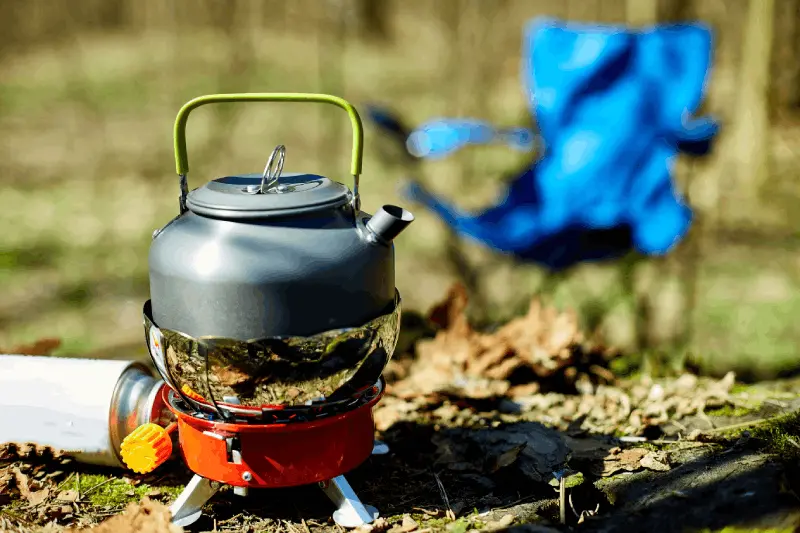
Stoves that operate with butane-propane mixed gas cartridges are one of the greatest conveniences of modern camping. The main reason these systems are considered safe for beginners is their "plug-and-play" logic. You do not need to fill the fuel into a pump, preheat, or deal with complex seals that risk leaks. You screw the cartridge onto the stove, open the valve, and ignite it. The flame height can be adjusted precisely, ensuring that you have complete control while cooking. Additionally, gas cartridges are equipped with non-leak valve systems; when you remove the cartridge, the gas flow is automatically cut off, providing a significant safety advantage during transport.
What is the Safety Difference Between Screw-On Gas Cartridges and Push-On Cartridges?
There are basically two types of gas cartridge connection systems on the market: screw-on (Lindal valve) and push-on (Easy-Click) systems. From a safety perspective, screw-on systems are considered much more reliable for beginners. This is because the screw connection is physically more robust and guarantees that the stove sits properly on the cartridge. In push-on systems, if the installation is not done correctly, small leaks can occur, or the stove can come off during a jolt. Screw cartridges are an international standard and provide dual-layer sealing thanks to rubber seals called o-rings. For a beginner, feeling the "twist and tighten" sensation ensures psychologically that the stove is seated correctly.
How Does Using a Windshield Affect the Explosion Risk of the Stove?
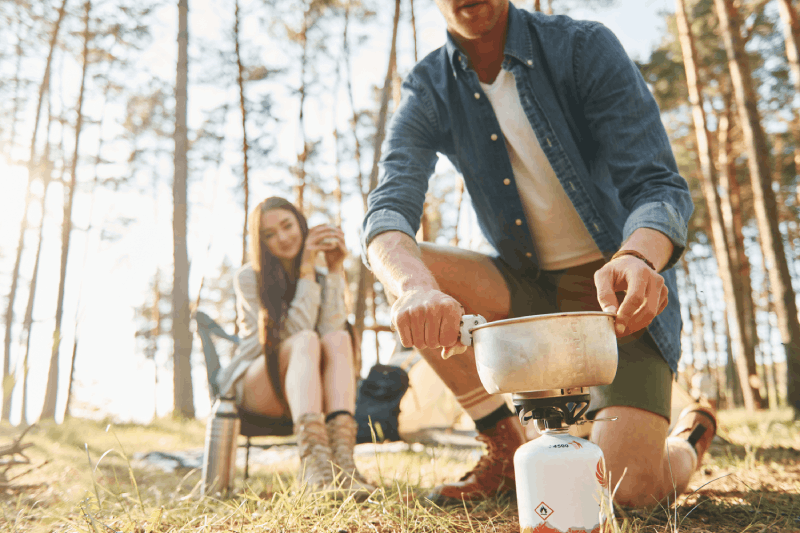
Many campers use a windshield to prevent the stove from being extinguished. However, incorrect use of this simple equipment, especially in models where the cartridge is underneath the stove, poses a significant safety risk. If the windshield is set up in a very narrow area that completely surrounds the stove and gas cartridge, the heat radiating from the flame can cause the cartridge to overheat. An overheated gas cartridge carries the risk of explosion due to increased pressure inside. The safest method for beginners is to use hose models (remote stove). In these models, the fuel cartridge stays away from the flame, thus the windshield only protects the flame while preventing the cartridge from overheating. This distance is the most critical safety barrier that prevents a potential heat buildup from turning into a disaster.
Are Alcohol Stoves with Invisible Flame Threats Suitable for Beginners?
Alcohol or spirit stoves do not have mechanical parts, so they do not carry the risk of malfunction and are quite lightweight. However, they pose serious risks from a safety perspective for beginners. The greatest danger is that the alcohol flame is nearly invisible in daylight. While trying to understand whether the stove is burning or not, you could burn your hand or experience an explosion while trying to add fuel to a stove that you did not realize was on. Additionally, these stoves often have open reservoirs; if the stove tips over, the burning liquid fuel can spill and spread rapidly. Due to this uncontrolled burning risk, it is much safer for inexperienced campers to turn to gas systems rather than simple alcohol stoves with liquid fuels.
Do Multi-Fuel Stoves' Technical Complexities Endanger Safety?
Multi-fuel stoves that can operate with different fuels such as gasoline, kerosene, or diesel are great for extreme conditions but are a complete nightmare for beginners. For these stoves to operate safely, they require a process called "priming," where the stove is lit with a controlled amount of fuel to heat the system. During this process, large and sooty flames can occur, which can panic an inexperienced person. Additionally, manual pumping is required to pressurize the fuel; excessive pressure or worn seals can lead to fuel leaks. Combining kitchen tasks with such a technical and risky procedure poses safety hazards for a beginner.
Are Freestanding Stove Models More Stable Compared to Integrated Models?
Camping stove safety involves physical balance, which is as important as fuel safety. Small stoves that screw directly onto the cartridge (top-mounted) are very prone to tipping over due to their high center of gravity. This can turn into a disaster, especially when cooking with large pots or on uneven terrain. In contrast, hose models and "freestanding" (spider) models that stand on their own have a much lower profile. The wide base area of freestanding models makes it nearly impossible for the stove to be shaken or tipped over. Considering that a beginner camper may not always be able to perfectly adjust the ground level, the static balance offered by freestanding models is a vital safety element.
Is an Automatic Piezo Ignition System Safer than Using Matches?
Most modern camping stoves have automatic ignition buttons called "piezo." From a safety perspective, the magnet system ensures that you keep your hands away from the flame. When using matches or a lighter, there can be a gas buildup in the few seconds it takes to open the gas and bring the flame close, which can lead to a small explosion. In an automatic ignition system, as soon as you open the gas, you press the button, and combustion occurs instantly. However, there is always a possibility that the piezo may malfunction in high altitudes or humid environments. Therefore, while using a piezo stove is convenient for safety, it is essential to always have a backup lighter nearby to ensure real safety.
How is the Spark Risk Managed in Wood Camping Stoves?
Wood stoves (bushcraft stoves) that operate with live fire eliminate the hassle of carrying fuel but are the types with the highest fire risk. In these stoves, the control of combustion is entirely in the user's hands, and a single spark in windy conditions can ignite dry grass. For beginners, managing this risk is challenging; extinguishing the fire, disposing of embers, and controlling heat require experience. If a wood stove must be used, models that operate on the "rocket stove" principle, with a closed combustion chamber and spark arresters should be preferred. Still, no other stove can replace gas stoves that can be extinguished instantly with a simple button at the beginner level.
How is a Gas Leak Test Conducted Practically While Camping?
Regardless of which stove you choose, checking for gas leaks during every setup is a fundamental safety rule. The safest and most practical method for this is to use soapy water. Prepare soapy water in a small spray bottle or a container and apply it to the point where the stove connects to the cartridge and the hose connections. If bubbles form in these areas when gas is opened, it indicates a leak. Beginners often rely on the smell of gas, but in open air, wind can disperse the odor. The soapy water test provides visual evidence and eliminates the risk of a potential fire before starting to cook. Performing this test every time should be a part of camping discipline.
Is the Freezing of Gas Cartridges in Cold Weather a Safety Issue?
Butane gas shows a tendency to liquefy when external temperatures drop below zero, and the stove's performance decreases. Many novice campers make the dangerous mistake of trying to heat the cartridge to improve performance. Placing the cartridge next to the fire or heating it directly with a flame is one of the biggest mistakes that can lead to explosion risks. For safety in cold weather, "winter gas" mixtures with a high propane ratio should be used. Additionally, placing a piece of mat underneath to insulate the cartridge from the ground is sufficient. Inefficient burning of the stove only causes your food to cook slowly, but trying to heat the cartridge puts your life at risk.
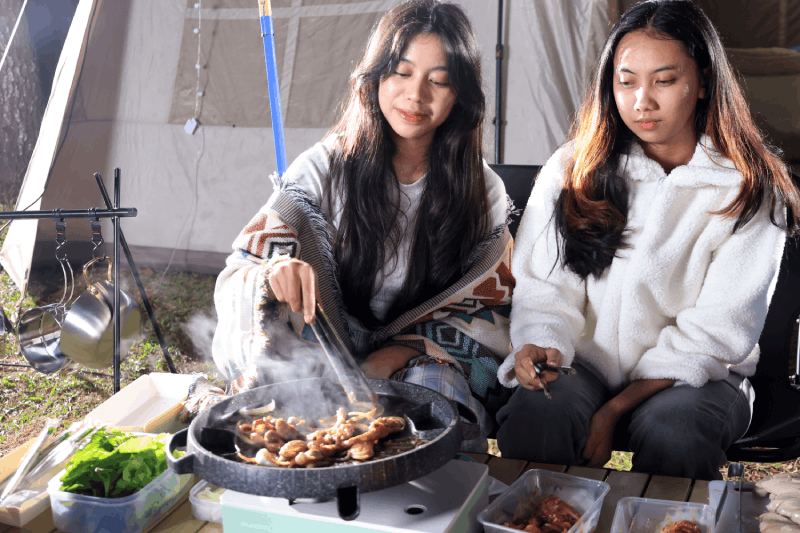
What Deadly Risks Does Using a Stove Inside a Camping Tent Pose?
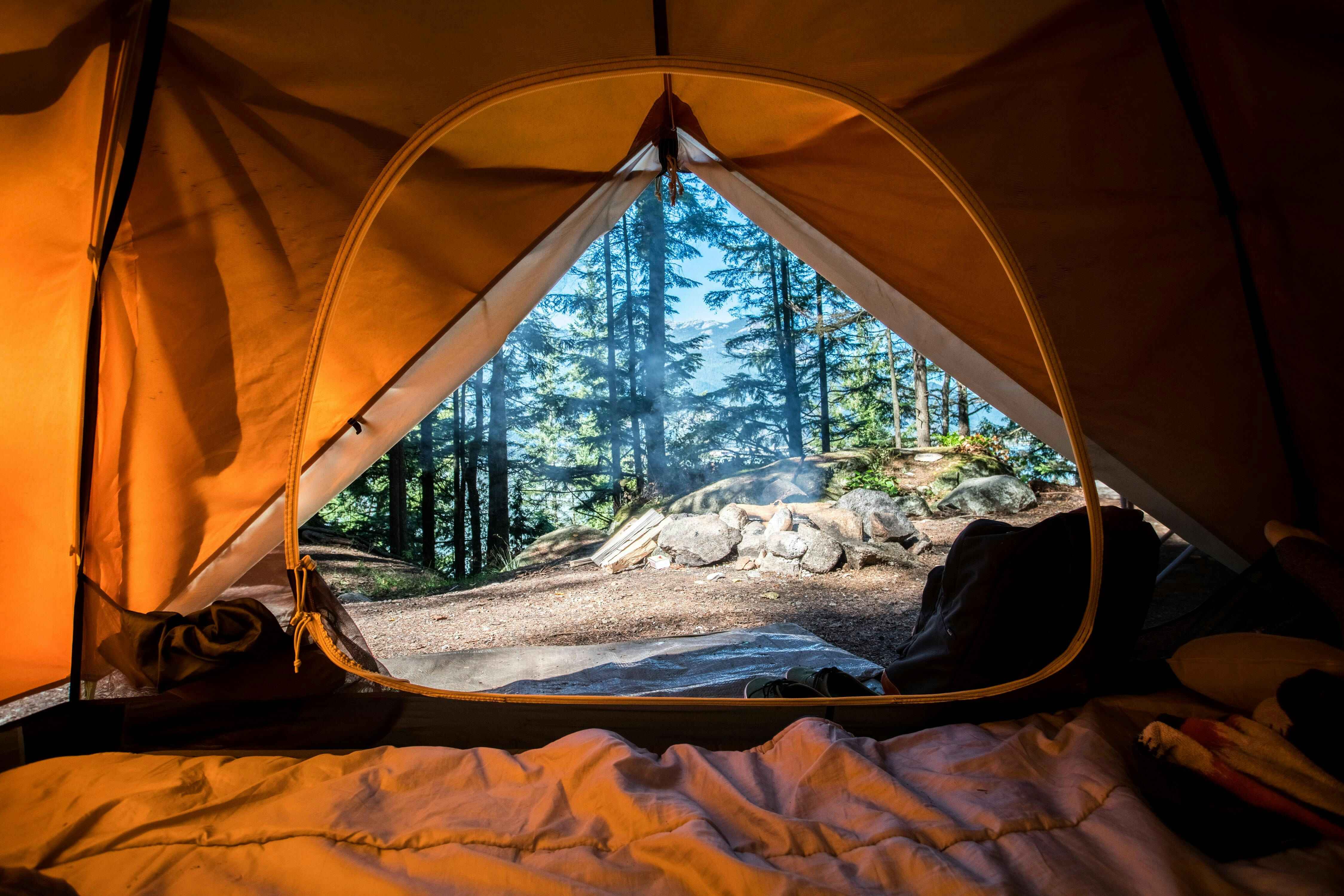
When the weather is bad or extremely cold outside, there may be a desire to bring the stove inside the tent. This is one of the deadliest mistakes in camping. Firstly, tent fabrics are highly flammable, and even the smallest tip-over or explosion can turn the tent into a fireball in seconds. Secondly, and more insidiously, is carbon monoxide poisoning. A stove burning inside a tent with limited ventilation can cause the accumulation of carbon monoxide gas, which is colorless and odorless, by consuming the oxygen in the environment. This situation can lead to deaths during sleep. The safety rule is clear: the stove should always be used outside or in the vestibule (apsis) of the tent, with the door fully open and only under supervision.
Why Should Stoves with Pressure Relief Valves Be Preferred More?
Some high-end camping stoves and cartridge systems have a safety mechanism called a "pressure relief valve." This system ensures that if the pressure inside the cartridge reaches dangerous levels for any reason (excessive heat or incorrect filling), the gas is released in a controlled manner. This is the last line of defense against the cartridge exploding violently. For beginners, choosing brands with such advanced safety features means minimizing the margin of error by relying on technology. A stove being cheap is not enough; offering such engineering solutions makes it "beginner-friendly."
How Does the Width of Pot Support Arms Prevent Tipping Accidents?
The design of the arms (grids) that carry the pot on the stove directly affects the safety of use. Some ultralight stoves have very short and thin arms, meaning they can only carry small cups or mini pots. If you place a wide-bottomed pot on such a stove, the pot can lose its balance and tip over with the slightest touch. The tipping of a pot containing boiling water is a major cause of serious burn accidents. For beginners, stoves with support arms that widen, grip the pot with a toothed structure, and have a solid locking mechanism are much safer.
What Mistakes Are Made in Transporting and Storing Fuel Containers?
If a liquid fuel stove is being used, the storage of fuel is a more critical safety phase than using the stove. Transporting fuel in ordinary plastic water containers can lead to disasters such as leaks due to the plastic being melted by the fuel or accidental ingestion. Only specially manufactured metal containers for transporting fuel should be used. These containers have child locks and leak-proof seals. Additionally, fuel cartridges or containers should never be left in vehicles exposed to direct sunlight or at the bottom of the tent. Storing them in a cool, shaded, and ventilated area prevents static electricity or heat source fires.
What Hidden Dangers Does a Neglected Camping Stove Pose?
The safety of your stove is also related to how well you maintain it. Food residues or rust accumulated in the stove's nozzles can cause irregular gas flow and flame explosions known as "flame kickbacks." Especially in hose models, the hose should be checked before each camping trip to see if it has burst or if the seals (o-rings) have dried out and lost their properties. For a beginner camper, maintaining the stove may seem difficult, which is why gas stoves that are easiest to maintain and have fewer parts are the best choice. If your stove is making strange noises or the flame color is different from usual (excessively yellow or orange), this is a safety warning, and use should be stopped immediately.
What is the Golden Advice for Beginners?
In light of all these technical details, the safest option for a beginner camper is: a hose model (freestanding), working with a screw-on cartridge, and a magnet ignition gas stove. This configuration prevents tipping by keeping the center of gravity close to the ground, eliminates the risk of overheating by keeping the fuel cartridge away from the flame, and allows you to control the gas as precisely as possible. Safety is the fundamental element that determines the quality of the time you spend in nature. Trusting your equipment reduces your stress while enjoying nature and prevents potential accidents, ensuring that your camping hobby is long-lasting and enjoyable.