How to Make Chickpea Shakshuka on Campfire?
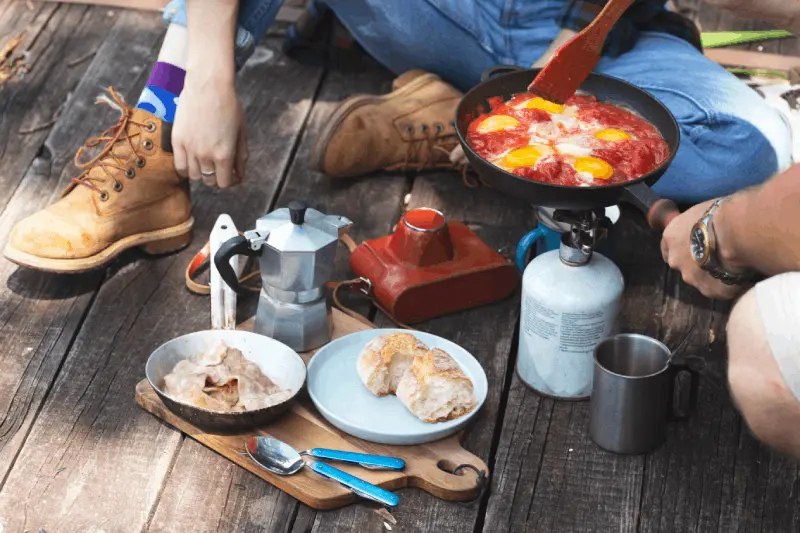
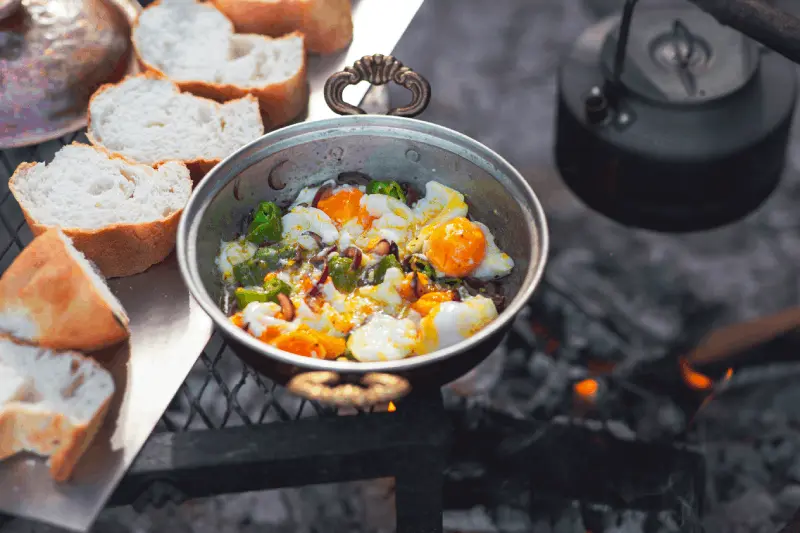
The essential part of camp mornings, shakshuka can be turned into a protein source for vegetarians. Adding pre-cooked or canned chickpeas to the classic tomato and pepper mixture doubles the fiber and protein value of the meal. After sautéing the onions in a cast-iron pan, add the enriched tomato sauce with spices and stir in the chickpeas. When the sauce thickens slightly, crack the eggs on top. The combination of animal protein in the egg and plant protein in the chickpeas provides a feeling of fullness that lasts throughout the day. This recipe is both economical and minimizes the cleaning hassle after camping since it is prepared in a single pan. When consumed with whole wheat bread, you complete your amino acid profile.
How to Prepare Dehydrated Soy Mince for High Altitude Hikes?
Soy mince is invaluable for backpackers due to its lightness and high protein content (approximately 50 grams of protein per 100 grams). You can flavor the soy mince by sautéing it with onion, garlic, tomato paste, and cumin during the preparation phase at home. Then, you can completely dry this mixture in the oven or dehydrator, reducing its weight to a quarter. All you need to do at camp is add hot water and wait for five minutes. This method is lifesaving for hikers who do not want to carry heavy canned food but do not want to compromise on protein. When enriched with dehydrated vegetables, it turns into a nutritious and filling dinner comparable to what you would eat at a restaurant.
Is Chia Seed and Pistachio Butter Oatmeal Enough for Morning Energy?
Yes, it is definitely sufficient. Oats are a good source of carbohydrates and fiber on their own, but when chia seeds and pistachio butter are added, it turns into a complete protein bomb. Chia seeds, when in contact with liquid, swell and keep the stomach feeling full for a longer time. A tablespoon of pistachio butter adds about 4 grams of protein, while chia seeds increase this ratio even further. You can experience an energy boost by adding honey or dried fruits for sweetness. This breakfast provides all the macro nutrients needed for challenging climbs early in the morning. Additionally, by using milk powder or plant-based milk powders instead of liquid milk, you can also lighten your load.
How to Cook Quinoa and Black Beans Mexican Style in One Pot?
Quinoa is one of the rare complete protein sources that contains all essential amino acids in the plant world. When combined with black beans, it creates one of the strongest protein combinations needed by a camper. In a single camping pot (jetboil or a simple pot), add one cup of quinoa, two cups of water, dehydrated onion, garlic powder, and a can of black beans. Cook for about 15 minutes until the water is absorbed. You can enhance the flavor by adding lemon juice and red pepper flakes. This recipe provides the protein needed for muscle repair during dinner, while its complex carbohydrate content helps replenish your glycogen stores for the next day.
What Nuts Should Be in Homemade Protein Bars for Campers?
Store-bought protein bars often contain preservatives and excessive sugars. When making your own bars, raw almonds, walnuts, and pumpkin seeds should be your main ingredients. Pumpkin seeds are one of the seeds with the highest protein content among plant sources. You can use date paste or pistachio butter to bind the ingredients together. Adding a bit of pea protein powder or hemp seeds will elevate the protein content to a professional athlete level. These bars balance blood sugar during hikes and meet instant energy needs. Moreover, they can last for weeks without spoiling in cool camping environments, making them ideal snacks for long expeditions.
Can Tofu Be Marinated and Grilled at Camp?
Tofu is often overlooked in camp cooking but is actually a versatile protein source. Firm tofu can be marinated a day before camping with soy sauce, smoked paprika, and olive oil, and stored in an airtight container. At camp, you can grill it on a wire rack over the fire or in a pan until both sides are golden brown. Thanks to its spongy texture, tofu absorbs all the flavors of the marinade and pairs wonderfully with the smoky aroma of the fire. There are about 8-10 grams of protein in 100 grams of tofu, and its low-calorie content allows you to eat without feeling heavy. When served with grilled vegetables, it turns into a fantastic outdoor feast.
Is Hummus Powder a Lifesaving Protein Source in Camp Cooking?
It is definitely a lifesaver. Making traditional hummus fresh can be difficult at camp, but powdered hummus (chickpea flour-based) can be ready in seconds by simply adding water. Chickpea flour is quite rich in protein and easy to digest. You can spread the hummus you prepare on tortilla bread or consume it as a dip with crackers. The tahini in hummus provides healthy fats and additional protein. Its powdered form eliminates the risk of spoilage and takes up almost no space in your backpack. Especially on long hiking days when protein intake is low, it can be used as a quick supplement between meals.
How to Increase the Protein Value of Nutritional Yeast for Vegan Campers?
Nutritional yeast, with its cheesy flavor, is not just a seasoning but also an incredible protein supplement. Just two tablespoons of nutritional yeast contain 8 grams of protein and are rich in vitamin B12. By sprinkling it over the pasta, soups, or quinoa mixes you cook at camp, you can enhance both the flavor and the protein quality of your meal. It should definitely be in the backpack of plant-based campers as it has a complete amino acid profile. It is lightweight, does not spoil, and adds depth to any savory dish. It is especially a great alternative for campers craving cheese.
How to Prepare Vegetable and Lentil Stew in a Dutch Oven?
Using a Dutch Oven in long-term and stable camps is the best way to prepare nutritious meals. Place red or green lentils along with potatoes, carrots, and onions in this heavy cast-iron pot. Add some water and plenty of spices, then leave it over the coals. As the lentils cook slowly, they absorb the water and create a thick, protein-rich stew. The iron in lentils is critical for supporting oxygen transport capacity at high altitudes. A serving of lentil stew can meet a large portion of your daily protein needs in one go. This warm and hearty meal helps keep your body warm in the cold mornings.
Why is Red Lentil Soup Indispensable in Cold Winter Camps?
In winter camps, the body expends extra energy and protein not only to move but also to keep warm. Red lentil soup is ideal due to its ease of preparation and thermogenic effect. Lentils cook quickly, saving fuel. Adding a bit of turmeric and black pepper can create anti-inflammatory effects, alleviating joint pain. Protein is more effective than carbohydrates in maintaining body heat because it releases more heat during digestion. Therefore, a hearty lentil soup you drink on a freezing night will help you sleep more soundly.
Why Should Pumpkin Seeds and Sunflower Seeds Always Be in Your Camp Backpack?
Seeds are the perfect embodiment of the saying, "small but mighty." Pumpkin seeds contain a level of protein that can rival meat when looked at on a gram basis (about 30 grams in 100 grams). Their richness in magnesium is vital for preventing muscle cramps commonly seen during camping. Sunflower seeds are a source of vitamin E and support cell regeneration. Eating a handful of seeds while hiking protects against sudden spikes in blood sugar and ensures a steady flow of amino acids to the muscles. By choosing the shelled ones, you also minimize the risk of leaving waste in nature. They are great ingredients to add crunch to salads or morning porridge.
How is Tempeh Used as a Chicken Alternative in Camping?
Tempeh is a fermented soy product with a denser texture than tofu, making it perfect for those seeking a "meaty" experience. You can cut tempeh into small cubes and sauté it in a little oil to add to your wraps. Being fermented, it is easier to digest than tofu and can prevent digestive issues related to changing dietary patterns in a camping environment due to its probiotic properties. 100 grams of tempeh offers about 19 grams of protein, which is quite close to chicken breast. You can choose to pre-cook and dry it or carry it fresh in vacuum-sealed packages. When grilled over a wood fire, its flavor is truly incredible.
Are Peanut Butter and Banana Tortilla Wraps a Quick Meal Option?
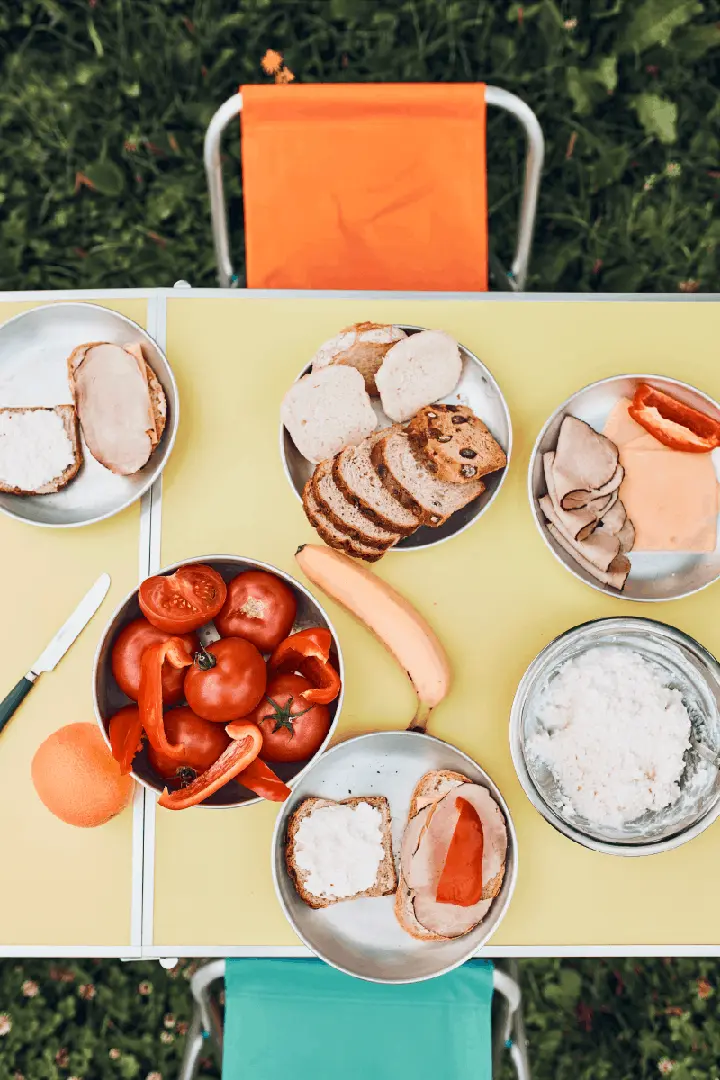
This wrap is known as "quick fuel" for campers. Tortilla bread is durable and does not crumble. When you spread plenty of peanut butter (about 8 grams of protein) on it and slice a banana into it, you create a perfect balance of carbohydrates, protein, and potassium. Potassium helps recover electrolytes lost through sweating, while the protein in peanut butter prevents muscle breakdown. It takes less than two minutes to prepare and requires no cooking. Especially when you don’t want to deal with setting up a stove in rainy or windy weather, this wrap is powerful enough to keep you going for hours. You can further increase its protein value by sprinkling some hemp seeds on top.
How to Store Energy Balls Made with Dried Fruits and Pistachios?
Energy balls are the unsung heroes of camping. Pistachios are one of the dried fruits with the widest amino acid profile. You can prepare them by mixing crushed pistachios with oats, cocoa, and honey, forming them into balls. The best way to store these balls is to lightly coat them in coconut flour to prevent them from sticking together and place them in zip-lock bags. In airtight containers, they can stay fresh for up to 10 days in the depths of a cool camping backpack. Thanks to their high protein and healthy fat content, they help you quickly recover when your blood sugar drops in the middle of tough trails. They are also a healthy and nutritious remedy for late-night sweet cravings.
How to Make a Cottage Cheese Omelet on a Campfire in a Cast Iron Pan?
Cottage cheese can be referred to as "vegetarian whey protein" because it is rich in whey protein. At camp, heat the cast iron pan well and sauté some onions and peppers in a little oil. Then, mix plenty of cottage cheese into the beaten eggs and pour it into the pan. Cottage cheese It does not melt, but rather adds a nutritious volume to the omelet while preserving its texture. If you want to get 20-25 grams of protein in a single serving, this recipe is the simplest and most effective way. When consumed alongside high-water-content vegetables like tomatoes and cucumbers, it also contributes to your morning hydration. It is a great "recovery" breakfast to repair the stress your muscles are exposed to overnight.
How to Make a Filling Salad with Bulgur and Refried Mexican Beans?
Bulgur contains more protein and fiber than rice and cooks much faster. After soaking the bulgur in hot water, you can make a wonderful meal salad by adding canned Mexican beans (kidney beans), corn, green onions, and plenty of lemon. Mexican beans are one of the legumes richest in plant protein. This mixture can stay fresh at room temperature, making it ideal for preparing in the morning and consuming during a meal break. The sumac and chili flakes you add as spices will speed up your metabolism while also stimulating your appetite. This salad feels light and provides complex energy that will keep you full until the evening.
How Do Spirulina-Supplemented Green Drinks Affect Camp Performance?
Spirulina is a microscopic algae that contains 60-70% protein. When it is difficult to find fresh vegetables in camp conditions, you can mix powdered spirulina into your water to get protein and alkalize your body. The rich iron and B vitamins it contains reduce fatigue and increase endurance. Since its taste can be a bit overpowering, it is recommended to mix it with lemon juice or a bit of honey. Especially on very hot days, drinking a spirulina-containing beverage can noticeably enhance your performance by replenishing minerals lost through sweating and providing quick amino acid support to your muscles. It is best to shake it well and sip it slowly.
Is Mushroom Stir-Fry with Soy Sauce Rich in Protein?
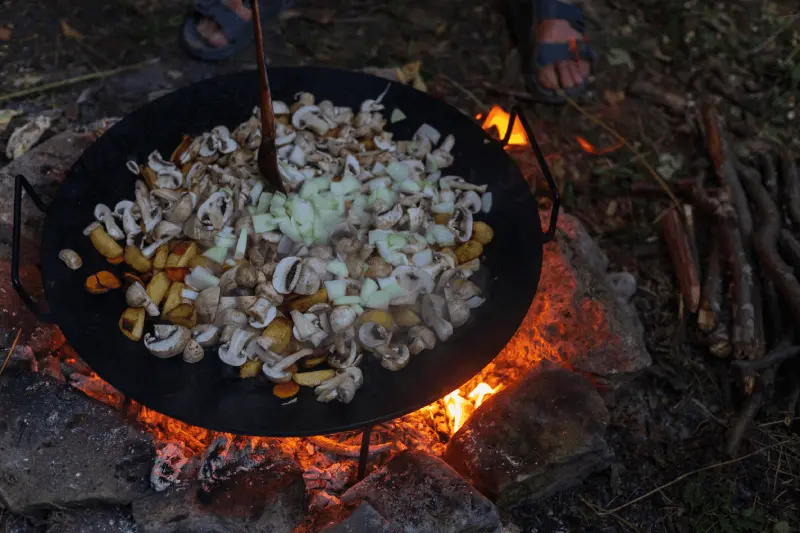
Although mushrooms are generally known to be low in calories, when the right types are selected (like oyster or shiitake mushrooms) and cooked with soy sauce, they provide a good amino acid boost. Since soy sauce is fermented, it adds extra protein and a rich umami flavor. Sautéing the mushrooms over high heat until they release their juices makes their texture meaty. You can enhance this dish further by adding toasted sesame or peanuts. The calcium in sesame and the protein in peanuts complement the nutritional value of the mushrooms. While it may not be a main dish on its own, it is an excellent side dish and protein booster alongside quinoa or rice.
How to Prepare Dried Legume Mixtures That Take Up Little Space in a Backpack?
The smartest strategy for long-term camps is to prepare "ready meal packs" at home. Mix red lentils, fine bulgur, and dried vegetables in a single resealable bag. Add salt and your favorite spices. In camp, simply boiling this mixture in water will give you a very high-protein "vegetarian ezogelin" or a hearty porridge in 15 minutes. Dried legumes take up very little space and are very light. With this method, you can save money that you would otherwise spend on expensive freeze-dried meals while gaining access to much fresher and healthier protein sources. Don't forget to write how much water is needed on each bag.
What Plant-Based Powders Can Be Used Instead of Whey Protein?
If you want to lighten your camp load and supplement with liquid meals, pea protein or hemp protein powders are excellent alternatives. Pea protein is rich in branched-chain amino acids (BCAAs) like leucine, which are necessary for muscle repair. Hemp protein is one of the easiest plant proteins to digest and contains omega-3. You can simply mix these powders with water or add them to the oatmeal you prepare in the morning. If you prefer neutral-tasting ones, you can also use them to thicken soups. While animal-based protein powders may risk spoilage in heat, plant-based powders are much more durable.
Why is the Tahini and Molasses Duo Strategic for Camp Mornings?
This inseparable duo of traditional Turkish breakfast is actually an excellent athlete's food. Tahini, derived from sesame, contains high-quality plant protein and calcium. Molasses provides carbohydrates and iron that quickly enter the bloodstream. When you spread this duo on bread, you get the energy needed for climbing and also protect your muscles. Iron is a critical mineral to prevent the shortness of breath and fatigue that campers often experience. This mixture, which you can carry in small, leak-proof containers, is much healthier and more nutritious than energy drinks. It will quickly warm you up, especially on cold camp mornings by the fire.
Is Using Canned Red Kidney Beans and Corn Advantageous?
If you are going on a short camping trip and weight is not a major issue, the combination of canned kidney beans and corn can be a lifesaver. Kidney beans are high in protein, while corn provides the amino acids that complement this protein. When consumed together, they create a "complete protein" effect. You can strain the liquid from the can and heat it with a bit of olive oil and chili flakes, or consume it cold like a salad. This duo offers plenty of fiber that maximizes the feeling of fullness and regulates the digestive system. When fresh foods run out on the second or third day of camping, this duo will still be waiting in your pantry as a safe and nutritious option.
Do Vegetable Fritters Cooked Over Campfire Meet Protein Needs?
When made with the right ingredients, fritters can be a great source of protein. In addition to zucchini, add plenty of cottage cheese, eggs, and possibly chickpea flour. Chickpea flour... It contains much higher protein and gives a denser structure to the meatballs. These small meatballs, cooked in a cast iron pan with little oil, can be eaten hot or cold. They turn into a practical protein source that you can pull out of your backpack during a mountain hike. When consumed with a bit of strained yogurt (if you can carry it), the protein value reaches its maximum. The greens inside, such as dill and parsley, provide antioxidant support.
Is Red Lentil Pasta Suitable for a Light and Nutritious Dinner?
One of the biggest revolutions in modern camping is legume pastas. Pasta made solely from red lentil flour contains twice as much protein and significantly less carbohydrates than traditional pasta. The cooking time is the same as regular pasta, which also saves fuel. You can turn this pasta you have cooked in the camp into a professional athlete's meal by simply seasoning it with a bit of olive oil and dried basil. There are about 25 grams of protein in 100 grams of red lentil pasta, which is nearly half of a vegetarian's daily requirement. Its non-bloating nature and ease of digestion are also a great advantage for camping nights.
How Does Almond Milk Powder Meet Dairy Needs While Camping?
Liquid plant-based milks can be heavy and spoil quickly while camping. Almond milk powder, on the other hand, is both lightweight and high in protein and vitamin E. You can increase the nutritional value by adding it to your morning coffee or oatmeal. Almonds are rich in minerals that regulate muscle contraction and help maintain the electrolyte balance lost during camping. When mixed with a bit of water, you provide both liquid and amino acid supplementation to your body. Additionally, when added to a warm cocoa drink in the evening, you also get magnesium that will nourish your muscles before sleep. Its powdered form provides great convenience in terms of packaging flexibility.
How Should Walnuts and Flaxseeds Be Consumed for Omega-3 and Protein?
Walnuts and flaxseeds are your best friends for providing omega-3 fatty acids that are often lacking in plant-based diets. Omega-3 is critical for reducing joint inflammation and muscle pain that occur after long hikes. You can carry flaxseeds in ground form and add them to yogurts or porridge. Walnuts can be eaten alone or used to add crunch to evening meals. Walnuts contain fats that support heart health in addition to protein and provide long-term energy. Regularly consuming this duo helps maintain your mental focus and physical endurance throughout the camping trip. Eating a handful of walnuts every day will also prolong your feeling of fullness.
Which Vegetarian Foods Should Be Preferred for Muscle Repair After Camping?
After camping, your muscles may be filled with micro-traumas and need quality protein for repair. At this stage, amino acids that the body can quickly absorb should be preferred. A bowl of strained yogurt (or soy yogurt if vegan) topped with hemp seeds, fruits, and plenty of dried fruits is ideal. Hemp seeds contain one of the easiest-to-digest types of protein called "edestin." Additionally, consuming a bit of complex carbohydrates (such as sweet potatoes) alongside helps quickly replenish the body's glycogen stores, speeding up the recovery process. This phase is the most critical time to prepare for the next adventure.
Do Fermented Foods and Pickles Increase the Absorption of Camping Proteins?
Yes, fermented foods support gut health, allowing the proteins you consume to be absorbed more efficiently by the body. Keeping a small jar of sauerkraut or a fermented drink while camping regulates your digestive system. Legumes can sometimes cause gas and bloating in a camping environment; consuming pickles minimizes these side effects. Protein synthesis is directly related to a healthy microbiota. Additionally, pickle juice serves as a natural sports drink to replenish sodium and electrolytes lost after intense exercise. A few slices of pickles alongside a protein-rich dinner balance the flavor and enhance bioavailability.
What is the Ideal Equipment for Cooking Protein Among Camping Gear?
If you want to prepare vegetarian proteins in the best way, a "titanium pot" or "light cast iron pan" is indispensable. Titanium conducts heat very quickly, making it perfect for foods that cook quickly, like lentils and quinoa. A cast iron pan retains heat for a long time and is best for searing products like tofu and tempeh while keeping the inside soft. Additionally, a non-draining container for soaking legumes beforehand also improves protein quality; because the soaking process reduces lectins and phytic acid, enhancing protein digestibility. The right equipment allows you to cook your protein sources without burning them, preserving their nutritional value.
How Can Symptoms of Protein Deficiency Be Recognized During Long Camps?
When you stay in nature for a long time and do not consume enough protein, your body sends certain signals. The most common symptoms include persistent muscle pain, constant hunger, hair loss (in the long term), brittle nails, and weakened immunity. If your muscles are not recovering the next day after a simple hike or if you are experiencing focus issues, you should reassess your protein intake. Protein is found in the structure of neurotransmitters (brain chemicals), so its deficiency can also lead to mood disorders and loss of motivation. In such cases, while grabbing the nut butter or protein bar in your backpack may be a temporary solution, it indicates that you need to plan your meals more disciplined.
What is the Effect of Spices on Protein Digestion in Vegetarian Camping Cuisine?
Spices not only add flavor but also stimulate digestive enzymes, aiding in the digestion of heavy protein meals (like legumes). ibi) makes digestion easier. Cumin, chickpeas, and lentils should definitely be present in dishes as they prevent gas formation. Ginger regulates stomach acid and aids in protein breakdown. The "piperine" compound in black pepper significantly increases the absorption of other nutrients. A spicy vegetarian camping dish ensures that the body's amino acids enter the bloodstream more quickly. Additionally, hot pepper (capsaicin) helps speed up metabolism, supporting the body in producing more heat during cold camping nights. Carrying a small spice set elevates the biological value of your camping kitchen.