While private camping operations can be comfortable with amenities such as electricity, water, and security, they can often be restrictive and costly for true adventure enthusiasts. Staying in the heart of nature without paying any fees and, most importantly, without violating the law requires meticulous planning. In many places in Turkey and around the world, there are thousands of free "accommodation gems" for a well-informed traveler. In this guide, you will discover legal loopholes and opportunities that will help you keep your wallet in your pocket by examining every detail from property rights to forest laws, local ethical rules to digital applications.
Is Camping Without Fire Outside Areas Designated by the General Directorate of Forestry a Crime?
In Turkey, forest laws are strictly enforced to minimize fire risks. According to the Forest Law No. 6831, it is strictly prohibited to light a fire outside designated areas, and there are severe penalties for violations. However, setting up a tent for overnight purposes, with the condition of "not lighting a fire," is generally considered an "exceptional situation." Forest rangers may show leniency towards individual campers who do not harm the environment, do not leave trash, and do not set up permanent facilities, especially if it is outside the forest fire season. The critical aspect here is to pack up the camp and leave the area with the sunrise. When this action is described as "resting" rather than "accommodation," it is possible to take advantage of the legal gray area.
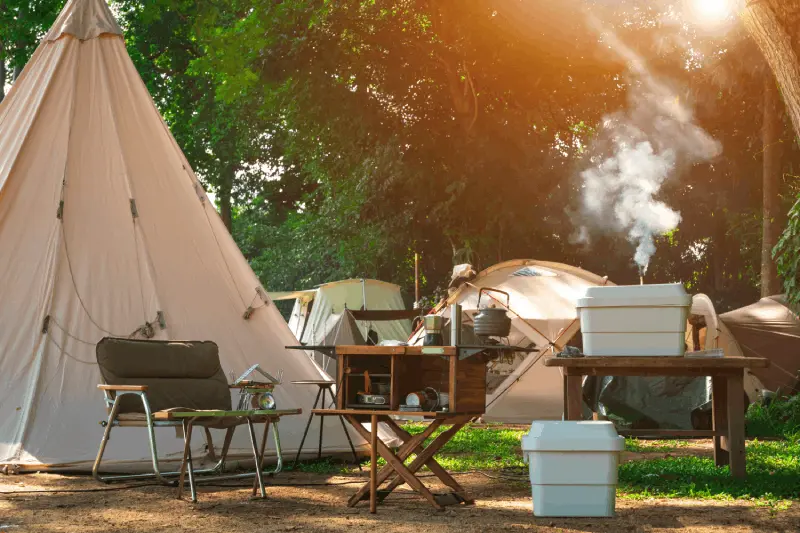
Are Free Parking Areas in City Centers Safe Havens for Caravan Travelers?
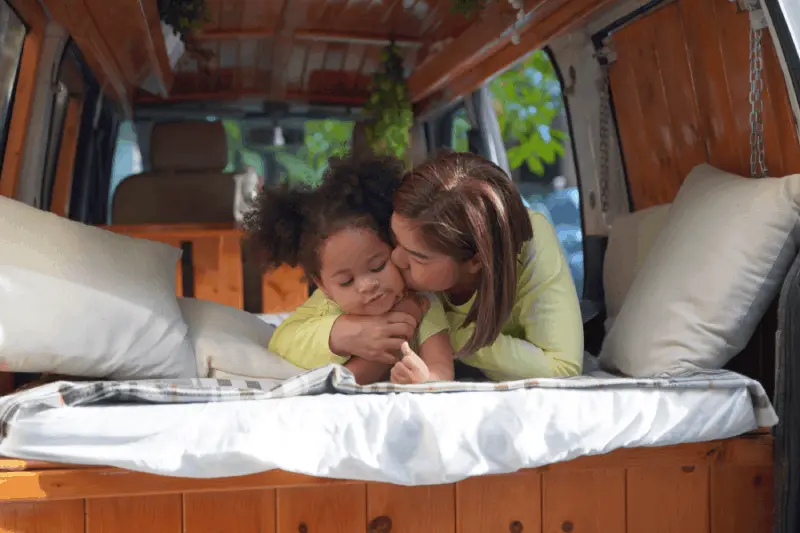
The biggest advantage for caravaners is that the vehicle is also considered a residence. Many public parking lots owned by municipalities or free parking areas along the coast do not pose a legal obstacle for overnight stays in a caravan, as long as you do not create a "camping" atmosphere by placing tables and chairs outside. Mosque parking lots in the city, hospital gardens, or large parking areas of 24-hour open supermarket chains are ideal for free accommodation with the advantages of security cameras and lighting. Staying in these areas is classified as "parking" according to highway traffic laws. Especially in Europe, similar to the "Stellplatz" concept, truck parks in Turkey are also frequently preferred by caravaners as they offer access to water and toilets.
What Are the Social Advantages of Staying in Local Gardens by Obtaining Permission from Village Heads?
The hospitality culture of Anatolia is the biggest key for those seeking free accommodation. When you enter a village, going directly to the headman, introducing yourself, and requesting a suitable place to set up your tent not only provides legal protection but also ensures your safety. Often, villagers not only open a corner of their gardens to you but also refresh your morning with fresh milk or bread. This method is completely legal as it is within private property boundaries and outside the jurisdiction of the gendarmerie. The headman's approval documents your status as a "recognized guest" with local law enforcement and eliminates the risk of identity checks at midnight.
How Is the Need for Accommodation Met by Volunteering in TaTuTa and Ecological Farms?
Supporting ecological farms through TaTuTa (Agriculture-Tourism-Barter) is one of the most ethical and sustainable ways to stay without spending money. In this system, you help the farm owner with a few hours of work in the garden, animal care, or cleaning each day; in return, you are provided with free accommodation and meals. This is not just accommodation; it is also a process of learning about local culture and gaining an ecological living experience. This system, which is the Turkish branch of international networks like WWOOF, is based entirely on a legal volunteer basis. You can stay for weeks in the lap of nature without paying any fees and experience a real farm life.
Is It Possible to Camp for Free Under the Coastal Law Along the Seashores?
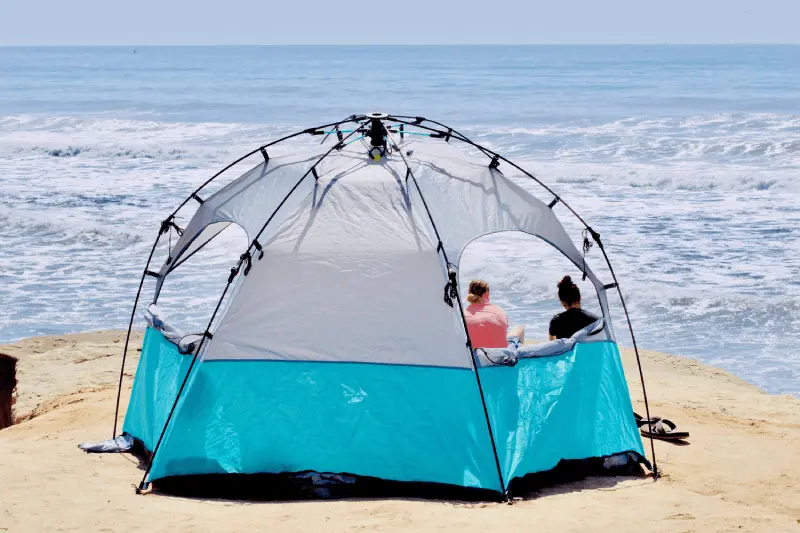
The Coastal Law No. 3621 states that the seashores are open for public use and cannot be subject to private ownership. This theoretically means that everyone has the right to be on the beaches. However, unless special areas with "night accommodation bans" set by municipalities or governorships (such as protected areas, turtle breeding areas, etc.) are excluded, it is possible to set up a tent in rocky areas or deserted beaches. Law enforcement generally expects you to pack up your tent early in the morning to avoid being classified as an "occupier." Choosing less crowded coves rather than being close to facilities that operate the beach helps you avoid legal disputes and promises you a special sunrise.
Why Are Rest Areas at Gas Stations Strategic Accommodation Points?
Large gas stations, which are indispensable for long-distance drivers, are actually 24-hour guarded free fortresses for campers and caravaners. Most station owners allow you to set up a tent in a suitable corner of their gardens or park your caravan if you make a purchase from their market or buy fuel. The biggest advantage here is access to free toilets, water, and sometimes hot showers. Additionally, 24-hour staff and security cameras provide an extra layer of security, especially for solo female travelers. When darkness falls on the roads between cities, the light of a station can turn into the most peaceful sleeping area.
Can Shelters and Mountain Houses Along Long-Distance Hiking Routes Be Used?
While hiking on marked routes such as the Lycian Way, Carian Way, or St. Paul Way, abandoned mountain houses or stone shelters along the way offer unique opportunities for free accommodation.
. These structures are generally places left empty by seasonal migrants during the winter or areas that are no longer used. If the door is open and there is no special furniture inside, it is acceptable to use these areas just for protection from storms and to spend the night. However, it is an unwritten rule to not damage the interior, leave firewood, and keep it clean. The concept of "God's guest" is still strong in the plateau culture; therefore, if you find an open door, staying there with respect to the owner is not considered legal harassment.Is Camping Prohibited in First Degree SİT Areas Surrounding Historical and Ancient Cities?
Archaeological sites and SİT areas are protected by the Law on the Protection of Cultural and Natural Assets numbered 2863. Camping, making a fire, or staying overnight within these areas is strictly prohibited and can lead to severe penalties, including heavy prison sentences. However, it is possible to stay in forested or scrubland areas adjacent to the ancient city, outside of these areas' "impact zone." By staying a few kilometers beyond the entrance gates of ancient cities, where the signs end, you can start discovering the remnants with the first light of morning. Not only does sleeping at the threshold of history preserve legal boundaries, but it also allows you to breathe in that mystical atmosphere.
What Are the Conditions for Free Areas and Exemption from Entrance Fees in National Parks?
Most national parks are subject to entrance and accommodation fees. However, you do not need to pay a fee to the park administration to stay in villages within the national park boundaries or on privately owned lands. Additionally, some national parks have areas defined as "free zones," where there are no facilities. In some lesser-known places designated as "nature parks" by the General Directorate of Nature Conservation and National Parks (DKMP), there are sections where no overnight fees are charged. While conducting your research, you should analyze the difference between "day-use areas" and "camping areas" well; as staying after 20:00 in day-use areas is prohibited, this rule may be relaxed in some open areas.
Is Accommodation Allowed in High Altitude Peaks Within the Scope of Mountaineering and Extreme Sports?
If you are a mountaineer and are climbing at high altitudes, the accommodation rules are more flexible for you. In alpine zones above 2000 meters, the concepts of ownership or prohibited areas are generally blurred. Camps established by athletes affiliated with the mountaineering federation for training or climbing purposes are usually not subject to paid camping rules, as they are considered "sporting activities." In mountains like Aladağlar, Kaçkarlar, or Erciyes, setting up tents in high plateaus outside the main camp points is completely free and without charge. The only rule in these areas is to leave "zero waste" in nature and not disturb wildlife.
Is It Safe to Stay Overnight in City Parks or Municipal Recreation Areas?
Many travelers prefer large parks within the city or municipal recreation areas in emergencies. However, most parks have a closing time at night, and you may be evicted by guards. Nevertheless, some "people's gardens" or 24-hour open coastal parks are often temporarily used by homeless individuals or travelers, especially in large cities. Here, legal action can be taken under the "misdemeanor law" for disturbing the environment. Therefore, if you plan to stay for free within the city, it is much less conspicuous and minimizes the likelihood of legal issues to sleep in a "bivouac" (just sleeping in a sleeping bag) or inside a vehicle instead of setting up a tent.
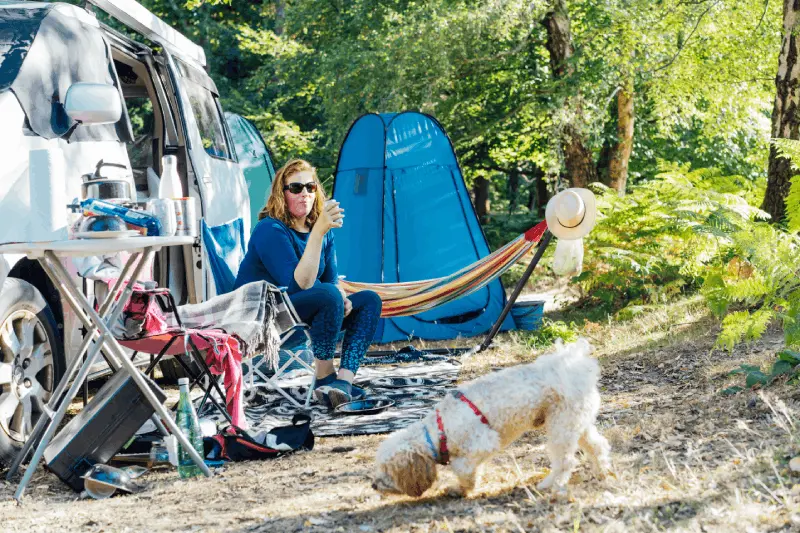
Why Are Cemeteries and Surrounding Shrines Considered Quiet and Safe Camping Spots?
Although it may sound frightening, for many traveling cyclists, cemeteries are the most peaceful places for free accommodation. Cemeteries are usually surrounded by walls, have access to water (charity fountains), and no one dares to enter at night. Guesthouses next to village cemeteries or shrines in Turkey are under a spiritual protective shield. No one thinks of harming someone sleeping in a cemetery, and you are generally respected. By obtaining permission from the locals, staying in the empty lands around the shrine offers both a mystical experience and ensures you have the safest sleep in that area.
Can Seasonal Worker Camps and Migration Routes Be an Alternative for Tourists?
Seasonal agricultural worker camps established during harvest times are essentially a collective living space. If you have a social personality, staying near these camps provides you with both protection and the chance to observe local life. You can share your bread with the workers and benefit from the makeshift but safe area they have established. Similarly, setting up a tent near the camps along the migration routes of the Yörüks ensures your status as a "guest." Since these areas are public land, no fees are charged. However, it is essential to greet and obtain consent before staying in such places, both for security and ethical reasons.
Why Are Truck Stops and Logistics Centers Considered 'Oases' for Caravans?
The vast parking areas used by international trucking drivers are the most practical free stops for caravaners. These areas are usually located on highways and have a 24-hour living ecosystem. Restaurants where you can find hot meals, facilities offering shower opportunities, and technical support like tire repair are at your fingertips. Generally, no fee is requested for staying overnight in truck stops; just having a tea from the facility's restaurant is sufficient. Getting lost among the large vehicles with your small caravan, despite the highway noise, provides you with a sense of security. it makes you feel safe in a logistics center.
How to Find a Host in Nature with Couchsurfing and Similar Applications?
When it comes to free accommodation, it shouldn't only be associated with tents. Platforms like Couchsurfing, Trustroots, or BeWelcome allow you to meet local people who open their doors (and sometimes their gardens) to you. By using the "Nature" filter, you can find hosts living in farms or mountain houses away from the city. This system is based entirely on reciprocal hospitality. You can stay for free inside a legal home, in a clean bed, while enjoying a dinner conversation. This method becomes a lifesaver, especially during winter months or when weather conditions make tents difficult to use.
Is Special Permission Required to Set Up a Tent in the Green Areas of University Campuses?
University campuses with large and wooded areas (ODTÜ, Boğaziçi, Mediterranean University, etc.) are actually very safe camping spots. However, entries are subject to security checks. If you are a student or know a student, staying in wooded areas or by the lakes within the campus is usually an internal matter and is exempt from external prohibitions. If you inform the university security in advance and state that you are camping for educational or research purposes, you will generally receive a positive response. Since these areas are closed to the outside, they offer accommodation opportunities away from the risk of theft and within nature.
What Are the Unwritten Rules for Staying at Fishermen's Shelters and Small Harbors?
Small fishermen's shelters along the Aegean and Mediterranean coasts are a refuge for both sailors and land travelers. Establishing a good dialogue with the shelter manager or the elderly fishermen there allows you to set up a tent on the concrete area next to the boats or on the nearby sandy land. These areas, where fishermen repair their nets and maintain their boats, are generally public spaces but are managed with a "neighborhood" discipline. Helping the boats that arrive in the evening or having morning coffee with them earns you the status of "neighbor" rather than "stranger." This significantly reduces the likelihood of encountering legal obstacles.
Why Should Vacant Lands Near Industrial Sites Be Preferred in Emergencies?
If you are looking for a place at night on the roads between cities, industrial sites can be surprisingly good accommodation points. In these areas, which are quiet at night, there are usually guards and dogs ensuring safety. Staying in vacant lands close to the outer wall of the industrial site or on wide roads with a caravan is a situation that no one will object to. Especially if you have a technical problem with your vehicle, you will benefit from being next to a master as soon as you wake up in the morning. This is not an aesthetic camping area, but it is a logistical solution that perfectly meets the criteria of "free, legal, and safe."
Can Caves and Rock Shelters Be Natural and Free Hotels?
Caves, which are among humanity's oldest shelters, are still one of the wildest and most breathtaking ways to camp for free in nature today. Abandoned rock hollows in regions like Cappadocia or natural caves in the Taurus Mountains protect you from wind and rain. No rent or fee is paid to stay in caves. However, it is important to ensure that the cave is not an active archaeological site or does not harbor wildlife (bears, bats, etc.). Lighting a fire inside the cave can quickly consume oxygen and damage the formations on the wall; therefore, it is best to behave like a modern nomad and stay only with your sleeping bag.
Are the Viewing Points and Rest Areas Belonging to the General Directorate of Highways Usable?
The "Scenic View Points" or short rest pockets found on highways are not officially designated as accommodation areas, but they are designed for short breaks. Although setting up a tent in these areas is a bit risky, sleeping inside a caravan or vehicle is completely legal. These pockets are tailored for waking up to a magnificent valley view. The important point to note is that the pockets should be far enough from the main road; otherwise, the noise of passing vehicles and wind can disturb your sleep. Gendarmerie patrols usually do not intervene with vehicles resting at these points, and even seeing you there can be considered a security guarantee.
What is the Legal Aspect of Staying in Abandoned Village Houses and Ghost Towns?
There are many "ghost villages" in Turkey that have been abandoned due to the exchange period or economic reasons. Setting up a tent or laying out a sleeping bag inside the solid remaining houses in these villages provides excellent protection, especially in rainy weather. Legally, these buildings are still private property; however, if the owner is not alive or unreachable, as long as you do not damage the property, the "protection of the home" violation will not be a subject of complaint. While staying in these houses, you should never light a fire or disturb the historical fabric of the structure. Just being a guest for one night and leaving is a way to respect the memories there and is generally not a problem for anyone.
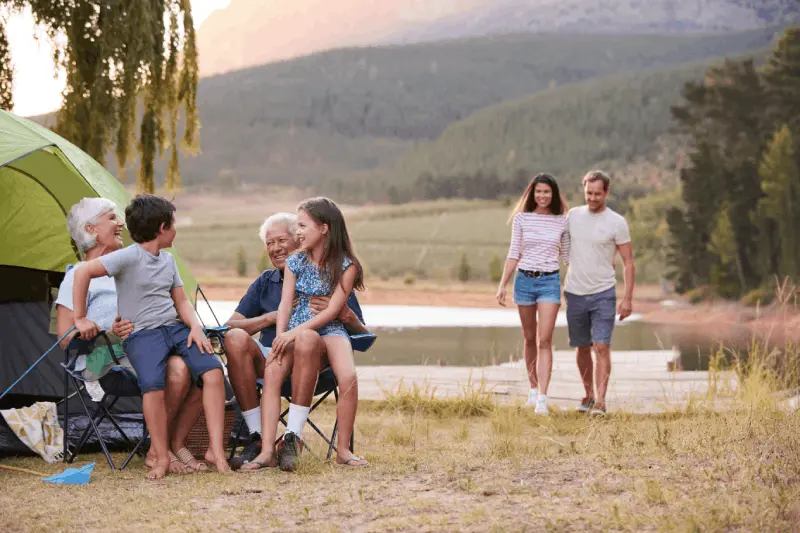
How Are the Free Parking Lots of Ski Resorts Evaluated for Winter Camping?
For those who want to camp in the snow during winter, the parking lots of ski resorts are an invaluable blessing for caravan accommodation. In centers like Kartalkaya, Uludağ, or Erciyes, staying in the general parking areas a bit away from the facilities... is generally free of charge. You can meet your toilet needs at the facilities, and you can benefit from the snow all day long. For those who want to set up a tent, the forested borders outside the slopes are ideal. Since gendarmerie search and rescue teams constantly patrol these areas, if you inform them of the coordinates of the place where you set up camp, you will have made the safest and legal winter accommodation.
What Are the Water Usage Rights and Camping Rules Around Dam Lakes and Pond Edges?
The areas around dam lakes under the control of DSİ (State Water Works) are generally open recreational areas for the public. Although there are paid facilities around some dams, the quiet shores at the back of the lake are completely free. Great camps can be set up here, provided you do not get too close to the water (risk of sudden water rises) and comply with drinking water protection basin rules. Since dam lakes are often frequented by fishermen, being neighborly with them increases your safety. However, you should stay away from places where you see a "strict protection area" sign; camping in these areas is subject to administrative fines.
How Can One Benefit from the Hospitality Tradition of Places of Worship and Dervish Lodges?
Especially in rural areas, the "Quran Course" buildings next to mosques or old dervish lodges are traditionally open to travelers. You can ask for permission to stay overnight in a suitable room or on the mosque's porch by talking to the mosque's imam or the village elders. Religious figures generally do not turn away a traveler in distress. Staying in such places not only provides you with a bed but also gives you the chance to establish a deep connection with the cultural fabric of that region. No fee is requested, but leaving a small amount in the mosque's donation box when you leave is the best way to express your gratitude for the hospitality.
Why Are the Surroundings of Sports Facilities and Municipal Stadiums Suitable for Caravanners?
Stadiums or municipal sports complexes within the city usually have large parking lots and are accessible from the outside. The surroundings of these areas are quiet at night and are generally protected by security personnel. Parking your caravan near these facilities does not attract anyone's attention, and waking up with people exercising in the morning gives you an energetic start. You may also have the chance to use outdoor sports equipment and public showers if available around these facilities. This is one of the most modern and "sporty" ways to camp for free in the city.
Can You Stay Near Mines and Construction Sites with Security Support?
In mountainous areas, when you sometimes cannot find any empty space, an active mine or road construction site can be a lifesaver. Go to the security booth at the entrance of these facilities and explain that you cannot proceed because it is getting dark and that you want to stay in a suitable corner. Construction site managers usually show you a place within the "security area." This provides you with absolute protection in areas where there is a risk of wild animals. You can also charge your phone from the generators at the construction sites or benefit from the cafeteria. Since these areas are temporary work sites, accommodation is completely voluntary and free of charge.
Does Setting Up a Tent Outside the Harvest Season in Orchards Violate Property Rights?
The vast olive groves or citrus orchards in the Aegean and Mediterranean seem quiet and ownerless outside of harvest time. If the orchard is not fenced and there is no sign, setting up a tent among the trees generally does not cause problems. However, to respect property rights, you must not damage the trees and never pick fruit (to avoid entering the status of theft). If the landowner comes, you should politely explain that you were there for just one night and that you are a sensitive traveler. Most landowners will welcome a guest who loves and respects their land.
Can The Shelters Used by Shepherds and Migrants Be Used as Emergency Accommodation?
In mountain peaks, when you find stone-built empty shelters or shepherd's huts, they serve excellently as windbreaks. Shepherds only use these areas during certain months. If the inside is clean and no herd is coming, setting up a tent inside the shelter protects you from the harsh effects of the wild nature. These structures are like anonymous mountain heritage and their use is free of charge. However, it is essential to be very careful as lighting a fire inside the shelter can cause the debris on the ground to flare up. It is also fundamental to the law of pastoralism not to touch materials left by shepherds, such as salt or wood.
Is There a Chance to Stay with Officials in Forest Watch Towers?
Forest officers working in fire watch towers located at the peaks lead an isolated life for months. A visit from a traveler is often a great source of joy for them. If you knock on the tower and ask for permission to drink a cup of tea, they will likely allow you to spend the night on the tower's balcony or in the nearby flat area. This offers you a free view of some of Turkey's best landscapes. Conversations with the officers will provide you with invaluable information about the region's wildlife and trails. Bringing them a pack of coffee or a newspaper will strengthen your friendship.
Can Hunting Clubs and Mountain Huts Be Lifesavers in Winter Conditions?
The equivalent of the system known abroad as "Mountain Bothy" in Turkey consists of small huts built by local hunting associations or villages. These structures are usually not locked and are built with the philosophy of "let those in need use it." Inside, there is usually a small stove and a couch. In winter camping, the risk of freezing is high. If you find yourself in a situation where you have gotten wet in heavy rain, these huts are more valuable than the most luxurious hotel. Leaving the area cleaner than before and adding a bit of dry wood, if possible, ensures that this free chain continues. Legally, these structures have the status of "publicly accessible shelters".
How should one communicate with the authorities (Gendarmerie/Police) while free camping?
The most important rule for free and legal accommodation is transparency. When you camp in a place without water, informing the local gendarmerie station by phone or in person and sharing your coordinates will remove you from a suspicious situation and grant you the status of a "protected citizen". The gendarmerie may tell you, "This place is not safe, move on to the next"; this is actually their way of showing you a free and safer place. When they conduct identity checks, being friendly and cooperative, as well as clearly explaining your travel purpose, will ensure that all legal doors are opened for you. Remember, they are there for your safety; see them not as an obstacle, but as travel companions.
Is it possible to make free accommodation sustainable by using nature as a 'guest'?
In conclusion, free accommodation is not just a cost-saving measure, but a philosophy of life. When you use nature and public spaces as a borrowed property from the owner, both the laws and ethical rules will be on your side. Any traveler who practices the "Leave No Trace" principles, uses a stove instead of a fire, carries their trash with them, and lives harmoniously with the locals will experience a world that is an endless chain of free hotels. By using the methods in this guide, you can not only save money in your wallet but also nurture the curiosity in your soul and experience that the most comfortable bed is the ground beneath millions of stars.