Why Should Using Existing Fire Areas Be Our Primary Priority?
Creating a new fire pit in nature means permanently altering the biological structure of the soil in that area. Opting for existing fire areas that have been previously used, surrounded by stones or hardened ground, allows you to keep the damage limited to a certain point. If every camper chooses a new spot for their own enjoyment, the forest floor will quickly fill with dozens of black spots and dead soil patches. Therefore, if there is an existing fire ring in the area where you plan to camp, using it by cleaning the area instead of seeking adventure is one of the greatest nature conservation actions. Existing areas also minimize the risk of fire since these spots are usually cleared of environmental factors and have been tested for safety.
How Do LNT (Leave No Trace) Principles Transform Campfire Culture?
The "Leave No Trace" (LNT) philosophy consists of seven core principles aimed at erasing human presence in the wild. When it comes to campfires, LNT mandates environmental sensitivity at every stage, from lighting the fire to scattering the ashes. These principles ensure that the fire is only lit when necessary, that firewood is selected only from dead and downed branches, and that when you leave, the area looks as if you were never there. An LNT-centered approach transforms the camper from merely a consumer into a protector of nature. Considering the ecological impact of the act of lighting a fire, rather than its aesthetic and emotional aspects, is a crucial part of this culture.
How Can We Protect Root Systems Beneath the Soil from Heat?
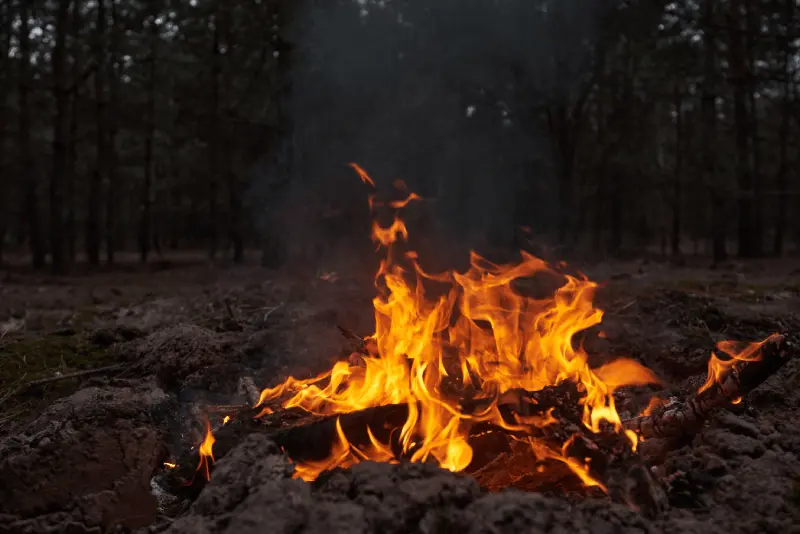
Many campers think that fire only damages the surface of the ground, but the real destruction occurs underground. The fine, absorbing roots of trees are quite close to the soil surface, and the intense heat radiating from the campfire can scorch these roots, leading to the tree becoming dehydrated or diseased. You should always burn your fire in areas that are at least minimally open, away from the root systems of living trees. Choosing mineral-poor, sandy, or stony soils to provide thermal insulation is vital for protecting root systems. If you burn a fire over the roots, even if the tree does not die immediately, it will weaken over the years and face the risk of toppling.
What Is the Critical Role of the Mineral Soil Layer in Creating a Fire Bed?
Whether the ground you are going to burn is "organic" or "mineral" determines the extent of the damage you will cause to nature. Organic soil is rich in plant debris and humus and can easily ignite from within, potentially leading to underground fires. On the other hand, mineral soil (sand, clay, gravel) collected from riverbeds or eroded areas does not conduct heat and is not flammable. Laying down a layer of mineral soil 10-15 cm thick before lighting a fire prevents the fire's heat from killing microorganisms in the underlying layer. This method allows you to redistribute the soil back to its original place when leaving the campsite and ensures that no burn marks are left on the surface.
How Should You Monitor the Local Ecosystem When Collecting Firewood?
Collecting firewood in nature means interfering with the energy cycle of the ecosystem. Many creatures use downed wood on the ground as nests or food sources. To avoid disrupting this balance, it is important to follow the "Four Dead" rule: Dead, Down, Detached, and Small. You should never break a branch from a living tree or touch standing dead trees (snags) because they are vital for birds. Spreading out while collecting wood prevents you from completely depleting organic matter in a single spot. Monitoring the local ecosystem begins with respecting nature's self-renewal capacity.
Why Is the Wood Size and the "Wrist Thickness" Rule Vital?
Burning massive logs in a campfire may look impressive, but it is not a nature-friendly approach. Large logs can take hours or even days to burn completely to ash, which can lead to leaving unburned wood remnants when you leave the campsite. The "wrist thickness" rule states that the wood you burn should be thinner than your wrist. Wood of this size burns quickly, provides high heat, and most importantly, turns completely to fine white ash. Completely burned wood leaves no charcoal pieces that would cause environmental pollution. Additionally, collecting small wood prevents you from damaging the ground while carrying large logs.
What Is the Direct Relationship Between Fire Size and Environmental Damage?
As the size of a campfire increases, the radiant heat it emits and its potential danger also increase logarithmically. A small fire consumes less wood and is much easier to control. Large fires can dry out the leaves of surrounding trees, send heat deep into the soil, sterilizing it, and increase the risk of forest fires due to flying embers. A flame area the size of a fist is usually sufficient for cooking or warming up. Keeping the fire small minimizes the thermal footprint you leave in nature while shortening your wood collection time. Remember, a real camper's fire does not burn the forest; it only warms itself.
What Changes When Using a Fire Pan Instead of Stone Rings?
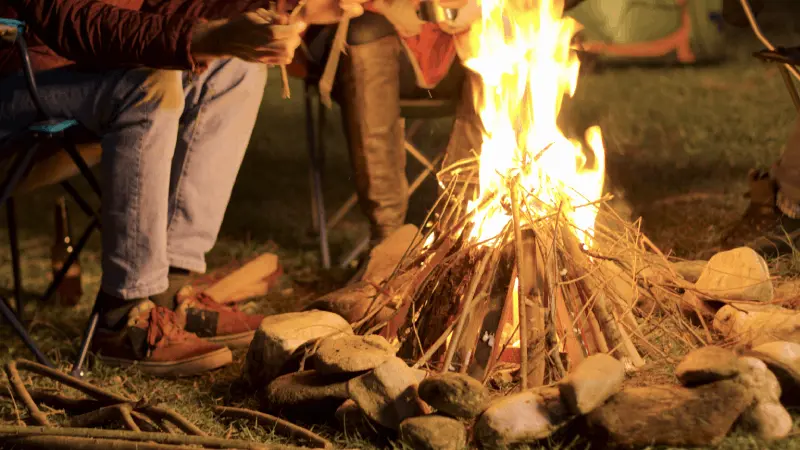
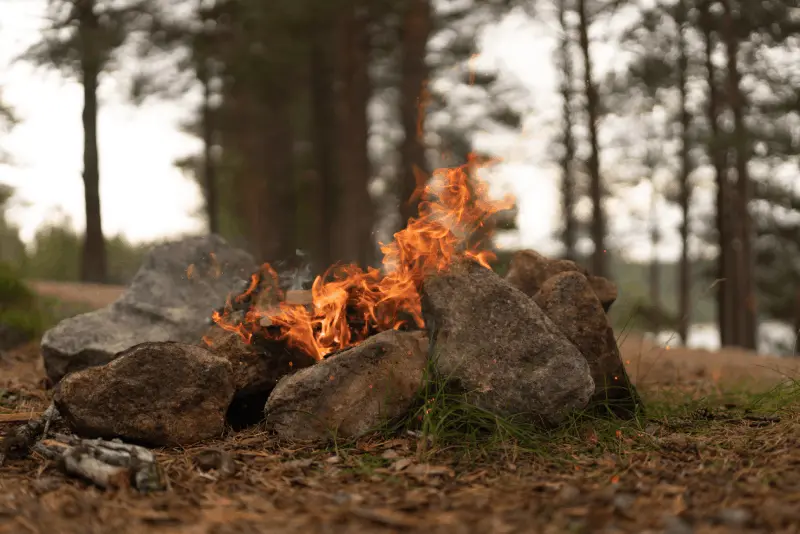
When traditional campfires come to mind, the first thing that comes to mind is stone rings, which actually leave permanent and ugly marks in nature. Stones that come into contact with fire darken, the lichens on them die; moreover, these rings often turn into pits where trash is thrown. Modern and Fire pans or metal fire boxes, which are a nature-friendly alternative, completely isolate the fire from the ground. With these devices, heat does not reach the ground, ashes accumulate in the pan, and you can easily dispose of the ashes at the end of your camping trip. Using a fire pan helps you protect the natural appearance of the campsite 100% and prevents you from disturbing the nests of small creatures by moving stones around.
What Are the Effects of Cutting Live or Wet Trees on Forest Health?
Cutting live trees is a direct attack on the lungs of the forest and its growth potential. Live trees have high sap content, making them difficult to burn, and they release large amounts of smoke and harmful particles into the environment when burned. Burning wet or green wood is inefficient in terms of energy and leads to environmental pollution. Additionally, cutting a branch from a tree creates an open wound that can allow fungi and diseases to enter the tree. To protect forest health, you should only use the materials that nature provides you, such as dead and fallen materials. A camper should have the awareness to collect branches from the ground rather than using an axe or saw.
What Role Does the Transport of Foreign Wood Play in the Spread of Invasive Species?
Wood that you bring from home or transport from one area to another can harbor unseen dangers. Insect larvae, fungal spores, and invasive species living under or inside the bark of the wood can destroy local tree populations in the new area they are transported to. In many countries, it is illegal to transport wood for miles because it is a primary way to spread destructive species like the "emerald ash borer." The safest rule is: "Burn the wood where you find it." If you need to purchase wood, you should obtain it from the nearest point to the area where you will be camping. This simple rule can help prevent vast forest areas from drying out.
What Synthetic Materials Should Never Be Burned in a Campfire?
A campfire is not a waste disposal facility. When plastic items, aluminum foils, nylon bags, or batteries are thrown into the fire, they release extremely toxic chemicals into the air and soil. Substances like dioxins and heavy metals not only threaten the health of campers but also create a lasting source of pollution for plants and local wildlife by leaching into the soil. Additionally, because these materials do not burn completely, they leave toxic residues in the ashes. Burned foil pieces or melted plastics do not disappear for hundreds of years in nature. Burning only natural wood and biodegradable materials like paper is the fundamental requirement for ecological cleanliness.
How Do Wind Direction and Speed Determine Fire Safety?
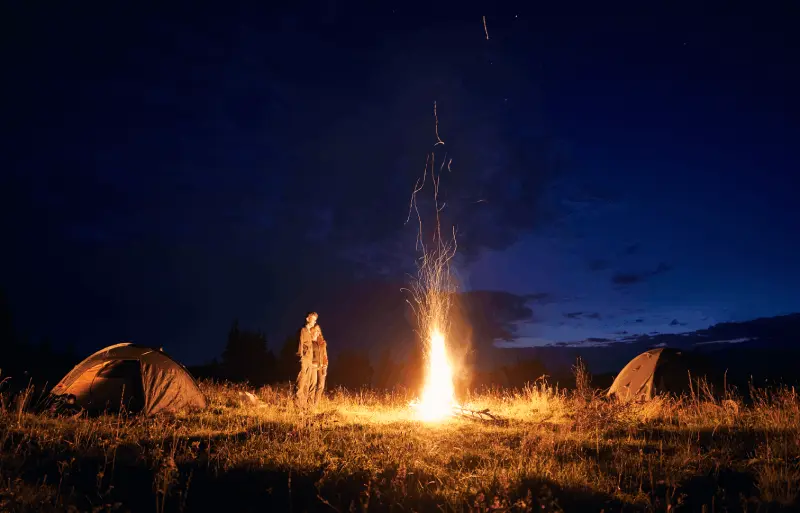
Wind can turn a campfire into an out-of-control forest fire in seconds. Before lighting a fire, you should determine the prevailing wind direction and ensure that there are no flammable materials nearby, such as dry grass, brush, or tents, that the wind could carry. In strong winds, lighting a campfire is not only dangerous but also unethical. The wind can carry sparks hundreds of meters away, igniting unseen spots. If the wind is very strong, it is best to use your lanterns or dress more warmly instead of lighting a fire. Instead of stubbornly resisting nature's power, developing a safe strategy according to the wind's speed is the responsibility of every camper.
Why Is the "Touch Test" Rule Important When Extinguishing a Fire?
Before leaving a campfire, ensuring that it is completely extinguished is a vital safety step. Simply pouring a bucket of water over it is not sufficient; the coals underneath the water can remain hot and reignite with the wind. The "Touch Test" rule states that the ashes and wood remnants should be cool enough to touch with your hand. After thoroughly extinguishing the fire with water and turning it into mud, you should stir it with a stick to confirm that the heat is completely gone. If the ashes are cool enough not to burn your hand, you can be sure that the fire no longer poses a threat. This diligence is a small but critical investment in the future of our forests.
What Steps Should Be Followed to Return Ashes to Nature?
The white ashes left from a campfire can be absorbed by nature when disposed of correctly, but improper methods can lead to visual and chemical pollution. After the ashes have completely cooled, you should not leave them in a pile right next to the campsite. The best practice is to spread the ashes in a thin layer over a wide area; this facilitates the mixing of minerals into the soil while also eliminating the "human trace" at the campsite. If you used a fire pan, you can scatter the ashes in a place away from the campsite where the wind can disperse them. Disposing of the ashes at least 60 meters away from water sources is also crucial for maintaining the pH balance of the water.
How Can Physical Fragmentation of Rocks Resulting from Fire Contact Be Prevented?
The darkening of stones used in traditional campfires is not just an aesthetic issue; high heat can alter the crystalline structure of the stones and lead to explosions due to "thermal shock." Wet stones collected from riverbanks, in particular, can explode like a hand grenade as the water inside vaporizes, posing a serious risk of injury to campers. To prevent rocks from coming into contact with fire, it is best to use mineral soil layers or metal risers. If you must use stones, you should select pre-heated or dry stones and ensure that the darkened surfaces face the ground when you are done. You should not disturb the ashes; instead, you should clean the ashes and place the stones back in their natural positions.
What is the Ethical Responsibility of Keeping Watch by the Fire Throughout the Night?
Leaving a fire unattended is one of the greatest irresponsibilities that can be committed in the wild. When you feel sleepy or need to leave the campsite for a short time, you must either completely extinguish the fire or ensure that someone else is watching it. A sudden gust of wind or a fallen log during the night can lead to disaster while you are asleep. Keeping watch by the fire is not just about watching the flames; it is also about continuously monitoring the surrounding risks. An ethical camper never lights a fire when they are not fully aware (under the influence of alcohol or in a state of sleepiness). Responsibility must continue uninterrupted from the first spark of the fire to the last ash.
How Can You Minimize the Impact of Fire on Nocturnal Wildlife Activities?
Nature does not belong solely to us; many animal species are active at night, and the powerful light and smoke emitted by a campfire can disrupt their navigation, feeding, and communication systems. Avoiding large and bright fires in areas where sensitive species are present is a sign of respect for wildlife. Keeping your fire at the center of the campsite and using barriers to prevent its light from penetrating deep into the forest or extinguishing it as early as possible can reduce this impact. Remember that we are merely guests in that forest; disturbing the peace of the hosts is not compatible with camping ethics. Observing wildlife is about sharing in the silence and darkness of nature.
Is It Ethical to Light Fires in High Altitude and Sensitive Alpine Ecosystems?
When the tree line is exceeded at high altitudes, the ecosystem is extremely sensitive and the growth rate is very low. In these areas, pieces of wood are as valuable as gold because the nutrient cycle of the soil is limited. Lighting a campfire in alpine meadows or high mountains can cause irreparable damage to the thin layer of soil that has formed over thousands of years. Using a camping stove in such environments is the only ethical option. Burning rare alpine plants or vegetation is a betrayal of biodiversity. Instead of polluting the clean and crisp air of high mountains with campfire smoke, it is a much nobler choice to enjoy the stars and the darkness.
How to Ensure Heat Insulation When Lighting a Fire on Snow?
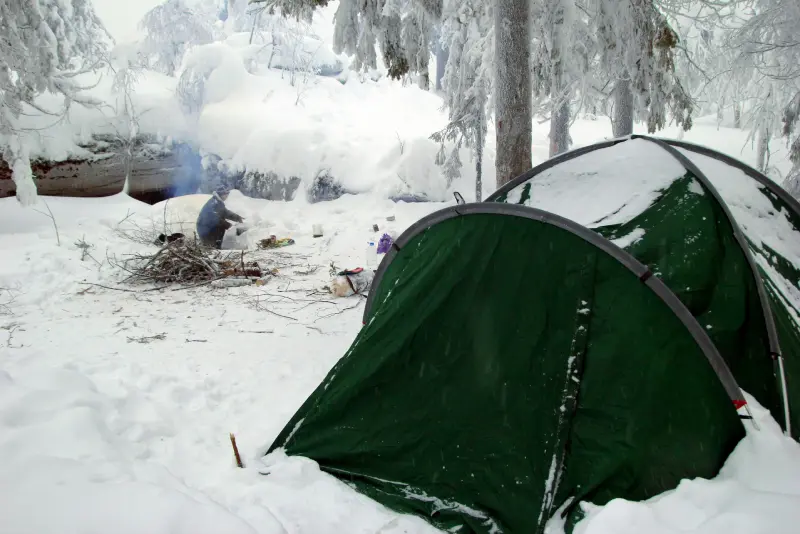
Lighting a fire on snow during winter camping causes the snow to melt, leading to the extinguishing of the fire and the formation of deep pits in the ground. To light a nature-friendly fire on snow, the "platform" technique should be applied. Creating a base of side-by-side logs or wet logs prevents the fire from coming into contact with the snow. However, these logs must be removed from the area at the end of the camp to avoid leaving a lasting trace in nature. Alternatively, placing a metal fire pan on legs is the cleanest solution. Snow can actually serve as a protective layer since it prevents heat from reaching the ground; however, it is essential to ensure that melting waters do not allow the ashes to penetrate deeply into the soil.
In What Situations is Using a Camping Stove More Environmentally Friendly than a Campfire?
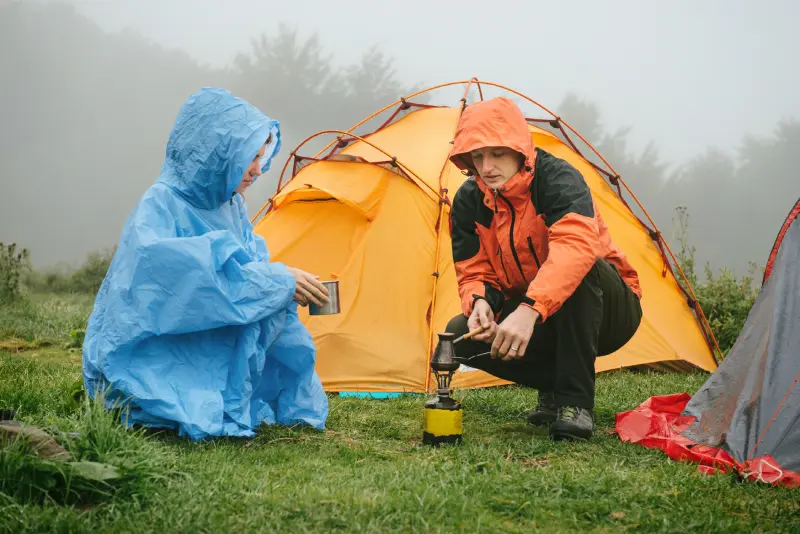
Modern camping stoves are far superior to traditional campfires in terms of efficiency and environmental protection. They eliminate the hassle of collecting wood, do not transfer heat to the ground, and do not emit smoke. Using a camping stove is the only environmentally friendly approach in places where wood sources are scarce, the risk of fire is high, or vegetation is very dense. Using a small gas stove for cooking is much faster and cleaner than lighting a massive campfire. If the purpose of camping is simply to spend time in nature, making the camping stove the primary choice for the sake of preserving the atmosphere and soil is a necessity of modern camping.
How Can Damage to Soil Organisms from Thermal Processing be Prevented?
A healthy soil is filled with millions of microorganisms, fungi, and insect larvae that are not visible to the eye. The high temperatures reached by a campfire effectively sterilize this living layer of soil, essentially cooking it, and delay the soil's revival for years. To prevent this damage, the fire should be lit as high as possible above ground level. The "fire platform" or "mound fire" methods have been developed for this purpose. In the mound fire method, a mound is created from inorganic sandy soil, and the fire is lit on top of this mound. This way, the heat does not reach the living soil layer below. Protecting the underground life is crucial for preserving the future growth potential of the forest.
What are the "Camouflage" Techniques for Restoring the Fire Pit to Its Original State?
When leaving the campsite, your greatest success is ensuring that the next person does not realize that a fire was lit there. After scattering the ashes and replacing the mineral soil, you should camouflage the area with natural materials from the surroundings (dry leaves, pine cones, natural stones). If you used a fire pan, check whether the grass underneath has been crushed when you lift the pan and gently fluff it with your hands. The camouflage process is not just a visual concern; preserving the natural texture of the area prevents erosion and ensures that wildlife can start using the area again. Moving through nature like a ghost is the highest level of camping art.
What are the Long-Term Effects of Smoke on Air Quality and Local Flora?
Campfire smoke contains carbon monoxide, particulate matter, and various volatile organic compounds. While the impact of a single fire may seem small, the smoke from dozens of fires lit every night in popular camping areas can significantly degrade local air quality. The soot particles in the smoke can clog the pores (stomata) on the leaves of surrounding trees, making it difficult for them to photosynthesize. To minimize this effect, only very dry wood should be burned, and the fire should be maintained for efficient combustion to reduce smoke output to a minimum. A smokeless or low-smoke fire is better for both your lungs and the surrounding vegetation. It is much healthier.
What Are the Disadvantages of Using Charcoal in Natural Areas?
Some campers bring charcoal instead of collecting wood from the forest, but this brings other problems as well. Charcoal emits a much denser and longer-lasting heat compared to wood, which causes the deeper layers of the soil to heat up more. Additionally, charcoal residues remain much more visible in nature compared to wood ash and create black stains. Most charcoal is treated with chemical additives for quick ignition, and these chemicals release toxic gases into the air when burned. If charcoal must be used, it should only be done in closed barbecue units and completely independent of the ground, and the leftovers must be bagged and taken back to the city.
What Are the Advantages of Using Natural Resins and Chaga Mushrooms as Fire Starters?
Using gas oil, thinner, or plastic-based igniters to start a fire is both dangerous and leaves foreign chemicals in nature. Instead, using natural fire starters provided by nature, such as "fatwood" (resin-filled pine roots), dried birch bark, or chaga mushrooms, is much more ethical. These materials burn excellently and turn into completely natural waste at the end of combustion. Learning to use natural fire starters is also a survival skill and strengthens the camper's bond with nature. Preferring the solutions offered by nature over chemical aids is a part of ecological consistency and reduces the chemical burden on the environment.
What Are the Damages of Burning Fire Near Water Sources to the Aquatic Ecosystem?
While lighting a fire by lakes or rivers may seem very romantic, it poses a significant threat to aquatic ecosystems. Ashes and burnt wood residues can easily mix with water due to wind or rain, disrupting the pH balance of the water and increasing the minerals within it, triggering the risk of "eutrophication" (algal blooms). Aquatic organisms are very sensitive to chemical changes in the water. You should always light your fire at least 60-100 meters away from water sources. This distance prevents the ashes from reaching the water and protects the delicate plant cover on the shore. Preserving the purity of water sources is not only our primary duty for our drinking water needs but also for the continuation of all aquatic life.
How Can Fire Etiquette Be Taught to Children and New Campers?
Awareness of nature conservation begins with education. When camping, you should explain to the children or newcomers that fire is not just a means of entertainment but a significant responsibility. Show them why you do not break live branches while collecting wood, why you keep the fire small, and why the extinguishing process is done so meticulously. Involve them in the process; for example, allow them to collect only small branches from the ground or give them the task of checking if the fire is out. Explaining the "Leave No Trace" principles as a game or discipline will ensure that future generations become more conscious nature friends. An educated camper is nature's strongest ally.
What Is the Collective Benefit of Complying with Seasonal Fire Bans?
With the increase of drought in the summer months, fire bans are enforced in many areas. Ignoring these bans by saying, "I am very careful, nothing will happen to me" is a selfish behavior that puts the entire forest ecosystem at risk. Fire bans are determined based on scientific data and humidity levels. Complying with these rules is not only a legal obligation but also a collective agreement aimed at protecting the forests, which are a common asset of society. Instead of lighting a fire during banned periods, making the environment enjoyable with camping lamps and thick blankets shows your commitment to nature. A moment's pleasure should not lead to irreparable losses.
How Should Charred Wood Pieces Be Hidden After the Fire?
Unburned, charred large wood pieces are one of the most noticeable pollution elements in a campsite. These pieces can remain intact for years and make the area look "dirty." If you have charred wood left in your fire, you should either continue to burn them until they turn to ash or crush them and spread them over a wide area at the end of the camp. Never hide them under rocks or near tree bases, as this will cause other campers to see the area as a trash site. The best solution is to address this issue from the start by using smaller wood. A clean departure requires leaving no black marks behind.
How Is the Philosophy of "Less is More" Applied in Campfire Culture?
Minimalism is also valid in nature. The philosophy of "Less is More" regarding campfires advocates burning only as much as necessary and in the smallest size needed. Instead of lighting a massive fire to warm up, wearing a quality fleece or jacket is a more environmentally friendly approach. After cooking, immediately stop feeding the fire and allow it to extinguish naturally, which reduces wood consumption and carbon emissions. The main purpose of gathering around the fire is to connect with each other and with nature, not to watch a massive flame. This philosophy ensures the careful use of resources and respect for nature's tranquility.
Can Modern Camping Technologies Offer Solutions for Heating Without Fire?
Today, developing textile and equipment technologies minimize the need for campfires. Thanks to high-quality sleeping bags, thermal layers, and portable heating pads, it is possible to stay comfortably without lighting a fire even on the coldest nights. Additionally, rechargeable LED lanterns and camping lights can provide the social lighting environment that fire offers without the risk of fire. Using technology in favor of nature is a ka Reducing the ecological footprint of camping is one of the most effective ways. Experiencing a camp without a fire allows you to feel the night sounds of the forest and the brightness of the stars much more deeply and elevates your interaction with nature to a higher level.
What is the ultimate value of being an eco-friendly camper?
Being an eco-friendly camper is not just about following technical rules, but about having a deep love and respect for nature. Every campfire is a symbol of the ancient bond between us and nature; protecting this bond begins with accepting that we are a part of that ecosystem. When you look back as you leave the campsite and see no trace, it is a moral peace and a great success. We are not the owners of nature, but merely temporary visitors. Every conscious action we take contributes to the continuation of wildlife, keeping forests green, and ensuring that water sources flow clean. The ultimate value is being able to pass on the inspiration we receive from nature to the next generation without harming it.