What is the Vital Importance of a First Aid Kit While Camping?
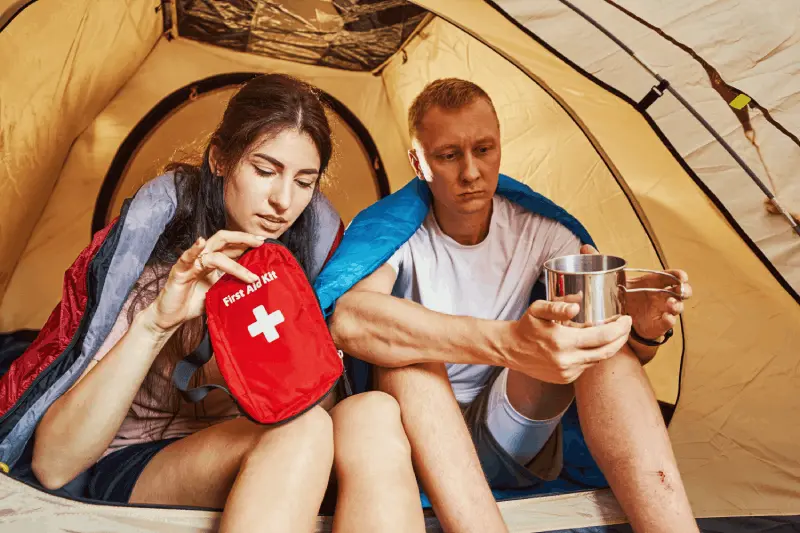
Although nature can be soothing, it means distancing yourself from the medical facilities available in city life. A small cut that occurs in the campsite can turn into an infection risk if not properly treated, or a simple sprain can turn your entire vacation into a nightmare. A first aid kit is not just about carrying a band-aid; it is the ability to stabilize the situation until professional help arrives. When you imagine being at the top of a mountain or deep in a forest, you realize that the small bag next to you is actually a life-saving station. Therefore, the contents of the kit should be meticulously planned according to the geographical conditions of the area where you will camp, the season, and the number of people.
Which Types of Bandages are More Functional in Nature?
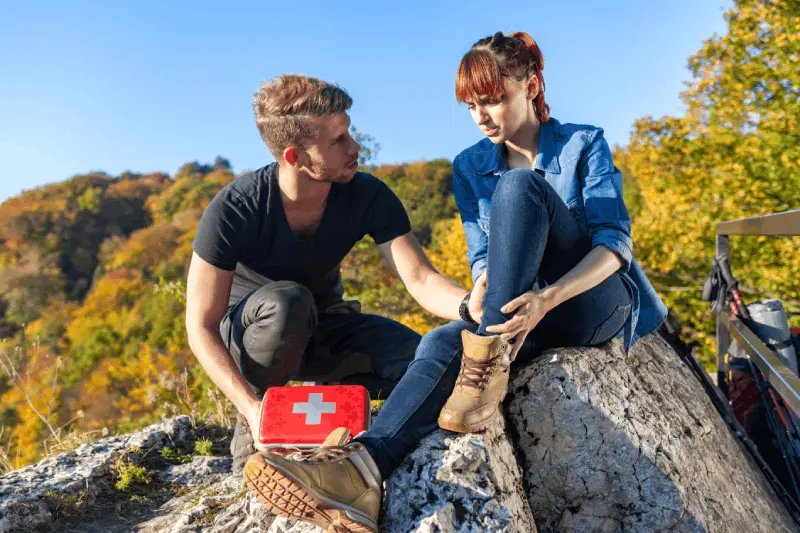
In camping conditions, injuries usually occur due to sprains, cuts, or impacts. Standard cotton bandages may not always be sufficient. Your kit must include elastic bandages with high flexibility and self-adhesive (cohesive) bandages. Elastic bandages are critical for providing support, especially for ankle sprains, and reducing swelling. Self-adhesive bandages prevent the dressing from slipping in moist or dirty environments. Additionally, having sterile gauze pads in different sizes for larger injuries minimizes the risk of infection by completely preventing the wound from coming into contact with the outside environment. Remember, hygiene in nature is the biggest challenge, and the quality of your bandages ensures this hygiene.
What Special Tools Should Your Kit Include Against Tick Bites?
If you are camping in wooded and high grass areas, ticks are one of the most insidious dangers. Never use bare hands or methods like alcohol/fire to remove a tick from the body, as this can cause the tick to inject its venom into the body. Instead, your kit should definitely include a "tick card" or "tick removal tweezers." These tools allow you to grasp the tick by its head and remove it in one motion without breaking it. Alcohol wipes should be included to clean the area after the tick is removed, and a small magnifying glass should also be among your kit's essentials to monitor the area afterward. Marking the area after the tick is removed and tracking any changes in that area is vital.
What Type of Dressing Materials are Necessary for Blisters Caused by Hiking Shoes?
Blisters can be inevitable during long hikes or when using new boots. Classic band-aids usually slide off immediately in this situation and do not relieve pain. Instead, your kit should include "hydrocolloid" based blister bandages (also known as second skin). These bandages completely eliminate friction and provide a moist environment for the wound to heal, instantly relieving pain. If the blister is very large, small tubes containing betadine for sterilization and sterile syringes for situations that require popping should also be added to your set. However, remember that professional advice is for the wound to heal on its own; intervention should only be done when the pain becomes unbearable.
What Should Be the Contents of Creams Used for Burns from Campfire Sources?
The campfire is the heart of camping, but burns resulting from negligence can be very painful. For first and second-degree burns, your kit must include creams containing silver sulfadiazine like "Silverdin" or sprays with anesthetic effects. Burn gel pads (burn gels) create a miraculous effect to reduce skin temperature after a burn. These pads cool the area and protect it from external factors. Never use traditional methods like toothpaste or yogurt for burn treatment; these methods invite infection. You should check the expiration date of your burn cream before each camp and keep high-factor, aloe vera-containing cooling gels for sunburns in a separate compartment.
Which Antihistamine Forms Should Be Carried Against Unexpected Allergic Reactions?
Pollen from plants, insect stings, or foods that you have not encountered before in nature can lead to severe allergic reactions. Your kit should include antihistamines in both tablet form and topical (applicable) gel form. Gels are sufficient for itching and mild redness, while tablets provide a quick solution for systemic reactions. If you have a known severe allergy, an adrenaline auto-injector (EpiPen) obtained under a doctor's supervision should be in the most accessible place in your kit. In case of bee stings, pens containing ammonia or special suction vacuum devices (extractor pumps) can reduce the spread of venom. Allergy is not just about sneezing; in serious situations like shortness of breath, these medications can be life-saving.
What Alternatives Can Be Used to Clean Wounds When There is No Water Source?
The first rule when an open wound occurs is to clean it. However, clean water may not always be available at the campsite, or your water may be limited for drinking. For such situations, your first aid kit should include 100-200 ml sterile saline solutions. This water, applied under pressure to the wound, provides mechanical cleaning. Additionally, single-use disinfectant wipes and antiseptic sprays (povidone-iodine or chlorhexidine) that can be applied directly to the wound must be included. If you do not have the opportunity to wash your hands, alcohol-based hand sanitizers should also be part of your kit's hygiene section for use before intervention. Wrapping the ray is of no use other than trapping germs inside.
What Stainless Steel Standards Should Be Considered When Choosing Tweezers and Scissors?
The metal tools in the first aid kit should be resistant to humid and outdoor conditions. Cheap scissors or tweezers that rust quickly can become useless at the most critical moment. Your choice should definitely be "surgical stainless steel." The tip of the scissors should be blunt (trauma scissors), so you do not harm the patient's skin while cutting clothes or bandages. The tweezers should have a fine tip and high grip sensitivity for delicate tasks such as removing splinters or ticks. Storing these tools in their cases and disinfecting them with alcohol after each use extends their lifespan. For a professional set, "Lister" type bandage scissors are the ideal choice.
Which Topical Gels Should Be Preferred for Muscle Pain and Sprains?
Steep slopes, heavy backpacks, and rugged terrains put a significant load on the muscles. Anti-inflammatory gels containing "Diclofenac" or "Naproxen" should be in your bag for the lactic acid buildup or minor sprains that occur at the end of the day. These gels not only relieve pain but also help reduce swelling. Additionally, instant cold compress packs (chemical packs that activate when hit) are lifesavers in situations where finding ice is impossible for sudden injuries. Heating gels should be preferred more for chronic pains and cramps. A light massage on the legs before going to bed will directly affect your performance the next day.
How to Choose Eye Solutions to Use in Case of Dust or Foreign Object Getting into the Eye?
On a windy day, campfire smoke or a sandstorm can irritate your eyes. Rubbing the eyes to remove a foreign object can cause permanent damage to the cornea. In the first aid kit, there should be single-use small plastic vials of artificial tears or sterile eye wash solutions. These solutions ensure that the foreign object is flushed out gently. Additionally, it is beneficial to have sterile eye pads and bandages to cover the eye in case of serious injuries. The eye is one of the most sensitive organs in the body, and eye care materials in dusty environments are often neglected but are among the most needed items.
What Should Be the Position of Thermal Blankets in the Bag Against the Risk of Hypothermia?
The temperature in nature can drop much faster than you expect, or you may lose your body heat due to getting wet. The thin, silver-colored foils known as "Mylar" or "Emergency Blanket" are essential in the first aid kit. This material retains 90% of body heat and is also used to keep patients warm in shock situations. It should be placed in an easily accessible outer pocket or the top layer of the bag, not at the very bottom. It can be used not only for hypothermia but also turned inside out to protect from the sun in extreme heat. Remember that this lightweight and space-saving item is the "golden rule" in camping.
What Medications Should Be Included for Digestive Problems That May Occur After Consuming Contaminated Water?
When your water purification methods fail or you accidentally consume water from a contaminated source, diarrhea and stomach cramps are inevitable. This situation is very dangerous as it leads to fluid loss (dehydration) in nature. Your bag should definitely contain anti-diarrheal medications (such as Loperamide) and anti-nausea tablets. Additionally, you can consider iodine or chlorine-based water purification tablets as part of your first aid kit to kill bacteria in the water. Probiotic supplements can also help maintain your digestive system during long-term camping. Remember, in case of diarrhea, another thing as important as medication is to replace the lost fluids.
What Are the Uses of Hemostatic Powders That Stop Blood Loss in Serious Injuries?
In knife accidents or deep wounds, standard dressings may not be sufficient to stop the bleeding. In such cases, powders or gauzes containing hemostatic agents like "Celox" or "QuikClot" can be lifesaving. These materials quickly promote clotting when they come into contact with blood and control bleeding within seconds. However, the use of these products may require expertise; you must learn how to apply them to the wound and how to clean it afterward. Generally recommended for "active campers" or "hunters," this niche material can buy you time until you reach the hospital in extreme situations like major artery injuries.
How Should a Personal Medication List for Chronic Illnesses Be Organized?
If you have a chronic condition such as asthma, diabetes, or hypertension, your first aid kit should contain "backup" doses of these medications. These medications should be kept in a waterproof container with clear labels, separate from other general supplies. A small note should be included in this box detailing the dosage of the medications, how they should be used, and what the person assisting you should do in an emergency. Additionally, it is necessary to regularly update the expiration dates of the medications. It is vital that your camping partner knows the location of these special medications. Your personal medications are more critical than general first aid supplies because they are specific to you.
What Are the Waterproofing and Durability Criteria for the Outer Cover of the First Aid Kit?
What Should a First Aid Kit Contain?
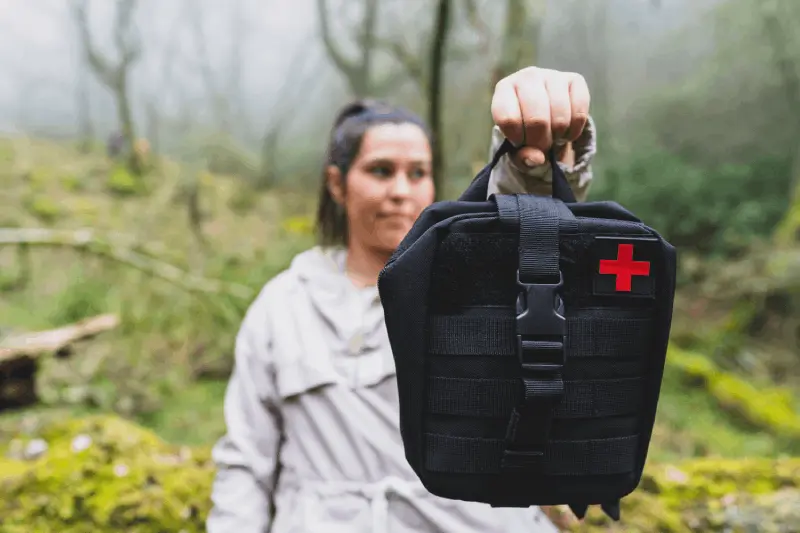
No matter how high-quality the materials inside are, if your bag is getting wet or the fabric is tearing, it can all be useless. The outer shell of a first aid kit should be made from durable fabrics like "Cordura" or consist entirely of "hard case" waterproof plastic boxes (like a pelican case). The color of the bag should definitely be "bright red" or "fluorescent orange" so that it can be easily noticed in a panic situation or low light. It should have a large "Plus" (+) sign or the words "First Aid" on it. Additionally, having a "MOLLE" system or a sturdy carrying handle on your bag will enhance your mobility.
What Should the Scope of the Emergency Guide Inside the Bag Be Like?
In a panic situation, you might forget even the simplest first aid information. Therefore, your bag must contain a waterproof printed first aid guide with pictures and brief instructions. This guide should provide quick reminders on basic topics such as artificial respiration, CPR, applying a tourniquet, splinting fractures, and treating snake bites. Additionally, the guide should include the emergency numbers for the area you are in and the coordinates of the nearest settlement unit. Personal information such as your "blood type" and "allergies" written in your own handwriting will greatly facilitate the work of professional teams when they reach you.
What Are the Risks of Expired Materials and How Often Should the Bag Be Checked?
A first aid kit does not work on the principle of "prepare and forget." Medications and even some bandages have an expiration date. The packages of sterile gauze can become punctured over time and lose their sterility. Therefore, you should lay your bag on a table and check each item at least once every major camping season or at least every six months. You should renew any medications that are nearing their expiration date, check flashlights with dying batteries, and replenish any missing supplies. Additionally, you should develop the habit of immediately replacing any used materials. An empty disinfectant bottle or a missing bandage can leave you stranded when you need it the most.
What Should Modern Medical Intervention Kits for Snake and Scorpion Stings Include?
In the case of a snake or scorpion sting, do not attempt to "suck out the venom" or "cut" the wound as seen in old movies. In modern first aid, the "slowing" technique is applied for these situations. Your bag should contain pressure bandages (immobilization bandages) for this purpose. These bandages help slow the spread of venom through the lymphatic system by wrapping the entire limb. Additionally, it is beneficial to have a simple splint to immobilize the affected area. Although the effectiveness of pumps that claim to vacuum out the venom is debatable, they are sometimes included in professional kits. The most important rule is to keep the patient calm without panicking and to get them to the hospital as quickly as possible; during this time, the movement of the patient should also be restricted.
What Are the Advantages of Using Splints or Wire Splints for Fractures and Dislocations?
A broken leg or arm in the field can make evacuation impossible. It is difficult to make a splint from branches using classic methods and can cause pain to the patient. Instead, you should add "SAM Splint" type aluminum and sponge composite soft splints to your bag, which do not take up space when folded but harden when opened. These splints can be used in any position; as a neck brace, wrist support, or leg stabilizer. Additionally, splints provide protection and can help control bleeding in the area. In the case of a fracture, stabilization prevents the bone ends from damaging nerves or blood vessels, which is the most critical intervention that reduces the risk of permanent damage.
Why Are Electrolyte Powders Life-Saving for Preventing Severe Fluid Loss?
Intense exertion in hot weather or cases of diarrhea can lead to the loss of salt and minerals along with water in the body. Simply drinking water may not be sufficient to meet the cells' water needs and can lead to issues such as "water intoxication" or "severe cramps." Your bag should definitely contain "ORS" (Oral Rehydration Solution) sachets or electrolyte tablets. These powders mixed with water quickly restore sodium, potassium, and glucose balance. Especially in cases of sunstroke, giving the patient this electrolyte-balanced water helps keep them conscious and initiates the healing process. They are lightweight, inexpensive, and one of the most commonly used first aid supplies in nature.
Should Sterile Scalpels and Suture Kits Be Kept for Situations Requiring Professional Intervention?
If you have not received medical training, it is generally not recommended to keep surgical tools like suture kits or scalpels in your bag. An incorrectly performed surgical intervention can lead to damage to blood vessels or nerves, and worse, can lead to septic shock. However, if you are going to very remote and isolated areas (expedition style), you can carry these kits for use by a professional team. Instead, for amateur users, "Butterfly Bandages" (Steri-Strips) that replace sutures are much safer. These strips bring the wound edges together and allow it to close without stitches. Instead of carrying surgical tools, it is more logical to focus on these practical and safe closure materials.
Do Signal Whistles and Mirrors Used to Call for Help Fall Under First Aid Scope?
First aid is not just about dressing wounds; it is also about ensuring help is reached. Therefore, a first aid kit should contain a
You must have a signal mirror that emits a loud sound at high decibels and reflects sunlight to indicate your location. Your voice may fade after a while, but a whistle can be heard from miles away. Especially in foggy weather or during nighttime injuries, these devices ensure that rescue teams can reach you. Some modern first aid kits include these devices integrated within them. If you don't have one in your kit, be sure to include a quality "Pealess" whistle.What Should the Protection Factor of Sunscreen Be in High Altitude Camps?
As altitude increases, the atmosphere thins and the effects of UV rays increase exponentially. In areas with snow, the risk of sunburn doubles due to reflection. In your first aid kit, there should be not only holiday sunscreen but also SPF 50+ and "Mineral Filter" (containing Zinc Oxide) sunscreens that provide medical-level protection. Protective sticks for chapped lips and burns should also be included in the set. In case of sunburn, extra bandages and a water supply should be planned for moist compresses to reduce body temperature. Remember, sunburn does not only redden the skin; at advanced levels, it can lead to fever, chills, and serious fluid loss, which is a systemic disease.
Why is the Size Selection of Sterile Gloves and Material Quality Important?
The only way to protect both yourself and the injured while intervening is to use gloves. Your kit should contain at least 2-3 pairs of "Nitrile" gloves. Avoid latex gloves as they have a higher risk of causing allergies and are less resistant to chemicals (fuels, oils, etc.) in natural conditions. Gloves should fit you perfectly; overly large gloves can hinder delicate interventions, while small gloves can easily tear. Nitrile gloves are usually blue, which helps you see blood or dirt on them better. After each intervention, it is very important to dispose of the gloves as medical waste (in a separate bag) to maintain hygiene at the campsite.
What Special Items Should Be Added to the Kit When Camping with Children or Pets?
If you are going out with little campers or your furry friends, you need to personalize your first aid kit. For children, fever reducers in syrup form (with a measuring spoon) and cuter, non-irritating band-aids should be added. For pets, special "paw wax" protectors for paw cuts, nail clippers, and appropriately dosed medications that they can swallow should be included. Additionally, a practical wrapping method or a small protective collar (Elizabethan collar) to prevent them from licking their wounds can be included in the kit. Since their anatomy is different, be sure to get prior information from your veterinarian about the types of medications used.
What Are the Biggest Mistakes Made When Preparing a First Aid Kit?
The most common mistake is filling the kit with unnecessary materials that weigh it down but are not used. Another mistake is not knowing how to use the materials; carrying a tourniquet without knowing how to apply it makes having that material there meaningless. Additionally, not having a waterproof kit and not keeping it in an easily accessible place are also common mistakes. If your kit is at the bottom of a backpack and cannot be accessed without emptying everything, you will waste time in an emergency. Finally, not replenishing finished materials in the kit invites the next accident. First aid is more about preparedness and awareness than a set of equipment.
All these items we have covered in this guide are designed to ensure that your time spent in nature is safe and peaceful. Remember, the best first aid is being careful to avoid accidents; however, having the right equipment when an accident occurs makes all the difference.