What Should Be Prioritized in Vehicle Maintenance Before Traveling by Caravan in the Black Sea Plateaus?
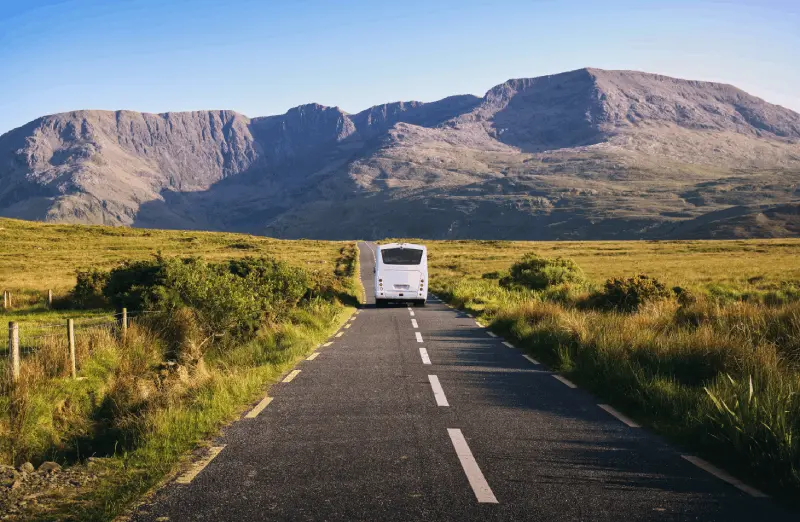
Going to the Black Sea plateaus requires much more than a standard highway drive. The engine cooling system of your vehicle will be the most stressed component on these steep slopes; therefore, radiator cleaning and antifreeze checks are vital. Your braking system must be inspected by a professional service, especially since the condition of the pads and discs will face the risk of overheating during descents. Additionally, the freshness of the transmission oil and the lifespan of the clutch set (for manual vehicles) should be on your priority list to avoid getting stranded. The sharp stones and muddy grounds of plateau roads necessitate that your tire tread depth and sidewall integrity are also flawless.
What Are the Safe Driving Techniques on Plateau Roads Filled with Steep Slopes and Tight Curves?
The most fundamental rule when driving on plateau roads is the principle of "descend in the gear you ascended." Actively using the engine brake prevents your brake discs from overheating and thus avoids brake failure. Before entering tight curves, you must always warn oncoming vehicles with your horn; local drivers in the Black Sea can drive these roads very fast. Always account for the width and height of your caravan, and be alert for tree branches or rock slides. Additionally, to prevent your vehicle from rolling back on uphill climbs, establishing mechanical control instead of relying on handbrake-assisted starts or hill start assist systems, if available, will extend the lifespan of your transmission.
What Equipment Should Be Kept in the Caravan Against Variable Black Sea Weather Conditions?
In the Black Sea, sunny weather can quickly turn into a heavy downpour or thick fog within five minutes. Therefore, you must have a high-quality raincoat, waterproof shoes, and quick-drying clothes in your caravan. For heating needs, your diesel heater (like Webasto) must be well-maintained, and you should have a spare fuel tank with you. Additionally, extra storm ropes and sturdy stakes to secure the caravan awning against sudden gusts of wind while sitting outside should be an indispensable part of your kit. In this region, where humidity levels are very high, moisture-absorbing devices or tablets to balance the humidity inside the caravan will enhance your comfort.
What Precautions Can Be Taken Against Wild Animal Threats While Staying in the Plateaus?
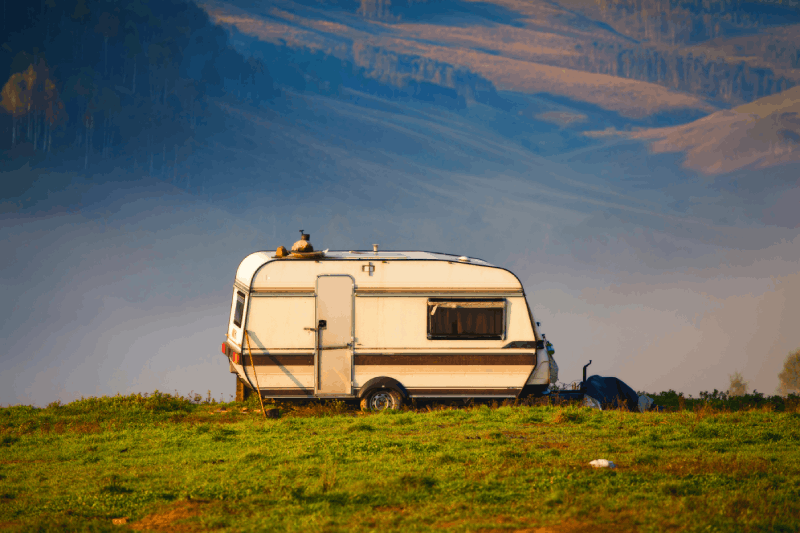
Black Sea plateaus are natural habitats for wild animals such as bears, wolves, and jackals. You should never leave food or trash outside your caravan; the smell can attract these animals directly to your campsite. Using lighting outside at night can be a method to keep wild animals away, but the safest way is to retreat inside the caravan and lock the doors. Always have a loud whistle or bear spray with you, as they can buy you time in case of an unexpected encounter. Dog sounds usually indicate shepherd dogs accompanying herds; in such cases, you should remain calm and wait inside your caravan without interfering with the herd's area.
What Are the Key Points for Managing Water and Electricity Needs with Limited Resources?
It is often impossible to find a camping area or electricity connection in the plateaus. The efficiency of your solar panels will significantly decrease on cloudy and foggy days in the Black Sea; therefore, using lithium batteries (LiFePO4) and DC-DC chargers that charge your vehicle's batteries while driving is invaluable. For water needs, you should prefer clean sources recommended by locals instead of filling your tank from every stream you see. Always have a 20-30 meter water hose and adapters suitable for different tap types with you. Developing water-saving techniques and using water-efficient shower heads will extend your autonomy.
What Should Be Considered When Communicating with Locals and Shopping?
The people of the Black Sea are quite hospitable but also very attached to their traditions. Greeting the people you encounter in the plateaus and having short conversations will help open doors for you more easily. When shopping, it is important to adopt an attitude that supports local producers rather than bargaining. Especially when buying products like corn bread, butter, and honey directly from producers, you should respect their living spaces and privacy. You should always ask for permission before parking your caravan very close to a house, and remember that you are a "guest." In small villages, grocery store hours may be irregular, so it would be wise to complete your basic needs from town centers before heading to the plateaus.
What Are the Responsibilities of Caravanners Regarding Waste Management and Nature Conservation?
One of the biggest problems in the plateaus is that waste collection services do not reach every point. Therefore, you should collect all types of waste you produce in your caravan and dispose of them in containers in a city center. Never leave plastic, metal, or glass waste in nature, and if possible, collect the trash you see around to contribute to the area. Disposing of gray water (kitchen and bathroom waste) directly into pastures or water sources can cause significant harm to the ecosystem and the areas where animals graze. Using biodegradable cleaning products and transporting your wastewater to appropriate disposal points is the most fundamental duty of a true nature-loving caravanner.
How to Move on Plateau Roads When Visibility is Reduced Due to Fog?
In the Black Sea, the dense fog known as "vargel" can suddenly drop visibility below one meter. In such a situation, the safest move is to wait in a safe area or a suitable pocket until the fog clears. If you must continue on the road, you should proceed at very low speeds with your hazard lights and fog lights on. Following the white lines on the side of the road or any barriers will give you a sense of direction. Never drive at high speeds and keep your following distance at the maximum level in case the vehicle in front of you stops. Remember that fog not only limits visibility but also moistens the road, making it slippery.
How Does the Weight Balance of the Caravan Affect Its Performance on Plateau Roads?
The sharp turns and slopes on plateau roads will remind you every second how critical the weight center of the caravan is. Heavy items must be placed in the lower compartments and over the axle of the caravan. Placing heavy canned goods or technical equipment in upper cabinets increases the risk of the vehicle rolling over (roll effect) in turns. Additionally, having full water tanks may lower the center of gravity but can decrease climbing performance by increasing total weight. Therefore, it is wise to keep your fresh water tank at half level before climbing very steep plateaus and supplement from springs near the summit.
How to Communicate in Areas with No Phone Signal During Emergencies?
Many high-altitude Black Sea plateaus do not have GSM operators. In such cases, having short-range radios (PMR) is quite useful for communicating with other caravanners or locals. If you are on a professional adventure, devices that send messages via satellite or satellite internet systems like Starlink can be lifesaving. Before heading out, you should inform a close friend about your route and estimated return time. Additionally, having offline map applications (Maps.me, Google Offline Maps) downloaded in advance will help you find your way when the signal is lost. In an emergency, climbing to a high hill may increase your chances of receiving a signal.
What Are the Ways to Benefit from the Gastronomic Richness of the Black Sea in the Caravan?
Cooking in a caravan is a joy in itself, but this experience takes on a whole new dimension with the fresh products of the Black Sea. You can buy fresh milk from the plateaus and make your own yogurt on your caravan stove or try local flavors with the black cabbage and corn flour you bought from local markets. Making a real mıhlama (kuymak) in your caravan's cast iron pan will make your breakfast unforgettable above the clouds. However, remember that the smells produced while cooking can attract wild animals, and you should ventilate the caravan well after meals and never leave leftovers outside. It might also be a great idea to obtain fresh corn flour from local mills to make your own bread.
Is It Wise to Travel to the Plateaus in Winter or Early Spring?
The Black Sea plateaus are usually covered in meters of snow in winter, and most of the roads become inaccessible. If you do not have professional snow equipment and a 4x4 vehicle, it is quite risky to caravan in the winter months. In early spring, the melting snow can make the roads extremely muddy and prone to landslides. If you plan to travel during these times, you should definitely have snow chains, a towing rope, sand plates, and a sturdy shovel with you. Additionally, you should be aware that plateau houses are often empty during this period and that getting any help may be difficult. The ideal time is generally from early June to the end of September.
How to Determine the Most Suitable Areas for Caravan Toilet and Waste Water Disposal?
Managing cassette or compost toilets in a plateau environment is a very sensitive issue. You should never dispose of chemical-laden cassettes in nature, near streams, or in toilets without septic pits. The most accurate method is to use the waste disposal points indicated by fuel stations or municipalities in city centers when descending from the plateau. If you plan to stay in the plateau for a long time, you should use special biological decomposing liquids that do not harm the environment and keep your waste in tightly sealed containers. Paying extra attention to cleanliness when using toilets used by locals will positively affect their perception of caravanners.
Can Caravanners Participate in Plateau Festivals and Cultural Events?
Traditional plateau festivals like Vartovor or Kadırga are great opportunities to get to know Black Sea culture. However, during these times, the plateaus can be extremely crowded, narrow roads may become blocked, and it may be difficult to find suitable flat areas for caravans. If you plan to attend a festival, it is best to go to the area a few days in advance and secure a suitable spot. Noise and loud music are part of these festivals; if you are looking for silence, it is better to stay away from festival areas. When parking your caravan, make sure you do not block the local people's vehicle passageways or horon areas.
How is Internet Access and Remote Work Opportunities in the Black Sea Plateaus?
For digital nomads, the Black Sea plateaus can be both inspiring and challenging. In some popular plateaus (like certain points of Ayder and Pokut), 4.5G connectivity is quite good, but in the inner parts of the valleys, the signal can completely drop. If you are working remotely, having multiple operators' lines and using signal booster antennas will guarantee your work. The most reliable solution is satellite internet systems that work perfectly in open areas without tree obstructions. However, remember that heavy rainfall and thick cloud cover can sometimes slow down satellite signals. If you have planned meetings, it would be wise to test the signal quality a day in advance.
What Are the Challenges of Caravanning with Small Children or Pets?
Plateaus are an endless playground for children and pets, but the safety risks are equally high. The decrease in oxygen levels at high altitudes can cause some children to experience dizziness or fatigue; this condition is known as "altitude sickness," and ascending slowly is the best remedy. You should keep your pets under supervision to protect them from local shepherd dogs and wild animals. The steep slopes of the Black Sea can pose a cliff danger for an inattentive child or a curious dog. Always have a first aid kit tailored to their health needs and spare medications with you.
What Medical Supplies Should Be Included in the First Aid Kit Specific to the Geography of the Black Sea?
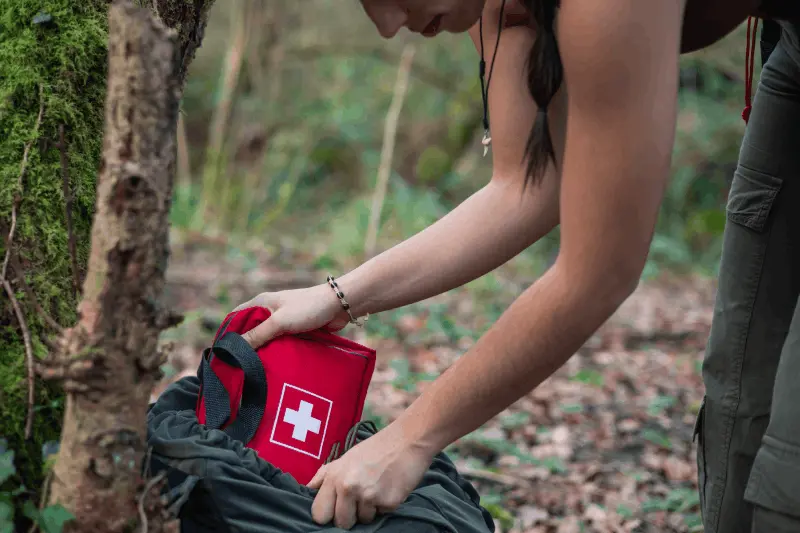
In addition to a standard first aid kit, you should have strong anti-allergic creams and pills for insect bites (especially ticks and wasps) in the Black Sea. Antiseptic solutions and waterproof bandages are important for wounds that may heal poorly in humid environments. Additionally, you should have fever reducers for sudden temperature changes and probiotic supplements for stomach ailments. Sterile gauze, elastic bandages, and pain relief sprays should also be among the essentials in your kit for minor accidents that may occur on plateau roads. Assuming there won't be a hospital nearby, refreshing your basic first aid knowledge is vital.
Why is Choosing the Right Tires Important for the Wet and Muddy Grounds of the Black Sea?
Standard asphalt tires can quickly slip on the muddy roads of the Black Sea and leave you helpless. The ideal choice for this region is "All-Terrain" (A/T) tires that perform well on both asphalt and off-road. The deep tread design and reinforced sidewalls of these tires provide resistance against sharp rock fragments and quickly evacuate water, increasing traction. It is also important to know how to adjust tire pressure according to road conditions; reducing pressure slightly on very soft surfaces can enhance grip. Always have a sturdy spare tire and a tire repair kit with you, and check that your tire changing equipment (jack, lug wrench) is in working order.
How to Plan Fuel in High Altitude Areas Where There Are No Fuel Stations?
Roads leading to the plateaus are usually steep, and a heavy vehicle like a caravan can consume twice as much fuel while climbing. Applying the "half tank" rule is very important in the Black Sea; when your tank is half full, you should refuel at the nearest station. You should also fill your tank before deviating from the main road to head to the plateau. In some cases, having an approved 10-20 liter spare fuel canister in your caravan can be lifesaving in case of unexpected road closures or route extensions. Additionally, you should ensure that your vehicle's fuel filter is clean; as low-quality fuel can leave you in a difficult situation during a plateau climb.
Is It Ethically Correct to Park a Caravan Near Plateau Houses?
Plateau living is not just a vacation for the local people; it is a lifestyle and a livestock activity. Parking your caravan right in front of a plateau house or in a way that blocks the view may not be well-received by the locals. Ideally, you should choose flat areas at a reasonable distance from the houses that do not harm grazing areas for animals. Basic etiquette includes not making noise at night, not playing loud music, and avoiding light pollution. If you have to park near a house, asking for permission from the homeowners and offering them a small gift (like a pack of tea or coffee) will instantly break the ice.
What Technical Failures Are Most Commonly Encountered While Traveling by Caravan in the Black Sea?
Overheating engines (overheating) are the most frequently encountered failure on Black Sea roads. Additionally, due to continuous brake usage, burning pads or warped discs are common. Rough and stony roads put a heavy load on front suspension components (tie rod, ball joint, shock absorber) and can lead to play over time. Also, charging issues in the caravan's battery system can leave you powerless in this area where sunlight is limited. You should carry basic repair tools (tool set, screwdriver, multimeter) with you and be able to perform basic tasks like changing fuses or patching hose leaks.
How Can the Efficiency of Solar Panels Be Increased on Cloudy Days in the Black Sea?
The gray skies of the Black Sea make it difficult to get the expected efficiency from your solar panels. In this case, it is critical to use more efficient MPPT (Maximum Power Point Tracking) devices instead of standard PWM charge controllers. You should always keep the surface of your panels clean, regularly wiping off moisture and dust. If possible, adding portable (foldable) panels that you can position according to the sun's angle next to fixed panels on your caravan roof will help you collect extra energy in shaded or cloudy weather. Additionally, you should optimize your energy consumption during these times by keeping unnecessary lights and devices off to preserve your batteries.
What Are the Differences in Routes Between the Plateaus of Rize, Artvin, and Trabzon?
Each of the plateaus in these three provinces has its own unique character. The plateaus of Rize (Ayder, Pokut, Gito) are generally steeper and more rugged, challenging your driving skills. The plateaus of Artvin (Borçka, Şavşat) have wider plateaus and fairy-tale lakes, with relatively wider but longer roads. The plateaus of Trabzon (Hıdırnebi, Sultanmurat) are areas with more settlements and relatively more social facilities. When traveling by caravan, you should be prepared for more fuel and brake checks in Rize, long-distance planning in Artvin, and crowded traffic in Trabzon. Each route will continue to surprise you with different vegetation and cultural textures.
How to Solve Heating Problems in the Caravan with Vebasto or Similar Systems?
Even in summer nights in the Black Sea plateaus, temperatures can drop to 5-10 degrees. Diesel heaters (commonly known as Vebasto) are the most efficient and safe method for heating the inside of the caravan. You should ensure that the exhaust of these systems does not leak into the caravan and that the outside air intake is not blocked by snow or mud. Having a carbon monoxide detector in your caravan protects your life against any leaks that may occur while you sleep at night. Additionally, you should monitor the fuel consumption of the heater and check the amount of diesel in your tank, remembering that running the heater continuously at a low setting is more economical than frequently turning it on and off during very cold nights.
How Much Should Navigation Applications Be Trusted on Plateau Roads?
Google Maps or similar applications may suggest the narrow roads of the Black Sea, which can only be traversed by tractors, as the "shortest route." This situation can lead you into a significant predicament while traveling by caravan. The safest method is to avoid deviating from the main roads and to ask a local or a gendarmerie station before entering any secondary roads suggested by navigation. The places where navigation says "there is a road" may sometimes be blocked by a landslide or may be extremely narrow. Always keep your offline maps updated, but prioritize visual cues (signs, road width, surface type) and your instincts over navigation.
Which Plateaus Can Be Accessed with a Standard Caravan That Lacks Off-Road Capability?
If your vehicle is a standard motorhome or towable caravan with 4x2 rear-wheel drive or front-wheel drive, trying to access every plateau can end in disappointment. Areas with paved or well-graded roads, such as Ayder, Hıdırnebi, Perşembe Plateau, or Borçka Karagöl, are suitable for you. However, extremely steep and stony roads like Pokut, Gito, or Verçenik can cause a standard vehicle to bottom out or burn the clutch. For such "difficult" plateaus, it is much wiser to leave your caravan at a safe point or in flat areas at the entrance of the plateau and take local minibuses or rented 4x4 vehicles to the summit. Knowing the limits of your vehicle prevents your vacation from turning into a nightmare.
What Is the Effect of Night Temperature Differences on Humidity and Condensation Inside the Caravan?
The difference between the cold outside air and the warmth inside the caravan in the Black Sea can cause significant condensation (sweating) on the windows and walls. Over time, this can lead to mold formation and damage to insulation materials. To prevent this, your caravan must have a roof ventilation system (hatch) and ensure air circulation. Thermal insulation curtains that can be installed on the windows from the inside or outside significantly reduce condensation. Wiping the water off the windows with a cloth when you wake up in the morning and thoroughly ventilating the caravan will prevent the formation of damp odors inside. Also, be careful not to dry wet clothes inside to maintain indoor comfort.
What Should Be Known About the Drinkability and Storage Conditions of Plateau Waters?
The spring waters in the Black Sea plateaus are generally very fresh and rich in minerals, but not every body may react the same way to these waters. Especially in areas where livestock farming is common, surface waters carry the risk of bacterial contamination. If you plan to use it as drinking water, you should boil the water or filter it through a quality water purification filter. When filling your caravan's clean water tank, checking the color and smell of the water is important to prevent algae formation inside the tank; protecting your tank from sunlight is also crucial. Using silver ion disinfectants at regular intervals for tank cleaning is the most effective way to protect your health during long trips.
How to Behave When Encountering Local Livestock Activities and Herds?
It is quite likely to suddenly encounter a herd of cows or sheep on plateau roads. In this case, you should never honk your horn or scare the animals; this can anger the shepherd and cause the animals to panic and damage your vehicle. The best approach is to pull your vehicle to the side, turn off the engine, and patiently wait for the herd to pass. Shepherd dogs protecting the herd may approach your caravan barking; in such cases, it is safest to keep the windows closed and stay inside the vehicle. After the animals pass, greeting the shepherd and continuing on your way shows respect for the social balance in the area. Remember, they are the true owners of those roads.
What Are the Best Light and Time Frames for Photography and Video Shooting in the Plateaus?
Photography in the Black Sea requires patience and precise timing. The "golden hours" of sunrise and sunset, combined with fog, create truly realistic images. Especially the sea of fog (cloud sea) rising from the valleys in the early morning hours is the most popular shooting subject. However, the harsh sunlight during noon hours can wash out the tones of green and kill details; therefore, you should focus your shoots between 06:00-09:00 in the morning or 17:00-20:00 in the evening. If you are using a drone, be very careful of sudden and strong winds in the plateaus, and always keep your device within visual range to avoid losing it. Also, remember that the sound of the drone can disturb the local people and animals.
Where Should the Caravan Be Positioned for a Safe Night's Sleep in the Plateaus?
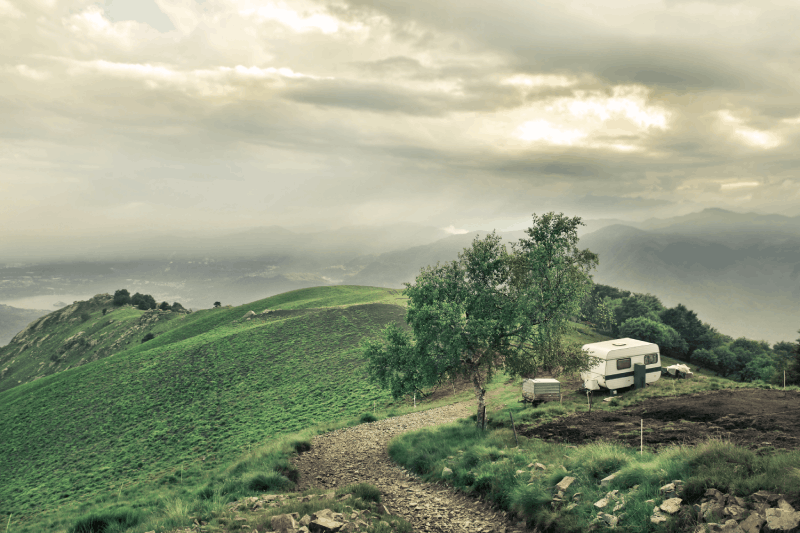
The ground structure and slope of the place you choose for overnight accommodation are critical for both your sleep quality and safety. Turning the front of the caravan towards the direction of the wind reduces the wind noise and vibrations that may enter. You should prefer harder, gravelly, or grassy flat areas instead of soft, muddy ones; as rain at night can cause you to get stuck in the mud in the morning. Stay away from cliff edges and steep slopes that pose a landslide risk. Additionally, ensuring that the handbrake of the caravan is engaged and wheel chocks are placed under the wheels is your best assurance against potential sliding risks on sloped terrain.
How Can Caravanners Contribute to the Local Economy Within the Scope of Sustainable Tourism?
While caravanning sometimes creates the image of "tourists who spend no money," it is in our hands to turn this around. Meeting your needs from local grocery stores instead of large chain markets, buying handmade products from local women's cooperatives, and eating local dishes in local restaurants will breathe life into the local economy. Additionally, contributing to sustainable tourism models by cleaning the environment in the areas you stay or supporting local projects (tree planting, school donations, etc.) is also possible. The value we give to nature and the sincere bond we establish with the local people is the strongest foundation for ensuring that the Black Sea plateaus are passed on to future generations without being spoiled.