How Do LPG-Supported Truma Combi Systems Enhance Your Comfort?
Systems like the Truma Combi that operate with LPG are high-end solutions that meet both heating and hot water needs in the caravan simultaneously. These devices are known for their quiet operation and clean combustion principles. They are an excellent alternative for those who want to escape the characteristic "tick tick" sound and exhaust smell produced by diesel heaters. Especially offered as standard in European-manufactured caravans, these systems eliminate the need to deal with issues like fuel transfer or tank cleaning since they are fed by a gas pipe. They provide home comfort by distributing warm air homogeneously through vents inside.
Can Alde's Water System Heating Bring Home Warmth to Your Caravan?
Alde heating systems are the "central heating" systems of the caravan world. Unlike air-blown systems, they operate with the radiator principle by circulating hot water (a glycol mixture) through pipes behind the walls. This method prevents the air from drying out and minimizes dust, which is a significant advantage for users with allergies. Alde systems can generally operate with both electricity and gas, allowing you to heat quietly while at the campsite. The even distribution of heat throughout the caravan completely eliminates the "cold corner" problem, providing a luxurious winter camping experience.
Does a Small Wood Stove Offer More Than Just Romance in a Caravan?
Using a wood stove in a caravan is not just an aesthetic choice; it is also the best method for achieving the "driest" heat. Unlike diesel or gas heaters, a wood stove absorbs moisture inside and expels it outside, preventing condensation, which is the biggest problem in winter. Specially produced small models for caravans, like the "Cubic Mini," can bring the entire interior to a bath-like warmth with a small amount of wood or briquettes in a short time. However, it is essential to remember that this option comes with operational challenges such as regular cleaning, chimney maintenance, and fuel storage, and for safety, a carbon monoxide detector is crucial.
Can Energy Savings Be Achieved with Carbon Crystal Heating Panels?
For caravanners with a strong electrical infrastructure or those who usually stay at campsites, carbon crystal infrared panels are a modern solution. These panels heat objects and the human body directly instead of heating the air (the principle of solar heating). They can be easily mounted on ceilings or walls due to their thin structure and do not take up space. Known for their low energy consumption, these systems are silent and have a very low risk of breakdown since they do not contain any mechanical parts. While they add a modern touch to caravan decor with their aesthetic appearances, they are also ideal for local heating needs.
How Can Underfloor Heating Mats Solve the Cold Floor Problem?
In caravans, most heat loss occurs from the floor, and the coldness felt by your feet affects the entire body temperature. Thin carbon heating mats that operate with 220V or 12V can be placed under the floor covering to eliminate this problem at its root. The warmth from your feet ensures that the entire body heats up faster and allows you to lower the temperature of the main heater, increasing overall efficiency. This system is indispensable for those who love to walk barefoot or in socks inside the caravan, especially in winter. Installation is easy and adds almost no weight to the caravan's total weight.
Do Portable Gas Heaters Save Lives in Emergencies?
Portable gas heaters like "Mr. Heater Buddy" offer a great backup plan in case the main heating system fails or for very short-term heating needs. These devices, which operate with small propane tanks, require no installation and can be moved to any desired location. Although they have safety features like oxygen depletion sensors and tip-over protection, it is essential to leave a ventilation opening inside. They can create humidity during prolonged use due to the water vapor they emit as a result of combustion; however, they are very practical when spending time outside or when you want to heat the caravan quickly.
Are There Gas Alternatives to Diesel "Chinese Diesel Heater"?
There are gas-operated versions of heaters known in the market as "Chinese Webasto." These devices produce warm air by burning gas from your LPG tank. They are a middle-ground solution for those who do not want to deal with a diesel tank but are looking for the efficiency of a ducted air heating system. Thanks to the clean combustion feature of gas, the combustion chamber of the device gets dirty much slower, and maintenance intervals are extended. Still, the installation of these devices requires professionalism, and periodic leak tests are critical for your safety.
Why Are Ceramic Heaters with Fans Preferred in Campsites?
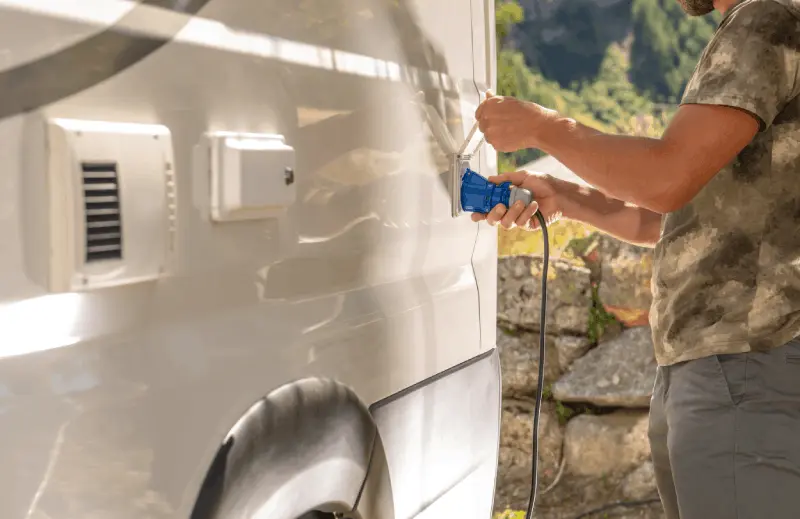
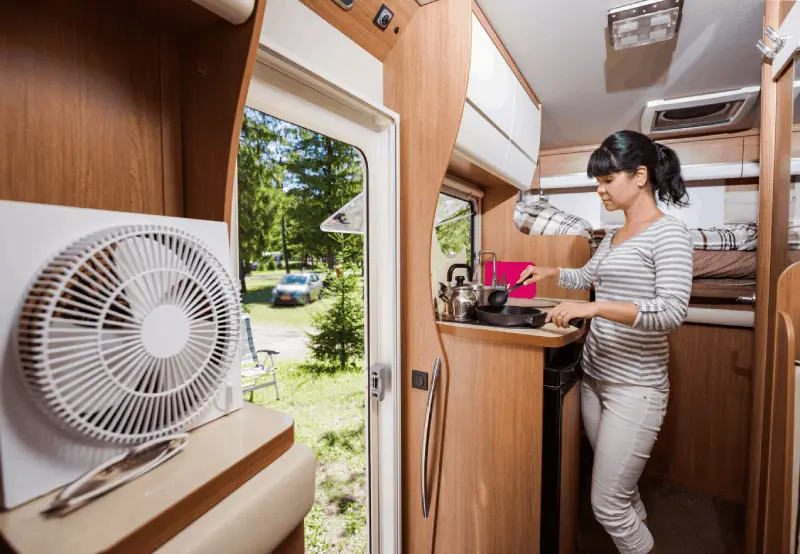
If you have an electrical connection at a campsite (EHU), the cheapest and most effective method is a simple ceramic fan heater. These devices quickly distribute warm air with the help of a fan behind the resistance. Models with thermostats save energy by turning off when the desired room temperature is reached. The disadvantage is the noise of the fan and its drying effect on the air. Nevertheless, it is an economical strategy to take advantage of the electricity provided by the campsite instead of consuming the fuel of your main heater. Their small size also makes it easy to store them in the cupboard during summer.
Are Gas Propex Models the Biggest Competitors of Diesel Heaters?
UK-based Propex heaters are famous for their compact designs and efficiency. These devices, which can be mounted under or inside the caravan, operate by burning propane or butane gas. They consume much less electricity (battery) compared to diesel heaters, making them attractive for off-grid living. The noise produced during ignition is negligible. Known for their durability, Propex systems can operate for years without issues and do not require additional fuel tank management since they are integrated into the gas system.
Can Heat Pump Air Conditioning Systems Heat a Caravan in Winter?
Modern caravan air conditioners can now provide heating as well as cooling thanks to their "heat pump" feature. These systems draw heat from the outside air and transfer it inside. However, the biggest limitation of this method is that efficiency rapidly decreases in conditions where outside temperatures drop significantly below zero. If you are experiencing a mild winter or already have an air conditioner in your caravan, you can use this feature without making an additional investment. However, for a truly freezing winter, it is more appropriate to consider these devices as a supplementary heat source rather than the sole source of heat.
How Much Do Thermal Curtains and Glass Covers Contribute to Heating?
The most important rule of heating is to retain the heat inside. Caravan windows and the shower area are the points where heat escapes the fastest. Thick, multi-layered, and reflective thermal curtains (blackout thermal curtains) can reduce heat loss by up to 30%. Specially produced suction cup thermal mats for windows provide both privacy and prevent the cold surface of the glass from cooling the indoor environment. No heating system can operate efficiently in a poorly insulated caravan. Therefore, the budget you allocate for insulation actually pays for itself by ensuring that your heating system operates less.
Are Electric Blankets and Heated Cushions Battery-Friendly?
Instead of heating the entire caravan, heating just yourself is the most logical way for limited energy sources. Electric blankets that operate with 12V consume minimal energy (about 3-4 Amper) to keep you warm in bed throughout the night. Similarly, low-voltage heaters placed under the cushions in the seating area instantly enhance thermal comfort. By keeping the room temperature around 15-16 degrees and heating through direct body contact, you can halve the fuel consumption of your main heater. With modern lithium battery systems, it is possible to run these products all night long.
Do Candle Heaters or Clay Pot Arrangements Really Work?
The "two pots and a candle" setup that is frequently encountered online, while it may produce some heat physically, is never sufficient to heat a caravan in winter. The BTU value produced by a candle is very low. This method may create a slight warmth in a very small area, but the risks of open flame hazards and consuming oxygen inside far outweigh the benefits. In a confined space like a caravan, where flammable materials are present, it is essential to avoid open flame solutions like candles or alcohol stoves for safety reasons. Instead, one should opt for approved and safe electronic or gas devices.
Is Heating with Solar Panels an Utopian Dream?
Generating electricity with solar panels and using that electricity to operate a resistance heater is quite challenging with current technology. The panels on a standard caravan roof cannot meet the thousands of watts of energy consumed by an electric heater. However, solar energy can indirectly assist in heating: excess energy produced during the day can charge lithium batteries, and this energy can be used at night to power 12V blankets or fan motors. Additionally, passive systems like "Solar Air Heaters" (simple boxes that blow heated air inside) can pump free warm air inside on sunny winter days.
How Does "Polyurethane Spray" Insulation Affect Caravan Heating Needs?
The insulation material used during the caravan construction phase is a key factor that determines your success, regardless of which heater you choose for winter. Polyurethane spray foam completely adheres to metal surfaces, eliminating "thermal bridges" and insulating the caravan like a thermos. In a well-insulated caravan, even the heat from a candle can affect the indoor temperature; while in a poorly insulated caravan, even the most expensive heater cannot cope with the outside cold. Elastomeric rubber foam (Armaflex) similarly creates a moisture barrier, preventing condensation and keeping the warm air inside during winter.
Do Dehumidifiers Help with Heating in Condensation Control?
Cooking and breathing inside the caravan during winter causes moisture to build up in the air. Humid air is much harder to heat than dry air. Using a small compressor dehumidifier can reduce indoor humidity to around 50%, making the environment feel "better" and allowing for faster heating. Additionally, reducing humidity prevents condensation on windows and mold formation behind furniture. The warmth felt in a dry environment is higher than in a humid environment at the same temperature. Therefore, moisture management is essentially a hidden heating strategy.
How Do "Skirting" Panels Under the Caravan Prevent Heat Loss?
Especially during long-term stays, the wind passing under the caravan can cause the floor to cool rapidly. Skirting panels surrounding the bottom of the caravan create an air cushion by cutting off the airflow underneath the vehicle. The warmth of the ground is trapped in this enclosed area, preventing direct contact between the caravan floor and the outside environment. This method can double the efficiency of your underfloor heating system. This application, made with a simple tarp or specially produced rail systems, is a professional touch that prevents outside storms from disrupting your comfort inside the caravan.
How Do Fan Heaters Optimize Heating Efficiency?
Warm air always rises and collects at the ceiling of the caravan, causing your feet to feel cold while your head sweats. Small, quiet fans (which can even operate via USB) mounted on the ceiling or placed at strategic points circulate this warm air downwards. Fans like "Eco-fan" that operate with heat can distribute air without electricity, especially when placed on top of wood stoves. With these small devices, you can run your heater at a lower setting while achieving the same comfort and saving fuel.
Do Catalytic Heaters Offer a Safe Alternative for Caravans?
Catalytic heaters are devices that produce heat through a chemical reaction without creating flames. Although they are considered safer than gas heaters, they still consume oxygen and emit water vapor. Only "caravan-approved" models should be preferred in confined spaces like caravans. The biggest advantage of these devices is that their electricity consumption is close to zero and they operate silently. However, it is essential to keep the ceiling ventilation (Heki) slightly open during use. They are generally preferred as a supplementary source of heat to assist the main heater.
Do "Double Glazing" Films Applied to Windows Serve as Insulation?
Although caravan windows are generally acrylic, they are the center of heat loss. Transparent insulation films sold in hardware stores and stretched with a hairdryer create an air gap between the glass and the room, producing a "double glazing" effect. This application is extremely inexpensive and cuts off the cold radiation coming from the glass without disturbing the view. Applying it at the beginning of winter and removing it in spring is a niche tactic that can significantly reduce your heating costs. You can immediately feel this difference, especially in caravans with large panoramic windows.
Do Heat-Storing Materials Provide Warmth Throughout the Night in a Caravan?
The concept of "thermal mass" can also be applied in a caravan. For example, natural stones placed around a wood stove or ceramic objects placed in front of a heater vent absorb heat while the system is on and continue to release this heat slowly into the environment after the system is turned off. This especially prevents the environment from suddenly freezing when you want to turn off or reduce the heater at night. Of course, lightweight but dense materials should be chosen in a way that does not disturb the weight balance of the caravan. This is a modern adaptation of ancient heating wisdom to the caravan.
Why Does the Maintenance and Cleaning of Diesel Heaters Trigger the Search for Alternatives?
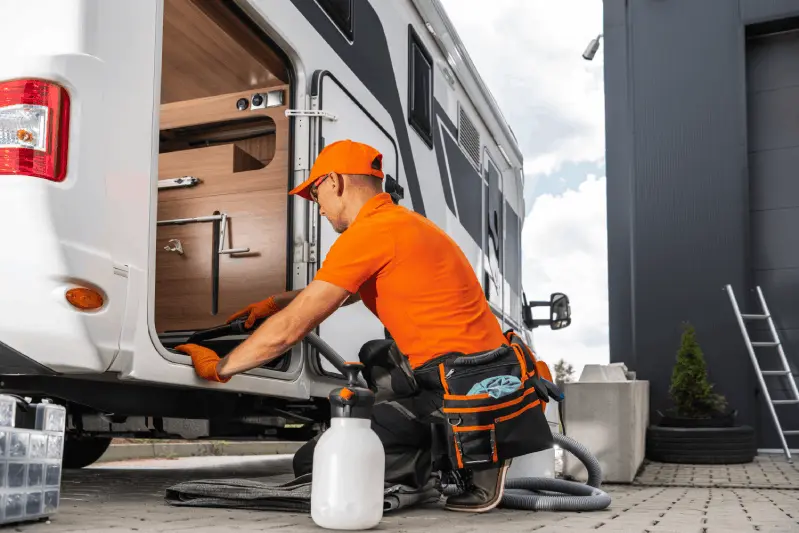
Diesel heaters like Webasto can accumulate soot due to low-quality fuel usage or prolonged operation at low temperatures. This may require the device to be disassembled and cleaned, or even the combustion chamber to be replaced. Many users prefer electric or gas systems with a "plug-and-play" mentality because they are hesitant about these technical maintenance processes. Additionally, the exhaust noise of diesel heaters can sometimes be disturbing in quiet nature camps. Alternatives provide users with the freedom to escape this technical dependency and choose the fuel type that best suits their usage habits.
What Is the Best Heating System for Your Caravan?
Whichever heating system you choose, the best system is the one that best fits your travel route, energy capacity, and comfort expectations. If you are always staying at campsites, electric solutions are the most practical; however, if you are looking for true freedom and winter adventure, LPG Combi systems or a romantic wood stove can turn your caravan into a real home. Remember that even the best heating system cannot be efficient without good insulation. Don't forget to invest in insulation and moisture management as much as the heater to enjoy winter.