What Is the Vital Importance of Insulating Heat Inside a Tent During Winter Camping?
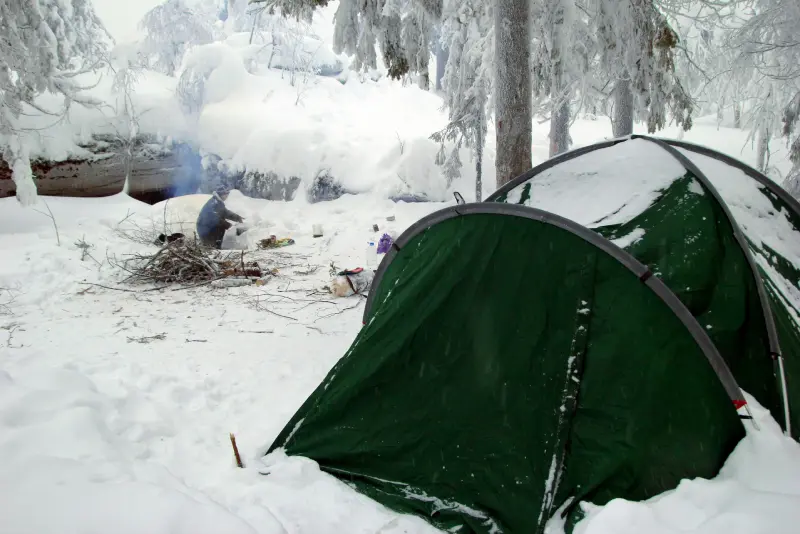
When it comes to winter camping, the outer tarp of the tent protects you from wind and rain, but it is generally insufficient to create a thermal barrier. Insulation is necessary to prevent your body heat from escaping through the tent's thin fabric and to slow down the entry of freezing cold from outside. Without a good insulation strategy, the heat inside the tent quickly equalizes with the outside temperature, which can lead to the risk of hypothermia. Additionally, insulation materials not only protect heat but also help you manage humidity (condensation) inside the tent. A tent equipped with the right materials maximizes the performance of your sleeping bag and ensures you get a deep sleep throughout the night.
How Do EVA Mats Used on Tent Floors Break Heat Bridges?
The greatest heat loss inside a tent occurs through conduction from the ground. Soil or snow absorbs your body heat like a sponge. Closed-cell EVA (Ethylene Vinyl Acetate) mats are one of the most effective and economical solutions at this point. The thousands of tiny air bubbles inside EVA mats create excellent thermal resistance between the ground and your body. These mats do not absorb water, making them ideal for snowy and damp grounds. EVA pads laid out to cover the entire floor of the tent stabilize not only the area where you sleep but also the overall air temperature inside the tent. For breaking heat bridges, these mats should fit tightly together or be stacked on top of each other to completely stop cold air leaks.

How Do Aluminum Foil Insulation Sheets Reflect Heat Inside a Tent?
Materials known as "bifoil" or aluminum bubble nylon in the construction industry are revolutionary in tent insulation. The working principle of this material is based on reflecting radiant heat. The aluminum foil layer reflects over 90% of the infrared energy emitted from heat sources inside the tent (your body, your camping lamp, or a small heater). The middle bubble air layer minimizes heat loss through conduction. When you place this material on the inner walls or floor of the tent, it creates a thermos effect inside the tent. Its lightweight and rollable nature makes it an indispensable insulation material for mobile campers.
How Do Reflective Blankets (Space Blankets) Protect Radiant Heat When Hung on the Tent Ceiling?
Known as emergency blankets, Mylar covers are among the lightest yet most effective insulation aids. Based on the principle that warm air rises, when you attach these reflective blankets to the inner ceiling of the tent, they send the heat trying to escape upwards back down to you. It is critical to place the shiny metallic surface facing you. These thin covers, secured with clips or tape to the tent poles, also optically reduce the height of the tent ceiling, shortening the heating time. However, since Mylar blankets do not breathe, it is essential to leave some air space between them and the ceiling to prevent excessive condensation.
How Do Polar and Wool Blankets Increase Thermal Comfort When Used on Tent Walls?
Blankets made from synthetic or natural fibers are traditional yet highly effective insulation layers. Polar fabrics trap a large amount of stagnant air between their fibers, providing excellent insulation. Thick polar blankets hung on the inner walls of the tent cut off cold air flow and improve the tent's acoustic insulation, creating a more peaceful environment. Wool is one of the rare materials that can maintain its insulation properties even when wet. Dressing the inside of the tent with these types of textile products eliminates the cold nylon surface's touch and keeps the air inside at a softer, more livable warmth. This method is particularly practical for those staying at fixed camping centers.
Which Breathable Insulation Materials Should Be Preferred to Prevent Condensation Issues Inside a Tent?
When using non-breathable insulation materials (plastic, foil), the inability to expel moisture from inside the tent and its transformation into water droplets on the inner surface is the biggest problem. To overcome this issue, "breathable" insulation layers should be preferred. For example, tent inner liners made from technical fabrics or specially produced felt panels are successful in this regard. Felt absorbs moisture to a certain extent and then slowly releases it while also providing high thermal insulation. Its porous structure allows air circulation while preventing heat from escaping quickly. If you are using closed materials like foil, placing them strategically in areas that will not block ventilation holes will allow you to insulate without compromising your comfort.
Why Are Polyethylene Foam Sheets Advantageous in Terms of Portability and Insulation Efficiency?
Polyethylene foam (PE) is the most commonly used insulation core in the camping world. This material is very lightweight due to its low density and is waterproof thanks to its closed-cell structure. The insulation efficiency is directly related to the thickness of the material. Even a 5mm PE sheet can reduce ground cold by 50%. When rolled up, it can easily be attached to the outside of a backpack, making it a golden standard for backpackers. Additionally, these sheets can be cut inside the tent and shaped to block micro air flows coming from blind spots in the corners of the tent. Its long lifespan and economical price make PE sheets a fundamental piece that every camper should have in their inventory.
Do Self-Insulating Tent Liners Provide Extra Heat Gain?
Some high-end tent brands produce inner coatings called "liners" specific to their models. These liners typically consist of a thin synthetic fiber (loft) layer placed between two layers of fabric. These self-insulating liners reduce the amount of air that needs to be heated by slightly narrowing the inner volume of the tent and create an additional thermal layer. Tests have shown that a quality inner liner can keep the internal temperature of the tent 5 to 8 degrees higher than the outside. Additionally, these liners act as a barrier that prevents condensation from the heavy moisture forming on the outer tarp from dripping onto your sleeping bag. If your tent does not have a liner option, you can design a similar system by sewing a quilted fabric of appropriate sizes.
How Do Tyvek or Tarpaulin Materials Laid Under the Tent Reduce the Effect of Moisture on Heat Insulation?
Insulation is not only about protecting the heat inside but also about keeping the outside cold (moisture) away. Tyvek or heavy-duty tarpaulin laid under the tent prevents moisture in the ground from reaching the tent floor. A wet ground conducts heat much faster than a dry one. Therefore, keeping the area under the tent dry is a key factor determining the efficiency of the insulation you will do inside. Tyvek is particularly preferred by professionals due to its waterproof and vapor-permeable structure; it also helps in the drainage of moisture that forms between the ground and the tent. These underlays, known as "footprints," form the first and most critical link in the insulation chain.
How Can Recyclable Materials Like Newspaper or Cardboard Be Used in Emergency Heat Insulation?
In cases of equipment shortages or unexpected weather changes, materials found in nature or waste materials nearby can be lifesaving. Cardboard, thanks to its corrugated air channels, is actually an excellent insulator. A few layers of cardboard laid on the tent floor can provide insulation as effective as the most expensive mats. Similarly, crumpling newspaper and filling the gaps around the edges of the tent or layering them inside your clothes creates stagnant air pockets that stop heat loss. These methods are practical solutions that should be kept in mind for emergencies, provided they do not violate "LNT" (Leave No Trace) principles and are recycled after camping.
What Techniques Can Be Applied to Stop Heat Loss Through Tent Windows and Ventilation Gaps?
The weakest points of the tent are the windows and zipper doors. These areas are usually covered only with a mesh or a thin fabric. To strengthen heat insulation, thick polar pieces or transparent PVC covers can be added over the windows. Ventilation gaps (vents) should not be completely closed as this can lead to condensation and excessive humidity risk. However, creating protective flaps over these gaps, like "storm flaps," or ensuring ventilation comes from the opposite direction of the wind can minimize cold air entry. Fabric inserts called "draft tubes" sewn into the inner parts of the zippers are quite successful in cutting off micro drafts that seep through the metal teeth.
How Should the Combination of Sleeping Bag and Mat Be Integrated with the Tent Insulation System?
No matter how good the overall insulation of the tent is, your individual insulation (your sleep system) is the heart of this system. The insulation materials inside the tent help keep the air around your sleeping bag warmer, allowing it to perform at its limits. For example, adding a self-inflating mat on top of the EVA mat on the tent floor increases the R-value cumulatively. Aligning the insulation panels inside the tent with the corner where your sleeping bag is located creates an "room within a room" effect, allowing you to use your energy more efficiently. For good integration, make sure the insulation materials surround your sleeping area from all sides (bottom, sides, and top).
What Is the Effect of Leaving an Air Gap on Heat Insulation in Small Tents?
One of the most common mistakes in heat insulation is compressing insulation materials so tightly that there is no gap left between the outer tarp and the inner tarp. In fact, what provides insulation is not the material itself but the "stagnant air" gap that the material traps or creates. In double-walled tents, the air layer between the two tarps acts as a natural insulator. If you are going to add insulation material in between, leaving small gaps where air can circulate but cannot escape quickly will enhance thermal efficiency. In small tents, since the volume is limited, your body heat will warm the air more quickly; to take advantage of this, you should place the insulation layers closer to your living space rather than far from the tent.
How Can Ground Insulation Be Done with Natural Materials (Dry Leaves, Pine Needles) in the Campsite?
If you do not have a professional mat nearby, you can take advantage of the insulation opportunities offered by nature. Dry leaves, pine needles, or dry grass are excellent insulation materials. Preparing a bed of these materials about 15-20 cm thick on the ground before setting up the tent cuts off your thermal connection with the soil. However, there are two important points to consider here: First, the materials must be completely dry (wet leaves conduct heat faster); second, only discarded materials should be used without harming nature. This natural layer will compress under the tent, so it should be kept quite thick at the beginning. With a mat or blanket laid on top, this natural insulation can turn into a very comfortable bed.
What Materials Should Be Avoided for Fire Safety When Insulating Heat Inside a Tent?
Most insulation materials are synthetic (polyethylene, polyurethane, nylon) and these substances are highly flammable. If you are using a candle, stove, or catalytic heater inside the tent, you must ensure that the insulation materials do not come into contact with these heat sources. Especially foil-covered materials can reflect heat, but they can quickly melt in the presence of an open flame and release toxic gases. Polyurethane foams (some sponge mats) can drip during a fire, showing flammability, which is very dangerous for someone inside the tent. Keeping insulation materials at least 50-60 cm away from heat sources, never smoking inside the tent, and having a fire extinguisher spray or a bucket of sand for emergencies are vital safety measures.
How Many Degrees Can High R-Value (Thermal Resistance) Materials Increase the Internal Temperature of a Tent?
The R-value measures a material's resistance to heat flow. In camping mats, R-1 is written, while R-5 and above are suitable for extreme winter conditions. The layered insulation you apply inside the tent (for example, double mats on the ground, reflective foil on the walls) can raise the total R-value, keeping the internal temperature of the tent 10 to 15 degrees higher than the outside. Of course, this depends on the size of the tent, the number of people inside, and the intensity of the wind. Using materials with a high R-value reduces the need for a heater, which saves fuel and eliminates the risk of carbon monoxide poisoning. Remember, insulation does not generate heat; it only retains existing heat, so there should be a heat source (like body heat) inside at the beginning.
What Types of Curtains Are Used for Insulating Heat Traps (Vestibule Insulation) Created at Tent Entrances?
Every time the tent door is opened, the valuable warm air inside quickly escapes, and cold air rushes in. To prevent this, heat traps can be created in the entrance section called "vestibule." A heavy polar curtain or a double-layer fabric barrier can be hung right behind the door zipper, cutting off the direct contact of the inside air with the outside when the door is opened. You can secure this curtain with a tension cord or clips attached to the tent poles. Additionally, an old carpet piece or scrap mats laid on the vestibule floor serve as a "cold well" that prevents cold air from seeping inside. This simple addition can make a significant difference in maintaining warmth, especially in family camps with frequent entries and exits.
What Contributions Do Wooden Pallets and Plywood Provide for Insulation When Camping for Long Periods?
If you plan to camp in the same place for a season (like glamping or long-term caravan side camping), you can opt for heavier and more permanent insulation solutions. Building a platform from wooden pallets under the tent allows the tent to be raised 10-15 cm above the ground, permitting air to circulate underneath. This air gap provides excellent insulation as it cuts off direct contact with the ground. A thin layer of plywood laid over the pallets, along with added foam or cork pads, offers floor insulation comparable to home comfort. Since wood is a natural insulator, its thermal performance is much higher than that of metal or plastic platforms, and it does not feel cold when stepped on.
What Is the Role of Using a Carpet or Rug Inside a Tent on Psychological and Physical Heat Perception?
Heat is not just a value measured by a thermometer; it is also related to tactile and visual perception. A soft carpet or woven rug laid on the tent floor cuts off the contact of your feet with the cold tent fabric, providing direct comfort. Physically, the fibers of the rug trap air between them, creating an additional insulation layer. Psychologically, textile products that create a sense of "home" enhance a person's resistance to cold and boost morale. Especially wool-blended rugs are successful in maintaining moisture balance. These items, which may seem like a part of camping decoration, actually form the most comfortable and aesthetic part of the insulation strategy.
How Should the Safe Distance of Insulation Materials Used with Portable Heaters Be Adjusted?
When using gas or propane portable heaters inside the tent, the position of the insulation materials is critical. Most campers place the heater in the center of the tent; however, if the insulation materials (especially reflective foils) are on the walls, the radiant heat coming from the heater can focus on these surfaces. There should be at least a 1-meter "safety zone" left between the heater and any insulation material (curtain, mat, foil). Additionally, placing a non-flammable mat (like a welding blanket piece) over the ground insulation to prevent the heater from tipping over is a significant safety enhancement. The stronger the insulation, the lower the heater can operate, which reduces oxygen consumption.
Should Insulation Material Be Placed in the Gap Between the Inner and Outer Tarp in Double-Walled Tents?
This question is often debated among campers. As a general rule, the gap between the two tarps (flysheet gap) should be left empty for air circulation and condensation drainage. However, in extremely windy and cold weather, placing a thin reflective cover in the gap facing the direction of the wind can significantly reduce the wind chill effect. It is crucial that the material does not touch the outer tarp, as contact points can lead to water seepage (capillary action). If insulation material is to be placed, it should be porous or breathable (for example, a thin fiber insert) to minimize the risk of condensation.
How Can the Package Volume and Weight of Insulation Materials Be Optimized for Backpacking Travelers?
For those traveling long distances with a backpack, "lightness is everything." In this case, multifunctional materials should be preferred over heavy blankets or thick PE sheets. For example, foldable Z-mats that can be used as both a sitting mat and sleeping system insulation are fantastic. Thin aluminum-coated foams (about 2-3 mm) take up very little space when rolled up and can be placed inside the sleeping bag to retain body heat. Another optimization method is to use clothes as insulation material; by layering spare fleece and jackets around the edges of the tent or under the sleeping bag, you can increase insulation capacity without carrying extra weight.
How Do Dehumidifiers and Insulation Materials Used Together Affect Comfort Inside a Tent?
The biggest enemy in an insulated tent is the moisture that accumulates inside. As the humidity in the air increases, the perceived coldness rises, and your insulation materials (especially textile products) can become damp and lose their effectiveness. Therefore, chemical dehumidifying tablets or small battery-operated dehumidifiers can be lifesaving in insulated tents. When humidity decreases, your insulation materials stay drier, and the air warms up more easily. Dry air is thermally more stable than humid air. While insulating, also ensuring moisture control creates a real comfort zone by preventing the air inside from becoming "stuffy" or "damp cold."
Are Silver Foil Insulated Glass Wool Materials Suitable for Use Inside a Tent?
Materials like glass wool or stone wool (Izocam, etc.) used in home insulation should never be used bare inside a tent. The micro glass fibers in these materials can mix with the air, causing serious harm to the respiratory system and skin. However, versions of these materials that have been pressed between two layers of durable foil and sealed at the edges, known as "industrial insulation panels," can only be used for ground insulation in fixed and professional camping setups. Still, polyethylene or rubber-based foams produced for camping, which do not release fibers, are much safer and healthier. To avoid risking your health, you should always prefer certified camping materials that are suitable for human contact and do not shed.
How Does the Soil Structure of the Camping Area Affect the Level of Ground Insulation Required?
The type of soil directly determines the amount of insulation you need. Sandy soils provide relatively better insulation as they trap more air, while wet clay or rocky soils quickly absorb heat. Especially if you are setting up a tent on rock, the thermal mass of the stone will continue to cool you throughout the night; therefore, you should use ground insulation that is twice as thick on rocky soils than usual. When camping on snow, the "golden rule" is to lay a tarpaulin on the snow, then a layer of hard foam (EPS), and finally a soft mat on top. Knowing the type of ground in advance will guide you in determining the type and amount of insulation material you will bring.
How Can Heat Bridges Formed by Metal Tent Poles Be Insulated?
Aluminum or steel poles are excellent conductors and create "heat bridges" that transfer heat from inside the tent to the outside. You may notice that these poles freeze over, especially in winter. Covering the parts of the poles inside the tent with thin neoprene pipe sleeves (like bicycle handlebar foam) or insulation tapes can stop this leakage. This process also prevents you from accidentally touching the cold metal at night. If you are looking for a permanent solution, you can choose tent models where the sleeves the poles pass through are made of insulated fabric or sew additional insulation layers over these sleeves. This seemingly small detail can prevent 5% of total heat loss.
How Do Vapor Barrier Liners Used in Extreme Conditions Support Insulation?
The Vapor Barrier (VB) technology ensures that body moisture does not pass into the insulation layers, keeping the insulation dry and effective. In very cold weather, even if your body does not sweat, it produces an invisible vapor called "insensible perspiration." When this vapor reaches your sleeping bag or the insulation walls of the tent, it freezes and renders the insulation ineffective. VB liners (usually coated nylon) keep this moisture close to the body, extending the lifespan and efficiency of the main insulation layer (down sleeping bag or insulation panels). Although this method may feel a bit "sweaty," it is one of the most advanced techniques used to prevent insulation from failing in camps at -20 degrees and below.
What Are the Safest and Non-Allergenic Materials for Tent Insulation for Families with Children?
When camping with children, it is a priority that insulation materials are non-toxic and non-allergenic. EVA mats and food-grade polyethylene foams are the safest options in this regard. Heavy canvas blankets made from natural cotton or hypoallergenic silicone fiber-filled covers are also suitable for children's sensitive skin. Sharp-edged foils or old blankets that may shed dust should be avoided. Using colorful play mats known as "puzzle mats" for ground insulation will not only attract children's interest but also create an excellent shock-absorbing and insulating layer. Additionally, adding hot water bottles (in covers) to the children's sleeping area is the safest heat supplement that supports the insulation system.
What Precautions Should Be Taken When Insulating Heat in the Tent Sections Where the Camp Kitchen Is Located?
When insulating in cooking areas (usually the living area of large family tents), the risk of fire and steam management is of vital importance. Plastic foil or flammable foam should never be used on walls near stoves. In these areas, fire-resistant fabrics reinforced with fiberglass or aluminum sheets (as heat shields) should be preferred. Since cooking releases a lot of steam, the insulation in the kitchen area should be made of materials that are easy to clean and do not hold dirt (like PVC-coated tarpaulin) for cleanliness and hygiene. Planning the insulation in the kitchen area to focus more on cutting the wind rather than preserving heat would be a more balanced approach.
What Insulation Materials Can Be Used Upside Down to Keep Cool Inside a Tent During Summer?
Heat insulation is not only for protection from the cold; it is also used to keep the scorching heat of the sun outside during summer. The aluminum foil sheets you use to reflect heat inside in winter can be laid outside the tent (or between the outer tarp and the inner tarp) with the shiny side facing outwards in summer, reflecting the sun's rays back without entering the tent. This method is called a "radiant barrier" and can even lower the internal temperature of the tent below the ambient temperature. Hanging space blankets over the tent like a tarp in summer will dramatically reduce the greenhouse effect inside the tent. By using insulation materials wisely, you can enjoy a comfortable camping experience in all four seasons.