For many people dreaming of a caravan, the most critical stage is not only the technical conversion of the vehicle into a caravan but also establishing a legal basis for this process. In Turkey, any structural and technical changes made to vehicles are evaluated under the "Regulation on the Manufacture, Modification, and Assembly of Vehicles" (AİTM). In this article, we will address which changes made to a caravan need to be registered in the permit, the legal procedures, and the details to pay attention to in a question-and-answer format.
Is a Project Condition Necessary for Caravan Conversion?
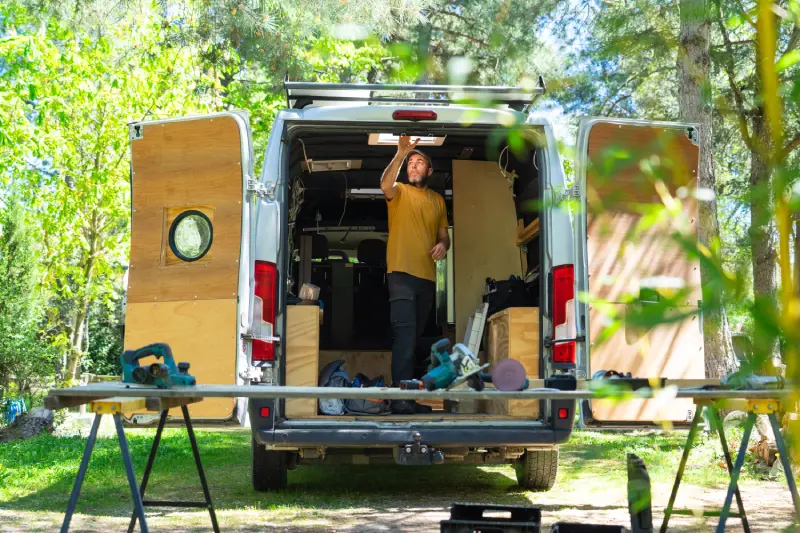
When a bed, kitchen, and living area are added to a panel van, this vehicle is no longer just a technical cargo transport vehicle but becomes a special-purpose transport (M1 class motorhome). This type of functional change definitely requires a modification project drawn up by mechanical engineers and approved by TSE (Turkish Standards Institute). Changes made without a project can lead to the vehicle being flagged during traffic inspections and failing the inspection. Therefore, it is vital to initiate the legal process as soon as the interior design of the vehicle is completed.

Is Class Change of the Vehicle Mandatory?
If your vehicle's registration states "Van" or "Panel Van" and you have converted this vehicle into a living space, a class change is mandatory. While panel vans fall under class N1, motorhomes fall under the special-purpose transport category M1. If this class change is not made, the annual inspection periods, speed limits, and mandatory traffic insurance premiums of the vehicle will be incorrect. To legally own a caravan, updating the vehicle class in the registration to "SA Motorhome" is the first condition for a safe and peaceful journey.
Should Exterior Color Change Be Registered?
Caravan owners often prefer to paint their vehicles in nature-friendly colors. If the original color of the vehicle is changed by more than 30%, this situation must be registered in the permit. Color change is an operation that does not require project planning but must be reported to the safety system after being detected at the inspection station. In dual-color applications, both colors must be specified in the permit. Otherwise, a penalty may be imposed due to the mismatch between the vehicle's identity information and its physical appearance during traffic checks.
Is a Project Required for Side Window Installation?
Opening a window in a closed panel van is a structural change made to the vehicle's body. This operation must be included in the modification project as it can affect the rigidity and safety of the vehicle. According to TSE standards, the installed windows must be "E" certified (tempered or laminated safety glass). The project specifies the locations, dimensions, and connection details of the windows. If you later had a side window installed in your caravan, it is a legal obligation to register this in the technical data of the permit and to have it approved in the project.
Should Roof Ventilation Change Be Registered?
Roof ventilation or openings known as "heki" are essential for air circulation inside the caravan. Cutting the roof to install a unit here disrupts the integrity of the vehicle's roof sheet, just as it does with side windows. Therefore, the installation of a roof vent is evaluated as part of the modification project. Showing this change in the project means approving the change in the vehicle's height and roof strength. Although small roof ventilations are sometimes overlooked, it is the healthiest way to specify it in the project for a suitable permit.
Will Adding a Solar Panel Be a Problem?
Solar panels are usually mounted on the roof of the vehicle and increase the total height of the vehicle by a few centimeters. In current regulations, solar panels can be classified as "cargo" or "equipment," and since they affect the height of the vehicle when mounted, they may pose a problem during inspection. In professional caravan projects, solar panels should be specified as part of the vehicle's electrical system and external equipment. Especially the situation of drilling the roof for cable entries is among the elements included in the project's approval mechanism in terms of waterproofing and structural integrity.
Will External Awning Installation Pass Inspection?
Retractable awnings mounted on the side of caravans are elements that technically change the width of the vehicle. The awning must not exceed the original width limits of the vehicle when in the closed position and must not have sharp edges. Often, awnings are not directly registered as an item in the permit, but specifying "awning is present" in the modification project helps prevent potential issues during traffic inspections or inspections. Ensuring that the awning is securely mounted and will not come loose during travel is an important detail listed in the TSE checklist.
Does Water Tank Installation Require a Permit?
Clean and gray water tanks placed under or inside the caravan directly affect the vehicle's center of gravity and total weight. If the installation of these tanks requires drilling or welding on the vehicle's chassis, this situation is very critical. Water tanks should be shown in the placement plan of the caravan modification project. Especially in towing caravans or motorhomes with a distinction of under or over 750 kg, the full weight of the water tanks is taken into account in total weight calculations. Therefore, placement and capacity... This information is an integral part of the project.
Should Kitchen and Stove Installation Be Registered?
For a vehicle to be considered a "caravan", it must have a fixed kitchen unit, stove, and sink inside. Without these facilities, a caravan license cannot be issued for a vehicle. The kitchen unit must be securely fixed, not dislodged during shocks, and made of materials suitable for fire safety. The location of the kitchen in the project is clearly drawn. Even if detailed expressions like "Caravan with Kitchen" are not included in the license, the existence of these facilities forms the basis of the registration process by being recorded in technical documents and the TSE approval form.
What Should the Gas Installation Project Look Like?
The LPG or gas installation used for cooking or heating in the caravan is one of the most frequently inspected subjects. The gas installation's leak-proof report and copper pipe standards are a prerequisite for the approval of the renovation project. The area where the gas cylinder is located must have ventilation to the outside and must be isolated from other electrical devices. During the TSE inspection, the gas detector and installation safety are checked. None of these safety measures can be approved without being verified; therefore, the gas installation is the most sensitive point of the project.
Does the Installation of a Heater (Webasto) Require a Project?
Diesel heaters (Webasto and similar) used for heating the environment in caravans draw fuel from the vehicle's fuel tank and have an exhaust outlet. Installing such a device means interfering with the vehicle's fuel system and body. According to current regulations, heaters that draw fuel from outside or use the vehicle's own fuel line must be planned. The use of e-documented heaters and the distance of the exhaust outlet from flammable materials are among the technical details examined in the TSE approval process. From a safety perspective, it is essential for this installation to be included in the license project.
Does Reducing the Number of Seats Require a License?
When converting a panel van or minibus into a caravan, the rear seats are usually removed. Changing the number of seats registered in the license necessitates updating the vehicle's registration information. For example, if a vehicle with 5+1 seats is converted to a 2+1 caravan by removing seats, this situation must be explicitly stated in the project. Details such as the cancellation or preservation of the seat belt attachment points of the removed seats fall under engineering calculations. The mismatch between the number of seats in the license and the actual number of seats in the vehicle is considered a "Major Defect" during inspection and requires the renewal of the license.
Should the Seat Belt Change Be Registered?
If a passenger seat is added to the rear of the caravan or the location of existing seats is changed, the installation of seat belts is one of the most challenging legal processes. The belts and attachment points used for the newly added seats must be "M1 class" test approved. This change may require more complex calculations than a standard renovation project. The brand of the belts, approval number, and installation strength are recorded in the technical file. Such changes in safety equipment are among the parts that receive the most attention and are expected to be error-free during license registration.
What Happens If the Vehicle Weight Exceeds 750 Kg?
In towable caravans, the 750 kg limit is a legal turning point. Caravans under 750 kg are not subject to registration and do not require a separate license; however, if this weight exceeds even one kilogram, the caravan must have its own license and plate (Class O2). In motorhomes, the total loaded weight of the vehicle (weighbridge weight) must not exceed the technical limits specified in the license. If the vehicle becomes too heavy after the conversion and the license weight capacity is insufficient, the vehicle is considered to have exceeded its permissible load and is not deemed suitable for legal traffic.
Should the Tow Bar Installation Be Registered?
Installing a tow bar on a caravan or another vehicle is an operation that affects the vehicle's towing capacity and electrical installation. The installation of the tow bar must be done with a project, and the license must state "Tow Bar Available". A TSE-approved tow bar set must be used, and installation must be done at an authorized service. A tow bar not recorded in the license cannot pass inspection and may cause the vehicle to be flagged during traffic checks. Additionally, in accidents, insurance companies may consider an unregistered tow bar as "unauthorized modification" and may not provide payment.
Does a Rear Bicycle Carrier Require a License?
Bicycle carriers mounted on the back of caravans are generally considered "removable accessories" and are not directly required to be registered in the license. However, if this carrier obstructs the vehicle's rear lighting group (taillights) or license plate, installing an additional lamp set and license plate is a legal obligation. If the carrier is welded to the vehicle chassis and has become a permanent structure, it may be considered a technical modification because it extends the total length of the vehicle. Generally, systems that are bolted and removable are preferred to avoid this legal process.
Should a Ladder and Roof Rack Be Registered?
Ladders added to the back of the vehicle or roof racks mounted on the roof are elements that change the external dimensions of the vehicle (length and height). Removable features trunks do not require a license, heavy-duty roof racks and ladders that are fixed to the chassis or body can sometimes be evaluated within the scope of the project. Especially, the ladder must not extend beyond the total length of the vehicle. Stating these external accessories as "caravan equipment" during the project phase is a professional approach that will eliminate potential disputes with the technician during inspection from the very beginning.
Can Cutting Be Done on the Chassis?
It is strictly prohibited to perform cutting, welding, or drilling operations on the main carrying chassis of the vehicle during caravan transformations, and this situation cannot be licensed. Unauthorized interventions on the chassis make it impossible to obtain TSE approval because they disrupt the structural integrity of the vehicle. If an extreme modification is planned, such as extending the length of the caravan or removing a piece from the chassis, this operation can only be performed with the permission of the vehicle manufacturer and by specially authorized upper structure manufacturers. For a standard user, touching the chassis poses a legal risk that could result in the vehicle being scrapped.
Does Changing Insulation Material Require a Project?
The sound and thermal insulation materials applied to the interior walls of the vehicle are not directly a licensing item. However, the fire resistance of the materials used (flame retardancy) is important for caravan standards. Sometimes, the type of insulation material may be specified in the project file. The main effect of insulation is on the vehicle's empty weight. Very heavy materials (such as thick stone wool or heavy composite panels) can increase the vehicle's weight, leading to a violation of the weight limits in the license. Therefore, lightweight and standard-compliant materials should be chosen when insulating.
Does Changing the Electrical Installation Require a License?
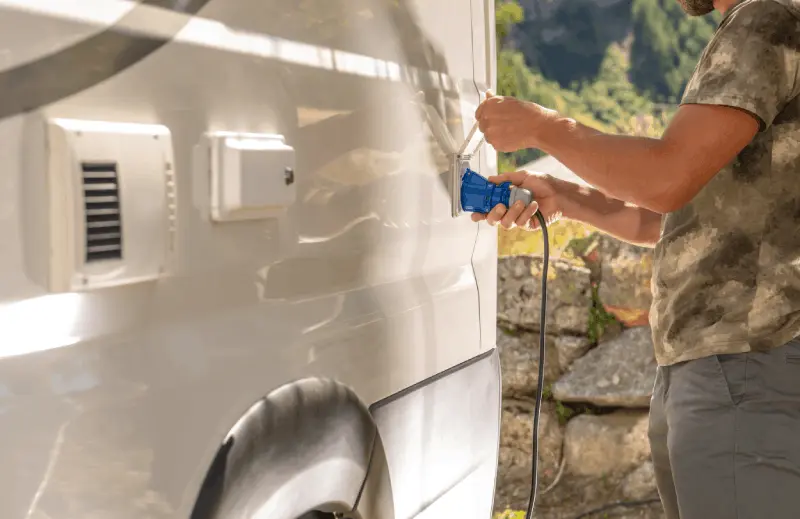
The 12V or 220V electrical installation inside the caravan is not processed as a separate item for the license; however, the safety of this installation is a critical element for the approval of the project. The suitability of cable cross-sections, the presence of a fuse box, and the installation of the external electrical input socket are included in the TSE control's "internal equipment" list. A faulty electrical installation can lead to the rejection of technical approval due to the fire risk it poses to the vehicle. Therefore, it should be ensured that the electrical project complies with caravan standards (such as EN 1648-2) during the licensing process.
Does Installing an Air Conditioning Unit Require a License?
Air conditioning units added later to the roof or inside the caravan change both the electrical load of the vehicle and its external dimensions. Roof-type air conditioners significantly increase the total height of the vehicle. If the vehicle has air conditioning when the project is drawn, the height information in the technical data should be updated accordingly. The licensing process does not proceed directly as "air conditioning" but rather as the registration of the vehicle's current technical dimensions. Additionally, the installation safety of the external unit of the air conditioner is checked during inspection against the risk of falling parts.
Does Adding a Bathroom and Toilet Require a License?
One of the four basic conditions required to classify a vehicle as a "special purpose motorhome" (along with a bed, kitchen, and table) is storage areas; the bathroom and toilet are considered comfort equipment. However, adding a bathroom cabin directly affects the water installation and wastewater outlets inside the vehicle. The placement of these units should be shown in the weight distribution calculations and layout plan (sketch) of the vehicle. A special note stating that there is a bathroom in the license is not required, but these areas must be registered as fixed equipment during the project phase.
Does Changing Tire and Rim Size Require a License?
Caravan users generally prefer larger tires and offset rims for a more imposing appearance or off-road performance. Changes to tires and rims outside the tolerances set by the vehicle manufacturer (usually 3%) must be processed for the license. If the tires extend beyond the fender or are rubbing, they will not pass inspection. Since larger tires affect the vehicle's speedometer and braking performance, it is a legal requirement for such modifications to be processed with engineering approval and, if necessary, a brake test for the license.
Does Increasing Engine Power Require a License?
Software (chip tuning) or mechanical engine enhancements made to better pull the weight of the caravan are among the most challenging issues to process for a license in Turkey. Significant changes in the engine's horsepower or torque can also alter the vehicle's tax bracket and emission values. If a mechanical engine change (engine swap) is made, the new engine must be compatible with the vehicle and must be processed with the project for the license. Changing the engine without a project is a serious violation that can lead to the complete prohibition of the vehicle's traffic and heavy penalties.
Does Changing the Transmission Type Require a Project?
Converting a manual panel van to an automatic transmission or vice versa is a significant modification to the vehicle's powertrain. This change completely alters the vehicle's fuel consumption, emissions, and driving characteristics. License information cannot be updated without a project for the transmission change. During inspection, if the type of transmission (manual/automatic) does not match the information in the system with the physical condition, the vehicle will not pass inspection. Therefore, transmission modifications must be legalized with authorized service approval and an engineering project.
Does a Suspension Lift Kit Require a License?
Those who want to make an "off-road" style caravan use special kits to lift the vehicle. These operations, which increase the vehicle's ground clearance, affect the center of gravity, increasing the risk of tipping. Lifting operations above a certain level fall under technical modification and must be specified in the project. It is examined whether the vehicle has a safe driving path during the TSE approval process. Vehicles that have not been registered in the license and are excessively heavy can be towed to the parking lot under the justification of "technical modification" during traffic inspections; therefore, certified kits and project support are mandatory.
Should Fuel Tank Capacity Increase Be Processed?
Caravanners who go on long trips sometimes install additional fuel tanks for more range. Increasing the capacity of the existing fuel tank or adding a second tank is a situation that affects the vehicle's fire safety and weight. Any intervention made to the fuel system must be planned according to the law. If the additional tank is integrated into the vehicle's original fuel line, the leak-proof and installation standards are inspected by TSE. Additional fuel tanks that are not registered in the license can cause serious legal issues, especially at border crossings and during routine inspections.
Does Snorkel Installation Pass Inspection?
A snorkel (air intake extension) commonly seen on 4x4 caravans is an accessory that prevents water from entering the vehicle's engine. To install a snorkel, the vehicle's fender or hood must be drilled. Although it is often classified as a removable accessory, it may cause issues during inspection if it increases the vehicle's width or obstructs the driver's view. Including the snorkel among the external accessories in a professional caravan project provides a complete picture of the vehicle's "modified" state and prevents future confusion.
Does External Lighting (LED Bar) Require a License?
Powerful LED bars or working lights mounted on the roofs of caravans are subject to certain rules according to road traffic laws. These lights, which are prohibited from being turned on during driving, must be controlled with a separate switch and defined as "for off-road use". These lights are generally not registered in the license, but if the wires are exposed or the lights are directly connected to the high beams during inspection, it is considered a serious defect. In the project, it can be stated that these types of additional lighting are only for campsite use to obtain technical compliance.
Should the Partition Wall Be Removed?
Removing the metal wall that separates the driver's cabin from the rear cargo area in panel vans is one of the most common steps in converting a vehicle into a caravan. Removing this wall combines the interior volume of the vehicle and offers the possibility of a "transitional caravan". However, this metal wall may also contribute to the vehicle's torsional resistance (rigidity). The removal of the wall must be shown in the caravan project. TSE engineers will approve the license by checking whether the seat belt attachments and seat safety are affected after the wall is removed.
Does Flooring Change Require a License?
Laminated flooring, PVC, or wooden floor coverings installed inside the caravan are not directly items that are registered in the license. However, the infrastructure installed under these coverings and the total weight of the covering update the vehicle's net weight information. The fire resistance feature of the flooring and how it is fixed to the vehicle are checked during project approval to ensure it does not shift during an accident. The "scale measurement" conducted during the licensing process determines the final weight, including these coverings, so it is important to avoid using excessively heavy materials to protect legal limits.

Is Furniture Securing Important for the Project?
How the cabinets, bed frames, and seating groups inside the caravan are secured to the vehicle is one of the most critical technical details of the TSE approval process. To prevent the furniture from moving during driving and to avoid it toppling over passengers in case of an accident, it must be secured with "L" brackets or similar connections. The furniture layout and securing methods are schematically shown in the project file. If it is detected during an inspection that the furniture is movable (not secured), the vehicle is treated as a "cargo-carrying panel van" and cannot obtain a caravan license.
Should Winch Installation Be Registered?
Recovery winches (off-road winches) mounted on the front bumper of the caravan are equipment that extends the total length of the vehicle and alters the front weight balance. Winch installation is definitely a modification that must be registered in the license. The safety of the winch plate, the security of the electrical connection, and ensuring that the winch does not create a sharp protrusion outward must be ensured. An unregistered winch may be considered as "subject to technical modification" and may lead to the vehicle being banned from traffic. The brand and pulling capacity of the winch are added to the technical file during the project process.
Should Sunshade and Curtain Changes Be Registered?
Sunshades, curtains, or mosquito nets installed on caravan windows are not elements that need to be registered in the license. These are considered interior equipment and decoration pieces. However, these curtains must not obstruct the driver's side and rearview mirror visibility during driving. The only legal point to pay attention to is that films or curtains applied later over the windows must not cover the "E" mark on the approved glass and must not completely obstruct visibility. Aside from these details, the choice of curtains and sunshades is entirely left to the user's taste.
Does Changing the Caravan Door Require a Project?
Canceling the original sliding door of the panel van and replacing it with a caravan-type hinged door or adding a window to the door is a structural modification. If there is an intervention to the door pillars of the vehicle, this may affect the vehicle's safety in crash tests. Such a change must be included in the engineering project, and the reliability of the door's locking mechanism must be approved. During the licensing process, the safety of the vehicle's entry-exit points and leak-proofing must be ensured. The materials controlled by TSE experts are included among the technical materials.
Should Ventilation Vents Be Included in the Permit?
Especially the lower vents opened for the gas cylinder cabinet or the ventilation holes opened behind the refrigerator are small diameter drilling operations made on the vehicle's outer sheet. Although these vents are not directly a permit item, they are necessary for the vehicle's "gas tightness" and "technical suitability" reports. The locations of these vents, their ventilation capacities, and tightness details should be specified in the project. Positioning these vents in accordance with standards for a legal caravan permit is a necessity that increases the chances of project approval and ensures safety.
Does Waste Water Tank Installation Require a Project?
The "gray water" tank mounted under the caravan is an addition made to the outer part of the vehicle. The height of this tank from the ground should be at a level that does not compromise driving safety. The strength of the tank's mounting legs and its tightness to prevent water leakage on the road is a condition for TSE approval. The capacity and location of the waste water tank should be specified in the project. Although "water tank" is not directly written in the permit, it will be certified that this equipment is safe and does not exceed the vehicle's weight limits in the technical annexes of the vehicle's modification project.
Should the Spare Tire Location Change Be Included in the Permit?
Removing the spare tire (backup tire) from under the vehicle and transporting it to the rear door or roof rack changes the vehicle's weight distribution and external dimensions. If the spare tire carrying apparatus extends the length of the vehicle or covers the license plate/lighting group, it needs to be included in the permit. Especially heavy spare tires mounted on the rear door are inspected during the inspection to ensure that the installation does not increase the load on the door hinges. Showing this change in the project ensures the legal recognition of the vehicle's new external dimensions.
Does a Reverse Camera Require a Permit?
Reverse cameras or parking sensors installed to reduce blind spots in caravans are auxiliary equipment that increases driving safety and are not mandatory to be included in the permit. These devices are considered "extra accessories." However, if the camera is installed in a way that draws electricity from the vehicle's external lighting group or protrudes outside the vehicle, it is important that these additions are installed in a way that ensures safety and does not disturb other drivers (for example, not emitting excessively bright light) according to inspection standards.
Does Sound Insulation Weight Affect the Permit?
Heavy rubber or finished plates used for sound insulation can add a total of 100-150 kilograms of extra weight in large surface vehicles. This weight directly affects the vehicle's "empty weight" information. During the permit issuance phase, the vehicle is weighed with these insulations. If the total insulation and furniture exceed the vehicle's carrying capacity (payload limit), obtaining a permit becomes impossible. Therefore, the amount and material of sound insulation should be carefully selected with the permit weight limits in mind.
Should Battery Bank Capacity Increase Be Included in the Permit?
Large capacity lithium or gel batteries added as living batteries impose a significant additional load on the vehicle's electrical system. The placement, ventilation, and installation safety of the batteries are considered during the technical review in the permitting process. It is essential that the batteries are secured with heavy-duty service-type apparatuses in a way that they do not fly out during an accident. Although "extra battery" is not written in the permit, this capacity and placement should be specified in the project's electrical schematic. Incorrectly positioned batteries are a common defect that can lead to the rejection of technical approval.
Will Inverter Installation Cause Issues During Inspection?
Inverters that convert 12V electricity to 220V are part of the caravan's electrical equipment. The installation location of the inverter, cable thicknesses, and fuse system are evaluated in the project's electrical safety section. During the inspection, the inverter itself does not pose an obstacle, but if the installation is exposed, it poses a risk of short circuit or if the cables going to the socket are unsafe, it can be considered a "minor defect" or, depending on the condition of the installation, a "major defect." Therefore, the installation of the inverter should be done in accordance with a professional electrical project to facilitate legal processes.
Does the Installation of an External Shower Unit Require a Permit?
External shower units accessed through a cover opened on the caravan's outer sheet are a permanent modification made to the vehicle's exterior. This process is a minor modification technically related to the vehicle's tightness and structural integrity. Generally, it is not a separate permit item, but it is included in the "external equipment" list in professional projects. The compatibility of the external shower's water line with the installation inside the vehicle and the reliability of the cover locking system not opening during driving are indirectly controlled within the general safety criteria under TSE inspection.
Does Kitchen Counter Change Require a Project?
If your vehicle is already licensed as a caravan and you are changing the kitchen counter inside, this does not require a new project. However, if you are changing the location of the stove, interfering with the gas installation, or replacing the counter with a much heavier material (for example, solid marble), you should be careful as this may disrupt the vehicle's balance. Any heavy modification made alters the vehicle's weighing and layout plan, which may push legal limits. Minor interior decoration changes made in existing licensed caravans generally do not require legal processes.
Does Changing Interior Lighting in the Caravan Require a Permit?
Lighting elements such as LED strips, spotlights, or reading lamps inside the caravan are purely decorative and do not need to be included in the permit. These elements do not affect the vehicle's external appearance or It does not affect the basic structural systems. It is a technical requirement that the current drawn by these lamps must be compatible with the battery capacity and insured against fire risk. Indoor lighting is one of the rare points that provides the user with a large area of freedom, as it is considered "indoor comfort equipment" during the license registration process.
Should Satellite Antenna Installation Be Registered?
Movable or fixed satellite antennas mounted on the caravan roof are equipment that alters the external dimensions of the vehicle (especially its height). Just like air conditioning or solar panels, the effect of the satellite antenna on the total height of the vehicle must be specified in the project file. The safety of the antenna installation, its resistance to wind, and the roof's waterproofing are among the criteria examined during the technical approval phase. Even if "satellite antenna" is not directly written in the license, registering the new height of the vehicle with this equipment is a professional approach to ensure there are no legal deficiencies.
Should Caravan Window Film Application Be Registered?
Window films applied to caravan windows for privacy and thermal insulation are subject to certain conditions according to the existing regulations in Turkey. Dark films that obstruct visibility on the front and front side windows are prohibited. Window film is not registered in the license; however, it can be reported as a minor defect during inspection as "window film is present." Approved films that do not obstruct visibility should be preferred.
Remember that every modification you make to your caravan is an engineering decision, and these decisions must be crowned with legal registration. A safe and legally compliant caravan ensures the safety of not only yourself but everyone on the road.