Why is Camping in Rainy Weather Special?
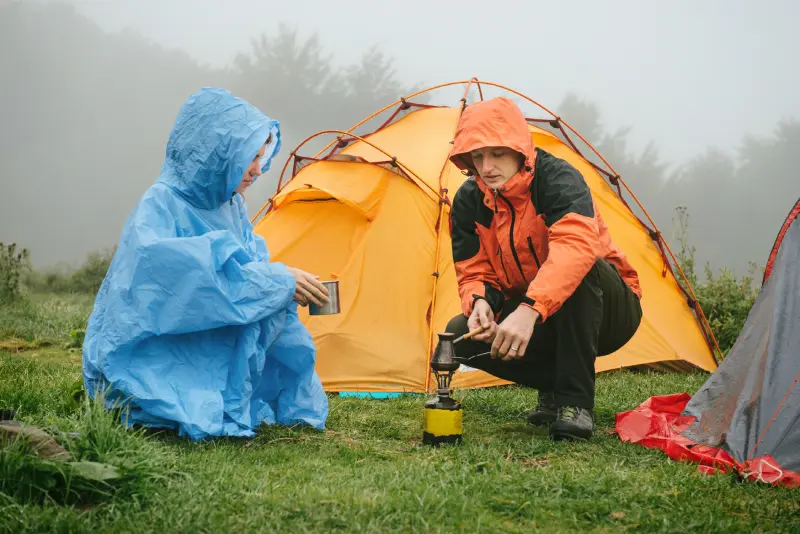
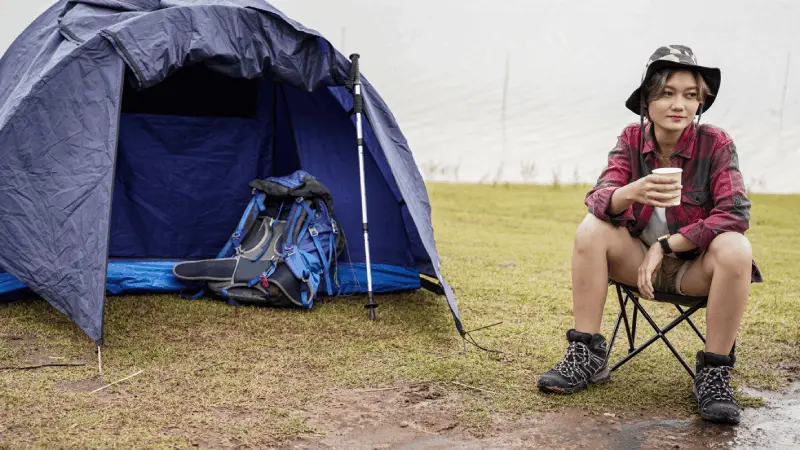
The sound of rain is one of nature's purest tones, and camping in this environment provides a deep sense of peace. Escaping the city's noise and listening to the sound of raindrops hitting the tent offers a meditative experience. Additionally, rainy weather ensures that popular camping areas are quieter; this gives you a special space away from the crowd. Watching the revitalization of nature, the famous smell of the earth, and the visual elements created by the water droplets on the plants is a privilege that only true adventurers can understand. The taste of a cup of hot coffee consumed in this atmosphere is very different and more impactful than on a sunny day.
What Should You Consider When Choosing a Campsite?
Choosing the right campsite is the most fundamental factor that determines whether you will wake up dry on a rainy night. The first rule is to avoid low-lying areas where water naturally flows. Although they may seem flat, basin-like areas can quickly turn into ponds during heavy rain. Instead, you should prefer slightly elevated and well-drained grounds. The soil's water absorption capacity is also critical; very hardened or clayey soils accumulate water on the surface instead of absorbing it. Soft-textured places like sandy or forest floors drain water more quickly. Additionally, you should definitely stay away from dried riverbeds, as rain miles away can flood the stream at your location in seconds.
Why is it Important for the Ground Where the Tent is Set Up to be Slightly Sloped?
While having completely flat ground is generally desirable, a slight slope can be lifesaving in situations where heavy rain is expected. This slope prevents water from pooling under the tent, allowing it to flow away. However, the degree of slope is very important; sleeping on a steep slope is uncomfortable and can cause you to slide off your mat during the night. Ideally, the head part of your tent should be slightly elevated. If the ground is prone to pooling water, digging small drainage channels around the tent, although an old method, is not recommended in modern camping due to the principle of "leave no trace." Instead, choosing the right location from the start is the most professional approach.
How to Detect Natural Water Paths?
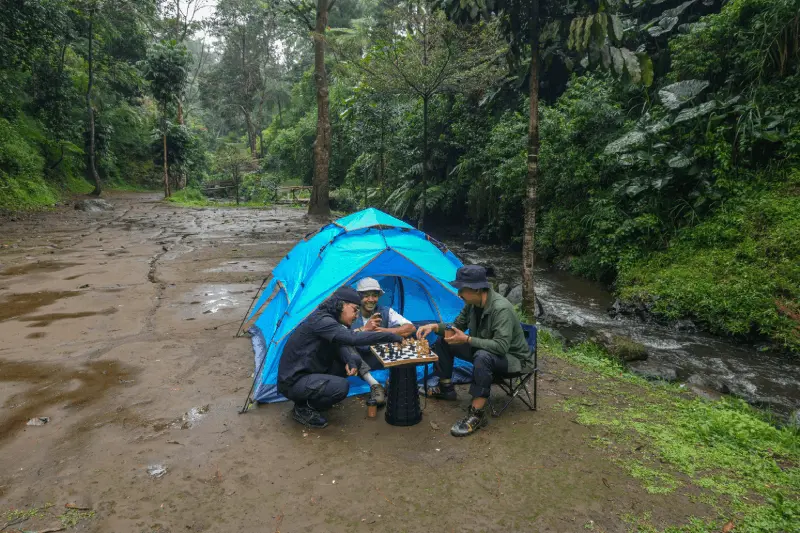
When you arrive at the campsite, you should look around like a detective. Small cracks in the ground, dried leaves accumulated along a line, or fine sand layers under stones are evidence that water has passed through there before. The vegetation also gives you clues; some marsh-like plants thrive in areas where water collects. Moisture traces on tree trunks or the density of moss indicate how humid the area is. If you are just below a slope, try to predict the path of water coming from above. Water always follows the path of least resistance; identifying this path and setting up your tent outside of it will prevent you from waking up to a flood in the middle of the night.
How Should the Use of a Footprint be?
A footprint or tent footprint protects the bottom of your tent from punctures and cuts off moisture coming from the ground. However, a critical technical error is made when using it in rainy weather: The edges of the footprint should not extend outside the tent. If the footprint extends outside, rainwater filtering over the tent will pool between the tent's bottom and the footprint. This situation causes your tent to float on a water bed. The footprint should always be folded in such a way that it stays a few centimeters inside the tent's bottom or use a perfectly fitting model. This way, water flows directly into the ground, keeping your tent's bottom dry. Additionally, having a high-quality waterproofing quality for the footprint minimizes the cold and moisture coming from the ground.
Why is Setting Up a Tarp in Rainy Weather Life-Saving?
A tarp is the unsung hero of rainy camping. Setting up a large tarp over or in front of your tent provides you with a dry area called "living space." Instead of being trapped inside the tent, you can cook under this tarp, change your shoes, and air out your wet gear. When setting up the tarp, you should keep the middle high and the edges low to prevent water from pooling on top and adding weight. Giving it a "V" or "A" shape is the most effective method for water drainage. Additionally, positioning the tarp according to the wind direction prevents rain from entering from the sides. A quality tarp and sturdy guy lines will elevate your comfort to the highest level even in the fiercest storms.
What Should be the Waterproof Rating (HH) of Your Tent?
The waterproofness of tents is measured in "Hydrostatic Head" (HH) units and expressed in millimeters. To camp safely in rainy weather, it is recommended that your outer tarp has a minimum of 2000mm and your ground fabric at least 5000mm. These values indicate how much water pressure the fabric can withstand. Not only the fabric itself but also the seams must be factory-taped (seam-sealed). In very low-quality tents, even if the fabric is waterproof, it can leak from the seams. If you have an old tent, it would be wise to maintain it with seam sealant sprays before camping. Remember, setting up the tent tightly also helps water flow away without pooling on the fabric. reduces the risk of leakage.
How to Repair a Tent with Leaking Seams?
If you notice leaks in the seams during or before camping, there's no need to panic. Polyurethane-based seam sealers available on the market are ideal for this job. Before applying, make sure the area is clean and completely dry. Apply the sealant in a thin layer along the seam line and allow it to dry. If you are camping and it's an emergency, waterproof "duct tape" can provide a temporary solution, but it may damage the fabric. For a long-term solution, you should regularly check the seams and support the outer tent with water-repellent sprays (DWR). A well-maintained tent will not leave you stranded even in the toughest downpours.
How Should You Sequence Setting Up a Tent in Rainy Weather?
Setting up a tent while it's raining is a matter of speed and technique. In classic tents, the inner fly is set up first, followed by the outer fly, but this method can cause the inner part to get wet. If possible, you should prefer tent models that allow for "outer-pitch first" setup. In these models, you can set up the outer fly and then attach the inner fly underneath it while keeping it dry. If your tent is of a traditional design, the most professional solution is to stretch a tarp over you first and then set up your tent underneath it. Also, be careful that the door faces away from the wind; this way, when you open the door, rain won't come in directly. Preparing the tent poles and stakes in advance and completing the setup in the minimum time is a critical skill.
Why Should You Avoid Cotton Clothing?
There is a famous saying in the camping world: "Cotton kills." This is especially true for rainy and cold weather. Cotton fabrics absorb water like a sponge and hold many times their own weight in water. The worst part is that when it gets wet, it completely loses its insulating properties and can take hours, even days, to dry. A wet cotton t-shirt quickly absorbs your body heat and increases the risk of hypothermia. Instead, you should prefer synthetic (polyester, nylon) or natural wool (merino) blended fabrics. Merino wool is one of the rare materials that can continue to retain body heat even when wet. Synthetic fabrics do not absorb water and have the ability to dry quickly even with your body heat.
How Does the Three-Layer Clothing System Work in Rain?
Staying dry in rainy weather is not just about blocking water from the outside; it also involves managing sweat from the inside. The three-layer system provides this balance. The first layer (base layer) is a synthetic or merino inner layer that wicks moisture away from the body. The second layer (mid layer) consists of insulation materials like fleece or down that trap body heat. The third layer (outer layer) is a wind and waterproof shell that allows moisture vapor from the inside to escape while keeping water out. If your outer layer is not breathable, you will end up getting wet from your own sweat while being protected from the rain. You can maintain the ideal body balance by adding or removing these layers according to the temperature and your activity level.
What Are the Advantages of Gore-Tex and Similar Membranes?
High-tech membranes like Gore-Tex have microscopic pores. These pores are 20,000 times smaller than a water droplet but 700 times larger than a water vapor molecule. This means they prevent water from entering from the outside while allowing moisture vapor from the inside to escape. This "breathability" feature is key to staying dry while being active in rainy weather. Cheap nylon rain jackets may be waterproof, but you will feel like you are inside a plastic bag and will quickly become soaked with sweat. When investing, you should allocate most of your budget to this outer layer, as it will directly determine your camping comfort. Additionally, periodically renewing the water-repellent (DWR) coatings on these types of clothing is essential for maintaining performance.
Why Are Ventilation Zippers Important When Choosing a Rain Jacket?
Even the highest quality breathable jackets may not be able to expel all sweat during intense physical activity (for example, when climbing a steep slope). This is where "pit zips" come into play. By opening these zippers, you can allow direct airflow into your jacket and quickly reduce your body heat. When it rains, these zippers are hidden in the armpits, so the risk of water entering is lower. Additionally, having mesh pockets or dual-direction front zippers also provides extra ventilation. When buying a rain jacket, you should not only consider the quality of the fabric but also look for these types of mechanical ventilation features. Proper heat management is half the battle of staying dry.
How Should Wet Clothes Be Brought Inside the Tent?
Bringing wet clothes and boots into the sleeping area of the tent is one of the biggest mistakes you can make. It instantly raises the humidity level inside the tent and causes everything dry to become damp. Ideally, wet outer layers and shoes should be left in the tent's "vestibule" area. If you don't have a vestibule, you can put wet items in a large trash bag and tie it shut, keeping it in a corner of the tent. Before entering the tent, you should shake off the water from your clothes as much as possible, preferably using a microfiber towel to remove the bulk. Make sure to store your dry clothes in waterproof bags to protect them from moisture inside the tent.
What Methods Should You Follow to Keep Your Shoes Dry Inside?
Getting your shoes wet is one of the most morale-destroying situations while camping. First of all, you should prefer waterproof membrane (Gore-Tex, etc.) boots. However, water... Water can seep in from the top of the boots, especially from the ankles. To prevent this, it is essential to use gaiters. Never try to dry your boots by placing them too close to the fire when they get wet; this can cause the leather or synthetic material to crack and the adhesives to melt. The best method is to remove the insoles from your shoes and fill them with newspaper or dry paper towels if you can find them. These materials absorb moisture quickly. If you have a spare pair of lightweight shoes or camp sandals, you should continue your camping life with them and let your boots rest.
Where Should You Store Your Spare Socks?
Keeping your feet dry while camping is not just a matter of comfort; it is a health issue. Spare socks should always be considered "sacred" and must never be allowed to get wet. Therefore, you should store your socks rolled up inside sealed bags that have been air-removed or in small waterproof bags. Even if the bag itself is waterproof, sometimes water can seep in through the zippers and wet the items at the bottom. One pair of socks should be designated as "sleeping socks" and no matter how wet you get during the day, you should never wear them outside. Entering your sleeping bag with dry socks helps you quickly balance your body temperature and ensures you get quality sleep.
Why Is Using Gaiters Essential in Muddy Weather?
Many campers think gaiters are only for snow, but in rainy weather, gaiters are a real lifesaver. They prevent the lower parts of your pants from getting wet and muddy, and most importantly, they stop water from entering your boots from the ankle area. Waterproof gaiters completely protect the area up to the knees. This way, your pants stay completely dry while crossing deep puddles or wet grass. Wet pant legs can transfer water upwards with minor movements, soaking your socks; gaiters cut off this transmission. Additionally, during a camping trip, simply sliding off the gaiters keeps your pants clean. Lightweight and breathable models can be comfortably used even in summer rains.
How to Prevent Moisture (Condensation) Inside the Tent?
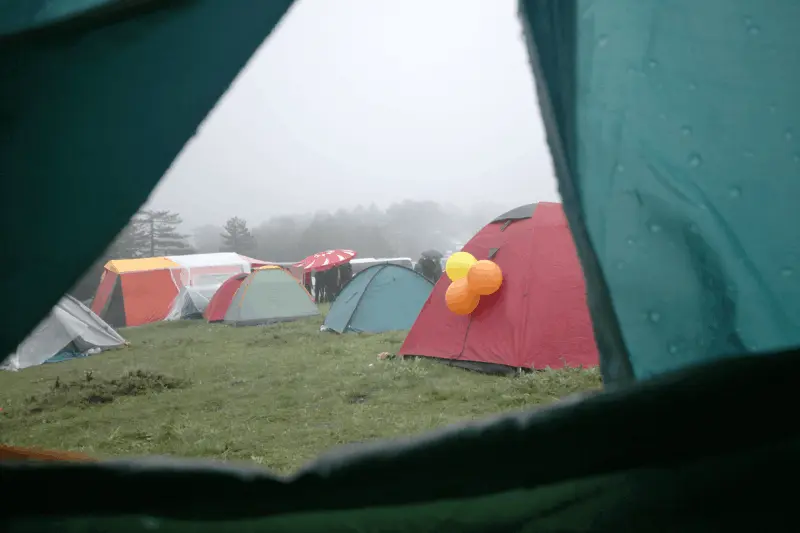
When you wake up inside the tent on a rainy day and see that the ceiling is dripping, do not always assume it is a leak; most of the time, this is condensation. The warm air from your breath condenses into water droplets when it comes into contact with the cold outer tent. The only way to prevent this is ventilation. Even if it is raining outside, you must keep the ventilation windows of the tent open. Trapping air inside increases humidity. It is also very important to pitch the tent tightly to prevent the inner and outer tents from touching each other; contact points prepare the ground for water to seep inside. Keeping wet items outside and avoiding cooking inside the tent (due to carbon dioxide and steam) are also factors that reduce humidity.
Should Ventilation Windows Be Left Open in the Rain?
Absolutely yes! Many people close the windows for fear of rain getting inside, but modern tents usually have "hooded" designs that do not let rain in. Closing the ventilation windows turns the inside of the tent into a greenhouse. Especially while sleeping at night, the amount of moisture released into the air by a person's breath is surprisingly high. If this moisture cannot find a way out, you will find yourself living in your own rain inside the tent by midnight. If the wind is blowing rain horizontally towards the windows, you can leave the window below open and slightly close the other one. The basic rule is to always ensure some air circulation.
How Can You Prevent Your Sleeping Bag from Getting Wet?
When a sleeping bag gets wet, it loses its insulation properties, which can be life-threatening in cold weather. The first step to protecting the bag is to transport it in a waterproof carrying bag (dry bag). While inside the tent, you should also ensure that the foot end of the bag does not touch the outer tent; because contact with the outer tent can wet your bag. If your tent is small, you can protect the foot part of the bag by covering it with your rain gear. Additionally, you should never enter the bag with damp clothes. While synthetic-filled bags retain some warmth when wet, down bags completely lose their function when wet. Therefore, synthetic bags are a safer choice in humid areas.
Where Should Wet Boots Be Placed in the Tent?
Wet boots should definitely be placed in the "vestibule" section of the tent. If your tent does not have a vestibule and you must bring the boots inside, you should definitely place them on or inside a waterproof bag. Placing boots freely in the sleeping area of the tent will cause the floor to fill with mud and water. You can cover the openings of the boots with your socks or special covers to prevent insects or moisture from getting inside. Another tip is to leave the boots upside down; this way, any drips from above will not fill the inside of the boot. When putting on the boots in the morning, do not forget to place dry paper or towels inside the night before to keep them dry.
What Should Be Done to Protect Electronic Devices from Moisture?
Moisture is the biggest enemy of electronic devices. The best way to protect devices like phones, cameras, and power banks is to use sealed freezer bags or professional waterproof covers. Especially when you exit a warm tent into cold air, condensation that forms on the lenses can damage the internal circuits of the device over time. Always keep your devices dry. When storing your gear, keep it in the middle sections of your bags, in places farthest from impact and moisture. If your device gets wet, you should turn it off immediately and not use it until it dries. Keeping a few packets of silica gel (small packets that come out of shoe boxes) with you is a practical solution to absorb moisture in your electronic devices' boxes.
Where to Use Waterproof Bags (Dry Bags) in Camping?
Dry bags can be used at every stage of camping. They are ideal not only for storing your clothes but also for protecting your sleeping bag, important gear, and electronics. Placing a "liner" (a large waterproof bag) inside your bag protects all contents at once. However, using dry bags in different sizes for more specific protection makes organization easier. For example, you can use these bags to separate dirty and wet clothes from clean ones. Knowing that your belongings in the dry bag are safe while setting up camp on a rainy day gives you great peace of mind. Remember to fold the top of these bags at least three times and clip it shut to ensure complete waterproofing.
Is It Possible to Start a Fire with Wet Wood?
Yes, it is possible, but it requires patience and the right technique. The outer surface of wet wood is only damp; the inner parts are still dry. By peeling the wet layer off with a knife, you can reach the dry "core" inside. This is called making a "feather stick". To start the fire, you should always have dry tinder, magnesium sticks, or cotton with petroleum that you brought from home as emergency fire starters. Once the fire is established, you can place the wet wood around the fire to dry it out and gradually add it to the system. However, since the smoke will be very thick, you should pay attention to the direction of the wind and protect your lungs. Stretching a small tarp over the fire (at a sufficient height) also speeds up the process by protecting the fire from rain.
What Safety Precautions Should Be Taken When Cooking Under Rain?
Cooking under rain is usually done in the luggage area of the tent. However, this poses a significant safety risk: carbon monoxide poisoning and fire. You should never operate the stove in a completely enclosed area; there must be adequate ventilation. Also, be careful that the stove flame is not too close to the tent fabric; nylon fabrics can melt and ignite within seconds. If possible, cooking your meal outside, under a tarp, is the safest option. Since you will expend more energy in rainy weather, opt for easy-to-cook, high-calorie, and warm meals. A hot soup or pasta will not only raise your body temperature but also boost your morale. After the meal, make sure the stove is completely extinguished and has cooled down.
How to Secure Tent Stakes When a Storm Hits?
Rain is often accompanied by wind. Properly using the tension lines called "guy lines" of your tent prevents it from collapsing or flying away. Stakes should be driven into the ground at a 45-degree angle, and the lines should be kept as taut as possible. If the ground is very soft and the stakes are not holding, you can support the stakes by placing heavy rocks on top (the "deadman" technique). The tension of the lines may change as they get wet throughout the night, so you may need to check and re-tighten them periodically. Also, make sure to set up the tent with the strongest side facing the direction of the wind. A solid setup will help you feel safe inside the tent during a stormy night.
How to Keep Kids Entertained While Camping in the Rain?
For kids, rain is actually a big adventure and playground. Allowing them to play in the mud with the right clothes (waterproof suits and boots) makes them very happy. However, you should be prepared for moments when you are confined inside the tent. You can bring card games, storybooks, or small coloring sets with you. Listening to nature together, keeping rhythm with the sound of raindrops, or discussing where the animals outside are hiding can be educational. Most importantly, your attitude as a parent matters. If you complain about the rain, they will feel uneasy too. If you present the rain as a natural event to be celebrated, it can turn into an unforgettable childhood memory for them.
What Should You Bring for Your Pet's Comfort?
If you are camping with your dog, rain means extra preparation for them too. You should definitely have a few old but absorbent towels for your dog with you. Drying their paws and fur thoroughly before bringing them into the tent helps control the moisture and odor inside the tent. Waterproof raincoats made for dogs are also quite functional. Additionally, to prevent your dog from being affected by the cold from the ground while sleeping at night, you should provide them with a high-insulation mat or bed. A wet dog can shiver throughout the night, making both them and you uncomfortable. Keeping them healthy ensures that you both enjoy the camping experience together.
How to Maintain Hygiene While Camping in the Rain?
Rain and mud can make hygiene challenging at the campsite. You should strictly adhere to the rule of leaving your shoes outside. A small mat or piece of cloth that you place in front of the tent door minimizes the mud that comes inside. Body wipes that do not require rinsing are great for personal hygiene. You can use rainwater to wash your hands, but you should definitely use disinfectant or soap before meals. Staying in wet and sweaty clothes for long periods can cause skin irritation or fungal infections; therefore, you should change into dry clothes as soon as you enter the tent. Staying clean and dry is not only a comfort but also a necessity that reduces the risk of infection.
Why is It Important to Dry Equipment After Camping?
At the end of the camp, when you return home, your work is not yet finished. A wet or damp packed tent can start to mold and smell bad within just 24-48 hours. Mold can cause irreversible damage to the waterproofing properties of the tent fabric and its seams. As soon as you arrive home, you should spread out your tent, sleeping bag, and all your wet gear in a spacious area and wait until everything is completely dry. If the weather is sunny, it's best to air it out thoroughly on the balcony or in the garden. You should also dry your boots at room temperature, avoiding direct sunlight or exposure to a heater. Taking good care of your gear extends its lifespan and ensures they are ready for your next adventure.
Are You Psychologically Ready for Rain?
The most important "gear" in a rainy camp is your mind. If your morale drops with every drop of rain, camping can turn into a torture for you. Nature is not always sunny and rosy; rain is a part of it. Accepting the situation and knowing that you are prepared will lower your stress levels. See rain not as an obstacle, but as a richness of experience. Remind yourself that getting wet is not the end of the world, and that with the right clothing, this situation can be manageable. The ability to cope with difficulties strengthens your camping character. Remember, the best camping stories are often written not on days when everything went perfectly, but on days when nature showed its strength and you adapted to it.
How to Warm Up a Wet Body in an Emergency?
If you accidentally get soaked and your body temperature starts to drop, you need to act immediately. The first step is to remove all wet clothing and dry your body. Then, you should put on dry synthetic or wool layers immediately. If you have a tent, getting into your sleeping bag and, if possible, having someone else join you in the bag (sharing body heat) or placing a hot water bottle inside to warm up is necessary. Drinking a hot and sweet beverage (tea, hot chocolate) will raise your temperature. However, you should avoid alcohol; while it may give a quick feeling of warmth by dilating blood vessels, it actually causes your body heat to dissipate more quickly. If you can move, you can speed up your blood circulation by doing light exercises where you are.
What Type of Lighting is More Effective in the Rain?
In rainy and foggy weather, the breaking of light is different. Very bright white lights can create a wall effect by bouncing off raindrops and can strain your vision. In these situations, using "warm white" lights or red light mode increases visual comfort. Of course, the flashlight you use should have a high waterproof rating (IPX rating). An IPX4 level is resistant to splashes, but using a headlamp rated IPX6 or IPX7 under heavy rain is safer. Don't forget that batteries can drain faster in cold and damp conditions; always keep your spare batteries in waterproof small boxes or bags.
Is It Safe to Collect and Use Rainwater?
Rainwater can be a good source of water in emergencies. However, since it can collect dust and pollutants while falling from the sky, it is not always recommended to drink it directly. If you are collecting water with a tarp, you should ensure that the tarp is clean. Before using the collected rainwater, you must filter it with a filter or boil it for at least a minute. For cleaning, washing dishes, or taking a shower, rainwater is a great option and helps protect water sources at the campsite. When using natural sources, always act on the principle of "safety first" and ensure that the water is disinfected.
How to Prevent Camping Knives and Metal Tools from Rusting?
High humidity and rain can cause metal tools like carbon steel to rust quickly. Always dry your camping knives, axes, and other metal equipment after use. Applying a thin layer of food-safe oil (or special protective oils) to metals before camping creates a barrier between water and metal. If your knife gets wet, make sure it is completely dry before putting it in its sheath; because metal left in a damp sheath will rust quickly. Even stainless steel equipment can stain under harsh conditions, so regular maintenance and cleaning will extend the lifespan of all your metal tools.
Why Are Microfiber Towels Better Than Standard Towels?
Microfiber towels are indispensable for campers. They can absorb several times their own weight in water and, most importantly, dry much faster than standard cotton towels. In a rainy camp, you need a constant towel to dry everything. When you wring out a microfiber towel, it releases a large amount of water and retains its absorbency even when damp. They also take up very little space. It would be wise to have two in different sizes in your camping backpack: one for personal hygiene and the other for drying spills or wet gear inside the tent. Their quick-drying feature prevents you from wandering around with a damp cloth on rainy days.
How to Adjust a Tarp to Keep the Camp Kitchen Dry?
Keeping your cooking and preparation area dry directly affects your camping comfort. The tarp you set up over the kitchen area should be high enough to allow smoke to escape but wide enough to prevent rain from coming in from the sides. By attaching one corner of the tarp slightly lower than the others, you can ensure that water drains from a specific point (creating a waterway). Place your kitchen table or materials away from this drainage point. Keep your materials elevated off the ground. e, preferably store in plastic boxes or closed bags to prevent moisture from the ground. A warm meal prepared in a dry kitchen will take away all the fatigue of the rainy weather.
Should The Campsite Be Changed To Protect Against Lightning And Thunder?
Rain can sometimes turn into a storm and lightning. If the time between thunder and lightning is short, moving to a safe location is of vital importance. Setting up a tent under a tall, solitary tree increases the risk of lightning. Instead, you should prefer the inner parts of wooded areas where the trees are closer together. If you are in open terrain, you should go to the lowest point, but be careful of the risk of flooding. Tents made of metal poles can act as a kind of lightning rod; if the storm is very severe, it is best to wait in a safer shelter (if you have your vehicle) rather than inside the tent. Respecting the forces of nature and minimizing risks is part of professional camping.
Why Should You Be Happy At The End Of A Rainy Camping Day?
Despite all the challenges, finishing a rainy camping day dry and safe is a great sense of achievement. It proves that you have lived in harmony with one of nature's harshest faces, and that your preparation and knowledge have been useful. The warm, sheltered atmosphere inside the tent creates a striking contrast to the wild weather outside. This experience teaches you the value of patience, planning, and the little things (like a dry sock). When the sun rises the next day, seeing how nature shines and breathes fresh air will make all the efforts you put in worthwhile. When you consider rain not as an enemy but as a renewal process of nature, you will find beauty in every drop.