How to Reach the Hidden Deniz Lake in the Deepest Corner of the Kaçkar Mountains?
Deniz Lake is a natural wonder located at an altitude of 3380 meters in the Kaçkar Mountains, accessible only to professional climbers and highly conditioned campers. To reach here, one typically needs to start from the Çamlıhemşin district of Rize and undertake a challenging ascent upwards. Along the way, you will encounter some of the rarest examples of alpine vegetation, and with the decrease in oxygen levels, it is expected that campers will push their physical limits. This route offers not just a visit to a lake but also a serious experience of high-altitude camping. The glacial formations around the lake and its turquoise color create a breathtaking atmosphere with the first light of the morning. Professionals usually come here at the end of July or the beginning of August, during the period when the most snow has melted, but they prepare with high-quality equipment knowing that nighttime temperatures can drop below zero.
What is the Secret of the Kalabantia Cove, Cleared of Tourists on the Lycian Way?
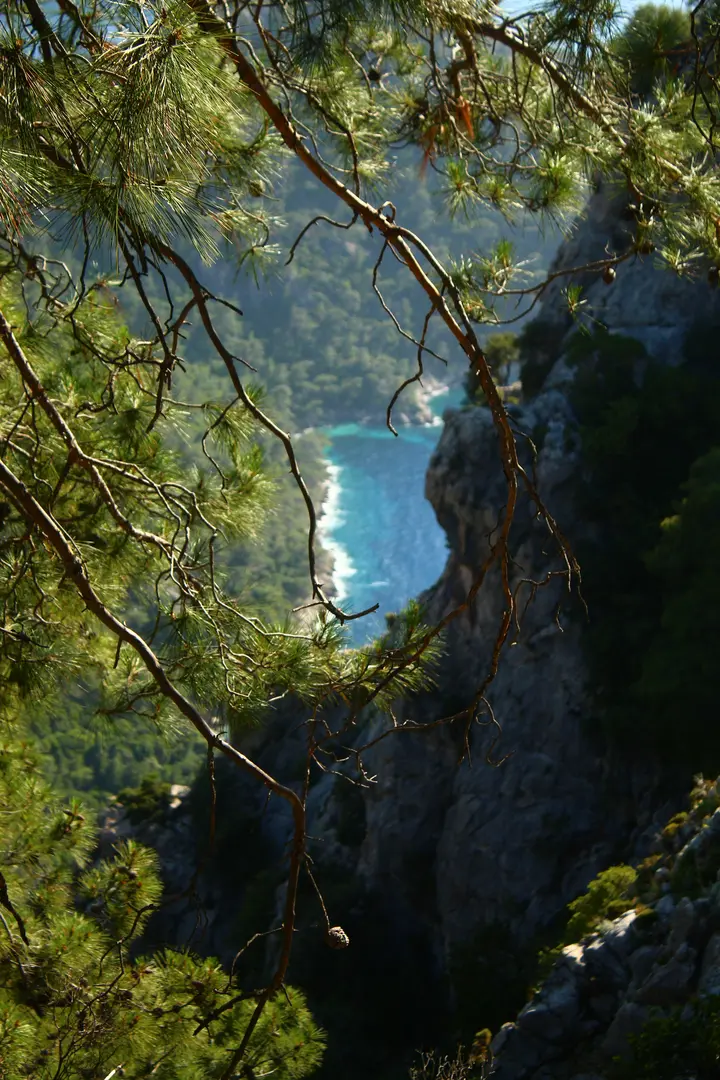
The Lycian Way is walked by thousands of people, yet some spots like Kalabantia are known only to campers with high map-reading skills and who are not afraid to stray off the beaten path. This hidden route, which separates from the vicinity of Zeytinliköy and descends to ancient harbor ruins, passes through steep slopes and scrub areas. Kalabantia, being an ancient harbor settlement, has both historical depth and has been completely protected from mass tourism due to its difficult land access. Camping here means watching the stars among thousands of years old marble columns. The limited availability of fresh water and logistical challenges make this place unappealing for ordinary campers, while it becomes an indispensable retreat for professionals. The clarity of the sea and the silence, remaining untouched by visitors who rarely arrive by boat, make this a true natural wonder.
Why is the Koca Dölük Location Hidden in the Depths of Emli Valley in Aladağlar So Special?
Located between Niğde, Kayseri, and Adana, Aladağlar is known as the Alps of Turkey; however, when entering from Emli Valley and reaching the Koca Dölük area, the scenery completely changes. This place serves as a strategic main camp point for high-altitude climbers in the shadow of massive limestone towers. What makes Koca Dölük special are the iconic rock formations surrounding it, such as "Parmakkaya," and the red sunset that falls on the rocks in the evening. While professional campers enjoy the nature here, they also undergo acclimatization (getting used to altitude) for the challenging climbs in the region. This area, rich in flora, is like a quiet laboratory where endemic species can be observed. The variability of water sources depending on the season requires advanced planning skills for those who will camp here.
What are the Transition Routes Known Only to Professionals on the Karagöl and Çinigöl Route in the Bolkar Mountains?
The Bolkar Mountains are famous for their glacial lakes; however, most people only use the main roads, while professional campers prefer the ridge lines that connect Karagöl to Çinigöl and from there to Meydan Plateau. These transition routes are open to harsh winds and sudden weather changes above 2500 meters, making navigation devices and experience essential. The region is home to the world's only non-breeding frog, "Rana Holtzi," and quietly camping by the lake shore to see this endemic species requires great patience. Professionals stay a certain distance away from the lake shore to avoid harming the ecosystem and meticulously carry all their waste back. This route is also a paradise for professional campers interested in astrophotography due to the clarity of the night sky.
How to Reach the Hidden Waterfalls Around Balaban Village in the Heart of the Istranca Forests?
Located north of Kırklareli, near the Bulgarian border, the Istranca (Yıldız) Mountains host one of Europe's largest floodplain forest ecosystems. In the deep valleys around Balaban Village, there are small waterfalls and natural ponds that are not even named on maps. To reach these areas, one must follow old tractor paths through the forest and then advance using "bushcraft" techniques through dense vegetation. Professional campers prefer this place, especially in autumn, for the color palette of trees shedding their leaves and the diversity of wildlife. Camping in these deep forests, where the bear and wolf populations are active, requires serious security discipline and food storage experience. The humid climate makes it challenging to start a fire and set up shelter, turning this place into a challenge suitable only for experts.
Why is Kuzukulağı Plateau, Located on the Northern Face of Dedegöl Mountains, a Paradise for Rock Climbers?
The Dedegöl Mountains in the Isparta region have gained legendary status among professional campers and climbers in recent years. Kuzukulağı Plateau, with its altitude above 2000 meters and thousands of meters long steep rock walls, is referred to as "Turkey's Yosemite." The biggest feature that distinguishes it from ordinary camping sites is that it hosts many climbing routes with long ropes and is located entirely in the midst of wild nature. Professionals come here not just to camp but to undertake climbs that will challenge their limits. The cool air of the plateau makes it comfortable even on the hottest summer days. While offering a sheltered camping opportunity, it turns into a complete survival training area in winter. The natural structure, which is being protected with the process of declaring the region as a national park, obliges visitors to adhere to the "leave no trace" principle at the highest level.
How to Camp Sustainably in the Misty Forests of Artvin Macahel Valley?
Macahel (Camili), the first and only biosphere reserve area in Turkey, is a world above the clouds, located on the border with Georgia. The camping routes here generally extend to high plateaus and untouched ancient forests. When professional campers go to Macahel, they obtain information from local guides to adapt to the region's sensitive ecosystem and act with the philosophy of "minimum impact." In this area, where there is no shortage of resources, the importance of waterproof equipment and high-quality tents is significant. Deep in the valley, the wooden plateau houses that suddenly emerge from the mist and the centuries-old trees make campers feel like they are in a fairy tale world. The real hidden routes here are trails that diverge from the main roads and lead to glacial lakes, passing through a myriad of different flora. In areas where guiding activities are intense, the risk of encountering bears is always present; therefore, professionals use special vacuum containers that do not emit food odors.
What Technical Information is Required for the Most Challenging Route of Yenice Forests, the Sugar Canyon Crossing?
Yenice Forests, located in Karabük, is considered one of the most valuable areas in Europe in terms of biological diversity by the World Wildlife Fund (WWF). The Sugar Canyon is the wildest and most technically demanding part of these forests. Campers wishing to traverse the canyon must be experts in canyoning, rope techniques, and reading water flow. The necessity of swimming through certain points requires that backpacks be completely waterproof and that season-appropriate neoprene clothing be used. Professional campers stay on a secure platform within the canyon, following the sound of water and the traces of wildlife deep in the forest. This route demands not only physical endurance but also psychological resilience; because communication within the canyon is nearly impossible.
What are the Survival Conditions in the Upper Plateaus of Şahindere Canyon, the Most Remote Point of Kaz Mountains?
The Kaz Mountains, known in mythology as Ida Mountain, are one of the few places in the world in terms of oxygen density. However, while most tourists spend time in the villages at the foothills, professional campers climb the steep slopes of Şahindere Canyon, heading towards the upper plateaus where the settlement ends. Finding a water source in these areas is a real expertise, and knowing the locations of small springs on the map is of vital importance. The density of vegetation and steep slopes require careful placement of each step. Professionals camping here only light campfires in existing old hearths or, better yet, prefer portable stoves to avoid harming the endemic plant species in the area. In this region, where the wild boar population is very high, night safety and environmental awareness must be maintained at the highest level.
What are the Wild Routes Away from the Valla Canyon Viewpoints Inside Küre Mountains National Park?
Valla Canyon, located within the borders of Kastamonu, is considered one of the deepest canyons in the world. Beyond the glass viewing terraces where tourists go, there are strategic camping points that only professionals know, extending along the upper lines of the canyon. These points are flat areas hidden deep in the forest that overlook the canyon's massive walls. Reaching these routes requires navigation skills and sometimes clearing a path through dense vegetation. Camping in this wild part of the Küre Mountains is a complete isolation experience. Professionals choose the most sheltered micro-areas against sudden storms by analyzing the cave systems and karst structures in the area well. This place is a geography where you will feel nature's power to your core, far from any external assistance.
How Do Professional Campers Apply the "LNT" (Leave No Trace) Principles?
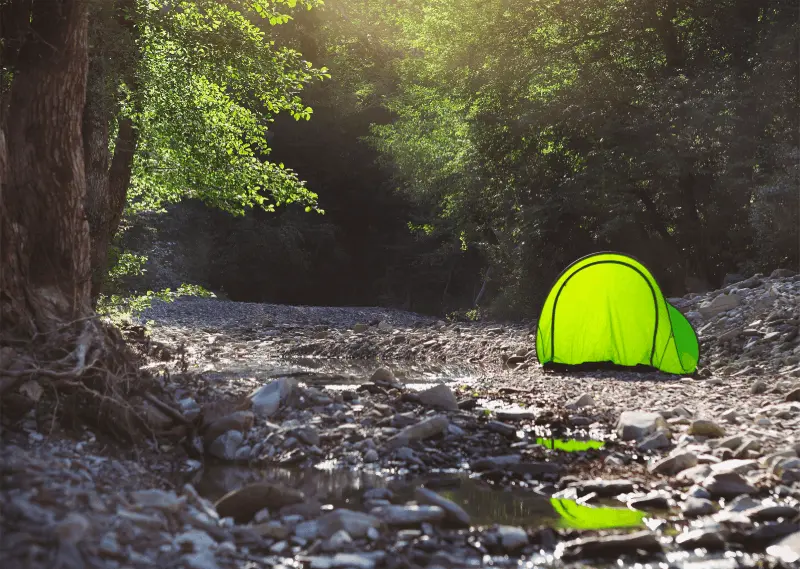
"Leave No Trace" principles are the moral constitution of professional camping. It is not limited to just bringing back trash; professionals even prefer hard surfaces that will cause minimal damage to vegetation when choosing a camping area. Regarding waste management, they know that even biological waste must be buried at least 60 meters away from water sources and underground. Not altering the location of natural objects, stones, or plants, not feeding wild animals, and avoiding noise pollution are all parts of this discipline. Using modern camping stoves instead of lighting fires is a critical decision to protect the microorganisms in the topsoil. In a camping area where a professional camper has left, you will find no physical evidence that anyone has stayed there before; this is the highest indicator of respect for nature.
What are the Food Storage Techniques on Routes with High Bear and Wild Boar Populations?
On deep forest routes where the risk of encountering wild animals is high, food management is a matter of personal safety. Professional campers use a technique called "Bear Bag" to hang their food and odor-emitting personal care products (toothpaste, deodorant, etc.) on high branches of a tree at least 100 meters away from their tents. No food is ever eaten inside the tent, and care is taken to ensure that food scraps do not contaminate the tent. By creating a triangle (Bear Triangle) between the areas where food is stored, the likelihood of the animal approaching the tent is minimized. These techniques prevent the animal from encountering humans, thus protecting both the camper and wildlife.
How is Communication and Safety Ensured in Areas with No Internet Coverage?
A professional camper always prepares an "emergency plan" before going to deep valleys or high peaks where the phone has no signal and leaves this plan with a reliable person. This plan includes the route to be taken, the points where the camp will be set up, and the latest return time. Technologically, satellite communication devices (such as Garmin inReach, SPOT) are standard equipment for professionals. Through these devices, location information can be shared, short messages can be sent, and in the worst case, an SOS signal can be sent. Additionally, a redundant navigation system (handheld GPS device and physical map-compass duo) is always in the backpack. To protect the batteries of electronic devices, it is essential to keep them warm in cold weather and support them with solar panels for long-term explorations.
How are Areas with Avalanche Risk Analyzed in Winter Camping?
Winter camping requires a completely different level of expertise than summer camping. Professionals analyze not only the view of the place where they will set up camp but also the slope conditions in the surrounding area. Slopes covered with snow between 30 and 45 degrees are the areas with the highest avalanche risk. They know and apply "snow tests" (compression test) methods to understand the stability of the snow layer. By observing how the wind accumulates snow (snow cornices and drifts), they avoid potential danger zones. Additionally, they always carry an avalanche transceiver, a snow shovel, and a probe on winter routes. Checking the weight of the snow on the tent overnight and keeping the ventilation open to prevent carbon monoxide poisoning are fundamental principles of survival discipline.
What is the Psychological Preparation Process for Professionals Who Camp Solo?
Spending time alone in nature is not just a physical activity; it is also a deep inner journey. Professional solo campers engage in mental training to cope with the psychological challenges that prolonged solitude can bring (feelings of isolation, sudden fears, decision-making difficulties). Establishing a routine is the most important part of this process; setting up the tent, preparing meals, and maintaining equipment in a certain order keeps the mind occupied and strengthens the sense of control. To avoid panicking in case of a mishap, they always keep the "S.T.O.P." (Sit, Think, Observe, Plan) rule in mind. Being familiar with the sounds of nature and seeing silence as a source of peace rather than a threat is a sign of maturity in solo camping. This process not only enhances a person's confidence in their own abilities but also elevates their connection with nature to a unique level.
What are the Rarest Light Areas for Nature Photography?
Light is everything for a nature photographer; however, professional campers stay in challenging terrains for days to capture this light. The "red world" of the Narman Fairy Chimneys in Erzurum offers an incredible color palette at sunrise, while the valleys of Karagöl in Artvin create dramatic compositions when combined with morning mist. Beyond the well-known valleys of Cappadocia, the lesser-known tributaries of the Ihlara Canyon are famous for the "sacred light" beams that filter in only at certain hours of the day. Professionals set up their camps at points that will catch that "golden hour" light using applications that calculate the sun's angle. They do not hesitate to carry a tripod and stay awake to capture star shots in pitch darkness at midnight. For them, photography is more than just a recording tool; it is an effort to immortalize nature's hidden moments.
What are the Best Application Areas for Transitioning from Traditional Camping to "Bushcraft" Philosophy?
"Bushcraft" is the art of survival and providing comfort using materials found in nature. For professionals who adopt this philosophy, the Aladağlar region in Bolu or the dense fir forests in Kastamonu are the most suitable places. Here, skills such as making natural shelters with just a knife and an axe, starting a fire without using fire starters, and identifying edible plants are demonstrated. However, a true professional does not harm trees while practicing bushcraft; they only use dead and fallen wood. This style, which requires a broad knowledge base ranging from water purification techniques to making torches with natural resin, transforms camping into a life skill beyond a hobby. Achieving the highest harmony with nature with minimal dependency is the ultimate goal of this philosophy.
What Layering Techniques are Used to Protect Body Heat in High Altitude Camping?
Temperatures can change suddenly at altitudes above 3000 meters; therefore, professionals strictly apply the "three-layer" system. The first layer (base layer) consists of synthetic or merino wool underwear that quickly wicks moisture away from the body. The second layer (mid layer) includes fleece or down vests/jackets that trap body heat. The third layer (shell layer) consists of breathable hardshell jackets that block wind and rain. Professionals change their clothes just before sweating during breaks and wear backup layers upon reaching the campsite to avoid cooling down. Keeping socks dry is vital to prevent frostbite on the toes. Not wearing too many layers inside the sleeping bag helps maintain body heat. Allowing the insulation material to heat up is a subtle detail known by professionals.
How is the Impact of Global Warming Observed by Professionals on Hidden Routes?
For years, professional campers who have been following the same routes are the best at observing the effects of global warming with the naked eye. The glaciers in the Kaçkar Mountains retreating a little more each year and the springs that used to flow until the end of August now drying up at the beginning of July are the most concrete examples of this change. Professionals are now more cautious about the "reliability of water sources" when planning their routes. Changes in vegetation and the migration of certain animal species to higher altitudes indicate that the balance of the ecosystem is disturbed. This situation pushes campers towards a more "ecocentric" approach; they feel a responsibility to use every drop of water more carefully and to raise awareness about climate change. For them, nature is not just a playground but a delicate heritage that needs to be preserved.
What are the Ethical Rules Professionals Follow When Communicating with Local People?
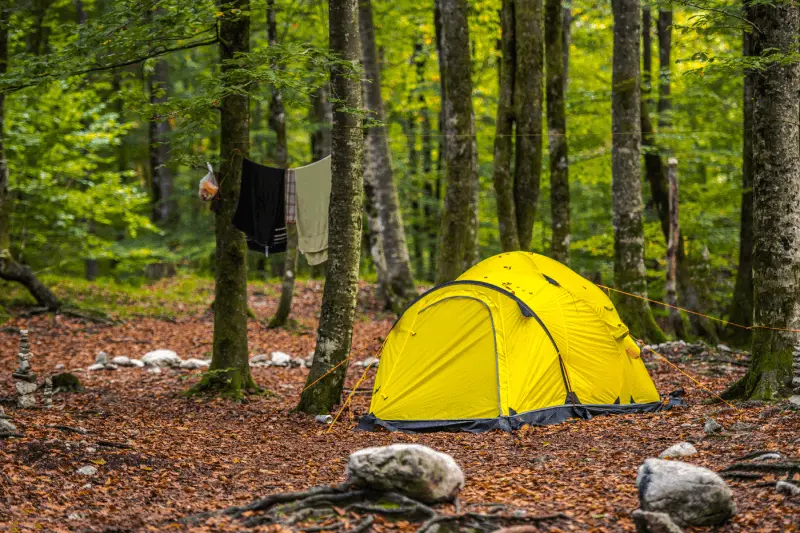
Hidden routes often pass through remote villages or plateaus. Professional campers show deep respect for the local culture and lifestyle in these areas. They do not camp on private properties without permission and do not interfere with the privacy of the local people. They contribute to the local economy by shopping at local stores or hiring local guiding services. They always ask for permission before taking photographs and know that the sincere communication established over shared tea or bread is more valuable than the most expensive equipment. Moving in a way that does not harm the meadows or animal watering places of the villagers is critical to maintaining the image of camping in the area. A good camper is someone who leaves a pleasant echo in the places they pass and manages to become a part of that place.
How is Equipment Selection Made on Routes Requiring Technical Climbing?
On "off-trail" routes that cannot be reached by walking, equipment selection is based on a balance of lightness and functionality. A professional camper calculates every gram in their backpack. Titanium kitchen utensils, very light but highly insulated mats, and "ultralight" tents are indispensable for such explorations. Helmets, safety harnesses, and several pieces of technical gear (carabiners, perlon, etc.) should be in the most accessible part of the backpack for use in technical transitions. Each piece of equipment should be usable for multiple purposes; for example, trekking poles can also serve as poles for setting up certain tent models. As important as the quality of the equipment is the ability to use that equipment flawlessly even in the most challenging conditions, which is the sharpest line that separates professionalism from amateurism.
How is Safety and Navigation Managed While Night Hiking?
Sometimes reaching the campsite may be delayed, or professionals may prefer to hike under the stars. Night hiking requires high attention in an environment where perceptions are limited. High-lumen and backup battery headlamps are the primary tools; however, a red light mode is preferred to protect "night vision." Navigation becomes much more complicated at night because it is difficult to see reference points (mountain peaks, distinct rocks). Therefore, using GPS and tracking previously recorded trails is vital. Steps are taken shorter and more cautiously, especially avoiding cliff edges and water crossings. Night hiking offers a unique experience to hear the sounds of nature that are active at night and to travel in a completely different atmosphere.
How Should Nutrition and Energy Management Be During Long-Term Exploration Trips?
In nature explorations lasting weeks, the body's energy needs can be 50% to 100% higher than a normal day. Professional campers focus on "high-calorie" and "light" foods. Freeze-dried meals save both fuel and time as they are prepared by simply adding hot water. Dried fruits, quality oils, and protein bars are the staples of daily snacks. Water consumption should not only be done when thirsty but regularly at certain intervals, and supplement tablets can be added to water to maintain electrolyte balance. Dinner should provide the necessary balance of protein and carbohydrates for the body to repair itself. Good energy management preserves not only physical strength but also the mental clarity needed to make sound decisions.
What are the First Aid and Evacuation Protocols in Professional Camping?
In situations where help in nature is hours or even days away, knowledge of "Wilderness First Aid" can save lives. Professional campers receive special training not only in standard bandages but also in situations like splinting, dealing with hypothermia, snake bites, or serious cuts. First aid kits are optimized according to the risks of the route taken. The first rule in an accident is to protect the injured and oneself from further danger, followed by stabilizing the situation. If evacuation is necessary, protocols such as identifying suitable areas for helicopter landing and signaling with smoke or light should be known. Professionals always operate under the principle of "be prepared for the worst scenario, hope for the best."
What are the Advantages of the Campfire Culture and Cold Camping?
While fire is a focal point in traditional camping, "cold camping" (cold camping or stove camping) is an emerging trend in the professional world. Lighting a fire not only poses the risk of forest fires but also damages the decomposition process in the forest ecosystem by burning surrounding dry wood. Additionally, the heat from the fire permanently destroys the life beneath the soil. Professionals prefer gas or gasoline stoves that provide quick and clean cooking. They ensure that the campsite remains clean and remove the barrier between the camper and nature; instead of focusing on the fire's heat, attention is directed to the light of the moon and stars. If a fire is to be lit, it is done in a controlled manner, only in existing fire pits and in a way that causes minimal damage to the environment.
What Are the Differences Between Water Purification Methods in Nature and Which Are the Most Reliable Options?
Although mountain springs may look clean, unseen parasites (like Giardia) and bacteria can lead to serious health issues. Professional campers know three main methods of water purification: mechanical filters, chemical tablets (iodine or chlorine), and UV light devices. Mechanical filters are the most preferred because they instantly clean the water and make it drinkable. Chemical tablets offer the advantage of being lightweight but can alter the taste of the water and require a 30-minute wait to take effect. UV devices quickly disinfect the water without mixing it but operate on batteries. Professionals sometimes combine these methods to reduce risk. Choosing a good water source (a flowing stream, away from animal droppings) is a fundamental prerequisite for the success of the purification process.
How to Secure a Tent and Prepare for Storms in Extreme Weather Conditions?
Sudden storms in high mountains or open plateaus can tear apart or lift a tent. A professional camper analyzes the direction of the wind while setting up the tent and positions the most aerodynamic part of the tent against the wind. The tensioning ropes, known as "guy lines," are secured not only with stakes but also supported by large rocks (deadman anchors) or snow anchors. Packing snow or stones around the edges of the tent prevents the wind from getting underneath the tent. During a storm, it is essential to avoid sharp objects inside the tent and always be ready to evacuate. In these moments, confidence in the equipment, combined with knowledge, replaces panic with a controlled wait. Knowing the limits of the equipment against the power of nature is part of professionalism.
What Does the Concept of Micro-Adventure Mean for Professional Campers?
Not every camping trip needs to last for weeks. The concept of "Micro-adventure," popularized by British adventurer Alastair Humphreys, advocates escaping to a wild spot close to the city after work, spending the night there, and returning to work in the morning. Professional campers frequently engage in these short but intense escapes to stay fit and maintain their connection with nature. This means camping with minimal gear (just a bivvy and sleeping bag) at the nearest peak or forest edge. The short duration does not diminish the depth of the experience; on the contrary, it ensures maximum awareness in a limited time. Camping against the city lights and enjoying morning coffee in a valley is a professional antidote to the stress of modern life.
How to Balance the Use of Navigation Devices and Traditional Compasses?
No matter how advanced technology becomes, every battery-operated device carries the risk of malfunction or depletion. While professional campers trust GPS devices, they always possess a 1:25,000 scale topographic map and compass reading skills. By reading the contour lines on the map, they can anticipate the terrain's features (ridges, valleys, steep slopes). Using a compass is not only critical for finding direction but also for maintaining a course in foggy weather (taking azimuth). While digital devices provide speed and convenience, analog methods represent safety. Using both in a hybrid manner increases control over the route and prevents getting lost due to navigation errors.
How to Develop Mental Toughness in Camping?
Nature is not always hospitable; cold, fatigue, hunger, and uncertainty are situations that professional campers frequently encounter. Mental toughness is the ability to remain calm and make rational decisions even under these adverse conditions. Professionals develop this ability by gradually stepping out of their comfort zones. Each challenging experience adds a book to the mental library of "I can do this." Instead of focusing on the big picture during tough moments, concentrating on small goals like taking the next step or preparing the next meal (chunking technique) prevents morale from dropping. Seeing nature not as an enemy but as a teacher teaches one to live with challenges, not just to fight them.
Why Is Sustainability and Nature Education Vital for the Campers of the Future?
The existence of the hidden trails we know today depends on how the culture of camping evolves tomorrow. Professional campers bear the responsibility of passing on not only their experiences but also the awareness of nature conservation to new generations. Nature education encompasses not only technical knowledge but also the development of ethical values and ecological intelligence. Camping that does not protect the environment, respects local people, and is solely focused on "selfies" leads to the destruction of natural wonders. Professionals act as "nature ambassadors" wherever they camp, proving that sustainability is not just a word but a way of life. While nature offers us everything unconditionally, we can only repay our debt to it by protecting it and understanding it correctly.