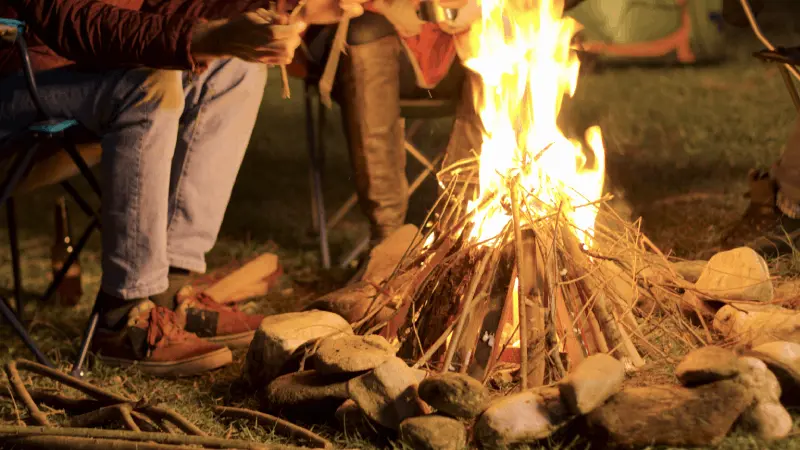
One of the most unforgettable moments of a night spent under the stars in the heart of nature is enjoying a warm meal around the campfire. However, camping is also an art that requires the efficient use of resources. In this guide, you will find recipes and tips for preparing meals in one pot that will provide maximum flavor and satisfaction with minimal equipment.
Why is the One-Pot Discipline Important in Camp Cooking?
When camping, it is essential to remember that every gram you carry is a part of the load on your back. The one-pot discipline not only ensures ease of transport but also helps you use your most valuable resource, water, efficiently at the campsite. This method minimizes the hassle of washing dishes and turns the cooking process into a pleasurable ritual rather than a chore. Additionally, cooking all ingredients in the same pot ensures that the flavors blend together, enhancing the depth of flavor in the dish. The principle of "less is more" in modern camping also holds true in the kitchen. This discipline reduces the footprint left on nature while extending your relaxation time after meals.
What is the Effect of Using a Cast Iron Pot on Flavor?
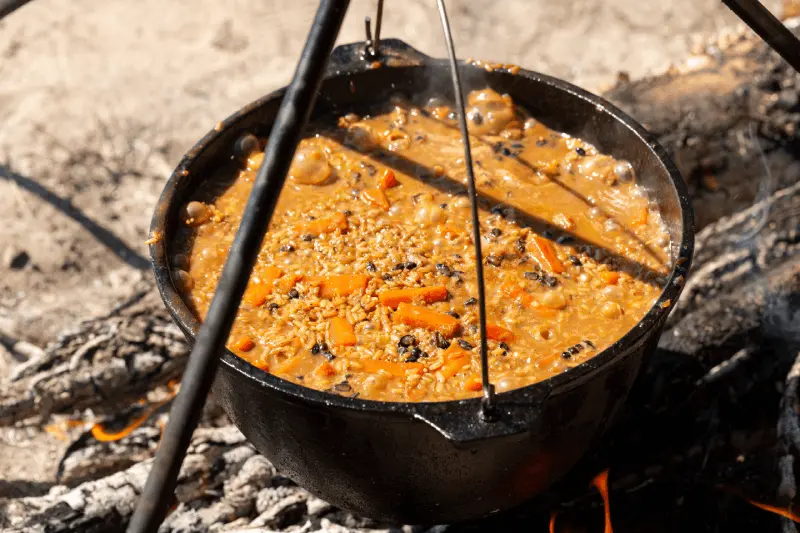
If you are camping with your vehicle, a heavy cast iron pot (Dutch Oven) that you take with you can elevate your camp cooking to a professional level. The biggest advantage of cast iron is its ability to distribute heat evenly and retain it for a long time. This feature yields tremendous results, especially in meaty dishes and legumes that require slow cooking. The cast iron pot you place over the fire prevents the bottom of the food from burning while ensuring that all sides cook evenly. The flavor explosion known as the Maillard reaction is much more pronounced on cast iron surfaces. Additionally, cast iron pots allow you to not only braise but also bake and fry in one pot. A well-maintained cast iron pot is a camping companion that will last for generations.
How Should You Choose the Right Meat for Classic Shepherd's Roast Over the Campfire?
One of the first options that comes to mind when thinking of a hearty camp meal is undoubtedly shepherd's roast. However, choosing the right meat is critical to achieving a perfect result in one pot. You may not have the opportunity to cook for a long time under camping conditions, so tender cuts like lamb or beef ribeye should be preferred. Removing the sinews from the meat and cutting it into small cubes helps shorten the cooking time while ensuring the flavor is locked in. Fatty meats reduce the need for additional fat by helping the dish cook in its own juices and fat. The freshness of the meat is important, as is bringing it to room temperature before cooking. The right choice of meat not only affects the heartiness but also directly impacts the digestibility of the dish.
How to Prepare Lentil and Bulgur Soup as an Energy Source?
After a long hike, the body needs to quickly regain the energy it has lost. The combination of lentils and bulgur is a complete energy source in terms of plant protein and complex carbohydrates. To prepare this thick soup in one pot, start by lightly sautéing onions and garlic in a little oil. Then add rinsed red lentils and bulgur, and pour in plenty of water and, if available, dried vegetable mixes. Once the lentils have completely dissolved and the bulgur is cooked, the dish transforms into both a warming soup and a hearty main course. Adding a bit of cumin enhances the flavor and eliminates the potential gas-producing effects of legumes. This dish is the most loyal friend of campers on cold nights.
How to Make Mushroom and Cream One-Pot Pasta for a Vegetarian Feast?
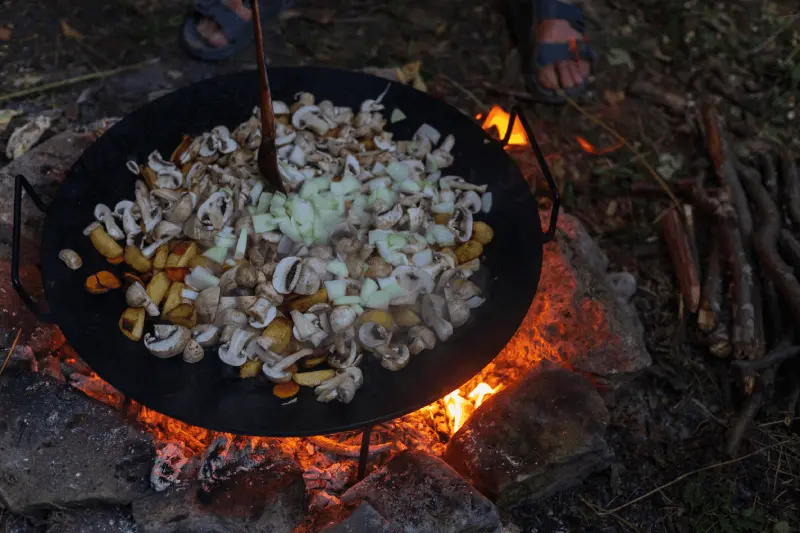
Pasta is a staple for campers, but straining it can be cumbersome in nature. With the "one-pot pasta" technique, it is possible to cook the pasta without straining, along with all the sauce. Sauté plenty of wild mushrooms (or cultivated mushrooms), onions, and garlic in the pot. Add the pasta and enough hot water to cover the pasta by a finger's width. As the water evaporates and the pasta releases its starch, a thick sauce will form at the bottom of the pot. In the final stage, adding a bit of cream or cream cheese gives the dish a restaurant-quality texture. This recipe, enriched with fresh thyme or rosemary, offers a practical and quite luxurious option for vegetarian campers.
How to Cook the Indispensable Camp Menemen with Plenty of Pastirma for Breakfast?
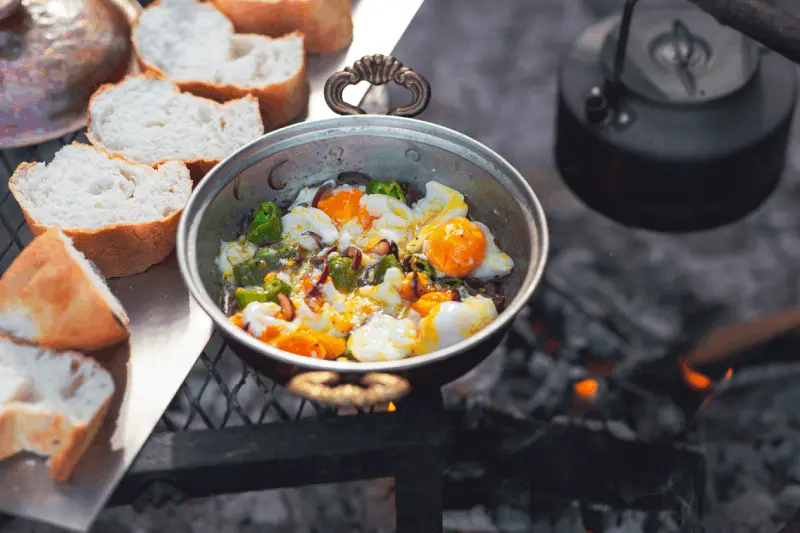
The importance of breakfast for starting the day energetically cannot be overstated. A menemen cooked over the campfire with plenty of ingredients provides the necessary protein for physical activity throughout the day. The secret lies in the order of adding the ingredients. First, lightly sweat the pastirma in the pot and wait for it to release its fat, then add finely chopped green peppers. Once the peppers soften, add peeled and diced tomatoes. When the tomatoes absorb their juice and thicken, crack the eggs but be careful not to stir too much. When the egg whites are cooked and the yolks remain slightly runny, remove the pot from the heat. Menemen prepared this way has an ideal texture for dipping bread and fills everyone's stomach in one pot.
What is the Secret of One-Pot Chicken Rice for Recovery After a Long Trail?
The balance of protein and carbohydrates is vital for repairing tired muscles. To make chicken rice in one pot, first sear the chicken pieces (breast or thighs) that have been cut into small pieces over high heat. Once the chicken gets color, y Add the rinsed rice and sauté for a few minutes. The most important secret here is to adjust the amount of water and the intensity of the heat well. The rice combined with the chicken's juices will absorb all the flavors of the meat. If you have a bouillon cube or pre-prepared bone broth nearby, using it will enhance the flavor. When you tightly cover the pot and let it simmer on low heat, the chicken will become tender while the rice will be fluffy. This dish is the biggest reward for a challenging hike.
What is the Role of Spices in Camp Meals and What are Practical Combinations?
The key to creating wonders with limited ingredients in camp cooking is spices. Instead of carrying heavy jars, the mixtures you prepare at home in small zip-lock bags can be lifesavers. For example, a "universal mix" consisting of salt, black pepper, garlic powder, and oregano goes well with almost every dish. Cumin and chili flakes for red meats, curry and turmeric for chicken dishes, and dried basil and mint for vegetable dishes should definitely be in your backpack. Spices not only determine the taste of the dish but also the appetizing aroma. Additionally, some spices have digestive aids and body temperature-regulating effects, providing a physiological advantage in camp conditions. Proper use of spices can turn a simple meal into a gourmet delight.
How to Make Hearty Potato Forest Kebab to Warm You Up in Winter Camps?
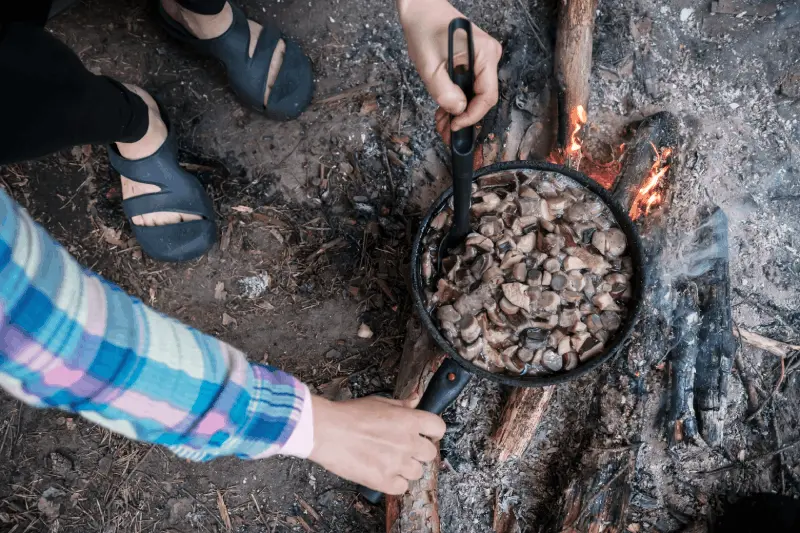
When it’s snowing outside or the temperature drops below zero, the body's fat and calorie needs increase. Forest kebab creates both a filling and warming effect under these challenging conditions. Meat cubes, diced potatoes, carrots, and peas come together in one pot. First, sauté the meat, then add the vegetables. Add a bit of tomato paste and hot water, then cover the pot. The starch from the potatoes will thicken the dish's sauce. This meal, with its high-calorie content, helps maintain your body temperature while supporting your immune system with its vitamins. When you lift the lid of the pot during winter camping, the rising steam will be enough to make you forget all your fatigue.
How to Prepare Shakshuka Over Charcoal for Those Who Love Ethnic Flavors?
For those who want to try something outside traditional Turkish cuisine, North African-origin Shakshuka is very suitable for the camp environment. Start by preparing a sauce rich in tomatoes, onions, and hot peppers. Once the sauce thickens, use the back of a spoon to create small wells in the sauce and crack the eggs directly into these wells. Cover the pot and let the eggs cook in the steam. Fresh parsley or pieces of white cheese sprinkled on top will elevate the dish's flavor to another level. This dish, enjoyed with bread, offers a visual feast and stimulates the appetite with its spicy nature. It is especially one of the most enjoyable meals to share in group camps.
Is it Possible to Make Light but Filling Meals with Dried Foods?
For long-distance hikers with backpacks, lightness is everything. Instead of carrying fresh vegetables, you can create wonders in one pot with dehydrated foods that you dried at home or bought ready-made. Dried tomatoes, eggplants, mushrooms, and onions come back to life quickly with hot water added to the pot. Adding couscous or fine bulgur to these mixtures saves fuel as they do not require cooking time. Just add hot water and wait 10 minutes to obtain these meals, which are unmatched in weight/nutrition ratio. Dried foods provide the micronutrients you need on challenging trails with their preserved nutritional values.
How to Ensure Hygiene and Cleanliness in Camp Kitchens?
The cleaning process after meals is the least favorite part of camping, but you can make this task easier with the right techniques. Using a single pot already cuts down on half the work. As soon as the meal is finished, put some water into the pot and place it back on the heat; the heated water will help soften the residue stuck to the bottom. Using biodegradable soaps that do not harm nature is an ethical requirement for campers. Never use cleaning water near rivers or lakes; pour the water at least 50 meters away from the water source. Using ash to clean the soot layer on the outside of the pot is an old but effective method. A hygienic kitchen guarantees the flavor of your next meal and your health.
How to Cook Minced Meat and Vegetable Stew with High Caloric Density?
In camps involving intense physical activity, the body needs not only to be filled but also to be supported with high calories. Minced meat stew is one of the most practical solutions to meet this need. Minced meat cooks much faster than chunk meat and offers a homogeneous flavor in every bite. After browning the minced meat in the pot, add any vegetables you can find (zucchini, eggplant, peppers, tomatoes). Cooking this mixture in its own juices creates a balanced meal in terms of protein and fiber. If you have the chance, adding a handful of walnut or hazelnut will increase the caloric value while adding a surprising crunch to the dish. These types of pot meals are among the rare camp dishes that taste even better the next day.
How to Combine Fresh Fish and Seasonal Vegetables in Beach Camps?
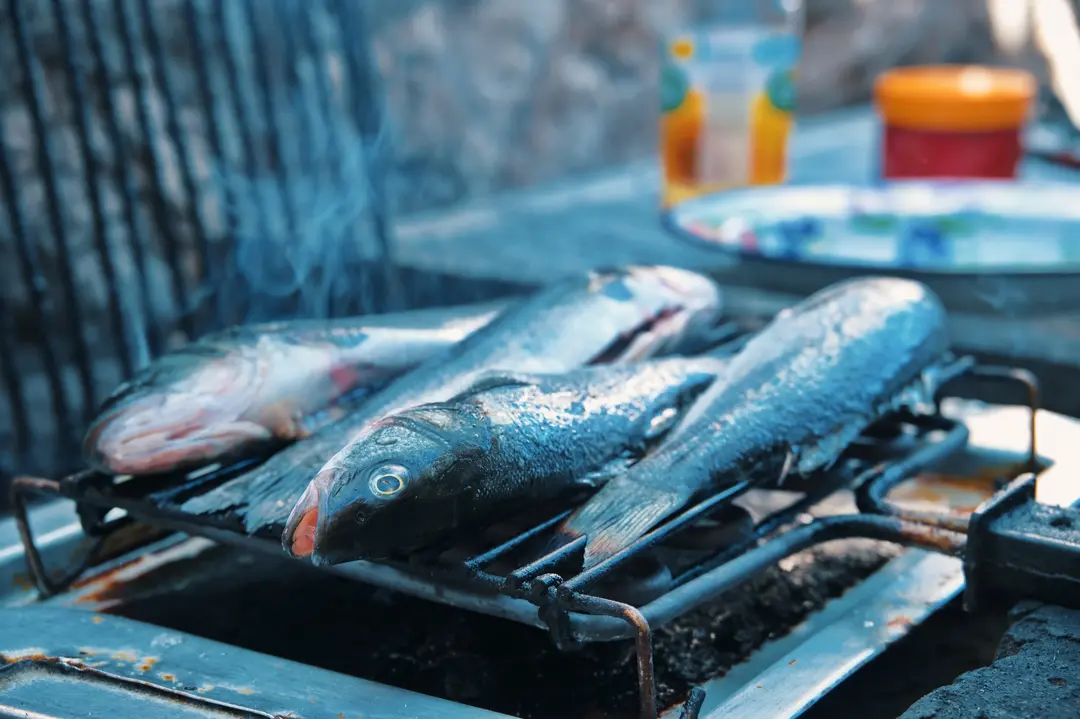
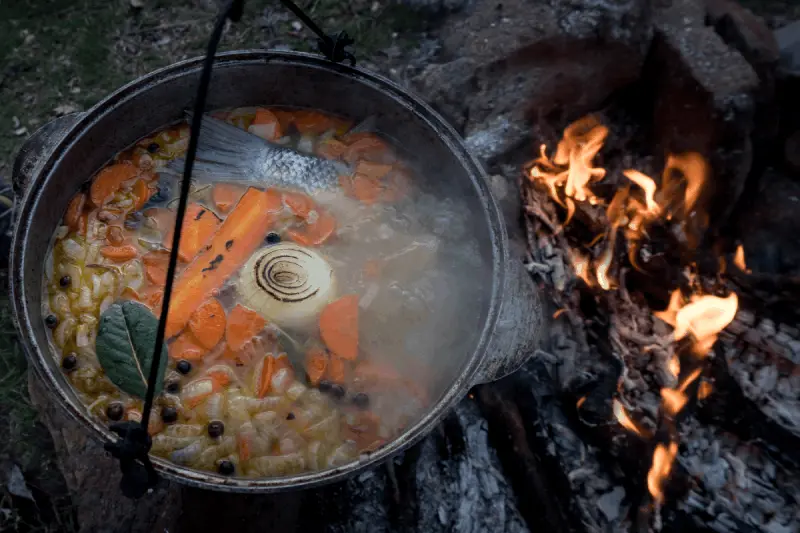
If you are camping by the sea and are lucky enough to have a fresh catch, cooking the fish using the steaming method in one pot is the healthiest way. Layer sliced onions and potatoes at the bottom of the pot. Place the cleaned fish on top and add tomatoes, lemon slices, and bay leaves on the very top. Cover with a little water and olive oil. The fish cooked with the steam of the vegetables will retain all its juices and omega-3 fats. It leaves inside. This method prevents the fish from drying out while allowing the vegetables to be enriched with the fish aroma. This dish, which is light yet quite nutritious, turns into an unforgettable dinner when combined with the scent of the sea.
What Are the Most Popular One-Pot Meals for Camping with Kids?
Camping with children requires extra planning because their taste buds are often more selective. A favorite among kids, hot dogs and "mac and cheese" can be easily adapted in one pot. Slice quality sausages and sauté them with potatoes, adding a small amount of water to cook. Alternatively, cook the pasta in a mixture of milk and water, adding plenty of melted cheese for a creamy texture. You can enhance the nutritional value of the meal by hiding small pieces of carrot or peas inside. Offering familiar flavors that children love in a camping environment accelerates their adaptation to nature and saves meal times from turning into a crisis.
What Techniques Shorten Cooking Time at High Altitude Camps?
As altitude increases, air pressure decreases and the boiling point of water drops. This situation causes foods like legumes and rice to cook much longer above 2500-3000 meters. The solution is the "pre-soaking" and "fine chopping" techniques. Exposing legumes to water at least a few hours before cooking softens their cellular structure. Additionally, the smaller you chop the ingredients, the faster the heat transfer occurs. Using a windbreak at high altitude can increase fuel efficiency by 30% by preventing heat loss from the pot. These techniques not only save time but also ensure that your limited camping gas lasts longer.
How to Prepare Cornbread and Soup Together in One Pot Over a Campfire?
Preparing both bread and the main dish in one pot may sound impossible, but it is feasible with the "dumpling" technique. While any vegetable or meat soup is boiling, drop pieces of the thick dough you prepared with corn flour, regular flour, and water on top. Cover the pot with a lid. The dough balls will cook with the steam from the dish below, resulting in a fluffy bread texture. This way, you have bread flavored with the soup of the dish and meet your carbohydrate needs without dirtying an extra pot. This method is the quickest way for campers without an oven to enjoy the taste of warm bread.
How to Make a Protein-Rich Mexican Bean Dish for Vegan Campers?
It is important to meet protein needs in a camping environment for those following a vegan diet. Mexican beans (kidney beans), when canned, are both practical and very filling. Sauté onion, corn, and plenty of bell peppers in a pot. Add the beans on top. Season with hot sauce and fresh cilantro (or parsley). If you have quinoa on hand, you can cook it with the beans to further increase the protein value. This dish provides a long-lasting feeling of fullness with its fibrous structure while also being visually appealing. Adding a slice of avocado or wrapping it in a tortilla, this mixture is a candidate to become the star of vegan camp cuisine.
What Are the Most Practical Desserts and Energy Bars That Can Be Made in One Pot?
Desserts that come after the main meal are the morale booster of camping. It is quite easy to prepare fruit compote or warm fruit salad in one pot. Caramelize slices of apple or pear in a pot with a small amount of water, cinnamon, and honey. Adding a handful of oats and dried fruits can turn the dessert into a filling dish or an energy bar for the next day. The natural sugars in the fruits provide energy while meeting your refined sugar needs. These warm fruit desserts are especially the perfect companion to tea on cool camping evenings. The pulp of the fruits aids digestion, supporting metabolic changes during the camping process.
What Are the Rules for Cooking Food Over a Fire While Protecting Your Camping Equipment?
Protecting your equipment while cooking your meals extends their lifespan. If you are going to place your pot directly on a wood fire, applying a thin layer of liquid soap to the outer surface ensures that the resulting heat can easily escape. Using the embers rather than the direct flame prevents the food from sticking to the bottom. Constantly stirring in pots made of thin materials like titanium or aluminum is crucial. Additionally, using a pot holder or heat-resistant gloves is essential to prevent kitchen accidents. The care you show for your equipment is actually a reflection of the respect you have for yourself and the food you prepare. Remember, a good camper always keeps their gear ready for the next adventure.
Cooking in nature is not just about filling your stomach; it is also about connecting with your environment and loved ones. One-pot meals strengthen this bond while allowing you more time to savor the flavors of nature. By trying one of these recipes on your next camping trip, you can discover the deep flavors within simplicity. Enjoy your meal and happy camping!