How to Minimize the Risk of Freezing While Winter Camping in a Caravan?
The biggest challenge of winter camping in a caravan is not only heating the interior but also protecting the caravan's mechanical and plumbing systems from freezing. The risk of freezing can lead to burst water pipes or blockages in the waste tanks when the temperature drops below zero. To minimize this risk, the caravan's plumbing should be positioned to benefit from the interior heating. Additionally, adding antifreeze to the gray and black water tanks or installing heating pads is a modern solution. Insulating the pipes left outside and ensuring that cabinet doors are slightly ajar to allow warm air to enter hidden compartments are simple yet effective methods that significantly reduce the risk of freezing.
Why Are Diesel Heaters (Webasto) Preferred for Their Efficiency?
Diesel heaters, especially those associated with the "Webasto" brand, have become the first choice for campers due to many different alternatives available in the market. The main advantage of these systems is that they utilize the caravan's existing fuel tank and provide high heat output with very low fuel consumption. These devices consume an average of 0.1 to 0.25 liters of fuel per hour and are also quite economical in terms of electricity consumption; they only draw high current during the initial ignition. Known as dry air heaters, these systems quickly heat the environment by circulating fresh air without drying out the indoor air. Their ability to operate smoothly even at high altitudes and provide precise temperature control through digital control panels makes them indispensable for winter camping.
How Do Gas Heating Systems Enhance Caravan Comfort?
Gas heating systems are typically encountered with models like the S-series or Combi offered by brands such as Truma. These systems are known for their completely silent operation, which is a significant advantage for campers sensitive to noise during nighttime sleep. Gas heaters do not compromise indoor air quality as they perform the combustion process through a flue that opens to the outside. Especially Combi models heat the interior and provide hot water needs. These systems, which operate on LPG or propane, facilitate "off-grid" camping by minimizing dependence on electricity. When supported by gas leak detectors, they offer a very safe heating experience with the comfort of home.
What Are the Best Insulation Materials for Caravans?
No matter how powerful your heating system is, if your insulation is weak, you cannot retain the heat inside the caravan. The most commonly preferred materials for caravan insulation are elastomeric rubber foam, stone wool, and XPS boards. Elastomeric rubber is standard in professional caravan constructions due to its ability to provide both sound and thermal insulation and not retain moisture. Stone wool is an excellent thermal insulator but should be used with a vapor barrier due to the risk of moisture absorption. In floor insulation, pressure-resistant XPS boards are generally used. For windows, double-glazed plexiglass systems or externally mounted thermal blankets prevent significant heat loss caused by glass surfaces. Proper insulation means fuel savings.
How Should Electric Heaters Be Used in Camping Areas?
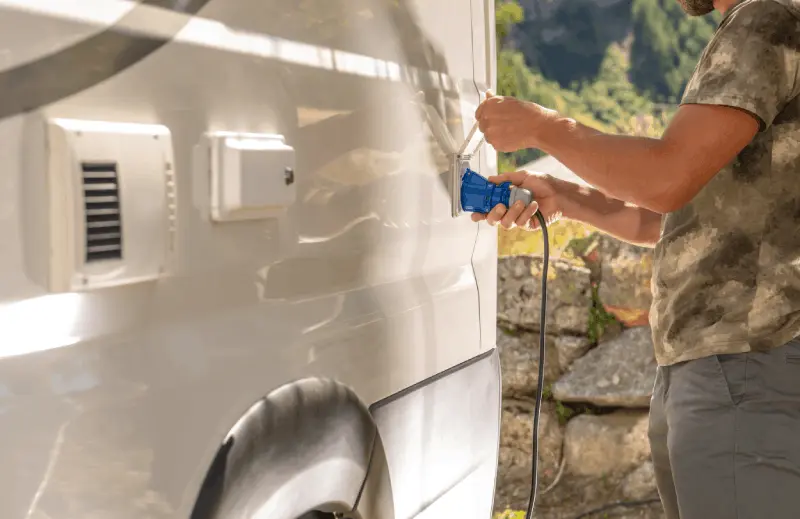
If you are winter camping in a camping area that offers electricity, electric heaters are the cleanest and most hassle-free solution. However, you must ensure that the caravan's electrical system (wiring and fuses) can handle high-wattage devices. Ceramic fan heaters quickly heat the air, while oil radiators provide a more homogeneous and lasting warmth. Electric convectors can be preferred in the bedroom area due to their silent operation. The important point is that these devices should not be placed close to furniture or flammable materials. Additionally, it is critical to use the heater's adjustable setting to avoid exceeding the amperage limit offered by the camping areas (usually 6A or 10A) to prevent power outages and electrical fires.
Is a Wood Stove a Romantic or Risky Option in a Caravan?
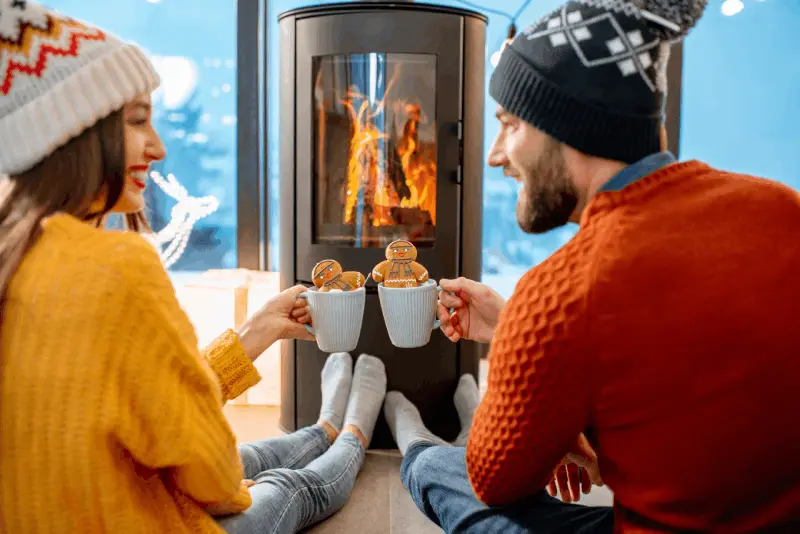
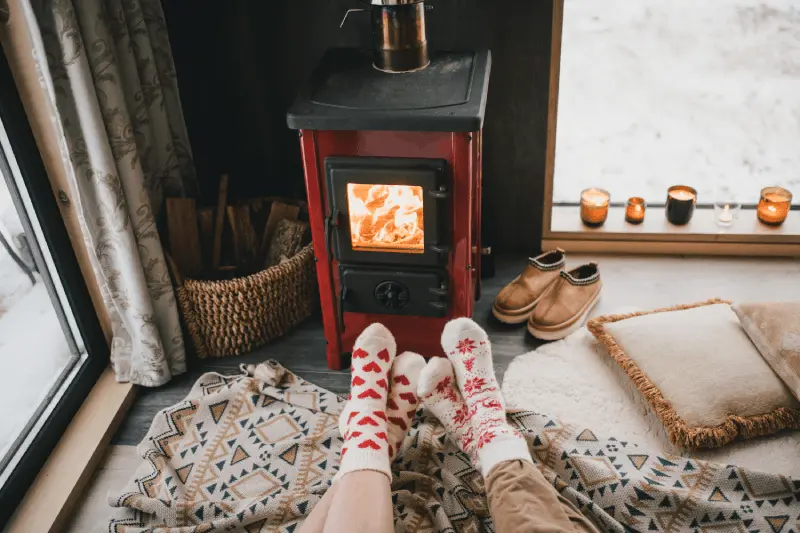
In recent years, the use of miniature wood stoves in caravans has become popular with the "tiny house" trend. These stoves create a visually stunning and romantic atmosphere while also being a very powerful heat source. However, using a wood stove in a confined space like a caravan poses serious risks. Perfect insulation of the flue, covering the stove area with non-flammable materials, and keeping the fresh air intake continuously open are essential. Operational challenges such as wood storage and ash cleaning should also not be overlooked. A wood stove may be an option for those who live continuously in a caravan and have technical knowledge; however, diesel or gas systems are considered much more practical and safe for weekend campers.
Why Are Water Heating Systems (Alde) Indispensable for Luxury Caravans?
Water heating systems operate on the same principle as radiators in our homes. The hot liquid (a mixture of glycol) circulating in the pipes surrounding the caravan distributes heat through radiators. The biggest advantage of this system is that it does not stir up dust as it does not affect the air and provides completely homogeneous heat distribution. These systems, associated with the "Alde" brand, offer silence and high comfort. It is the pinnacle for seekers. This structure, which can also be integrated into the ground, ensures that your feet stay warm at all times. Its disadvantage is the high installation cost of the system, its weight, and the need for maintenance. Generally offered as standard in upper segment pull-behind and motorhomes, this solution turns winter camping into a true luxury.
How to Deal with Humidity and Condensation Issues in a Caravan?
The only thing that can be more challenging than heating in winter camping is humidity. When the outside is cold and the inside is warm, condensation occurs on windows and at the base of walls. Over time, this situation can lead to mold formation and the deterioration of the caravan's wooden components. The best way to control humidity is "controlled ventilation." Even when the heater is running, having a vent or roof hatch slightly open allows for the expulsion of dirty and humid air. Additionally, it is essential to use a hood while cooking or to open a window. Dehumidifying tablets or electric dehumidifiers can also be helpful. Avoid drying clothes inside and wipe the condensation that forms in the mornings with a cloth; this is vital for the health of the caravan.
How Do Underfloor Heating Systems Ensure Foot Comfort?
The floor in caravans is usually the coldest point because cold air sinks and the space beneath the floor continuously cools it. Electric carbon film underfloor heating systems are a great additional method to solve this problem. These thin films, available in 12V or 220V options, are laid under the floor covering (laminate or PVC). Although they do not produce very high heat, they help to alleviate that "ice-cold" feeling on the floor, making the ambient temperature feel warmer. In wet systems, pipes are directly laid under the floor. In a caravan with underfloor heating, even if the ambient temperature is 20 degrees, you will feel as if it is 24 degrees because the warmth from the feet directly affects the body's perception of temperature.
Can Solar Panels Meet Winter Heating Needs?
This question is one of the most debated topics among campers. Technically, it is nearly impossible to run an electric heater (1000W-2000W) with solar panels under winter conditions. The intensity of sunlight in winter is reduced, days are shorter, and efficiency decreases. However, solar panels are critical for providing the 12V battery support needed to operate your diesel or gas heater. The fan and ignition glow plug of a diesel heater consume electricity; if your batteries are depleted, your heater will stop as well. Therefore, the energy from solar panels in winter is not used for heating but to keep the heating system alive. To gain efficiency in winter, it is necessary to clear the snow from the panels and, if possible, position the panels facing the sun.
What Measures Should Be Taken to Prevent Caravan Water Systems from Freezing?
A frozen water system is the biggest nightmare of winter camping. When pipes freeze, not only do you run out of water, but expanding water can burst pipes and connection elements. The first step to prevent this is to insulate the water pipes with insulated covers. If your caravan has an external tank, "heating resistors" that operate with 12V and activate when the water temperature drops below a certain degree should be installed inside these tanks. Additionally, valves like "Truma FrostControl" automatically drain the water in the system when the temperature drops to 3 degrees, preventing damage to the boiler. At the end of the camping season or if the caravan will not be used for a long time, the safest way is to open all taps and completely drain the water from the system.
Why is a Carbon Monoxide Detector Vital in Caravan Life?
No matter what heating methods are used (except electric), every device that operates on the principle of combustion has the potential to produce carbon monoxide (CO). CO is a silent, odorless, and tasteless gas; for this reason, it is referred to as the "silent killer." If you are using a diesel heater, gas stove, or fireplace in the caravan, you must have a high-quality carbon monoxide detector. The detector will alert you with a loud sound when the CO level in the air reaches a dangerous level. It is necessary to regularly check the device's battery and look at the expiration date. Additionally, ensuring that the exhaust outlets of the heaters are not blocked by snow or mud is the most important control that needs to be done outside to prevent poisoning risks.
Do Inverter Air Conditioners Provide Heating in Winter Camping?
In modern caravans, inverter air conditioners (such as Truma Saphir or Dometic FreshJet) can provide quite effective heating when the outside temperature drops to around -5 or -7 degrees. However, when the weather gets much colder, their efficiency decreases or completely stops due to freezing in the external unit. Since air conditioners dry the air very quickly, they can cause discomfort during prolonged use. Additionally, running an air conditioner requires a very high electrical power; this necessitates either a 220V grid connection or a very powerful lithium battery and inverter system. Air conditioners should not be seen as the main heater in winter camping but rather as a secondary comfort element that usually supports a diesel or gas system.
How Can Heat Loss Through Caravan Windows Be Prevented?
In caravans, approximately 40% of heat loss occurs through windows and roof hatches. While plexiglass windows provide better insulation than home windows, they are still a weak point. To prevent this loss, "thermal barriers" should be used. Reflective covers (thermal blankets with silver foil) placed over the outside of the glass prevent cold from contacting the glass surface. Inside, using thick and thermal-lined curtains creates an air corridor between the glass and the living space. Similarly, insulated covers are available for roof hatches. Using these protectors at night while sleeping helps to retain heat inside and significantly reduces the condensation that will form on the glass in the morning.
Portable Gas Heaters
Is it a Safe Alternative?
Portable gas heaters (catalytic heaters) that operate with small cylinders are quite common and inexpensive in the market. However, the use of these devices in confined spaces like caravans is "absolutely" not recommended. These devices consume the oxygen in the indoor environment for combustion and directly release combustion products (carbon dioxide and water vapor) inside. They can lead to consequences ranging from headaches to death when the oxygen level drops. Additionally, they cause the caravan to fill with moisture within seconds due to the significant amount of water vapor they emit. If used in an emergency, a window must be open, and the device should never be operated while no one is present or while sleeping. For your safety, you should invest in fixed and chimney systems.
Is a Second Battery Group Necessary for Heating Continuity?
Although diesel or gas heaters operate on fuel, they require electricity for ignition, fan motors, and control units. A standard lead-acid or gel battery loses some of its capacity due to the cold effects of winter. If you have only one battery and the solar panels do not provide sufficient charge, your heater may malfunction due to the drop in battery voltage at midnight. This means staying cold in the middle of winter. Therefore, for those planning winter camping, a battery bank with increased capacity (preferably lithium batteries) or a second parallel-connected battery group is vital. The capacity of the batteries should be calculated not only for lighting but also to ensure that the heater operates continuously for at least 24-48 hours.
How to Cut Off Cold Air Coming from Under the Caravan?
Since caravans stand on the ground, there is a constant airflow from underneath the caravan. This airflow causes the floor to cool rapidly. Tarpaulins called "caravan skirts" that cover the lower sides of the caravan prevent the wind from entering underneath. This simple method makes an incredible difference in preserving the heat inside. If camping for an extended period, creating a barrier of snow around the caravan (snow wall) also provides a natural insulation layer. Snow is actually a good insulator because it contains air pockets. Cutting off the wind from the lower area will help keep the interior floor warmer and reduce the operation of your heater.
How to Calculate Fuel Consumption Costs of Heating Systems?
When planning winter camping, fuel cost is important from a budget management perspective. Diesel heaters are the most economical option; a 5 kW heater consumes 0.5 liters of fuel per hour at full capacity and 0.15 liters in maintenance mode. You can heat with 2-3 liters of diesel on an average winter night. In gas systems (like Truma), a 12 kg cylinder can last between 3 to 7 days depending on the outside temperature and the insulation of the caravan. Electric heating depends on the electricity fee at the camping site; camps usually charge extra for electricity in winter. The most expensive heating method is portable cartridge gas heaters because cartridges burn out very quickly. In the long run, diesel systems are the most advantageous in terms of cost and availability.
How Does Air Circulation Inside the Caravan Affect Heat Distribution?
While the heater operates at one end of the caravan, the other end (usually the bathroom or shower cabin) can be freezing. To prevent this situation, the "hot air ducts" must be properly planned. The pipes that carry the heater's output must extend to the farthest points of the caravan, and a vent must be opened in each area. Especially in blind spots like bunk beds or under beds, if air circulation is not ensured, moisture and mold formation are inevitable. Some users direct hot air into cabinet interiors or the alcove (overhead bed) using small 12V computer fans. Even heat distribution is necessary not only for comfort but also for the preservation of the entire structure of the caravan.
Can You Stay in a Caravan in Extreme Cold (-20 Degrees)?
Yes, with proper preparation, it is possible to stay in a caravan at -20 or even -30 degrees. However, in this case, standard equipment may be insufficient. First of all, having a "Grade 3" (EN 1645-1 standard) insulation certification for the caravan is a significant advantage. In extreme cold, there must be a redundant heating system (for example, a main diesel heater + a backup gas heater). The water system can be completely shut down (water is drained and water is used from an external container) or heated at every point. Windows should be covered with extra insulation covers from the outside. Additionally, using winter-grade diesel fuel or adding anti-freeze additives to the fuel is essential to prevent the heater's fuel line from clogging.
Does Choosing a Sleeping Bag Help with Caravan Heating?
If your heating system malfunctions or you want to save energy, a quality sleeping bag is lifesaving in winter camping. Instead of using household blankets in the caravan, it is much more logical to use synthetic or goose down sleeping bags with a limit temperature of at least -5 or -10 degrees. Sleeping bags trap your body heat and allow you to keep the heater's temperature at a low level throughout the night (for example, 15-16 degrees). This not only saves fuel but also prevents the heater from continuously running and drying out the air. "Mummy" type bags minimize heat loss as they also cover the head area. There should always be a winter sleeping bag for each passenger in your winter camping backpack.
How Are Periodic Maintenance of Heating Systems Done?
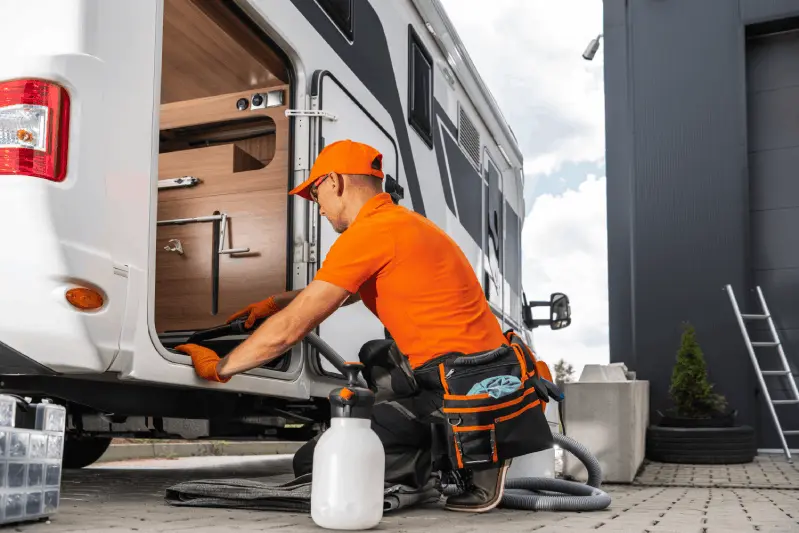
Before the winter season starts, having your heating system serviced prevents you from staying cold on a snowy mountain. In diesel heaters, the fuel filter needs to be cleaned, the exhaust pipe checked, and the soot in the combustion chamber cleaned. In gas systems, it is important to clean the burner and check the expiration dates of the gas hoses. Heating k Dust accumulation inside the ducts reduces heating efficiency and causes bad odors; it is recommended to clean these ducts with the help of a vacuum cleaner. Additionally, running the heater for 15-20 minutes once a month, not just in winter but also in summer, prevents fuel from gumming up in the pipes and extends the system's lifespan.
How Effective Are Thermal Curtains in Heat Savings?
Not only windows, but also the gap between the caravan's door and the driver's cabin is a significant point of heat loss. Especially in motorhomes, the driver's cabin (due to windows and the engine compartment) is the coldest area. Separating these two areas with a heavy and thick thermal curtain ensures that you can heat the living space much more easily. These curtains are usually made from insulating fabrics and physically block the passage of cold air from front to back. Similarly, a curtain hung over the entrance door minimizes the amount of cold air entering when the door is opened and closed. Although it may seem like a simple textile solution, thermal curtains can reduce the heater's load by up to 20%.
How Do Lithium Batteries Affect Heater Performance in Winter?
Lithium (LiFePO4) batteries have revolutionized winter camping compared to traditional gel batteries. Their biggest advantage is that the voltage remains high until the end of discharge. Diesel heaters shut down due to low voltage (usually below 10.5V - 11V); while gel batteries can quickly drop to this level in the cold, lithium batteries provide stable energy. However, lithium batteries have a critical weak point: they cannot be charged below 0 degrees (charging damages the cells). Therefore, those who will camp in winter should prefer "heated lithium batteries" or position their batteries in the heated interior area of the caravan. Heated models warm themselves before the charging current arrives and then start charging; this is excellent for energy continuity in winter.
How Should the Seals on Caravan Doors and Windows Be Maintained?
Invisible leaks are the biggest enemy of caravan heating. The rubber seals around the doors and windows dry out, harden, and crack over time. This causes a continuous influx of cold air inside along with the "heat sound." To maintain the seals, silicone-based sprays or special seal maintenance creams should be used. These products help keep the seal soft and prevent it from freezing and sticking. If there is visible damage to the seals, they should be replaced without delay. By simply renewing the door seal, you can significantly improve the air quality and warmth inside the caravan. A simple test method for checking leaks is to check the joints with a candle flame on a windy day.
Does Ventilation in the Kitchen Area Cause Heat Loss?
Caravan kitchens usually have ventilation vents that open to the outside behind the refrigerator. These vents, which are critical for the efficient operation of the refrigerator in summer, can cause a continuous influx of cold air in winter. Special "winter covers" should be installed on these vents for winter camping. These covers do not completely block airflow but significantly restrict it, preventing the refrigerator from getting too cold and cold air from entering. However, caution should be exercised; if your refrigerator operates on gas, completely closing the ventilation can be dangerous. Using winter covers according to the manufacturer's instructions will cut off that annoying airflow in the kitchen area.
Why Is the Placement of Heating Ducts Important in Caravan Design?
The placement of heating ducts during the caravan design phase is the most fundamental element determining winter comfort. Hot air ducts should not only reach the central area but also behind furniture, around water tanks, and to the bathroom. Ducts that pass behind furniture prevent the walls from staying cold, thus preventing condensation. This is called "behind-the-wall ventilation." If there is no vent in the bathroom area of your caravan, taking a shower in winter becomes impossible because that area will be freezing. It is important for vents to be close to floor level in the design; because hot air rises. If ducts are provided from above, your feet may remain cold while your head area sweats.
Are Hybrid Heating Solutions the Most Logical Way for Caravanners?
Relying on a single heating source is risky, especially in cold areas without heating. The most logical approach is to establish a "hybrid" system. For example, having a diesel heater (Webasto) as the main heater and a 220V electric convection heater or a gas system that can be used in camping areas as a backup is ideal. Some modern systems (like Truma Combi E) can operate on both gas and electricity simultaneously; this maximizes heating efficiency. Hybrid solutions not only provide safety but also ensure fuel management. You can optimize your costs by using electricity when it is free, and diesel or gas otherwise.
Is It Necessary to Heat Caravan Storage Areas?
Most caravanners focus only on heating the living area, but under-seat storage or externally accessible "garage" compartments are also important. These areas typically contain water pumps, batteries, and water pipes. If the storage areas are not heated, the equipment there can freeze or moisture can accumulate. It is sufficient for one of the heating ducts to provide a small outlet to these storage areas. This way, your stored items (such as spare clothes or technical equipment) will remain dry and warm. Additionally, eliminating the sharp difference between the warm air inside and the cold air in the storage area also supports the overall insulation of the caravan.
How Does Using Winter Tires and Chains in the Caravan Ensure Safety?
Heating is not only related to the inside of the caravan; reaching the campsite and being able to return is also part of winter camping. Motorhomes) are heavy vehicles and it is very difficult for them to stop or move on snowy roads with standard tires. Real winter tires (those with a snowflake symbol) remain soft even in low temperatures, providing grip. Additionally, your vehicle must have the correct size snow chains, a shovel, and a tow rope. Extra caution should be taken on winter roads as the weight of the caravan increases the braking distance. If you cannot safely reach the campsite, having the best heating system makes no sense.
Is Remote Heating Control Possible with Smart Caravan Systems?
With advancing technology, it is now possible to control caravan heaters remotely. Thanks to GSM or Wi-Fi modules, you can turn on the heater via an app on your phone an hour before you go to the caravan. This way, when you step into the caravan, a warm environment awaits you. You can also monitor the interior temperature, battery status, and fuel level through these systems. Smart systems are a significant comfort factor, especially for those who use the caravan as a summer/winter residence in a fixed location or for weekend getaways. Additionally, when there is a risk of freezing, the system sends you notifications, preventing potential damages.
How Should a Caravan Heating Strategy Be Developed for Winter Camping?
Ultimately, a successful winter camping experience is not a coincidence; it is the result of a proper strategy. This strategy should be built on four main pillars: high-quality insulation, a redundant and powerful heating system, sufficient energy storage (battery), and moisture/water management. Testing all systems, refueling, and checking safety equipment (such as CO detectors) before heading out to camp is essential. Heating the inside of the caravan is not just about increasing the temperature; it is also about keeping the air fresh and protecting the structure. By following the steps in this guide, you can create safe, warm, and peaceful moments in your caravan even in the harshest winter conditions. Remember, proper preparation turns winter into an adventure, not an obstacle.