Why Does Preparing in Advance at Home Save Time in Camp Cooking?
While camping means freedom, spending hours dealing with kitchen tasks can sometimes limit that freedom. The pre-cooking and preparations you do at home allow you to dedicate valuable time during your camping trip to yourself, your family, or nature excursions. Especially in situations where weather conditions are harsh, a meal that can be quickly heated and eaten is the biggest factor in boosting morale and motivation. Additionally, vegetables prepared in a hygienic environment at home and marinated meats are much healthier when considering the limited water and cleaning facilities at the campsite. Being prepared means not only filling your stomach but also elevating your camping comfort to a higher level. Instead of chopping onions at the mountain peak, watching the stars while waiting for a pre-prepared stew to heat up is an invaluable luxury.
How Does Vacuum Packaging Extend the Shelf Life of Camp Meals?
Vacuum packaging is the biggest friend of campers. This method completely eliminates the food's contact with air, which slows down bacterial growth and helps keep food fresh for much longer. When you vacuum seal a meal you cooked at home and freeze it, these packages also serve as ice packs in your camping backpack or cooler. This way, while keeping the internal temperature of your cooler, you get a fresh meal at your destination. Vacuum-packed items take up less space, do not leak, and do not emit odors. This method is unmatched, especially for meat juices, saucy dishes, and steamed vegetables. When you arrive at the campsite, all you need to do is drop these packages into a pot of hot water; thus, you can enjoy a hot meal without even dirtying your pot.
How to Dry Vegetables at Home Using Freeze-Drying Method?
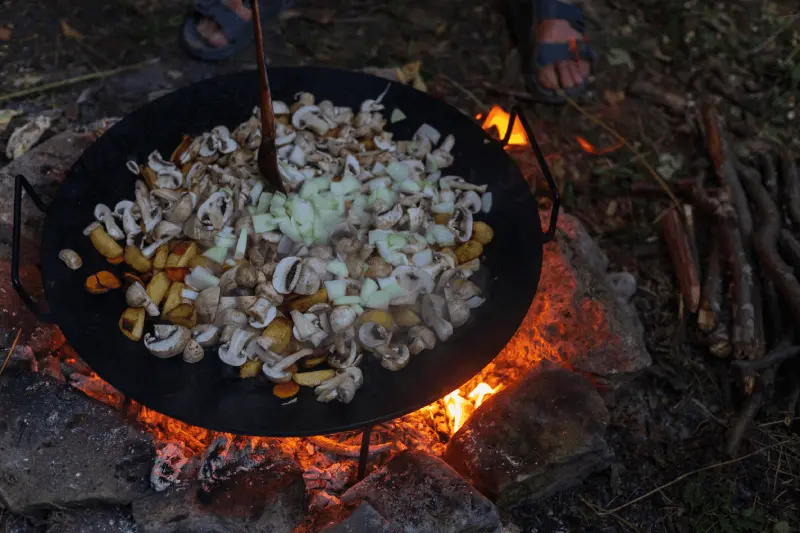
Although professional "freeze-dry" devices can be expensive, you can achieve similar results with home dehydrators or low-temperature ovens. By thinly slicing and drying vegetables like carrots, peas, mushrooms, and corn, you can create your own ready soup or pasta mixes. Dried foods are incredibly lightweight and return to their original forms significantly when they come into contact with water. This method is invaluable for backpacking travelers. You can store the dried vegetables mixed with spices in zip-lock bags. At camp, you can obtain nutrient-rich meals simply by adding hot water or including them in the boiling water of your pasta. Doing your own drying process at home helps you avoid processed ready meals from the market and allows you to create mixes that suit your taste.
What Are the Key Points for Marinated Meats to Create a Flavor Explosion at Camp?
Marinating meats at home before taking them to camp ensures deep flavor penetration into the tissues. The marinade you prepare with olive oil, an acidic component (lemon or vinegar), and fresh herbs not only flavors the meat but also tenderizes its structure. The safest way to take marinated meats to camp is to place them in zip-lock bags and freeze them. The meat slowly defrosts along the way while continuing to marinate. When you reach the campfire, your meat will be perfectly tender and ready to cook. With this method, you can prepare cuts like chicken wings, lamb chops, or ribeye. The garlic and rosemary sprigs left in the marinade will create a smoky effect over the fire, adding a restaurant-quality aroma to your dish.
How Should High-Protein Camp Stews Prepared in One Pot Be Canned?
Dishes like lentil stew with ground meat, chickpea meat, or "chili" with Mexican beans create wonders when cooked in one pot and pre-prepared at home. After cooking these types of meals, you can share them while hot into sterilized jars and ensure they are vacuum sealed or freeze them in portion-sized packages. These high-protein meals help the body recover after a day of physical activity. The jar storage method provides a few days of durability if your refrigerator options are limited (as long as it is a cool place). However, the safest option is frozen packages. While heating these thick meals at camp, you can increase the quantity by adding some water or bone broth and make a filling lunch by dipping bread.
How Do Breakfast Burritos Travel from the Freezer to the Campfire?
Lighting the campfire in the morning and preparing breakfast can sometimes be a hassle. Breakfast burritos prepared at home solve this problem at its root. By tightly wrapping cooked eggs, sautéed potatoes, cheese, and optionally salami or sausage in a tortilla, you can freeze them. After wrapping each burrito in pre-cooking paper and then in aluminum foil, freeze them. When you place these packages near the coals at camp, the cheese inside melts and the tortilla crisps up. Using foil helps distribute the heat evenly and prevents the burrito from burning. In just 10-15 minutes, you will have a hot, protein-packed, and very convenient breakfast. Plus, it doesn’t create dirty dishes; just throw the foil back into your trash or recycling.
How to Prepare Homemade Practical Soup Mixes for a Warm Camp Night?
If you are not fond of the preservatives in ready-made soups sold in stores, you can prepare your own mix at home. Combine red lentil flour, dried onion, garlic powder, and spices in a jar. For a more gourmet option, you can prepare some tarhana or dried tomato at home. At the campsite, you will only need to add water to these dry mixes and boil for a few minutes. If you want a richer soup, you can freeze the vegetable chicken broth you cooked at home and take it in small blocks. On a cold evening, the campfire... The warm soup you will sip next to you balances your body heat and also relaxes your stomach. You can increase its filling power by adding the croutons you toasted at home.
How to Store Pre-Cooked Grain Salads That Meet Your Carbohydrate Needs in Jars?
You can layer grains like quinoa, buckwheat, bulgur, or beluga lentils that you have cooked and cooled at home according to the "Mason Jar" method. Place the dressing at the bottom, followed by the cooked grains, and then add durable vegetables (chickpeas, corn, bell peppers). Finally, place the greens on top. This order prevents the dressing from softening the greens, and your salad will stay fresh for 2-3 days. All you need to do at the campsite is to pour the jar into a bowl and mix it. Grain salads are especially popular as a quick energy source during meals or between hikes since they do not require cooking. Thanks to their filling properties, they will be indispensable for long-lasting activities.
How Should Vegan Lentil Meatballs and Falafel Be Prepared to Heat Quickly Over a Wood Fire?
For campers who do not consume meat, lentil meatballs or falafel are great options. You can prepare the lentil meatballs at home, shape them, and place them in containers with baking paper in between. For falafel, you can prepare the mixture at home and fry it at the campsite, or you can freeze pre-cooked falafels and heat them over the fire. These foods provide great flexibility in a camping environment since they can be consumed both cold and warm. You can turn this meal into a feast by bringing a container of tahini sauce or fresh lettuce leaves. They are rich in plant-based protein, providing more than enough energy that your body needs, and they are quite easy to digest.
What Are the Combinations for Chicken Skewers with Ready Sauce That Will Create a Feast Over the Campfire?
Cut the chicken into cubes at home, add pearl onions, colorful bell peppers, and cherry tomatoes, and arrange them on skewers. Pour yogurt, sauce, and a herb dressing over them and freeze this way. This preparation eliminates the hassle of skewering at the campsite. Frozen skewers save space in the camping cooler. When it's time to cook, you can place them directly on the grill or over the fire. The lightness of the chicken and the roasted flavor of the vegetables create a wonderful harmony. You can serve it by wrapping it in a lavash you prepared at home. Be careful not to pack the meats and vegetables too tightly during the preparation phase, so they will cook evenly.
How to Preserve the Lifespan of Homemade Granola Bars, Which Are Energy Stores, in Your Backpack?
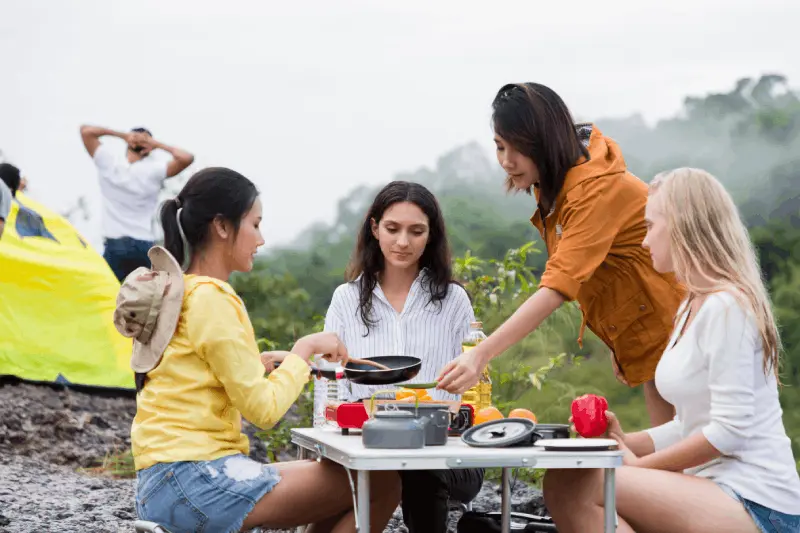
Homemade granola bars made with oats, honey, molasses, nuts, and dried fruits are the most critical energy stores for camping. After baking, cool these bars at room temperature and wrap each one separately in plastic wrap or wax paper. This way of packaging prevents the bars from sticking together and makes it easier to take them out of the backpack and eat. As long as they do not get moisture, these bars can stay fresh for about 2 weeks. These bars are lifesavers when you need a quick snack during steep climbs or early in the morning. Adding a pinch of sea salt helps you regain the minerals lost through sweat.
How to Prevent Food Spoilage by Efficiently Using a Cooler Backpack?
How you transport the food is as important as preparing it at home. Place the frozen food packages you will consume last at the bottom of your cooler backpack. On top of that, add frozen water bottles or ice packs as a buffer layer. Finally, place your breakfast foods and dairy products on top. The less you open the cooler's lid, the longer the internal heat will be preserved. Additionally, your frozen meals will provide extra coolness as they thaw. Always transport meat products in leak-proof bags to prevent meat juices from contaminating other foods when the ice melts. Filling the gaps in the backpack with towels or newspaper strengthens insulation by reducing air circulation.
What Are the Bone Broth-Based Meal Preparations That Will Warm You Up for Winter Camping?
Winter camping requires extra energy and warming foods. Freeze the bone broth you prepared by simmering for a long time at home, combined with cooked meat pieces and root vegetables, in a "block" form. When you throw this block into a pot over the campfire, the melting water becomes a healing soup and boosts your body's resistance. Bone broth is rich in collagen and minerals, supporting your joints and ligaments in cold weather. You can create a natural antibiotic effect by adding plenty of hot red pepper and garlic. Meals with such rich ingredients in winter not only satisfy your hunger but also help you warm up before getting into your sleeping bag for a more comfortable sleep.
How to Apply Half-Baking Technique to Keep Pastries Fresh While Camping?
Instead of fully baking the products you prepared at home, such as pizza dough, flatbread, or pastries, bake them at 70% and take them out of the oven. After cooling, package them and take them to the campsite. When you heat these pastries briefly on a griddle or in a cast-iron pan at the campsite, they will be fresh and soft as if they just came out of the oven. Fully baked breads can become stale or dry by the time you go camping, but the half-baking technique traps moisture. Melting cheese on your homemade pizza dough over the campfire will give you a real Italian evening in the middle of nature. This method is especially great for camping with children, as it offers flavors they love.
How to Prepare Light and Filling Dried Fruit Mixes for Nature Hikes?
Drying fruits at home, It is much healthier than sugary snacks in the market. Slice apples, bananas, strawberries, and kiwis thinly and bake them in a low oven. Create a "trail mix" by adding raw almonds, pumpkin seeds, and a bit of dark chocolate. You can portion this mixture into small bags to carry in your pocket. The natural sugars in the fruits provide instant energy, while the fats and protein in the nuts help sustain that energy over a longer period. When preparing your own mix, feel free to exclude ingredients you don't like, for example, you can combine only your favorite pairs like blueberries and hazelnuts. These snacks can also serve as a light sweet alternative alongside evening tea.
What Are the Cooking Paper and Foil Packing Methods That Solve the Cleaning Problem of Camping?
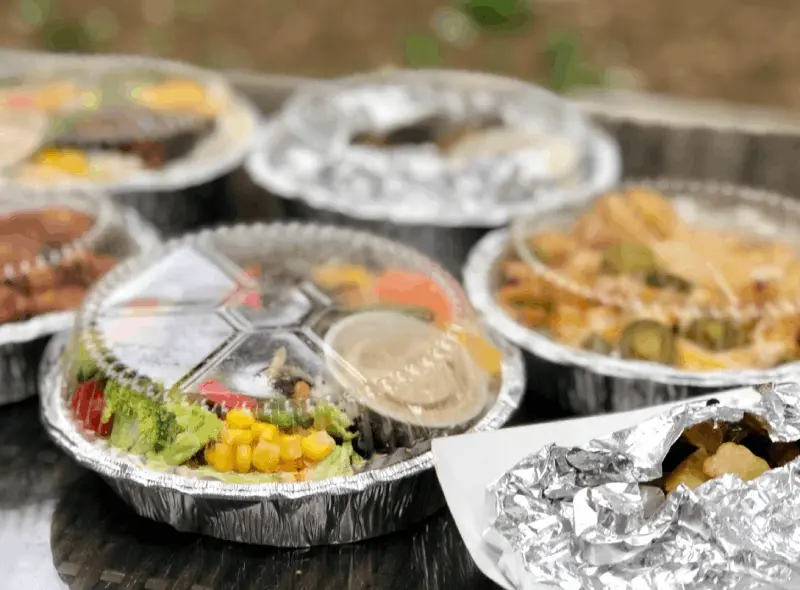
Washing dishes is the least favorite part of camping. You can pack the meals you prepared at home using a method called "hobo pack." Wrap potato slices, sautéed vegetables, and meatballs in cooking paper, and cover the outside with aluminum foil. At the campsite, simply throw this package directly into the fire. The cooking paper prevents the food from sticking to the foil and the metal in the foil from leaching into the food, while the foil balances the intense heat from the outside. You can open the package on the cooking surface and eat directly from it. Afterwards, all you have to do is throw away the paper and foil; no pots or plates get dirty. With this method, you can prepare everything from fish to vegetable dishes.
What Are the Healthy Snacks Prepared at Home for Camping with Children?
Camping with children requires extra planning. Mini pancakes, banana oat balls, and cheese sticks prepared at home support children's endless energy throughout the day. You can cook pancakes at home and freeze them, then heat them in a pan in seconds in the morning. Additionally, preparing fruit purees at home and putting them in small cups or leak-proof containers provides quick access to healthy vitamin sources in the woods. Preparing visually appealing meals for children makes camping more fun for them. For example, cheese cut into fun shapes or vegetable fritters you made at home will offer them a familiar and safe taste in the unfamiliar environment of nature.
How Does Organizing Spice Mixes in Small Containers Change the Taste of Food?
Bringing all spice jars to the campsite is a significant waste of space. Instead, plan what meals you will make at home and prepare special spice mixes for each meal. For example, have one container with red meat spices (salt, pepper, oregano, garlic powder) and another with breakfast mix (za'atar, chili flakes, sesame). Empty medicine bottles or small film containers are ideal for this task. Mixing spices at home eliminates the hassle of measuring accurately in the wind or darkness at the campsite. You can save space by drying fresh herbs (parsley, dill) and grinding them into powder or freezing them in olive oil in small cubes. A well-seasoned camp meal can turn even the simplest ingredients into a gourmet dish.
What Are the Safe Ways to Prepare Seafood at Home for Beach Camps?
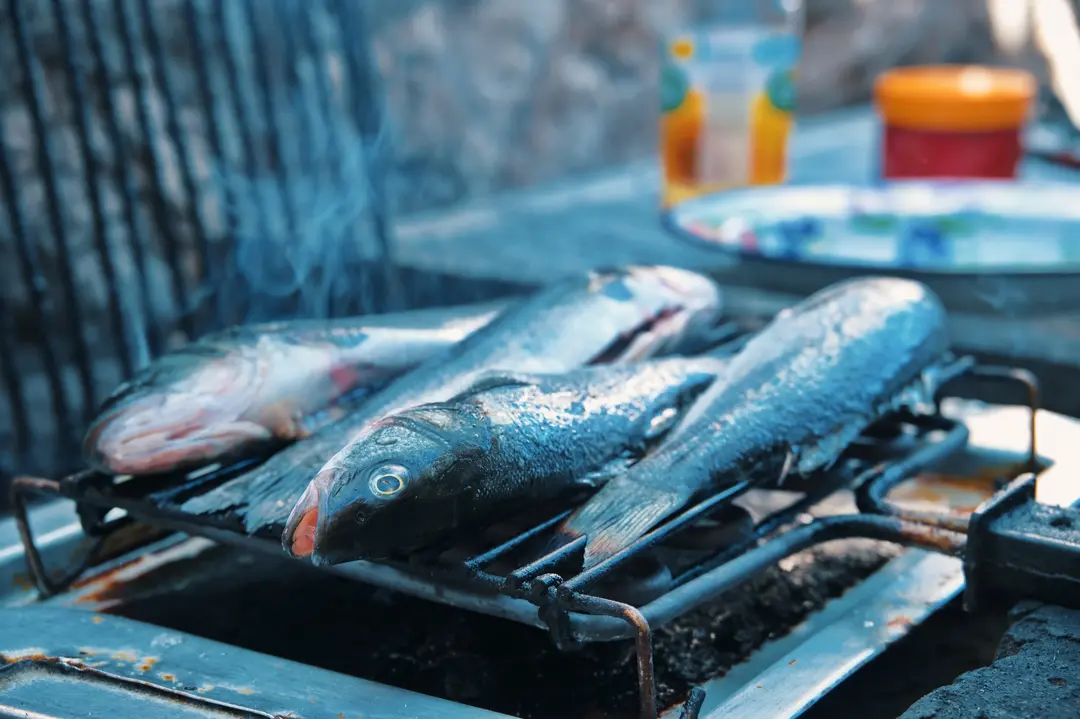
Seafood has a high risk of rapid spoilage, so preparation is critical. Clean the fish at home, wrap it in foil with lemon slices and bay leaves, and freeze it. Marinate shrimp in a garlic and butter sauce and vacuum seal them. It is safest to consume these products on the first night of camping. Fish transported frozen will stay cold until it thaws, and when the campfire is ready, it will reach the perfect cooking consistency. While you may have a chance to find fresh fish at beach camps, having your own marinated products ensures you can enjoy a delicious dinner without taking risks. Adding a bit of white wine or apple cider vinegar while cooking the fish will balance the smoky flavor from the campfire.
Is It Possible to Prepare Campfire Desserts at Home and Just Finish Them Off at the Campsite?
Yes, camp desserts are not limited to just "marshmallows." Place the apple pie filling (apples, cinnamon, sugar) you prepared at home in a jar. Bring along a pack of oatmeal cookies or homemade crumble. At the campsite, heat the apple mixture in a pan and crumble the cookies on top to get a warm "Apple Crumble" in 5 minutes. You can also wrap the brownies you baked at home in foil and heat them over the fire, then drizzle with hazelnut spread. Dessert is the most enjoyable moment that relieves the fatigue of a day of camping. These practical bases prepared at home allow you to indulge in the middle of nature. Preparing chocolate sauces in advance and putting them in small squeeze bottles also makes serving easier.
What Are the Light Meals That Facilitate Digestion in High Altitude Camps?
At high altitudes, the digestive system works more slowly, and appetite may decrease. Therefore, meals prepared at home should be light yet nutritious. Dishes like quinoa pilaf with plenty of vegetables, low-fat grilled chicken breast, or fresh green beans with olive oil should be preferred as they are easy on the stomach. Cook these meals completely at home and vacuum seal them in portions. Cooking food from scratch at high altitude takes a long time due to the lower boiling point of water; thus, pre-cooking is not just a preference but a necessity. Also, don't forget to prepare blends of fennel or mint tea at home to take along, as they aid digestion. Eating lightly ensures that the body's energy is used to combat oxygen deficiency rather than digestion.
How to Create Emergency Meal Kits at Home That Serve as First Aid?
Not everything may go as planned; you might not be able to start a fire or your refrigerator might break down. For such situations, prepare an "emergency meal kit" at home. This kit should include dried fruits, high-calorie snacks... Hazelnut paste tubes, vacuum-packed dried meats (jerky), and a package of crackers should be included. These products do not require cooking and can last for weeks at room temperature. Additionally, adding a few packets of electrolyte powder is vital in cases of dehydration. Keep this kit in the most accessible part of your camping backpack. This package, prepared with the hope that you won't need it, can save your camping trip from becoming a nightmare in an unexpected situation and allow you to continue safely.
How to Prevent Hygiene and Cross-Contamination When Preparing Camp Meals?
It is essential to apply a professional kitchen discipline during the preparation phase at home. Be sure to separate the cutting board you use for raw meat from the one you use for vegetables. Wait for the food to cool completely to room temperature before packaging; hot packaging leads to condensation and thus rapid spoilage. Wash your hands frequently and create labels that indicate the contents and preparation date on the packages. Knowing what is in each package while camping prevents you from unnecessarily opening the refrigerator. Also, instead of throwing frozen meals directly into the fire after taking them out of the freezer, it is better to allow them to thaw gradually for flavor and safety.
How to Cook Alternatives to Bread That Don't Go Stale at Home?
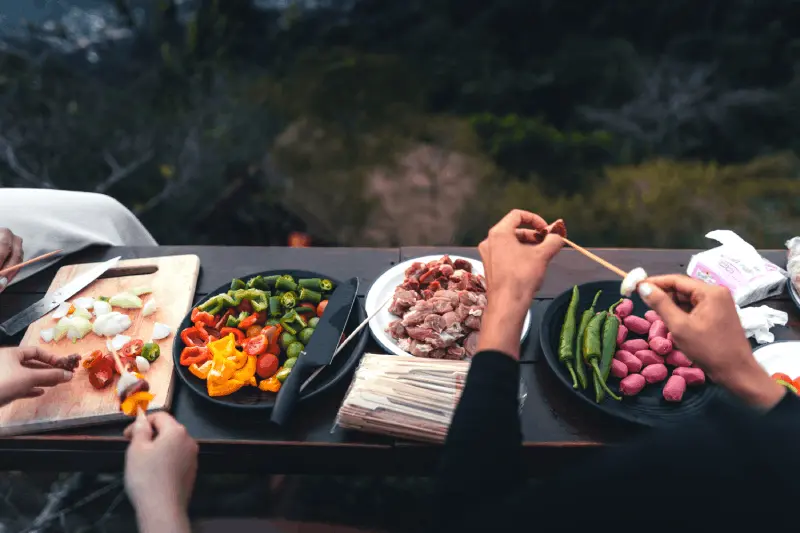
Bread can quickly mold or crumble outdoors. Instead, you can make durable "rusks" or "crackers" at home. Hard crackers made from whole wheat flour, plenty of seeds, and olive oil are both filling and can stay fresh for weeks. Another option is homemade "lavash" breads. When you stack them with oiled paper in between and vacuum seal them, they take up little space and pair well with any meal. Slicing your homemade sourdough bread and drying it in the oven to make "croutons" is also a great preparation for soups. These alternatives eliminate the stress of finding "fresh bread" during the camping trip.
How Can We Blend the Flavor of Wood Smoke with Pre-Cooking at Home?
When cooking at home, you can infuse the smoky flavor of campfire by using "smoked" salt or smoked paprika. However, the real magic happens when you finish cooking 80% of your food at home and then finish it over an open pot or grill at the campfire for the last 5-10 minutes. Smoke penetrates the texture of partially cooked foods more easily. For example, turning the corn you cooked at home over a fire with butter at the camp gives them that unique caramelized flavor. Pre-cooking ensures that the food is safe and quick, while the campfire adds the final touch that gives it a "natural" spirit. This combination is the smartest way to merge the comfort of home with the flavors of camping.
Is It Possible to Make Ready Sauced Pasta Packages Healthier at Home?
You are not stuck with store-bought packages. Cook the pasta at home to a firmer consistency (more firm than al dente), drain it, and drizzle with olive oil to cool. In a separate bowl, prepare a sauce with plenty of vegetables, ground meat, or mushrooms. Place the pasta and sauce in the same zip-lock bag, mix, and freeze. At the camp, pour this package into a pot, add half a teacup of water, and when heated, the pasta will absorb the sauce perfectly. With this method, you can enjoy fresh pasta as if you were in an Italian restaurant in just 5 minutes. Adding the parmesan cheese you grated at home means you have prepared the most luxurious meal of the camp.
What Are the Homemade "Cold Brew" or Practical Filters That Make Coffee Enjoyable While Camping?
Preparation is essential for those who cannot wake up without their morning coffee. You can prepare a concentrated "Cold Brew" at home and carry it in a small bottle. At the camp, you can obtain hot coffee instantly by diluting this concentrate with hot water. Another method is to put single servings of ground coffee into paper filters and tie the top with string to create your own "coffee bags." This way, you won't need to carry a coffee maker or French Press; just toss this bag into a cup of hot water and brew. If you also add the homemade cookies you made, you will create the most enjoyable break in nature.
What Are the Packaging Strategies That Simplify Waste Management at the Campsite?
Protecting nature is the duty of every camper. When preparing at home, avoid unnecessary cardboard or plastic packaging for your meals. Instead, opt for washable and reusable silicone bags or beeswax wraps. If you are going to use disposable bags, collect them to take back at the end of the camp. Preparing meals in portion sizes prevents leftovers from spoiling and going to waste. Additionally, leaving organic waste like vegetable peels at home and only bringing the parts ready for cooking prevents odors and insect attraction at the campsite. The principle of "leave it cleaner than you found it" starts during the packaging phase at home.
What Are High-Protein Preparations for Vegetarian Campers Using Legumes?
Legumes are the stars of camp cooking. Mash the chickpeas or beans you prepared at home and mix in oats, onion, garlic, and plenty of spices to prepare "meatballs." After lightly pre-cooking these meatballs in a pan, freeze them. At the camp, you can enjoy them either in a sandwich or on top of a salad. Legume meatballs are filling, have a lower risk of spoilage compared to meat products, and provide the fiber you need. Especially preparing the "vegetarian minced meat" mixture made with lentils and walnuts at home and using it as pasta sauce or filling for wraps at the camp is both practical and quite nutritious.
The Fastest Way to Cook Potatoes Over a Campfire
How to Pre-Cook Potatoes?
Cooking raw potatoes over the fire can take hours and usually the outside burns while the inside remains raw. The solution is to pre-cook the potatoes whole or sliced for 10-15 minutes, which is called "half-cooking". Let the potatoes cool and package them when the outside is slightly softened but the inside is still firm. When you throw them into the fire while camping, in just 15-20 minutes, you will have potatoes that are soft inside and crispy outside. When you add the garlic butter you prepared at home on top, this simple food turns into one of the most delicious meals in the world. You can apply the same technique for corn and hard root vegetables as well. Pre-cooking saves fuel and time.
What Are the Home-Prepared "Charcuterie Board" Packages for Gourmet Campers?
Prepare a small charcuterie package at home to enjoy while watching the sunset in the evening. Place quality cheeses, cured meats, olives, nuts, and dried fruits in a small compartmented container. Pre-cutting the cheeses into cubes makes them easy to use. You can expand the flavor range by adding a bit of honey or mustard on the side. This preparation looks very aesthetic and since it doesn't require cooking, it is a perfect lifesaver for those tired moments. Charcuterie products are generally durable, but it is still recommended to store them in the refrigerator. These small luxuries turn your camping experience from an ordinary trip into an unforgettable holiday.
What Are the Spiced Drink Mixtures That Provide Heat Balance for Spring and Autumn Camps?
In seasons where the air temperature is variable, it is important to maintain body heat. Prepare a "tea kit" at home consisting of ginger, turmeric, cinnamon sticks, and cloves. If you want, you can turn this mixture into a paste with honey and put it in a small jar. At the campsite, adding a spoonful of this paste to hot water not only strengthens your immunity but also helps you warm up from the inside. Additionally, adding a pinch of cayenne pepper to the hot chocolate powder you prepared at home helps speed up your circulation, assisting you in coping with cold evenings. These types of small preparations are fine details that increase the comfort level of camping and help you maintain your health.
How to Achieve the "Zero Dishes" Goal in Camping Preparation?
The main goal of all these preparations is to simply enjoy nature and not waste time on cleaning. You can minimize dishes by cooking food in a cooking bag, drinking soup directly from the cup, and wiping spoons after each meal and saving them for the next. Pack each meal you prepared at home with the thought of "how can I dirty fewer dishes". For example, put the salad dressing directly at the bottom of the salad jar instead of a separate container. Shake the bag to mix. Every minute you spend at the campsite should be used to connect with nature instead of cleaning.
A Good Preparation Means a Happy Camp
These pre-preparations and pre-cooked meals made at home before going camping are actually a reflection of respect for nature and the value given to your own comfort. A planned camper produces less waste and eats healthier. Thanks to the headings and strategies in our guide, during your next camping trip, you will not only be a "visitor" but also a master "chef" in the heart of nature. Remember, the best camping meal is the one eaten with your friends, around the fire, under the stars. Bon appétit and happy camping!