Does the Gendarmerie Want Us to Leave the Area at Midnight?
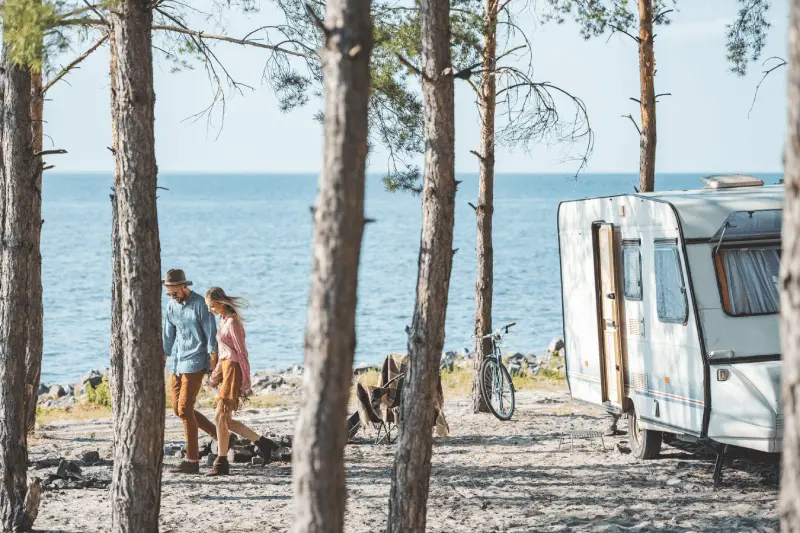
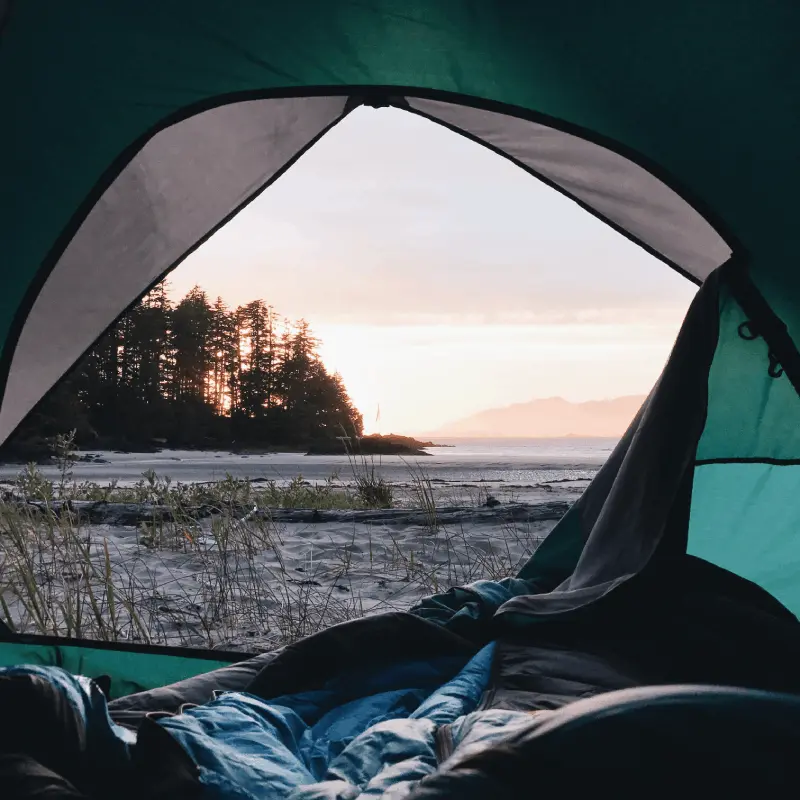
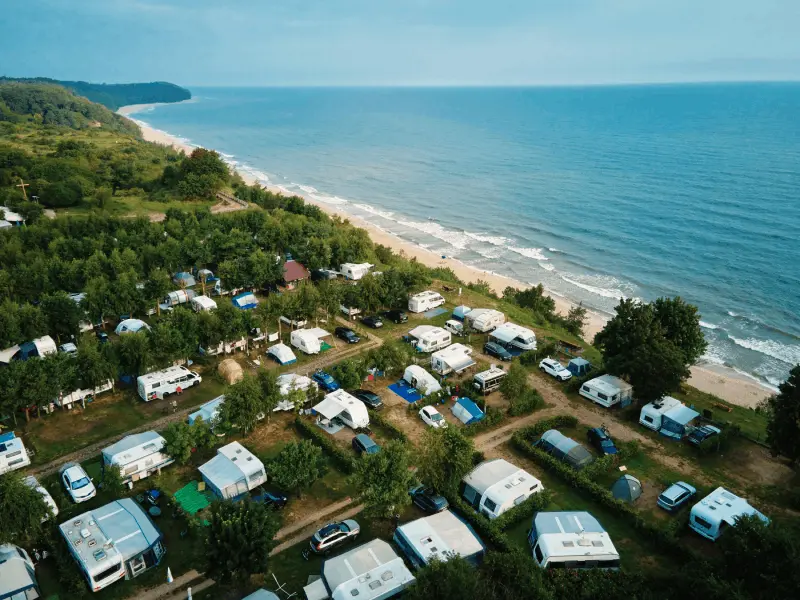
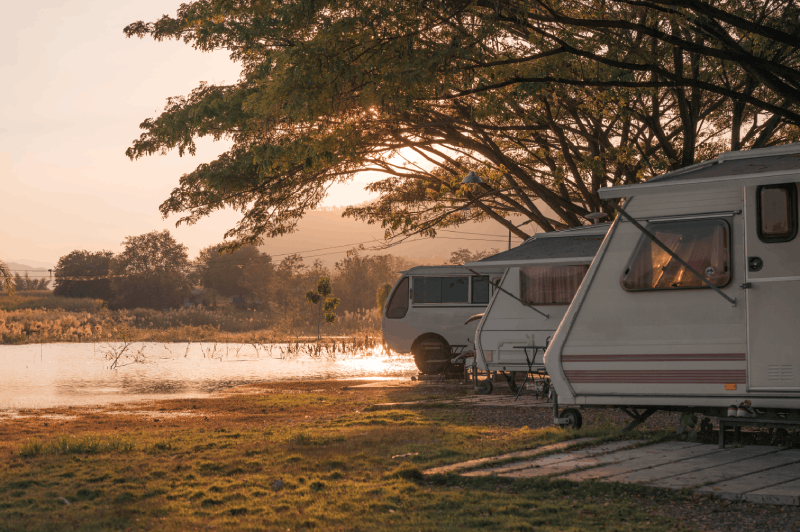
The biggest "fear" factor of free camping areas is their legal status. You may encounter "camping is prohibited" signs placed by municipalities or governorships along many coastal towns in Turkey. However, often "parking a caravan" is confused with "setting up a tent and creating a campsite." If you don't open an awning, set up tables and chairs outside your caravan, and look like you're in "parking" mode rather than "accommodation," the gendarmerie's possibility of waking you up at midnight decreases. Still, remember that in popular routes like Muğla and Antalya, you may face sudden inspections during the peak season, and you might be kindly asked to relocate.
Do We Face Security Risks While Staying Overnight in Isolated Bays?
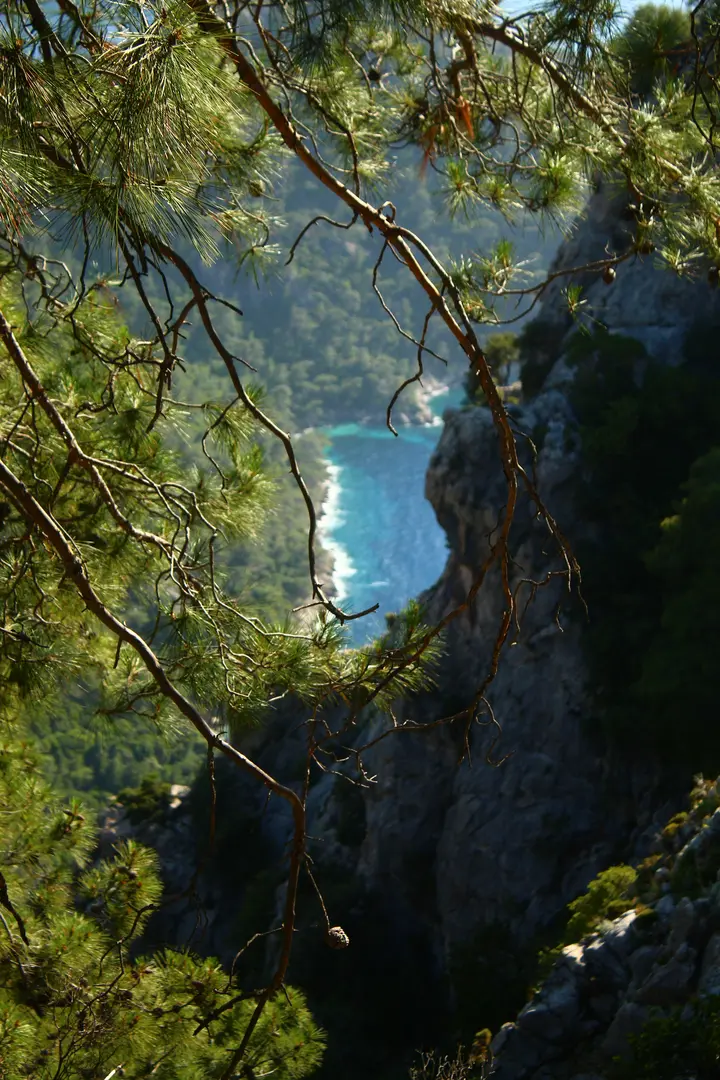
Safety is the number one concern for every solo traveler or family camper. Although the Aegean and Mediterranean bays of Turkey are generally considered safe, there can be a sense of unease due to "isolation" in remote areas. At this point, our strategy should be "safe solitude." Having another caravan nearby where you park your caravan creates a psychological shield. Additionally, using alarm systems inside the caravan, outdoor lighting, and choosing spots where your phone gets a signal will increase your capacity to call for help in case of an emergency. Isolation means freedom, but it also requires vigilance.
Is There a Hidden Source Where We Can Fill Our Water Tank in Free Areas?
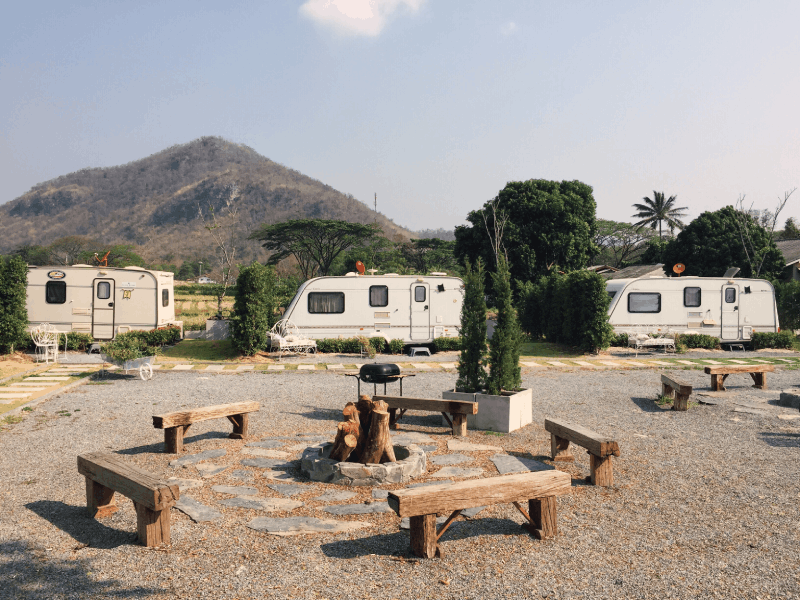
The cost of not going to paid campgrounds is managing basic needs like water and electricity on your own. It is generally hard to find a "water tap" in free camping areas; however, local mosques, gas stations, or village fountains along the roadside can be your biggest saviors. Especially before heading to free bays in regions like Datça or Kaş, it is critical to fill your tank at the nearest gas station in the center. Having a long hose and adapters suitable for different tap types will save you from getting stuck halfway. Water is the most expensive element of free camping.
Does Emptying the Caravan's Gray Water Tank Cause Environmental Pollution?
This question is not just a logistical issue but also an ethical and health concern. In caravanning, "gray water" (kitchen and shower water) should not be dumped on the ground or sand in a zero-sea area if it contains chemical detergents. This situation harms the environment and threatens the health of other people in the area. The biggest challenge while staying in free areas is transporting these tanks to a legal dumping point. As a solution, using biodegradable soaps and collecting your tank to dump it into the wastewater system of the nearest gas station protects both your conscience and nature.
Is There Pest Control Against Mosquitoes and Insects in the Area?
Free areas by the sea, especially those near marshes or stagnant water, can turn into a mosquito haven at night. While paid establishments may conduct periodic pest control, in free areas embraced by nature, this is entirely your responsibility. Especially when the night breeze dies down, mosquitoes can create a serious comfort issue. Ensure that the mosquito nets in your caravan are secure, and use natural repellents (lavender, lemon balm) while sitting outdoors. Otherwise, you may find your enjoyment of the holiday overshadowed by bites when you wake up in the morning.
Do Tires Slip When Climbing Back Up Steep Ramps We Descended with the Caravan?
The most beautiful pristine bays of the Aegean and Mediterranean are often at the end of stabilized and quite steep roads. The weight of the caravan and the towing system put you to the test on these roads. The fear of "We got down here, but how will we get back up?" can rob many travelers of their sleep at night. Especially in rainy weather, muddy dirt roads can be a trap for a 3.5-ton caravan. To manage this risk, it is vital to walk the road before entering, adjust tire pressures according to the terrain, and have a tow truck number ready in your guide if necessary. Adventure sometimes lies at the end of a tow rope.
What Is the Quality of Sea Water and the Risk of Jellyfish in Free Areas?
While paid beaches usually have a lifeguard and sea cleanliness control, the condition of the sea in pristine bays is entirely natural. Especially in certain seasons, jellyfish (medusa) brought by currents or sea urchins on the beach can pose serious health risks. Additionally, pollution may occur in some bays due to uncontrolled waste left by campers. Checking the clarity of the water before entering the sea, always wearing water shoes, and having vinegar or special gels nearby in case of jellyfish contact are simple but critical precautions that will save you from ending your holiday in the hospital.
Are Prices in Local Markets Higher Compared to City Centers?
While you may be happy saying, "I'm camping for free," you might be shocked by the price of a loaf of bread from the nearest grocery store. Small markets in the rural areas of popular holiday resorts can triple their prices, citing logistical difficulties. The way to avoid this "hidden cost" is to do bulk shopping at large chain stores before arriving at the campsite. Especially stocking up on essential foods like water, bread, meat, and vegetables in advance will help you manage your budget. Remember, when you get stuck in a bay, the only grocery store there controls your economy.
Is There a Problem with Damp Smells in Rooms or Towels Not Drying?
The biggest comfort enemy of staying by the sea in a caravan is high humidity. The breeze from the sea can cause everything to feel slightly damp as it fills the caravan at night. If you don't have a good ventilation or dehumidifying system in your caravan, you may wake up to a "damp smell" in the mornings. Towels and swimsuits not drying can lead to bad odors and hygiene issues after a while. To overcome this problem, it is essential to use powerful hangers mounted outside the caravan and take advantage of the drying feature of diesel heaters (webasto) operating inside. A dry bed is a caravaner's luxury.
How to Get Emergency Health Assistance in a Spot with No Phone Signal?
Many free bays are located between steep cliffs, making them far from cell towers. An injury, poisoning, or technical malfunction occurring when your phone says "no service" can turn into complete chaos. As a practical necessity; you should determine how many kilometers your camping spot is from the nearest settlement and identify the closest point where your phone gets a signal in advance. Additionally, using offline maps and having a professional first aid kit with basic medications in your caravan is essential. Being prepared where there is no communication is your only salvation.
Is It Forbidden to Make a Fire on the Beach and Will the Locals React to This?
Fire, which is indispensable for caravan camping, is also one of the biggest legal and social risks. Especially in areas where the risk of forest fires is high during the summer months, making a fire is strictly prohibited and can result in heavy fines. In fact, locals can react quite harshly to this in order to protect their forests. If you want to make a fire, you must use a fire box elevated from the ground and stay away from the surrounding vegetation. However, the safest and most respectful method is to use a camping stove that leaves no trace in nature. A camper who leaves no trace is always welcomed.
Are the Solar Panels of the Caravan Enough to Charge Batteries in Shady Areas?
In free camping areas, you have no chance of getting electricity from outside; the entire system depends on your solar panels. However, when you park your caravan in the shade of a tree in search of comfort, the efficiency of the panels can drop to as low as 80%. This means your refrigerator may stop or your lights may go out. Strategically parking in a way that exposes the panels to sunlight while keeping your living area cool is an art. If you will be in the shade for a long time, having a portable solar panel or an external power station nearby guarantees your energy independence.
Is There a Risk of Poisonous Plants or Wild Animals for Our Pet Nearby?
Most travelers with caravans take their pets along. However, in free natural areas, the risk of encountering poisonous snakes, scorpions, or poisonous plants (like some types of oleander) poses a significant threat to your dog or cat. Additionally, the presence of stray dogs in the area can lead to fights between them and your pet. You should ensure that your pet's vaccinations are up to date, keep it inside the caravan at night, and never let it off the leash while walking. Its safety is your peace of mind.
Is There a Hidden Fee for Using Sunbeds on the Beach?
Some public beaches or bays that seem "free" may actually have been informally divided by a local "operator." It is common for someone to come and ask for "umbrella-sunbed fees" or "parking fees" when you park your caravan. In such cases, stay calm, investigate whether this is a public area, but for your peace of mind, you should make small negotiations. If you don't want to pay anything, you should prefer completely pristine and unmarked spots where there are no businesses. Sometimes being "free" means using your diplomatic skills.
Can We Find a 'Cassette Dumping' Point for the Caravan Toilet?
The least discussed but most practical need in caravanning is toilet management. If you stay in a free area for more than 3-4 days, your toilet cassette will definitely fill up. Dumping this cassette into nature is both illegal and a major hygiene disaster. As a solution; you can either pay for "waste disposal" at paid campgrounds along your route or use suitable facilities at some large gas stations. Checking the fullness of your cassette every day and marking dumping points on the map in advance will prevent your holiday from turning into a "hygiene nightmare."
Does the Humidity in the Area Damage Our Electronic Devices?
In seaside accommodations, the salt and humidity suspended in the air can affect not only your towels but also your computers, tablets, and professional cameras. Prolonged stays can cause oxidation (corrosion) in the internal components of electronic devices. Keeping your devices in sealed bags with dehumidifying packets (silica gel) when not in use is a simple but effective solution. Additionally, frequently ventilating the inside of the caravan to maintain humidity balance will extend the lifespan of your devices. Technology may not love sea air as much as people do.
What Should We Do When We Encounter Noisy Neighbor Campers?
There are no rules in free camping areas; this means that someone listening to loud music or a group shouting until dawn can park next to you. This situation can be the biggest source of stress for a camper seeking peace. In such a case, instead of engaging in direct confrontation, it is always healthiest to change the location of your caravan. The freedom of movement is the biggest advantage of a caravan. If the area is limited, a polite request may help, but you should always keep another accommodation option in mind as "plan B."
Is There a Chance of Being Cheated When Buying Fresh Milk and Eggs from Nearby Villages?
Shopping from villages for natural nutrition is wonderful, but sometimes you may encounter situations where market products are sold under the guise of "organic." To distinguish real village products, you should pay attention to the seller's home environment and the presence of animals rather than the product's packaging. Don't hesitate to bargain on prices, but also show respect for their labor. Paying a few extra lira for a fresh egg is a small price compared to the savings from free accommodation. Being friendly with the local economy ensures you stay safer in that area.
Does Sand Getting into the Caravan's Steps and Door Mechanisms Cause Malfunctions?
The biggest physical enemy of staying by the sea in a caravan is sand. The sand you carry inside with your feet can get stuck in the caravan's sliding door mechanisms, electronic step systems, and furniture hinges, causing them to jam and malfunction. This is a practical nightmare because repairing mechanisms can be quite expensive. The solution is to always place an outdoor mat at the entrance of the caravan, wash your feet outside before entering, and clean the inside of the caravan from sand every day. Sand is beautiful outside, but a nuisance inside mechanisms.
Do Falling Tree Branches Damage the Caravan in Rainy Weather?
Especially when you park under pine or olive trees, there is a risk of branches breaking and falling on the roof (panels, skylights, or awning) of the caravan in stormy weather. This can lead to thousands of lira in damages. When the wind picks up, it is a safety requirement to move away from under the trees or to open areas with shorter vegetation. Additionally, resin dripping from trees can also damage the exterior paint of the caravan. A tree shade is both your friend and a potential risk factor in a storm.
Does Wind Shake the Caravan and Disturb Our Sleep When Staying by the Sea?
Caravans are tall vehicles, so they are greatly affected by lateral winds. In seaside areas, especially at night, strong winds blowing from the sea to the land can rock the caravan like a cradle. This can be both frightening and make it impossible for you to sleep. To reduce the effect of the wind, you should park your vehicle in a way that the wind hits it from the front (nose) and always lower the stabilizing legs. If the wind is very strong, you should never leave your awning open; you might witness your awning flying off the caravan in a minute.
Is There a Playground or Safe Area for Families with Children?
Free camping areas are generally wild; meaning there are no playgrounds or safety barriers. Staying very close to the sea means a risk of drowning for small children or falling from cliffs. Therefore, families with children should prefer flat areas where children can run freely and keep an eye on them at all times. Additionally, having a portable playpen or a large mat to spread in front of the caravan can help you create a safe boundary for the children. Nature is the biggest playground, but the rules are strict.
Is the Wifi or 4.5G Speed in the Area Sufficient for Remote Work?
For digital nomads, the biggest stress in free bays is the "connection" speed. Even if the phone gets a signal in some bays, the data speed may be too low for video conferencing. If you are working on the road, you should check the "network maps" before arriving in the area or install an external 4G antenna on your caravan. Additionally, having a backup (two separate lines from different operators) is lifesaving. If your internet cuts out, it can turn your holiday into a source of stress. Without a connection, freedom can sometimes be limited.
Is There a Risk of Attracting Wild Animals with Food Smells Inside the Caravan?
The smell of a beautifully cooked fish or meat dish in the caravan's kitchen can attract a wild boar or fox from miles away to your caravan's door. You will be neighbors with wild animals in free natural areas. To reduce this risk, you should never leave your leftovers outside, avoid dumping food scraps far from the caravan, and clean the area after meals if possible. Keeping the caravan door closed at night and locking food supplies outside will prevent encounters with uninvited guests (like a raccoon or a wild boar) at midnight.
Are Our Gas Supplies Sufficient When Making Our Own Bread and Meals?
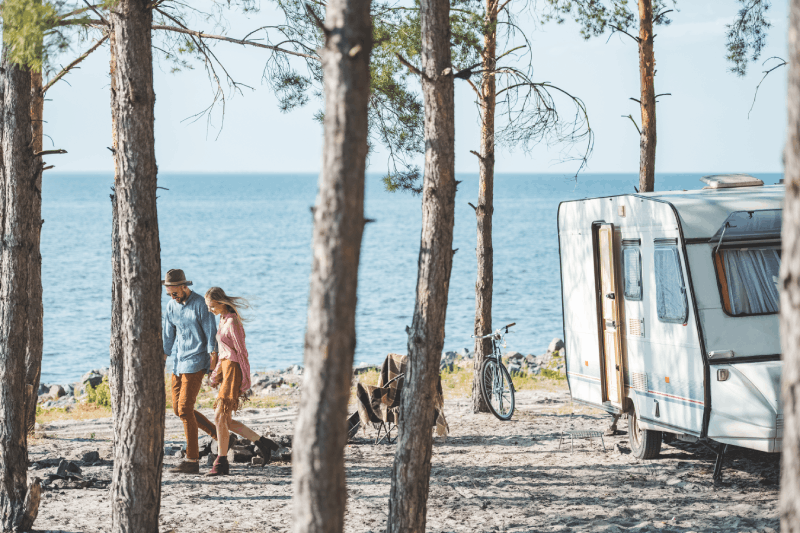
When it comes to getting stuck in a free area, how will you manage the energy (gas) you need the most? In many free camping areas in Turkey, you won't find a place to change your gas cylinder. Before hitting the road, you should ensure that your main and spare cylinders are full, and if possible, prefer European-type filling adapters or large industrial cylinders. If you run out of gas, you can't cook, take a shower, or heat in winter. Checking the gas gauge should be a morning ritual for every camper.
Is Fishing Prohibited in the Area and Will We Have Issues with Local Fishermen?
For campers wanting to source their food from nature, fishing is a wonderful hobby. However, some bays may be "protected areas" or subject to specific rules like catch limits. Casting your line in areas where local fishermen are fishing or entering their "fishing grounds" without permission can lead to social tensions. The best strategy is to consult local fishermen, ask where you can fish, and keep your amateur fishing license with you. Sharing a coffee can open the door to the best fishing spots.
Does the Caravan's Exterior Lighting Disturb Other People Nearby?
In free camping areas, light pollution is minimal, and people are there to watch the stars. Leaving your caravan's massive exterior LED lights on until morning disrupts the balance of nature and draws the reaction of neighboring campers. For an aesthetic and respectful camping experience, you should only use bright lights when necessary and at low intensity. Motion-sensitive lights are good for security, but branches swaying in the wind can cause them to flicker continuously, which can be annoying. Respecting the darkness is respecting nature.
Is It Possible to Repair the Caravan's Waste Water Pipes on Site if They Get Clogged?
Food scraps or hair escaping from the kitchen sink can clog the caravan's narrow waste water pipes. While this is a problem in a paid campground, it can be a significant logistical issue in the wilderness. When your sink starts to overflow, the joy of your holiday can vanish. You should always have a flexible snake (sink unclogging tool) and natural sink uncloggers that won't damage the pipes nearby. Additionally, installing a filter on every sink inlet is the cheapest and most effective investment that prevents this problem from starting.
Is It Legal to Stay Near Historical Ruins in the Area?
Turkey is an open-air museum, and sometimes the place where you park your caravan may actually be an "ARCHAEOLOGICAL SITE". Staying, making a fire, or being present without permission in these areas can result in severe fines and imprisonment. You should check whether the place you entered, saying "this is empty land," is actually a 2000-year-old necropolis. Generally, these areas are marked with signs, but even in unmarked places, you should avoid parking your caravan on ancient stones. Respecting history and laws is the key to your safety.
How Should We Adjust the Caravan's Tire Pressure to Avoid Sinking in the Sand?
If your vehicle is not 4x4, getting onto the sand is a big gamble. However, sometimes you want to enter the beach to get closer to the view. In this case, reducing tire pressures a bit (by about 30-40%) will increase the surface area of the tire and reduce the risk of sinking. Of course, having a powerful compressor to inflate the tires immediately after getting out of the sand is essential. If you don't have a compressor, you shouldn't even think about entering the sand. Sinking is easy, getting out is a long torment.
Do Social Events or Festivals in the Area Disturb Our Peace?
Sometimes the very quiet bay you go to may actually be the center of a local festival or wedding that evening. To avoid asking "Where did we end up?" you should check local news or municipal event calendars in advance. If a large crowd and noise are coming, it is most logical to move away from that bay on that day and escape to higher mountain villages. The best thing about a caravan is that it is always on wheels and offers you the option to "go away".
Is There a Local Municipality Garbage Collection Service in the Area Where We Camp for Free?
Unfortunately, many pristine bays do not have a regular garbage collection system from the municipality. This leads to the trash left by campers accumulating and turning into an environmental disaster. As a content strategist, I recommend: You should have large, leak-proof garbage bags to carry your own trash to the nearest large garbage container (sometimes 20 km away). If possible, collecting and taking the surrounding trash will elevate the image of "campers" in the eyes of the locals and prevent that area from being closed off tomorrow. Give back what you take from nature as cleanliness.
How to Deal with Corrosion That Will Occur Under the Vehicle When Staying by the Sea?
The salty air (iodine) from the sea can quickly rust the chassis and undercarriage of the caravan. Especially if you stay on the beach for a long time, the infiltration of saltwater under the vehicle is an invisible hazard. This is a practical necessity: At the end of your holiday, you must wash the underside of your vehicle with pressurized and fresh water. You should also pay extra attention to the undercoating and corrosion-resistant (paint) coating when having or buying your caravan. Rust in unseen areas can significantly reduce your vehicle's resale value and safety.
The questions and answers in this guide reflect real-life scenarios you will encounter in Turkey's free caravan parks. When you build your strategy on the measures answered by these questions rather than your fears, Turkey's azure coasts will turn into the most comfortable and free hotel in the world for you. Safe travels!