Does Buying a Ready First Aid Kit Provide Assurance in Camping?
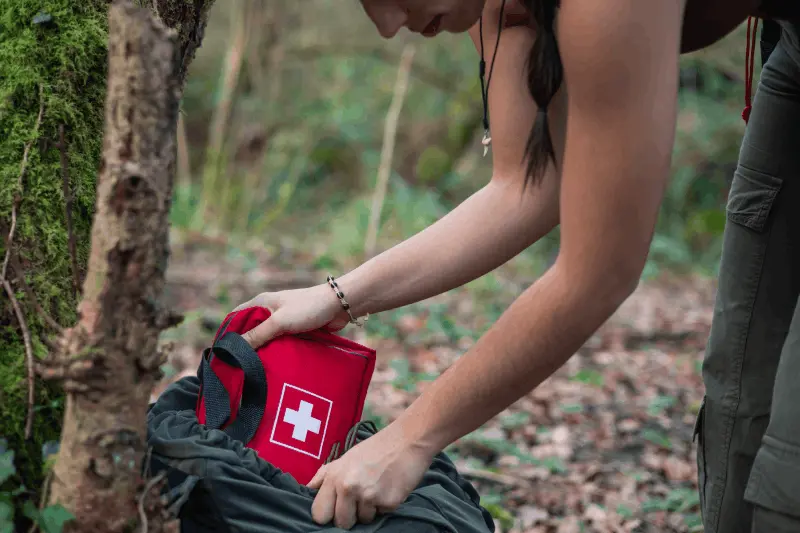
Purchasing a ready-made first aid kit offers a significant psychological and practical advantage, especially for campers who are stepping into nature for the first time. These kits are typically standardized based on recommendations from medical professionals and experienced search-and-rescue teams, considering the most common types of injuries encountered in a camping environment (cuts, scrapes, insect bites, and minor burns). Having everything ready in a box eliminates the user's fear of forgetting something. Additionally, the packaging of ready kits is often compact, waterproof, and compartmentalized, allowing you to access the materials you need within seconds in an emergency. However, this sense of security should not prevent you from questioning the quality of the materials inside. Many cheap kits may contain low-quality adhesive bandages or inadequately sterilized dressing materials. Therefore, trust is established not just by purchasing the kit but by knowing the quality of the equipment inside.
What Medical Mistakes Should You Avoid When Preparing Your Own First Aid Kit?
Preparing your own first aid kit (DIY) gives you complete control but also brings serious medical risks. One of the most common mistakes is including materials found in home drawers that are past their expiration date or have damaged packaging. If a gauze pad that should be sterile is slightly opened, that material can become a source of infection in a camping environment. Another critical mistake is the selection of medications; adding over-the-counter pain relievers or allergy medications to the kit without fully understanding their dosages and side effects can lead to incorrect treatment in an emergency. Additionally, organizing the kit incorrectly, such as placing the tourniquet or disinfectant at the bottom, can result in the loss of vital seconds. When making your own kit, instead of filling it with everything you might need, you should make a scientifically-based selection and learn the intended use of each material in advance.
Do Household Materials Meet Sterilization Standards in Camping Conditions?
Household cottons, scissors, or tweezers may appear clean for daily use, but they are far from the medical sterilization standards required for treating an open wound. The camping environment is an area rich in dust, dirt, and bacteria. If you plan to use a needle taken from your home sewing kit to remove a splinter, simply sterilizing it with a lighter may not provide real sterilization. The materials found in professional kits are sterilized with gamma rays or ethylene oxide and packaged in airtight containers. When making a kit with household materials, you should always prefer surgical products sold in new and sealed packages from a pharmacy. Using stainless steel medical scissors instead of kitchen scissors and precision medical tweezers instead of ordinary tweezers minimizes the risk of infection. At this point, understanding the difference between "clean" and "sterile" is vital for camping health.
Why Do Professional Distributors Prefer to Modify Mass-Produced Kits?
Professional distributors and long-distance hikers (thru-hikers) rarely use a standard ready kit as is. The main reason for this is that mass-produced kits are prepared with the "one size fits all" mentality. However, the needs of each route and each athlete are different. A distributor may replace the low-quality adhesive bandages in the kit with more durable, waterproof, and skin-friendly fabric bandages. They also integrate professional equipment that is often missing from kits but is critically important in nature, such as tourniquets, chest seals, or hemostatic agents. This modification process allows them to optimize the weight of the kit and customize it according to their health history (allergies, chronic illnesses). In short, professionals redesign the contents of the ready kit based on personal and environmental risks.
Why Are Fabric Quality and Waterproofing Critical When Choosing a First Aid Kit?
No matter how high-quality the materials inside are, if the bag carrying them is not durable, your first aid kit may become ineffective. External factors such as rain, mud, river crossings, or morning dew can cause your bag to get wet while camping. If your first aid kit is not made of waterproof fabric (such as 600D or 1000D Cordura), the gauze pads and bandages inside will absorb moisture, losing their sterilization, and medications may spoil. The quality of the zippers is another critical point; bags with rust-resistant and quick-release "rip-away" systems prevent you from encountering a jammed zipper in emergencies. When preparing a DIY bag, it is common to use an ordinary backpack or a simple plastic container. In contrast, professional bags are designed to be impact-resistant, brightly colored (for quick visibility), and have durable stitching. A bag that cannot protect your equipment is essentially a kit that cannot help you.
How Should Expiration Dates of Materials Inside Ready Kits Be Monitored?
One of the biggest disadvantages of ready kits is that many of the materials inside have different expiration dates, and users often do not keep track of this. It is a dangerous habit to throw the kit into a bag once purchased and forget about it for years. Disinfectant wipes dry out over time, adhesive bandages lose their properties, and the chemical composition of ointments deteriorates. The first thing you should do when you buy a ready kit is to list all the contents and note the expiration dates on a card or your phone. At the beginning of each camping season, it is essential to open the kit, check it, replenish what is used up, and replace expired items. In DIY bags, this monitoring process is more natural because you know better what needs to be replaced since you placed each item yourself. However, the "set" nature of ready kits can create a false sense of infinity, leading to the neglect of this vital check.
Is It More Economical to Create a Custom Bag for Your Individual Health Needs?
From an economic perspective, if you already have some basic medical supplies and only need to fill in the gaps, creating your own bag may be cheaper. However, purchasing everything (sterile gauze pads, professional scissors, bandages, antiseptics, etc.) individually at retail can end up costing much more than buying a ready kit prepared at bulk production prices. The DIY method focuses not just on price but on "value". For example, if you have a chronic allergy or are on regular medication, you will not find these specific medications in any standard kits. In this case, buying a basic affordable ready kit and filling it with your specific needs is the most balanced solution. In the long run, investing only in high-quality products that you need is more logical than spending money on a kit that contains 50 low-quality adhesive bandages that you will never use.
In Nature Hiking, Should Lightness or Material Variety Be Prioritized?
In nature hiking (trekking), the reality that every gram is a burden on your back creates a significant dilemma in first aid kit design. Carrying too much material tires you out and increases your risk of injury; however, carrying too little can leave you helpless in the event of an accident. At this point, the principle of "multi-functional material" comes into play. For example, instead of a splint used for only one purpose, lightweight SAM splints that can be used in different ways can be preferred. Ready kits are generally successful in establishing this balance; ultralight series offer minimal contents only for the most critical situations. Those making DIY bags tend to overfill the bag with the mindset of "what if I need this too". The ideal approach is to conduct a risk analysis based on the difficulty and duration of the route. Carrying a 2-kilogram trauma kit on a day hike is unnecessary, while going out with only 3-5 adhesive bandages on a week-long expedition is suicidal.
What Are the Critical Differences Between Trauma Kits and Basic First Aid Kits?
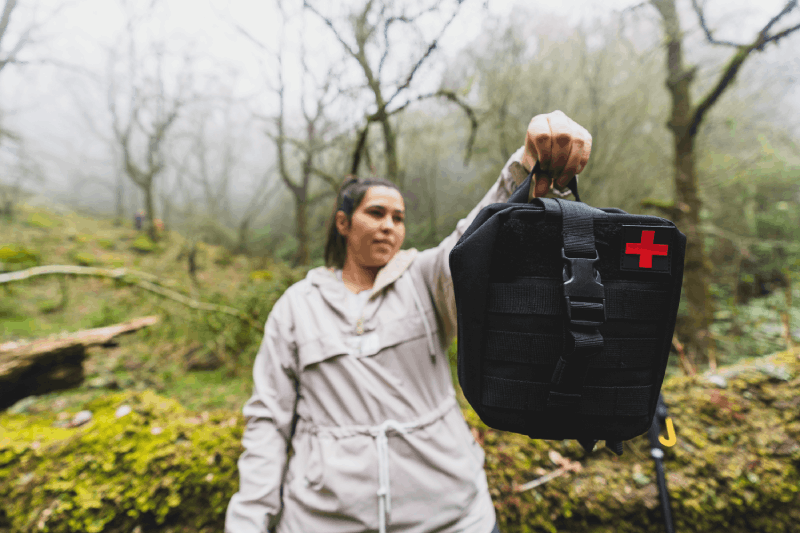
Most campers confuse a basic first aid kit with a trauma kit (IFAK - Individual First Aid Kit). Basic kits are for non-life-threatening situations such as small cuts, headaches, or minor scrapes. Trauma kits are designed to address life-threatening events such as severe bleeding, open fractures, or respiratory blockages. Ready-made "camper kits" are generally categorized as basic kits and do not contain heavy injury equipment like tourniquets, Israeli bandages, or chest seals. If you are camping in a remote area where help may take hours to arrive, you must include a trauma dressing when preparing your own bag. It is nearly impossible to prepare a real trauma kit with household materials; because this equipment consists of specially engineered medical devices. Therefore, even if DIY solutions are produced for basic needs, certified professional products must be purchased for trauma equipment.
How Should Medication Selection Be Based on Scientific Principles When Preparing a DIY Bag?
When adding medications to your own bag, you should make rational decisions rather than emotional ones. While removing medications from their original boxes saves space, it can lead to the loss of expiration dates and usage instructions; therefore, you should always keep medications in their original blister packs. Your bag should contain four main categories of medications: Analgesics (pain relievers), antipyretics (fever reducers), antihistamines (allergy medications), and gastrointestinal medications (for diarrhea or stomach cramps). Throwing a random antibiotic from home into the bag is a significant mistake; antibiotics should only be used under a doctor's supervision and as part of a specific course. Additionally, making small labels indicating what each medication is for can prevent confusion during a stressful intervention. Remember that medications can be affected by temperature changes in the camping environment, and you should protect your bag from direct sunlight or extreme cold.
How Does the Organization Inside Your Bag Affect Your Speed and Emergency Response Success?
Your biggest enemy in an emergency is panic, and panic increases when searching for something inside the bag. Most ready kits take a step forward in this regard because their inner compartments are transparent or labeled. You should mimic this organizational logic when making your own bag. Materials to stop bleeding and gloves should be located in the most accessible part of the bag. Less urgent items like tweezers, creams, or spare bandages can be placed in inner compartments. Using ziplock bags to categorize materials provides both water protection and makes it easier for everything to stay together. If everything inside your bag is mixed up, that bag is essentially non-functional. A professional tip: Adding a simple "intervention guide" or short notes you prepared yourself inside the bag can be life-saving by helping you remember what to do at that moment.
Are Standard Kits Sufficient for Camping Holidays with Children?
If you are going camping with children, the standard adult kits on the market will generally be insufficient. Children's anatomy and medical needs are different; for example, an adult dose of medication can be toxic for them. When preparing a camping bag for children, it is essential to include child-formulated fever reducers (or suppositories), appropriate sunscreen for babies, and appropriately sized bandages that won't hurt them. Additionally, since children's skin is more sensitive, it is crucial that the disinfectants used are alcohol-free or "non-burning" types. It is much easier to make this customization with household materials. Even if you buy a ready kit, you should definitely add a special "sub-package" for children. Additionally, colorful bandages that attract children's attention can reduce the fear they experience and facilitate the intervention process.
How Do You Test the Quality of Bandages and Dressings in Homemade Kits?
The quality of the dressings and bandages used when preparing a DIY bag directly affects the healing speed of the wound. Old elastic bandages already found at home may have lost their elasticity over time. A low-quality dressing can damage the tissue when applied to the wound or can quickly fray, allowing foreign material to enter the wound. To test a bandage, stretch it and let it go; if it does not return to its original shape immediately or if its texture is too loose, it is not suitable for camping. Additionally, you should test whether adhesive bandages stick to damp or sweaty skin at home. Since sweating and movement are prevalent in nature, ordinary paper bandages usually fall off within the first 10 minutes. Therefore, even if you make a bag with household materials, you should also obtain "zinc oxide" based or high-strength sports tapes from the pharmacy and add them to your kit.
What Specific Burn Kits Should Be Included for Campfire Injuries?
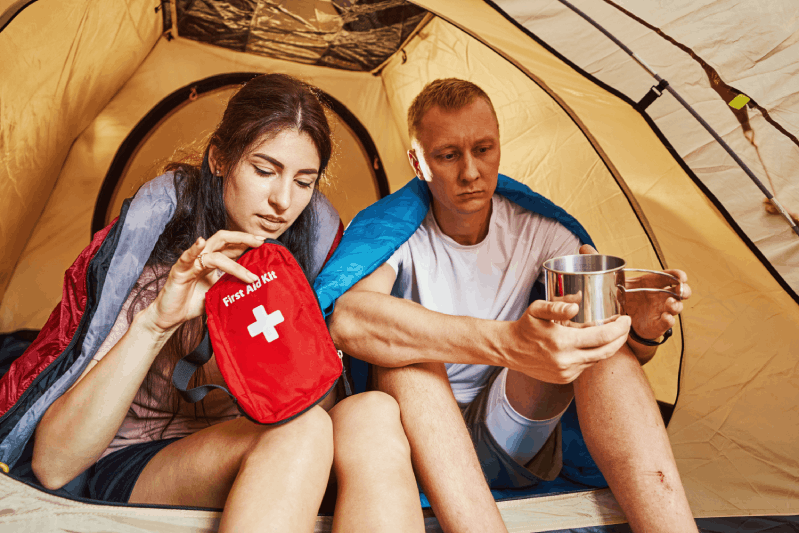
Spending time around a campfire is enjoyable, but it also brings the risk of burns. Most standard and cheap ready kits contain only a simple antibiotic cream or a small gauze pad for burns. However, in the case of a serious burn, professional products like "Burn-Jel" that quickly reduce the heat of the burn and create a protective layer on the skin are necessary. When preparing your own bag, you should definitely include these types of gels and specially produced non-adherent dressings for burn treatment. Using home remedies like toothpaste, yogurt, or ice can increase tissue damage and lead to infection. Therefore, burn treatment is the area where the most professional support is needed in a DIY bag. If you are going to buy a ready kit, you should check whether it contains a hydrogel burn dressing.
How Should Disinfectant Selection Be Made in Wild Nature Conditions?
When camping, limited water makes wound cleaning challenging. Classic household colognes or 70% alcohol can cause excessive pain and tissue death on an open wound. The safest disinfection method in nature is to wash the wound with pressurized clean water and then use iodine-based solutions (like Betadine) or chlorhexidine. Ready kits usually contain alcohol wipes; these are only for cleaning the healthy skin around the wound and should never be applied directly to the wound. When making your own bag, it is very practical to carry small spray bottles filled with antiseptic solutions. Additionally, you should not mix hand sanitizers used to clean your hands with wound disinfectants. It is also essential that the product you choose has a broad spectrum (effective against bacteria, viruses, and fungi) and does not degrade in extreme temperatures (alcohol-based ones evaporate quickly).
Do Certification and Approval Documents on Ready Kits Really Mean Anything?
The presence of approval logos such as CE, ISO, or FDA on a first aid kit indicates that the kit was produced according to specific quality standards and safety protocols. These certifications mean that the sterilization methods of the materials inside the kit have been tested, the durability of the packaging has been approved, and the chemicals used are safe for human health. There is no such guarantee in DIY bags; the quality of each component depends on your individual choice. Kits approved by professional rescue teams (such as those with the Red Cross or specific outdoor association logos) are the result of field experience. However, in "no-name" kits sold in marketplaces, these logos can sometimes be fake. Therefore, choosing kits from reliable medical brands is the best way to ensure "certified safety." The performance of a bag made with household materials can only be as high as your medical knowledge; a certified kit provides you with the engineering and medical knowledge behind it.
How Should Critical Equipment Like Splints and Tourniquets Be Positioned in a DIY Project?
If the place where you are camping includes steep slopes, rocky areas, or untouched forests, you must add critical equipment for fractures and severe bleeding to your bag. A tourniquet is the only tool that can stop bleeding in the case of a limb amputation or deep cut and should be applied within seconds. Therefore, the tourniquet should never be inside the bag but should be in an external "molle" system or in the top zippered compartment. While using sticks from home as a splint is an option, ready-made soft splints (SAM splints) with lightweight aluminum support provide much more comfortable and effective stabilization. A common mistake in DIY projects is not bringing these types of "bulky" materials to save space. However, not being able to stabilize your foot in the event of a fracture can make it impossible to evacuate from that area. When selecting critical equipment, you should ask yourself, "How much time do I have if I need to use this?" and arrange the placement accordingly.
How Should Seasonal Variables Affect the Contents of Your First Aid Kit?
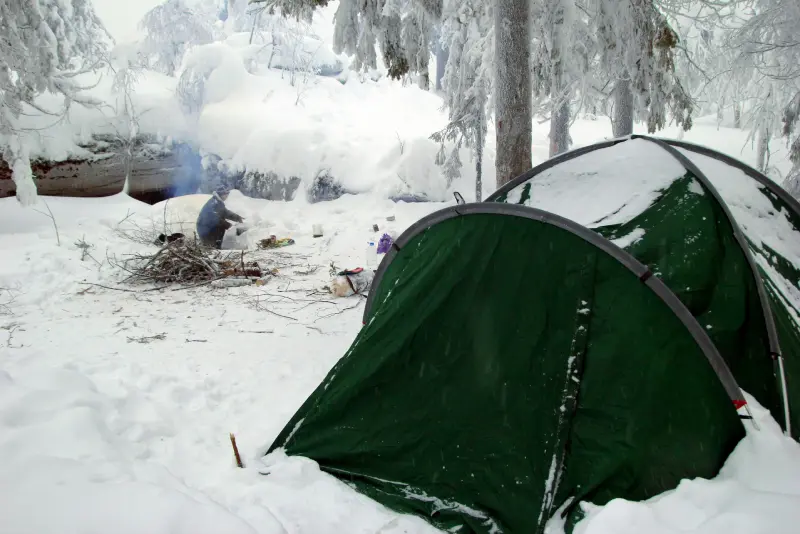
Your first aid kit is not a "static" object; the risks of a camp made in summer are entirely different from those made in winter. In summer, sunscreen, electrolyte supplements (for dehydration), and tick removal tools are priorities; while in winter, emergency blankets (aluminum foil blankets), heat packs, and specific products for frostbite treatment should be added to mitigate the risk of hypothermia. Ready kits usually offer standard contents for four seasons, which means they may be insufficient in winter. In the DIY approach, it is much easier to revise the bag during seasonal transitions. For example, in winter, you can prefer larger and easier-to-open packaged materials since it will be difficult to intervene with wet hands. You should also optimize storage conditions, considering that liquid disinfectants can freeze in winter and ointments can melt in summer.
How Does the Vegetation of the Area You Are Camping in Determine the Contents of Your Bag?
The flora and fauna of the area you are going to play a decisive role in the contents of your first aid kit. If you are going to an area with dense thorns and nettles, antihistamine gels and anti-itch lotions should be at the top of your list. In a geography where poisonous snakes or scorpions are present, "snake bite kits" (though often controversial, modern ones) or necessary communication devices for quick evacuation should be considered part of first aid. In mountainous areas, medications may be needed for discomfort due to differences in oxygen levels and pressure, while in coastal camps, vinegar or special solutions should be included for jellyfish stings. Standard ready kits do not cover these local risks. Therefore, researching the area before going camping and updating your DIY bag or modified ready kit according to these specific risks is proactive health management.
How Should the Price-Performance Balance Be Established When Buying a Ready Kit?
It is possible to find first aid kits on the market ranging from $10 to $500. Buying the most expensive kit is not always the safest option; often, the brand's popularity or unnecessary "tactical" accessories increase the price. To establish a price-performance balance, look at the ratio of "consumables/medical devices" in the kit. If a kit consists of 100 pieces but 80 of them are cheap adhesive bandages, that kit does not provide value for your money. A good kit should contain at least one pair of quality nitrile gloves, stainless steel scissors, an adequate amount of sterile gauze pads, and one emergency blanket. For those making DIY bags, price-performance can be achieved by buying materials in bulk and creating several different bags (home, car, camping) to reduce unit costs. Ultimately, you should spend your budget on the medical quality of the materials inside, not on "showy" bags.
Which Path Is More Accurate for You?
If you have no basic training in first aid and are looking for a quick solution, buying a reliable brand's ready kit is the most logical starting point. However, if you are someone who frequently goes camping, knows your health needs, and wants to be in control of your equipment, purchasing a professional bag (shell) and filling it with high-quality, sterile, and fresh materials of your choice (DIY/Modification) will provide the highest level of safety. Remember that even the best first aid kit in the world is just a burden if you don't know how to use it. Whatever your choice, attending a first aid course and regularly checking your kit is the most critical step in surviving in nature.
Outdoor sports and camping bring unforeseen risks as much as they provide peace. The most critical equipment in a camper's bag is perhaps the first aid kit that they hope they never have to use. However, the quality and accessibility of the contents of that bag can make the difference between survival and serious injury.
Do Expiration Dates of Household Medications Matter When Camping?
Many campers tend to fill a bag with leftover medications from their home medicine cabinet and take them camping. However, changes in humidity and temperature in the home environment can alter the chemical composition of the medications. An expired or nearly expired pain reliever may not have any effect during a severe toothache or sprain, turning your camping enjoyment into a nightmare. Ready-made first aid kits are usually sealed with new and long-shelf-life products. In the bag you prepared at home, you must check the expiration date of each medication individually and store them in waterproof containers. Otherwise, in an emergency, you may only have ineffective chemical waste at hand. This situation endangers both your health and your logistical plan.
Can Scissors in Ready Kits Really Cut Through Thick Denim?
In an emergency, you may need to cut clothing to reach a wound. An ordinary household scissors or kitchen scissors you take from home will definitely fail to cut through the durable and thick fabrics of camping pants. The "trauma scissors" found in professional ready kits can cut through denim pants or even boot laces in seconds without harming the patient's skin due to their blunt design. If you are preparing your own bag, you should not only buy sharp scissors but also purchase this type of trauma scissors. A cheap and low-quality scissors may break in a panic situation or fail to perform its function, delaying the intervention. This is one of the biggest hidden risks of an amateurishly prepared kit.
Can I Remove a Deep Thorn with a Kitchen Tweezers Without Causing Infection?
A thorn that gets stuck in your foot or hand while hiking may seem like a simple problem, but it can be a serious source of infection if it goes deep. The tweezers you use to fix your eyebrows at home are usually wide and struggle to grasp small splinters that have gone deep. The medical tweezers inside ready kits have fine tips and are presented in sterilized packages. Using equipment taken from the kitchen in a homemade bag increases the risk of transferring bacteria to the wound. If you are not going to buy a kit, you must obtain a surgical-grade tweezers and find a way to keep it sterile at all times. A small splinter becoming inflamed and stopping your hike can be the biggest logistical obstacle of your vacation.
Is Collecting Materials One by One from the Pharmacy More Expensive Than Buying a Ready Kit?
At first glance, using household materials seems free, but you may face a shocking cost when you go to the pharmacy to fill in the gaps. Purchasing professional equipment like sterile gauze pads, bandages, burn gels, antiseptic solutions, and tourniquets at retail prices can often double the price of a ready kit produced in bulk. Moreover, ready kits present all these materials in a compact and organized bag. When making your own bag, you will also need to spend money on a quality, compartmentalized, and waterproof bag to protect the materials, not just the materials themselves. Hidden costs can shake your budget when you set out to make it "cheap" and ultimately lead to having a lower-quality kit.
Can I Find the Material I Need by Feel in a Homemade Bag in the Dark?
Lighting in camping areas is often insufficient, and when an injury occurs at night, the level of panic increases. Most ready first aid kits are designed with transparent compartments or labeled inner pockets, allowing you to find the materials you need within seconds even in the light of a flashlight. In your homemade bag, if everything is mixed up in a bag or box, you may waste minutes looking for a gauze pad to treat a bleeding wound. Logistical challenges are not only about reaching the campsite but also about maintaining the organization of your equipment. A good ready kit works like a content map and directs the user to the right material in the most challenging moments.
Is Storing Sterile Gauze Pads in a Humid Environment at Home a Risk?
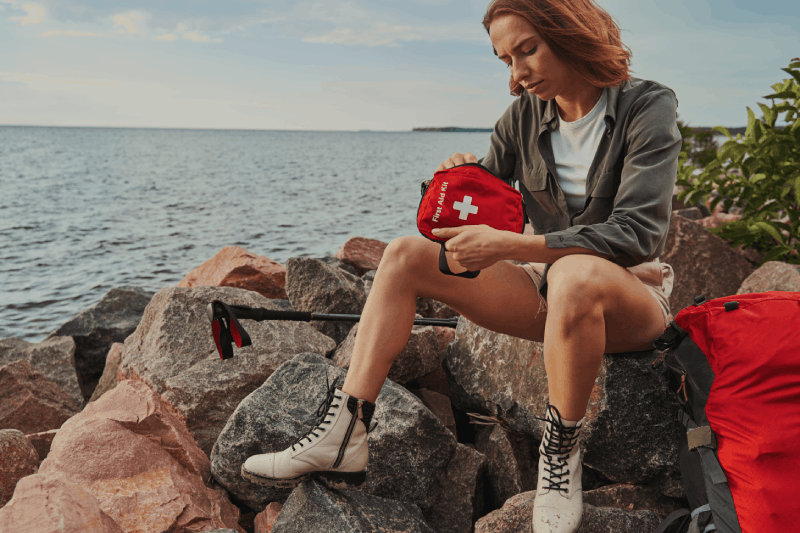
Wound care materials stored in damp places like bathroom cabinets in our homes can lose their sterilization without being noticed. Moisture seeping through the micro-holes in the packages creates a suitable environment for bacterial growth. Ready kits purchased for camping are usually vacuum-packed and moisture barrier packaged at the factory. Putting a gauze pad that you brought from home and whose sterility is questionable on an open wound means risking infection. From a health perspective, this risk is one of the strongest arguments for buying a ready kit. If you are going to make your own bag, you must store the materials in sealed bags and in a dry environment.
Do the Small Bags in Ready Kits Leave Us Halfway in Terms of Waterproofing?
Many people think that the outer bag of ready kits is "just a simple cloth"; however, quality brands usually use durable, water-repellent fabrics like 600D. If you get caught in the rain while camping or your bag gets wet in a stream crossing, keeping the materials inside dry is of vital importance. A first aid bag you prepared at home is usually an ordinary makeup bag or a plastic container; these either leak or break during an impact, damaging the materials inside. A professional kit is tested to withstand the challenging conditions of logistics (mud, water, punctures). If your equipment stays in water, it means that all your investment is wasted in an instant.
Should I Buy Dosage-Adjusted Packs Instead of Randomly Throwing Allergy Medications into the Bag?
Situations like bee stings or plant allergies can develop suddenly in nature. Carrying large bottles of syrup or big tablet boxes from home adds weight and makes it difficult to adjust the dosage. Ready kits usually contain antihistamines presented in single-use, sterile packages. This provides ease of transport and extends the life of the medication by preventing exposure to air. It can be challenging to find these types of single-use forms when making your own bag. Incorrect dosage or spoiled allergy medication can lead to serious health issues like shortness of breath, especially in a remote camping area. At this point, the "measured safety" offered by ready kits is invaluable.
Using a Household Belt Instead of a Quality Tourniquet Can Lead to Limb Loss?
A tourniquet used in severe bleeding is a piece of equipment that should not be taken lightly. Many amateur campers think, "I can make a tourniquet with my belt," but studies show that standard belts do not provide sufficient pressure and can lead to tissue damage. Professional ready kits often contain CAT (Combat Application Tourniquet) type devices that can be applied with one hand and stop bleeding effectively. The absence of such a device in a homemade bag puts your life at risk in the event of a serious arterial cut. This is the weakest and most frightening link in the idea of making a bag with household materials. Safety is ensured not with makeshift solutions but with certified equipment.
Is the Instruction Manual Inside the Kit Clear Enough to Read in a Panic?
In the event of an accident, the human brain can exhibit a "freeze" response and forget everything it knows. Quality ready kits often include "Quick Intervention Cards" or "First Aid Guides" that explain step-by-step what to do with diagrams. When preparing your own bag, you often forget to include such educational materials. However, in the case of a bone fracture or sunburn, accessing accurate information at that moment can save lives. Strategically, a first aid kit should not only be a repository of materials but also a source of information. The guide being printed on waterproof paper and being easy to read is one of the finer details that determine the quality of the product.
Does the Weight of the Bag Take Up Unnecessary Space in My Backpack and Tire Me?
From a logistical perspective, every gram counts. Ready kits are designed like a professional "tetris" to fit everything you need into the minimal volume. Homemade bags often take up massive space in your backpack due to unnecessary large packaging and bulky boxes. As a strategist, I can say this: If your equipment is difficult to carry, you will start to leave it behind. And the moment you need it the most, you will remember that you left that kit in the car because it was "heavy." The ultra-light and compact designs of ready kits encourage you to carry them at all times. Comfort is being able to lighten your load without compromising safety.
Do the Adhesive Bandages in Standard Kits Continue to Stick to the Skin in Rainy Weather?
Ordinary adhesive bandages used at home start to peel off at the edges as soon as you sweat or get wet. In a camping environment, this means that the wound will continuously open and become infected. The adhesive materials in professional camping kits (like zinc oxide bandages) are designed to stick to the skin even in extreme conditions. This small but critical difference determines whether you can continue your hike or not. Failing to include high-performance adhesives in a homemade bag is often neglected. However, the continuous peeling of a bandage over a blister on your foot can turn into a logistical disaster that makes hiking impossible after a while.
Can the Risk of Explosion from Burn Creams Render Other Materials in the Kit Useless?
Home-type burn creams usually come in metal or plastic tubes and pose a risk of explosion when a heavy backpack is placed on them. The spread of the cream inside the bag not only contaminates other dressing materials but also completely disrupts the sterility of the kit. In ready kits, burn gels are usually presented in single-use, foil-wrapped sachets. These packages are both pressure-resistant and have a very low risk of leakage. The hidden cost here is not just the price of the product but also the protection of your equipment. As a content strategist, I must emphasize how critical "modular packaging" is for camping safety.
Should I Use a Rigid Box or a Soft Zipper Bag for Durability in Nature Conditions?
As a logistical preference, the outer covering of your kit is important. Rigid plastic boxes (like pelican cases) are 100% resistant to impacts and water but are heavy and difficult to fit in a backpack. Soft, quality fabric bags are flexible and can be compressed into gaps. When buying a ready kit, you have this option. In homemade bags, an old lunch bag or cloth pouch is often used, which does not provide protection against external factors. The physical integrity of your equipment is as important as the functionality of the materials inside. If your kit hits a rock and the glass bulbs inside break, it means you should never have carried that kit.
Do Household Cottons Turn Wound Care into Torture?
In old-fashioned first aid practices, cotton is very common, but modern medicine does not recommend applying cotton to an open wound because the fibers can stick to the wound and cause infection. Instead of cotton, ready kits contain "non-adherent" pads and non-woven gauze. Those preparing a bag at home often throw the first cotton package they find into the bag. This means reopening the wound and causing bleeding when changing the dressing. In terms of hygiene and comfort, the modern dressing materials inside ready kits speed up your healing process and reduce your pain. The "household material" mentality sometimes leads to outdated and harmful methods being brought to camping.
Are the Contents of Ready Kits Safe Enough for Kids on Camping Trips?
If you are going camping with children, the first aid needs double. Most ready kits are adult-focused. In this case, it is most logical to take a ready kit as a "base" and add child-appropriate fever reducers (single-dose) and colorful bandages that won't scare them. A completely homemade children's kit is often very lacking; because parents only prepare for the "known" accidents they are aware of, they may overlook the "unknown" risks in nature (insect stings, poisonous plants). Safety should be planned in detail to cover every family member.