Spending time outdoors is a wonderful way to escape the stress of modern life. However, one of the most critical parts of this experience, the cooking process, can pose serious risks if not managed properly. Every detail, from fire safety to wildlife interaction, hygiene rules to equipment usage, is of vital importance.
How to Determine if the Ground is Mineral Soil Suitable for Starting a Fire?
Choosing the ground before starting a fire outdoors is the first and most important step in fire safety. Mineral soil is typically sandy or clayey soil that does not contain combustible organic matter (plant roots, dry leaves, humus). To test an area, you should lightly scrape the surface. If a dark, soft texture emerges from underneath, this is organic matter that can ignite from within and cause a fire days later. You should continue digging until you find a light-colored, hard, and rocky ground or prefer pre-established fire areas.
What Should be the Strategic Distance Between the Cooking Unit and the Direction of the Wind?
Wind is both a friend and the biggest enemy of the campfire. When setting up your cooking unit, you should not have the wind at your back; instead, you should ensure that the wind comes from the side. If the wind hits your cooking area directly, sparks can scatter around, or the flames of your stove can become erratic, leading to fuel waste. Ideally, you should use a natural barrier (rock or windbreak) that will reduce the wind's speed and leave at least a 50-centimeter safety gap between this barrier and the fire. Additionally, there should be no combustible objects (tent, sleeping bag) in the direction of the wind.
Does the Resin Content in Woods Cause Poisoning When Compared to Food Steam?
Many campers throw every piece of wood they find into the fire; however, high-resin coniferous trees like pine, fir, and spruce are risky for cooking. When these woods burn, they produce a dense and sticky smoke. The creosote and other chemical compounds in this smoke can directly settle on the food, causing stomach discomfort or long-term toxic accumulation. For safe cooking, you should prefer hardwoods like oak, hickory, or beech. Hardwoods produce less smoke and provide a more stable heat, preserving the flavor and safety of your food.
Why Does Moisture in the Stones Surrounding the Fire Circle Pose an Explosion Risk?
Stones arranged around the campfire are great for trapping heat, but stones collected from riverbeds or damp areas pose a significant danger. The pores of the stones can trap water, which can quickly turn to steam with the heat of the fire. If this steam cannot escape, the pressure inside the stone increases, causing it to shatter like a hand grenade, sending sharp pieces flying. Therefore, you should always choose dry, sun-exposed, and lightweight stones. Non-porous, solid rocks are always a more reliable choice from a safety perspective.
How to Prevent Food Odors from Spreading to the Safety Zone Known as the "Bear Distance"?
Cooking in areas where wildlife is present can invite nearby animals to your evening meal. Bears and wild boars can smell food from miles away. To minimize odors, ensure that the wind blows away from your campsite while cooking. As soon as the cooking process is finished, you should clean all equipment and place leftovers in sealed bags. Additionally, you should apply the "bear triangle" rule: there should be at least 70-100 meters between where you sleep, where you cook, and where you store food.
Does Pumping Pressure in Liquid Fuel Stoves Cause Explosions?
Liquid fuel stoves like MSR or Primus work excellently at low temperatures but can be dangerous under high pressure. Over-pumping the fuel can strain the seals and lead to fuel leakage. When the leaking fuel combines with the stove's flame, it can create an uncontrollable explosion. For safe use, you should not exceed the number of pumps specified by the manufacturer and check the "O-ring" seals in the fuel line for cracks before each use. If you notice a fuel leak, you should extinguish the stove immediately and relieve the pressure.
Does the Heat Conductivity of the Handle of Cast Iron Pans Lead to Severe Burns?
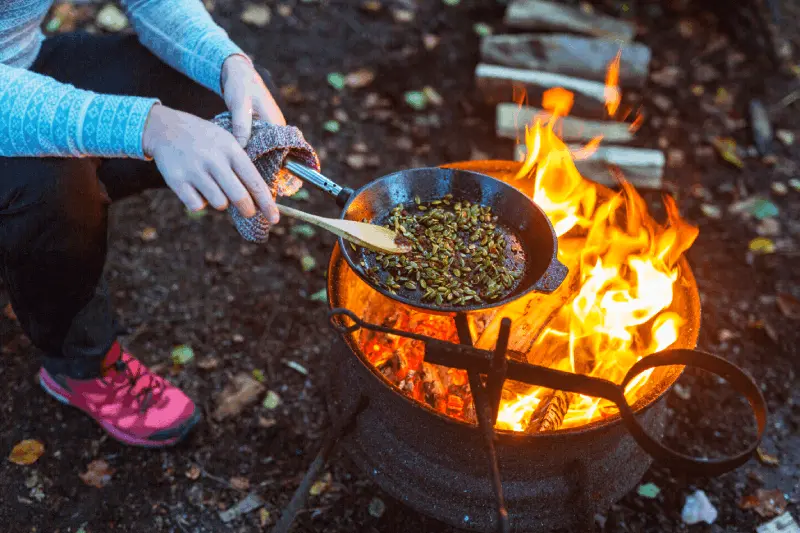
Cast iron pans retain heat very well and provide excellent sealing, but the handles can also get as hot as the body. Silicone handles in modern kitchens can sometimes melt under the high heat of a campfire. When using a cast iron pan outdoors, you should always use a leather glove or a thick cloth. Touching the handle with bare hands in a moment of distraction can lead to severe burns and injuries requiring emergency medical attention. When taking the pan from the fire, ensure your body is balanced and that there are no obstacles for your feet to trip over.
Why is the "Blood Circle" Rule in Knife Use Vital?
Sharp knives are indispensable when preparing food outdoors, but in case of an accident, reaching a hospital can take hours. The "blood circle" rule states that when you pick up a knife, you should create an area where no one will be hit when you extend your arm in any direction. Having someone else in this area can lead to serious injuries in case of a sudden slip. Additionally, you should always cut away from your body and never use your legs as a cutting board. A sharp knife is safer than a dull knife because it requires less force.
How is Cross-Contamination Between Raw Meat and Vegetables More Dangerous Outdoors?
In our home kitchens, tap water and disinfectants are at our disposal, but hygiene is limited outdoors. Bacteria like Salmonella or E. coli found in raw meat can lead to serious food poisoning when transferred to salad cut with the same knife. Conditions like diarrhea or vomiting outdoors can pose a life-threatening risk due to dehydration (fluid loss). As a rule of thumb, always cut vegetables first and prepare meat last. If possible, use separate cutting boards for meat and vegetables, and sterilize your hands with alcohol-based sanitizers after each task.
What Temperature Risks Do Gas Canisters Pose When Left in the Sun?
Gas canisters containing a mixture of butane and propane can expand when exposed to excessive heat, leading to explosions at weak points in the canister. Generally, temperatures above 50 degrees Celsius are critical risk zones. During summer camping, you should not leave canisters in direct sunlight, inside vehicles, or very close to burning fires. Always store canisters in the shade, in a cool rock crevice, or in an air-conditioned bag. If you notice that the canister is leaking or deformed, never attempt to use it.
Why is Burying Food Waste a Mistake?
It was once thought that burying food waste would not harm nature, but this is a significant safety error. Burying food attracts wildlife to the campsite through smell. When animals dig up this food, it contaminates the area and can lead to aggressive encounters as animals may approach human food. According to the "Leave No Trace" principle, all food waste (including pasta water) should be collected and removed from the campsite in sealed bags. Even small scraps can lead to ant and rodent infestations.
Does Reaction of Aluminum Pots with Highly Acidic Foods Threaten Health?
Preferred for their lightweight, aluminum camping pots can leave a metallic taste and cause aluminum leaching into food when in prolonged contact with acidic foods like tomato sauce or lemon. While the effects of this on neurological health are still debated, it can cause stomach sensitivity in the short term. If you are using an aluminum set, avoid storing food in it and transfer it to another container immediately after cooking. Anodized aluminum sets are a safer alternative to minimize this risk.
Does Not Following the Waiting Time When Using Water Purification Tablets Cause Poisoning?
When using water sources outdoors for cooking, boiling may not always be sufficient, or your fuel may be limited. If you are using chlorine or iodine-based purification tablets, you must adhere to the waiting time specified in the instructions (usually 30 minutes). It takes time for the tablet to dissolve in water and kill microorganisms. Drinking or adding the water to food before the time is up can allow parasites like Giardia to enter the body. Additionally, if the water is too cold, it can extend the tablet's dissolution time, in which case it would be wise to double the waiting time for safety.
How is the "Touch and Feel" Test Conducted When Extinguishing a Campfire?
Simply pouring water on a fire is not enough; the coals can retain heat for hours. To completely extinguish the fire, you should pour plenty of water over it, stir the ashes with a stick, and pour more water again. Finally, you should carefully hover the back of your hand (without burning) a few centimeters above the ashes. If you feel any heat, the fire has not been safely extinguished. Continuing this process until it reaches a "wet mud" consistency is a camper's patriotic duty to prevent forest fires. Never leave a fire to extinguish itself and go to sleep.
How to Distinguish Between Symptoms of Food Poisoning and Fatigue?
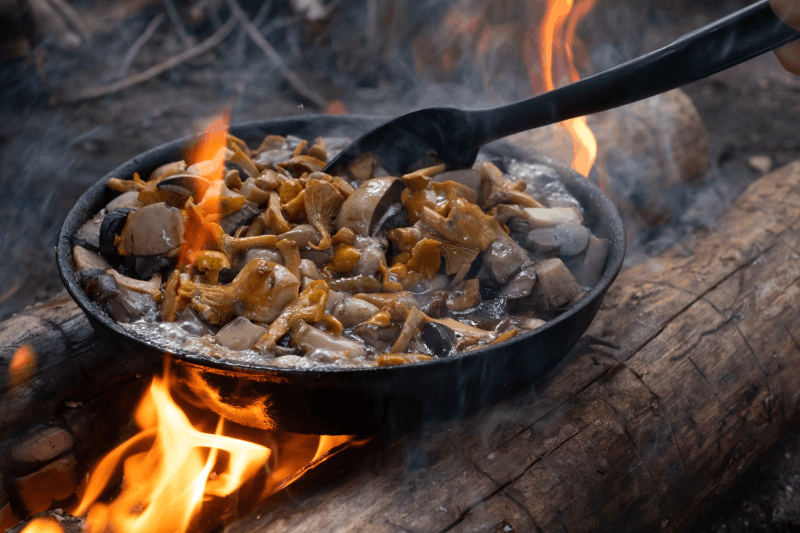
Long hikes outdoors can tire the body, but this fatigue can sometimes be confused with food poisoning resulting from bad food. If fatigue is accompanied by stomach cramps, cold sweats, nausea, and especially fever, it is likely food poisoning. While fatigue goes away with rest, poisoning symptoms tend to intensify. In such a case, you should immediately drink plenty of water, replenish electrolytes, and inform your group members. If vomiting cannot be stopped, a plan should be made to evacuate to the nearest settlement to prevent dehydration.
What Chemical Risks Arise from Holding Plastic Containers Near Fire?
Plastic spoons, forks, or storage containers used in camp kitchens may often contain BPA. Exposure of these containers to radiant heat from the fire (even if not directly in flames) can cause the plastic to break down and leach into food. Consuming hot liquids like soup or tea from low-quality plastic containers can have adverse effects on the hormonal system. Using stainless steel or titanium utensils while cooking and reserving plastics for cold servings is much safer for your long-term health.
How Does Lighting Affect Accidents While Cooking at Night?
Using a very bright headlamp while cooking in the dark can cause "tunnel vision"; meaning you only see the area where the light is directed and cannot perceive your surroundings. This can lead to tripping over a branch underfoot or bumping into a hot pot. Ideally, you should use the red light mode of your lamp or a low-lumen wide-open mode. Red light does not disrupt your night vision and prevents your pupils from dilating excessively, preserving your depth perception. This way, you can monitor your food while also being aware of the movements around you.
What Should be the Initial Response if Synthetic Fibers in Clothing Catch Fire?
Most modern camping clothes (fleece, nylon jackets) are petrochemical derivatives and are extremely sensitive to fire. A spark can melt your jacket in seconds, and the melting plastic can stick to your skin, causing severe burns. If your clothing catches fire, you should never run; this feeds the flames. You should apply the "Stop, drop and roll" rule. When cooking near a fire, it is always safer to wear cotton or wool outer layers. Wool naturally has flame-retardant properties and does not melt.
Why Should Soap and Disinfectants Be at Least 60 Meters Away from Natural Water Sources?
Even "biodegradable" soaps used for washing your dishes can be toxic to the aquatic ecosystem. These soaps need time and soil to filter and become harmless. If you wash directly in a river, the soap can harm fish gills and aquatic insects. You should set up your dishwashing area at least 60-70 meters away from the water source and dispose of dirty water in a designated pit. This way, you protect nature and prevent contamination of clean water sources at your campsite.
Does Throwing Canned Food Directly into the Fire Cause Explosions?
The pressure inside canned food increases rapidly when heated. If you throw the can into the fire without opening it, the metal cannot expand, and the can can explode violently, scattering hot food and metal pieces everywhere. When heating canned food, you must fully open the lid or at least make several holes. Additionally, many canned goods have a plastic lining that contains BPA. Heating directly in the can can cause this lining to melt and mix with the food. The safest method is to pour the contents of the can into a pot for heating.
Why Should Hygiene of the Wood Tools Used for Preparing Food Not Be Neglected?
You may sometimes unknowingly use the stick or tool you used to prepare the wood to lift the lid of the pot. This can allow fungi, insects, or soil bacteria from the wood to enter your food directly. You must keep kitchen utensils and fire management tools separate. To prevent this confusion, you can mark your kitchen tools with colored tape. Contact with a dirty stick can pose a rapid infection risk, especially for those with stomach sensitivities.
How Does the Decrease in Water Boiling Point at High Altitudes Affect Food Safety?
While water boils at 100 degrees at sea level, at high altitudes like 3000 meters, this temperature can drop to around 90 degrees. This can lead to undercooking foods that require a certain internal temperature, especially poultry or red meat. Even if the water appears to be boiling, it may not reach the necessary heat to kill bacteria. When cooking at high altitudes, you should extend the cooking time by 20-30% longer than normal and ensure that the food is thoroughly cooked. Carrying a kitchen thermometer can be lifesaving in this regard.
What Irreversible Damages Can Occur from Consuming Mushrooms and Herbs Without Identifying Them in the Campsite?
Finding fresh food outdoors is exciting, but you must remember the "deadly lookalikes" rule. Some poisonous mushrooms closely resemble the cultivated mushrooms sold in stores. Consuming just one poisonous mushroom can lead to liver and kidney failure, resulting in death within days. The same applies to wild herbs. If you are not 100% sure about a plant and have not received confirmation from local experts, never put it in your pot. Even the thought of "let me just taste it" can be enough for toxins to enter your bloodstream.
What Uninvited Guests Can Be Attracted by Storing Kitchen Waste Inside the Tent?
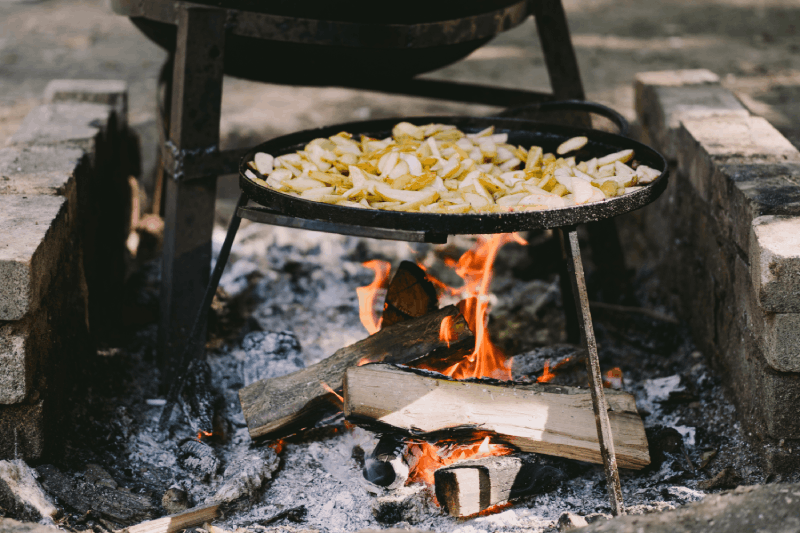
Knowing that leaving trash outside will attract animals and bringing them into the tent is one of the biggest mistakes you can make. Mice, snakes, and even raccoons can easily chew through the tent fabric when they smell food. Worse, a large animal (bear or boar) may see the tent as a direct target when it smells the food. Never keep your trash in the area where you sleep. You should wrap it in a bag and hang it on a tree away from the campsite or store it in bear canisters. A rodent quietly approaching you at night can ruin all your clothes in your bag.
Is There a Risk of Fuel Containers Freezing to the Skin in Cold Weather Conditions?
In temperatures below zero, metal fuel containers or stove parts can freeze instantly when combined with the moisture on your skin. This can lead to frostbite and may result in the skin sticking to the metal. When cooking in winter camps, you should always wear thin liner gloves. Avoid using bare hands when handling fuel containers and never touch metal surfaces with your lips or tongue (for taste testing).
How to Monitor the Hand Hygiene of the Cook in Group Camps?
If cooking for a group, the health of the cook means the health of the entire group. The cook should not have open wounds on their hands and must use disinfectant before each preparation stage. The group leader should observe the cooking process from a distance and intervene if hygiene rules are not followed. Tasting from shared spoons or distributing bread with hands that have touched raw meat can make the entire team sick. Everyone should use their own forks and spoons, and personal spoons should not be dipped into communal pots.
What is the Effect of Steam Created During Cooking on Condensation and Oxygen Depletion Inside the Tent?
Cooking in the vestibule of a tent in bad weather conditions may seem appealing, but it is very dangerous. The stove flame quickly consumes oxygen and can lead to carbon monoxide buildup. Carbon monoxide is odorless and colorless, causing drowsiness and can be fatal. Additionally, cooking steam can condense on the tent fabric, making the interior damp. If you must cook in an enclosed area, you should open all ventilation and never leave the stove unattended. Due to fire risk, the stove should be at least 1 meter away from the tent fabric.
Does Pouring Cooking Oils into the Soil Harm the Vegetation in the Area?
Pouring leftover oils directly into the soil after cooking can cause the soil to be covered with a non-permeable layer. This prevents plant roots from getting air and disrupts the balance of microorganisms in the area. Additionally, oily soil can become a scent trap for animals for months. You should use an empty plastic container to collect used oils and dispose of them at waste oil collection centers when you return to the city. If only a small amount of oil is left, the cleanest method is to wipe it with a paper towel and throw the towel in your trash bag.
What Thermal Shock and Soil Erosion Can Occur When Hot Pots Are Placed on the Ground?
Placing a very hot pot directly on damp soil or mossy ground can cause the water in the soil to suddenly vaporize, leading to a small explosion or causing the pot to lose balance and tip over. Additionally, heat can damage the living tissue (mycelium networks, seeds) beneath the soil, preventing plants from growing there again. Always place your pots on a rock, a metal grate, or a platform made of dry wood. Stability is key to preventing spills and burns in the camp kitchen.
What Hidden Dangers Can Children Encounter While Being "Helpers" in the Camp Kitchen?
Involving children in the process is great, but their height level may align with stove flames and pot handles. A child's curiosity reaching for the pot can lead to hot contents spilling over. When assigning tasks in the kitchen, keep them at least 2 meters away from the "cutting and burning" area. They should only be given safe tasks like washing vegetables or setting the table, and the reasons for prohibiting running around the fire should be explained clearly. Using special, blunt kitchen tools for children is also a precaution.
What Psychological Boundaries Should Be Drawn to Keep Pets Away from the Cooking Area?
Your dog may love the warmth of the campfire and the smell of food, but a sudden movement can lead to disaster if the dog bumps into the stove. You should teach your dog a "kitchen boundary" in the campsite. It is safest to tie your dog to a fixed spot or ensure it lies at a certain distance (on command) while cooking. Additionally, dogs should never be given onions, garlic, or overly spicy camp meals; these foods can be toxic to dogs. You can also keep their food bowls away from the cooking area to prevent scent confusion.
What is the Cost of Not Having Burn Ointment and Sterile Dressings in the First Aid Kit?
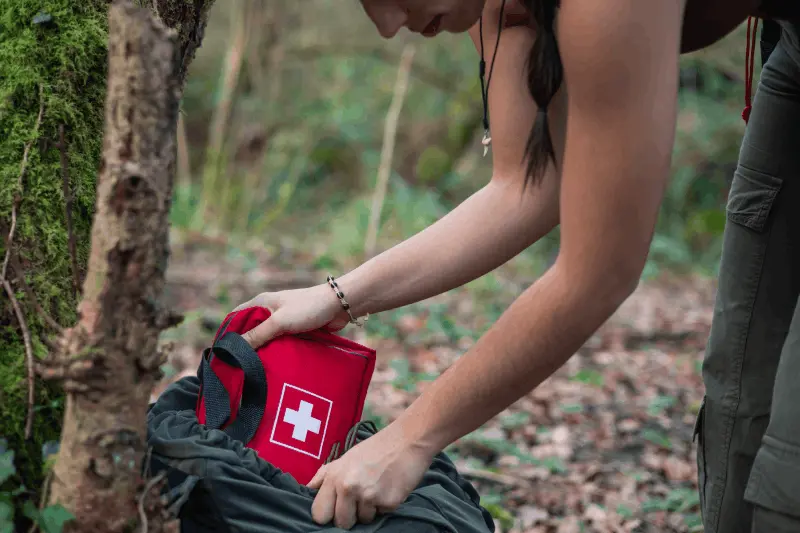
The most common injury in camp kitchens is burns. The first 10 seconds in the event of a burn are critical. If you do not have burn gel (burn cream) or sterile dressing materials in your bag, washing the wound with dirty creek water increases the risk of infection. You should never apply toothpaste, yogurt, or sauce to the burn area. You should only cool it with clean, room-temperature water and then cover it with a sterile cloth. Kitchen safety is not just about taking precautions; it is also about knowing what to do when an accident occurs. Learning how to dress a burn is fundamental training for every camper.
Cooking outdoors is a balancing act: on one side, a delicious reward, on the other, countless safety rules to heed. By following these rules, you can protect yourself and your loved ones, enjoying nature's flavors in the safest way possible. Remember, the best camping stories are those that end without accidents and safely.