Going camping with kids is a wonderful opportunity to instill a love for nature in them and strengthen family bonds. However, feeding kids in an environment away from the comforts of the kitchen can sometimes require a strategy. In this guide, you will find every detail we have prepared, considering everything from campfire cooking to practical kitchen supplies, recipes that kids will love and tips.
How to Simplify Your Kitchen Before Camping?
When you arrive at the campsite, you may be tired, and dealing with hungry kids can be stressful. For this reason, pre-camping preparations are crucial. Washing and chopping vegetables at home, marinating meats and placing them in zip-lock bags, and even jarred sauces can save you hours in the field. Especially preparing time-consuming ingredients like onions and peppers in advance and placing them in a freezer-friendly cooler allows you to focus solely on cooking at the campsite. This method also helps reduce kitchen waste at the campsite.
What Practical Breakfasts Should Be Preferred for Kids to Gather Morning Energy?
Camping mornings can be cool, and kids need a quick energy boost. For a practical breakfast, you can fill a squeeze bottle with the pancake batter you prepared at home. It makes portioning very easy when pouring into the pan. Serving fresh fruits and a piece of honey alongside will whet their appetite. Additionally, overnight oats prepared the night before are also a great option. By adding dried fruits and nuts to the oats mixed with milk or yogurt, you can offer kids a vitamin-packed start.
Why Will Foil-Wrapped Vegetable Meatballs Over the Fire Be Your Favorite?
Foil meals are one of the cleanest and most fun methods of camp cooking. Small meatballs placed in aluminum foil, sliced potatoes, carrots, and a bit of corn create an amazing flavor by cooking in their own steam. For kids, this meal is as exciting as opening a gift package. You can throw these packets, seasoned with a bit of oregano and olive oil, directly into the coals. After about 20-25 minutes, you will have a nutritious and mess-free dinner that kids will love.
What is the Secret Recipe for Bread Pizza Over the Campfire?
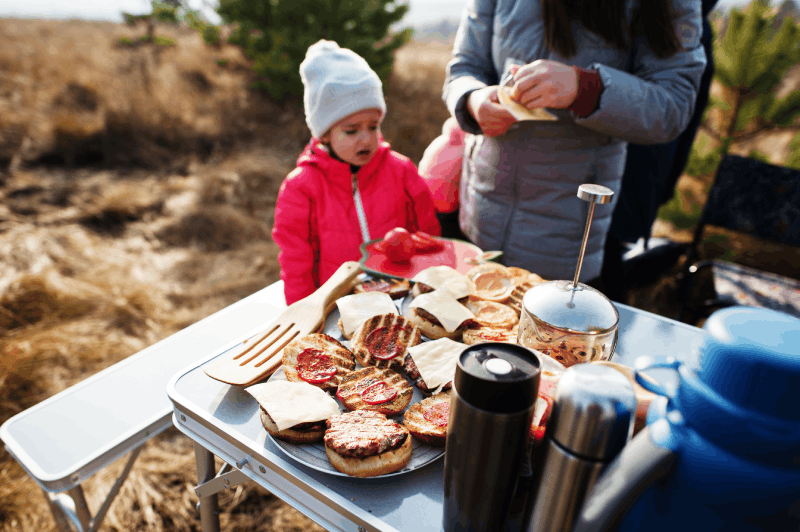
One of the rare meals that kids can't say no to is pizza. While rolling out dough can be difficult in a camping environment, you can use sandwich bread or flatbreads as a pizza base. After spreading your tomato sauce, shredded cheese, and ingredients like olives and corn that kids love, you can cook it covered in a cast-iron pan. When the cheese melts, you will have a crispy bottom and a soft top pizza. This recipe is especially a lifesaver for quick meals and allows kids to participate in the cooking process.
How to Make Cheese Pasta in One Pot More Nutritious?
Pasta is a favorite for every child, but you don't want to create too many dishes while camping. By using the one-pot technique, you can cook the pasta in a small amount of water, adding milk and cheese without draining the water to achieve a creamy texture. Adding finely chopped spinach or peas increases the nutritional value and ensures that kids consume vegetables without noticing. Vegetables added towards the end of the cooking time will soften slightly with the heat of the pasta and retain their vitamin content. This method saves fuel and minimizes cleanup.
How to Create a Healthy Snack with Fruit Skewers and Yogurt Sauce for Kids?
Healthy snacks are very important for active kids throughout the day. Arranging colorful fruits like apples, bananas, strawberries, and grapes on skewers turns eating into a game. The strained yogurt served in a small bowl with honey and vanilla makes a great "dip" for the fruits. Arranging the fruits on skewers with the kids helps them develop healthy eating habits while preventing them from squeezing the fruits. These skewers, kept in your cooler, provide a refreshing alternative after warm meals.
How Should Practical Chicken Quesadilla Be Served to Kids?
The beloved Mexican dish quesadilla is one of the quickest meals you can make while camping. You can place shredded and pulled chicken, corn, and plenty of cheese between two tortillas and grill them in a pan until both sides are golden. Once the cheese melts and the tortillas are crispy, cut them into triangle slices and serve. Kids will love this handheld meal. If you bring pre-cooked and frozen chicken, your preparation time at the campsite will only take 5 minutes. It's a high-protein and filling option.
How Do Special Sauces Change the Taste of Grilled Corn?
One of the first things that come to mind when thinking of campfire food is grilled corn. However, instead of just salting it, you can prepare more appealing sauces for kids. For example, mixing some grated parmesan cheese and garlic powder into room-temperature butter and spreading it all over the corn adds deep flavor. If your kids have a sweet tooth, a mixture of butter and honey can also be tried. Wrapping the corn in foil while grilling ensures that the kernels cook tenderly without burning.
How to Balance Safety and Fun While Making S'mores Over the Fire?
Roasting marshmallows is a must-do at camp. However, you need to be careful when working with fire around small children. It's important to use long metal skewers and establish a "safety boundary" to prevent kids from getting too close to the fire. A piece of melted chocolate placed between cookies and caramelized marshmallow over the fire is the dream treat for every child. To ensure better melting of the chocolate, you should squeeze the marshmallow between the cookies as soon as you take it off the fire and wait a while. This tradition will be at the top of your children's camping memories.
What Are the Key Points for a Hot Chocolate Station on Cold Nights?
When the evening air gets chilly, the best drink to keep kids warm is hot chocolate. Instead of powdered mixes, you can set up a "hot chocolate station" using real milk and quality chocolate chips. Alongside the hot milk in thermoses, allow kids to personalize their drinks with colorful candies, marshmallows, and chocolate sticks in small cups. This is not just a drink but also a fun evening activity. Adding a bit of vanilla extract to the milk will elevate the flavor to a professional level.
What Ingredients Should Be Used When Making Energy Bars for Kids?
When heading out for a hike or playing, you can prepare homemade energy bars for a quick energy boost. Mixing ingredients like oats, peanut butter, honey, and dried apricots, you can shape them into small balls or squares and toss them into your camping bag. These bars are much healthier than store-bought products with additives and provide a balanced sugar level for kids. Adding a few drops of dark chocolate will encourage kids to eat these healthy snacks with greater enthusiasm.
How Does Baking Cake in an Orange Peel Provide an Experience for Kids?
This is one of the most magical recipes of camping. After cutting off the top of an orange and hollowing it out (you can eat the inside), pour your prepared cake batter or the mixture you made at home into it. Close the orange with its lid and wrap it in foil, then place it in the coals. As the moisture and aroma from the orange transfer to the cake, your kids will be amazed to see a cake baking inside a fruit. After about 15-20 minutes, when you unwrap the foil, the fragrant cake that emerges will be an unforgettable experience both visually and in taste.
Which Kitchen Supplies Are Most Useful Among Camping Gear?
When going camping with kids, it's essential to keep kitchen equipment to a minimum while maximizing functionality. A cast-iron skillet is indispensable as it can be used over both fire and stove. Additionally, zip-lock bags are not only for transporting food but also for mixing and marinating ingredients, so you won't dirty bowls. A multi-purpose camping fork-spoon and unbreakable enamel plates are safe for kids to use. Heat-resistant long spatulas are essential for protecting your hands while cooking over the fire.
How Should Food Storage and Hygiene Rules Be Maintained at the Campsite?
When preparing food outdoors, hygiene is a primary concern, especially when it comes to kids. You should store meat and dairy products at the bottom of the cooler, closest to the ice packs. Setting up a handwashing station (which can be easily done with a water jug and pump soap) makes it easier for kids to clean their hands before meals. Immediately placing leftover food in airtight containers prevents spoilage and keeps unwanted animal guests away from the campsite. Using biodegradable soaps for cleaning minimizes the damage you cause to nature.
How to Modify the Camping Menu for Picky Eaters?
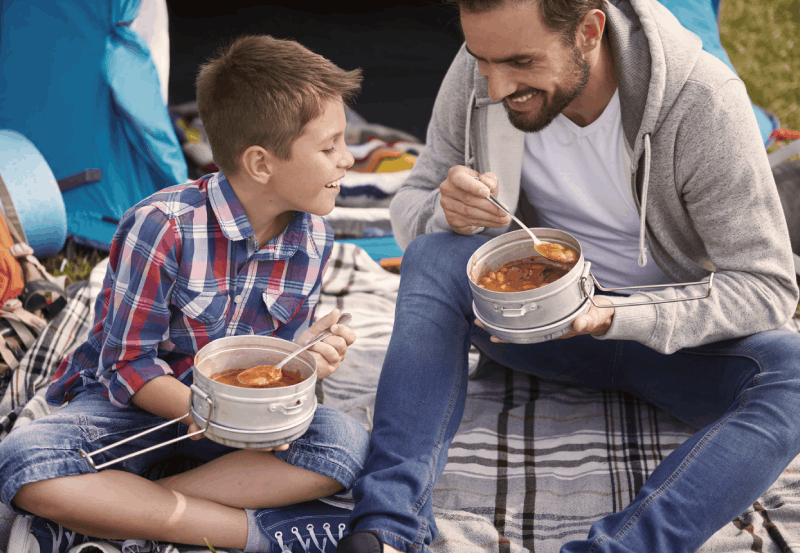
Some kids may be more resistant to eating in new environments. To overcome this, include their favorite "comfort foods" in the camping menu. For example, cooking a meatball they love at home over the campfire gives them a sense of security. Making meals fun by serving them in face shapes or using creative names like "forest kebab" can spark their curiosity. If they refuse to eat a vegetable, hiding it grated in sauces or meatballs is a tactic that works well in the camping environment.
When Are No-Cook Meal Options a Lifesaver?
Sometimes, due to weather conditions, you may not be able to start a fire or may be too tired. For these situations, your "no-cook" options should be ready. A quick meal can be made with peanut butter and banana slices spread over whole grain crackers. A salad made with canned tuna, corn, and pre-cooked beans meets protein needs. Additionally, cold sandwiches, cheese platters, and pre-cooked eggs are nutritious alternatives that require no cooking. These backup plans help you maintain the peace of camping.
How to Encourage Kids to Drink Water While Camping?
As physical activity increases in nature, kids' water intake becomes critically important. To make water more appealing, you can add fresh mint leaves, lemon slices, or frozen fruits. Having each child have their own colorful water bottle with their name on it increases their sense of ownership and encourages them to drink more water. Organizing "water breaks" at regular intervals can turn hydration into a fun routine. Remember, dehydrated kids tire more quickly and become restless.
How to Teach Kids the Cleaning Process After Camping?
Involving kids in the cleaning process after meals instills a sense of responsibility in them. By assigning them the task of "cleaning their own plate," you can ensure they wash their own items with a small amount of water and a sponge. Turning the sorting of trash (plastic, paper, food waste) into a game can teach them the importance of protecting nature. You can practically teach them the "Leave No Trace" principle this way. Explaining how important a clean campsite is for the next visitors and animals will develop their environmental awareness.
How to Prepare Practical Breakfast Pizza in a Cast Iron Skillet?
For those looking for variety at breakfast, pizza made in a cast iron skillet is a great start to the day. You can use ready-made tortillas or thin dough as the base. By adding scrambled eggs, shredded cheese, thinly sliced sausage, and tomatoes on top, cover the skillet with a lid. When the eggs are cooked and the cheese melts, a delicious dish that tastes like both an omelet and pizza will emerge. Kids will love this colorful and familiar flavor, and they will have the necessary protein for the adventures that will last all day.
Why is Carrot and Apple Camping Salad So Refreshing?
Camping meals can often be heavy and carbohydrate-focused. To balance this, a crunchy salad made with grated carrots and green apples is a great companion. By adding a bit of lemon juice, olive oil, and optionally crushed walnuts, this salad you prepare is both a vitamin source and has a crunch that kids love. The sweetness of the apple makes it easier for kids to consume the salad. This recipe, which pairs well with meat dishes, elevates your camping menu to the next level.
What Are the Key Points for Making Baked Potatoes in the Campfire?
Wrapping large potatoes in foil and burying them directly in the coals is a method that requires patience but yields amazing results. After about 45-60 minutes, you can open the soft potatoes and mash them with butter and cheese to create your own stuffed potato. You can set up a "baked potato bar" with ingredients like corn, olives, and pickles that kids love, allowing everyone to prepare their own plate. This is not just a meal but also an interactive family activity that reduces the likelihood of kids being picky eaters.
How to Sweeten Camping Mornings with Homemade Granola?
Bringing homemade granola made with oats, hazelnuts, molasses, and honey to camp is a great convenience. In the mornings, you can quickly serve it over a bowl of yogurt or milk. Adding superfoods like blueberries or goji berries supports kids' immune systems. Thanks to its crunchy texture and natural sweetness, kids will enjoy it like a treat. Additionally, this mixture can also be used as a healthy snack that can be eaten on long hikes.
How to Spread the Aroma of Fresh Bread at the Campsite?
If you have a cast iron pot (dutch oven), it is possible to bake fresh bread over the campfire. However, a more practical method is to wrap ready-made bread dough around long sticks and bake it over the fire. For kids, these "stick breads" are both a game and a meal. They can enjoy the bread by spreading cheese or jam inside. It is important to cook the dough without getting too close to the fire to ensure the outside is crispy while the inside remains soft. This traditional method is a great opportunity to teach kids about the adventure of bread-making.
How Should Sauced Chicken Wings Be Cooked Over the Campfire?
Chicken wings are both economical and a favorite option for kids who love to eat with their hands. Prepare a marinade at home with honey, barbecue sauce, or a light garlic marinade and let the wings soak in it. At the campsite, grill them over a wire rack on the hot coals. Since sauces containing honey or sugar can burn quickly, it's essential to keep an eye on the fire and turn them frequently. Serving a bit of yogurt sauce alongside balances the spiciness of the wings (if any) and makes it more enjoyable for kids.
Why is Making Fruit Compote at Camp a Good Idea?
Especially during summer camps, it can be challenging to meet kids' fluid needs. You can make compote with the fruits you brought along or collected from the surroundings (ensure they are safe) by boiling them in a pot with water and a little sugar. This drink is a great alternative to sugary drinks found in stores. If made the night before and kept in the cooler, it will provide kids with a refreshing, healthy drink the next day. You will also help them consume the fibers in the fruits, aiding their digestive systems.
How to Make Practical Vegetable Fritters in a Pan for Kids?
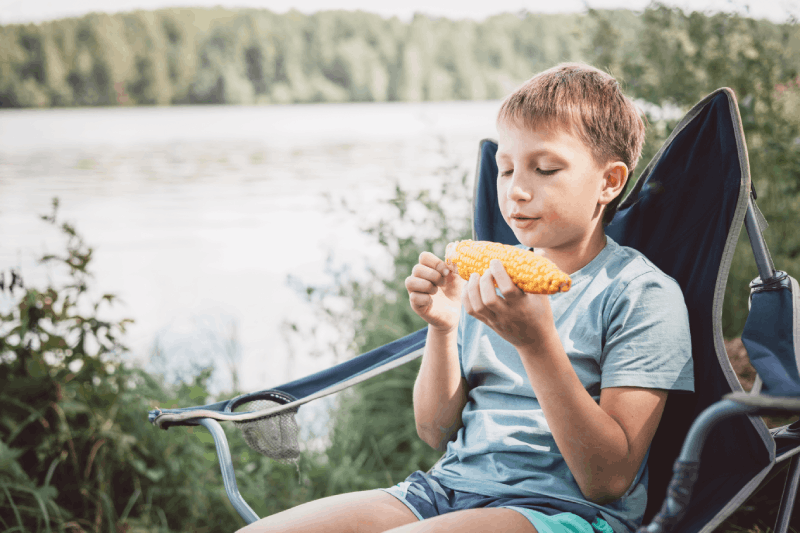
If you're struggling to get kids to eat vegetables, the fritters you make in a camping pan can come to your rescue. Grated zucchini, carrots, and a bit of flour can be fried in small disks in a little oil. Served with a spoonful of yogurt on the side, these crunchy fritters are a treat that kids can eat with their hands. Squeezing out the excess moisture from the zucchini is the most important step to ensure the fritters remain crispy even while camping. This recipe is a light option suitable for both lunch and dinner.
How to Make Roasted Eggplant and Pepper Sauces Appealing to Kids?
To get kids to love the unique flavor of roasted vegetables, you can mix roasted eggplant and red peppers with yogurt. Chop the roasted vegetables into small pieces and mix them with strained yogurt and a clove of garlic. Drizzle a bit of olive oil on top. Kids will see this as a "dip" they can enjoy with their bread. The smoky flavor of the vegetables softens when combined with yogurt, making it more palatable for kids. This sauce is the healthiest companion to grilled meats.
What is the Easy Way to Make Practical Hummus Over the Campfire?
Using canned chickpeas is a lifesaver in camp cooking. You can quickly make hummus by mashing the chickpeas with a fork or mortar and adding tahini, lemon juice, and cumin. For kids, mashing the chickpeas can be a fun activity. Serve the hummus with sticks of carrots and cucumbers you have cut, providing kids with a healthy snack. Rich in plant protein and fiber, hummus provides the energy needed for the tiring activities of camping.
Why Are Skewered Meatballs and Vegetables Visually Appealing?
Food presentation directly affects kids' appetites. Arranging colorful peppers, cherry tomatoes, and small meatballs on skewers creates a rainbow effect. Meals cooked on skewers not only cook faster but are also more appealing to kids as "food on a stick." The vegetables placed between the meatballs absorb the meat's juices, making them interesting even for kids who don't like vegetables. A child who prepares their own skewer will be much more motivated to finish that meal.
What is the Magical Method for Popping Corn for Camping Nights?
Instead of popping corn in a pot, try making a large "balloon" out of aluminum foil to pop corn. Place some corn and oil inside, tightly seal the top, but leave some space for the corn to expand. By shaking it over the fire, the corn will pop, and the foil will expand into a giant shiny balloon. This visual feast will delight kids, and the crispy popcorn that emerges will provide the best cinema experience under the stars.
How to Make Practical Breakfast Wraps with Tortilla Bread?
If you need a quick breakfast and to hit the road immediately, tortilla wraps are your best friend. A wrap made with spreadable cream cheese, a slice of turkey, and thinly sliced avocado is a balanced meal that is also very easy to eat. If kids prefer sweet, you can prepare a wrap with peanut butter and strawberry slices. You can wrap these tortillas in foil and place them in their bags, ensuring they can snack on them during hikes.
What Are the Golden Rules for Being Patient While Cooking with Kids?
Nature is the most patient teacher for kids; you should be the same in the kitchen. Focus on the process rather than the perfect appearance of the meals. A lopsided meatball made by a child is the most delicious meal in the world. Give them small responsibilities: "Wash the lettuce," "Put the corn on the plate," etc. This will boost their confidence and turn camping into a learning process, not just a vacation. Remember, a piece of cheese that falls on the ground is not the end of the world; everything in camping is an adventure.
In Conclusion, What is the Most Important Thing in Camping with Kids?
Beyond all these recipes and tips, the heart of camping with kids is love. Instead of rushing for complex gourmet meals, setting simple yet thoughtful tables that make kids smile is the greatest success. Every bite they prepare with their little hands, infused with the smoke of the fire, will turn into a memory they will cherish for a lifetime. That simple pasta eaten in nature, accompanied by the sounds of birds, is more valuable than the fanciest restaurant at home. Be prepared, stay flexible, and enjoy this unique experience!