Why is Nutrition an Art in Cycling Camping?
Nutrition in cycling camping is not just about filling the stomach; it is also about optimizing fuel management that ensures the body works like a machine. A cyclist's daily calorie needs can reach up to 4000 to 6000 calories during climbs with a loaded bike. Packing such high energy into the limited volume of bags requires true engineering and artistry. Establishing this balance between lightness, volume savings, and nutrient density directly affects the comfort and success of the trip. A well-planned menu helps minimize muscle fatigue while maintaining mental clarity.
How is Caloric Density and Weight Balance Established?
The golden rule for cycling travelers is to maximize the "calories per gram" ratio. Every gram you take should have a purpose. Dried fruits, nuts, and oily seeds are unmatched in this regard. For example, opting for nutrient-dense dried vegetables instead of carrying fresh vegetables with high water content can reduce the weight in your bag by up to 80%. Since fats provide more than twice the energy (9 calories) per gram compared to carbohydrates and proteins, adding a small amount of olive oil or butter to meals is the smartest way to replenish your energy stores without adding weight.
Why Should the Home Food Drying (Dehydration) Method Be Preferred?
While ready-packaged camping foods may seem practical, they often contain high sodium and preservatives. Home food drying (dehydration) reduces costs and allows you to control the contents. By drying and vacuum-sealing vegetables, meats, and even sauced dishes at home, you can prepare them in just five minutes by adding hot water at the campsite. Foods prepared this way retain a high nutritional value and miraculously reduce in volume. Homemade meals adjusted to your taste with salt and spices will elevate your motivation at the end of a long day.
What is the Best Option for Carbohydrate Storage Before Cycling?
It is vital to fill glycogen stores before starting your morning ride. At this point, a combination of complex carbohydrates and simple sugars yields the best results. Oatmeal is the strongest player in this equation. Its slowly digestible structure keeps blood sugar stable and provides long-lasting energy. Adding a spoonful of honey or a few dates will provide the quick energy you need in the first minutes of the ride. Carbohydrates are the primary fuel for muscles; insufficient intake can lead to sudden energy crashes known as "hitting the wall," so breakfast should be generous.
What Superfoods Should Be Added to Oatmeal?
It is possible to turn an ordinary bowl of oatmeal into a performance fuel for cyclists. Adding chia seeds, which can hold ten times their weight in water, contributes to the body's hydration. Hemp seeds or pumpkin seeds provide the necessary plant protein for muscle repair. A pinch of cinnamon regulates blood sugar, while a handful of blueberries (dried ones can also be used) reduces inflammation in the body with their antioxidant effects. These ingredients can keep you full until your next meal by providing 600-700 clean calories and a high amount of fiber with just a 100-150 gram mixture.
How to Prepare Energy Balls with Peanut Butter and Dates?
The "energy balls" you can throw in your bag while riding are much more nutritious than packaged bars. Pass pitted dates through a food processor, add plenty of peanut butter, a bit of cocoa, and crushed hazelnuts. Shape this mixture into balls and coat them with coconut powder. The natural sugars in dates provide quick energy, while the healthy fats and protein in peanut butter help sustain energy over time. These balls are the most practical and nutrient-dense energy source you can pull out of your pocket, especially before steep climbs or when you don't have time to take a break.
Why are Tortilla Breads a Packaging-Friendly Solution?
One of the biggest problems in bike bags is that standard breads get crushed and take up too much space. Tortilla or lavash breads are revolutionary in this regard. Their flat shapes can be easily stacked at the bottom or sides of the bag without breaking apart. Additionally, tortilla bread is very versatile; you can make wraps with peanut butter and banana in the mornings, tuna or cheese for lunches, and cooked legumes in the evenings. Their durability is high, and they go stale much slower than standard bread, making them ideal for long tours.
How to Make Red Lentil Soup Practical While Camping?
Red lentils are rich in plant protein and iron, but they usually take 20-30 minutes to cook, which means wasting valuable fuel while camping. The solution is to pre-soak and dry the lentils at home or use "red lentil flour." When you mix lentil flour with hot water, dried onion, garlic powder, and cumin, you can achieve a great soup with just two minutes of boiling. Adding a bit of croutons or olive oil to this dish makes it an excellent starter for repairing tired muscles and raising body temperature.
Why is Quinoa and Dried Vegetable Mixture Light?
Quinoa is one of the rare plant sources that contains all nine essential amino acids, making it an indispensable "super grain" for cyclists. It cooks much faster and is lighter than rice. Place the quinoa you prepared at home in a zip-lock bag with a mixture of dried tomatoes, eggplant, and mushrooms. When it meets water at the campsite, the vegetables rehydrate and combine with the nutty aroma of quinoa. This mixture, thanks to its low glycemic index, ensures the body is slowly repaired overnight and helps you wake up refreshed the next day.
Why is Couscous a Food that Saves Fuel?
Fuel is limited for cooking stoves, so foods prepared with "no-cook" or "steeping" methods are valuable. Couscous is actually very small pasta grains and does not require cooking. Just add boiling water, cover it, and wait for 5 minutes. This saves both time and gas. By enriching couscous with dried mint, sumac, and pre-soaked and dried chickpeas, you can prepare the world's fastest and most nutritious camping tabbouleh salad. Its lightness and ease of preparation make couscous the unsung hero of the bikepacking world.
Why are Tuna Pouches More Advantageous than Canned Tuna?
Classic canned tuna is heavy and creates a serious waste problem after being opened. However, the new generation "vacuum-sealed pouches" of tuna are much lighter and can be consumed directly without the need to drain the liquid. They are rich in protein and fight inflammation after workouts thanks to omega-3 fatty acids. When you combine a tuna pouch with cooked pasta or tortilla, you get a high-protein, filling meal that requires no cooking. The empty pouch takes up almost no space in your bag and does not smell.
What Natural Drinks Can Be Prepared for Electrolyte Balance?
What is lost through sweating is not just water, but also sodium, potassium, and magnesium. Drinking only water can dangerously lower the salt levels in the body (hyponatremia). To prepare your own natural electrolyte drink, add a pinch of sea salt, half a lemon's juice, and a teaspoon of honey to 500 ml of water. If you have it on hand, a bit of baking soda can also help balance lactic acid buildup. This mixture helps you avoid artificial colorings and excessive sugars found in commercial sports drinks while working wonders in preventing muscle cramps.
Which Nuts Should Be Consumed to Prevent Magnesium Deficiency?
Magnesium is a critical mineral for muscle relaxation and energy production. In case of deficiency, sudden cramps while pedaling and restless leg syndrome at night can occur. Pumpkin seeds, almonds, and cashews are the nuts with the highest magnesium content. Consuming a handful of this mixture daily supports the nervous system and regulates heart rhythm. Additionally, these nuts are rich in "good fats," which prolong the feeling of fullness. Keeping a small pack of nuts in an accessible spot in your bag will provide you with the micronutrient support you need on the toughest climbs.
How is Time Managed in Single Burner Kitchens?
Most cycling campers carry a single small stove (usually a titanium or alcohol stove). In this case, the order of cooking is important. First, put the item that takes the longest to steep or cook (such as quinoa or dried vegetables) on the stove. Once it reaches boiling point, turn off the stove and wrap the pot in an insulating cover (cosy) to let it cook in its own heat. During this time, you can prepare your coffee or tea on the stove. This "passive cooking" method prevents food from burning and ensures efficient use of your limited fuel.
How Do Spice Mixtures Transform the Flavor of Meals?
The easiest way to break the monotony of camping meals is through spices. Instead of heavy sauce jars, prepare your own spice mixtures in small zip-lock bags or empty pill containers. An "Italian mix" (oregano, basil, garlic powder) is ideal for pasta, while an "Eastern mix" (curry, turmeric, cumin) is perfect for legumes. Spices not only add flavor; for example, turmeric is a powerful anti-inflammatory, while ginger aids digestion and prevents nausea. Creating massive flavor and health effects with a small amount of spices is possible.
How Should Olive Oil Be Transported in Small Containers?
Olive oil is a cyclist's closest friend, but if it spills, it can ruin all your gear. The safest way to carry olive oil is in small plastic laboratory containers with double lids or high-quality silicone travel tubes. Adding the oil at the end of cooking preserves its flavor and prevents it from oxidizing due to heat exposure. A tablespoon of olive oil adds about 120 calories, which represents the extra energy needed to climb a steep hill. It also supports "lubricating" the joints and protects the skin from sun exposure.
How are Protein Powders Incorporated into Camping Meals?
Protein powder is not just for bodybuilders; it is a lightweight and practical source of amino acids for cycling campers. Adding a scoop of whey protein to the oatmeal or hot cocoa you prepare in the evenings helps repair muscle fibers that have been stressed throughout the day. Unflavored or vanilla protein powders can also be added to pancake batters or breakfast mixtures. In hot weather, when carrying meat is impossible, this is the most sterile and lightweight way to meet your protein needs.
How Does Chia Seed Support Hydration?
Chia seeds form a gel-like layer around them when added to your drinks or meals. This layer helps slow down the absorption of water in the intestines, creating an "extended hydration" effect. Especially on routes where water sources are limited, adding a tablespoon of chia seeds to your water bottle helps keep the water in your body longer. Additionally, due to their high fiber content, they regulate the digestive system, which is critical for preventing constipation issues often encountered in irregular eating during camping life.
Why is the Nutritional Value of Dried Mushrooms Important?
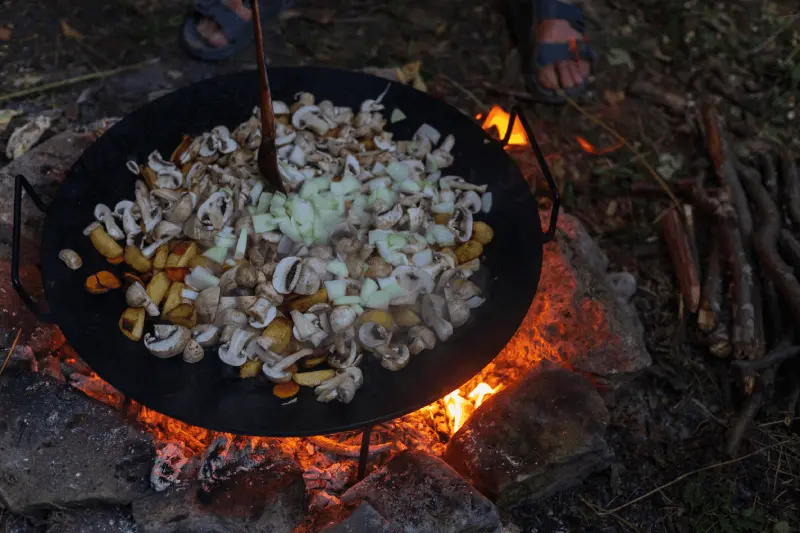
Dried mushrooms (porcini, oyster, or cultivated mushrooms) are the lightest way to capture the "umami" flavor, that satisfying meaty taste, while camping. Mushrooms lose 90% of their weight when dried but retain their protein, B vitamins, and selenium content. When soaked in hot water for just 10 minutes, they return to their original forms. Dried mushrooms added to pastas, risottos, or soups transform an ordinary camping meal into a gourmet feast. They are also rich in beta-glucans, which support the immune system, helping to prevent illness in changing weather conditions.
What Light Brewing Methods Should Be Chosen Instead of Instant Coffees?
Coffee is a cyclist's morning ritual, serving not only as a pleasure but also as a source of caffeine that speeds up metabolism. However, low-quality instant coffees can upset the stomach. Instead, you can opt for "drip coffee bags" or very lightweight titanium coffee filters. With just an additional 10-15 grams, you can experience the invigorating effects of real coffee beans. Caffeine triggers fat burning, making it easier for the body to use fat stores as energy, which is a scientifically proven fact that increases endurance in long-distance rides.
How Can Fruits Found Along the Road Be Added to the Nutrition Plan?
If you are cycling in the right season, nature offers you free superfoods. Blackberries, figs, apples, or wild plums found along the roadside are fresh sources of vitamins and minerals. However, you should ensure that these fruits are far enough from the main road (due to exhaust fumes and heavy metals). You can add the fruits you collect to your evening oatmeal or use them as a natural sugar source when your energy dips throughout the day. Eating from nature not only lightens your bag but also helps you connect with the geography you pass through.
Which Amino Acids are Necessary for Muscle Repair Overnight?
After a 6-8 hour day on the bike, the body looks for raw materials to repair muscles filled with micro-tears. Branched-chain amino acids (BCAAs) and glutamine play a critical role in this process. If you are not using supplements, you can meet this need from foods like dried meat (beef jerky), soybeans, or lentils. A quality protein source you consume before bed, combined with the growth hormone released during sleep, prevents you from experiencing that infamous "lead legs" feeling when you wake up the next morning.
How Do Cold Brew Teas Alleviate Thirst?
Constantly drinking warm water in hot weather can become nauseating after a while. When you start your morning ride, adding two fruit tea bags or green tea bags to your water bottle or bladder gives your water a wonderful aroma through the cold brew method. The antioxidants in green tea repair cellular damage, while mint tea provides a refreshing feeling and aids digestion. This method is the most practical way to make drinking water more enjoyable and increase hydration without resorting to sugary ready-made drinks.
How Can Honey and Molasses Be Used for an Energy Boost?
Honey and molasses are the purest energy gels that nature offers us. Unlike commercial gels, these foods contain enzymes and minerals that facilitate digestion. The molasses you carry in small, zip-lock plastic tubes supports the blood's oxygen-carrying capacity due to its high iron content, while honey meets instant energy needs. A spoonful of honey in your drink at the bottom of a hill provides the final push you need to reach the top by quickly raising your blood sugar. Additionally, honey's antiseptic properties can even be used as an emergency dressing for small cuts in the camping environment.
How Do Red Peppers and Vitamin C Protect the Immune System?
Excessive physical exertion can temporarily suppress the immune system. Therefore, cyclists need to pay attention to their vitamin C intake. Dried red bell peppers contain more vitamin C per gram than oranges. Adding plenty of dried peppers to your meals or having a fresh one if you can find it keeps your body's defense mechanism strong. Additionally, the capsaicin in peppers helps speed up circulation, aiding in the elimination of toxins in tired legs and warming them up. For those who love spicy peppers, this means both flavor and performance enhancement.

Why is Bulgur a Traditional Source of Energy?
Bulgur is one of the best camping foods inherited from Anatolia. It contains much higher fiber and B vitamins than processed pasta. Its biggest advantage is that it cooks very quickly while camping since it has been pre-cooked (pilaf bulgur takes 10-12 minutes, while meatball bulgur only requires steeping). Thanks to its complex carbohydrate structure, it does not allow for "blood sugar fluctuations" and releases energy steadily. When combined with dried mint, crushed red pepper, and cooked lentils (mücver), it creates the most balanced protein-carbohydrate plate a cyclist could need.
How is Almond Milk Powder Used in Camping?
Carrying animal milk in camping is impossible due to spoilage risk. However, almond milk powder or coconut milk powder are great alternatives. These powders add a creamy texture to your morning coffee and deepen the flavor of the curry dishes you prepare in the evening. They are also rich in vitamin E and healthy fats. When you mix a few tablespoons of powder with water, this "white liquid" makes your oatmeal much tastier and calorie-dense. It is lightweight, does not spoil, and is very easy to package.
What is the Best Plant-Based Protein for Vegetarian Cyclists?
For cyclists who do not consume meat, protein intake requires a bit more attention. Textured Vegetable Protein (TVP) is a miraculous product in this regard. It is incredibly lightweight when dry and contains as much pure protein as half its weight. When soaked in hot water, it takes on a ground meat texture and absorbs the flavors of the spices you add. Adding soy protein to pasta provides high-quality protein that supports muscle repair without the need for animal products. Additionally, its shelf life is very long, and it does not spoil even in the hottest part of your bag.
What Alternatives Exist for Those on a Gluten-Free Diet?
For cyclists with celiac disease or gluten sensitivity, baked goods are a significant barrier. However, quinoa, buckwheat, and cornmeal (polenta) are excellent gluten-free options. Polenta is especially known for its quick cooking time; when mixed with water and cheese, it becomes a rich and filling puree. Buckwheat, on the other hand, protects muscle health with its high magnesium and protein content. These foods are preferred by athletes who are not gluten-sensitive for their ability to provide high energy without stressing the digestive system.
How Should Post-Meal Cleaning and Waste Management Be Handled?
The principle of "leave no trace" in nature is part of a nutrition regimen. Choose methods that produce as few dishes as possible when preparing your meals (like one-pot meals). To clean your pot, use a small amount of water and a piece of bread to wipe it out, which prevents wasting valuable food and reduces the use of chemical detergents. Store all your waste, especially smelly food packages, in zip-lock bags that do not leak. This not only protects nature but also prevents curious wildlife (bears, boars, etc.) from coming to your campsite.
How to Cook Away from Water Sources?
Sometimes the best camping spots can be miles away from water sources. In such cases, "water-saving cooking" techniques can be lifesaving. Choose foods like couscous that absorb all the water and do not require straining. Instead of soaking vegetables, steam or cook them in their own juices with very little water to save water. If you have soaked pasta, never pour out that starchy water; use it in the next morning's coffee or in the evening's soup base to make the most of every drop. Remember, every liter of water means an extra kilogram of weight.
How Do Nutritional Needs Change at High Altitudes?
As you ascend to higher altitudes, atmospheric pressure decreases, and the body requires more oxygen-carrying capacity. This speeds up metabolism and can increase appetite. However, at high altitudes, the digestive system works more slowly, so instead of heavy fatty meals, easily digestible, carbohydrate-rich foods should be preferred. Additionally, water loss (dehydration) accelerates unnoticed at altitude; as the breathing rate increases, a lot of water is lost from the lungs. Therefore, if you are above 2000 meters, you should aim to consume 50% more water and electrolytes than usual.
What Should Be Eaten to Maintain Body Heat in Cold Weather?
Shivering in a cold night camp is not only uncomfortable but also a situation that consumes a lot of energy. To raise body temperature from the inside, foods with a "thermal effect" should be consumed. The digestion of proteins generates more heat in the body. Eating a small amount of cheese, nuts, or a protein bar just before bed will keep the body stove burning throughout the night. Additionally, adding a pinch of hot pepper or ginger to hot drinks helps send blood circulation to extremities (fingers and toes) to warm you up.
How to Overcome Loss of Appetite in Hot Weather?
Thinking of a hot meal while pedaling below 40 degrees can be nauseating. However, stopping energy intake can end your ride. In such cases, "liquid nutrition" and "cold meals" come to the forefront. Dried fruits, couscous salads prepared with cold water, or salty yogurt (if available) can be lifesavers. Even if your appetite is closed, you should prevent your body from running out of fuel by consuming a small snack or a sip of electrolyte drink every 15 minutes. It is more logical to have your main meal when the sun sets and the body cools down.
What Should Be Done to Prevent Stomach Issues During a Cycling Tour?
Stomach upset on the road is the worst-case scenario that can end a tour early. To prevent this, never drink directly from unknown water sources; always filter or purify with chemical tablets. Avoid consuming overly fibrous foods (like too many raw legumes) during the ride; instead, eat them during evening rest hours. A small amount of fermented food or powdered probiotics that you can carry as a probiotic support will protect your gut flora. Following hygiene rules, such as disinfecting hands before every meal, is the first step to avoiding health issues that can ruin the enjoyment of the tour.
Post-dinner muscle repair is the foundation of a good night's sleep. When you fuel your body with the right fuel, you will be ready to climb new heights with the first rays of the sun the next morning. Happy travels, enjoy your meal!