Why Are Titanium Camping Gear So Popular?
Titanium is known as one of the most durable and lightweight metals found in nature. The main reason for the popularity of this metal in the camping world is its extraordinary strength-to-weight ratio. Every gram is vital for many backpackers and long-distance hikers. Titanium has become an indispensable part of modern camping kitchens because it can offer the durability of steel at nearly half the weight. Additionally, the metal's unique gray and matte texture, combined with its technological appearance, has made it a symbol of prestige among campers. Another reason for its popularity is its tremendous resistance to corrosion; it is rust-proof and chemically neutral, making it an excellent choice for food preparation.
Does Weight Savings Really Make a Difference?
If you are covering miles with your backpack, "counting grams" is not a hobby, but a necessity. Titanium gear is approximately 45% lighter than stainless steel. At first glance, a 10-gram reduction in a spoon may seem insignificant; however, these small savings from your pot, water bottle, spork, and stove can add up to more than half a kilogram. This weight savings reduces the load on your knees, delays your fatigue, and allows you to cover more distance by the end of the day. Especially on steep climbs and long routes, every ounce of weight reduction in your pack directly affects your morale and energy levels, making your camping experience more enjoyable.
How Durable and Long-Lasting Is Titanium?
Titanium gear is designed to last nearly a lifetime when used correctly. This metal is highly resistant to extreme temperatures and impacts. It is not easily crushed like aluminum or as heavy as stainless steel. One of the biggest advantages of titanium is that it can return to its original shape even if bent; however, it is generally so tough that bending it is difficult. Additionally, this equipment is not affected by abrasive environments like seawater. When you purchase a titanium pot, you are making an investment that will retain its original form for a longer time than dozens of aluminum pots that have worn out. This material, which is also quite resistant to scratches, is the most reliable companion in challenging natural conditions.

What Is the Difference in Cooking Performance Compared to Other Metals?
The most criticized point of titanium is its thermal conductivity. It does not conduct heat as quickly and evenly as aluminum or copper. This can lead to the formation of "hot spots" on the bottom of the pot. If you try to cook a saucy dish or rice in a titanium pot, it is likely that the middle of the food will burn while the edges remain cold. Therefore, titanium is generally considered ideal only for boiling water. This is not a problem for campers who consume freeze-dried meals. However, if you plan to cook gourmet meals over a campfire, this thermal characteristic of titanium may challenge you. Because it loses heat quickly, it is not as effective as stainless steel in retaining heat within the food.
Is Titanium Safe in Terms of Health and Hygiene?
Titanium is a biologically compatible metal; it does not interact with the body. This is the main reason for its use in medical prosthetics and dental implants. Using titanium in kitchen equipment means that your food will not acquire a metallic taste. While aluminum pots sometimes carry the risk of reacting with acidic foods, titanium is completely neutral. Thanks to this property, it does not alter the taste of your water or soup. Additionally, due to its non-porous structure, the likelihood of bacteria adhering is low, and it is quite easy to clean. Because it does not leach chemicals and does not contain harmful plastics like BPA, it is considered one of the safest materials for nature enthusiasts who care about health. Its hygienic structure also minimizes the risk of stomach issues during long-term nature stays.
How Resistant Is It to Corrosion and Rust?
In nature, moisture, rain, and sometimes saltwater are the biggest enemies of camping gear. However, titanium is almost immune to corrosion. When it comes into contact with oxygen, it instantly forms an invisible and extremely durable layer of titanium dioxide on its surface. This layer completely protects the metal from rust, acids, and alkaline liquids. While stainless steel can show signs of rust under unsuitable conditions, a titanium piece of equipment will not suffer any degradation even if left by the sea or in an extremely humid forest. This corrosion resistance makes titanium an invaluable option, especially for those who kayak or camp in coastal areas. You only need to use water to clean your equipment; you can use it for years without the fear of rust.
Does the Cleaning and Maintenance Process Challenge the User?
Cleaning titanium gear is generally quite simple, but it has one disadvantage: food residues that stick to its surface. Titanium does not have a natural "non-stick" property. Combined with the uneven distribution of heat, there is a high likelihood that food will stick to the bottom. Scraping burnt food off a titanium surface can sometimes be challenging. However, the metal is so tough that you do not need to hesitate to use sand or hard brushes to clean it; you cannot easily damage the surface. In non-greasy situations, simply wiping with a cloth may be sufficient. Additionally, they can be washed in the dishwasher and are not affected by the chemicals in detergents. They do not require maintenance; they do not need oiling or special storage conditions, which makes them... places it among equipment of the "use and forget" type.
Is It Worth Investing in Terms of Price Performance Balance?
It is a fact that titanium is expensive; but is this price difference really justified? The answer to this question depends on how often you go camping and your style. If you only go for a picnic once a year, titanium is an unnecessary luxury. However, if you are doing a summit climb every month or going on weeks-long hikes, the weight savings and lifetime durability that titanium offers are worth every penny you spend. While cheap aluminum pots may deform after a few seasons and need to be replaced, titanium equipment is purchased once. In the long run, it may actually be a more economical choice since it saves you from the constant cost of equipment renewal. Additionally, thanks to its high resale value, you can easily sell your equipment when you decide to part with it.
How Does It Compare to Aluminum and Stainless Steel?
If you think of kitchen equipment as a triangle; in one corner is lightweight but fragile aluminum, in the other corner is durable but heavy stainless steel, and at the top is titanium, which combines the best features of both. Aluminum is the best conductor of heat and the cheapest, but its health effects are debatable and it can easily warp. Stainless steel is great for cooking and quite affordable, but it is a heavy load in a backpack. Titanium is as strong as steel, lighter than aluminum, and has a longer lifespan than both. Although it falls behind these two in terms of heat conduction, it outperforms them in "carrying" focused activities. If your priority is lightness and durability, titanium is the way to go; if comfort and budget are your concerns, stainless steel is preferable, and if lightness and budget are your main criteria, aluminum comes out on top.
Why Do Professional Climbers Prefer Titanium?
For professional climbers, weight is not just a matter of comfort; it is also a matter of safety. At high altitudes, as oxygen levels drop, the body's energy expenditure increases. Every gram in the backpack affects climbing speed and fatigue threshold. Titanium offers the highest reliability at the lowest weight in these extreme conditions. Additionally, titanium's durability does not diminish in freezing cold; it remains unbreakable. Climbers typically melt snow and boil water rather than cook complex meals, so the poor heat conductivity of titanium does not pose a barrier for them. The fact that a pot inside the backpack does not lose its shape when pressed down or bumped against rocks is seen as a part of survival equipment.
Does the Obsession with Lightness Enhance Camping Enjoyment?
In camping, "lightening the load" is often associated with a sense of freedom. When carrying a heavy backpack, you focus solely on your steps; whereas with a lighter pack, you can enjoy the scenery around you, hear the sounds of birds, and savor nature more. Titanium equipment is one of the keys to this freedom. While the obsession with lightness can sometimes be costly, reducing physical fatigue ensures that you still have energy when you arrive at your campsite. You have more energy left for starting a fire, going on a hike, or simply resting. In this sense, titanium is not just a metal; it is a tool that transforms your camping experience from physical torture to spiritual relaxation.
How Does Heat Conductivity Affect Cooking Speed?
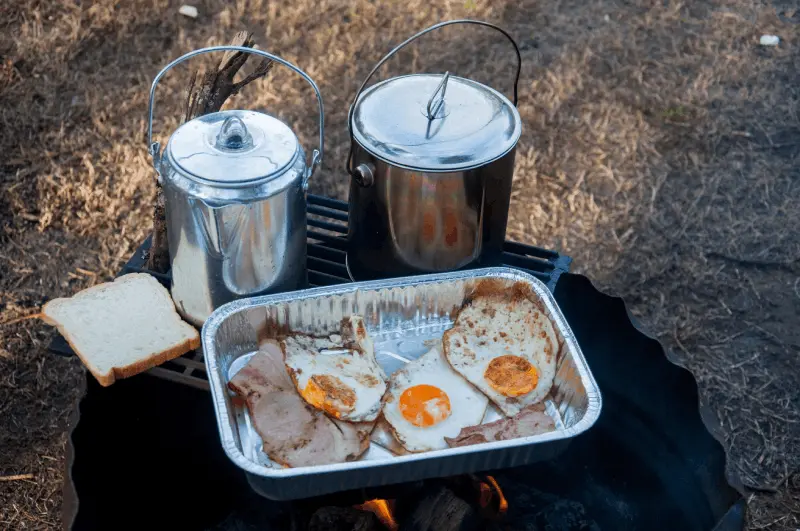
Although titanium's heat conductivity is low, this does not always mean slow cooking. Titanium pots are often produced with very thin walls. This thinness accelerates the transfer of heat from the metal to the water. In boiling water tests, titanium usually yields faster results compared to stainless steel. However, this speed can cause a "flash" effect; meaning the metal heats up instantly and cools down just as quickly when you turn off the stove. If your goal is just to prepare coffee water or boil pasta, titanium can speed things up for you. However, when it comes to thick soups or sauces, due to low conductivity, you need to stir continuously to prevent sticking to the bottom and you must manage the stove's heat very well. This can make the cooking process more demanding.
What Should Be Considered When Buying Titanium Equipment?
When purchasing titanium equipment, it is important to ensure it is "pure titanium" (grade 1 or 2). Some brands may market their products as "titanium" by only applying a titanium coating; however, coated products do not fully provide the lightweight and corrosion resistance advantages of pure titanium. Additionally, the ergonomics of the handles and whether they are silicone-coated are important, as titanium heats up very quickly and the handles can burn your hands. Whether the pot lids have strainer holes, the clarity of the measurement markings, and whether they fit your stove or pot (nesting feature) are critical for ease of use. When choosing a brand, trusting well-known camping brands for warranty and material quality is a more profitable choice in the long run.
How Flexible Is It Against Scratches and Impacts?
Although titanium is known for its hardness, it also has a certain degree of flexibility. Due to its fine structure, it can bend under a very heavy load; however, in most cases, this bending is not permanent or can be easily corrected by hand. It is much more resistant to scratches than aluminum. Using metal forks or spoons may leave small gray scratches on the surface of the titanium pot, but these scratches do not damage the integrity of the material; they are merely aesthetic issues. Even when scratched against hard rock surfaces, it does not get deep gouges. This physical durability allows you to hang your equipment outside your backpack or use it roughly on challenging trails. This "indestructible" image of titanium gives the user great confidence in the field.
Is It an Economical Option for Long-Term Use?
Many campers initially turn to cheap equipment and within a few years realize that this equipment has worn out, is heavy, or has broken down. They then transition to mid-range equipment and eventually to titanium. The total money spent during this process can far exceed the price of a quality titanium piece purchased at the beginning. The philosophy of "buy once, buy right" is tailor-made for titanium. Titanium equipment consists of timeless pieces that do not age technologically. A titanium mug you bought 10 years ago still serves the same function today and is just as modern. Therefore, if you see camping as a long-term lifestyle, titanium is actually a sensible financial decision that protects your wallet.
Is It Designed Only for "Ultralight" Enthusiasts?
Although the "ultralight" community is the biggest advocate of titanium, this equipment is beneficial for all types of campers. Even someone camping with a vehicle may prefer lightweight and compact sets because the interior space of the vehicle is limited and organization is important. Additionally, the chemical neutrality and health benefits of titanium are appealing to campers who do not prioritize weight but focus on healthy eating. Backpackers, bicycle tourists, and even office workers can benefit from titanium equipment (as a lightweight cooking set). So, titanium is not just a "performance" product; it is also a "quality of life" product. Its practicality, ease of cleaning, and aesthetics appeal to everyone.
Is Aesthetics and Ergonomics Important in Camping Cooking?
Being in nature is not just about survival; it is also about enjoyment. The matte and sophisticated appearance of titanium provides visual satisfaction for many campers. From an ergonomic perspective, the thinness of titanium allows equipment to nest inside each other, taking up very little space in the backpack. For example, a standard 110g gas cartridge can fit perfectly inside a titanium mug. The foldable mechanisms of the handles are often designed to take advantage of titanium's flexibility, making them much sturdier. Thanks to its lightweight, it does not cause fatigue when held, especially long-handled titanium spoons reach the bottom of ready-pack meal bags with great comfort. This combination of aesthetics and ergonomics transforms camping cooking from a chore into a ritual.
What Are the Environmental Impacts of Using Titanium in Nature?
From an environmental perspective, titanium is a double-edged sword. Its production and processing require much more energy compared to stainless steel or aluminum, and its carbon footprint is initially high. However, the extremely long lifespan of titanium balances this situation. Instead of disposable plastic forks and spoons that end up in the trash or low-quality pot sets that become scrap in a few years, a single titanium set used for a lifetime significantly reduces waste production. Additionally, titanium is a completely recyclable metal. Within the framework of the principle "consume less, use better quality," titanium supports a sustainable outdoor lifestyle. Its lack of chemical leaching in nature is also a positive feature for groundwater and soil health.
How Is Heat Loss and Heat Retention Capacity?
Titanium quickly absorbs heat but also loses it just as quickly. This property can cause your mug to heat up enough to burn your lips while drinking hot coffee, yet the beverage inside can cool down rapidly. To overcome this issue, double-wall titanium mugs have been designed. Double-wall models provide excellent insulation and keep your drink warm for a long time, but these models cannot be placed directly over a fire (they carry a risk of explosion due to expansion in the air). In cooking pots, a lid must be used to prevent heat loss. Titanium's low heat retention capacity also brings the advantage of being able to cool down the equipment within seconds after the meal is finished, allowing it to be packed away.
Is It Safe to Use Titanium in a Campfire?
Titanium is quite safe for use in campfires due to its very high melting point (approximately 1668°C). However, when in direct contact with high flames, color changes similar to "anodization" (blue, purple tones) can occur on the surface of the metal. This color change does not cause structural damage; rather, it gives your equipment a characteristic appearance that adds "character." The important point to note is not to place the pot directly over the fire while leaving it empty; this can lead to excessive heating of the metal and deformation. There may be soot buildup on titanium that comes into contact with campfire, but this soot can usually be easily cleaned from titanium's non-porous surface. Nevertheless, camp stoves offer a more efficient use of titanium as they provide heat control.
Why Should Small Details Like a Spork Be Made of Titanium?
The first titanium piece a camper should have is usually a spork (a hybrid of spoon and fork). Plastic sporks can break unexpectedly, especially in cold weather or when cutting through a tough meal. A titanium spork is unbreakable, does not melt, and weighs only a few grams. You won't have to worry about it melting while stirring your food in a pot that has just come off the fire. Additionally, while the porous structure of plastics can develop odors over time, titanium does not retain odors. This small but powerful tool, which you will attach to a corner of your backpack, can accompany you everywhere for years. Weighing only 15-20 grams, this little hero is the most logical and cost-effective starting point to enter the world of titanium.
Why Is Titanium's Non-Toxic Property Important?
Traditional Some coatings used in kitchen utensils (for example, Teflon) can release toxic gases when overheated or can mix with food when scratched. There are ongoing debates about the potential health issues associated with aluminum (especially neurological problems). Titanium, on the other hand, is completely inert; it does not react with body chemistry in any way. It is important not to add an extra chemical burden to your digestive system while your body is already under physical stress during long-term outdoor activities. When cooking in a titanium pot, you only taste the food, not the metal or coating. This non-toxicity feature makes titanium a top choice for families camping with children and health-conscious individuals.
Which Types of Campers Should Avoid Titanium?
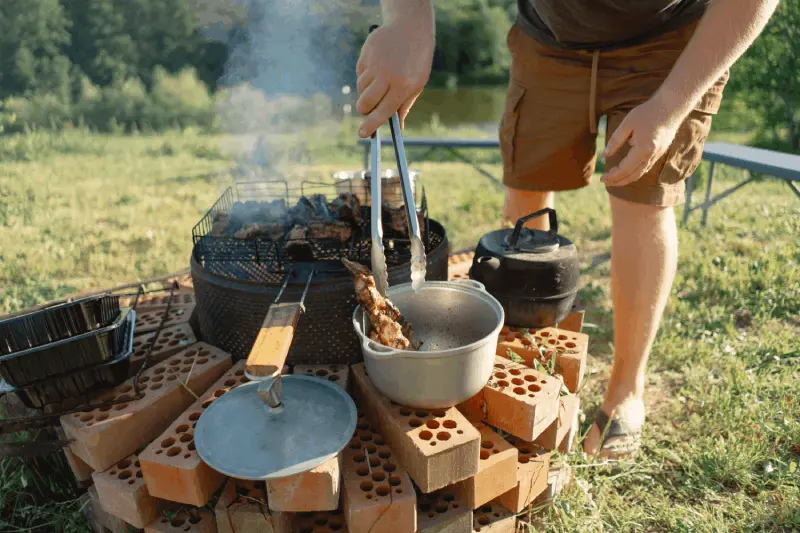
Although titanium is great, it is not the best option for everyone. For campers who focus on comfort and park their vehicle next to the campsite, known as "car camping," titanium can be an unnecessary expense. For these individuals, cast iron pans or heavy stainless steel sets offer much better cooking performance. Additionally, for budget-conscious and beginner campers, it may be more sensible to spend that money on a higher quality sleeping bag or shoes. If you want to cook real meals (sauté, omelet, pancake, etc.) in your camp kitchen rather than just boiling water, the heat distribution of titanium may lead to disappointment. For gourmet campers, aluminum or ceramic-coated sets are much more suitable.
What is the Difference Between Titanium Coating and Pure Titanium?
There are products sold under the name "titanium" in the market that actually consist of a thin layer of titanium over aluminum. These products are generally designed to enhance non-stick performance, but they do not fully deliver on the most important advantage of pure titanium, which is its "lightness." Pure titanium (solid titanium) contains no coating and the metal itself comes into direct contact with food. Pure titanium products are lighter, never peel, and are more resistant to high temperatures. Coated products can wear down over time, exposing the underlying metal (usually aluminum). If you want a true titanium experience and lifelong use, make sure the product description specifies "pure" or a specific titanium grade.
How is the Sound and Comfort of Use?
Another characteristic of titanium is its sound. When metal strikes metal, titanium produces a rather high-pitched and resonant sound. When you hit the edge of a titanium pot with a titanium spoon at the campsite, the sound produced is very different from the dull sound of stainless steel. Some users find this sound "cheap" or "annoying," while others see it as a characteristic feature that indicates the purity of the metal. In terms of comfort of use, titanium's low thermal conductivity allows handles to cool quickly, enabling you to pack up the pot as soon as your meal is finished. However, the porous texture (matte titanium) can trigger a "tooth grating" sensation in some people when scraped with a metal spoon. If you are sensitive, opting for titanium sporks with polished (shiny) parts can solve this comfort issue.
How Do Brand Differences Affect Quality?
Since titanium is a difficult metal to process, the production quality among brands can create significant differences. Brands like Snow Peak, Toaks, and Evernew specialize in titanium and ensure the optimal weight-to-durability balance by adjusting wall thickness with millimeter precision. In very cheap and unbranded titanium products, weld points may be weak, lids may not fit properly, or the specified weights may not reflect reality. Additionally, quality brands reduce the likelihood of food sticking by making the surface treatment of titanium smoother. Purchasing titanium equipment from a reliable brand is essentially a purchase that minimizes your risk with spare part support and material guarantees.
Is it Possible to Make an Omelet in a Titanium Pan?
Theoretically yes, but practically it is quite difficult. The way titanium collects heat at one point causes the center of the pan to become very hot while the edges remain cold. This leads to the center of the egg burning while the edges remain undercooked. If you must cook something in a titanium pan, you should use very low heat, keep moving the pan (to manually distribute the heat), and use plenty of oil. Some brands produce titanium pans with ceramic-coated bases to solve this issue, but this means sacrificing some of the advantages of pure titanium. In short, titanium pots are great for boiling water, but titanium pans can challenge those expecting "gourmet" performance.
What is Titanium's Role in Fuel Efficiency?
The thin wall structure of titanium can positively affect fuel efficiency as it conducts heat to water very quickly. You can minimize the boiling time by using a windscreen and covering the pot. A shorter boiling time means using less gas or alcohol on your stove. Reducing the amount of fuel you need to carry during long-term trips contributes to a decrease in your total pack weight. However, for dishes that need to be cooked slowly, you may need to keep the stove on longer due to titanium's uneven heat distribution, which can lead to fuel waste. In summary, for a use focused solely on boiling water, titanium makes your system more efficient by saving fuel.
Does Titanium Retain Its Value in the Second-Hand Market?
Titanium equipment retains its value very well, much like "Apple" products in the camping world. Even if you use a pot for years, its surface will remain intact. You can easily find buyers in the second-hand market for items that do not have any structural damage aside from a few color changes. Especially, products from quality brands can exchange hands for prices close to new. This means that titanium is essentially a "liquid" investment. If one day you decide to give up camping or want to upgrade your equipment, you can easily convert your titanium pieces into cash. In the case of stainless steel or aluminum products, however, the second-hand value is generally much lower; they are often seen as scrap if they are not used frequently.
Is the Future of Camping Kitchens in Titanium?
As technology advances, the processing costs of titanium are decreasing, making this metal more accessible. Developments in the aerospace and space industries are also reflected in camping equipment. In the future, hybrid materials that will solve the thermal conductivity problem of titanium (such as titanium-copper alloy bases) may become more common. However, even today, there is no other material that can replace titanium in the triangle of sustainability, durability, and lightweight. Alternatives like carbon fiber may compete in terms of lightness, but they do not come close to titanium in terms of heat resistance and food safety. Therefore, for anyone setting up a modern and professional camping kitchen, titanium will continue to be the standard material of the future as it is today.
Should You Buy Titanium Equipment?
Ultimately, the answer to the price difference for titanium equipment lies in your priorities regarding the question "is it really worth it?" If lightness, durability, and health come before everything else for you in nature; you will not regret titanium, as it is an investment that you will enjoy using for years, even decades, after purchasing it once. With every gram you reduce from the load on your back, you will feel that you have more than compensated for the money you spent on that metal piece. However, if you are only camping for leisure and doing vehicle-side camps, it may be more logical for you to allocate that budget to a more comfortable camping chair or a quality cooler. Titanium is not a luxury; it is the most efficient tool for a specific camping discipline. When used for the right purpose, it is the undisputed champion of your camping kitchen.