Is It Really Possible to Bake Bread with a Cast Iron Pot in Nature?
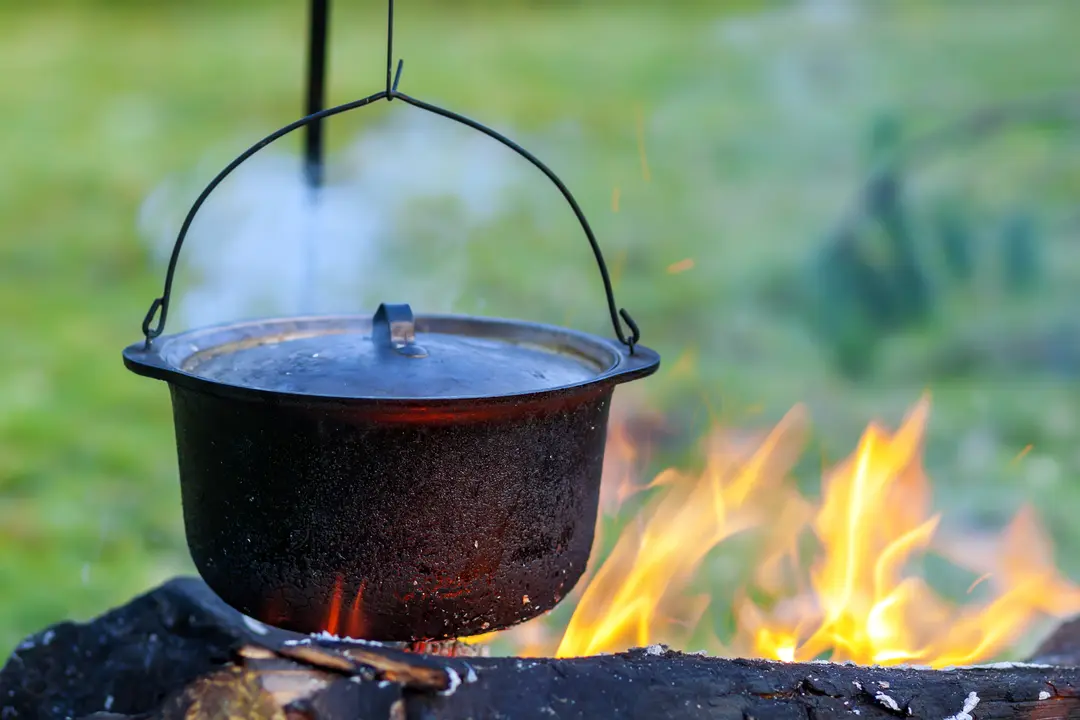
Although it may seem impossible for many people to bake bread outdoors without a controllable oven, a cast iron pot is the greatest miracle that eliminates this impossibility. The high thermal mass of cast iron and its ability to distribute heat evenly make it the most efficient portable oven in nature. Baking bread with a cast iron pot in nature is not only possible but also the quickest way to achieve that unique smoky aroma and crispy crust that you cannot get from home ovens. Although this process requires patience and fire management, the result is always worth the effort.
Why Does a Cast Iron Pot Serve as a Professional Oven in Nature?
The secret to the success of a cast iron pot in nature lies in the microclimate it creates inside. Professional bread ovens retain moisture inside to allow the bread to rise and the crust to shine. The heavy lid of the cast iron pot prevents the steam inside the dough from escaping and cooks the bread with its own steam. This "steam bath" effect allows the bread to expand more in the initial phase (oven spring) and then forms a caramelized, thin, and crispy crust. The even distribution of heat from all sides prevents the inside from remaining doughy.
How to Achieve Ideal Heat Control Over a Campfire?
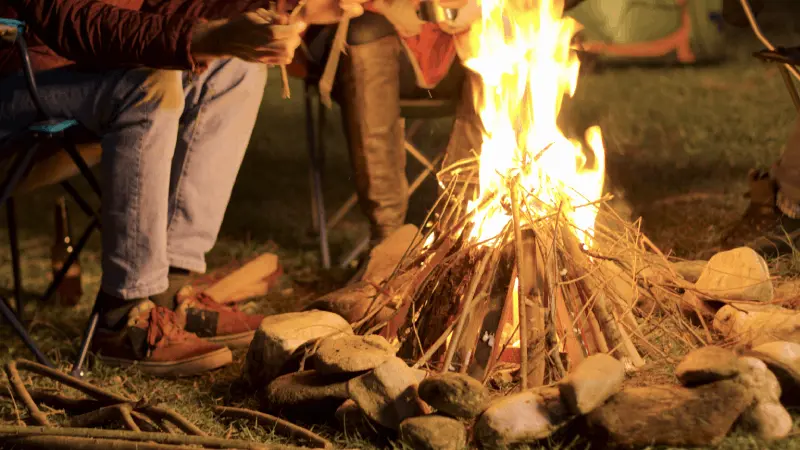
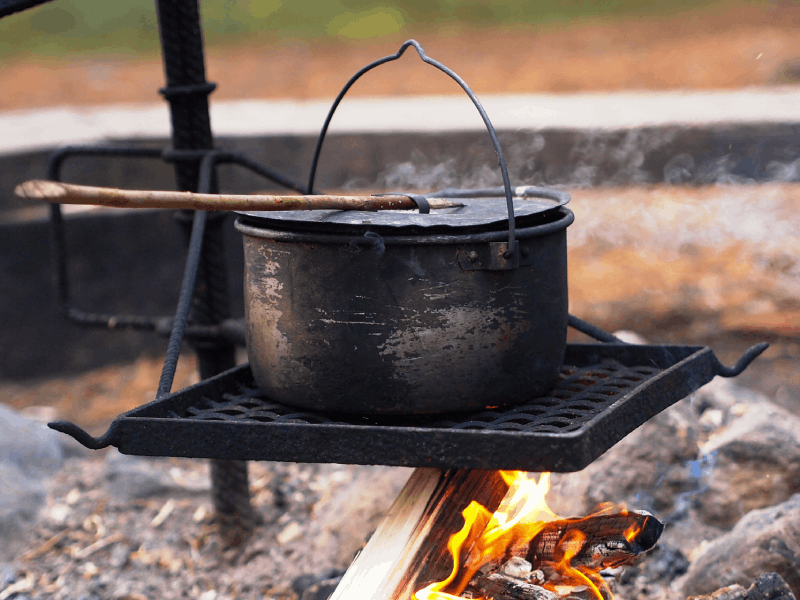
Managing heat at the fire is much more complex than turning a dial in the kitchen; because here, variables such as wind, air temperature, and wood quality come into play. For ideal heat control, you should focus on the embers rather than the flames. Placing a cast iron pot directly over the flame causes the bottom of the bread to burn quickly. Instead, you should create a pool of embers at the edge of the fire and place the pot over these embers. Additionally, to ensure top cooking, you should simulate a "top-bottom heating" system by placing a certain amount of hot embers on top of the pot lid.
What Is the Difference Between a Legged "Dutch Oven" and a Standard Cast Iron Pot?
The type of pot you choose when baking bread in nature directly affects operational ease. The legged models known as "Camp Dutch Oven" are designed to sit directly on the embers and prevent them from being crushed and extinguished thanks to their legs. Additionally, these models usually have a lid with a raised rim; this prevents the embers or coals you place on top from spilling into the food when you open the pot. If you are using a standard home cast iron pot, you will need to place a trivet or a three-legged stand underneath to manage the ember flow.
Should Enamel-Coated or Raw Cast Iron Be Preferred?
When it comes to baking bread, raw cast iron pots are always a step ahead of their enamel-coated counterparts. Enamel surfaces can crack (crazing) at very high temperatures and direct flame contact. Additionally, raw cast iron gains a natural non-stick layer over time due to the "seasoning" layer that forms, allowing the bottom of the bread to take on a more characteristic color. In the harsh conditions of nature, the durability of raw cast iron against situations like dropping or bumping is preferred over the fragility of enamel. Raw cast iron also absorbs heat better, transferring it to the inner volume.
How to Adjust Moisture Balance for a Golden Crust Over a Campfire?
For the bread to have that desired crispy and shiny appearance, moisture is vital. Sprinkling water into the home oven is a common method, but this is not necessary in a cast iron pot; the dough's own moisture is sufficient. However, if you are in a very dry climate or if your pot lid does not fit tightly, you can sprinkle a little water on the dough just before placing it in the pot or drop a small ice cube inside the pot. This ice cube will create a humid environment by evaporating as soon as the pot is closed, allowing the crust to harden more gradually and permitting the bread to rise more.
How to Benefit from Natural Heat Sources While Proofing Dough?
Proofing dough on a cold camping evening can take hours. Using the radiant heat emitted by the fire is a clever solution to speed up this process. You should place your dough container not too close to the fire but at a distance where it does not burn your hand when you hold it. Another method is to wrap your dark-colored dough container in a warm garment on a sunny day and leave it directly in the sunlight. If you are proofing overnight, placing it at the foot of your sleeping bag (in a tightly closed container) will provide a stable fermenting environment by utilizing your body heat.
How Does the Placement of Embers Affect Bread Quality?
Many novice bakers make the mistake of placing all the embers under the pot. However, the "golden rule" when baking bread is that 25% of the heat should come from below and 75% from above. Since the bottom of the bread is very prone to burning, only a thin layer of embers should be placed underneath, while the main heat source should be concentrated on top of the lid. This way, while the inside of the bread cooks, the top crust browns beautifully, and the air circulation inside the pot maximizes the oven effect. Refreshing or rearranging the embers every 15 minutes prevents the formation of local hot spots.
What Challenges Does Long Fermentation in the Open Air Bring?
Heat in nature is not as stable as at home; the temperature can drop below freezing at night and rise rapidly with the sun during the day. This fluctuation makes it difficult to predict yeast activity. While long fermentation (cold proofing) enhances the flavor of the bread, it can be risky in a campsite without a refrigerator. If the weather is very hot, the dough can quickly become "over-proofed" and lose its structure. In this case, creative solutions such as placing the dough on cool stones by a river or digging a shaded hole to store it should be devised.
How to Prevent the Bottom of the Bread from Burning in a Cast Iron Pot?
To prevent the most common problem of burning the bottom, several strategic steps can be taken. First, sprinkling some cornmeal or semolina on the bottom of the pot creates a thin air gap and barrier between the dough and the metal. Another effective method is to use baking paper (parchment). Placing the paper in the pot with the dough makes transfer easier and reduces direct heat contact somewhat. Additionally, instead of placing the pot directly on the embers, you can place a few flat stones underneath to leave an air gap between the pot and the embers, softening the heat.
How Do Seasonal Conditions Affect Outdoor Baking?
Baking bread in winter is not the same as in summer. In cold weather, heating a cast iron pot takes much longer, and the pot continuously loses heat to the cold air from outside. In this case, you need to use more embers and create a windbreak. In summer, on the contrary, high ambient temperatures can cause the dough to rise too quickly and the cast iron pot to overheat. Spring months are the most ideal time for bread due to high humidity, but a tarp may be needed to protect the fire from the possibility of rain.
How Should the Maintenance and Cleaning of a Dutch Oven Be Done in the Campsite?
After the cooking process is finished, maintaining the pot is critical for the success of the next use. While the pot is still warm, you should scrape out the crumbs inside with a spatula and absolutely avoid using detergent. If there are any stuck-on bits, you can add some water and boil it over the fire to soften the residues. After cleaning, the pot should be completely dried over the fire, and while it is still warm, you should renew the protective layer by applying a very thin layer of vegetable oil. This process is the only way to prevent the moisture in nature from rusting the cast iron.
How to Update Flour and Water Ratios According to Variables in Nature?
When baking bread in nature, "standard recipes" are just guidelines. Altitude affects the water absorption capacity of the flour; at high altitudes, the air is drier, so your flour may need more water. Additionally, the humidity level at the campsite also affects the consistency of the dough. Therefore, it is important to proceed by feeling the texture of the dough instead of adding all the water at once while kneading. Generally, a slightly higher hydration (wetter) dough in nature yields better results by enhancing the steam effect inside the cast iron pot, but this dough is more challenging to work with.
Do Unleavened Bread Techniques Yield Results in a Cast Iron Pot?
If your time is limited or you do not have yeast with you, breads known as "soda bread" yield great results in a cast iron pot. These doughs, which rise through the reaction of baking soda and an acidic liquid (buttermilk, lemon juice, etc.), do not require long fermentation times. The intense heat provided by the cast iron pot ensures that these quick breads are thoroughly cooked inside. However, the bread you obtain with this method will not have the airy structure of classic yeast bread; it will have a denser and more filling cake-like texture.
Where Does the Flavor Difference of Bread Baked Over a Campfire Come From?
Bread baked in a cast iron pot over a wood fire has a depth of flavor that modern ovens can never replicate. The primary reason for this flavor difference is the smoke from the woods used. Every time you open the pot to check the lid, the smoky aroma that enters works its way into the dough's pores. Additionally, the slight "burnt" notes created by the uncontrolled fire make the Maillard reaction in the crust more complex. The clean air inhaled in a natural environment and the effort spent during the cooking process also psychologically elevate the perception of flavor.
What Are the Critical Mistakes for First-Time Attempters?
The biggest mistake beginners make is being impatient and constantly opening the pot lid. Each time the lid is opened, valuable heat and steam escape, causing the bread to collapse. Another mistake is not preheating the pot sufficiently. Dough entering a cold pot can stick to the metal. Additionally, if the fire is too fierce, it can burn the outside while leaving the inside undercooked. The most reliable way to understand the cooking status is to insert a thermometer into the center of the bread during the first attempt to ensure that the internal temperature reaches 90-95 degrees.
How to Keep and Use Sourdough in Nature?
Camping with sourdough is like carrying your most loyal friend with you. You need to adjust the feeding intervals to keep the yeast active during your travels. If you are on a long journey, feeding the yeast a more solid (lower hydration) mixture will slow down its activity, allowing it to last longer. On baking day, you should revive the yeast at a warm spot in the campsite. The compatibility of sourdough with a cast iron pot is excellent; the stable heat provided by the cast iron best meets the long and stable cooking time that sourdough requires.
Is Using Baking Paper a Trick or a Necessity?
Although many traditional campers refuse to use baking paper, this tool is actually a technical necessity that makes things incredibly easier. Placing a delicate, risen dough into a preheated 250-degree cast iron pot by hand is both dangerous and increases the risk of the dough collapsing. By holding the edges of the paper, you can "lower" the dough into the pot, ensuring that its shape is preserved. Additionally, considering the difficulty of washing dishes in nature, keeping the pot clean is a significant advantage. This is not a trick but a tool for efficiency that allows you to focus on flavor rather than cleaning.
What Are the Ideal Types of Wood for a Cast Iron Pot?
Not all woods provide the same heat. Hardwoods like oak, hickory, and olive provide the most ideal coals for baking bread. These woods burn slowly and leave high-quality coals that provide stable heat for a long time. Soft and resinous woods like pine and fir burn quickly, produce too much smoke, and cause uncontrolled heat fluctuations on the cast iron pot. If you can only find softwood, you should continuously feed the fire and change the coals more frequently. The key to a perfect bread is not the flame but the coals made from hard woods.
How to Minimize the Effect of Wind on Cooking Time?
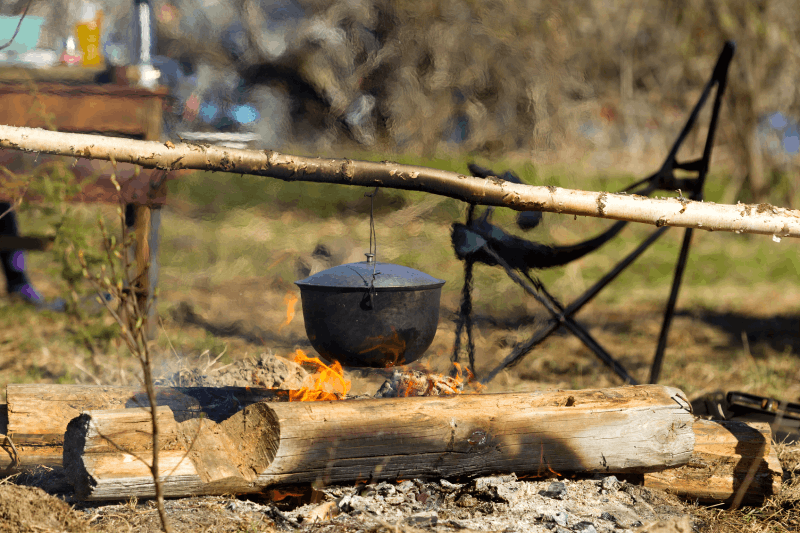
Wind is the hidden enemy of camping bakers. It not only stirs the fire but also quickly cools one side of the cast iron pot, causing uneven cooking. To break the effect of the wind, it is essential to build a stone wall around the pot or use foldable metal windbreaks. If you are in a very windy environment, placing the pot in a snug hole that you have dug into the ground and filling the surrounding area with coals (the Dug-in oven method) is one of the oldest and most effective survival techniques you can use to trap heat and protect from the wind.
How Do the Cuts Made on the Dough Affect Baking?
The aesthetic cuts made on the bread (scoring) are not just a visual show. These cuts create controlled "weak points" where the dough can expand during baking. If you do not score the bread, the gases inside will burst out unevenly from the weakest point of the crust, resulting in misshapen bread. To perform this process in nature, you should have a sharp knife or a razor blade with you. A deep cut made at a 45-degree angle, combined with the high heat of the cast iron pot, will ensure the formation of that famous "ear" on the bread and help make the inside more airy.
How to Tell When the Bread Is Done Baking?
In a professional kitchen, there are timers, but in nature, your senses are your best helpers. The first sign is the smell; when the aroma of caramelizing wheat spreads around, you are nearing the end. The second method is the "thump" test. When you take the bread out of the pot and tap the bottom with your finger, it should sound "hollow" like you are hitting a piece of wood. If the sound is dull, it means the inside is still moist. The most reliable method is to use a thermometer that provides instant readings. When the internal temperature reaches between 93-97 degrees, you can take that magnificent loaf off the heat.
How Long Should You Wait to Cut the Baked Bread?
This may be the most challenging part of the process. While the aroma of freshly baked bread coming out of the fire is tempting, cutting it immediately can ruin its structure. The baking process continues as the steam inside escapes after it is taken out of the pot. If you cut it while it is still hot, the steam inside will escape quickly, and the inside of the bread will turn into a gummy texture. For an ideal result, you should wait at least 1 hour, preferably until it is completely cool. In nature, you can hang the bread in a cloth bag in a place that does not get wind to let it rest.
Should Different Flour Mixtures Be Tried in a Cast Iron Pot?
Instead of using only white flour in nature, trying different flour mixtures like whole wheat, rye, or spelt increases nutritional value and alters baking dynamics. Whole grain flours absorb more water and create a heavier dough. This weight should be balanced with the high heat of the cast iron pot. For example, a dough with 20% rye flour added gains incredible depth of aroma when baked in a cast iron pot. However, since these types of flour make the dough more fragile, more care should be taken during kneading and folding (stretch and fold) processes.
What Should Be Considered When Baking Bread at High Altitude?
If you are climbing a mountain or camping in high plateaus, the laws of physics change. At high altitudes, the air pressure is lower, so water boils at lower temperatures, and the dough rises much faster. This can cause the dough to "sink" before entering the oven (pot). As a solution, you should reduce the amount of yeast slightly and put the dough in the oven (pot) a bit earlier than usual. Additionally, due to lower pressure, moisture loss occurs more quickly, so you should ensure that the pot lid is airtight and place a weight on it if necessary.
How Does the Quality of Water Used Affect Bread Flavor?
While the river water at your camping site may look fresh and clean, its mineral balance can affect fermentation. Very hard waters can slow down yeast activity, while very soft waters can make the dough sticky. If you have a questionable water source, it is safest to boil the water first and let it cool to room temperature before using it. Chlorinated city tap waters can kill yeast, so natural spring waters in nature are actually an invaluable treasure for making bread. The temperature of the water is also critical; water that feels neither hot nor cold when you touch it is "warm" water, which is the yeast's favorite starting point.
Is Baking Bread in Nature a Survival Skill?
While baking bread is often seen as a hobby, the ability to produce food with flour and water in a cast iron pot is actually a very valuable survival skill. In long-term stays or emergencies, producing a high-calorie and digestible food with limited resources is vital. A cast iron pot is not only used for baking bread but is also a versatile tool that can be used for purifying water, making soup, or roasting. Therefore, learning to bake bread in a cast iron pot elevates your independence in nature to a higher level.
Why Is It Important to Share This Process with Your Camping Friends?
Baking bread is not just a cooking process; it is also a means of building social connections. Kneading the dough, feeding the fire, and the exciting wait at the pot create a unique ritual that you can share with your camping friends. Sharing the first warm slice of bread that comes out of the oven with butter will be the most unforgettable moment of the camp. This process allows you to escape the fast pace of the modern world and experience the "slow food" philosophy in its purest form. A shared loaf of bread is the oldest human tradition that nurtures friendships in the camp.
Is the Weight of a Cast Iron Pot Worth Carrying?
Many ultra-light campers avoid carrying the 5-7 kilogram weight of a cast iron pot. However, when it comes to vehicle camping or a fixed campsite, this weight pays off with the gastronomic possibilities it provides. A cast iron pot is the safest way to bring your kitchen to nature. It allows you to cook meals that you can never make with other thin-bottomed camping pots. If you are going to carry it in a backpack, you can also modify smaller cast iron skillets without handles as ovens; however, nothing can replace a real "Dutch Oven".
What Tips Are There for Aesthetic Concerns and Photography?
Bread baked over a campfire is a great visual object for social media or personal moments. The best photos are usually taken when the bread first comes out of the pot, in the soft morning sunlight or the warm glow of the fire. To capture the steam escaping from the cuts made on the bread, you should use backlighting. Adding a camping knife, a pinch of fresh thyme, or a cup of coffee enhances the story of the photo. But remember, even the most beautiful photo cannot fully reflect the aroma and flavor of that fresh bread at that moment.
How to Apply Sustainability and Nature Conservation Principles?
When baking bread over a fire, it is essential to remember the "Leave No Trace" principles. You should completely extinguish the coals you used for baking and bury them without spreading the ashes after you are done. You should not leave leftover dough pieces or bread crumbs at the campsite, as they can affect wildlife; instead, you should take them back with you. Additionally, you should never cut down live trees to make a fire; only use dead wood found on the ground. Cooking in nature is a privilege, and respecting our environment to protect this privilege is our fundamental responsibility.
Where Can Camping Baking Lead You in the Future?
Once you start baking bread in a cast iron pot, it can turn into a passion. In the next phase, you might consider fermenting your own sourdough from nature (with wild fruits) or adding wild garlic or thyme you collected from the camp into your bread. You may also be curious about different baking techniques, such as building underground ovens or stone ovens. Baking bread with a cast iron pot in nature is a journey to meet one of humanity's most basic needs in the most primitive yet effective way, and this journey offers new discoveries every time.