How Can Kitchen Culture Evolve in the Face of the Global Water Crisis?
Water scarcity, one of the greatest threats facing our world, deeply affects not only agriculture and industry but also our kitchen culture, which is a fundamental part of our daily lives. Most of our traditional cooking methods rely on the use of large amounts of water; however, the rapid depletion of resources necessitates a shift in mindset within gastronomy. Kitchen culture must evolve from the assumption that water is an unlimited resource to a more strategic and technical approach that values every drop. This change can be seen not only as a necessity but also as a new artistic discipline that opens the door to experiencing flavors in a purer and more intense way. The chefs and home cooks of the future will redefine water, not as a cleaning or boiling agent, but as an essential element that preserves the chemical structure of food.
What Is the Hidden Power of Steam in Cooking with Less Water?
Steaming is one of the first and most effective methods that come to mind when we talk about water conservation. Instead of throwing food directly into water, cooking with the steam created by a very small amount of water prevents water loss and preserves the nutritional values of the food. In traditional boiling methods, a significant portion of vitamins and minerals leaches into the boiling water, while in steaming, the nutrients retain their textures and flavors. The water used in this method creates a cycle by evaporating and condensing multiple times, allowing for up to 80% water savings compared to a standard pot meal. Additionally, thanks to the layered structure of steam cookers, it is possible to cook several different ingredients at the same time using the same amount of water, maximizing energy and water efficiency in the kitchen.
How Can One-Pot Meals Reduce Our Water Footprint in the Kitchen?
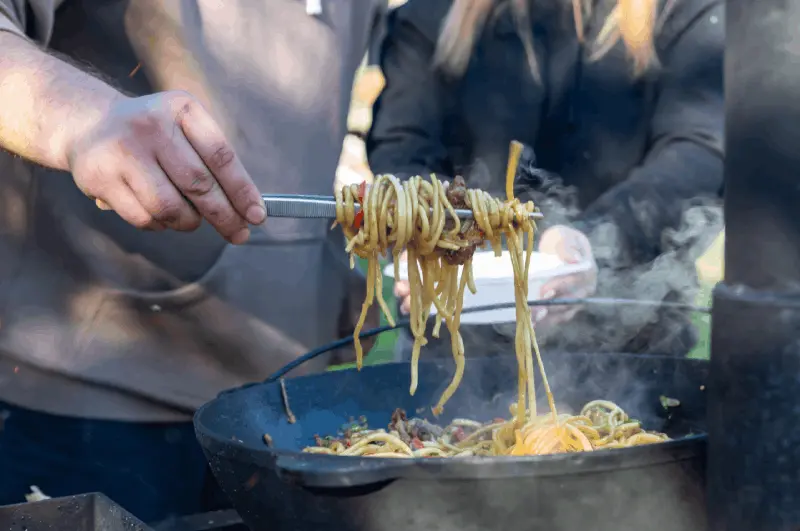
Known as "one-pot" meals, these dishes offer a brilliant solution that minimizes water consumption during both preparation and cleaning stages. Instead of cooking and draining different ingredients in separate pots, combining all components in a single pot with their own juices ensures that water is transformed directly into flavor without waste. In this method, the overlapping flavors of the ingredients further reduce the need for water; because the water released by vegetables creates a sufficient environment for cooking carbohydrates. During the cleaning phase, the dramatic reduction in the amount of dirty dishes prevents liters of water from going down the drain. The one-pot approach is not only a practical solution but also a modern gastronomic strategy that should be adopted to maintain ecological balance in the kitchen.
Is the Own Juice Cooking Process of Vegetables Sufficient?
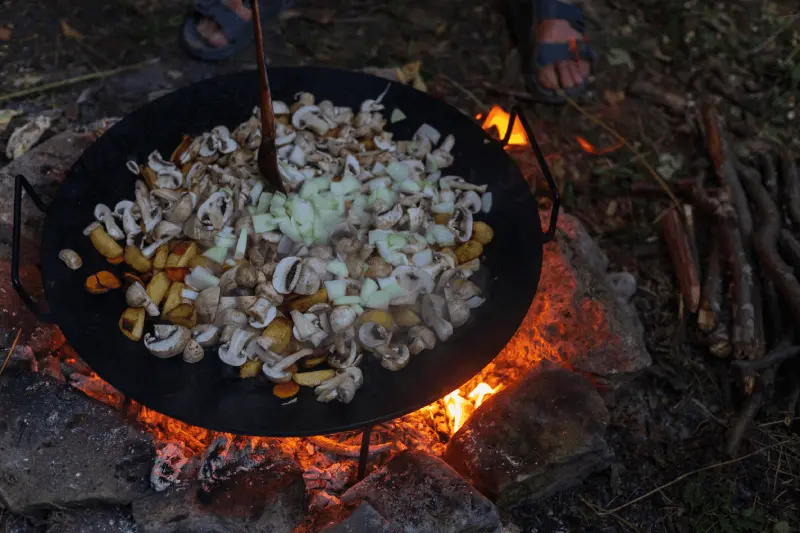
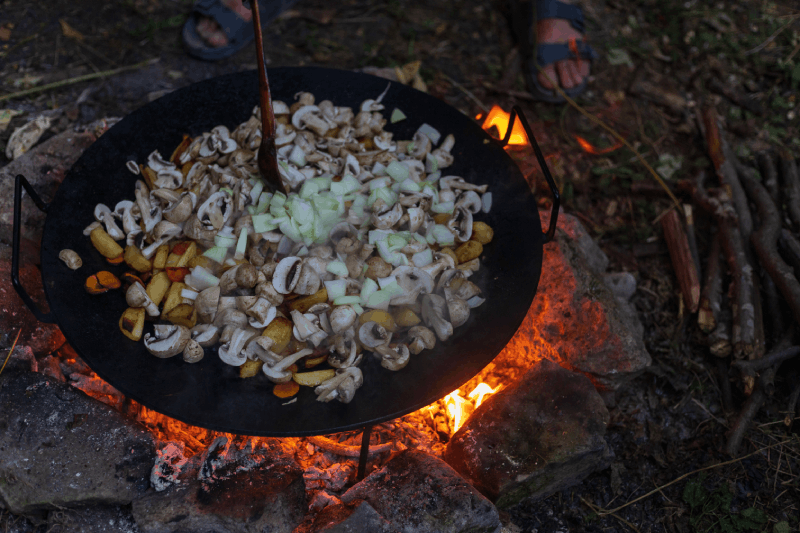
Many vegetables have a structure that consists of more than 90% water by weight. This means that when the right techniques are used, cooking can be done without adding any water from the outside. The method called "sweating," which involves cooking in a covered pot at low heat, allows the water in the cellular structure of the vegetables to escape and steam the food. Foods with high water content, such as tomatoes, zucchini, mushrooms, and spinach, offer a much richer flavor profile when cooked in their own juices. This method not only saves water but also prevents the dilution of the vegetables' natural sugars and minerals by externally added water. This approach, known as "dry cooking" in gastronomy, is the most sustainable way to achieve excellent results by utilizing nature's own resources.
Do Pressure Cookers Create Miracles by Trapping Water Vapor?
Pressure cookers, also known as pressure pots, are among the most powerful tools in the kitchen for water conservation and energy efficiency. These pots create a completely sealed system that prevents water vapor from escaping into the air and raises the boiling point of water under high pressure. As a result, meals can be cooked much faster and with significantly less water compared to traditional methods. Instead of wasting liters of water on foods that require long cooking times, such as legumes, it is sufficient to use just enough water to cover the food in a pressure cooker. The trapping of steam within the system ensures the even distribution of heat while guaranteeing that every drop of water serves its purpose. This technology can make even the toughest ingredients tender and flavorful with limited water resources.
Is Pasta Cooking Water a Valuable Resource for Recycling?
The pasta water that we often pour down the sink without thinking is actually the most valuable "liquid gold" that can be recycled in the kitchen. Rich in starch, this water can be used to bind sauces and achieve the desired consistency, as well as serve as a fundamental liquid source in the next meal. In a scenario of water scarcity, straining the used cooking water can make a significant difference when used in vegetable soups, kneading bread dough, or watering plants (once cooled and if unsalted). The multi-layered use of this water can radically reduce overall consumption in the kitchen. Viewing the water used for cooking an ingredient not as waste but as a by-product is a cornerstone of sustainable kitchen management.
Are Waterless Washing Techniques Safe for Kitchen Hygiene?
In traditional kitchen understanding, washing fruits and vegetables under running water for minutes is a standard; however, in limited water situations, this practice becomes unsustainable. Alternatively, soaking vegetables in a stagnant water container with vinegar or baking soda can save up to 90% more water compared to using running water. As a further method, cleaning root vegetables by scrubbing them or wiping them with a damp cloth presents a hygiene approach that uses no water at all. Foods like potatoes or carrots, which are cleaned of their soil and cooked with their skins, become more nutritious and save washing water. Kitchen hygiene can also be maintained through wisely chosen solutions and mechanical cleaning methods instead of wasting tons of water.
Does the Thawing Water from Frozen Foods Revive Plants?
The water from the ice that forms during the thawing of frozen products or the condensation liquids inside the packages are often overlooked. However, when accounting for every drop in the kitchen, it is important to collect this water and use it for secondary purposes. Even if this water has come into contact with food, it can be safely used in cleaning tasks or watering houseplants when heated or filtered. The water that comes from frozen peas or corn is actually clean and mineral-rich. In waste management, the principle of "source reduction" is as critical as "source reuse." The drops collected in a small container can turn into a pitcher full of water by the end of the day, turning water conservation awareness in the kitchen into a tangible gain.
Is Minimalist Kitchen Design Possible in Times of Drought?
Cooking with limited water is not only about cooking techniques but also relates to the physical design of the kitchen. Water-saving faucet heads, sensor taps, and systems that filter gray water are essential components of a modern minimalist kitchen. Additionally, non-stick surfaces that produce less dirty dishes and ovens with self-cleaning features minimize the water needed for cleaning. Embracing the philosophy of "less is more" in design means eliminating unnecessary kitchen tools and prioritizing functionality. Less equipment means less washing and less water. This design approach is not only aesthetic but also an ethical necessity in a world struggling with drought.
Can We Learn Water Conservation Lessons from Traditional Desert Kitchens?
Communities living in geographies where water has been the most precious treasure for centuries possess unparalleled knowledge of waterless cooking techniques. For example, the "Tagine" pots, which are indispensable in Moroccan cuisine, allow the rising steam to condense and return to the food thanks to their conical lids; this enables cooking for hours with almost no added water. In the Bedouin cultures of the Middle East, cooking meats in their own fat under the sand or brewing grains with minimal water has created an art of flavor beyond mere survival in water-scarce environments. Integrating these traditional methods into modern kitchens will help us face the challenges of the future with the wisdom of the past.
Is Sous-Vide a Modern Solution for Preventing Water Waste?
Sous-vide (cooking under vacuum) is a method where ingredients are vacuum-sealed in plastic bags and cooked for long periods in a water bath at a constant temperature. At first glance, it may seem like a waste of water since it requires a large pot of water, but it can actually be quite economical. This is because the water used never comes into contact with the food, thus preventing contamination. After the cooking process is complete, this water remains completely clean and can be reused multiple times for cooking other dishes or cleaning tasks. Additionally, since the food in the vacuum-sealed package does not release its own juices, there is no loss of aroma, and the need for additional boiling or watery cooking is eliminated. Sous-vide is a technical revolution that combines the precision of professional kitchens with water conservation awareness.
Does Reusing Gray Water in the Kitchen Pose Health Risks?
Gray water in the kitchen is the water left over after processes like washing vegetables or boiling pasta, which does not contain detergent. While it is not recommended to use this water directly as drinking water, it can be safe for many secondary processes when properly filtered or heated. For example, using vegetable boiling water in the toilet flush or for floor cleaning after it has cooled poses no health risks. The important thing is to use the water before organic waste (like meat broth) begins to spoil. A conscious kitchen manager extends the life of water by knowing which water is safe at which stage. This approach not only reduces the amount of water but also alleviates the burden on the wastewater system.
What Natural Substances Can Be Used for Cleaning Fruits and Vegetables Without Water?
Disinfecting foods without using water may sound unusual, but nature provides us with powerful tools for this purpose. Salt, lemon juice, and white vinegar have strong antibacterial properties. Instead of soaking vegetables in a bowl of water, sprinkling them with a mixture of salt and lemon and wiping them after a while eliminates a significant portion of microorganisms. This method is particularly suitable for thick-skinned fruits and vegetables. Additionally, modern devices like ozone cleaners can perform deep cleaning with very little water. Water is not always the best cleaner; sometimes, chemical and physical interactions can yield more effective and environmentally friendly results than liters of water.
Will Closed Loop Kitchen Systems Become the Standard of the Future?
Closed-loop systems used in space stations offer an ultra-efficient structure where every drop of water is recovered. Adapting this technology to home kitchens could become a part of urban life in the future. A system where water flowing from the kitchen sink is immediately filtered and returned as cleaning water, and where cooking steam is condensed and stored, could bring water consumption close to zero. Such systems represent a shift from linear economies, where water is used once and "thrown away," to circular economies, where every drop circulates within the system. As technology advances, these smart kitchens will not only be a luxury choice but will become a fundamental necessity for sustainable living.
Can Camping Experiences Illuminate Water Conservation in Home Kitchens?
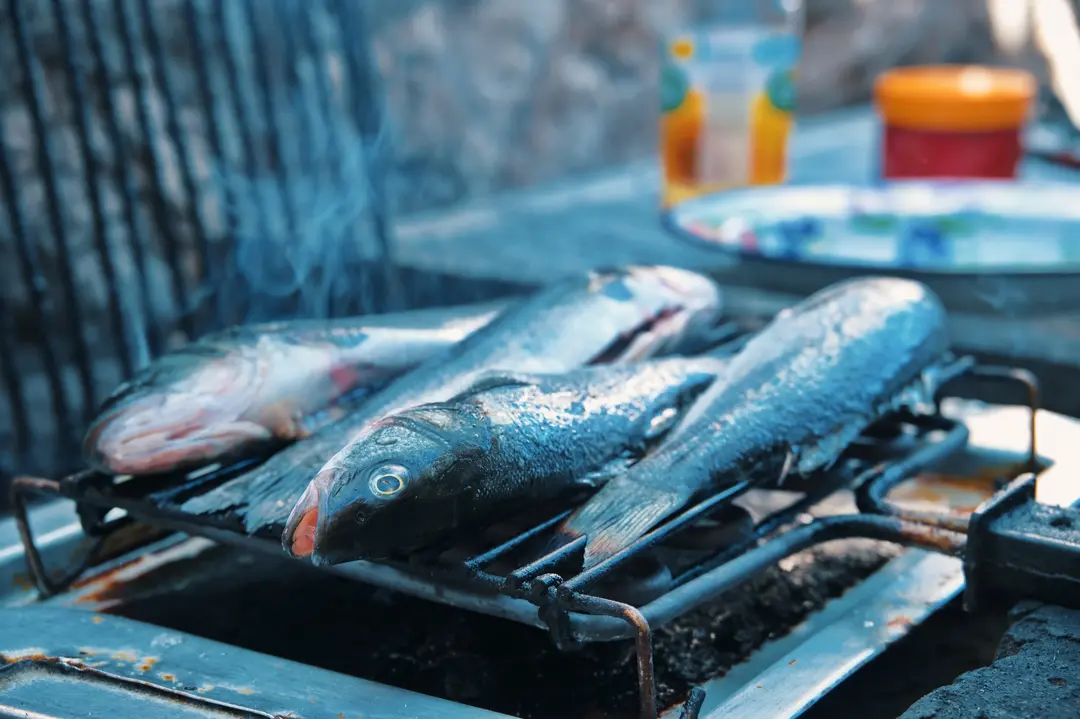
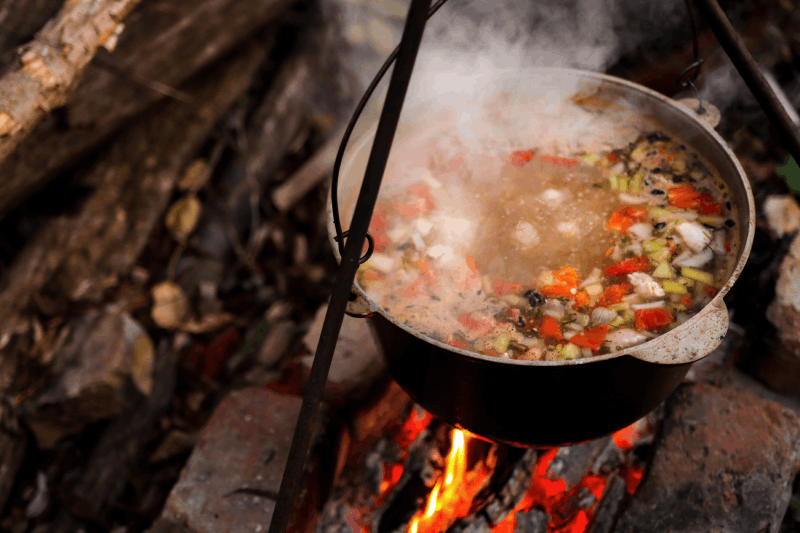
Campers and nature explorers are natural experts on how to cope with limited water resources. The ability to prepare a daily meal and clean with just one water bottle can inspire home kitchens. For example, cleaning dirty dishes first with bread scraps or paper towels to remove the bulk of the dirt can dramatically reduce the amount of water used during washing. Additionally, measuring the water used for cooking food and ensuring that no excess is wasted is fundamental to camping culture. This "survival" discipline helps us remember the value of water that we often forget in the comfort of urban life and encourages us to make more rational decisions in our homes.
Do Foods Cooked with Less Water Have Higher Nutritional Value?
Scientific research shows that cooking foods in plenty of water leads to the loss of water-soluble nutrients, especially vitamin C and B vitamins. In meals cooked with little water or only with steam, these vitamins remain within the food. This demonstrates that saving water is not only beneficial for the environment but also advantageous for personal health. The vibrant colors of vegetables, their firm textures, and the concentration of their flavors are the aesthetic and nutritional superiority of cooking with less water. Healthy eating and environmental protection work hand in hand in the kitchen to create a higher quality lifestyle.
What Equipment Ensures Water Conservation in Industrial Kitchens?
Professional kitchens are the places with the highest water consumption; however, new generation industrial equipment is changing this picture. "Combi" ovens can cook tons of food simultaneously with minimal water by controlling both dry heat and steam. High-pressure spraying systems reduce water usage in dishwashers by 50%, while air-cooled ice machines also prevent water waste. Investing in these technologies strengthens the ecological identity of restaurants while reducing operating costs. This change in industrial kitchens serves as a roadmap for individual consumers; as technology is first tested in professional settings before entering our homes.
Which Ingredients Should Be Prioritized When Creating a Drought Menu?
A "drought menu" should consist of ingredients that consume little water during both cultivation and cooking. For example, legumes like lentils and chickpeas are nutritious but require water when cooked; therefore, pre-steamed or canned (with water preserved) forms may be preferred. Instead of fresh fruits and vegetables, dried foods or frozen products can be included in kitchen planning. Additionally, instead of baked goods with very low water content, fresh fruits that contain water can satisfy sweet cravings. Menu planning, when done with a focus on resource management rather than just flavor, can truly create a sustainable kitchen.
Does Water Literacy in the Kitchen Foster a Societal Awareness Shift?
Water literacy is the ability to understand the hidden water costs behind the apple we eat or the plate of pasta we cook. Cultivating this awareness in the kitchen ensures that individuals act responsibly at every stage, from turning off the tap to food choices and cooking techniques. This shift starts at home and evolves into a societal movement that creates a broad impact, from agricultural policies to water management. Teaching children the value of water in the kitchen is the most important step towards raising more conscious generations that can manage the water crisis in the future. Knowledge is the most powerful motivation for conservation, and the kitchen is the most delicious center for this education.
Is It Chemically Possible to Experience a Flavor Explosion Without Water?
Our perception of flavor relies on the interaction of aromatic compounds with receptors on our tongue. Water tends to dilute these compounds. Therefore, dishes made with less water contain aromatic oils and volatile compounds in a more concentrated form. Flavor-enhancing chemical processes, such as caramelization and the Maillard reaction, are more effective in waterless environments. Cooking meats in their own fat or roasting spices to release their aromas are ways to achieve flavor without the need for water. As a result, the scarcity of water is not a barrier but an opportunity to discover deeper, more layered, and more impactful flavors gastronomically.