Does Drying Out Tree Roots on Forest Floors Create a Fire Risk?
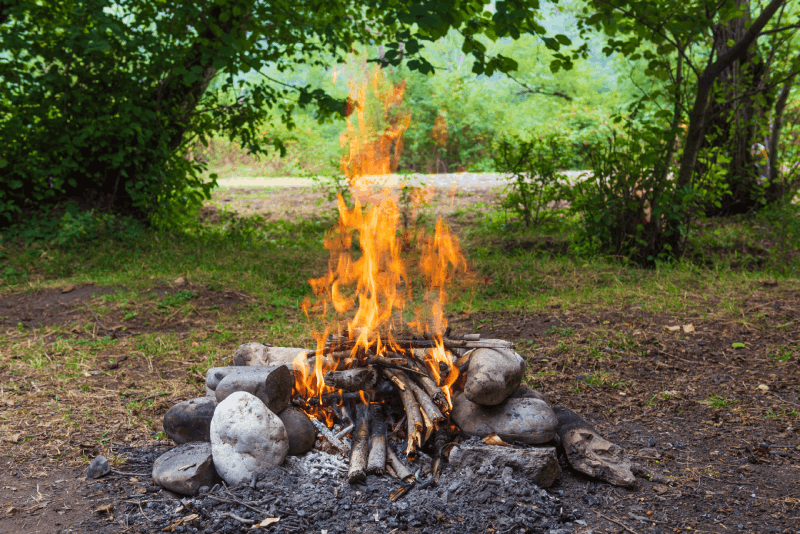
A campfire lit directly on the ground may seem to leave only ash on the surface, but the real damage occurs underground. The plant roots and microorganisms just a few centimeters below the soil are irreversibly harmed when exposed to high heat. Especially during dry seasons, there is always a risk of igniting a tree meters away by burning the organic matter (duff layer) beneath the soil with heat radiating from the ground fire. A professional fire pit minimizes heat transfer by creating an air gap between the ground and the fire. This not only protects nature but also allows the camper to cook their meal peacefully without the fear of "fire getting out of control." Not lighting the ground for a safe camping experience is one of the most fundamental ethical rules of modern camping.
Do the Air Channels of a Fire Pit Really Reduce the Intense Smoke That Burns My Eyes?
It is impossible to predict the direction of smoke from a ground fire; with the slightest change in wind, smoke can fill your face and turn cooking into torture. Fire pits, especially those with the "secondary combustion" feature, draw air from lower channels, heat it, and return it to the fire from above. This engineering marvel reduces smoke production by 80% by ensuring that the wood burns completely. If you have a smoke allergy or wear contact lenses, a ground fire can be a nightmare for you. Thanks to the fire pit, you can check the cooking level of your meal without your eyes watering, and chat with your friends without being under a cloud of smoke. This technology is not only a comfort but also a practical solution that significantly prevents smoke from clinging to your clothes.
Does a Fire Pit That Takes Up a Lot of Space in My Luggage Make It Impossible to Carry My Camping Gear?
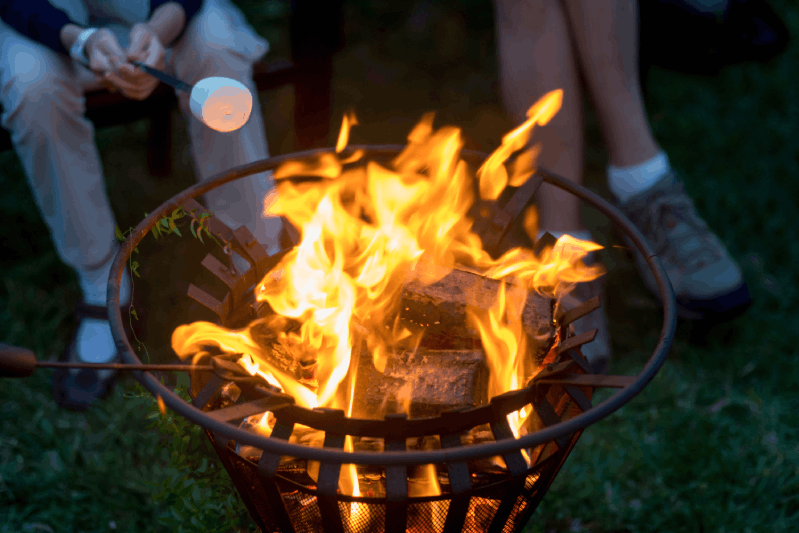
Many campers worry that getting a fire pit will completely eliminate the limited space in their vehicle. However, modern designs offer structures that can be nested inside each other or completely folded, alleviating this fear. If you are a backpacker, you can opt for mini models made of titanium that fold down to the size of your palm. For vehicle campers, there are models that serve as storage boxes where you can carry your cooking supplies. Considering the stones you need to carry to light a ground fire and the cleaning equipment, a lightweight and modular fire pit is actually a much more logical investment. Instead of burdening your load, it saves you time by relieving you of the hassle of searching for suitable stones when you arrive at the campsite.
Do Stone Ovens Provide the Same Stability in Cooking as a Fire Pit?
Stone-built makeshift ovens may look nostalgic, but they are a complete failure in terms of heat management. Stones absorb heat unevenly and after a while, they can become excessively hot, causing one spot of your pot to burn while other spots remain undercooked. Moreover, wet stones collected from riverbanks pose a risk of exploding when they come into contact with fire due to the expansion of moisture inside them. A professional fire pit ensures homogeneous heat distribution and eliminates the risk of your pot tipping over thanks to a perfectly fitting grill stand. Instead of living with the worry of "Will my food spill?", you can prepare camp meals with the stability provided by the fire pit in a professional kitchen discipline. Stability is not only a comfort in camp cooking but also a safety element that prevents potential burning accidents.
Do Bacteria or Insects in the Ground Contaminate My Food When Cooking Potatoes in the Coals?
The biggest hygienic risk of cooking over a ground fire is the contact of food with direct soil and ash. The potatoes or corn you bury in the coals can be contaminated with harmful microorganisms in the soil or unwanted substances carried by smoke. When using a fire pit, since the fire is elevated above ground level, it becomes much harder for dust, dirt, and insects from outside to reach your food. Additionally, the clean ash chamber provided by the fire pit allows you to cook your food in a "sterile" heat source. For families with children, preparing food in a hygienic environment is vital to avoid issues like diarrhea or nausea during the holiday. Hygiene is not just a luxury in camping; it is a necessity.
Will a Fire Pit Become Trash After a Season Due to Deformation of Heated Metal?
Fire pits made of low-quality and thin sheet metal can become unusable due to warping and buckling from high heat during initial use. This raises the question, "Am I wasting money?" However, models made of stainless steel or thick cast iron are designed to withstand thermal cycles for years. When purchasing, it is important to pay attention to the thickness (gauge) of the metal and the alloy used. Cheap models can indeed deform in a short time and break locking mechanisms, while a quality investment saves you from the hassle of searching for a new solution every year. Although a ground fire seems to have no cost, the hidden costs of the pots you burn and your damaged camping gear are actually much higher. Quality metal does not bow to the power of fire; it turns it into a controllable energy for you.
Will Campground Operators Charge Me an Extra Cleaning Fee for Lighting a Fire on the Ground?
Many modern campgrounds strictly apply the "LNT" (Leave No Trace) principles and absolutely prohibit lighting ground fires. If you light a ground fire, you may have to spend hours restoring the soil to its original state when leaving the campground; otherwise, you may face a "cleaning fee" or "damage fee" imposed by the operator. The fire pit helps you leave the campground cleaner than you found it by collecting ashes and unburned wood pieces in one chamber. This not only saves you money but also helps you create a respectful profile within the camping community. Instead of worrying about "Is it allowed to light a fire here?", you can enjoy the comfort of setting up your pit and fully complying with the rules. Remember, every burn mark you leave in nature is a piece taken from the experience of the next camper.
Does Lighting a Ground Fire on Muddy or Very Wet Ground Cause Hunger?
Trying to light a ground fire after a rain or on a snowy day is not as romantic as in survival movies. Wet soil absorbs the heat from your wood and can cause the fire to constantly go out or only produce thick smoke. This situation can turn into a complete nerve-wracking experience when you are hungry and the weather is cold. However, since the fire pit is elevated above the ground, it is not affected by moisture and allows you to dry even damp wood through air circulation. Being able to enjoy a warm soup even in the toughest weather conditions is a luxury that only a fire pit can provide. Elevating your fire to avoid being defenseless against nature's changing conditions is a strategic camping move. The fear of hunger can turn into a camping pleasure with the right equipment.
Is a Fire Pit an Economical Choice in Terms of Wood Consumption?
Ground fires consume wood very quickly and inefficiently due to uncontrolled airflow. The wood you collect or purchase to keep warm and cook for one night can turn to ash in an hour with a ground fire. Fire pits, on the other hand, ensure that the wood burns much longer and with higher heat efficiency by controlling the airflow in the combustion chamber. This creates a significant cost advantage, especially in campgrounds where wood is purchased from outside. Doing a lot with little wood protects your budget and reduces the fatigue of collecting wood from the forest. If you don't want to say, "My wood money is my food money," a fire pit that provides efficient burning will pay for itself in the long run. Efficiency is also a way to responsibly use nature's resources.
Is It Easier to Clean a Cast Iron Pan with a Fire Pit Than with a Ground Fire?
Since wood does not burn completely in a ground fire, it produces intense carbon emissions and soot. This soot creates a stubborn layer that sticks to the bottom of your cast iron pans or stainless steel pots, making it difficult to clean even with a sponge. The tough cleaning process that turns your kitchen sink black when you return home discourages many campers from cooking. Fire pits produce a cleaner flame due to their high burning temperature and minimize soot production. This extends the life of your equipment and allows you to spend the time you would spend cleaning on resting. You can place your equipment on the fire with peace of mind without the fear of ruining the pot. A shiny pot bottom is actually a silent proof of quality fire management.
Which Scenario Has a Lower Risk of Sparks from Unextinguished Coals Catching My Tent on Fire While I Sleep?
One of the most frightening nightmares of camping is that a spark could catch your tent on fire while you sleep. A ground fire can uncontrollably send sparks flying left and right due to the wind, spreading embers around. Most fire pits come with a spark guard, a metal mesh that prevents large embers from flying out while allowing heat to escape. Additionally, containing the fire in a metal box eliminates the risk of the wind spreading the fire. When you lay your head on the pillow at night, instead of waking up with the doubt of "Did the fire go out completely?", you can enjoy the peace of embers that are safely contained in a steel chamber. Safety is the most important factor determining the quality of your sleep, and a fire pit provides a definite advantage in this regard.
Does a Fire Pit Completely Eliminate the Risk of My Pet or Child Stepping on Open Flames?
Children and pets (especially dogs) may not notice the boundaries of the fire on the ground while running around the campsite. Although the ash layer around the ground fire may look cool from the outside, it may be hiding 500-degree coals underneath. The fire pit creates a physical barrier and a noticeable height, signaling "do not approach". It is essential to clarify the boundaries of the fire to prevent dramatic accidents like your dog's tail catching fire or your child stepping on the coals. A fire pit does not completely eliminate the risk (since it heats the outer surface) but significantly reduces accidents by creating awareness. Elevating the fire is the simplest yet most effective measure you can take to ensure peace of mind while camping with your family. The safety of your loved ones is more valuable than even the most expensive fire pit.
How Can I Overcome the Fear of My Grill Grate Tipping Over and My Dinner Falling into the Dirt?
Trying to balance the grill grate on top of stones in a ground fire is like playing a balancing game. With the slightest jolt or a piece of wood falling, those magnificent steaks or fresh vegetables can be buried in the ashes. This means not only the loss of your effort but also your money. Most fire pits offer integrated locking grill systems or stable legs. This mechanical stability allows you to place even a heavy cast iron pot on the fire without hesitation. Instead of missing out on the joy of camping due to a "food spill" crisis, you can cook with the confidence of a professional kitchen counter. Success in the kitchen is directly related to the physical security provided by your equipment.
Can a Fire Pit Solve the Problem of a Ground Fire Constantly Going Out in Windy Weather?
A strong wind blowing in an open area can extinguish a ground fire in seconds or disperse its heat so much that boiling water can take hours. Trying to create a windbreak for a ground fire with stones and wood is often insufficient. The side walls of fire pits serve as a natural windbreak. Since they control the airflow in and out through specific holes, no matter how hard the wind blows outside, the coals inside are protected. This ensures that you can reach hot food even on a windy hilltop. Instead of surrendering to natural conditions, turning the wind into an ally that feeds your fire is possible with a fire pit. A stable heat source is one of the greatest luxuries in camp cooking.
If I Transition to a Caravan in the Future, Will This Fire Pit I Bought Be a Waste of Investment?
It is very likely that your camping style will evolve over time; today you may be camping with a tent, but tomorrow you could own a caravan or an overland vehicle. A fire pit is not only indispensable for tent campers but also for caravaners. In many campground styles where caravans are parked, lighting a ground fire is strictly prohibited, and your only option is a fire pit. Therefore, purchasing a quality product prepares you for future camping scenarios. These products, which are quite competitive in the second-hand market, do not easily lose their value. Your investment today will be the foundation of that enjoyable evening fire you light in front of your caravan tomorrow. Flexibility is a strategic feature to consider when selecting camping equipment.
Does Heating the Soil Damage the Microorganism Cycle Underneath?
The main concern for an eco-friendly camper is the "footprint" they leave behind. At a point where a ground fire is lit, the top layer of soil can heat up to 300-400 degrees. This heat instantly kills the worms, bacteria, and fungal spores that maintain the soil's fertility. For years, no grass may grow at that spot. When you use a fire pit, since the heat does not directly contact the soil, this biological damage does not occur. Protecting nature is not just about not cutting down trees; it also involves monitoring the health of the soil we step on. Leaving a vibrant soil for future generations is a moral responsibility of campers. A fire pit is the most modern and practical tool to fulfill this responsibility. The voice of the soil resonates with your sensitivity.
How Can I Minimize the Chance of Other Campers Being Disturbed by My Smoke?
In a crowded campground, the biggest source of discomfort is uncontrolled smoke from neighboring campers. The thick and smoky fumes rising from a ground fire can cling to the clean clothes of the family in the adjacent tent or their dinner. This situation can lead to unavoidable verbal disputes and ruin the camping experience. Using a fire pit with "smokeless" technology is a sign of social courtesy. By ensuring a cleaner burn, you minimize the discomfort to your surroundings. Being known as "that respectful camper" in the campground creates a harmonious social environment. No one wants to experience a smoke fight during their holiday; a fire pit diplomatically solves this risk. Social harmony is the secret key to an enjoyable camping experience.
Is There a Lightweight Fire Pit I Can Carry in My Backpack While Trekking?
The myth that "fire pits are only for vehicle campers" is no longer valid. With the trend of ultra-light camping, titanium fire pits or foldable steel frames that weigh less than 200 grams have been produced. These pieces of equipment take up as much space in your backpack as a notebook. In national parks or alpine routes where lighting a ground fire is prohibited, these lightweight solutions make cooking your meal legal and safe. While accounting for every gram in your backpack, you don't have to sacrifice from the perspective of protecting nature. Lightness and functionality are no longer enemies thanks to modern technology. This small helper in your backpack can be your greatest savior in the wild.
Does Using a Fire Pit in Areas with "No Open Fires" Signs Protect Me from Penalties?
This is quite a critical question. The phrase "no open fires" generally covers open flames (ground fires), but during "red alert" periods when the risk of forest fires is very high, all types of fire (including fire pits) may be prohibited. However, many campgrounds have a rule that "stoves not in contact with the ground are allowed." Owning a fire pit may legally provide you with a broader range of movement, but you should always check local regulations. Telling a forest ranger, "Look, my fire is elevated and I have a spark guard" is much more convincing than lighting a makeshift ground fire. Legality is the greatest shield that allows a camper to sleep peacefully. Gaining flexibility while still adhering to the rules is possible with the right equipment.
Which Method Is Faster for Cooking When I'm Hungry?
Getting the wood to coals in a ground fire can take a long time due to heat loss and wind. Especially if you are using thick wood, you may need to wait 1-2 hours to start cooking. Fire pits, by design, trap heat in a specific volume and optimize oxygen flow. This allows the wood to ignite much faster and creates a stable bed of coals in a shorter time. If you are an impatient camper or have children next to you who are whining from hunger, a fire pit can save you precious minutes. A quick start means more rest time in camp cooking. Managing time ensures that you successfully complete your hunger test.
Is It Impossible to Control the Heat When Cooking Steak or Delicate Meats Over a Ground Fire?
If you are a delicate chef in the kitchen, the inconsistency of a ground fire can drive you crazy. One moment the flames are too high, the next they are out, causing the outside of your steak to burn while the inside remains rare. Fire pits allow you to use "indirect cooking" or "slow cooking" techniques because they trap heat in a specific volume. It is much easier to create heat zones (hot and warm areas) by shifting the coals. A professional camp meal is only possible with a controllable heat source. For culinary enthusiasts, a fire pit is the cornerstone of the "gastronomy laboratory" in the heart of nature. You must be the master of the heat to not compromise your taste.
Does the Fire Pit Reduce the Smell of Smoke That Clings to My Clothes?
While the nostalgic smell of campfire smoke may be pleasant in the first hours, the heavy soot smell that clings to all your clothes, hair, and even the inside of your tent can become bothersome after a while. Since ground fires produce a lot of smoke, this smell is unavoidable. A fire pit minimizes the amount of smoke and soot released into the air due to its complete combustion. If you want to wake up in the morning feeling fresh forest air instead of a heavy smoke smell, a fire pit is the right choice. This makes a significant comfort difference, especially for weekend campers who will return to city life immediately. Staying clean is one of the hardest yet most appreciated parts of camping.
Is Leaving Ashes on the Ground After Cooking an Ecological Crime?
Contrary to popular belief, leaving ashes on the ground does not fertilize plants; rather, it can severely disrupt the pH balance of the soil, harming the plant cover in that area. Collecting ashes from a ground fire is nearly impossible. However, a fire pit makes it easy to transport the ashes to an appropriate disposal area since it collects them in a container. To be able to say, "I only leave my footprints in nature," you must also manage your ashes. Responsible camping is a process that continues until the last ember is extinguished and the last ash is collected. Being respectful to nature starts with leaving a clean campsite. Ash management is the silent hero of ecological awareness.
Will Stainless Steel Fire Pits Rust in Saltwater Air Within a Week?
If you love camping by the sea, you know the corrosive effects of salty air on metal equipment. Low-quality metals begin to rust quickly by the sea. However, a fire pit made of "304-grade stainless steel" is highly resistant to corrosion. Digging up beach sand for a ground fire can harm the nests of marine creatures. If you want to enjoy a fire on the beach, a quality stainless steel fire pit protects both your equipment and the coastal ecosystem. While enjoying the sea breeze, you should invest in material quality to ensure that your equipment does not rust and leave you with nothing. Corrosion resistance guarantees a long-lasting camping companion.
Does Cooking Over a Ground Fire Increase the Risk of Herni?
Camping can be physically exhausting, and cooking for hours while hunched over a ground fire poses a serious risk to your back and knees. Fire pits, especially high-legged models, bring the cooking height closer to that of a kitchen counter. An ergonomic workspace prevents you from returning home with aches at the end of the trip. You might say, "It won't hurt when I'm young," but in long-term camping, body ergonomics is the foundation of comfort. Cooking your meal while standing or sitting comfortably in a camping chair without risking your health is possible with a fire pit. Ergonomics is a hidden detail that extends your camping life.
Does a Fire Pit Also Meet My Need for Warmth, Not Just Cooking?
Many people think that a fire pit only provides heat upwards and that their feet will get cold. However, new generation fire pits are designed to reflect heat sideways (with heat deflector accessories). While a ground fire loses this heat quickly to the wind, a fire pit converts heat into a more focused and long-lasting radiant energy. With a heat reflector placed on top after cooking, you can ensure that everyone around you stays warm equally. Combining heating and cooking functions maximizes efficiency at the campsite. Warmth is the most fundamental feeling that provides security in the darkness of the night.
Which Burns More Efficiently in a Fire Pit: Charcoal or Wood?
Fire pits are versatile; they allow you to burn both wood and charcoal. Using charcoal in a ground fire can lead to inefficient burning as the coals are buried in the ground. A fire pit, however, keeps the coals above the ground, allowing air to flow from below and providing excellent cooking results with a barbecue flavor. Regardless of which fuel you use, a fire pit enhances the quality of combustion. The freedom to choose fuel based on the type of food enriches your camp kitchen. Fuel efficiency is a smart strategy that lightens your logistical load.
What Is the Risk of My Expensive Synthetic Jacket Being Punctured by a Spark from the Fire Pit?
Expensive synthetic camping jackets can be punctured instantly by a small spark. Controlling the spark emissions from a ground fire is very difficult, and a gust of wind can leave your entire outfit "full of holes." Fire pits are designed to keep sparks contained inside. Especially using a protective cover helps safeguard your equipment. To avoid the disappointment of saying, "My new jacket is ruined," you should place a safety barrier between you and the fire. Equipment protection is a way to save costs. A safe distance and a proper container protect your clothes from the wrath of the fire.
In Which Scenario Does Each Provide the Best Value for Money?
If you only go to a controlled campground once a year, a ground fire (if allowed) may suffice. However, if you regularly venture into nature and care about hygiene, the environment, and your comfort, purchasing a quality fire pit will be one of the best camping decisions you make in your life. A fire pit is not just a "metal box"; it is a shield that protects nature, an engineering solution that prevents smoke, and the heart of your camp kitchen. While it may seem like an additional cost at first, the safety, efficiency, and peace it provides will quickly pay for itself. The right equipment turns an ordinary camping trip into an unforgettable adventure. Your final decision will reflect your respect for nature and the value you place on yourself.