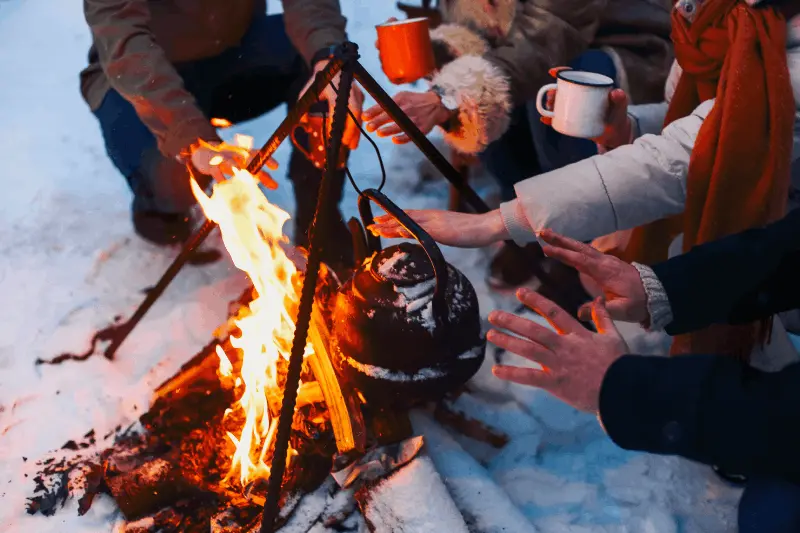
Traveling with a caravan in winter, witnessing the silence of nature, and waking up under a pure white blanket is an invaluable experience. However, the most critical issue to prevent this experience from turning into a nightmare is heating. We have gathered everything you need to know about "Webasto" or generally known as diesel heaters, one of the most debated topics among caravan enthusiasts, in our detailed content.
Why is Heating in a Caravan During Winter Camping the Most Basic Need?
Winter camping requires keeping the inside of the caravan at a livable temperature against the freezing cold outside. Heating is vital not only for comfort but also to prevent the water systems inside the caravan from freezing, to avoid moisture and dampness, and to protect your health. An inadequate heating system can lead to the risk of hypothermia overnight and can cause you to wake up in the morning to find water droplets (condensation) dripping from everywhere in the caravan. Therefore, heating is not an optional part of winter camping; it is a fundamental necessity.
What is a Webasto Diesel Heater and How Does It Work?
Commonly referred to by the public as the "Webasto" brand, these systems are actually dry-type diesel heaters. These devices produce heat by burning diesel fuel taken from the caravan's main fuel tank or an external small tank in a small combustion chamber. Fresh air taken from outside is heated by passing through this hot combustion chamber and is blown into the caravan. The exhaust gas produced as a result of combustion is completely discharged outside the caravan through a closed circuit. This way, the air inside does not consume oxygen and provides safe heating.
Is a Diesel Heater a Mandatory Equipment for Winter Camping in a Caravan?
The concept of necessity can vary depending on the climate conditions of the area where you will camp and the insulation of your caravan. However, in harsh winter conditions where negative temperatures are observed, a diesel heater is considered the most reliable and sustainable solution. While electric heaters require a continuous grid connection (220V), diesel heaters provide an independent power source. If you are only staying in campgrounds, you can manage with electric solutions, but if you want to camp freely in the wild, a diesel heater becomes a necessity.
What Are the Advantages of Webasto Compared to Other Heating Methods?
The biggest advantage of diesel heaters like Webasto is their very high heating efficiency with low fuel and electricity consumption. It is much easier to find fuel compared to LPG systems; you can find diesel at every fuel station. Additionally, since it blows dry air, it helps reduce the humidity in the environment. Its compact design takes up very little space under or inside the caravan. Its ability to quickly heat the environment and maintain the desired temperature with thermostat control are also user-friendly features.
How Do Diesel Heaters Affect the Budget During Winter in Terms of Fuel Consumption?
Diesel heaters typically consume between 0.1 to 0.5 liters of fuel per hour. This amount varies depending on the capacity of the device, the outside temperature, and the inside temperature you set. An average heater running for 8-10 hours on a winter night consumes about 2-3 liters of fuel. Considering the current diesel prices, this cost is generally more economical compared to heating with LPG. In long-term winter uses, the low operating cost quickly amortizes the initial investment cost.
Does Webasto Drain Batteries in Terms of Electricity Consumption?
This is one of the most concerning issues for caravan enthusiasts. Diesel heaters draw a high current of about 8-10 Amper when starting the combustion process (during the glow plug phase). However, once the device reaches the operating temperature, it only consumes a very low amount of electricity, around 1-2 Amper, just to keep the fan running. If you have a sufficiently sized leisure battery (preferably 100Ah or more Gel or LiFePO4) and solar panel support in your caravan, you can run the heater smoothly for days. When the battery voltage drops to a critical level, the system protects itself by shutting down.
Is There a Risk of Carbon Monoxide Poisoning When Using Webasto?
In a properly installed and maintained diesel heater, this risk is almost zero. The combustion chamber is completely sealed, and the exhaust gas is directly expelled outside through a pipe. However, installation errors, a punctured exhaust pipe, or gas accumulating under the caravan can pose dangers. Therefore, it is vital to always have a carbon monoxide detector. Ensuring that the air intake and exhaust outlets of the device are properly directed and spaced apart is the most fundamental rule of safety.
Do Diesel Heaters Operate Very Noisily?
The heater has two main sources of noise: the fuel pump and the combustion fan. The fuel pump makes a rhythmic "tick-tick" sound. If the pump is mounted isolated from the chassis (with rubber mounts), this sound reaches the interior very little. The fan noise depends on the device's setting; at the highest speed, it makes a sound similar to a hairdryer, while it is quite silent in sleep mode. The silencers and insulation of quality brands (Webasto, Eberspacher) are designed to minimize this noise.
Chinese Diesel Heaters (Diesel Heater Are the Units Reliable?
Affordable diesel heaters, known in the market as "Chinese goods," have become very popular in recent years. These devices operate on the same basic principle as Webasto and generally heat successfully. However, they may pose risks in terms of material quality, sensor sensitivity, and after-sales support. To ensure safe use, it is recommended to replace the fuel hoses and clamps inside these devices with high-quality ones. While they may be an option for those with a limited budget, original brands are always superior for safety and longevity.
How Does the Insulation of the Caravan Affect the Choice of Heater?
The better the insulation of your caravan, the less your heater will work and the less fuel it will consume. In a poorly insulated caravan, even a 5 kW heater may struggle, while in a well-insulated (with elastomeric rubber or stone wool) panel van, a 2 kW model will be more than sufficient. Windows are the areas with the highest heat loss, so using thermal curtains or interior insulation foils will directly increase the efficiency of the heater. Heating an uninsulated caravan is like trying to fill an open bucket with water.
Where Should the Heater Be Installed in the Caravan?
Heater units are typically installed under seats, in storage areas under beds, or outdoors (under the chassis) with special protective boxes. The important thing is to position the device so that the warm air output is distributed evenly inside the caravan. If your caravan is large, separate hot air ducts should be drawn to the bathroom and sleeping area via piping (vents). Ensure that the fresh air intake of the device is away from dust and exhaust fumes.
Does Webasto Work at High Altitude (in Mountain Camps)?
Diesel heaters require oxygen for combustion. At altitudes above 1500-2000 meters, the air is thinner, which can disrupt the fuel/air mixture in the combustion chamber, leading to the device becoming clogged and malfunctioning. Modern Webasto models feature an "Alpine Kit" or "Altitude Adjustment" option. This feature reduces the speed of the fuel pump to ensure suitable combustion in thin air. If you frequently go to high-altitude mountains, it is critical that your device has this support.
Is a Blanket and Sleeping Bag Enough if There Is No Heater in the Caravan?
For hobbyist campers accustomed to extreme conditions, a high-quality sleeping bag (comfort rating -10 and below) will keep you alive in sub-zero temperatures. However, caravan living requires a holistic approach. The environment needs to be heated for cooking, dressing, or getting out of bed in the morning. Additionally, the freezing of moisture inside the caravan causes everything to be wet in the morning. Sleeping only in a sleeping bag is an emergency strategy, but it is not a sustainable solution for enjoying a regular winter camp.
How Do Heaters Solve Humidity and Condensation Problems?
When the warm air inside the caravan meets the cold metal/glass surfaces outside, condensation occurs. Diesel heaters ensure that this moisture evaporates by blowing dry and warm air into the environment. However, since the moisture-holding capacity of the heated air increases, the caravan's ventilation vents (hatches) should be left slightly open to allow moisture to escape. Diesel heaters create a circulation of air that heats fresh air and pushes stale and humid air outside, making them the most effective tool for moisture control.
What Is the Difference Between LPG Heaters (like Truma) and Diesel Heaters?
Systems that operate with LPG (gas) like Truma generally heat both the environment and provide hot water (Combi models). These systems are very quiet and provide very clean combustion. However, it can be difficult to find suitable gas filling devices in countries outside of Europe or for long-term stays. While diesel heater fuel can be sourced from anywhere, LPG systems may require carrying spare gas cylinders or searching for filling stations. Additionally, LPG can pose a risk of freezing (propane-butane balance) in extremely cold conditions.
What Should Be Done If Webasto Malfunctions in the Middle of Winter?
Before going on a winter camping trip, the heater should undergo a "check-up." If it malfunctions during the trip, an error code (like F01, F02) usually appears on the screen. The most common issues are a drop in battery voltage or air in the fuel line. Having a backup battery booster and a user manual that teaches how to reset the heater can be lifesaving. If nothing works, it is always a good plan to have a small propane outdoor heater or thick blankets for emergencies.
How to Maintain the Heater and Extend Its Lifespan?
The biggest enemy of diesel heaters is running them for long periods on low settings and not using them at all during the summer months. Continuous operation at low settings causes soot (carbon) buildup in the combustion chamber. Therefore, it is recommended to run the heater at the highest setting for half an hour once a week to burn off the soot. In the summer, running it for 10-15 minutes once a month prevents the fuel from gumming up in the pipes. Annual maintenance should include replacing the fuel filter and cleaning the combustion chamber, which can extend the device's lifespan to over ten years.
How Should the Heater Ducts Be Distributed Inside the Caravan?
The correct placement of hot air ducts prevents "cold spots" inside the caravan. The ideal scenario is to direct one outlet to the bathroom, one to the living area (at foot level), and one to the sleeping area. Since warm air rises, having the vents close to the floor increases efficiency. Additionally, the water tanks and... Passing a hot air duct through areas where the pipes go is a clever method to prevent the plumbing from freezing in winter.
Is Using a Stove (Wood Stove) in a Caravan Logical?
In recent years, small wood stoves have started to be installed in caravans for aesthetic reasons. These stoves provide a wonderful ambiance and dry heat. However, using a wood stove in a caravan requires serious attention. You must constantly feed the wood (your sleep at night may be interrupted), cleaning the ash is laborious, and the chimney connections need to be very well insulated. While a Webasto operates with a button, a stove requires serious effort. Additionally, from a safety perspective (fire and poisoning), it is much riskier compared to diesel heaters.
How Should Capacity (2kW vs 5kW) Be Determined When Choosing a Caravan Heater?
A 2 kW heater is sufficient for most standard panel vans (Ducato, Master, etc.) and is even healthier. Because a 2 kW device operates efficiently at medium-high levels; a 5 kW device heats a small volume very quickly and causes continuous "start-stop" cycles. 5 kW models are generally suitable for large bus caravans or vehicles with weak insulation and large alcoves. The logic of "bigger is better for heating" does not always work for caravan heaters.
How to Prevent the Water System from Freezing in Winter Camping?
Heating only the interior may sometimes not be enough; the gray water tank under the caravan or the pipes outside can freeze. Passing one of the hot air ducts from the Webasto next to the water tanks solves this problem. Additionally, special additives can be added to the water to prevent freezing, or heating pads can be used for the tank. The continuous ambient heat provided by Webasto ensures that all components inside the caravan (water pump, filters) remain at room temperature, preventing plumbing bursts.
Can We Install the Heater Ourselves?
If you have technical skills and the right equipment, it is possible to install by watching videos on the internet. However, it should be noted that this is a combustion system, and critical points such as the fuel line and exhaust outlet do not allow for mistakes. Incorrect installation of the exhaust pipe can allow toxic gases to enter, and a leak in the fuel line can lead to fire. Therefore, especially for warranty coverage and safety, it is strongly recommended that the installation be done by an authorized service.
Is Webasto the Unsung Hero of Winter Camping?
To summarize; if you want to experience a real winter camping experience, not waking up in a frozen caravan in the mornings, and enjoy nature in every season, a diesel heater (Webasto) is more of a necessity than a luxury. With its independence, cost-effectiveness, and the comfort it offers, it elevates your caravan life to a whole new level. With the right device selection, professional installation, and regular maintenance, Webasto will be a reliable friend that provides you with the warmest companionship on your adventures.