Your most important equipment when stepping into nature is the shoes on your feet. However, there is no such thing as the "best" shoe; there is only the "most suitable" shoe for you. Every detail, from your mobility at the campsite to your safety on rocky trails, depends on this choice. In this article, you can read about the deep differences between high-top trekking boots and flexible outdoor shoes, and make a better decision about which situation is more advantageous for you.
Why is the Mechanical Ankle Support Provided by High-Top Boots Important?
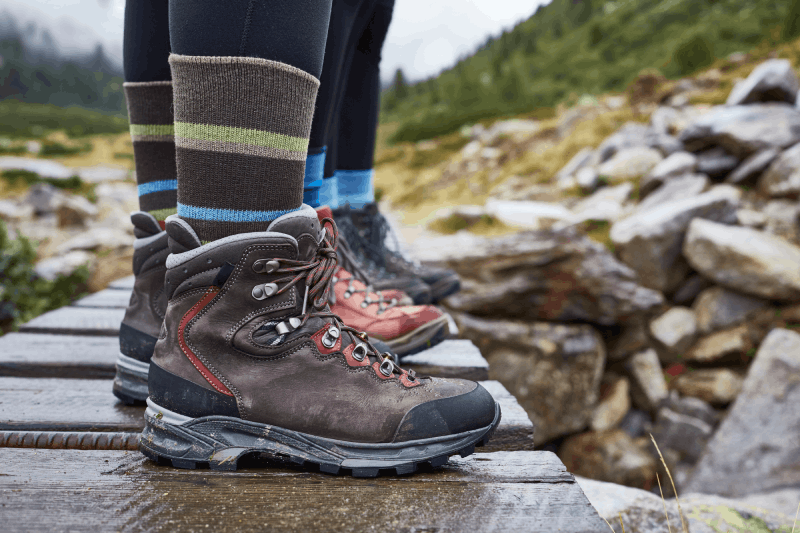
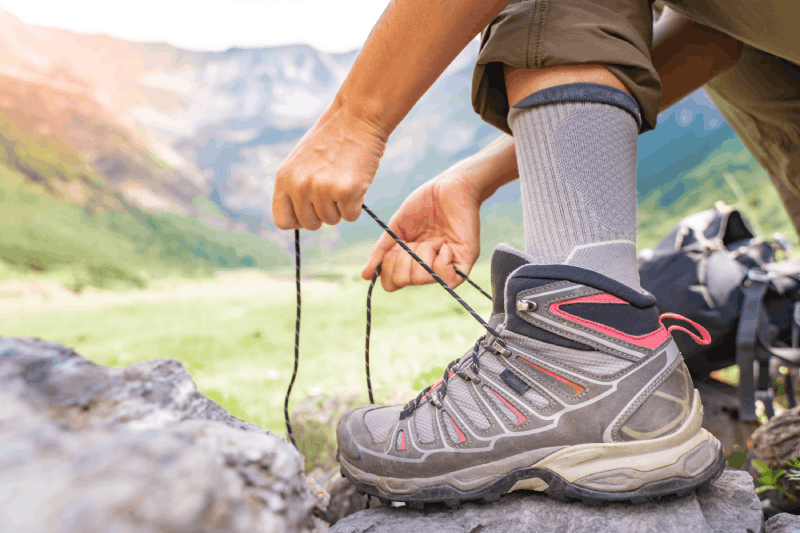
The primary design purpose of high-top trekking boots is to stabilize the ankle against sudden movements from the outside. Especially in rugged terrains, unseen rocks or slippery surfaces can cause ankle sprains. The high collar structure wraps the ankle like a corset, restricting lateral movements. This not only prevents injuries but also provides a sense of mental security on challenging trails. If you are carrying a heavy backpack, the load on your ankles increases as your center of gravity shifts; at this point, high-top boots provide vital support.
How Do Flexible Outdoor Shoes Maximize Freedom of Movement?
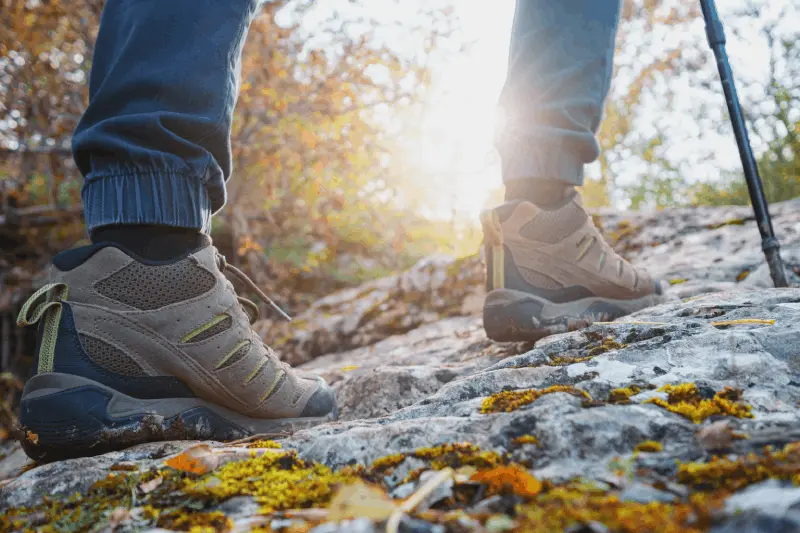
Flexible outdoor shoes are typically designed as "low-cut" shoes, providing the closest experience to the natural movement of the foot. These shoes allow the ankle to move freely, utilizing the full range of motion of the ankle joint. Especially on flat or slightly sloped trails, the flexible sole structure minimizes energy loss while taking steps. This design, which promotes more active use of the foot muscles, increases agility in short hikes while allowing you to feel better contact with the ground.
Which Sole Structure is Safer on Rocky and Variable Surfaces?
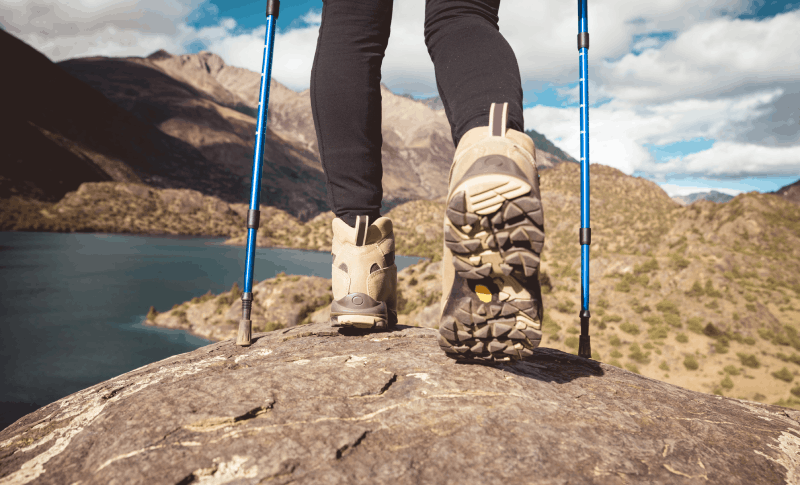
On rocky surfaces, traction and friction are the most critical factors. High-top trekking boots generally have stiffer and deeper lug soles. This stiffness prevents sharp rocks from being felt through the sole, reducing foot fatigue. On the other hand, the soles of flexible outdoor shoes are made from softer rubber compounds. This softness provides better "grip" on slippery rock surfaces but offers less protection against sharp objects. While flexibility is advantageous on short but technical trails, stiff-soled boots cause less fatigue on long and rocky paths.
How Does the Weight of a Backpack Directly Affect Your Shoe Choice?
When choosing shoes, you should consider not only the trail but also the weight on your back. If you are hiking with just a day pack (5-8 kg), a flexible and lightweight outdoor shoe will not tire you out. However, if you are carrying a backpack filled with camping gear, weighing 15 kg or more, the pressure on your ankles increases with each step. High-top boots are designed to balance this extra weight and maintain ankle stability. As the weight increases, the supportive feature of the shoe should take precedence over comfort; otherwise, excessive strain and chronic pain may occur in the ankle ligaments.
Which Model is Better for the Balance of Waterproofing and Breathability?
Weather conditions directly affect shoe performance. High-top boots are generally made from leather or thick synthetic materials, which reduces the likelihood of water penetration and prevents water from entering while crossing deep mud puddles. However, this closed structure may reduce breathability. Flexible outdoor shoes typically have mesh panels. These panels allow sweat to be expelled quickly, which is great for foot health during hot summer hikes. If you are camping in a wet and muddy area, boots are preferable; if you are hiking in dry and warm weather, flexible shoes come to the forefront.
How Do Ankle Anatomy and Past Injuries Shape Your Choice?
Each individual's anatomy and injury history are different. If you have previously experienced a serious ankle sprain or have looseness (laxity) in your ligaments, going into nature with a flexible shoe may be risky. In this case, high-top boots act like a medical support, ensuring your safety. However, if you are an experienced hiker with strong ankle muscles, flexible shoes can help strengthen your foot muscles further, providing natural stability. Knowing your physical limits is the first step in making the right equipment decision.
What Factors Reduce Muscle Fatigue in Long Hikes?
Fatigue is the biggest enemy that leads to distraction in nature and causes missteps. Flexible outdoor shoes are lightweight; according to the rule "every 500 grams on your feet equals 2.5 kilograms on your back," you expend less energy with lighter shoes. However, if the terrain is very rough, wearing a soft-soled shoe requires your foot muscles to constantly balance over every rock, leading to early fatigue. Stiff boots absorb the irregularities of the ground, allowing your muscles to work less. In short hikes, lightness is beneficial, while in long and rugged routes, structural support helps manage fatigue.
Why Does Traction Performance Differ on Wet Forest Floors?
Forest floors are often filled with damp leaves, decaying wood, and hidden layers of mud. On this type of terrain, the wide gaps and deep lug patterns of high-top boots prevent mud from sticking to the sole and provide a "self-cleaning" feature. The lugs of flexible outdoor shoes are generally closer together. While this provides excellent contact on dry ground, it may increase the risk of slipping on muddy surfaces. If your campsite is in a dense forest, choosing a model with deeper lugs is essential for safe traction.
What is the Relationship Between Shoe Weight and Step Efficiency?
Step efficiency is the balance between the energy expended and the distance covered. High-top trekking boots typically weigh between 600-900 grams, while flexible outdoor shoes weigh around 300-450 grams. The energy you expend to lift your foot with each step makes a significant difference on a day when you will take thousands of steps. In short nature hikes, if the terrain is not too dangerous, you can move faster and with less effort in lightweight shoes. However, heavy boots can create a pendulum effect, assisting the forward momentum of the foot, but this is only valid at a certain pace and terrain structure.
Are the Performances of Gore-Tex and Similar Membranes More Efficient in Boots?
Waterproof but breathable membranes (Gore-Tex, eVent, etc.) are used in both boots and low-cut shoes. However, in high-top boots, this membrane covers a larger area, and due to the height of the collar, it is difficult for water to enter from above. In flexible shoes, water can easily seep in from the ankle level, causing the membrane to lose its functionality. If you are camping in rainy weather, the "complete protection" offered by boots is more effective. In flexible shoes, quick-dry properties are often preferred over waterproofing.
Why is Toe and Heel Protection (Rand) a Vital Detail?
While hiking in nature, you may inadvertently bump your foot against rocks or tree roots. Most high-top boots have a rubber protective layer called a "toe cap" that wraps around the shoe. This layer extends the life of the shoe and protects your toes from impacts. In flexible outdoor shoes, these protections are minimal to keep the weight down. If your route has a lot of loose rocks (scree), choosing boots with a more robust toe structure will prevent you from encountering bruised toenails after your hike.
Which Model Should Be Chosen to Protect Foot Health in Hot Weather?
In high temperatures, excessive heating of the feet leads to sweating and consequently blister formation. High-top boots restrict air circulation as they cover the ankle. This causes moisture inside the shoe to become trapped. Flexible outdoor shoes, especially synthetic and mesh models, allow the foot to breathe continuously. Keeping your feet dry during short summer hikes is critical to prevent fungal growth and wounds from friction. If you are in a hot climate and the terrain is not too challenging, choosing a low-cut model with high breathability is the most logical decision.
Which is More Practical for Mobility at the Campsite and Daily Use?
After setting up camp, practicality is paramount for activities like moving around the tent, gathering firewood, or going to a water source. Putting on and taking off high-top boots can be cumbersome due to their long laces. Flexible outdoor shoes can be worn in seconds thanks to quick lacing systems or flexible tongues. They are also more comfortable when sitting around the campfire. Many campers carry lightweight outdoor shoes or sandals for use at the campsite, even if they wear boots for hiking. If you want to handle everything with a single shoe, a flexible model will offer more comfort.
How Do Cushioning Systems and Midsole Materials Determine Comfort?
The midsole of a shoe is the part that absorbs shock from the ground. Trekking boots typically use PU (Polyurethane); this material is durable but does not compress under heavy loads. Flexible outdoor shoes, on the other hand, prefer EVA (Ethylene Vinyl Acetate). EVA is a much softer material that provides a high cushioning feel but can lose its properties over time due to compression. In a short hike, the "walking on clouds" feeling provided by an EVA sole is very appealing. However, in activities that last all day, the stability provided by a PU sole helps you manage foot fatigue better.
How Can Different Lacing Techniques Customize Ankle Support?
One of the biggest advantages of high-top boots is that they allow for different lacing techniques thanks to their lacing hooks. When descending a slope, you can tighten the laces to prevent your foot from sliding forward, while when climbing uphill, you can loosen the upper hooks to increase ankle flexibility. In flexible outdoor shoes, the lacing system is usually standard and allows for very little customization. This control mechanism provided by the laces particularly enhances the ergonomic advantage of boots on variable terrain.
Which Model is a Safer Choice for Beginners in Outdoor Sports?
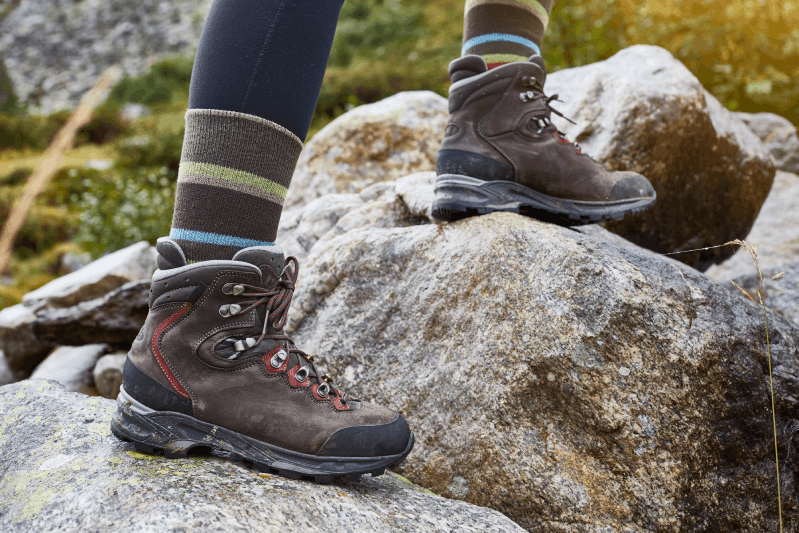
Beginners in outdoor sports often have not fully adapted their ankle and leg muscles to natural conditions. Additionally, their terrain reading skills have not yet developed, making them more likely to misstep. Therefore, for a beginner hiker, high-top boots serve as a protective shield that tolerates the "margin of error." As muscles strengthen and experience increases, a transition to more flexible models can be made. Prioritizing safety prevents motivation for the sport from being broken due to injuries.
Which Investment is More Logical in Terms of Shoe Lifespan and Durability?
From an economic perspective, a quality trekking boot can typically be used for 5 to 10 years, while a flexible outdoor shoe may have a lifespan of 2-3 years (depending on usage frequency). The leather and heavy-duty materials used in boots are much more resistant to external factors. Additionally, many high-end boots can have their soles replaced in professional services (resoling). Flexible models, however, are generally closer to a "use-and-toss" mentality. If you are looking for a long-term investment and will take good care of your shoes, a quality boot may be a more profitable option.
How Does the Fast & Light Trend Change Outdoor Preferences?
In recent years, the "fast and light" trend has become quite popular in the outdoor world. This trend advocates covering more distance with less equipment. In this context, traditional heavy boots are being replaced by "trail running" shoes or very flexible outdoor models. For those following this trend, agility is more valuable than protection. If your goal is not to get bogged down with camping gear but to move quickly in nature, flexible models are much more suitable for this modern philosophy. However, it should be noted that this approach requires a high level of physical fitness.
Which Design is Superior for Insulation in Winter Camping?
The biggest risk in winter camping and hiking is the freezing of the feet. High-top boots are much more successful at trapping heat inside due to their thick walls and insulation layers. They also work excellently with gaiters that prevent snow from entering the boots. Flexible outdoor shoes, due to their thin structures, quickly allow cold air in and are defenseless against snow. If you are planning a winter camp where the thermometer drops below zero, considering a high-top and insulated boot is crucial.
How Should Foot Type and Width Affect Your Choice?
Each brand has different lasts; some offer wide, while others offer narrow (normal) fits. High-top boots are generally made from stiffer materials, so their "break-in" allowances are lower; therefore, a perfect fit is critical. Flexible outdoor shoes are usually made from fabrics or flexible synthetics, making it easier to conform to the shape of your foot. If you have a wide foot, you may find comfort more easily in flexible models. However, in both cases, you should always try the shoes with hiking socks and ensure there is at least one centimeter of space at the tips of your toes.
Which is Suitable for Hybrid Use Between City and Nature?
Many people want to use their shoes not only in nature but also in city life or while traveling. High-top, aggressively designed trekking boots can be both very heavy and overly conspicuous in the city. Flexible outdoor shoes, thanks to their modern designs, can even fit under jeans and provide the comfort of a sports shoe in daily life. If your budget is limited and you are looking for a single shoe that is "suitable for everywhere," a stylish and flexible outdoor shoe will offer you a much wider range of use.
How Can Pressure on the Knees and Toes Be Reduced During Descents?
Descending slopes is the most challenging part of nature hikes. High-top boots prevent the foot from sliding forward in the shoe by stabilizing the ankle, preventing your toes from hitting the front of the shoe and getting injured (blue toenail syndrome). Additionally, the shock from descents is distributed over a wider area thanks to ankle support. In flexible shoes, however, this braking mechanism is weaker; all the pressure is placed on your toes and knees. For hikers with knee problems, boots are always a step ahead due to the stability they provide during descents.
Which Models Are Easier to Manage Odor and Hygiene Issues?
In outdoor activities, keeping your feet enclosed for hours leads to odor and hygiene issues. Flexible outdoor shoes are easier to wash and dry much faster. Additionally, due to air circulation, moisture accumulation is less, which slows down bacterial growth. High-top leather boots can take days to dry and are difficult to clean inside. To maintain hygiene during long-term camps, if you are using boots, you should definitely change your socks every day and ventilate your shoes overnight. In flexible models, this process is much less cumbersome.
Is the "Break-In Period" Really Necessary for Stiff-Soled Boots?
Taking a new trekking boot directly onto a challenging trail is a big mistake. Stiff leather boots need at least a 20-30 kilometer "break-in" period for the shoe to mold to your foot and soften. Otherwise, your first hike may end with waterlogged feet. In flexible outdoor shoes, this period is almost nonexistent; you can go on a long hike right out of the box. If you have a planned camp in the near future and are going to buy new shoes, you should prefer a flexible model to avoid taking risks.
What Type Should Be Preferred for Children and Youth in Their Development Process?
Children in the growth phase should avoid very stiff and restrictive shoes as their foot development continues. Flexible outdoor shoes designed for children support the natural development of foot muscles while providing the necessary traction. However, if going to very rugged and rocky areas, lightweight ankle boots can be chosen specifically for that activity. In general, allowing youth to experience nature with flexible shoes helps develop their "proprioception" (the ability to sense body position), which is more beneficial for long-term foot health and balance ability.
How is Comparison Made in Terms of Ecological Footprint and Sustainability?
Every individual who loves nature should consider the environmental impact of their equipment. As mentioned earlier, high-quality high-top boots last much longer; this means less waste and less consumption. Flexible outdoor shoes generally contain more plastic and synthetic components and tend to end up in the trash more quickly due to their shorter lifespan. Using a boot for 10 years is ecologically more valuable than wearing out 4 pairs of flexible shoes in that time. For a sustainable outdoor lifestyle, it is always more environmentally friendly to focus on durable products with the philosophy of "less but quality."
How Should the Sole Lug Pattern Be Examined for Safety on Slippery Surfaces?
When looking at the shoe sole, the indentations and protrusions (lugs) you see are not just aesthetic. In flexible outdoor shoes, the lugs are generally close together and very directional; this provides excellent agility on hard ground. In high-top boots, the lugs are deeper and wider, especially at the heel, where there is a steep cut known as the "heel brake." This cut is the most important mechanism that prevents slipping while descending slopes. If your route has steep descents and loose surfaces (scree), choosing a boot with a pronounced heel brake is vital for your safety.
How Does the Lining and Insole Selection Increase Comfort?
The softness of the lining inside the shoe and the quality of the insole determine your comfort during long hikes. High-top boots usually come with more advanced, anatomical insoles because these boots are designed for long distances. In flexible outdoor shoes, the insoles are generally simpler. However, in both cases, purchasing an orthopedic insole that suits your foot structure (with arch support, etc.) can double the comfort of your shoes. A good insole can prevent common hiking issues like heel spurs and plantar fasciitis.
What Precautions Should Be Taken Against the Risk of Lacing Material Breaking?
Although it may seem like a small detail, laces ensure the continuity of your hike. The laces of high-top boots are usually made from thick and durable materials resistant to abrasion; they need to withstand high tension to secure the boot's stiff body. In flexible models, the laces are thinner. If a lace breaks in nature, it means losing all support in the boots. It is wise to always carry a spare lace or 550 paracord with you. Additionally, in boots with lacing systems, care should be taken to ensure that the laces do not come loose from the hooks.
Why Are Reflective Details and Visibility Important for Night Hikes?
Sometimes reaching the campsite may extend beyond sunset, or you may want to take a short exploration at night. Most modern flexible outdoor shoes have reflective elements on the heel or side panels. This allows your friends to easily spot you in the light of their headlamps. This feature is rarer in traditional trekking boots. If you enjoy nighttime activities, choosing a model with reflective details or one that can be modified with such accessories provides a small but effective advantage in terms of group communication and safety.
What are the Ideal Selection Combinations for Different Geographies?
Ultimately, which shoe is more suitable depends entirely on "where you are going." In the warm and relatively flat trails of the Aegean or Mediterranean, flexible outdoor shoes are a must. However, in the steep, wet, and muddy plateaus of the Black Sea or the rocky peaks of Alpine regions, high-top boots are a necessity. For an ideal nature enthusiast, the best option is to have both choices and decide based on the conditions of the area to be visited. However, if only one choice is to be made, considering Turkey's generally mountainous and variable structure, mid-cut hybrid models stand out as the most balanced solution.
How Do Maintenance and Cleaning Processes Change According to Shoe Type?
The maintenance you perform on your shoes after returning from nature determines their lifespan. High-top leather boots should be regularly brushed and nourished with special creams to prevent the leather from cracking. Additionally, periodic application of waterproofing sprays is necessary to maintain waterproofing. Flexible outdoor shoes, being synthetic, only need to be cleaned with warm water and soap. While boots require more tedious maintenance, the effort pays off with years of loyalty. Flexible models offer "wash and go" convenience.
What are the Five Essential Questions to Consider When Making the Final Decision on Shoe Selection?
After this long analysis, you should ask yourself these five questions during the purchasing phase: 1. How much will my backpack weigh? 2. How technical and rocky is the terrain? 3. What is the weather temperature and moisture condition? 4. How strong are my ankle muscles? 5. How often and for how long will I use this shoe? The honest answers to these questions will lead you to the right model you need. Remember, the most expensive shoe in nature is not the best; the one that fits your foot best and gets you to your destination safely is the best.
Does a Boot That Fits Tightly Around the Ankle Really Prevent Sprains?
Ankle sprains are among the most feared injuries in nature hikes. High-top trekking boots provide stabilization by wrapping the ankle like a corset due to their anatomical structure. Especially in rugged, scree, and steep terrains, they restrict unwanted movements of your foot. However, this comes at a cost; stabilizing the ankle reduces your range of motion somewhat. If your ankle ligaments have been injured before or you are hiking with a heavy backpack (15 kg or more), high-top boots are not just a preference but a safety insurance for you. Flexible shoes may leave you defenseless in this regard, as they allow the ankle to move freely, expecting the muscles to balance themselves; this poses a significant risk when fatigued.
Do Flexible Shoes Feel the Impacts from Rocky Surfaces More?
Light and flexible outdoor shoes are generally designed for "trail running" or light hiking. The soles of these models may contain soft EVA foams. While they feel very comfortable in the short term, during an hour-long hike, the pressure from each sharp rock can trigger what we call "foot fatigue." Trekking boots, on the other hand, are generally supported by stiff polyurethane (PU) midsoles and stiff plastic shanks. This allows you to walk on a platform rather than directly on the rocks. If your hiking trail consists of sharp volcanic rocks or stabilized paths, flexible shoes will lead to a burning sensation and throbbing in your foot after a while. Therefore, as the terrain becomes harder, the protective quality of the boot becomes vital.
Do Heavy Boots Cause Knee Pain After the Second Hour of Hiking?
Weight is the biggest enemy in outdoor sports. There is an old adage that states, "every 500 grams on your feet equals 2.5 kilograms on your back." High-top boots, due to their sturdiness, can often weigh between 1.5 - 2 kilograms. If your leg muscles are not accustomed to this weight, the load on your knees increases with each step, making knee pain (patellofemoral pain) inevitable, especially during descents. Flexible and lightweight shoes allow you to use your energy more efficiently. However, there is a balance here: for someone with a heavy backpack, the stability provided by the boot protects the knees, while for a hiker with a lightweight daily pack, the weight of the boot is an unnecessary joint burden. You should analyze your own condition and the weight you will be carrying accurately.
Does Moisture Left Inside Outdoor Shoes Lead to Fungal Growth?
In nature, wet feet not only cause discomfort but also pose a serious health risk. Flexible outdoor shoes are generally low-cut, making it easy for water to enter even when crossing a shallow stream. If your shoes do not have a membrane like Gore-Tex, once water enters, it gets trapped inside, leading to "pruney" feet. Prolonged moisture, combined with friction, weakens the skin layer and prepares the ground for fungal infections, followed by deep blisters. Boots, with their high collars and waterproof gaiter compatibility, minimize this risk. Wearing boots on a wet trail keeps your feet dry and in a sterile environment, reducing the risk of infection.
Do Small Stones That Get Inside High-Top Boots Turn Hiking into Torture?
One of the biggest disadvantages of low-cut and flexible shoes is that their open ankle section allows small stones, sand, or dirt to easily enter. Having to take off your shoes every 20 minutes to shake them out can slow down the group's pace and tire you out psychologically. Boots, due to their ankle-hugging design, largely prevent these intrusions. However, if you are wearing boots and a stone gets inside, you will have to completely unlace the boots to remove it, which is much more cumbersome. Professional hikers solve this problem by using gaiters. If you are going to make a steep descent, the high collars of the boots will provide an impenetrable fortress against sand and stones.
Do Lightweight Hiking Shoes Lose Traction on Muddy and Slippery Slopes?
Traction is related to the depth of the lugs on the shoe's sole. Flexible outdoor shoes generally have shallower lugs because they are designed to provide comfort on asphalt or flat surfaces. However, on a steep and muddy slope, these shallow lugs can fill with mud, creating a "skating" effect. The soles of trekking boots (like Vibram) are typically equipped with lugs that are 5mm deep or more, designed to self-clean. To ensure a safe descent, you need to "dig in" to the ground. If you are going to hike on a slippery forest floor after rain, you will expend much more energy to maintain your balance in flexible shoes, which can lead to muscle cramps.
What Are the Extra Maintenance Costs to Preserve the Waterproofing of Boots?
Buying a boot is just the initial cost. Leather or nubuck boots require periodic maintenance to maintain their breathability and water repellency. Special cleaning gels, water-repellent sprays, and leather nourishing waxes (beeswax) create significant additional costs in today's conditions. If you neglect your boots, the leather will dry out, crack, and start to leak; this means the high amount you paid will go to waste. On the other hand, flexible and synthetic outdoor shoes are generally closer to a "wash and go" mentality. Maintenance costs are lower, but their lifespans are also much shorter compared to boots. With proper care, a boot can last 10 years, while a flexible shoe may need to be replaced every 2-3 years with heavy use.
Do High-Top Boots Cause Foot Odor and Blister Problems in Hot Summer Days?
In July heat, if you are hiking below 2500 meters, boots can become a furnace. No matter how "breathable" they claim to be, high-top and thick leather constructions are ineffective at dissipating heat. Excessive sweating of your feet leads to wet socks and blister formation between your toes. This can turn the last hours of your hike into agony. Flexible outdoor shoes, especially those with mesh panels, ensure excellent air circulation. In short nature hikes during summer, flexible shoes are a much more hygienic option to reduce the risk of bacterial growth and unpleasant odors. Seasonal heat is the most critical parameter in shoe selection for foot health.
Is It Logical to Prefer Flexible Shoes Instead of Bulky Boots in Luggage?
Boots can be a logistical nightmare, creating significant issues during air travel or in vehicles with limited luggage capacity. A trekking boot can take up nearly a third of a backpack. Therefore, many travelers wear their boots on the plane to solve this problem, but this can lead to uncomfortable journeys with swollen feet on long flights. Flexible outdoor shoes, due to their lightweight nature, can fit into the side pocket of a backpack or be clipped outside with a carabiner. If your route is not too challenging and your travels include city tours, flexible shoes that serve both purposes will be a lifesaver logistically. Boots, on the other hand, are only "task-oriented" and carrying them in daily life is a burden.
How Many Kilometers Should I Hike to "Break In" a New Boot, Will My Feet Get Hurt?
If you take a trekking boot straight out of the box and go on a 20-kilometer hike the next day, we can guarantee that your feet will be sore. Boots need a "break-in" period due to their stiff structures. This period typically ranges from 30 to 50 kilometers, depending on the boot's stiffness. During this time, the leather of the boot softens and conforms to your foot anatomy. Flexible outdoor shoes, on the other hand, are generally comfortable from the first wear; they have no "break-in" period. If you have very little time before your activity and are going to buy new shoes, you should definitely avoid boots. If you are going to buy boots, you should do so at least a month before the event and make sure to break them in at home with short hikes. Otherwise, you may find yourself hiking with bandaged feet on the second day of your camp.
Can Tears in Flexible Shoes Be Repaired or Are They Just Trash?
The pursuit of lightweight often means thinning the material. The synthetic fabrics and thin meshes used in flexible shoes can easily tear when snagged on sharp rock edges or thorns. Repairing such tears is very difficult both aesthetically and functionally; patches usually do not hold, and the waterproofing of the shoe is compromised. Trekking boots, however, are generally made from single-piece thick leather or durable materials, making them much more resistant. In the worst-case scenario, a cobbler can stitch them up or perform professional repairs. If you are worried about "getting stranded," the mechanical durability of the boot provides you with great peace of mind. Flexible shoes, due to their delicate structures, can sometimes feel disposable in the wild.
Is It Practical to Take Off and Put On Boots While Sitting by the Campfire?
Camping life requires you to constantly go in and out of the tent and get up at night for bathroom needs. Putting on and taking off high-top boots can be a hassle due to their long laces. Wearing boots halfway while getting out of the tent at night can also harm your ankles. Flexible outdoor shoes, on the other hand, usually have "quick lacing" systems or are easy to put on and take off due to their low ankle height. Many experienced campers carry lightweight slippers or flexible shoes for use at the campsite, even if they wear boots for hiking. If you are going to manage with just one pair of shoes and your camping duration is long, the bulkiness of the boots will start to irritate you after a while.
Can Wet Leather Boots Dry Overnight, Will Wearing Damp Boots Make Me Sick?
One of the biggest mistakes in nature is putting wet boots near the fire to dry them. When leather boots are exposed to heat, they can crack, harden, and the adhesives in the sole can loosen; this means your boots become unusable. Natural drying of leather boots (at room temperature, with newspaper inside) can sometimes take 2-3 days. This means you will be wearing wet and cold boots on the second day of your camp. Wearing damp boots can quickly cool your feet and lead to a sensation of freezing that triggers hypothermia. Flexible synthetic shoes, on the other hand, drain water much faster and can dry within a few hours in windy weather. If you are going to a very rainy area and do not have spare shoes, the quick-drying advantage of synthetic models may become more valuable than the protective qualities of boots.
Is the Toe Protection in Flexible Shoes Sufficient Against Impacts on Rocky Trails?
When hiking, if you are tired and cannot lift your foot completely, the likelihood of hitting your toes against a hard rock is very high. This can lead to painful bleeding known as "black toenail" or even a broken toe. Trekking boots usually have a hard rubber "toe cap" at the front, providing a protective layer that is not as hard as a steel toe but still offers significant protection. Even if you hit a rock, you may not feel it. In flexible outdoor shoes, however, this protection is generally softer and thinner. In the event of a serious impact, the likelihood of your toes getting injured is higher. If your route includes steep climbs and rocky sections, you will be grateful for the protective structure of the boots.
Can Stiff-Soled Boots Cause Lower Back Pain on Asphalt and Flat Surfaces?
Trekking boots are designed for soft or uneven terrains in nature. Walking for long periods on asphalt or hard concrete with these boots disrupts the body's natural shock absorption mechanism. A stiff sole transmits all the shock from the impact directly to your knees and then to your lower back. If a significant portion of your route consists of village roads or flat tractor paths, high-top stiff boots can cause sharp pains like lower back pain. Flexible shoes are much more forgiving in this regard; they provide comfort similar to that of sports shoes on asphalt. Predicting how much of your hiking route will be "truly wild nature" is a critical decision for your back health.
Do Cheap Outdoor Shoes Lead to Long-Term Orthopedic Issues and Flat Feet?
There are many cheap shoes on the market that look "outdoor" but lack technical features. The arch support in these models is often weak. Prolonged use can trigger flat feet and chronic pain like plantar fasciitis due to overpronation. A quality trekking boot has advanced insole technologies that support your foot from the inside as well as the outside. If you have an orthopedic condition like flat feet or high arches, skimping on shoes can lead to physical therapy costs in the future. The structural support provided by the boot not only ensures your comfort for that day but also protects your foot health for the future.
Is There a Way to Prevent Water from Seeping Inside the Boot from the Ankle in Rainy Weather?
Even if your boot has the best waterproof membrane in the world, water seeping in from your pants or stepping into a deep puddle can ruin everything. Even though boots are high, they cannot completely prevent this seepage. The solution is to use gaiters with the boots. Gaiters completely cover the boot's opening, preventing water and snow from entering from above. It is much more difficult to use gaiters with flexible shoes, and they generally do not provide full protection. If you are going to hike on snowy ground or under heavy rain, the combination of boots and gaiters is the only option that can keep you dry. Your choice of shoes will also directly determine the gear you will use.
Do Outdoor Models That Transition from Running Shoes Get Compressed Under the Weight of a Backpack?
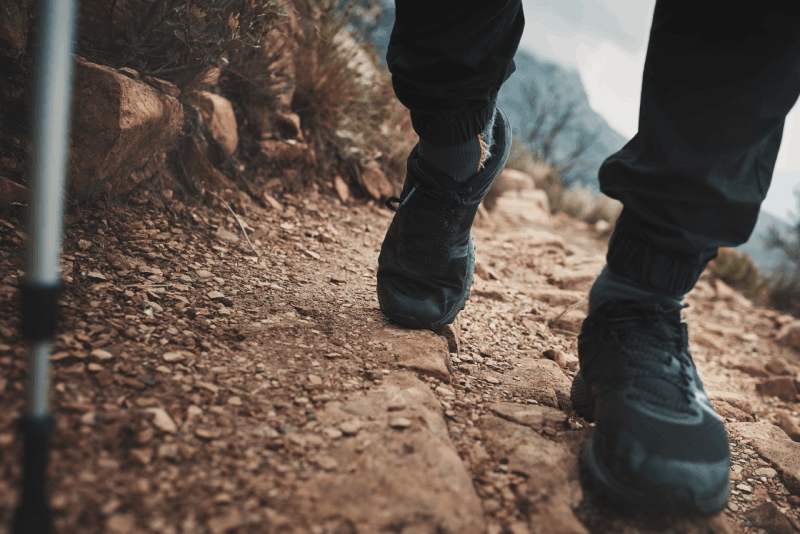
In recent years, with the "fast and light" trend, trail running shoes have started to dominate the outdoor world. However, these shoes are designed to perform only when there is just the human body on them (or a light vest). If you carry a 20-kilogram camping backpack, the soft midsoles of these shoes will be excessively compressed and lose their cushioning properties. This leads to feeling the ground directly with every step and excessive load on your joints. Boots, on the other hand, are designed with stiff midsoles suitable for high load-bearing capacities. Heavy loads allow the boot to flex ideally; in other words, the boot works better under load.
Is There a Size Difference Between Different Brands, Is It Risky to Buy Online?
The outdoor shoe industry unfortunately lacks a standard sizing understanding. Italian brands (La Sportiva, Scarpa) typically have narrow and technical fits, while American or German brands (Lowa, Meindl, Merrell) are wider and comfort-oriented. The general rule of "buying one size larger" is accepted because, during descents, your foot slides forward and your toes should not be crushed. However, in flexible shoes, this can lead to excessive movement of your foot inside and cause blisters. Buying shoes online without trying them on is a risky mistake. You should definitely test the shoes in an outdoor store with hiking socks and on a sloped surface. The most expensive boot in the world is the worst if it does not fit your foot.
Can the Soles of Boots Be Replaced When They Wear Out, or Should I Buy a New Pair?
One of the biggest advantages of high-end trekking boots is that they are suitable for "resoling" or sole replacement. If the leather of your boot is still intact but the sole has worn out, it can be completely renewed at professional services. This is both an environmentally friendly approach and reduces costs. Flexible outdoor shoes are usually bonded to the body using injection methods, and once the sole wears out, the shoe becomes trash. A boot is a long-term investment; a flexible shoe is more of a consumable. If you only go hiking once a year, flexible shoes are logical; however, if this is a lifestyle, a quality boot with a replaceable sole can serve you for a lifetime.
Is the Weight of the Boot a Hindrance on Routes You Will Reach at Night?
Night hikes are times when visibility decreases and attention is distracted. When tired, every step feels heavier. The weight of the boot can cause your legs to rise less from the ground and lead to tripping over roots or rocks. Flexible shoes allow you to be more "agile" and transmit reflexes faster. However, if you step on a surface that is not clearly defined in the dark, the security provided by the boot can save you from injury. Here, the choice is personal: if you trust your balance and leg strength, go for flexible models; if you think, "I am tired, I might make a mistake," the protective qualities of the boot will save you.
Should I Only Bring Boots to Campsites Where I Go by Caravan?
Caravan camping is generally more static. You will not be in a constant hiking situation. At this point, only bringing boots would be a big mistake. Boots are muddy and dirty, making them the biggest enemy of entering the caravan. Additionally, you wouldn't want to struggle with constantly lacing up boots inside the caravan. A flexible outdoor shoe or a quality camp slipper is much more suitable for caravan life. You should only keep your boots for times when you step out of the caravan to go to the summit or into the forest. Therefore, logistically, having both options (or boots + slippers) is the most professional content strategy.