What is a Monoblock?
The fiberglass monoblock body structure means that the outer shell of the caravan is produced in a single mold, usually using Glass Fiber Reinforced Plastic (GFRP). In this production technique, the roof, side walls, front and rear parts are cast as a single piece. Since it is not a modular structure, there are no joints, screw holes, or connection points in the body of the caravan. This situation enhances structural integrity to the highest level while allowing the caravan to behave like a completely isolated capsule from the outside world. Especially premium and upper mid-segment caravan manufacturers prefer this method with the promise of durability and longevity. Although the production process is quite labor-intensive and costly, the resulting product's waterproof performance is unmatched.
What is the Structure of a Panel?
Caravans with aluminum panels are generally constructed using "sandwich panel" technology. In this structure, there is a thin aluminum layer on the outside, insulation material (XPS or EPS foam) in the middle, and a panel with a wooden or plastic base on the inside. These panels are produced in large sheets in the factory and mounted onto the skeleton of the caravan. The roof, walls, and floor are separate pieces, and these pieces are joined together using special adhesives, screws, and insulation mastics (silicone/mastic). This method provides significant advantages in terms of production speed and cost. Additionally, the lightness of aluminum makes it an ideal option for vehicles with limited towing capacity by reducing the total weight of the caravan. However, the multitude of connection points requires careful maintenance in the long run.
What is the Difference in Waterproofing?
Waterproofing is the biggest fear of caravan users. Since fiberglass monoblock caravans do not have any joints by nature, they provide nearly 100% protection against water leakage. The weakest point of a caravan is the corners where the roof meets the side walls; in a monoblock structure, there is no joint in this corner. In aluminum panel caravans, however, the body can flex over time, which may cause the mastic (silicone) at the connection points to crack. When the mastic cracks, water can seep in between the panels, damaging the internal skeleton and insulation. Therefore, in terms of waterproofing, monoblock structures are clearly superior. If you enjoy camping in rainy areas and do not want to carry the worry of "will it leak?" for years, monoblock technology will be a much safer harbor for you.
Are Joints Dangerous?
In aluminum panel caravans, joints are areas that allow the caravan to breathe but also constitute the biggest risk factor. While the caravan is in motion, the flexing of the chassis, wind resistance, and road vibrations cause the body to move at a microscopic level continuously. This movement can strain the screws and insulation materials that connect the panels together. The deterioration of insulation at the joints can create microscopic cracks that are not visible to the eye. Moisture seeping through these cracks can eventually rot the wooden structures inside the panel. In a monoblock caravan, however, there is no such risk because the body moves as a single unit. A structure without joints does not leave a physical opening for water to seep through, thus significantly extending its structural lifespan.
Which Has Higher Impact Resistance?
When it comes to durability, impact resistance comes to the forefront. Fiberglass (GFRP) is a much more flexible material compared to aluminum. In light impacts (such as branches hitting or small stone chips), fiberglass can flex and return to its original shape. However, aluminum panels, being a much softer metal, can leave a permanent dent (bruise) even with the slightest impact. These dents on aluminum are aesthetically difficult and costly to repair. Fiberglass, on the other hand, maintains its shape as long as it does not receive a very hard impact. If it does receive a hard impact, it may crack, but even this crack can be repaired locally. In aluminum, however, the damaged panel may need to be completely replaced. Therefore, if you plan to travel off-road or on rough roads, the impact absorption capacity of fiberglass will be more satisfying for you.
Does Hail Damage?
The nightmare of caravan owners, hail can cause different outcomes depending on the body material. Aluminum panel caravans are extremely sensitive to hail. Large hailstones can leave hundreds of small dents on the aluminum surface, creating a "golf ball" appearance. This significantly reduces the second-hand value of the caravan and makes repairs nearly impossible. Fiberglass monoblock caravans, however, can absorb the energy of hail. Thanks to the gelcoat layer, the surface is quite hard, and hailstones usually bounce off without leaving any marks. Although surface cracks may occur on fiberglass in extreme weather conditions, this does not cause the caravan to leak. For safety and long-term aesthetic appearance, fiberglass has an undeniable superiority in hail resistance.
Are Repair Processes Difficult?
Repairability at the time of damage is a significant criterion. Many people think that aluminum is easier to repair because it is metal, but the reality is quite the opposite. When an aluminum panel is punctured or severely dented, the structure of the panel is compromised, and usually, the entire panel needs to be removed and replaced. This can lead to the disruption of the caravan's factory waterproof settings. In fiberglass monoblock caravans, however, a "patch" method can be applied. After the damaged area is sanded and filled with new fiberglass and resin, applying gelcoat and polishing it makes the damage point completely invisible. This works on the same principle as boat repairs. This method allows for local repairs without compromising the overall structure of the caravan. This situation provides the user with great flexibility in terms of both time and cost.
Is Thermal Insulation Variable?
Thermal insulation depends more on the filling material inside the panel than on the material itself. However, since aluminum is a metal conductor, the risk of creating a "thermal bridge" is higher. In summer, the aluminum surface heats up quickly under the sun and tends to transfer this heat inside. In winter, it quickly transmits the outside cold into the interior. Fiberglass, being a composite material, is a natural insulator and has much lower thermal conductivity compared to aluminum. In monoblock caravans, the wall thickness is generally more homogeneous, and cold ingress from joints is not an issue. This particularly facilitates the preservation of the caravan's internal warmth during winter camps and reduces energy consumption. Regarding thermal insulation, monoblock structures provide a more comfortable environment due to both material properties and airtightness.
How is Sound Insulation?
The peace inside the caravan depends on how well you are protected from the noise outside. Aluminum, due to its metallic structure, is a material that reflects and transmits sound. When it rains, an aluminum-roofed caravan creates a "drum effect"; the sound of each drop echoes inside. In fiberglass monoblock caravans, however, the material density and single-piece construction are much more successful in sound dampening. The sound of outside wind or traffic noise is better blocked by the fiberglass body. The sound of rain is heard in a deeper and more muffled tone in monoblock caravans, providing the user with a higher quality sleep and relaxation experience. If you are a camper sensitive to noise, the silence provided by the monoblock structure may be a decisive factor for you.
How is Weight Performance?
In terms of weight, aluminum panel caravans are generally more advantageous. Thin aluminum sheets and lightweight sandwich panels keep the total weight of the caravan low. This is especially crucial for caravans under 750 kg (O1 certified) that can be used with a Class B driving license. Fiberglass monoblock caravans, however, are generally heavier due to the amount of resin and glass fiber used in production. The single-piece body that comes out of the mold must have a certain thickness for structural integrity. However, thanks to the developing production techniques (such as vacuum infusion) in recent years, the weight of monoblock caravans has also been brought to reasonable levels. Still, if you are looking for a very lightweight caravan, aluminum panels may offer you broader options, but keep in mind that this lightness means sacrificing some durability.
Is There a Risk of Corrosion?
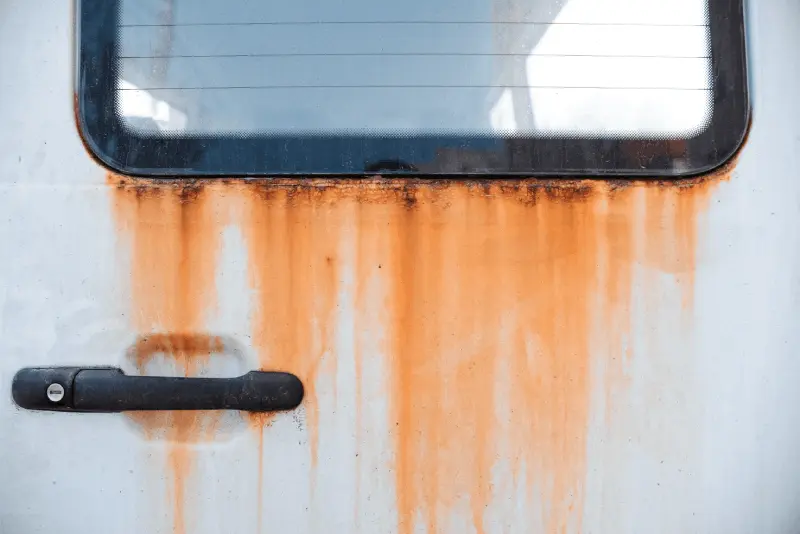
The biggest enemy of metal materials is corrosion. Although aluminum is known to be rust-resistant, it can be exposed to what we call "aluminum corrosion" or "white rust" in humid and salty environments. Especially if you are camping by the sea, aluminum panels may lose their shine over time or develop blisters under the paint. Fiberglass, being completely inorganic and polymer-based, never corrodes, does not rot, and is rust-resistant. Saltwater or excessive humidity has no destructive effect on fiberglass. Therefore, for those living in coastal areas or planning extensive sea travels, monoblock caravans are a much more sensible investment. The chemical stability of the material ensures that the caravan retains its original form for decades.
Does Sunlight Damage?
UV rays from the sun will affect both materials over time. If the paint on aluminum panels is of poor quality, it may fade or blister over time. The gelcoat layer on the exterior surface of fiberglass caravans is quite resistant to UV rays, but if it remains unprotected under the sun for too long, it may yellow or lose its shine. However, the advantage of fiberglass is that this dullness can easily be remedied with polishing processes. In the case of paint fading on aluminum, the entire surface may need to be repainted. The high-quality gelcoats used in monoblock caravans create a thicker and more durable protective shield than automotive paints. When regular maintenance is performed, the fiberglass surface retains its "new" appearance much longer than aluminum.
Does Resale Value Change?
When buying a caravan, it is essential to consider not only the usage process but also the resale process. Fiberglass monoblock caravans are among the vehicles that best retain their value in the second-hand market due to their waterproof guarantee and structural integrity. Buyers are willing to pay higher prices knowing that a 10-15 year old monoblock caravan is still waterproof. In aluminum panel caravans, however, the risk of "water absorption" increases as they age, which can lead to a faster depreciation in second-hand value. This situation poses a handicap, especially in caravans with unknown brands or weakly constructed panels. Therefore, the extra amount you pay when buying a monoblock caravan is actually a capital protection that will return to you when you sell the caravan. Monoblock structures, which are durable and reliable brands, are always a step ahead in terms of investment value.
What Are the Production Errors?
In both technologies, production quality is essential. The most common error in aluminum panel production is the weakness of the adhesive used during the pressing of the panels, leading to "delamination" (separation of layers) over time. In this case, the outer aluminum surface separates from the insulation and bulges outward, making repair nearly impossible. In monoblock production, the risk is the presence of air bubbles inside the mold. It is important. If the workmanship is weak, small bubbles known as "osmosis" can form on the fiberglass surface. However, both types of errors have been minimized in corporate and experienced manufacturers. Still, the monoblock structure contains significantly fewer "error points" than the modular structure, resulting in lower overall production risks. When making a decision, you should definitely examine the manufacturer's technological infrastructure and references.
Does Aerodynamic Difference Affect Fuel?
Aerodynamics is a critical issue for fuel economy and safety. Since aluminum panels are flat sheets, they often result in designs that are more angular and in a "box" form. These sharp angles increase wind resistance and raise fuel consumption. In fiberglass monoblock production, however, molds are used, allowing for any desired curved and fluid form. Monoblock caravans typically have rounded, aerodynamic designs that cut through the wind. This structure not only provides fuel savings but also enhances driving safety by preventing the caravan from swaying (rolling) at high speeds. Towing an aerodynamic monoblock caravan in windy conditions or on highways is much more comfortable and less tiring compared to a boxy panel caravan.
Will There Be Indoor Humidity?
Humidity is related not only to water seeping from the outside but also to the condensation of moisture inside. In aluminum panel caravans, thermal bridges form at the points where the metal frame meets the insulation. At these cold points, the warm air inside condenses into water droplets, leading to humidity inside the cabinets. In fiberglass monoblock structures, the risk of thermal bridges is minimal because no metal skeleton is used (usually polyurethane or composite reinforcements are used). Additionally, the single-piece structure prevents outside moisture from filtering in through joints. This situation ensures a drier and healthier air inside the caravan. For users with health issues like asthma or allergies, the hygienic and dry environment provided by the monoblock caravan is a significant advantage.
Which Has a Lower Risk of Mold?
Mold grows in places where moisture and organic materials (especially wood) are present. In older aluminum panel caravans, the internal skeleton of the panel is usually made of wooden slats. A tiny amount of water seeping from the outside moistens this wood and initiates a large, invisible mold colony inside the panel. This situation causes both unpleasant odors and structural deterioration of the caravan. In most modern monoblock caravans, no wood is used inside the body; composite materials are preferred for reinforcement. Since fiberglass and polymer fillings do not absorb water, they do not create a surface where mold can hold. Therefore, monoblock caravans are much more resistant to the "old caravan smell" that we refer to as humidity and mold odors in the long term.
Is Flexibility Important?
Caravans are not static homes; they are vehicles that are constantly in motion. The body on the chassis continuously flexes over bumps and turns on the road. In aluminum panel caravans, this flexibility can cause the screws holding the panels together to loosen over time and the holes to widen. This leads to structural looseness. Fiberglass monoblock bodies, however, have a specific flexibility modulus. Being a single piece, it distributes all energy across itself and cannot experience structural separation. This "single body" condition ensures that the caravan maintains its initial tightness even after many years. Problems caused by flexing, such as doors and windows not closing properly, are almost never seen in monoblock caravans. This structural flexibility, which underlies durability, also positively affects driving comfort.
What Is the Long-Term Cost?
When buying a caravan, one should not only look at the purchase price but also consider the 10-year operating cost. To maintain the watertightness of an aluminum panel caravan, the mastics at the joints need to be checked and replaced if necessary every 2-3 years. This is a maintenance cost. Additionally, potential hail damage or panel replacement can be very costly. Fiberglass monoblock caravans, on the other hand, are almost "maintenance-free" vehicles. Since there are no joints, there is no worry about renewing mastics. Small scratches or cracks can be repaired locally at a low cost. Therefore, even if you pay more for a monoblock caravan initially, you save on maintenance costs over the years and can sell your caravan for a higher price. In the long run, monoblock structures are always more economical.
Which Type of Caravan Should Be Chosen?
Ultimately, the choice will depend on your budget and usage habits. If you have a limited budget, very narrow weight limits, and plan to meticulously check and maintain your caravan every year, an aluminum panel model may make you happy. However, if you say, "watertightness is my number one priority," "I don't want my caravan to be damaged in hail," "I don't want to deal with maintenance issues for many years," and "I want my investment to retain its value," you should definitely prefer fiberglass monoblock technology. The monoblock caravan is not just a shelter; it is also the greatest assurance of a peaceful and hassle-free camping life. In the caravan world, the rule that "cheap is always expensive" applies strictly to watertightness; therefore, if you can stretch your budget, we recommend not to miss out on monoblock.