Why is Meal Planning Essential for Solo Camping?
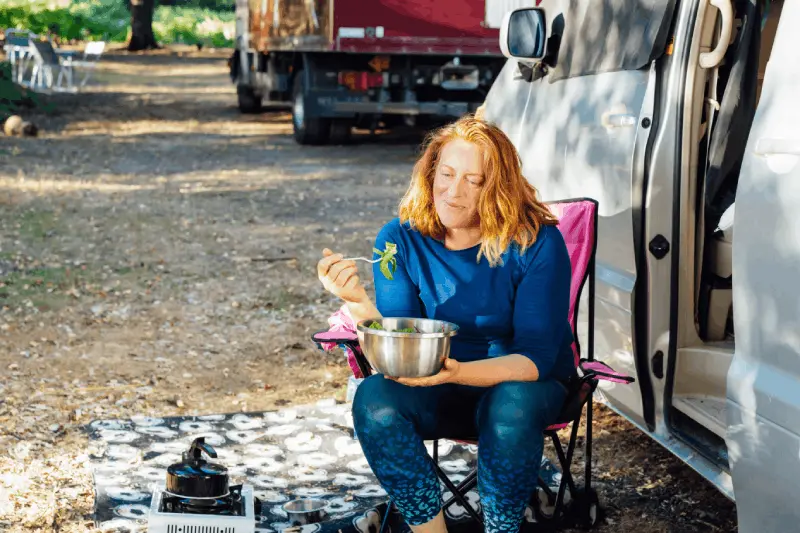
When camping alone, you carry all the gear on your own and make all the decisions. Meal planning not only satisfies your hunger but also keeps your morale and energy high. A poorly planned menu can lead to unnecessary weight in your backpack, wasted fuel, and inadequate nutrition by the end of the day. Controlling portions in a single-person menu helps prevent food waste and minimizes the pile of dishes. With the right strategy, you can enhance the quality of the time you spend in nature.
How to Choose a Single Burner Stove Set?
For solo campers, lightness and efficiency are paramount. A small titanium stove or integrated pot systems (like Jetboil) allow you to boil water in seconds. A pot with a capacity of 500-750 ml is usually sufficient in a single-person set. Opting for models with low fuel consumption and durability against wind provides a significant advantage for long-term camping. Additionally, having your stove fit into the pot helps save space in your backpack. Choosing the right stove turns the cooking process from a chore into a pleasure.
Are Freeze-Dried Foods Really Delicious?
Freeze-dry technology preserves the taste, texture, and nutritional value of food by about 90%. For solo campers, these packages offer a "home-cooked" meal in just a few minutes by simply adding hot water. This practicality is invaluable, especially when you're tired or in challenging weather conditions. However, the taste quality varies by brand. It's important to try them at home before you go and choose those that suit your palate. They take up almost no space in your backpack due to their lightness.
How to Prepare Morning Coffee in the Most Practical Way?
The best part of waking up in nature is the smell of freshly brewed coffee. Solo campers should consider "pour-over" devices or single-use coffee bags as the most logical options. French press pots can be heavy, so using coffee filter papers or practical drip makers reduces weight. Bringing ground coffee instead of whole beans saves time. A quality coffee not only meets your caffeine needs but also ensures a fresh and happy start to your day.
How Can We Turn Oatmeal into a Gourmet Breakfast?
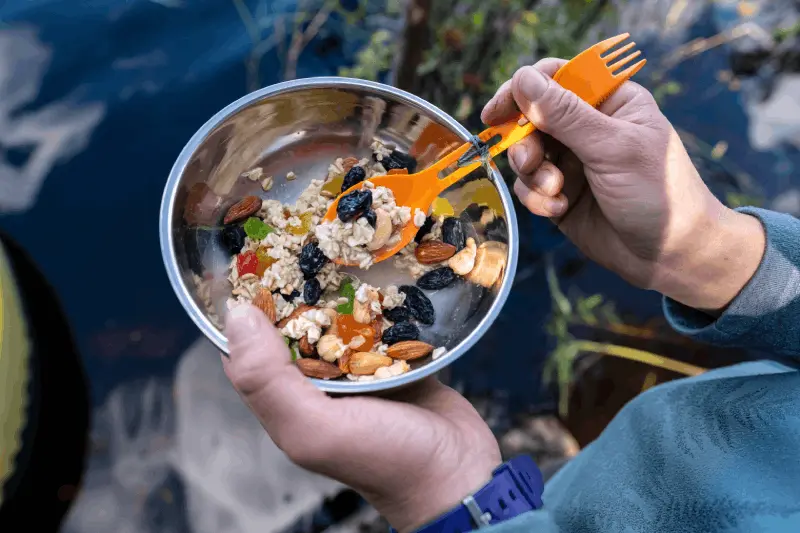
A regular bowl of oatmeal can be transformed into an enormous energy source by adding nuts, dried fruits, and a pinch of spice. You can enhance its texture and nutritional value by adding powdered milk or protein powder. Preparing single servings at home and placing them in zip-lock bags allows you to simply add hot water and mix in the mornings. Natural sweeteners like honey or molasses provide the quick energy your body needs, while the fiber in oats keeps you full for a long time.
What Are the Advantages of Using Tortillas Instead of Bread?
Regular bread can get crushed in your backpack and can stale quickly. In contrast, tortillas are both durable and take up very little space. You can make a quick breakfast by putting peanut butter and banana inside or prepare a wrap for dinner with canned tuna and vegetables. Tortillas are an ideal base for meals that don’t require a pot. Additionally, when warmed, they retain their freshness, greatly simplifying the meal preparation process for solo campers. Their versatility makes them an essential item in the camping backpack.
How to Prepare Jerky at Home?
Jerky is invaluable for campers due to its high protein content and long shelf life. You can make your own healthy snacks by marinating thinly sliced lean beef in soy sauce, black pepper, and smoke flavor, then drying it in the oven at low heat (or in a dehydrator). It is much more economical and additive-free compared to store-bought options. Eating a few pieces during a hike when energy dips is a great support for muscle recovery. In solo camping, these types of high-protein sources help maintain your endurance.
What is the Best Recipe Using Canned Tuna?
Tuna pouches (foil packs) are lighter than cans and take up less space. You can prepare a gourmet dinner by mixing a pouch of tuna with couscous or pre-cooked rice and adding some dried dill on top. Tuna is rich in omega-3 and protein, which helps repair the body after physical activity. Adding some dried tomatoes and olive oil creates a Mediterranean-inspired meal that will add color to your camping dinners.
What is the Secret to Cooking Pasta in One Pot?
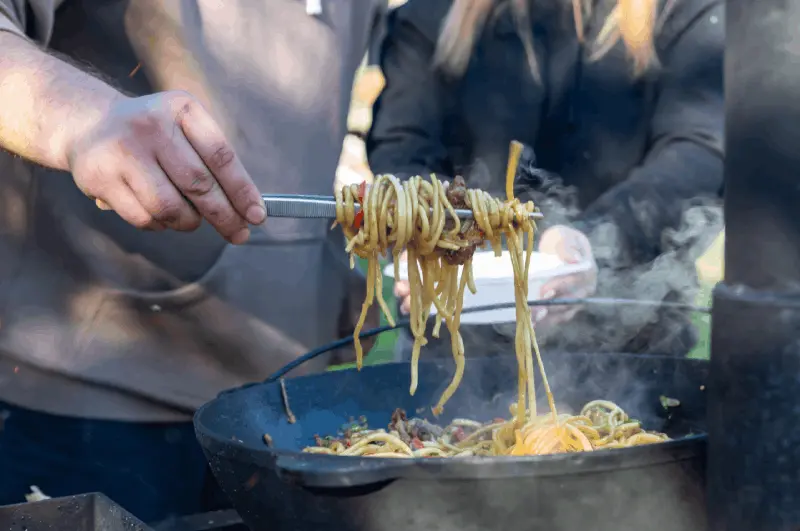
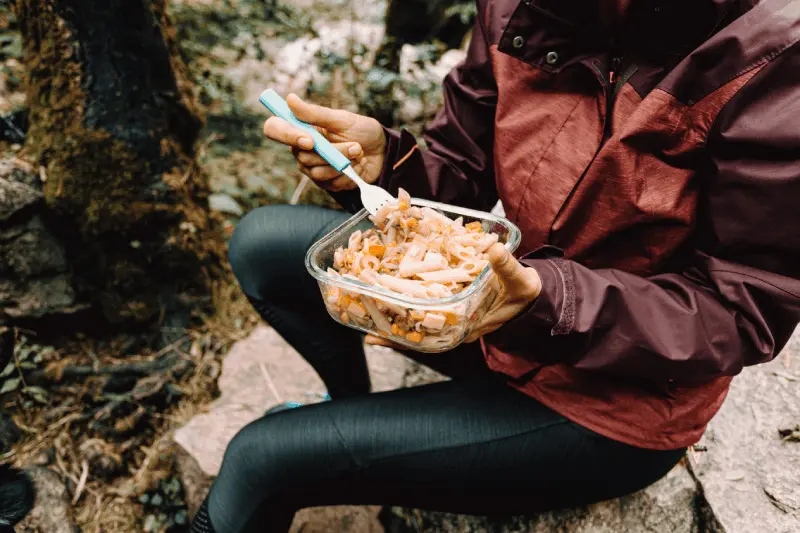
Draining the water after boiling pasta is both a waste of water and an extra hassle when camping solo. Instead, cooking the pasta in a small amount of water until it absorbs all the water (like the risotto method) preserves its nutritional value. Adding powdered tomatoes, spices, and dried vegetables beforehand creates a naturally thick sauce as the pasta cooks. This method only dirties one pot, making cleanup much easier. Pre-cut pastas (like noodles or vermicelli) cook much faster and save fuel.
Are Vegetables Cooked in Aluminum Foil Healthy?
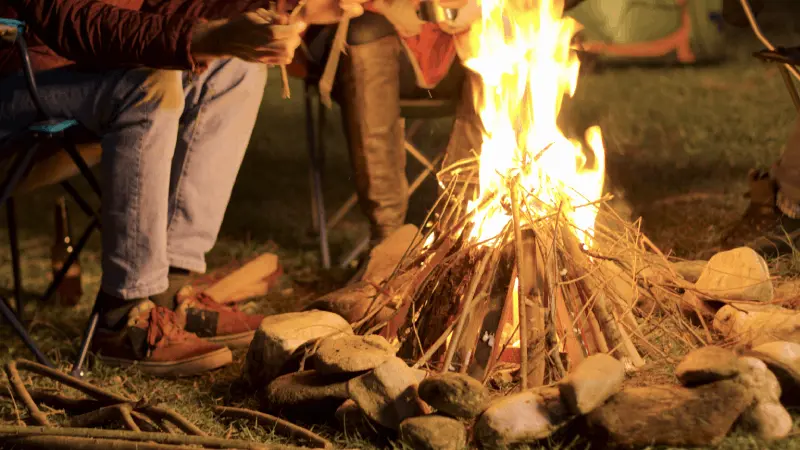
If you have the option to cook over a campfire, aluminum foil packets (hobo packs) are lifesavers. You can wrap sliced potatoes, carrots, and onions with a bit of oil and spices in foil and leave them in the coals. The vegetables steam in their own juices, preserving their vitamins.
It retains heat well and flavors intensify. The fact that it doesn't require cleaning is the biggest advantage for solo campers; after finishing your meal, simply fold the foil and put it in your bag. Since it doesn't come into direct contact with fire, the risk of burning is also reduced.Why Are Red Lentils the Best Camping Legume?
Legumes generally require a long cooking time, but red lentils are an exception. Red lentils soften in just 10-12 minutes and are a great source of high plant protein and fiber. You can make a wonderful soup by cooking a handful of lentils with dried onion and a broth tablet. They take up little space in your bag and are very filling. On cold camping nights, it's hard to find a better option than a warm lentil dish to raise your body temperature. Additionally, they won't disrupt your camping comfort as they are easy to digest.
Why Is Couscous More Practical Than Rice?
Cooking rice requires plenty of water, time, and attention; otherwise, it can stick to the bottom. Couscous, on the other hand, is ready in just 5 minutes when added to boiling water and covered. This "cooking without cooking" feature saves solo campers fuel. You can also create a variety of dishes by adding dried vegetables, meat, or just spices to couscous. It is lightweight relative to its volume and is an excellent fuel for replenishing energy spent throughout the day due to its high carbohydrate content.
What Should We Pay Attention to When Creating a Spice Kit?
The most important detail that saves your meals from being ordinary is spices. Instead of carrying large jars, you should carry salt, pepper, oregano, chili flakes, and garlic powder in small pill containers or mini tubes made from straws. Even having mustard, mayonnaise, or olive oil in small packets can elevate the simplest meal to restaurant quality. Spices not only add flavor but also stimulate your appetite, ensuring better nutrition. This lightweight yet effective kit is the secret hero of your camping kitchen.
How to Use Dried Tomatoes and Mushrooms?
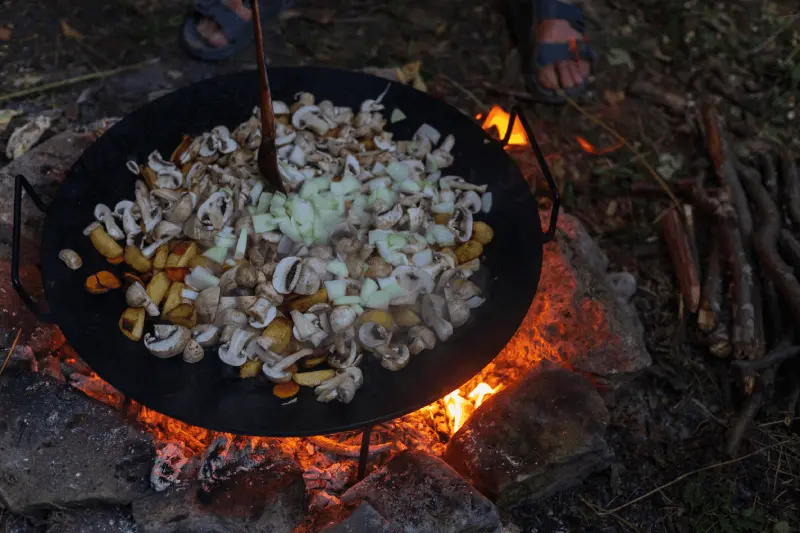
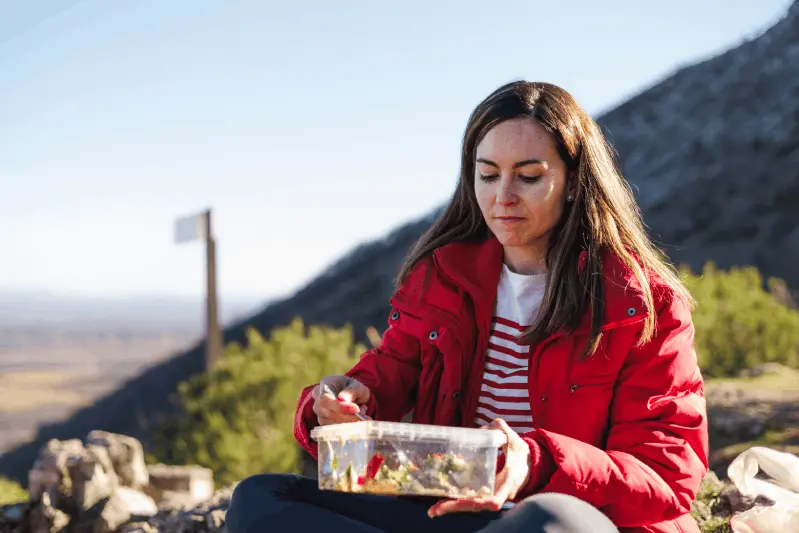
Fresh vegetables can be crushed and mashed in your bag, while dried vegetables last for months. If you add a handful of dried mushrooms or tomatoes during the cooking phase of your meal, they will rehydrate with water and add depth to the dish. Especially mushrooms give a "umami" flavor, making the meal feel more filling. These dried vegetables, added alongside staple carbohydrates like pasta, couscous, or rice, nutritionally complete your menu. They are lightweight, so no matter how much you carry, they won't add much to your load.
Why Is Peanut Butter a Friend to Solo Campers?
Peanut butter is one of the foods that provides the highest calories and protein per gram. Just one tablespoon of peanut butter can give you energy that lasts for hours. You can spread it on apple slices, wrap it in a tortilla, or add it to oatmeal. You can even mix it with soy sauce to make an Asian-style pasta sauce. There is no risk of spoilage, and it is durable in all climates. It should always be kept in an easily accessible spot in a solo camper's bag as an "emergency" food.
Can Powdered Drinks Help with Energy Recovery?
Sometimes just drinking water during your hike may not be enough. It's important to use isotonic drink powders or vitamin C tablets to maintain electrolyte balance. In the evenings, powdered drinks like hot chocolate or salep can improve your mood and warm your body before sleep. Powdered drinks enhance the taste of water, encouraging you to drink more fluids. Dehydration is the biggest enemy of solo campers, so delicious drinks are a great tool to reduce this risk.
Can Real Omelets Be Made with Egg Powder?
Carrying fresh eggs is a big risk for campers, but freeze-dried egg powders solve this problem. When mixed with water, these powders achieve the consistency of real eggs, allowing you to make a rich breakfast in nature. You can prepare a great omelet by adding dried onion and cheese. They are very rich in protein, reducing muscle fatigue. If you choose egg powders from professional camping brands, you'll find that their taste is almost indistinguishable from real eggs.
How Should Dried Fruit and Nut Mix Be Prepared?
When preparing your own trail mix, balance is important. Salty nuts (almonds, walnuts) provide electrolytes, while sugary dried fruits (blueberries, raisins) give quick energy. Adding a few pieces of dark chocolate to the mix is a morale booster. You should keep this mix in a pocket where you can reach it without dropping your bag while hiking. Preparing it in your preferred ratios instead of ready-made packets is both more economical and healthier. Eating in small portions helps keep your blood sugar balanced throughout the day.
How Long Does Cheese Last While Camping?
Hard cheeses (parmesan, aged kasseri, gruyere) are much more durable than soft cheeses. When stored in vacuum-sealed packages or waxed, they can last for several days without spoiling, even without refrigeration. Cheese is a great way to add fat and calcium to your meals. A little grated cheese on top of your pasta elevates the flavor to a whole new level. Additionally, due to its high calorie density, even a small amount can provide a feeling of satiety. In solo camping, a small piece of quality cheese is like a luxurious reward.
Are Instant Noodles Healthy?
Noodles are very practical and can be prepared in just 3 minutes, but they often have low nutritional value. To overcome this, you should use half of the spice packet inside and add your own dried vegetables, some meat, or cheese on top. This way, you get a nutritious meal instead of empty carbohydrates. In solo camping, sometimes you can be very tired. When you become "the fastest" solution, it can be life-saving. Using accessibility as a foundation and enriching it helps you establish a balance between speed and health.
How to Make Your Own "Dehydrated" Meals?
If you have a food dehydrator, you can dry your favorite meals (ground sauces, vegetable dishes) at home to prepare for camping. Drying food reduces its weight by 80-90%. At camp, simply rehydrating it with hot water is sufficient. This reduces the solo camper's dependence on the outside and ensures that you don't compromise on taste. Making your own meals not only lowers costs but also ensures you know exactly what’s in them. This method is the pinnacle of professional camping.
Do Water Purification Methods Affect Food Taste?
Iodine tablets or some chemical purifiers can give water a slight medicinal taste, which can spoil the flavor of your meals. Instead, using hollow fiber filters (like Sawyer Mini) or UV light purifiers preserves the natural taste of water. Ensuring that the water you use for cooking is clean is critical not only for health but also for flavor. If your water has a bad taste, you can mask it by making heavily spiced or creamy dishes (pasta, soup). Clean and tasty water is the foundation of a quality camp kitchen.
What Are Practical Ideas to Satisfy Sweet Cravings?
Rewarding yourself after a tough day boosts your motivation. Instant pudding powders can be quickly turned into a dessert by mixing with very little water. You can also make a quick pancake by spreading chocolate spread inside a tortilla and heating it. Sautéing dried fruits with honey can also yield a natural and light dessert. Sweet treats not only provide calories but also release serotonin, making you feel more peaceful and successful in the wilderness.
What Is the Most Eco-Friendly Way to Wash Dishes in the Wild?
Solo camping can limit water availability. According to the "LNT" (Leave No Trace) principles, you should first clean your pot with a piece of bread or tortilla (this way, no food waste remains). You should clean the remaining bits with very little water and biodegradable soap, at least 60 meters away from water sources. Dispersing dirty water over a wide area on the ground protects the ecosystem. If possible, making one-pot meals to minimize dish load is the smartest strategy for solo campers.
Should Fats Be Used as an Energy Source?
Fats provide twice as much energy (9 calories) per gram compared to carbohydrates and protein. Carrying healthy fats like olive oil or butter in small, non-leaking containers increases the calorie density of your meals. Especially in cold weather, the body needs to burn fat to stay warm. Adding a tablespoon of olive oil to each meal not only enhances flavor but also helps you maintain energy for longer. Fats are the perfect balance between high energy needs and the lightweight principle.
How to Calculate Portions for Solo Camping?
Your portions at home may not be sufficient while camping because you burn much more energy in the wild. Generally, for one person, 100-150 grams of dry food (pasta, rice, legumes) per meal, along with added protein/vegetables, is a sufficient measure. You should experiment before you go to understand your metabolism. Carrying extra food is difficult and can attract wild animals, so it’s important to cook just enough. Separating meals into sealed bags prevents confusion while camping.
How to Protect Food from Wild Animals?
Safety while camping alone comes before everything else. You should never store your food inside your tent. Using special bags or bear canisters that trap odors is the safest way. If these are not available, hanging food high in a tree (bear bag) is a traditional method. It is recommended to keep at least 50-100 meters distance between where you prepare food and where you sleep. Remember that not only bears but also small rodents can chew through your bag and share your food. Safe storage protects both your food and you.
What Are No-Cook (Cold Soaking) Meals?
Some campers prefer the "cold soaking" method to avoid carrying fuel and a stove. In this method, foods like couscous, instant rice, or oats are placed in a container with water a few hours beforehand and are expected to soften on their own while hiking. While the taste may not be as satisfying as hot meals, it is a great solution in extremely hot weather or when you want to travel very light. Additionally, this method eliminates the need to wait for cooking time. It is particularly popular among long-distance hikers (thru-hikers).
Are Alcohol Stoves Suitable for Solo Camping?
Alcohol stoves are very lightweight and have no mechanical parts, so there is no risk of breakdown. However, their efficiency decreases in the wind, and boiling water takes longer. They may be ideal if you are only heating simple meals or boiling water for yourself. However, if you want to cook more elaborate meals, gas stoves with controllable flames are better. The silence of alcohol stoves is an advantage for those seeking peace in nature. You can even make your own stove system at home from a soda can; this is a fun DIY (do it yourself) aspect of camping.
Is It Necessary to Take Vitamin Supplements?
li mi?For short-term camping (1-3 days), normal nutrition is sufficient, but on solo tours lasting more than a week, the body's need for micronutrients increases. Multivitamin or magnesium tablets can be helpful in preventing muscle cramps and reducing fatigue. Especially in camping conditions where the intake of fresh vegetables and fruits decreases, these supplements help maintain your well-being. Of course, the best way is to obtain natural vitamins through dried fruits and vegetables. A healthy body copes better with the challenges of nature.
How should "Waste Management" be in the Solo Camping Menu?
The waste generated after a meal is not only a problem for the environment but also for hygiene. You should store wet and smelly waste in sealed bags (Ziploc). Crushing cans thoroughly to reduce their volume saves space. If possible, removing food from their packaging before camping and transferring them to lightweight plastic bags reduces the amount of waste from the start. The rule of "take back what you brought" is a golden rule for protecting nature. A clean camping area is the greatest legacy you leave for those who come after you.
How do you maintain your creativity when cooking in nature?
Being alone can sometimes lead to boring or repetitive menus. But nature is the best kitchen. Set yourself the goal of trying a new ingredient or spice combination on each camping trip. Maybe you pick some mountain tea one evening and brew it, or perhaps you enhance your pasta with a small piece of sausage you brought along. Eating is not just a physical need, but also a spiritual satisfaction. The feast you prepare with your own hands in the midst of silence will be the most memorable moment of your camping experience.