Sleeping under the stars in the heart of nature is an invaluable experience. However, this experience comes with a great responsibility: to respect wildlife and protect yourself. One of the biggest risk factors in the campsite is the management of food and scented items. Your campsite can appear like an open buffet restaurant to a bear or wild boar. In this guide, we explain how to professionally store your food and how to prevent unwanted encounters with wild animals. By reading our content, you can learn how to camp safely.
Why is Storing Food in the Wild of Vital Importance?
The main purpose of storing food in the wild is not just to avoid going hungry; it is critical for both your safety and the animal's life. Once a bear has accessed human food, it begins to see people as an easy food source. This situation is referred to as "food conditioning." A conditioned bear may behave more aggressively towards campers, and this often results in that animal being euthanized by authorities. The saying "a fed bear is a dead bear" comes from this. Therefore, by using proper storage techniques, you not only protect yourself but also help preserve the natural balance of wildlife and the lives of animals.
Are Bear Canisters Really the Safest Method?
Bear canisters are considered the gold standard for storing food in today's wild habitats. Made from hard plastic or carbon fiber, these cylindrical containers are designed to withstand bear claws and teeth. The biggest advantage of these canisters is their ease of use and their effectiveness even at high altitudes (alpine areas) where food storage is not straightforward. Bears cannot open these canisters; they can only roll them. Therefore, it is sufficient to place the canister at least 60-70 meters away from your campsite on flat ground where it cannot roll off a cliff. In many national parks, the use of bear canisters is now mandatory because it has been proven that bears have learned to take down bags hanging from trees.
When Should the Bear Bag Hanging Method Be Used?
If you do not have a bear canister or if the local regulations allow it, the bear bag hanging method is a traditional option. However, this method only works in forested areas with the right trees. The bag must be at least 4 meters off the ground, at least 3 meters away from the tree trunk, and 1.5-2 meters below the branch it is hung from. This "4-3-2 rule" ensures that a bear cannot reach the food from the ground, the tree, or the branch. However, it should be noted that black bears are quite skilled climbers and are adept at defeating simple hanging methods. Therefore, it is strongly recommended to use more complex techniques like the PCT (Pacific Crest Trail) hanging method.
How Should the "Bear Triangle" Camp Layout Be Set Up?
Professional campers and rangers apply the "Bear Triangle" rule when setting up a campsite. According to this rule, your sleeping tent, cooking area, and food storage point should be at least 70-100 meters apart from each other. These points form an imaginary triangle. The logic behind this arrangement is as follows: If a bear comes to the smell of food, that smell should be far from where you are sleeping. You should also consider the direction of the wind to ensure that food odors do not blow towards your tent. The distance between your kitchen area and your food storage area is the most important barrier keeping you safe throughout the night.
Should Scented Cosmetic Products Also Be Considered Food?
For wild animals, not only pasta or cookies but anything with a scent can be a potential point of interest. Toothpaste, deodorant, sunscreen, lip balm, insect repellent, and even soaps can have enticing scents for bears. Even if a bear does not perceive the taste of toothpaste as "human food," it may be attracted to the source of the scent and approach your tent. Therefore, you should definitely include all scented hygiene products that you do not consider as "food" in your food canister or hanging bag. You should never leave even a pack of gum or mint candies inside your tent.
Do Odor-Proof Bags (Opsaks) Really Help?
High-tech odor-proof bags like Opsak are essential supporters of your food storage strategy. These bags are designed to prevent the scent from escaping at the molecular level. However, it should be noted that if you touch the outside of the bag with food-covered hands, even if the bag does not leak odors, the scent from the outside will attract bears. These bags do not provide protection from bears on their own (bears can easily tear them), but when placed inside a bear canister or backpack, they provide "double security." Ensuring that the animal cannot detect the location of the food is a much more reliable method than it trying to find and access it.
How Should Waste and Food Scraps Be Managed at the Campsite?
Leftover waste and food scraps that arise after cooking are just as dangerous as the food itself. Even small food remnants left on your plates can attract uninvited guests throughout the night. You should wash your dishes at least 60 meters away from the campsite and water sources. Even if you use biodegradable soaps, you should spread the gray water (dirty dishwater) over a wide area; this way, you avoid concentrated odor buildup in one spot. No. Additionally, never bury or burn food scraps. Bears can smell the scent of burnt food from miles away. You should put all scraps in a sealed bag and add them to your food storage container.
Is Leaving Food Inside the Vehicle a Safe Option?
Many people think of their car as a secure fortress, but for bears, a car window is just a thin barrier. It has been documented multiple times that grizzly bears and large black bears have broken car doors or smashed windows when they catch a whiff of food. If you are in an area with a high bear population (like Yosemite or Yellowstone), national park authorities strictly prohibit leaving food inside vehicles. However, in less risky areas, you can store food inside the vehicle in a way that is not visible from the outside and keep the windows completely closed. Still, the safest way is to use metal "bear lockers" placed next to vehicles.
How Strong is a Bear's Sense of Smell?
A bear's sense of smell is about 2100 times stronger than that of a human and 7 times stronger than that of a bloodhound. A bear can detect a food source from miles away, depending on the direction of the wind. For them, smell is like a map of the world. Even a sealed can or vacuum-packed item that appears "odorless" to you can be a clear signal to a bear's sensitive nose. This incredible ability explains why campers need to be so meticulous. The slightest carelessness can lead a bear from miles away to your campsite.
What Should You Do When an Animal is Heard Around Your Tent at Midnight?
Hearing a footstep or rustling outside your tent can be frightening. The first rule is to stay calm. If it is a bear outside and it is not directly interfering with your tent, speak in a low but firm voice to let it know you are human. You can use phrases like "Hey bear, go away!" Never make sudden movements or throw food outside the tent. If you have bear spray nearby, keep it accessible and ready. Most of the time, animals are just curious and will leave the area when they hear human voices. However, if the animal physically attacks the tent, you may need to confront it with all your strength and retreat from the area.
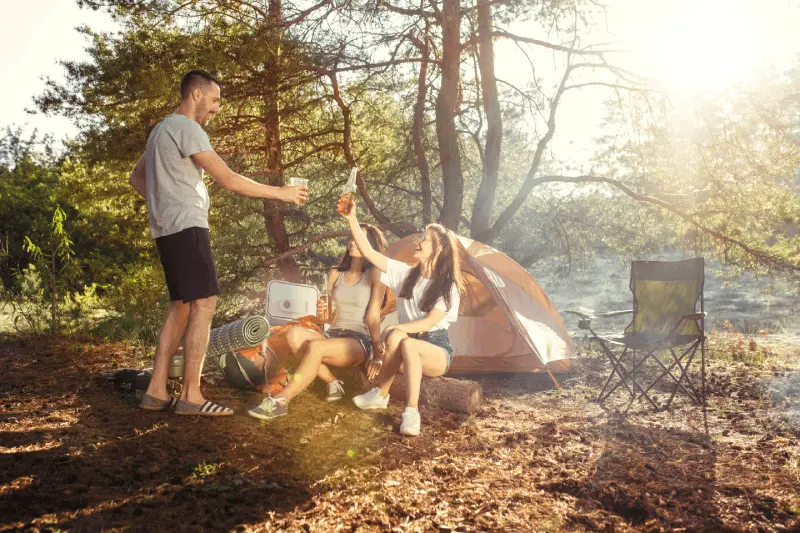
Do Wild Boars and Raccoons Require a Different Strategy?
While bears may seem like the biggest threat, raccoons, foxes, wild boars, and even field mice are the creatures that cause the most damage to campers' food. Raccoons have incredibly dexterous hands and can open simple zippers or lids. Wild boars can dig through the ground to reach buried scraps. The "bear rules" also apply to these small and medium-sized animals. Keeping food elevated off the ground or stored in sturdy containers prevents these animals from raiding. For small rodents like mice, a bear bag may sometimes be insufficient as they can climb down from the ropes; in this case, placing a plastic plate or "mouse guard" on the rope can be an effective solution.
How and When Should Bear Spray Be Used?
Bear spray is not just a part of your food storage strategy; it is your last line of defense. This spray contains a very high amount of capsaicin (the active ingredient in hot peppers) and temporarily irritates the animal's mucous membranes, stopping it. You need to wait for the animal to approach you (about 10-15 meters) before using the spray. Be mindful of the wind direction and make short, strong bursts aimed directly at the animal's face. Remember that bear spray should not be sprayed around the tent like insect repellent; rather, the spray on the ground can attract some animals when it dries. Always carry the spray on you in an easily accessible holster, not buried deep in your backpack.
How Should Cooking Equipment Be Cleaned and Stored?
Your stove, pots, and pans are exposed to strong food odors while cooking. It is essential to clean this equipment immediately after use. After cleaning, these items should also be placed inside secure containers where you store your food. If your equipment does not fit in a bear box, you should leave them tightly sealed in a bag at least away from the campsite, in a way that the smell cannot escape. A pot with dried food scraps is a great toy and attractant for a wild animal. Protecting your equipment is important not only for your safety but also to ensure you have a pot to cook your meal the next day.
Do Freeze-Dried Meals Increase Safety?
Freeze-dried ready-to-eat camping meals are preferred for their lightweight and safety. These meals typically come in multilayer, odor-proof packages. However, once these packages are opened, they start to emit odors. Another advantage of these meals is that they can be prepared inside the package by adding water without dirtying a pot. This minimizes the hassle of washing dishes and the spread of odors. After finishing the package, you can seal it tightly and place it in your trash bag and then in your bear box to trap the odor. These modern foods are excellent tools for establishing hygiene and safety balance in the wild.
Are Food Odors That Have Settled on Your Clothes a Risk?
When cooking or sitting by the fire, the odors from food can settle on your clothes. Scents are generally overlooked. However, for a sensitive nose, these scents are quite pronounced. If you are in a "high-risk" area where the bear population is very high, it is recommended to change the clothes you wear while cooking before going to sleep. You should also store your dirty and food-scented clothes in a safe area (bear box or bag) where food is kept. Having clean, "odorless" clothes on while you sleep reduces the likelihood of your tent being perceived as a food source. This may sound a bit exaggerated, but it is standard procedure for professional distributors.
How Should Pet Food Be Stored?
If you are camping with your dog, its food poses at least as big a risk as your own meal. Dog foods typically emit a strong scent of protein and fat, which immediately attracts bears and wolves. You should never leave your dog's food out and only give as much as it will eat. You must also put any leftover food and your dog's food bowl in the bear box. Additionally, while your pet's presence at the campsite may scare away some wildlife, it can also provoke others (especially cougars or wolves). You should always keep your dog leashed and manage its food regimen with the same diligence as your own safety.
What Should Be Considered When Using Metal Bear Lockers?
In national parks and organized campgrounds, there are usually large metal lockers. These lockers have special locking mechanisms that bears cannot open. If there are these lockers at a campsite, it is mandatory to use them. When using the locker, make sure the door is fully closed and the latch is secured. Sometimes campers "stuff" the locker and the door does not close completely; this is an invitation for bears. Also, keep the inside of the locker clean, and you should clean up any spills. Since lockers are communal areas, you should pack your belongings neatly to leave space for other campers.
Why Is It Dangerous to Store Food Near Water Sources?
Water sources (rivers, lakes, springs) are like highways for wildlife. Almost every animal comes to these areas at certain times of the day to drink water. Storing your food near a riverbank or lake means leaving it in the most trafficked area. Additionally, in the event of a flood or rising water, your food can be swept away and cause environmental pollution. The best strategy is to store food at least 60-100 meters away from water sources, in a high and dry spot. This ensures you avoid animal traffic and prevents the sound of water from masking the sounds of approaching animals.
How Are "Leave No Trace" Principles Incorporated Into This Process?
The Leave No Trace (LNT) principles form the foundation of food storage philosophy. One of these principles is "Respect Wildlife." Feeding animals or allowing them access to your food disrupts their natural behaviors. Another principle is "Dispose of Waste Properly." It is a big mistake to throw away biological waste like apple cores or banana peels, thinking they are "natural." These wastes may not be native to that area, can decompose, and attract animals to the campsite. You should also store your trash with the same discipline as your food and carry it with you until you reach the first trash bin in town.
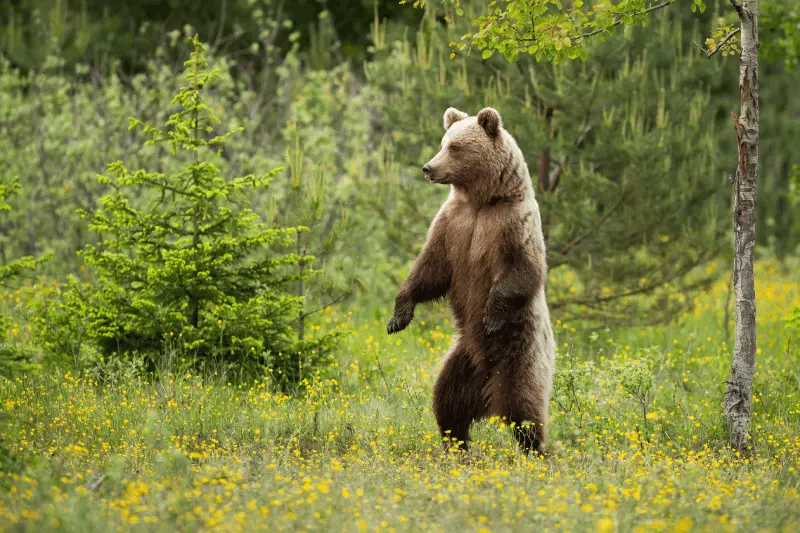
What Should You Do If a Bear Reaches Your Food?
Despite all precautions, if a bear reaches your food, there is only one thing to do: Do not intervene. The bear may attack you with the instinct to protect its food. The food has now become "its." At this point, trying to retrieve the food puts your life at risk. Back away to a safe distance and, if possible, report the situation to park rangers. Describing how the bear accessed the food (whether it opened the box or tore the rope) is very valuable for authorities to warn and take precautions for other campers. You should learn from this incident and improve your strategy for the next camp.
Regional Differences: Black Bear vs. Grizzly Bear
Your storage techniques may vary depending on the type of bear in your area. Black bears are generally timid and avoid human voices, but they are adept at climbing trees. Therefore, the hanging method can sometimes be risky in black bear areas. Grizzly bears, on the other hand, can be more aggressive and typically overcome obstacles using their strength rather than climbing. Using a bear canister in grizzly bear areas is not just a recommendation; it is a survival rule. Additionally, grizzly bears hunt in much larger areas, so keeping "Bear Triangle" distances even wider (100 meters or more) would be wise.
Challenges of Storing Food in Alpine and Desert Environments
In alpine (high mountainous) areas or deserts where there are no trees, hanging a bear bag is impossible. In these environments, using a bear canister is mandatory. In deserts, the main problem is not bears but rodents and coyotes. It is also important to protect food from the sun in deserts; heated foods emit more odor and spoil faster. Storing your food in the shade or inside thermal bags can reduce odor emission. In alpine areas, marmots (mountain squirrels) are very common and can quickly access food by chewing through backpacks; therefore, you should never leave your backpack unattended. your implementation.
How Should Food Management Be When Camping in Groups?
Large groups mean more food, and thus more smell. Collecting food in a single central location while camping in a group makes management easier. If everyone stores snacks in their own tents, it makes control impossible and increases the risk. A common "kitchen area" and a common "storage area" should be designated. Additionally, a "safety officer" can be chosen to ensure that everyone cleans their own trash and dishes according to the rules after meals. The advantage of being in a group is being able to make noise to keep animals away; the disadvantage is the potential breakdown of smell management discipline.
Is It Easier to Store Food in Winter Camping?
Most animals hibernate in winter, but this does not mean that all animals are asleep. Wolves, foxes, and some rodents are much more active in winter and may show more interest in campsites because they have difficulty finding food. To prevent food from freezing during winter camping, it is necessary to store them in insulated bags. Burying food under the snow can sometimes work (it traps the smell), but if you forget to mark its location, you may lose your food. Additionally, it should be noted that in some areas, bears may wake up early from hibernation or may not hibernate at all (warm winters); therefore, safety procedures should not be overlooked.
How to Maintain Food Storage Equipment?
Bear boxes and odor-proof bags can get dirty over time and absorb smells. At the end of each camping trip, you should wash your equipment with lightly soapy water and dry it thoroughly. You should especially check the lid mechanisms of the boxes and clean them if sand or dirt has gotten in; because a stuck lid can prevent you from accessing your food in the wild. In bags, you should check for holes or wear. A well-maintained bear box can serve for decades and can be lifesaving in many camping adventures.
Future Technologies: Smart Food Storage Solutions
As technology develops, food storage methods are also evolving. Some modern bear boxes have sensors that alert you if an animal tamper with them. Additionally, solar-powered micro electric fences have started to become popular for long-term base camps. These lightweight fences are set up around your campsite and deliver a small electric shock that does not harm the animal but keeps it away. However, since technology always carries the risk of malfunction or battery depletion, you should always consider basic physical storage techniques (boxing, hanging) as your primary method.
What Are the Tips for Choosing the Right Equipment?
When purchasing food storage equipment, you should check if it is approved by "IGBC" (Interagency Grizzly Bear Committee). This certification proves that the product has successfully passed tests conducted with real bears. If you have a lightweight obsession, you can opt for carbon fiber models; if your budget is limited, you can choose polycarbonate plastic models. When selecting the box volume, you should calculate your daily food amount; generally, a 7-liter box has a capacity for 3-4 days of food for one person. Buying a box smaller than you need and leaving half of your food outside is no different than not carrying a box at all.
What Is the Importance of Getting Information from Local Rangers?
Each region has its own unique rules and "problematic" animals. Before starting your camp, you should visit the ranger station in the area to get information about the current situation. Questions like "Where was a bear seen last week?" and "Which hanging method is more effective here?" can provide vital information. Rangers may sometimes close certain areas to camping due to bear activity. You may not always be able to access such current information online; therefore, communicating with local experts should be an indispensable part of your safety strategy.