One of the biggest challenges faced while camping is how to efficiently and safely illuminate the campsite after sunset. For those accustomed to the continuous light of city life, the pitch darkness of nature can initially be intimidating. However, with the right strategies and equipment, this darkness can be transformed into an enjoyable camping experience.
What is the Impact of Using a Headlamp on Camping Comfort?
A headlamp is one of the most liberating pieces of equipment a camper can have. Unlike flashlights, it frees up both of your hands, providing you with tremendous mobility, especially when setting up a tent, cooking, or gathering firewood in the dark. A quality headlamp not only illuminates what is in front of you but also allows you to focus on tasks at eye level by adjusting the beam angle. Whether following a trail during night hikes or reading a book inside the tent, a headlamp is an indispensable aid due to its portability and lightweight. Every camper looking for a practical solution should definitely have a reliable and adjustable headlamp with a light intensity in their backpack.
How to Balance Lumens and Range When Buying a Camping Lantern?
In the world of lighting, "lumens" represent the total amount of light produced, while "range" indicates how far that light can reach. Simply choosing a lamp with very high lumens at the campsite can cause the light to scatter in all directions, dazzling your eyes. For practical solutions, high-lumen lamps that provide broad flood lighting are ideal for inside the tent and seating areas, while narrow beam and long-range (spot) lights are necessary for night explorations. An ideal camping lantern should be able to switch between these two modes or have an optical design that meets both needs. Establishing an optimized balance according to your usage purpose is the most logical approach, as unnecessary high lumen values can lead to rapid battery drain.
Do Solar-Powered Lighting Systems Provide Sufficient Efficiency for Long-Term Camps?
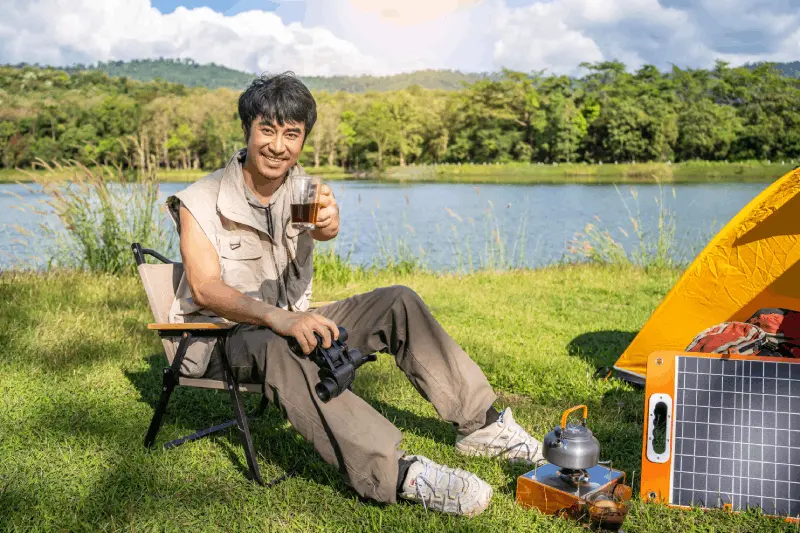
If you are planning a camp that will last more than a few days, solar-powered lamps are a great solution to avoid battery or charging issues. Solar panels that you hang on your tent or backpack during the day charge internal batteries, providing uninterrupted light throughout the night. Modern solar-powered camping lamps have advanced cells that can even charge in low light conditions. However, the efficiency of these systems depends on the duration of exposure to direct sunlight and the quality of the panels. From a practicality standpoint, opting for hybrid models that can be charged both via USB and solar panels minimizes your risk in cloudy weather. This technology is the most sustainable method that offers energy independence while reducing your carbon footprint in nature.
What are the Solutions for Eye-Friendly Night Lamps Inside the Tent?
A direct white light that hits the eyes in the confined space of a tent disrupts comfort and affects your night vision. Instead, lamps with diffused opaque surfaces that soften the light or methods that reflect the light off the ceiling for indirect illumination should be preferred. The "warm white" mode found in many camping lamps brings the coziness of a home environment into your tent. Additionally, lamps with a red light mode help prevent your pupils from dilating, making it easier to see your surroundings when you step out into the pitch darkness. A small, lightweight, and adjustable LED lantern attached to a hook at the top of the tent will provide the most practical indoor lighting solution by evenly illuminating the area.
How Do LED Strips Powered by Power Banks Transform the Campsite?
USB-powered LED strips, which have become a favorite among campers in recent years, provide both aesthetic and functional lighting. Thanks to their flexible structures, they can easily wrap around the tent, tree branches, or the edges of the camping table. These strips, which can work for hours with the help of a power bank, create a cozy and inviting atmosphere at the campsite. Especially models that can change colors (RGB) allow you to adjust your mood according to the spirit of the camp. From a practicality standpoint, choosing these strips in a silicone case or waterproof design ensures that you can enjoy the outdoors even in rainy weather. This is the easiest way to illuminate a large area with a single power source.
Is Campfire a Safe and Sufficient Source for Lighting?
The campfire has been the most fundamental source of lighting and heating throughout human history; however, it has some limitations in practical use. While the fire illuminates the area you are sitting in with warm light, it creates very harsh shadows in areas where the light does not reach. Additionally, it requires constant feeding and poses safety risks. Relying solely on fire can leave you halfway when you need something at night or when you have to enter your tent. As a practical solution, fire should be used as a social focal point and atmospheric lighting, but it must be supported by an artificial light source for functional needs. While the flickering light emitted by the fire is great for harmonizing with nature's rhythm, it is insufficient for safety and detailed tasks.
What Can Be Done to Extend Battery Life in Battery-Powered Lighting Devices?
If you are using battery-operated devices, your biggest fear is the light going out in the middle of the night. The most practical way to extend battery life is to always use your lamp at the lowest brightness level (eco mode); because the highest brightness is rarely needed. Additionally, lithium batteries lose performance in cold weather, so keeping them warm in your pocket or inside your sleeping bag when not in use extends their life. Using lock modes that prevent your device from accidentally turning on or removing the batteries when not in use can also help preserve battery life.
Storing energy by reducing consumption also provides energy savings. Using rechargeable high-capacity batteries is both environmentally friendly and guarantees your camping comfort by reducing costs in the long run.How to Make a Practical Camping Lamp with a Water Bottle and Phone Flashlight?
If you forgot your equipment or need an extra light, you can make a great lamp with simple materials from home or your camping bag. Fill a transparent water bottle with water, and when you place it under your smartphone with the flashlight mode turned on, the water diffuses the light in all directions. This simple trick softens the sharp light of the phone and turns it into a table lamp that illuminates the entire tent. Adding a bit of milk or detergent to the water helps to spread the light in a more opaque and soft manner. This method is a creative and practical "do-it-yourself" (DIY) solution that can be life-saving in emergencies, requiring no extra cost.
What Color Light Should Be Preferred for Night Fishing or Hunting?
Every color of light has a different function in nature. While white light increases depth perception during night hunting, using red or green light is critical when fishing or observing wildlife. Red light does not scare fish and many animals, and it does not impair human night vision. Green light helps make details more distinct when reading a map and reflects less in smoke or fog compared to white light. As a practical solution, getting a headlamp with multiple color LED options allows you to instantly change modes according to the activity you are doing and maximizes your harmony with nature.
How to Use Lighting to Keep Wild Animals Away from the Campsite?
Lighting is an important part of camping safety. While some animals may shy away from bright and sudden lights, others may get used to continuously burning dim lights. As a practical safety solution, placing motion-sensor lights around your campsite alerts you when an unexpected visitor arrives and can scare the animal away. However, it should be noted that very bright lights can sometimes attract curious animals (especially insects). In areas where animals like bears or wild boars are present, directing the light away from food storage areas and safely disposing of trash before bed is more important than lighting. Still, having a powerful flashlight (with strobe mode) nearby for defense is a wise move.
How Do Phosphorescent Markers Attached to Tent Ropes Prevent Accidents?
The most common accident while wandering around the campsite at night is tripping over invisible tent ropes. The most practical way to solve this problem is to use small solar-powered LED markers or phosphorescent (glow in the dark) sticks attached to the ropes. These small devices create a safe path for walking in the dark by saying "I'm here." If you don't have such equipment, tying white cloth pieces to the ropes or purchasing reflective guy lines is also an effective solution. This small touch is not only for you but also an important safety measure for other people in the campsite, especially children, preventing injuries that could occur throughout the night and damage to the tent.
Are Rechargeable Lighting Products or Disposable Batteries More Economical?
The answer to this question depends on how often you go camping, but the general trend favors rechargeable products. Modern lithium-ion battery lamps can be recharged hundreds of times and completely eliminate battery costs in the long run. Additionally, since these devices can usually be charged with a power bank or vehicle charger, your risk of running out of energy in nature decreases. On the other hand, keeping a pack of alkaline batteries as a backup and finding a suitable flashlight can be life-saving in extreme situations where charging is not possible. From a practicality standpoint, a main lamp with a USB-C charging port and a battery-powered backup lamp for emergencies offers the ideal balance between economy and safety.
How to Reduce the Impact of Low Temperatures on Battery Performance During Winter Camps?
Cold weather dramatically reduces battery capacity by slowing down the chemical reactions inside. To avoid lighting issues during winter camping, lithium batteries should be preferred; because they are much more resistant to cold than alkaline batteries. As a practical solution, you should store your headlamp or flashlight in the inner pocket of your jacket, in contact with your body heat, when not in use. If your lamp's battery compartment is wired, placing the battery pack inside your jacket and wearing the flashlight on your head prevents the battery from freezing and ensures you get full performance. At night, putting all battery-operated devices inside your sleeping bag is the oldest and most effective camping trick to ensure you have a working light when you wake up in the morning.
What Color Lighting Should Be Used for a Mosquito-Free Camping Night?
Insects and mosquitoes are generally attracted to the blue and ultraviolet (UV) parts of the spectrum, meaning cold white lights. The most practical way to avoid a mosquito invasion at the campsite is to use warm yellow (amber) or orange lights. Yellow LED lamps sold as "bug-repellent" emit light in wavelengths outside the visual capacity of insects, thus not attracting their attention. Instead of placing your lighting directly on your camping table, placing a stronger light a few meters away from the table to attract the insects there while illuminating your sitting area with a softer and warmer light is the smartest strategy you can apply for a peaceful dinner.
What Are the Lightest Lighting Combinations for Minimalist Campers?
Lightness is key. For "ultralight" campers, every gram matters. In this case, the most practical solution is multifunctional devices that can be used both as a headlamp and for general lighting. For example, a rechargeable and very lightweight (between 30-50 grams) headlamp can serve not only on the head but also by being hung from the tent ceiling like a chandelier. Some models come with carrying bags used to diffuse the light; when you place the headlamp inside this semi-transparent bag, the light softens and illuminates the entire area. Additionally, minimal lanterns that operate on a single AAA battery or charge directly via USB provide the essential light you need while saving weight.
What Type of Lighting Offers the Most Practical Solution When Cooking in a Camp Kitchen?
Cooking in the dark requires a light with a high color rendering index (CRI) to cut ingredients and check cooking levels. Low-quality LEDs can make food appear gray or lifeless, leading to cooking mistakes. For practical kitchen lighting, an adjustable tripod lantern or a powerful lantern that can be hung from a high branch is ideal. However, the best option is a headlamp that directs the light exactly where you are looking. Since it can be difficult to turn the lamp on and off with greasy or wet hands, motion-sensor (wave-activated) headlamps revolutionize camp kitchens. This way, you can prepare your meal safely while maintaining hygiene.
Are Multi-Purpose Lanterns Suitable for Both Inside and Outside the Tent?
Some lanterns available on the market have hybrid designs that can be transformed into a camping lantern by pulling the upper part of their bodies. These multifunctional devices illuminate the distance like a flashlight while walking outside, and when you enter the tent, they become a lamp that spreads light around. For those seeking practicality, these "two-in-one" products save space and eliminate the hassle of carrying two different pieces of equipment. However, attention should be paid to the waterproof levels of these models and the durability of their joints. If you choose a quality model, you will have a single reliable light source that will accompany you at every moment of your camping life.
How Are Magnetic Base Lamps Integrated into Camping Equipment?
Magnetic base lighting products provide great convenience wherever there are metal surfaces (vehicle body, camping stoves, or some table legs). Especially for those using a tent on top of a vehicle or caravan campers, magnetic lamps can be attached to any desired location in seconds without requiring any installation. As a practical usage scenario, when you open your vehicle's trunk, you can create a great workspace by attaching a magnetic lamp to the inside of the trunk lid. If there is no metal surface, you can secure the lamp to a small metal piece (or another magnet) behind the tent fabric to fix the light at any point in the tent.
What Do the Waterproof Certifications of Lighting Equipment Indicate?
Weather conditions in nature can change unexpectedly, so it is very important to know the IP (Ingress Protection) rating of your lighting equipment. An IPX4 certification indicates resistance to water splashes from all directions (light rain), while an IPX7 certification shows that the device can withstand being submerged in water at a depth of 1 meter for 30 minutes. As a practical solution, for outdoor use, you should prefer at least IPX4, IPX6 or higher protection for wet activities or heavy downpours. A waterproof lamp not only protects against rain but also extends the device's lifespan by not being affected by moisture and dew at the campsite, ensuring you are not left in the dark when you need it most.
What Should Be Done to Prevent Light Pollution in the Campsite and Respect Nature?
Camping means being a part of nature, and excessive lighting disturbs wildlife and prevents you from seeing the stars in the sky. For practical and ethical lighting, you should only illuminate the area you need, as much as you need. Avoid directing powerful spotlights at neighboring tents or the tops of trees. Using shaded lamps that direct light downward minimizes light pollution. Turning off all unnecessary lights before going to bed and allowing nature to maintain its tranquility is the responsibility of a true camper. Remember, the best camp light is one that does its job successfully without making its presence felt.
What Is the Importance of Lanterns with S.O.S Mode in Emergencies?
A camping lighting tool can be used not only to see the way but also to call for help. The S.O.S mode found in many modern lanterns allows the light to flash a help signal in Morse code. This mode helps you attract attention while using energy efficiently without the need to signal manually. As a practical safety measure, you should learn in advance how to activate this feature on your lantern. In case you get lost in remote or wooded areas, this blinking light can be seen from miles away. The S.O.S mode is the smallest but potentially life-saving feature in your camping bag.
What Are Safe Lighting Options for Camping Holidays with Children?
Camping with children is exciting, but darkness can be frightening for them. The most practical lighting solution for children is LED lanterns that they can hang around their necks or strap to their wrists, which are cool to the touch and durable against breaking. Additionally, cute figurine lamps that are battery-operated or rechargeable and will serve as a "night light" inside the tent will help them feel safe. To prevent them from accidentally shining the light in their eyes, instead of very high-lumen lanterns, models with frosted glass that diffuse the light are recommended. It should be emphasized. Giving children the responsibility of their own lights not only develops their camping skills but also turns the fear of darkness into an enjoyable adventure.
How Do Remote-Controlled Camping Lights Increase Comfort?
After a tiring day, getting out of the sleeping bag again to turn off the light is one of the biggest camping troubles. Remote-controlled or smartphone app-controlled camping lights completely eliminate this problem. With a single button, you can adjust the brightness, change the color, or turn it off completely. This technology not only provides comfort but also ensures safety; when you hear a noise outside the tent at night, you can turn on the lights outside to check your surroundings without getting up. This solution, where practicality and luxury combine, is a modern touch that elevates your camping experience to a higher level.
How Should the Lighting Distance and Distribution Angle Be Adjusted in a Campsite?
The efficiency of lighting is related to how far the light reaches as well as how wide an area it covers. A wide distribution angle of 120 degrees for the camping table or dining area provides homogeneous lighting and reduces harsh shadows. However, a narrower (approximately 20-30 degrees) and focused beam of light for going to the toilet or collecting firewood allows you to see obstacles in front of you more clearly. As a practical solution, by choosing lanterns with a "zoom" feature or different lens options, you can meet both needs with a single device. Narrowing and widening the light according to need increases your visibility quality and saves battery by preventing unnecessary light leakage.
How Effective Are Glow Sticks in Emergency Lighting?
Glow sticks are devices that work through a chemical reaction, do not require batteries, and can even burn underwater. Once broken, they provide continuous, soft light for 8 to 12 hours. From a practicality standpoint, these sticks are indispensable in emergency kits; because they never spoil and are the safest light source since they do not spark in extreme conditions (such as environments with gas leaks). They are ideal for marking children's locations in the campsite, using as a signal, or providing very dim light inside the tent on a dark night. Although their single-use nature is a disadvantage, the safety they provide when no other energy is available is invaluable.
Are Retro Style Gas Lamps Still Used in Modern Camps?
Gas lamps or alcohol stove lanterns add a nostalgic and romantic atmosphere to camping. The warm, flickering light and soft sound they emit are appealing to those who want to escape the digital world. However, they fall behind modern LED lamps in terms of practicality and safety. Carrying flammable fuel, the risk of breaking glass, and the danger of carbon monoxide inside the tent are significant disadvantages. If you love this style, there are battery-operated models available today that have the appearance of these lamps but work with internal LEDs. This way, you can enjoy that retro atmosphere while benefiting from the safety and practical advantages of LED technology (long lifespan, durability).
Is It Possible to Illuminate the Seating Area Outside the Tent Without Disturbing Neighbors?
The most important rule of communal living in campsites is to respect the peace of others. When illuminating your seating area, if you place the light source at a high point and adjust it to shine downwards, the light will remain within your area without spilling over. It is also a very practical courtesy to cut off the light going to neighboring tents by placing a handmade "shield" (such as a piece of cardboard or cloth) around the light. Additionally, switching to dimmer yellow or red lights instead of bright white light during late-night hours helps you fall asleep and does not disturb those around you. Remember, darkness is as much a shared value as silence in nature.
Is Quick Charging Feature in Headlamps a Luxury or a Necessity?
Time and energy are limited in nature. The quick charge feature (Quick Charge or USB-C PD support) allows you to charge your equipment enough to last through the night in just minutes when you reach a power source (like a vehicle, café, or powerful power bank). From a practicality standpoint, devices that offer 2-3 hours of use with a 15-minute charge are a great assurance for campers. This feature can be life-saving during long hikes or when changing campsites. Therefore, if you are someone who camps frequently, quick charge technology is a fundamental necessity that ensures your equipment is always ready for duty rather than a luxury.
What Are the Most Commonly Forgotten Lighting Accessories Among Camping Gear?
Most campers remember to bring a flashlight but forget the small accessories that make it usable. At the top of this list are spare batteries, charging cables, and S-carabiners used to hang the flashlight somewhere. Additionally, "diffuser" caps used to soften the light or flexible tying cords needed to secure the lamp to a tree are often forgotten. As a practical solution, keeping all your lighting equipment and these small helpers in a single waterproof "lighting bag" allows you to enjoy the peace of finding everything you need in one place instead of stressful searches like "where was the cable, where did I put the battery" when night falls.
How Can the Distribution of Light Be Changed with Modifications to Flashlights?
It is quite practical to modify a standard flashlight you have to serve different purposes. For example, when you put a semi-transparent plastic cup or a white bag over the end of the flashlight, your flashlight instantly becomes a "flashlight" is a turning point. If you want to change the color of the light, you can create your own special red or green lights by taping colored transparent papers or plastic pieces to the end. These creative touches allow you to adapt to different scenarios by enhancing the capabilities of a single device in your hand. Maximizing efficiency with limited resources is the best example of the problem-solving ability inherent in the nature of camping.
What Are the Safety-Focused Lighting Strategies for Solo Campers?
When camping alone, lighting is key to both psychological and physical safety. The most practical strategy for solo campers is to set up a layered lighting system: a micro keychain flashlight that you always have on you, a headlamp for work, and a lantern for the area around the tent. You should develop the habit of always placing your flashlight in the same spot (usually right next to your dominant hand) when you go to bed at night. Additionally, a flashlight with a very high lumen "turbo" mode that can illuminate the surroundings instantly in case of a threat from outside can be a deterrent defense tool. Being in control of your own light is the biggest factor that makes you feel safe while enjoying the solitude.
How Does Camping Lighting Play a Role for Night Photography Enthusiasts?
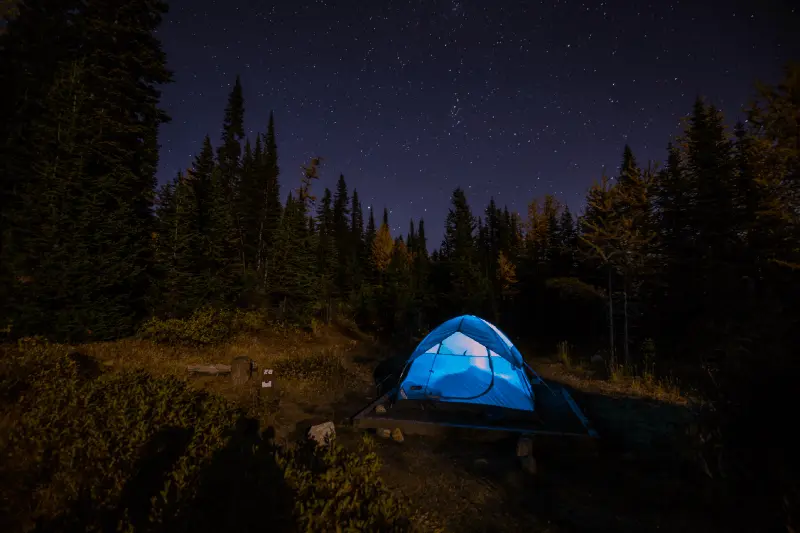
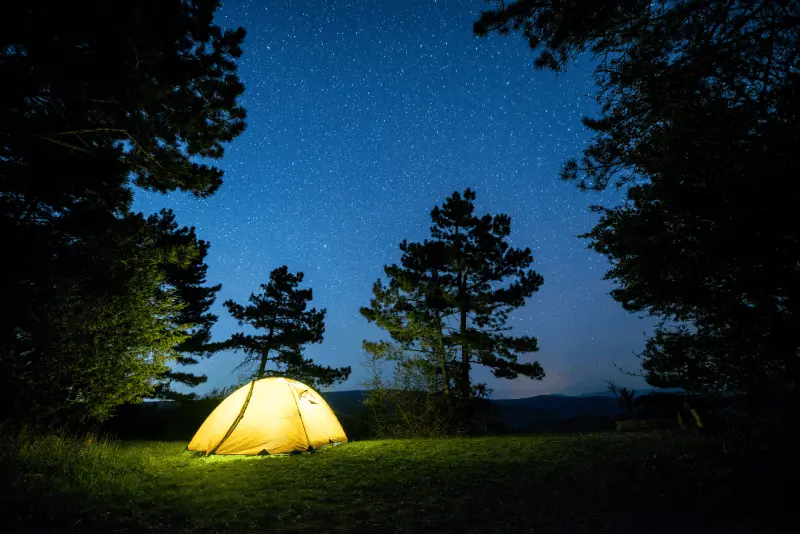
If you want to photograph stars or a campfire while camping, your lighting equipment transforms from a light source into a more artistic tool. Using colored and adjustable brightness flashlights for the "light painting" technique, you can highlight your tent or the surrounding trees in the photograph. As a practical tip, placing a very low intensity yellow light inside the tent while doing long exposure can help create iconic camp photos by making the tent appear to glow from within. Using only red light to avoid disturbing others' shots is also one of the most important ethical rules among camping photographers.
The lighting issue in tent camping can be easily overcome by combining the right technology with creative solutions. The practicality of a headlamp, the sustainability of solar energy, and the lifesaving nature of DIY methods together turn darkness from an obstacle into a beauty waiting to be discovered. When choosing your equipment, you can enjoy comfortable and safe nights in the heart of nature by keeping in mind the lumen values suitable for your needs, battery life, and ease of use. Remember, the right lighting not only illuminates your path but also brightens your camping moments.