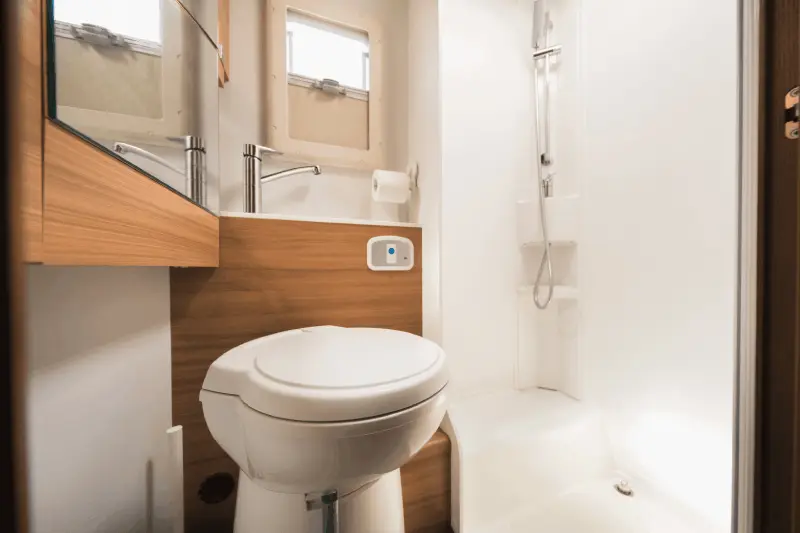
What Should Be the Ventilation Strategies in Caravan Bathrooms?
Caravan bathrooms are among the places where moisture accumulates the fastest due to their small volume. An effective ventilation strategy means much more than just opening a window. In an ideal system, there should be an exhaust outlet that ensures the expulsion of dirty and humid air, along with a vent that supports the intake of fresh air. Actively ventilating for at least 15-20 minutes during and after a shower prevents the water vapor that accumulates on surfaces from turning into residual moisture. Arranging the airflow according to the principle of "cross ventilation" minimizes the formation of damp pockets where mold spores can cling by dispersing stagnant air inside the bathroom.
Which Type of Ceiling Fans Are More Effective in Moisture Control?
When choosing among the caravan ceiling fans available on the market, high-performance models like "Maxxfan" or "Fantastic Vent" that can operate in dual directions should be preferred. The biggest advantage of these fans is that they not only expel air but can also draw in fresh air when needed. The key feature that is effective in moisture control is the volume of air the fan can expel per minute (CFM value). Models with rain sensors operate safely even when you are outside the caravan, ensuring continuous air exchange in the bathroom. Additionally, models with brushless motors that offer low energy consumption can provide circulation at low speeds for 24 hours without straining your battery capacity in off-grid living.
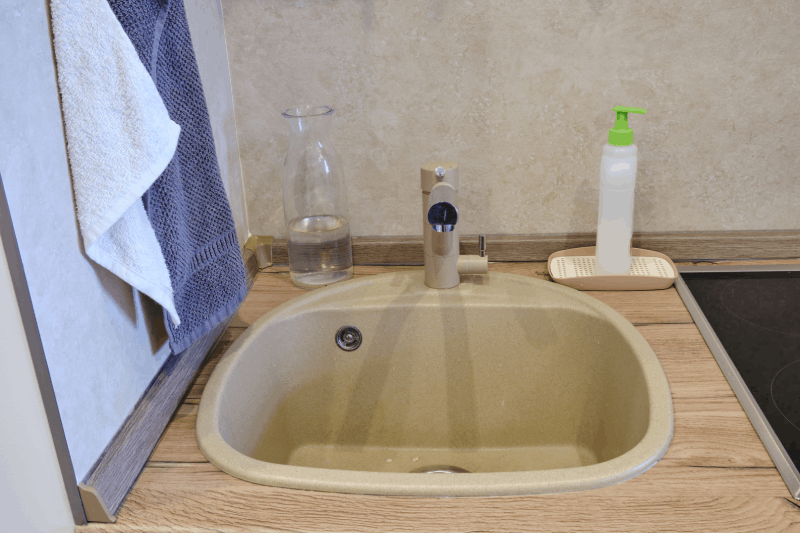
What Practical Methods Can Be Applied to Reduce Humidity After a Shower?
Taking a shower causes a high amount of water vapor to be released into the caravan within minutes. To prevent this vapor from condensing, the most effective method is to clean the water droplets on the bathroom walls immediately after the shower using a squeegee. This simple action reduces the amount of water that will evaporate into the air by 80%. Additionally, if a shower curtain is used, it should not be left bunched up inside the bathroom but should be hung taut to allow it to dry quickly. Keeping the bathroom door completely closed after a shower or slightly ajar only when ventilation is open prevents moisture from spreading to other living areas of the caravan (especially to bedding and textiles).
How Do Waterproofing Materials Prevent Mold Formation?
Waterproofing materials used in caravan bathrooms are essential for structural integrity. CTP (Glass Reinforced Polyester) panels or special bathroom laminates prevent water from seeping into the underlying layers, thus preventing the wood frame from rotting and hidden mold formation. In material selection, non-porous surfaces should be preferred; porous structures trap moisture and create a suitable environment for microorganisms to thrive. Polyurethane-based sealants used at corner joints flex during bumpy travels, preventing cracking and maintaining water isolation. Proper insulation ensures that moisture remains only on the surface, allowing it to be easily removed with a simple wipe.
What Role Do Diesel Heaters Play in Moisture Balance?
Webasto or similar diesel heaters play a vital role in drying out moisture inside the caravan. These heaters draw in dry air from outside and heat it, thus reducing the relative humidity in the environment. A warm air outlet directed into the bathroom (vent) ensures that wet surfaces dry quickly after a shower. Warm air forces the condensation point on cold surfaces upward, making it harder for water droplets to form. During winter camping, maintaining a constant temperature inside the caravan reduces the "cold wall" effect, significantly slowing down the process of moisture turning into mold. Therefore, instead of completely shutting off the heater to save energy, it is more logical to keep it running continuously in low mode for moisture management.
Do Portable Dehumidifiers Work Well in Small Spaces?
Compactly designed, Peltier module or compressor-based small dehumidifiers provide extra protection in caravan bathrooms. Especially in areas where outdoor humidity exceeds 80%, ventilating can lead to more moisture entering. In such cases, closing the windows and running a dehumidifier is the only way to keep the bathroom dry. Compressor models operating at 220V can collect 10-20 liters of water daily, while Peltier models operating at 12V are more suitable for small closet or very small toilet areas. Creating a hose connection that directly drains the water collected by the device into the external gray water tank will save you from the hassle of constantly emptying the tank.
What Type of Paint and Coatings Should Be Preferred for Bathroom Walls?
If you are considering painting the walls of your caravan bathroom, you should definitely choose epoxy-based or high-quality acrylic paints that contain antimicrobial and mold-inhibiting additives. These paints create a hard and slippery film layer on the surface, preventing water retention. Paints labeled as "Kitchen & Bath" do not blister even in high humidity environments and are wipeable. If wallpaper is to be used, it should definitely be vinyl-based and models with mold-inhibiting treatments on the back should be preferred. However, it should be remembered that the caravan is constantly in motion and shaking; therefore, flexible PVC panels or specially produced waterproof foil coatings for bathrooms offer a longer-lasting solution compared to rigid ceramic tiles.
How to Detect Moisture Accumulation in Hidden Corners?
Mold typically starts in unseen spots, behind furniture or in voids beneath the floor. Infrared thermal cameras or professional moisture meters can be used to detect hidden moisture accumulations. These devices can measure without touching the wall and digitally display the moisture level beneath the covering. Additionally, regularly checking the back of furniture (such as wardrobes) near the bathroom walls can help you understand whether the bathroom's waterproofing has deteriorated. If there is a musty smell in the bathroom but no visible stain, there may be a leak in the water drain under the shower tray. At this point, it is essential to open technical covers and inspect the infrastructure.
What Are the Advantages of Using Chemical Moisture Absorbing Tablets?
For campers who want to avoid chemical use or when the caravan will be parked for a long time, calcium chloride-based moisture-absorbing tablets (moisture salts) are a practical solution. These chemicals trap water vapor in the air in a container by drawing it in. Their advantage is that they operate silently and do not require any energy source. However, this method alone is not sufficient when there is an active moisture source (such as continuous shower use); it should be considered more of a "protective" and "supportive" measure. When the tablets are full, the water must be emptied, and the tablet replaced. Especially in narrow spaces like the cabinet under the caravan's bathroom counter, where airflow is weak, using these salts is quite beneficial.
How Does the Temperature Difference Inside the Caravan Cause Condensation?
Condensation is the process of warm, humid air coming into contact with a cold surface and turning into water droplets. In caravans, the temperature difference between the outer panel and the inner panel is very high in winter. If the bathroom walls are not well insulated, the warm air inside hits these cold panels and causes "sweating." This sweating provides the necessary water source for mold spores to awaken. The way to prevent this physical phenomenon is to increase the surface temperature. High-density elastomeric rubber or XPS foam insulation placed between the inner lining and the outer metal/fiberglass shell keeps the inner surface of the bathroom warm independently from the outside. As long as the surface remains warm, moisture will continue to stay suspended in the air and can be expelled through ventilation.
How Should Insulation Be Done to Eliminate Thermal Bridges?
The metal frame elements used in caravan construction create "thermal bridges" by conducting heat. Direct contact of these metal parts with the inner surface covering causes that point to become ice-cold and leads to local condensation. To prevent this, a thin layer of thermal tape or felt should be applied over the metal studs during the insulation phase of the bathroom. Insulation materials that are not affected by moisture (non-absorbent) should be preferred. Materials like stone wool or glass wool should not be used in the caravan, especially around the bathroom; because these materials absorb water vapor and become impossible to dry once wet, leading to corrosion of the metal from the inside out and rotting of the wood.
How Often Should the Shower Tray and Edge Seals Be Checked?
Caravans are constantly in motion; this means that joints, seals, and silicones can stretch over time and create micro-cracks. The waterproofing elements on the edges of the shower tray should be meticulously checked every 3 months. If yellowing, breaking, or separation from the surface is observed in the silicones, the old silicone should be completely scraped off, the surface cleaned with isopropyl alcohol, and renewed with high-quality, fungus-inhibiting neutral silicone produced for bathrooms. Leaks are often very small and can cause the floorboard to rot completely before they are noticed. Therefore, with the understanding of "preventive maintenance," seal checks should be made routine before problems arise.
How Do Wet Towels Inside the Caravan Trigger Mold?
A wet towel after a shower can hold approximately 500 ml to 1 liter of water. Leaving this towel to dry on a hook inside the bathroom means releasing all that water back into the caravan. In a closed and unventilated caravan, this situation can quickly raise the humidity level to around 90%. As a solution, it is recommended to dry wet towels outside if possible or to dry them in the bathroom with the help of an electric heater/radiator while ventilation is open. Some modern caravans have drying rails integrated into the bathroom that quickly dry towels using air from the diesel heater. If there is no other option, keeping the towel in the bathroom and running the ceiling fan at the highest speed is the safest way.
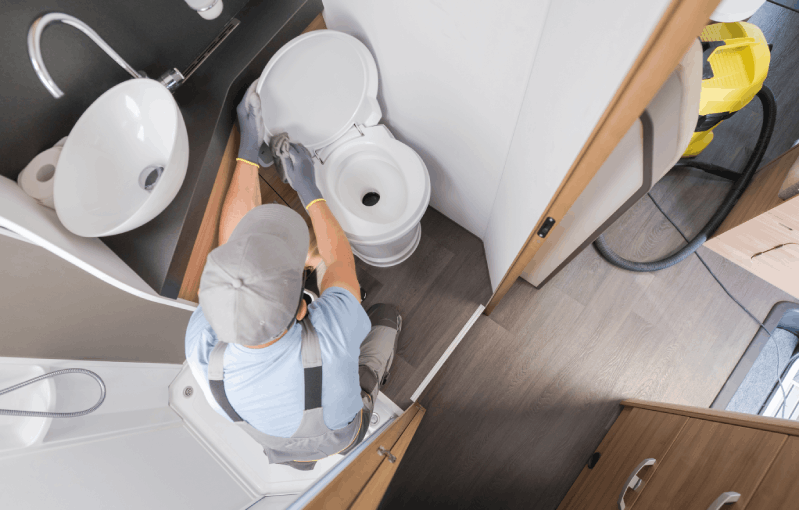
Why Are Smart Sensors and Hygrometers Important in Moisture Monitoring?
The "perceived" humidity and the "actual" humidity level are not always the same. Digital hygrometers placed in different points of the caravan, especially inside the bathroom and immediately outside in the living area, provide you with data on moisture management. The ideal indoor humidity should be between 40% and 55%. When it exceeds 60%, mold spores begin to become active. Some smart home systems have integrated sensors that send notifications to your phone when humidity exceeds a certain threshold or automatically turn on the ceiling fan. This technology helps prevent uncontrolled increases in humidity while you sleep at night or when you are outside the caravan, allowing for early intervention.
Are Natural Cleaning Products Sufficient to Kill Mold Spores?
For campers who want to avoid chemical use, a combination of white vinegar and baking soda is a popular choice. White vinegar can clean many types of mold from their roots due to its acidic nature and can stop the proliferation of spores. However, if the mold has penetrated deeply or entered the silicones, natural methods can only provide surface cleaning. Bleach-based cleaners can whiten mold but do not always eliminate spores; therefore, adding natural antifungal oils like tea tree oil to vinegar can create a more potent solution. The best cleaning strategy is to maintain a dryness level that prevents mold formation and to disinfect the bathroom weekly by wiping it down with vinegar water.
How Should Furniture Placement Be Done to Optimize Airflow in Closed Areas?
When designing a caravan, the location of the bathroom and the placement of surrounding furniture affect air circulation. There should be at least a 1-2 cm ventilation gap between the bathroom wall and adjacent furniture. Small vent holes opened in the back panels of the furniture ensure that the air trapped between the wall and the furniture warms up and circulates. If the bathroom door extends all the way to the floor, placing an aesthetic vent at the bottom allows airflow to continue even when the door is closed. Corners known as "dead zones" where air does not enter are breeding grounds for mold; therefore, large and bulky curtains or furniture stacks that block airflow inside the caravan should be avoided.
How Does the Quality of Silicones Used in Caravan Bathrooms Affect Moisture Resistance?
The quality of the waterproofing product used in the bathroom determines your cleaning frequency. Cheap general-purpose silicones quickly turn black in humid environments and allow mold colonies to form on them. Silicones that carry the "Sanitary" label, which contain antibacterial and antifungal agents, are much more resistant. However, even the best silicone wears out over time. The surface to which the silicone will be applied must be completely dry and grease-free, as this directly affects adhesion performance. If the silicone separates from the surface by millimeters, moisture vapor gets trapped there and begins to rot the wood beneath the covering. Therefore, in bathroom renovations, the best quality mastic products (brands like Sika, Soudal) should be preferred without skimping on cost.
What Special Methods Can Be Used to Combat Moisture During Winter Camping?
Since it is very cold outside in winter, we do not want to open the windows, which causes the moisture inside to explode. In winter camps, "double glazing" or specially produced polycarbonate windows for caravans should definitely be used. To prevent condensation forming on the inner surface of the windows, thermal inner curtains (puck) should be installed. Additionally, "external thermal covers" installed outside the caravan prevent the glass from cooling from the outside, significantly reducing condensation inside. Using thermostatic valves that only heat the bathroom ensures efficient energy use and keeps the bathroom dry at all times.
Can Toilet Cassettes and Waste Water Tanks Be a Source of Moisture?
Especially in cassette toilet systems, the compartment where the cassette is installed (service hatch area) can be a place where moisture from outside or cassette leaks accumulate. If the cassette's seal maintenance has not been done, waste water vapor can leak into the bathroom, causing both odor and moisture. Regularly lubricating the cassette seals with silicone grease ensures gas tightness. Additionally, the insulation around the filters and drain pipes on the bathroom floor should be checked. Micro leaks that may occur at the connection points of the gray water tank to the bathroom can accumulate beneath the floor, leading to significant moisture and mold problems that are difficult to detect.
How Do Silver Ion Coatings Increase Hygiene in Caravan Bathrooms?
With the developing material technology in recent years, antibacterial panels and paints with silver ion technology have become popular. Silver ions disrupt the metabolism of microorganisms on the surface, preventing their growth. In dark and humid places like a caravan bathroom, these types of smart surfaces continuously suppress bacteria and mold populations even if you do not clean. Although these materials may be slightly more expensive initially, they lead to less chemical cleaner usage and healthier indoor air quality in the long run. Especially for campers with allergies or those traveling with children, these innovative coatings offer a significant advantage.
How Does Caravan Underfloor Insulation Prevent Cold Air Flow in the Bathroom?
While many campers focus on the walls, part of the moisture problem originates from the floor. If the caravan's underfloor is not well insulated against the cold air outside, the bathroom floor (including the shower tray) remains very cold. This causes condensation to occur where the warm air in the bathroom contacts the floor and leads to mold formation in the lower parts of the bathroom cabinets. Applying spray foam or closed-cell insulation panels to the underside of the caravan raises the floor temperature. A warm floor not only provides comfort but also physically prevents moisture from accumulating in that area.
Are Solar-Powered Ventilation Solutions a Sustainable Alternative?
Especially if you are leaving the caravan parked for a long time in winter or during cold weather, it is difficult to provide ventilation without draining the battery. Mini ceiling fans with their own solar panels create a continuous airflow inside by expelling air throughout the day using energy from the sun. These systems are not very powerful but help the bathroom receive fresh air as they provide "continuous circulation." Solar-powered fans are great and independent helpers to prevent the infamous "caravan smell" and moisture accumulation when the caravan is closed. They are easy to install and continue to operate without burdening the caravan's main electrical system.
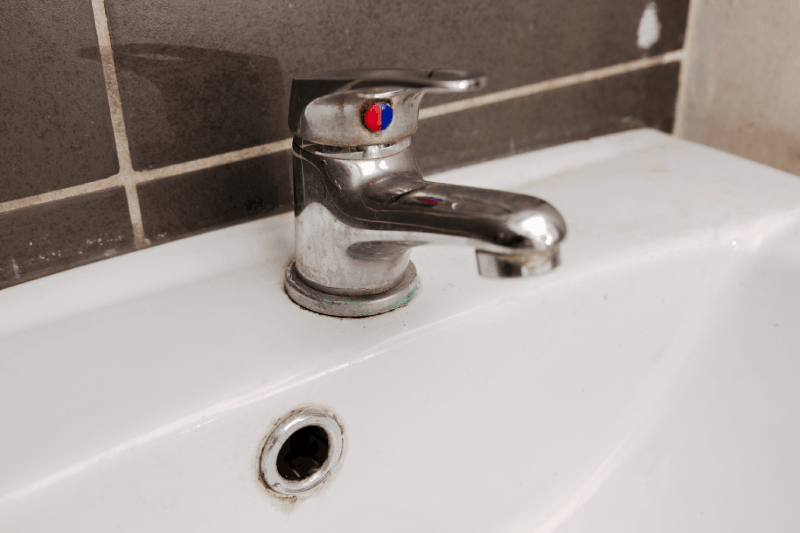
What Are the Risks of Mold Formation on the Health of Caravan Inhabitants?
Mold is not just a visual problem; it poses a serious threat to the respiratory system. In confined spaces like caravans with limited oxygen and small volumes, mold spores can be found in high concentrations in the air. Inhaling these spores can trigger asthma, bronchitis, chronic fatigue, and allergic reactions. Types like black mold (Stachybotrys chartarum) can produce mycotoxins that weaken the immune system. Constantly feeling sleepy in the caravan, nasal congestion, or unexplained coughs are often signs of a hidden mold problem. Therefore, moisture management should not only be a priority to protect the caravan but also to safeguard your health and quality of life.
Does Growing Plants in Your Caravan Bathroom Affect Humidity Levels?
Many people want to place plants in the bathroom for decorative purposes, but plants add extra moisture to the air through "transpiration." In an already humid area like a caravan bathroom, having live plants will further increase humidity levels. If a plant must be included, "air plants" (Tillandsia) that absorb moisture and require no maintenance or moisture-loving types that evaporate less should be chosen. Still, as a general rule, it is best to avoid potted plants in a caravan where moisture is a concern; because soil provides an ideal environment for mold spores to settle and proliferate.
How Should the Bathroom Be Prepared Before Long-Term Storage?
If you will not use the caravan for several months, preparing the bathroom for storage is a critical step. First, you should drain the entire water system and ensure that no water remains in the pipes. The entire surfaces of the bathroom should be wiped with disinfectant and thoroughly dried. The most important tip is to leave the bathroom door slightly ajar (with a safety latch) instead of completely closed. All cabinet doors inside the caravan should also be left open. If possible, several large chemical moisture-absorbing boxes should be placed inside the caravan. The screens on the windows should be closed, but the ventilation hatches should be left slightly open (so that rain does not enter) to balance the air pressure inside and reduce moisture accumulation.
What Films Are Used to Stop Condensation on Caravan Windows?
Single-glazed caravan windows are one of the biggest sources of moisture in winter. Transparent coatings known as "thermal insulation films" or "shrink film" create a double-glazing effect by creating an air gap between the glass and the room. These films are applied to the inner surface of the glass and stretched with a hairdryer. They ensure that the glass surface stays close to the room temperature, reducing condensation by 90%. The application is very cheap and practical. In spring, they can be removed without leaving a trace. Applying this method to the small window of the bathroom will save you from the hassle of cleaning water puddles running down the glass in the mornings.
Are Micro Climate Systems a Luxury for Caravan Bathrooms?
With advancing technology, low-power 12V air conditioning systems designed for caravans offer a professional solution for combating moisture. Running the air conditioner only in "dry" mode allows it to extract all moisture from the air without cooling it. Especially in tropical climates or extremely hot/humid summer days, standard fans only bring hot, humid air inside, while micro air conditioners turn the bathroom into a cool haven. With the development of lithium battery technology and solar panels, these systems have started to become a standard part of comfortable caravan living rather than a luxury.
How to Prevent Rot in Wooden Detail Caravan Bathrooms?
For those who love the warmth of wood in the caravan, using wood in the bathroom is risky but not impossible. The wood used must be "marine" (boat) type exotic woods (like teak, iroko) or very well impregnated woods. Wooden surfaces should be coated with water-resistant yacht varnish or natural oils in at least 3-4 layers. Water pooling on the wood should be wiped immediately after each shower. The "breathability" of the wood requires that maintenance oils be renewed once a year to prevent it from absorbing water. If darkening is observed on the wood, this is a sign of mold and antifungal treatment should be applied immediately.
How Does the Cleaning of Ventilation Grills Affect Air Circulation?
Ventilation grills located on the bathroom door, ceiling fan, or walls can become clogged over time with a combination of dust, grease, and moisture. A clogged grill can reduce airflow by more than 50%, regardless of how powerful your fan is. This situation causes moisture to become trapped inside. Removing the grills once a month and washing them with soapy water ensures that airflow remains within design capacity. Additionally, cleaning the screens is also important; because the layer of dust between the screen wires acts like a wall when combined with moisture. Clean vents ensure that the bathroom dries much faster and remains fresh.
What Should Be the First Step When Facing Moisture and Mold Problems in Your Caravan Bathroom?
If you notice a mold stain or a strong musty smell in your bathroom, you should find the source before panicking. The first step is to clean the mold on the surface with a solution based on 70% alcohol or vinegar and completely dry the area. Then, you should check for any leaks (water pipes, drains, silicones). If the problem is not a structural leak but just usage-related moisture, you should review your ventilation habits and consider getting a moisture meter to track the values. Waiting for the mold to spread will not only decrease the market value of your caravan but also jeopardize your health. Remember, combating moisture is not a one-time task but a continuous maintenance and attention process.