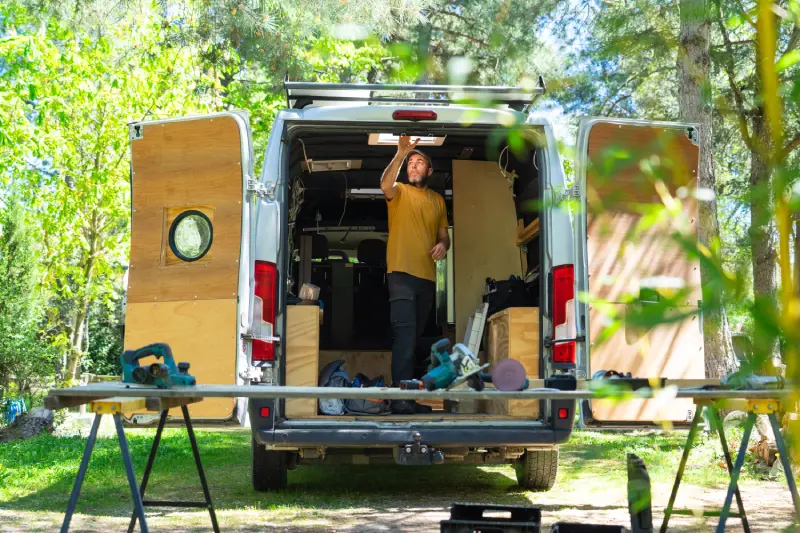
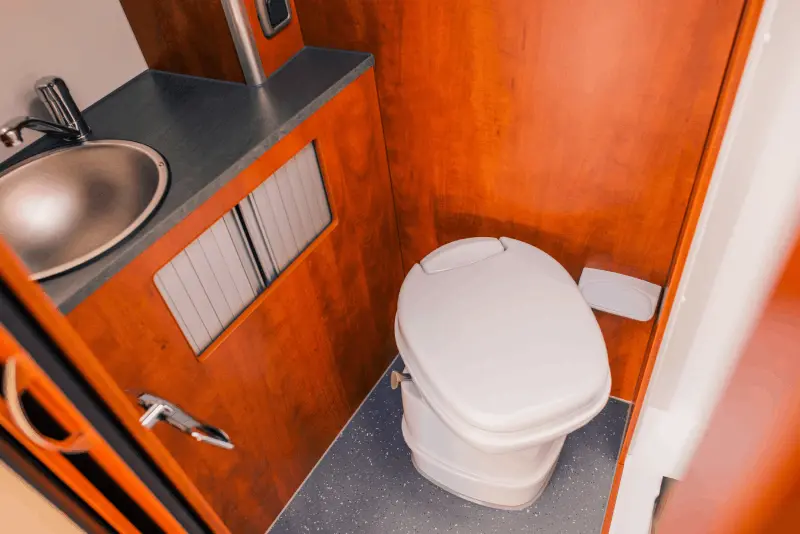
While caravan life offers the freedom to be in nature and wake up to a new view every day, there are some technical challenges that come with living in a confined space. At the forefront of these challenges are the bathroom and toilet odors that can become unbearable, especially during hot summer months. The proximity of waste systems to your living area in a tight space can seriously disrupt your comfort if proper management strategies are not implemented.
What Causes Bathroom and Toilet Odors in a Caravan?
The primary cause of odor formation in caravans is the storage of waste in closed tanks (black water and gray water) and the gas produced by bacterial activity in these tanks. The toilet cassette, which we refer to as the black water tank, releases foul-smelling gases like hydrogen sulfide during the breakdown of feces and urine. In the gray water tank, soap residues, food scraps, and skin flakes from kitchen and shower water gradually decompose, emitting a septic-like odor. Additionally, leaks in the plumbing, worn-out seals, or inadequate ventilation can cause these odors to seep into the living area. Accurately identifying the source of the odor is the first step in finding a solution.
How to Prevent Odor Formation in Cassette Toilets?
Cassette toilets are indispensable in modern caravans, but they require regular maintenance. The most effective way to prevent odors is to use quality breakdown chemicals. These chemicals not only liquefy the waste but also suppress gas formation. Additionally, regularly lubricating the cassette's sealing gaskets (lip seal) with silicone-based oils prevents gases from leaking upwards. It is also crucial to thoroughly rinse the cassette after each emptying and ensure no old waste is left inside. Furthermore, only opening the toilet flap during use and closing it immediately after helps physically prevent odors from entering the tank.
What are the Best Odor Eliminating Methods for Portable Toilets?
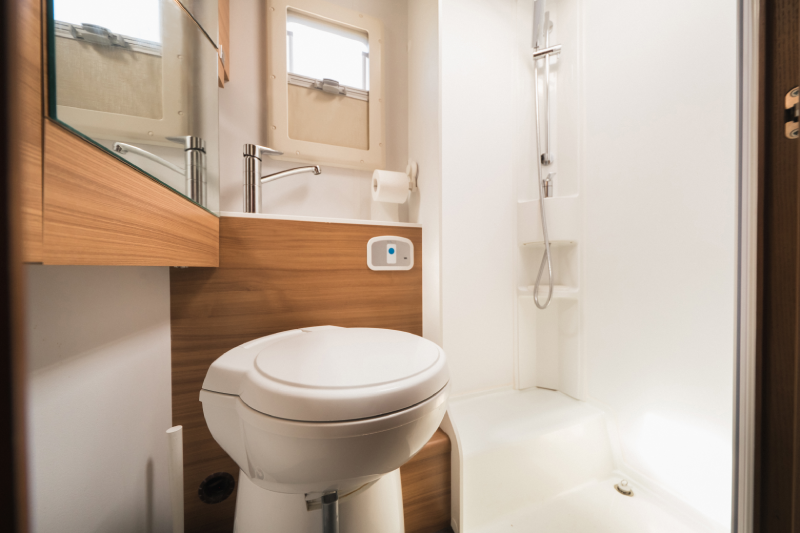
Portable toilets (like Porta Potti) are smaller in volume compared to cassette toilets, making them fill up faster and more prone to odor formation. The blue or green liquids added to the lower tank in these types of toilets are crucial. Blue liquids contain strong chemicals, while green liquids are biodegradable and environmentally friendly. To prevent odors, you should never let the waste tank fill to full capacity. Pink scented liquids added to the clean water tank help lubricate the toilet's inner surface with each flush, preventing dirt from sticking and ensuring a fresh scent in the bathroom.
Do Compost Toilets Really Produce Odors?
Contrary to popular belief, a well-designed compost toilet produces almost no odor. The secret lies in separating solid and liquid waste. Odor primarily occurs when urine and feces mix, resulting in an ammonia reaction. In compost toilets, urine is collected in a separate tank, while feces are covered with a drying agent like sawdust, peat, or coconut fiber. A small fan that continuously operates helps expel moisture from the solid waste compartment, initiating aerobic decomposition. If your compost toilet is producing odors, either the separation mechanism has failed, or the ventilation fan is not performing adequately.
Are Chemical Tablets or Liquid Odor Eliminators More Effective?
Both tablets and liquids have their advantages, but the quality of the ingredients is more important for odor prevention performance. Tablets are easy to use; there’s no dosing hassle, and they are practical to store. However, they may take longer to dissolve in cold weather. Liquid odor eliminators show their effectiveness as they are poured into the tank and penetrate waste more quickly. They may be more successful in cleaning the residues left at the bottom of the cassette. If you travel frequently, you should prefer tablets that do not risk spilling during bumps; however, if you are experiencing a severe odor problem, you should opt for liquid forms where you can increase the dosage.
How to Prevent Toilet Odors with Natural Methods?
For caravaners who do not want to use chemicals, there are eco-friendly alternatives available. A combination of vinegar and baking soda is ideal for light odors and surface cleaning, but it may not be sufficient to eliminate strong gas in the waste tank. Instead, natural products containing biological enzymes can be used. Additionally, adding a few drops of peppermint, eucalyptus, or tea tree oil into the cassette creates a natural disinfectant effect, providing a fresh scent. Some users also manage odors by adding laundry detergent and softener to the waste tank, but this method can damage the tank's seals in the long run; therefore, caution is advised.
What is the Effect of Ventilation Systems on Odors?
Since the caravan bathroom has a small volume, air circulation is vital. If there is no window or ceiling vent (ventilation hatch) in the bathroom, moisture and odors get trapped. In an ideal system, the ceiling fan should vacuum air outside. Ventilation is necessary not only for odors but also for the removal of moisture that occurs after a shower (the main cause of mold formation). If odors are strong, having a fan that works to the outside uses the pressure difference in the living area to prevent odors from spreading inside and ensures proper expulsion to the outside environment.
What is the SOG Ventilation System and Does it Work?
The SOG system is one of the most effective technological solutions developed for caravan toilets. This system consists of a small electric fan mechanism that activates when the toilet lid is opened. The fan expels the air inside the cassette through an active carbon filter to the outside of the caravan. This way, even when the toilet flap is open, odors cannot seep inside because the system creates a vacuum effect. Caravaners using SOG often report that they do not need to use any chemicals at all. Due to its eco-friendliness and its ability to eliminate odor problems at the source, it is one of the best investments for users with a suitable budget.
How to Stop Odors Coming from Bathroom Drains?
Sometimes the odor comes not from the toilet but from the shower or sink drain. The "U" shaped siphon systems found in homes are usually absent in caravans due to space constraints. This causes the smell from the gray water tank to return to the bathroom through the pipes. To prevent this, "dry siphon" systems (like HepvO valves) specifically designed for caravans should be installed. These valves have a one-way silicone curtain that allows water to pass while preventing gas from returning. If you do not have this system, simply covering the drains with rubber stoppers while traveling is a simple but effective temporary solution.
How Does Gray Water Tank Odor Seep into the Bathroom?
The gray water tank collects water from sinks, showers, and kitchen drains. The organic matter inside this tank ferments quickly, especially in hot weather. If the tank's own ventilation pipe is clogged or insufficient, the gas will choose the easiest route and seep up through the drain pipes into the bathroom. Additionally, if the gray water tank is not emptied for a long time, the sludge layer that forms on the tank walls becomes a source of persistent odor. Regularly cleaning the gray water tank with special tank cleaners and keeping the drain stoppers closed while traveling is the most practical way to prevent this leakage.
How Should Cleaning be Done in Macerator Toilets?
Macerator toilets are systems that grind waste and send it to the main tank through thin pipes. Cleaning in these systems is very important for the health of the grinder blades. Abrasive chemicals or hard brushes should not be used. Hair, wet wipes, or thick paper should not be thrown into the macerator as they can cause the motor to strain and lead to odors from waste accumulating in the pipes. For cleaning, macerator-friendly liquid cleaners and plenty of water should be used. It should be ensured that the tank is completely emptied, and the system should be periodically flushed with clean water to prevent waste residues from remaining in the pipes.
How Often Should the Toilet Cassette be Emptied?
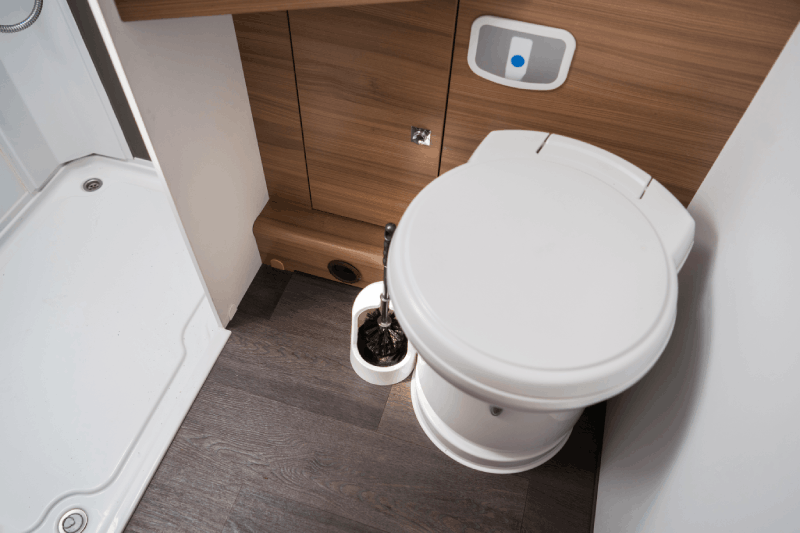
The most fundamental rule to prevent odor formation is not to hold waste in the caravan for too long. Ideally, the cassette should be emptied every 2-3 days, regardless of the fill level. Waiting waste produces more gas and leaves residue inside the cassette, leading to persistent odors. Especially on hot summer days, this period can be reduced to 24 hours. When emptying your cassette, you should find a suitable discharge point and rinse the cassette thoroughly with plenty of water afterward. Emptying a cassette with a small amount of waste is much more hygienic than emptying a completely full one that has built up gas pressure.
What Materials Should be Avoided During Cleaning?
Caravan toilets and their installations are generally made of plastic and rubber components. Therefore, household-grade strong acids, bleach (like hydrochloric acid), caustic soda, or abrasive scrubbing creams should never be used. Bleach causes the rubber seals that provide watertightness to dry out, crack, and lose their properties. This directly leads to odor leakage. Additionally, these harsh chemicals kill the beneficial bacteria inside the cassette, disrupting the chemical's breakdown effect. Always prefer cleaners that are approved for "caravan and marine" use, pH balanced, and plastic-friendly.
How to Deal with Odor Problems in Hot Weather?
Heat is the biggest factor that accelerates bacterial growth and gas expansion. Standard dosages of chemicals may be insufficient during summer months. During these times, it is sensible to increase the amount of odor-eliminating chemicals by 50%. Additionally, when parking the caravan, try to keep the side with the toilet cassette in the shade to delay the heating of the tank. More frequent emptying of the cassette and keeping the bathroom ventilation hatch open continuously is also part of the solution. If possible, during hot days, you should also empty the gray water tank daily to prevent fermentation.
Is the Vinegar and Baking Soda Mixture Effective for Toilet Cleaning?
Vinegar and baking soda are excellent helpers for natural cleaning enthusiasts, but the fizzing effect created when these two are mixed only provides surface cleaning. White vinegar is quite effective for removing lime stains on the plastic surface of the caravan toilet. Baking soda can be kept in an open container in a corner of the bathroom due to its odor-absorbing properties. However, this mixture cannot suppress the strong odor produced by millions of bacteria in the waste tank. You can use vinegar to clean the seals, but remember to lubricate the seal with appropriate silicone grease afterward.
Why is Seal Maintenance Important for Odor Tightness?
The most critical part that ensures odor tightness in caravan toilets is the large circular seal on top of the cassette. This seal dries out over time, hardens, or becomes unable to close completely due to urine/lime deposits that form on it. When the seal does not close properly, all the odors from the tank seep into the bathroom. Therefore, at least once a month, you should remove the seal, clean it with warm soapy water, and then lubricate it with a special seal spray or olive oil/silicone grease. A well-maintained seal ensures that you win 70% of the battle against odors. If you see cracks in the seal, you should replace it with a new one without trying to clean it.
Does the Choice of Toilet Paper Affect Odor Formation?
Yes, the choice of toilet paper has a significant impact. Standard household thick or scented toilet papers do not dissolve easily in caravan cassettes or tanks. These papers accumulate inside the tank, making it difficult for the waste to break down and leading to a buildup known as "pyramid formation." This accumulation prevents the chemical from reaching the waste and causes an increase in odors. Additionally, during the emptying of the paper rolls, it can prevent the lid from closing completely, leading to leaks. Using toilet papers specially produced for caravans that dissolve quickly in water helps keep the system clean and odor-free.
Do Scented Products Only Mask Odors?
Regular room fragrances or scented sprays bought from stores do not eliminate the strong waste odors in the caravan; they merely create a more unpleasant scent profile by mixing with them. In the caravan bathroom, "masking" products should not be used; instead, "eliminating" products should be utilized. Air purifiers containing activated carbon trap odors at the molecular level, while quality caravan chemicals prevent odor formation at the source. If you want a pleasant scent in the bathroom, you should first eliminate the source (cleaning and chemical use) and then turn to light and natural options like essential oil diffusers or bamboo stick room fragrances.
How Do Tank Cleaning Enzymes Work?
Biological tank cleaners break down organic waste (proteins, fats, starches) through the special enzymes and bacteria they contain. These enzymes neutralize odors and clean the residues (biofilm) that accumulate on the tank walls. Unlike chemical-based solutions, these products do not harm the environment and assist septic systems at discharge points. For those living in a caravan for extended periods, enzyme-based products are a great long-term solution to prevent system clogging and eliminate persistent odors in the pipes.
How to Maintain Humidity Balance in the Caravan Bathroom?
Another source of bathroom odor is excessive humidity and the mold that can develop as a result. If the bathroom walls and floor remain wet after a shower, this moisture quickly turns into a pungent odor in the confined space. To maintain humidity balance, you should always use a squeegee to push water down the drain after showering and wipe up any remaining moisture with a cloth. Keeping the ceiling hatch or window open for at least 15 minutes helps to expel steam. If your caravan is in a very humid area, placing a small dehumidifier (like a silica gel box) inside the bathroom cabinet can help keep the air dry and fresh.
How to Eliminate the Musty Odor After Showering?
The musty odor often clings to textile products and the shower curtain. If you are using a fabric shower curtain in your bathroom, you should prefer water-resistant plastic curtains instead. After getting wet, the curtain should be fully opened and allowed to dry. Towels should not be left in the bathroom; if possible, they should be dried outside or in a part of the caravan with better ventilation. Additionally, wooden grates on the bathroom floor (if present) can also accumulate water underneath. Removing these grates weekly and disinfecting underneath will completely eliminate the musty odor that resembles the typical "wet dog" smell.
Why Should Excess Water Not Be Added to the Waste Tank?
Many caravaners make the mistake of adding too much water to the tank after emptying and cleaning it. However, only the amount of water needed to activate the chemical (usually 1-2 liters) should be added to the cassette. The more water there is in the tank, the faster the cassette fills up, and the interaction between the waste and the chemical becomes more diluted. Using less water helps keep the chemical more concentrated and improves odor prevention performance. However, using no water can lead to the waste drying out and sticking to the lid, so a balanced amount (enough to cover the bottom) is always necessary.
Does the Connection Between Kitchen Drain and Bathroom Drain Cause Odors?
In most caravans, all drains are connected to a single gray water tank. Oils and food scraps poured down the kitchen sink can remain in the pipes, causing odors to emanate from the bathroom sink or shower drain. The layer of grease that accumulates on the inner walls of the pipes acts like a factory for odors. To prevent this, a strainer should always be used in the kitchen, and greasy dishes should be wiped with paper towels before washing. Pouring hot water and gray water tank cleaner down the drains once a month will dissolve these organic accumulations in the pipes and eliminate that strange food-grease mixture odor that seeps into the bathroom.
How Should Odor Management Be Handled During Long Stays?
When staying in the same place for an extended period (not off-grid, but in a camping area), the water systems in the caravan do not continuously flow like at home. In this case, even if you have the opportunity to empty your cassette and gray water tank every day, even a small amount of waste left in the tanks can produce odors when heated. For odor management during long stays, you should apply the "flush" method. This means that after emptying the tank, you should fill it with clean water 2-3 times and then empty it again to completely remove any residues inside. Additionally, using the electrical facilities in camping areas to run the bathroom fan at low speed continuously ensures a fresh airflow inside.
What Should Be Considered When Using a Caravan Toilet in Winter?
While low winter temperatures can reduce odor problems, freezing temperatures pose a risk to the plumbing. If you are staying in a caravan during winter and the interior is not heated, the liquid in the waste tanks can freeze. In areas at risk of freezing, in addition to odor chemicals, liquids with antifreeze properties (but that do not harm the plumbing and environment) should be added. In cold weather, the rubber seals of the cassette harden more, so you should lubricate the seals more frequently in winter. Additionally, since the inside of the caravan is continuously closed in winter, the moisture from cooking steam and our breath accumulates in the bathroom more quickly; therefore, you should not neglect to ventilate the bathroom even for a short time.
How is Odor Control Managed in Marine Toilets?
Marine toilets found in some larger caravans send waste directly to a large fixed tank. Managing odors in these systems is more challenging because the tank is usually fixed under the caravan's chassis and is difficult to clean completely. The biggest source of odor in marine toilets is the waste left in the inlet pipes. It is critical to flush with plenty of water after each use. Additionally, the hoses used in these systems must be of the "odor-tight" (sanitation grade) type. Old hoses can become porous over time and start leaking odors outside. If your system is old, replacing the hoses can solve the odor problem at its source.
Do Blockages in the Pipes Cause Odors?
Even if there is not a complete blockage in the pipes, hair and soap residues that accumulate on the walls cause the water to flow slowly. There is always an odor in pipes where water flows slowly. During bumpy journeys, these accumulations can shift and spread strong odors into the bathroom. Never use chemical drain cleaners (like caustic) to clean the drains; they can erode the pipes. Instead, try cleaning the pipes with a flexible guide wire or just pressurized water. Regularly cleaning the drain strainers prevents hair from going down the pipes and creating odor centers there.
Does Using Bleach Harm the Caravan Plumbing?
This question is often debated among caravaners, but experts' answer is clear: Yes, it causes damage in the long run. Bleach (sodium hypochlorite) breaks down the watertight seals of caravan toilets (elastomers), hardens them, and causes them to crack. It can also make the inner structure of plastic tanks porous, leading to odors "leaching" into the plastic. If disinfection is necessary, oxygen-based cleaners or disinfectants specifically made for caravans should be preferred instead of bleach. If you have hygiene concerns, even diluted vinegar is a safer alternative than bleach.
Can Essential Oils Be Used to Enhance Bathroom Odors?
Absolutely yes. Essential oils like lavender, lemon, eucalyptus, or cedarwood are excellent for caravan bathrooms. You can create your own natural room spray by mixing water with a few drops of essential oil in a spray bottle. Additionally, you can soak a small piece of cotton with these oils and place it in a hidden corner to keep the air fresh continuously. Some oils (like tea tree oil) also have antibacterial properties. However, you should ensure that these oils do not come into direct contact with the cassette seal, as some oils can damage rubber.
Does Agitation in the Tank During Travel Cause Odors?
While traveling, the liquids in the tanks are constantly agitated. This agitation softens the hardened waste that has formed in the upper parts of the tank and can lead to new gas emissions. If your drain stoppers are open or your seals are weak, a strong septic odor can fill the inside of the caravan during the journey. To prevent this, you must empty the cassette before leaving for the trip. If you cannot empty it, make sure that the toilet flap is closed and the drain stoppers are in place. Some caravaners ensure "automatic cleaning" during travel by adding a small amount of cleaner and water to the tank, which is actually quite an effective method.
Why is Proper Functioning of the Flush Mechanism Critical?
In caravan toilets, the purpose of the flush is not only to send waste away but also to clean the toilet's inner surface. If the flush water is insufficient or the spray nozzles are clogged with lime, residues can accumulate in the toilet bowl. These residues dry out and become a source of persistent odors in the bathroom. It may be beneficial to occasionally add citric acid (lemon salt) to the water tank to clean the limescale in the flush system. Additionally, ensuring that the flush is fully opened while flushing prevents waste from contaminating the seal, keeping it clean and effectively eliminating odors.
How to Ensure Hygiene at Waste Disposal Points?
Odor management is not only limited to the inside of the caravan. The processes you perform at waste disposal (dump station) points affect the external cleanliness of the caravan and thus the odors. Always wear gloves when emptying the cassette, and after the disposal is finished, disinfect the outside of the cassette and the handles. If waste contaminates the outside of the cassette, it will emit odors when you place it inside the caravan (in the compartment with the outer lid). Thoroughly rinse the cassette with the hose at the disposal area and dry the lid section to ensure a hygienic cycle.
How to Improve the Overall Air Quality Inside the Caravan?
Dealing with bathroom odors is actually part of the overall ventilation strategy of the caravan. If there is a window at the front of the caravan and a fan at the back (in the bathroom), a continuous airflow is created inside. This "cross ventilation" prevents the accumulation of stale air. Additionally, air purifiers with activated carbon filters can absorb not only food odors and pet smells but also bathroom odors. Instead of spraying too much perfume inside the caravan, maximizing fresh air intake is always the healthiest and most effective way.
Are Odor Sensors or Detectors Necessary?
Odor sensors are generally used in industrial areas, but some smart caravan systems may have ammonia or methane gas sensors. For a standard caravan user, these devices are usually unnecessary; because the human nose is the most sensitive detector for odors. However, if you suspect a gas leak in your caravan or are using a sensitive system like a compost toilet, air quality monitors can be helpful. Still, the best sensor is regular checks and paying attention to the warnings your nose gives you.
What are the Recipes for Homemade Cleaning Solutions?
Making your own cleaner is both economical and safe. You can create an excellent surface cleaner by mixing 1 cup of white vinegar, 1 tablespoon of dish detergent, and 10 drops of lemon oil into half a liter of water. This mixture removes limescale, dissolves grease, and leaves a fresh scent. Using disposable sponges instead of toilet brushes also reduces bacterial accumulation in the bathroom. For the inside of the cassette, sometimes the "detergent + ice" method is used; before going on a trip, adding ice cubes and detergent to the cassette cleans the inner surface as if it has been scrubbed during the journey.
Should the Toilet Lid Be Kept Closed at All Times?
Yes, keeping the toilet lid (and flap) closed is a fundamental rule for both hygiene and odor control. When the lid is closed, any microscopic droplets and odors that may form are physically restricted from spreading into the bathroom. Especially closing the lid while flushing prevents bacteria from being aerosolized into the air. Additionally, visually, a closed lid always looks tidier. To prevent the lid from rattling while the caravan is moving, placing a small rubber buffer or soft cloth in between will also enhance comfort.
Where Should Ventilation Fans Be Installed?
A ceiling-mounted fan (like MaxxFan or similar) is ideal in the bathroom. If there is no space on your ceiling, small exhaust fans mounted on the side wall will also work. What matters is not the position of the fan but the direction in which it pushes the air. The fan should always be installed to expel air from inside to outside. If your bathroom is in the middle of the caravan, ensure that the fan's exhaust duct can easily reach outside from the side or top of the caravan. Choosing models with filters will also prevent dust or insects from entering from outside.
What Plants Can Absorb Odors in the Caravan Bathroom?
If your bathroom area is not too small and receives adequate light, some plants can improve air quality. Spider Plant or Snake Plant are quite successful in absorbing toxins and odors in the environment. However, since there is a risk of pots tipping over while the caravan is in motion, you should keep these plants in hanging pots or secured shelves. Plants also soften the sterile and plastic air of the bathroom, creating a more homely and peaceful environment. If light is insufficient, keeping fresh eucalyptus branches in a vase can also spread a pleasant scent for weeks.
What Steps Should Be Taken to Find the Source of the Odor?
If there is an odor in your caravan but you cannot find where it is coming from, follow this flow: First, check the cassette seal (is it leaking?). Then smell the sink and shower drains (is it the gray water tank odor?). Next, check the bathroom floor and wall corners (is there a leak or mold?). Finally, check the pipe connections behind the toilet (is there moisture?). Usually, the odor comes from a small leak or a clogged siphon pipe that you least expect. Do not hesitate to bring your nose close to the pipes to find the source.
Does Contamination in the Clean Water Tank Affect Bathroom Odors?
Often overlooked, sometimes the source of bad odors is not the waste system but the clean water system. If there is algae or bacterial growth in your clean water tank, water can carry a "mold" or "egg" like smell when showering or washing your hands. This odor can become persistent in the bathroom. You should disinfect the clean water system with food-safe disinfectants or highly diluted citric acid at least twice a year. The odorless and fresh state of your clean water is a hidden factor that directly affects the overall atmosphere of your bathroom.