Why Should We Be Careful to Prevent Forest Fires?
Forests are complex ecosystems that host thousands of living species, serving as the lungs of our planet. A moment of carelessness or neglect can lead to a fire that can destroy these valuable areas formed over centuries in just minutes. Forest fires not only destroy trees but also irreversibly damage soil fertility, wildlife, and water resources. Therefore, every precaution taken when lighting a fire in nature is not just a safety measure but also a debt we owe to future generations. With climate change, rising temperatures have turned forests into powder kegs. In this delicate balance, every step taken regarding fire lighting must be done consciously and is of vital importance.
How to Choose the Most Suitable Location for a Safe Fire Pit?
The first rule when choosing a place to light a fire is the ground and surroundings of the area. The ideal location is an open area that is sheltered from the wind, has a mineral soil (sand, gravel, or bare earth), and does not have overhanging branches. The ground must be completely cleared of dry leaves, grasses, or other flammable plant cover. Additionally, you should ensure that the spot you choose is at least 5-6 meters away from tents, vehicles, and camping gear. It is also critical to choose a spot where there are no roots underground; because the heat from the fire can transfer through the underground roots and ignite a fire at another location days later.
What Local Rules Should Be Checked Before Lighting a Fire?
One of the most important tasks to be done before going into nature is to check the current announcements from the official authorities in the area you will be visiting (General Directorate of Forestry, governorship, or municipality). Access to forests may be prohibited during the summer months or periods of high wind risk, or lighting a fire may be completely criminalized. Ignoring the rules by saying "nothing will happen here" can lead to major disasters and may result in serious legal consequences. Additionally, if the area where you are camping is a national park or a specially protected area, you must not go outside the designated special areas for lighting fires and must strictly adhere to the specified restrictions.
Is It Safe to Light a Fire in Windy Weather?
Lighting a fire in windy weather is one of the riskiest actions that can be taken in nature. The wind can carry sparks and burning embers from the fire meters away, easily igniting dry grasses. If the wind speed is high or there are sudden gusts, no matter how deep a pit you dig, you cannot minimize the safety risk. In such cases, the best decision is to postpone your fire lighting plan or to use only enclosed, safe stoves. Remember that a fire can become uncontrollable in just seconds, and the wind can accelerate this process faster than you can predict. Instead of leaving your safety to chance, you should adapt to the conditions of nature.
What Materials Are Needed When Digging a Fire Pit?
To prepare a safe fire pit, it will be helpful to have a few basic tools with you. A small camping shovel is the most important material for digging the ground and later extinguishing the fire. Additionally, gloves for cleaning the area and a rake-like tool for removing surrounding dry flammables can be useful. You will need to find natural stones to surround the pit. The most critical items are a large bucket of water and a bucket of soil that you should always have ready next to the fire. These materials determine your response speed in an emergency. Trying to light a fire without preparation means putting your safety second.
How Does the Type of Soil Affect Fire Safety?
The structure of the soil determines how the heat from the fire will be distributed and the potential dangers. Peaty or overly vegetated black soils (organic soils) are the most conducive grounds for underground fires. Although fire may appear to be extinguished on the surface in these types of soils, it can continue to burn from the inside out. The preferred ground for a safe fire should be "mineral soil" which consists of sandy, gravelly, or clayey structures. If the ground contains too much organic matter, you should dig the layer completely until you reach the hard and lifeless soil layer underneath. Understanding how well the soil conducts heat is one of the fundamental building blocks of forest safety.
What Should Be the Depth and Width of an Ideal Fire Pit?
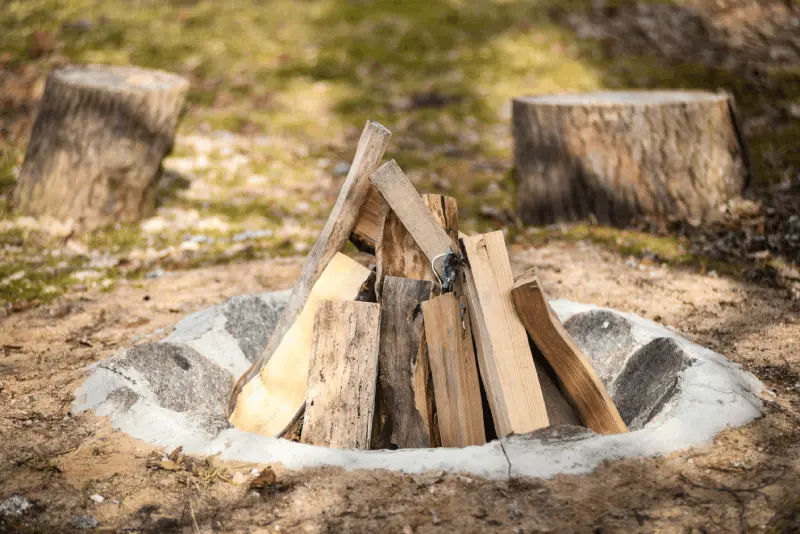
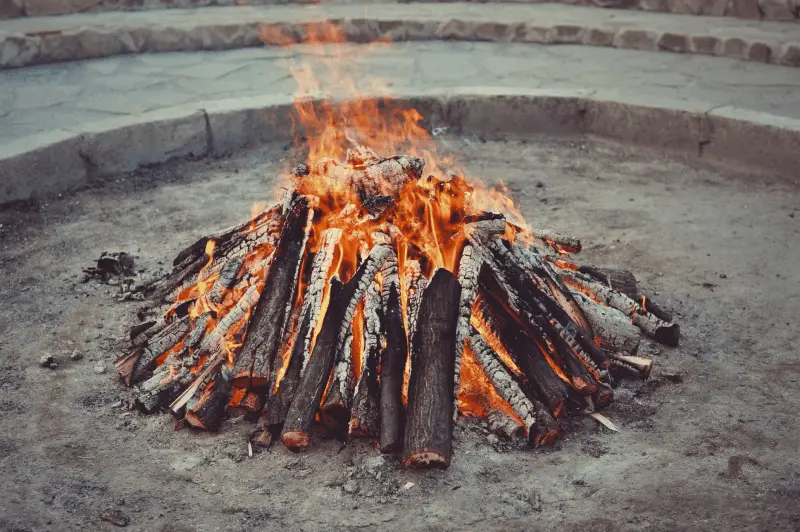
A fire pit should neither be too shallow nor unnecessarily deep. Generally, a depth of 20 to 30 centimeters is sufficient to prevent the wind from scattering the embers. The width should be adjusted according to the size of the fire you will be lighting; however, a diameter of 50-60 centimeters is ideal for a standard campfire. If the pit is too large, it makes controlling the fire difficult and leads to increased wood consumption. Having steep inner walls in the pit ensures that the embers gather in the center. You can create an additional windbreak and extinguishing reserve by pushing the soil you dug to the edge of the pit. The important thing is to create a "container" that will prevent the fire from spreading outside.
Surrounding the Pit with Stones
Why is Building a Fire Ring Important?
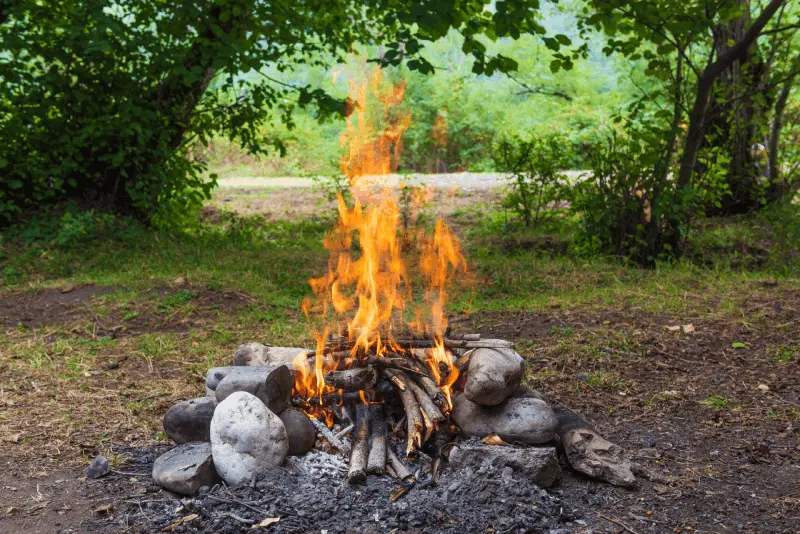
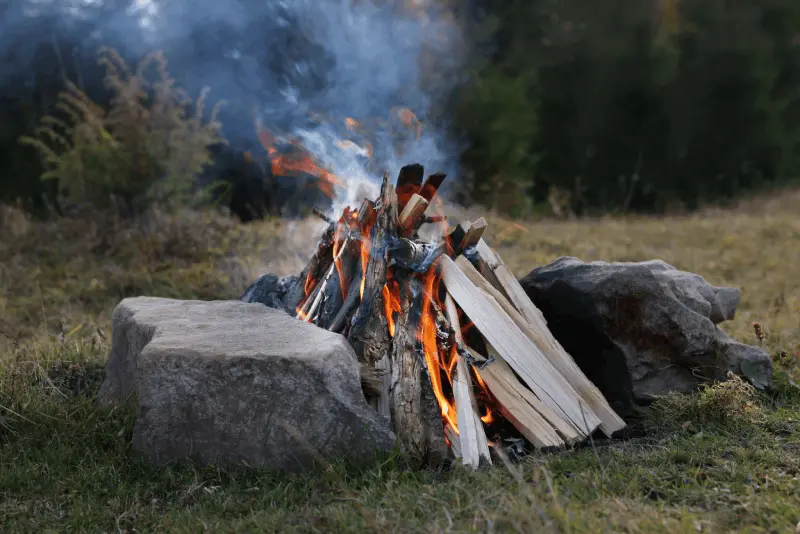
Building a barrier of stones around the pit is not just an aesthetic choice, but a vital barrier. The stones physically prevent the fire from spreading sideways and force the wind to enter from underneath the fire, carrying sparks away. Additionally, by clearly defining the boundaries of the fire area, it prevents campers from accidentally stepping into the fire or flammable materials from falling into the fire. However, there is an important point to note: you should not use wet stones taken from riverbeds or water edges. The moisture in these stones can expand with the heat of the fire, causing explosions and injuries. You should always prefer dry and sun-dried stones.
How to Clean Flammable Materials Around the Fire Area?
Before opening the fire pit, you must carefully clean all areas within at least a 3-meter radius from the center point. All dry leaves, twigs, pine needles, dried herbs, and even tree bark in this area must be completely removed. The cleaning process should continue until the bare soil is visible. This clean area acts as a "safety zone" that prevents a small spark from the fire from igniting a fire. Most forest fires start not from the fire itself, but from dry grass that comes close and ignites from a spark. Therefore, you should never rush this step and ensure the area is spotless.
How Far Should the Fire Pit Be From Trees and Bushes?
The heat from the fire spreads not only downwards but also upwards and sideways. Therefore, you must look up at the sky when opening the fire pit. If there are overhanging branches above the fire, the rising hot air can dry out the moisture in those branches, making them ready to burn or ignite directly. Ideally, there should be at least a 5-6 meter gap around and above the fire pit. Especially coniferous and resinous trees, like pines, are very sensitive to heat and can ignite very quickly. Maintaining distance not only protects the trees but also helps prevent a potential crown fire (fire spreading from tree tops).
What is the "Duff" Layer and Why is it Dangerous?
The "duff" layer is a thick, spongy layer made up of undecomposed needles, twigs, and other organic matter on the forest floor. This layer is the most insidious danger in forest fires. The duff layer ignites very easily, and even when there is little oxygen within this layer, the fire can progress slowly. Even if you think you have extinguished the fire on the surface, the fire advancing within the duff layer can ignite tree roots hours or even days later. Therefore, when opening the fire pit, you must ensure that you completely excavate this spongy layer until you reach the underlying lifeless, hard soil or sand layer.
Which Woods Should Be Selected to Keep the Fire Under Control?
For a safe campfire, you should only use dead wood found on the ground. Cutting branches from live trees harms nature and produces too much smoke due to their wetness, resulting in inefficient burning. Very thin and dry twigs (kindling) are suitable for starting the fire, but medium-thick wood should be preferred for the main fire. Using very large logs makes it difficult to control the fire and poses the risk of inner parts continuing to burn during the extinguishing phase. Additionally, resinous woods (like pine) tend to emit sparks while burning; therefore, you should be more careful when burning these types of wood and always have a lookout near the fire.
What Safety Equipment Should Be Ready at the Fire?
From the moment the fire is lit, it is a force that needs to be kept under control. Therefore, there should be at least one large bucket of water and a shovel full of dirt ready right at the edge of the pit. Water is used in case of sudden flare-ups or during extinguishing; dirt is critical for smothering the fire (cutting off oxygen) when water is insufficient or when flammable materials are burning. Additionally, having a fire blanket or a small fire extinguisher nearby would be a professional approach. The equipment should not be too close to the fire but should be within reach in seconds. Searching for materials in a disaster moment can lead to losing everything.
Should the Fire Ever Be Left Unattended?
The answer is very clear and indisputable: No. A campfire should never be left burning without a conscious adult present. Even for a minute, stepping away from the fire can invite a fire to break out due to a change in wind direction or the tipping of a log. Before going to sleep at night or leaving the campsite, you must ensure that the fire is completely extinguished. The thought of "there's just a few embers left, nothing will happen" is the most common misconception that leads to the burning of thousands of hectares of forest. A sense of responsibility requires continuous attention from the first spark of the fire to the cooling of the last ash. There is often no time to remedy negligence in nature.
What is the Safest Way to Extinguish a Campfire?
To extinguish the fire, you should apply the "Douse, Stir, Feel" method. First, pour plenty of water over the fire to extinguish the flames and large embers. Be careful of the steam that rises while pouring water, protect your face. Then, using a shovel, thoroughly mix the ashes, embers, and wet soil together. This mixing process ensures that the hot inner parts that the water cannot reach are exposed. After that, pour more water and continue mixing. This process should be repeated until the fire pit turns into a cold mud puddle. The extinguishing process is not just about putting out the flames but also ensuring that the heat is completely drained from the soil. Be patient and never leave this stage halfway.
How Can You Be Sure That the Coals Are Completely Extinguished?
The only real way to be sure that the coals are extinguished is to carefully bring your hand (without burning) close to the coals and check the heat. If there is still warmth coming from the coals or you can hold your hand above them, it means the fire has not yet gone out. Ideally, the material in the fire pit should be cool enough to touch. The "cold coal" rule is the golden rule of fire safety. The absence of visible smoke or flames does not mean the fire is out. Embers can remain hot for hours under the coals and can be reignited with a small breeze. Therefore, it is essential to physically ensure that the heat has completely dissipated before leaving the fire area.
What Do "Leave No Trace" Principles Mean for Fire Pits?
According to the international "Leave No Trace" principles, lighting a fire in nature should be a last resort. If a fire is to be lit, the area must be restored to its original state once you leave. After the fire is completely out and cooled, the coals should be removed far from the campsite (or taken with you if possible), the stones you used should be returned to their places, and the hole you dug should be filled with the soil you removed. You should leave the area in such a way that someone coming after you would not realize that a fire was lit there. Covering the ground with leaves and branches to restore its natural appearance is a sign of your respect for nature.
What Are the Legal Consequences of Causing Forest Fires?
Causing forest fires is considered a "serious crime against public safety" in many countries and in Turkey. Individuals who cause a forest fire due to negligence or carelessness may face heavy fines as well as long-term prison sentences. If the fire is intentionally set or causes loss of life, the penalties are much harsher. Additionally, the millions of lira spent on rehabilitating the burned area and firefighting efforts can be compensated by the person who caused the fire. Beyond legal responsibilities, the moral burden and the irreparability of the damage done to nature is a cost that is heavier than any legal penalty.
How Can Fire Safety Be Taught to Children and Pets?
Campfires can be fascinating yet dangerous for children. You must clearly explain to children that fire is not a toy and that they should not go beyond a certain safety boundary (usually 3 meters away from the fire). They should be educated not to throw anything into the fire and not to run around it. Pets may be attracted to the warmth of the fire or panic from the sparks. It is important for your dog to be leashed or kept under your control near the fire for both its safety and to prevent the fire from tipping over. Instilling safety rules as a survival and protection principle, rather than a game, is critical to nurturing future environmentally conscious individuals.
How Should Initial Intervention Be Made in Case of a Fire Outbreak?
If the fire gets out of control despite all precautions, the first seconds are very important. If the fire is small, intervene immediately with water and soil; however, as soon as you realize that the fire is spreading rapidly with the wind and you cannot control it, leave the area immediately. Do not put your own safety at risk. As soon as you notice the fire, inform the authorities as soon as possible. In Turkey, the emergency hotline for forest fires is 112 (or specifically 177). Clearly communicating your location is vital to stopping the fire before it spreads. Without panicking, try to reach a safe area by taking the wind at your back (against the direction of the fire's advance).
Can Portable Fire Boxes Be an Alternative to Fire Pits?
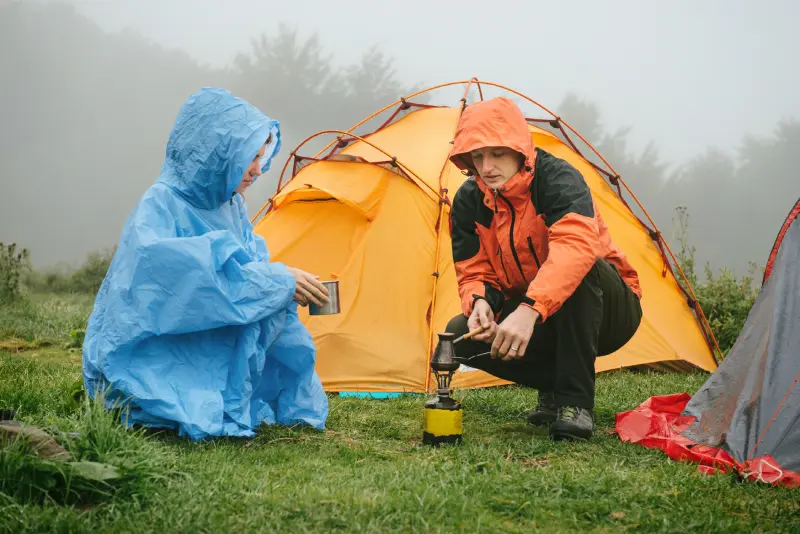
Yes, portable fire boxes (fire pits) or camp stoves that have become popular in recent years are environmentally friendly and much safer alternatives as they do not damage the ground. These devices keep the fire elevated off the ground and prevent the heat from making direct contact with the soil. Especially in areas with sensitive vegetation or when you want to adhere strictly to the "leave no trace" principle, these devices are your best friends. However, it should be noted that using a fire box does not eliminate the risk of wind or the need for supervision. The fire burning inside the box should also be extinguished with the same care, and the coals should be disposed of safely.
How Do Seasonal Differences Affect Fire Safety?
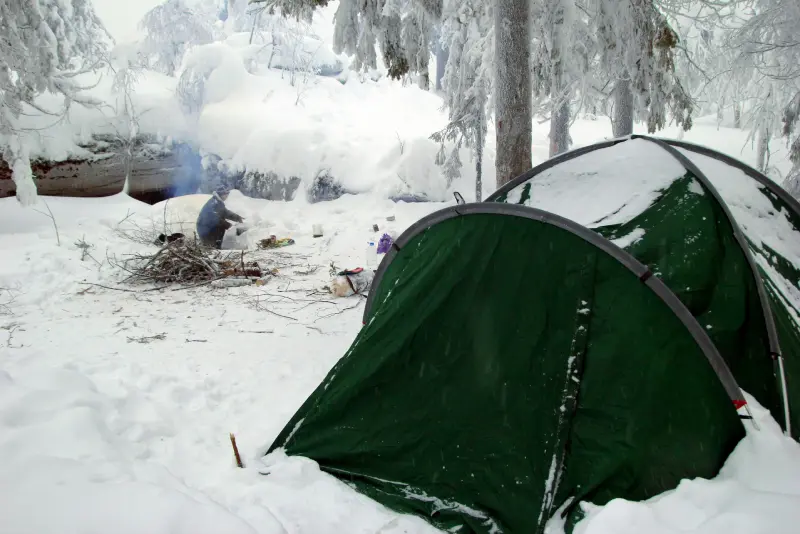
Fire safety shows significant variations depending on the seasons. The summer months are the riskiest period due to low humidity and high temperatures; during this time, lighting a fire is completely prohibited in many areas. Autumn prepares a suitable ground for the rapid spread of fire due to fallen dry leaves. In winter, even if the ground is wet, the intensity of the wind and sudden changes in direction can pose a danger. Additionally, lighting a fire on frozen ground in winter can disrupt the soil structure. It is necessary to recognize the unique risks of each season and prepare accordingly. Falling into the misconception that "fires do not occur in winter" is one of the biggest mistakes that can be made in forest safety.
Why Is the Use of Non-Natural Materials as Fuel Harmful?
You should never burn materials such as plastic, packaging waste, chemically treated painted wood, or tires in a fire pit. When these materials burn, they release toxic gases into nature, pollute the soil, and cause lasting damage to the environment. Additionally, the burning temperature of these types of materials can be very high and can lead to uncontrolled sparks. Using only the dead wood you collect from nature preserves both the naturalness of the fire and prevents inhalation of toxic smoke. It prevents your fire. Instead of burning your trash, it is the duty of a true nature lover to collect it in a bag and take it to the nearest trash container. We should see nature not as a waste disposal facility, but as a treasure that needs to be protected.
What is Underground Fire and How Can It Be Prevented?
Underground fire is the slow spread of heat through roots or organic matter underground, despite no flames being visible on the surface. This situation is particularly observed in needle-leaved forests and peat areas. The fire can progress underground for days and suddenly ignite a tree far from your campsite. To prevent this, ensure that the bottom of the fire pit is completely mineral soil (sand/rock) and that the soil is thoroughly soaked during the extinguishing process. If you suspect that the fire has gone underground, you should excavate the area extensively and saturate it with water. Underground fires, which are a sneaky danger, are often a result of inadequate extinguishing efforts.
How Should Soil Be Used When Closing the Fire Pit?
After ensuring that the fire is extinguished and the ashes are cold, you should fill the pit with the soil you initially set aside. It is important to compact the soil while filling it in such a way that no air pockets remain. This completely cuts off the oxygen supply to any remaining embers. Spread natural materials (not dry branches but non-living plant cover debris) collected from the surroundings over the soil to help the area return to its original natural appearance. Soil use is not only crucial during the extinguishing phase but also serves as your greatest ally in the restoration phase of nature. Properly using the soil will help you leave the campsite better than you found it.
Is It Necessary to Wait for the Fire to Go Out Overnight?
Many campers wait for the fire to go out on its own while they sleep; however, this is an extremely risky behavior. There is no guarantee that the night wind will not pick up or that an animal will not disturb the embers. Before going to sleep, you should completely extinguish your fire in a planned manner using the methods described above. If you need warmth at night, you should provide it with a quality sleeping bag, mat, or thermal clothing, not with fire. Being in the same environment as an uncontrollable energy source not only risks the forest but also your own life. A safe sleep is only possible with a completely extinguished fire.
What Are the Communication Channels in Emergencies?
When camping in nature, you should always have a "Plan B" and ensure that your communication channels are open. If you are camping in deep valleys or remote areas where the phone signal is weak, satellite communication devices or radios can be vital. The essential number to reach in case of fire, 112, can be called even if your phone is out of coverage (if another operator has coverage). It is also beneficial to note down the numbers of the local forest management offices in advance. When you notice a fire, you should not only call for help but also alert other campers in the vicinity to assist in their evacuation. Communication is the strongest weapon in disaster management.
Should Fire Be Minimized to Protect Forest Habitat?
Large fires mean significant dangers and high wood consumption. A responsible camper only lights as much fire as needed. There is no need for massive flames to cook food or keep warm; often, a small and efficient ember is much more functional. Managing, extinguishing, and isolating a small fire is much easier. Additionally, the intense light and noise emitted by large fires can scare nocturnal wildlife and disrupt their natural rhythm. Keeping the fire at a minimal level reduces the risk of fire and minimizes your impact on nature. Remember, the less trace you leave in nature, the better guest you are.
How Does Personal Responsibility Awareness Save Nature?
Every forest fire is essentially a human story. There is either negligence or carelessness involved. Personal responsibility means not saying "it doesn't change with one person" and adhering strictly to the rules. If every camper follows the safe fire pit opening rules, thousands of hectares of forest can be saved from burning each year. This awareness not only involves controlling your own fire but also gently warning about the wrong practices you see around you. Protecting nature is a collective effort, and this effort begins with each individual taking small but vital steps in their own campsite. An aware society is a world that remains green.
What Can We Do to Leave a Green World for Future Generations?
Our meticulousness about lighting fires determines the quality of the world we will leave to our children and grandchildren. Every fire we extinguish today means a tree we will breathe tomorrow. While spending time in nature, we should not only enjoy today but also consider the ecological balance of tomorrow. Learning, teaching, and setting an example for safe fire lighting techniques is a civic duty. In a world where forests have disappeared, there will be no place left to camp. Therefore, we must approach every spark with great sensitivity and protect nature as our home. A green future will rise on the safe steps we take today.