How Does Cast Iron Skillet Heat Affect Omelet Texture?
Cast iron skillets not only concentrate heat in the center due to their dense carbon and iron alloy, but also distribute it evenly across every centimeter of the pan. This completely eliminates the risk of one side of the omelet burning while the other side remains undercooked. The high heat capacity creates a protective layer on the outer surface as soon as the egg mixture touches the pan. This "shock cooking" effect keeps the inside of the omelet moist and soft while causing the bottom surface in contact with the pan to develop a golden color and a slightly crispy texture. While other thin-bottomed pans experience heat fluctuations, the cast iron skillet provides stable heat, allowing proteins to coagulate in the most ideal form.
How Does the Difference Between Enameled Cast Iron and Raw Cast Iron Affect the Omelet?
The type of cast iron skillet you choose when making an omelet directly affects your cooking technique. Raw cast iron skillets develop a natural non-stick surface over time with a proper "seasoning" process, adding a slightly smoky, authentic flavor to the omelet. Enameled cast iron skillets, on the other hand, minimize the likelihood of the egg sticking due to their non-porous surfaces and are more practical in terms of cleaning. While raw cast iron transfers heat to the egg more aggressively, the enameled coating allows for a more controlled and gentle heat transfer. If you are looking for a more rustic appearance in your omelet, you should choose raw cast iron; if you prefer a more refined and non-porous outer surface, you should opt for enameled coating.
How Is the Chemical Reaction of Milk Added to the Omelet Mixture Observed in a Cast Iron Skillet?
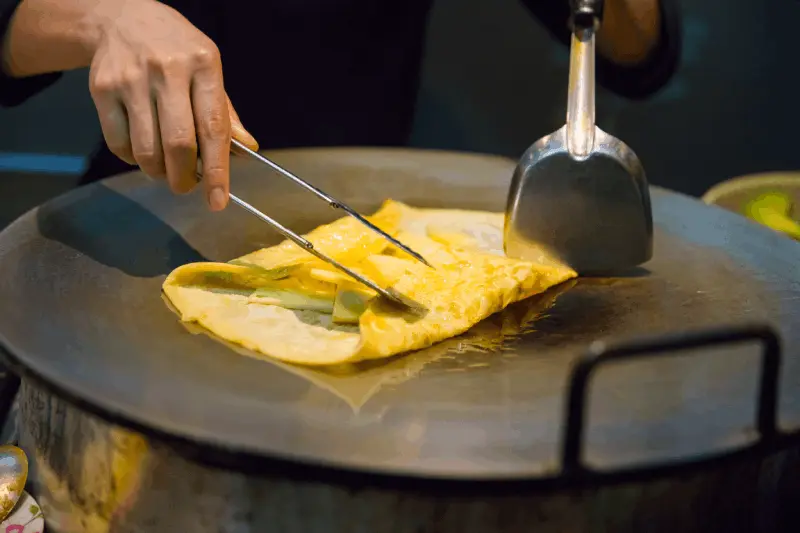
Milk added to the egg mixture interferes with the protein fibers, preventing them from binding too tightly. Under the high heat of the cast iron skillet, these milk droplets work to evaporate quickly, creating tiny air bubbles within the omelet. This process ensures that the omelet appears fluffier and more voluminous. Milk also raises the coagulation temperature of the egg slightly, giving you a wider margin of movement against the intense heat of the cast iron skillet. The sugars and proteins (lactose and casein) in the milk undergo a slight Maillard reaction on the surface of the cast iron skillet, adding depth of flavor and aroma to the omelet.
How Are Vegetables That Release Water, Like Mushrooms, Caramelized in a Cast Iron Skillet?
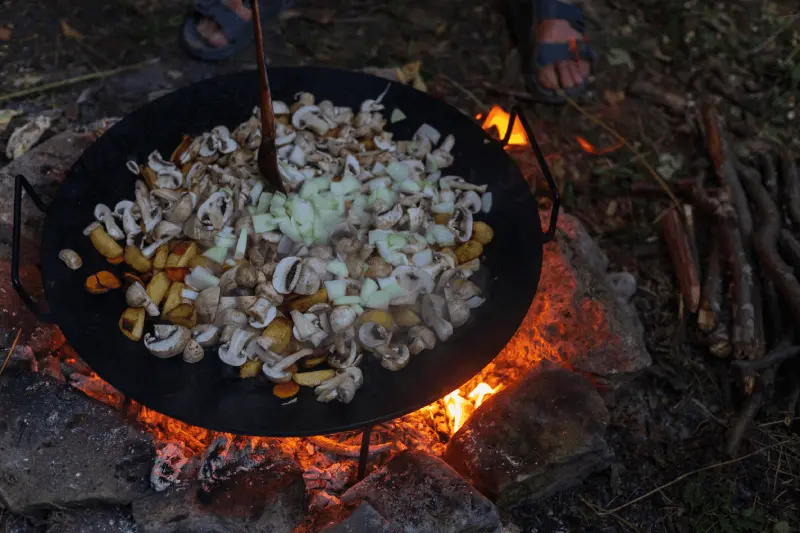
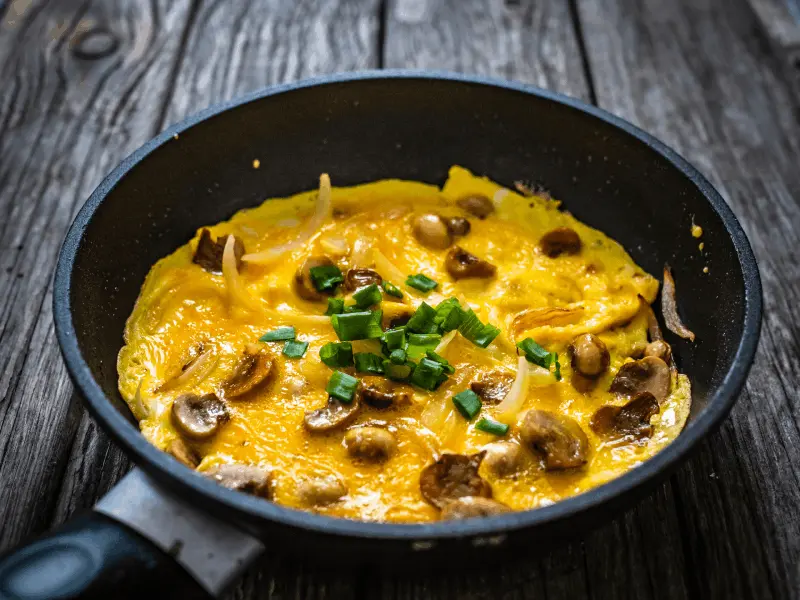
Mushrooms are an essential part of omelets but must be handled carefully due to their water-releasing properties. The biggest advantage of a cast iron skillet is its thermal mass, which can evaporate the water released by mushrooms in seconds. When you add mushrooms to a preheated cast iron skillet without overcrowding the pan, they will caramelize from the outside instead of releasing their moisture. This process traps the aromatic essences inside the mushroom and allows the outside to develop a wonderful caramel color. Sautéing vegetables in this "dry" environment prevents the filling from becoming watery when added to the omelet, ensuring the consistency remains intact.
How Does Cheese Selection Affect the Melting Point and Flavor of the Omelet?
In a cast iron skillet, cheese in a cooked omelet is not just a filling ingredient but also a structural component. For example, hard cheeses like aged cheddar or Gruyère melt more slowly at high temperatures, adding a rich character. In contrast, soft cheeses like mozzarella or string cheese melt quickly, creating stretchy strands within the omelet. The fat content of the cheese helps enrich the flavor of the bottom of the omelet when it interacts with the surface of the cast iron skillet. If you sprinkle some cheese around the edges of the skillet instead of just putting it inside, the heat from the cast iron skillet will crisp the cheese, creating a wonderful "cheese crust".
Why Should Low-Medium Heat Be Preferred When Cooking an Omelet in a Cast Iron Skillet?
Cast iron skillets have "thermal momentum" because they retain heat very well. This means that once you heat the pan up, even if you lower the heat, it will remain hot for a long time. When cooking a delicate dish like an omelet, it is safest to heat the pan thoroughly at the beginning and then reduce it to low-medium heat. High heat can burn the outside of the vegetables while causing the egg to set within seconds, resulting in a rubbery texture. Low-medium heat allows the proteins to coagulate gently, the cheeses to melt evenly from the inside out, and the vegetables to slowly release their flavors into the egg.
How Does the Whipping Time of the Egg Affect the Rise in a Cast Iron Skillet?
The amount of air you trap while whipping the eggs is a key factor that determines the final volume of the omelet in the cast iron skillet. If you whip too much and create too much foam, the skillet's strong heat will quickly expand these air bubbles, causing the omelet to rise like a giant soufflé. However, these types of omelets can deflate quickly after being removed from the pan. For a more homogenous and stable texture, it is ideal to whip the eggs just until the yolks and whites are fully combined without over-whipping. The firm and satisfying texture of an omelet cooked in a cast iron skillet comes from eggs that have been properly whipped and evenly combined with the skillet's heat.
Should Olive Oil or Butter Be Used in a Cast Iron Skillet?
This choice is entirely a matter of taste and the heat of the skillet. Olive oil has a higher smoke point, making it more suitable for sautéing vegetables at the skillet's initial high heat. However, butter is the only ingredient that gives the omelet that classic French flavor and silky texture. For an ideal cast iron skillet omelet, after sautéing the vegetables in olive oil, it is most professional to add a piece of cold butter to the pan just before adding the egg mixture.
It is important. While the butter's milk solids prevent the egg from sticking to the pan, the nutty flavor (beurre noisette) helps create an aroma.How Do Fresh Herbs' Aroma Profiles Change in a Cast Iron Pan's Heat?
Greens like parsley, dill, or green onions are the source of freshness in an omelet. However, the intense heat of the cast iron pan can ruin the delicate structure of these herbs. If you add these herbs too early, their colors may fade and their flavors can become bitter due to the heat. Adding fresh herbs to the egg mixture while it is still cold or sprinkling them on top after the omelet has started to set in the cast iron pan helps preserve the volatile oils. The heat of the pan awakens the aromas of these herbs while incorporating them into the texture of the omelet without burning them. Especially if you are using woodier herbs like fresh thyme or rosemary, lightly tossing them in oil at the beginning helps to infuse the oil with their flavors.
How Is the "Patina" Layer Protected to Prevent the Omelet from Sticking to the Pan?
Patina is a polymerized oil layer that forms over time on the surface of the cast iron pan. This layer is your greatest ally when making an omelet as it provides a natural non-stick surface. To protect the patina, you should never scrub the pan with harsh detergents or steel wool. After making an omelet, simply clean the pan with hot water and a soft brush, then lightly oil and heat it to extend the life of the patina. With a well-maintained and smooth patina, you can slide your omelet onto a serving plate in one motion using minimal oil. This layer acts as a barrier between the iron and the food, preventing the omelet's flavor from becoming metallic.
Is a Folded Omelet or an Open Omelet More Efficient in a Cast Iron Pan?
The depth and edge structure of the cast iron pan are suitable for both methods, but the choice depends on the density of the ingredients. If you are making an omelet filled with plenty of vegetables and melting cheese, folding it in a "French omelet" style or half-moon shape ensures that the heat from the filling blends well. However, if you are looking for a more visible vegetable presence and a baked texture, leaving it open in a "Frittata" style is more efficient. If the handle of the cast iron pan is also cast, cooking the omelet on the stove first and then placing it under the oven's broiler to brown the top is an amazing technique that is only possible with open omelets.
How Does the Size of Vegetables Balance Cooking Time in a Cast Iron Pan?
Since the heat in a cast iron pan is very intense, the size of the vegetables plays a critical role. Very large diced peppers or carrots can remain raw until the eggs are cooked. Therefore, chopping the vegetables into small cubes (brunoise) or thin strips (julienne) ensures maximum contact with the surface of the cast iron pan. You should not add fast-cooking vegetables (like spinach) and slow-cooking vegetables (like potatoes) to the pan at the same time. By slicing the potatoes very thinly and sautéing them in the cast iron pan, while adding the spinach last with the eggs, you ensure that each ingredient maintains its ideal texture, preserving the overall quality of the omelet.
How Does the Fat Content of Cheese Affect the Physical Structure of the Omelet?
Very fatty cheeses (such as certain aged cheddar types) can release a significant amount of fat when melted. In a cast iron pan, this can cause the eggs to "swim" in the fat and result in a loose omelet structure. On the other hand, low-fat cheeses can dry out and fail to provide the desired creamy texture to the omelet. The ideal approach is to use a combination of fatty and low-fat cheeses. The fat released by the cheese seeps into the pores of the cast iron pan, acting as a natural lubricant, while the casein structure of the cheese binds the egg proteins together, making the omelet sturdier and easier to serve.
Why Do Vegetables Cook Faster When the Cast Iron Pan Is Hot?
The infrared heat emitted by the cast iron pan penetrates not only the surface of the vegetables but also their inner parts more deeply. This means that vegetables cook 30-40% faster in a cast iron pan compared to traditional non-stick pans. The quick cooking process is a significant advantage in terms of preserving the vitamins and vibrant colors within the vegetables. For example, green peppers can caramelize in just two minutes in a cast iron pan while retaining their crunchiness. This enhances the textural contrast (crunchy veggies vs soft eggs) that the omelet offers when eaten, enriching the gastronomic experience.
Is the Crystal Structure of Salt Added to the Omelet Important?
Salt is an agent that alters the structure of egg proteins, making them more fluid. The fine sea salt added while cracking the eggs distributes evenly, controlling the binding speed of the proteins. However, a sprinkle of coarse crystal rock salt or "fleur de sel" at the end of cooking achieves a wonderful textural harmony with the surface that the cast iron pan has sautéed. The type of salt highlights the non-metallic flavor profile of the cast iron pan. It is important not to overdo it with salt selection, as the chosen cheeses (especially feta or aged cheese) already provide a certain balance of salt.
How Should Time Management Be When Preparing Breakfast in a Cast Iron Pan?
The most important rule when cooking with a cast iron pan is to manage the time required for the pan to heat up correctly. While other pans heat up in 30 seconds, it can take 4-5 minutes for a cast iron pan to reach its full capacity. You can use this time to chop your vegetables or bring your eggs to room temperature. Once the pan is heated, the process moves very quickly. Sautéing the vegetables, adding the eggs, and melting the cheese usually takes a total of 5-7 minutes. Thanks to the heat of the cast iron pan, the breakfast table is ready. Knowing that the omelet will stay warm for a long time even if you leave it in the pan is a great comfort.
How to Prevent Cast Iron Skillet Omelet from Getting Too Hot?
One of the most common mistakes when using a cast iron skillet is dumping ice-cold vegetables or directly taken from the refrigerator cold eggs into a very hot pan all at once. This can cause the eggs to stick to the pan immediately and may also lead to the pan (especially if it is enameled) cracking at a micro level. Letting the vegetables sit outside beforehand or keeping the eggs at room temperature for 15 minutes helps maintain the thermal balance of the cast iron skillet. Additionally, putting a hot pan directly under cold water after cooking can cause the pan to warp or crack; therefore, it is crucial to wait for the pan to cool completely before cleaning.
How Do Cheddar Cheese and Mozzarella Combination Behave in a Cast Iron Skillet?
The combination of these two cheeses can be considered the "golden ratio" for cast iron skillet omelets. Cheddar forms the flavor base of the omelet with its sharp aroma and the rich fat it releases when melted. Mozzarella, with its low melting point and neutral taste, provides that famous stretchy texture. In a cast iron skillet, this combination takes on a wonderful color when it touches the sides of the pan. The heat quickly evaporates the moisture from the mozzarella, bringing it to a chewy consistency, while the fats in the cheddar emulsify with the eggs. The result is a professional omelet that offers a different texture and aroma in every bite.
What Techniques Are Used to Make the Edges of the Omelet Crispy?
A crispy-edged omelet is the biggest hallmark of a cast iron skillet. To achieve this, you must ensure that the skillet and the fat (preferably a mixture of butter and olive oil) are close to the smoking point before pouring in the egg mixture. As soon as the eggs hit the pan, the edges should rise quickly and puff up. By gently lifting the edges with a spatula, you can ensure that the cooked eggs flow to the hot edges of the pan, creating a thin, lace-like, and crispy texture along the edges. Keeping the sides of the cast iron skillet hot also ensures that not only the bottom of the omelet but also the sides achieve a perfect form.
How Should the Use of Cast Iron Skillet Be Viewed as a Gastronomic Ritual?
Using a cast iron skillet in the kitchen represents a "slow cooking" philosophy in a fast-paced modern world. The weight of the pan, waiting for it to heat up, and touching that iron texture focuses the cook more on the food. The characteristic "sizzle" sound that vegetables make when they hit the cast iron surface is at a much deeper frequency than other pans. Staying true to this ritual while making an omelet ensures that you treat the ingredients with more respect. Since the cast iron skillet is a legacy tool that can be used for generations, every omelet you cook in it is essentially a mark on your culinary memory. The flavors of dishes cooked with this awareness are always deeper.
How Do Seasonal Changes Transform Vegetable Omelet Recipes?
Making an omelet in a cast iron skillet should be continuously updated according to the fresh ingredients that nature offers. In spring, an omelet made with asparagus, fresh peas, and fresh garlic releases a wonderful spring aroma in the cast iron skillet. In summer, combining sun-ripened meaty tomatoes and basil creates a Mediterranean breeze. In winter, the strength of the cast iron skillet is ideal for softening and caramelizing sturdy root vegetables (leeks, grated carrots). Each season presents different vegetables with varying sugar and water balances that interact with the high heat of the cast iron skillet; this makes your omelet unique throughout the year.
Why Shouldn't Metal Utensils Be Used When Making Omelets in a Cast Iron Skillet?
Metal utensils can cause lasting damage to the surface, especially in enameled cast iron skillets. While using a metal spatula in raw cast iron skillets is technically possible, it can scratch that valuable patina layer on the surface. Silicone or high-quality wooden spatulas are the most suitable tools for the natural structure of the cast iron skillet. These tools help you lift the delicate edges of the omelet without damaging them and prevent scratching the fat on the surface of the pan. Additionally, since cast iron skillets conduct heat very well, metal-handled tools can burn your hand; therefore, using heat-resistant silicone tools is critical for both the health of your skillet and your own safety.
What Can Be Done in a Cast Iron Skillet to Ensure the Omelet Puffs Up?
Incorporating air into the omelet ensures that it has a light and fluffy texture instead of a heavy and dense mass. After pouring the egg mixture into the pan, make gentle pulling motions from the edges towards the center with a spatula for the first 30 seconds. This allows the uncooked liquid egg to flow underneath the cooked parts while creating air pockets in between. The high edges of the cast iron skillet help the moisture in these air pockets evaporate, assisting the omelet in "fluffing up." If you fold the omelet while the center is still slightly moist, the remaining air and steam will keep the omelet fluffy until it reaches the serving plate.
How Does the Saltiness of Cheeses Balance the Overall Flavor of the Omelet?
The salt level of the cheese you use in the omelet can change the balance of all seasonings from the start. For example, if you are using aged İzmir tulum or Ezine cheese, you need to reduce the salt you add to the egg mixture by half. When cheeses melt in the cast iron skillet and release some moisture, the saltiness becomes even more pronounced. On the other hand, when choices like cottage cheese or unsalted mozzarella are made, you can be more generous during the seasoning phase. To establish the flavor balance, it is advisable to taste a small piece of cheese before adding it to the pan to check the saltiness level, which helps maintain the balance of this rich and flavorful dish cooked in a cast iron skillet.
Why Is Pre-Sautéing Vegetables a Critical Step?
Many amateur cooks fall into the mistake of throwing vegetables and eggs into the pan at the same time. However, the cooking times for vegetables and eggs are completely different. Pre-sautéing the vegetables in the cast iron skillet allows them to release their raw smell and brings out their sugars. Greetings. Especially vegetables like onion and pepper can leave an unpleasant crunch and raw taste inside the omelet if they are not pre-cooked. After sautéing the vegetables and setting them aside (or pouring the eggs over them), the heat of the cast iron pan allows the flavor of the vegetables to permeate every cell of the egg. This "pre-cooking" stage is the cornerstone of a professional omelet.
Does the Way You Store Your Cast Iron Pan Affect the Taste of the Omelet?
Yes, how you store your cast iron pan can directly affect the taste of your next omelet. A cast iron pan left in a humid environment can develop slight rust, which can impart a metallic, unpleasant taste to the food. Drying your pan after each use and storing it with a thin layer of oil ensures that the patina on the surface remains vibrant. If your pan has been sitting for a long time, lightly heating it before making an omelet and wiping it with a paper towel will clean off any dust or stale oil residues that may have accumulated. A clean start is the only way to preserve the pure and clean flavor of the omelet in a cast iron pan.
Do Organic Eggs Used in Omelets Make a Difference in a Cast Iron Pan?
Quality raw materials showcase their character more clearly when cooked in a cast iron pan. The yolks of organic or free-range chicken eggs are darker and have a healthier protein structure. Under the high heat of the cast iron pan, these quality proteins take on a more elastic and flavorful texture. Additionally, the flavor depth of organic eggs creates a stronger bond with the sautéed vegetables in the cast iron pan. The color of the egg also enhances the visual quality of the cooked omelet against the dark background of the cast iron pan, creating an appetizing contrast. Ultimately, using such a technical tool means choosing the best ingredients to do justice to the dish.
How Do Spices Activate with Heat in a Cast Iron Pan?
Dry spices (oregano, red pepper flakes, black pepper) need heat to release their aromatic oils. The surface of the cast iron pan is an excellent platform to "wake up" these spices. Instead of mixing the spices into the egg mixture, adding them to the hot oil just before sautéing the vegetables or pouring the eggs ensures that the flavors spread throughout the omelet with the oil. Spices that encounter heat absorb that intense energy in the cast iron pan, doubling their flavor. However, care must be taken; spices like paprika can quickly burn and leave a bitter taste at very high temperatures, so the timing of adding spices requires precise adjustment.
How Is the Time Adjusted to Keep the Middle of the Omelet Runny?
Capturing that slightly runny interior texture that the French call "baveuse" requires some skill in a cast iron pan because the pan continues to retain heat. To achieve this consistency, you should turn off the heat while the top surface of the omelet still looks wet and shiny. The residual heat inside the cast iron pan will continue to cook the omelet to the perfect consistency until you transfer it to the plate. If you wait for the pan to dry completely, your omelet will likely be overcooked by the time it reaches the plate. Calculating "carry-over cooking" is the secret to achieving a perfect interior texture in a cast iron pan.
How Does the Weight of the Cast Iron Pan Contribute to the Cooking Stability of the Omelet?
While weight is often seen as a challenge in the kitchen, it is a significant advantage in a cast iron pan. A heavy pan does not move even a millimeter on the stove, providing a stable environment during the cooking process of the omelet. Additionally, the thick base is not affected by air currents from the outside environment or small imbalances in the flame of the stove. This stability helps the egg proteins to coagulate uniformly without any stress. The mass of the pan prevents sudden drops in temperature even if cold ingredients are added, keeping the cooking speed and quality consistent throughout the process.
How Are Different Cultural Omelet Techniques Adapted to Cast Iron?
Spanish "Tortilla de Patatas", Japanese "Tamagoyaki", or Italian "Frittata"... All these techniques can come to life in a cast iron pan. For example, when making a Tortilla, the slow and deep cooking of the potatoes in the cast iron pan ensures that they become perfectly tender from the inside out. The ability of the pan to go into the oven is the biggest advantage when making a Frittata. Thanks to its high sides and ability to distribute heat evenly, the cast iron pan yields much better results than standard pans in all these global recipes. Regardless of which cultural technique is used, the authentic cooking feel that the cast iron pan offers adds character to the dish.
How Do Side Dishes Served with the Omelet Complete the Cast Iron Pan Experience?
When cooked in a cast iron pan, the accompaniments to a rich omelet with vegetables and cheese should provide a contrast in texture. A crunchy slice of sourdough bread pairs wonderfully with caramelized vegetables from the cast iron pan. A fresh arugula salad or a lightly acidic tomato salad served alongside balances the rich texture from the cheese and eggs in the omelet. Sometimes, to bring the warmth of the cast iron pan to the table, the omelet is served directly from the pan; in this case, the wooden trivet placed on the table and the aesthetics of the pan transform breakfast from just a meal into a visual spectacle.
Why Is Cooking an Omelet in a Cast Iron Pan an Art That Requires Patience?
For those looking to whip something up quickly, a cast iron pan may not be the right choice; because this tool requires attention and time. Waiting for the pan to heat slowly, working the ingredients with care and at the right temperature, and then maintaining the pan requires discipline. However, the reward for this patience is a deep flavor and texture that cannot be achieved with any other tool. Making an omelet in a cast iron pan is a stand against the "speed" obsession of modern cuisine. Observing the transformation of the dish at every stage, drawing in the aromas... Seeing that perfect result in the end is the greatest source of satisfaction for a chef.
What is the Effect of Cleaning Materials on the Lifespan of Cast Iron Pans?
Cleaning a cast iron pan is an investment for the future flavor of your omelet. Detergents containing harsh chemicals strip away that delicious oil on the surface of the pan, leaving the iron unprotected. Ideally, after cleaning the plate, you should wash the pan while it is still warm with hot water and a natural fiber. If there are baked-on pieces, pouring some coarse salt into the pan and scrubbing with a paper towel creates a sanding effect that cleans the surface without damaging the patina. As soon as cleaning is finished, drying the pan and lightly heating it on the stove to completely remove moisture can prevent rust and extend the lifespan of the pan for centuries.
What is the Importance of Making an Omelet in a Cast Iron Pan for Future Chefs?
New generation chefs are often trained with high-tech ovens and non-stick coatings. However, being able to make a simple omelet in a cast iron pan means understanding that fundamental relationship between fire and iron. The best school for teaching heat management, material reactions, and "getting to know the pan" is a cast iron pan. If a chef can cook an egg in a cast iron pan without overcooking or drying it out, they have acquired a fundamental skill that will help them overcome all other challenges in the kitchen. For this reason, the cast iron pan is one of the purest and most challenging tests of culinary education.
How Does the Fat Content of Dairy Products Used in Omelets Affect Flavor?
If you use products like cream or full-fat yogurt instead of milk, the heat from the cast iron pan interacts with these fats, giving the omelet a luscious texture. The milk fat in the cream, when combined with the porous structure of the cast iron pan, creates an incredible shine and silkiness on the surface of the omelet. High-fat dairy products also facilitate the absorption of vitamins (such as A, D, E, K, and fat-soluble nutrients) from vegetables by the body. The ability of the cast iron pan to bring these ingredients together elevates the omelet from a simple breakfast to a gourmet dinner level.
Where Does the Psychological Satisfaction of Making an Omelet in a Cast Iron Pan Come From?
Working with a heavy and sturdy tool in the kitchen gives a sense of control and mastery. That perfect omelet that comes out of the cast iron pan is a tangible proof of effort and anticipation. The deep sound it makes when it sits on the stove increases confidence in the quality of the cooked dish. Serving that cast iron omelet, colored with vegetables and enriched with cheese, to your loved ones enhances the value of the shared table. This process is not just about filling the stomach; it is also a creative act that nourishes the soul.
What Method Should Be Followed in a Cast Iron Pan to Preserve the Nutritional Value of Vegetables?
The "quick blanching" method in a cast iron pan suddenly closes the cell walls of vegetables, preserving their moisture and minerals. While prolonged boiling or low heat in thin pans can kill vegetables, short bursts of high heat in a cast iron pan ensure that vegetables remain "alive." Especially the bright colors of bell peppers and broccoli (if added) indicate that antioxidants are also preserved. These nutrient-rich vegetables in the omelet reach the highest bioavailability level thanks to the proper cooking environment provided by the cast iron pan.
How is Color Contrast Achieved for the Visual Aesthetics of the Omelet?
A dish is eaten with the eyes first, and the dark anthracite or black color of the cast iron pan provides a perfect backdrop for yellow eggs and colorful vegetables. When red bell peppers, green spinach, or fresh onions are combined with pieces of white cheese, they create a veritable painting in the cast iron pan. A sprinkle of freshly ground black pepper or a pinch of chili flakes added just before serving gives a final aesthetic touch. The rustic appearance of the cast iron pan combined with the colorful and vibrant omelet creates a visual harmony that whets everyone's appetite at the table.
Is Making an Omelet in a Cast Iron Pan a Lifestyle?
Making an omelet in a cast iron pan is a reflection of living mindfully, not in haste. Choosing the right ingredients, giving the pan the necessary attention, and following every detail in the cooking process is actually a piece of the care shown to life itself. All the techniques we have examined throughout this guide are not just a recipe for an omelet, but also a roadmap for professionalizing in the kitchen and enjoying cooking. The cast iron pan, with its simplicity and strength, is your most reliable and rewarding friend in the kitchen.